
1. Ron Howard’s Directing Era
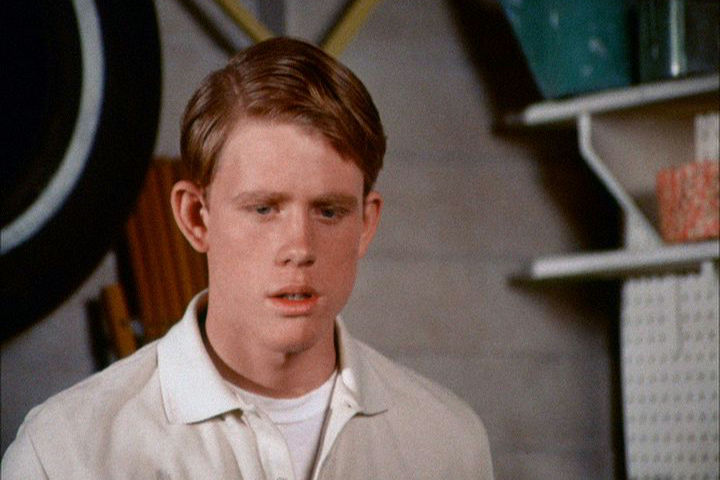
Ron Howard began Happy Days as the earnest Richie Cunningham, already known to audiences from The Andy Griffith Show. After leaving the sitcom in 1980, he transitioned decisively behind the camera. Howard quickly proved himself as a serious filmmaker, directing early hits like Splash (1984) and Cocoon (1985). He later went on to helm major films such as Apollo 13 (1995), A Beautiful Mind (2001), and Frost/Nixon (2008). A Beautiful Mind earned him Academy Awards for Best Director and Best Picture in 2002. Beyond directing, Howard co-founded Imagine Entertainment in 1986, which produced numerous films and television series. His post-Happy Days career is widely regarded as one of the most successful actor-to-director transitions in entertainment history.
2. Henry Winkler’s Reinvention
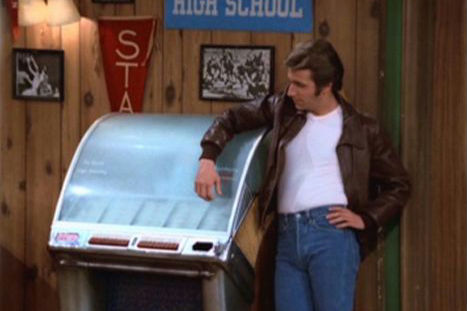
Henry Winkler became a pop culture icon as Arthur “Fonzie” Fonzarelli, a role that initially made it difficult to find varied work afterward. During Happy Days’ run from 1974 to 1984, the character became one of television’s most recognisable figures. In the years that followed, Winkler steadily rebuilt his career by accepting character roles, producing television projects, and mentoring younger actors. A major turning point came with his acclaimed role on Barry, which earned him an Emmy Award in 2018. In addition to acting, Winkler co-authored a successful children’s book series beginning in 2003, inspired by his own experiences with dyslexia. His long career is frequently cited as a powerful example of resilience, reinvention, and lasting relevance in Hollywood.
3. Marion Ross’s Lasting Legacy
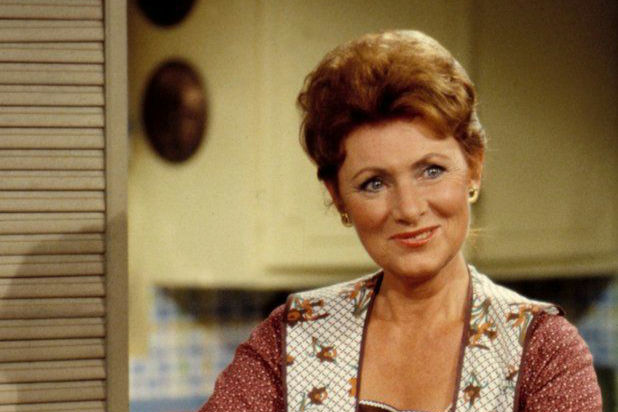
Marion Ross portrayed Marion Cunningham, the caring and levelheaded matriarch of the Cunningham family. She appeared in Happy Days throughout its entire run from 1974 to 1984, becoming a symbol of warmth and stability. Before and after the series, Ross maintained a steady career in film, television, and voice acting. She appeared in films such as The Evening Star (1996) and later guest-starred on That ’70s Show. Ross remained professionally active well into her later years and was widely admired for her professionalism. In 2018, she published a memoir reflecting on her career and personal life. Ross passed away in 2023 at age 95, leaving behind a legacy closely tied to one of television’s most beloved families.
4. Anson Williams Behind the Camera
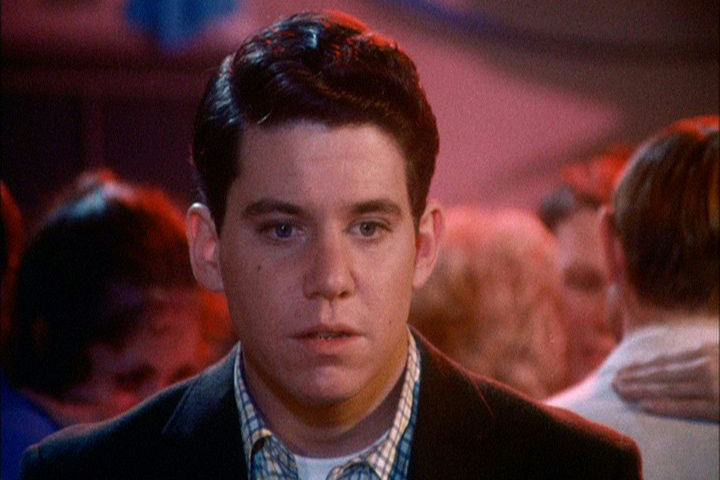
Anson Williams was best known as the upbeat and loyal Potsie Weber. During Happy Days, his character served as Richie Cunningham’s close friend and comic companion. While acting remained part of his career after the series ended in 1984, Williams found long-term stability as a television director. From the late 1980s onward, he directed episodes of popular series such as Melrose Place, Beverly Hills, 90210, and Sabrina the Teenage Witch. In later years, Williams became an advocate for actors’ rights, gaining attention in 2023 for legal action over unpaid streaming royalties. His post-acting career highlights how many sitcom stars transitioned into influential behind-the-scenes roles.
5. Donny Most’s Musical Turn
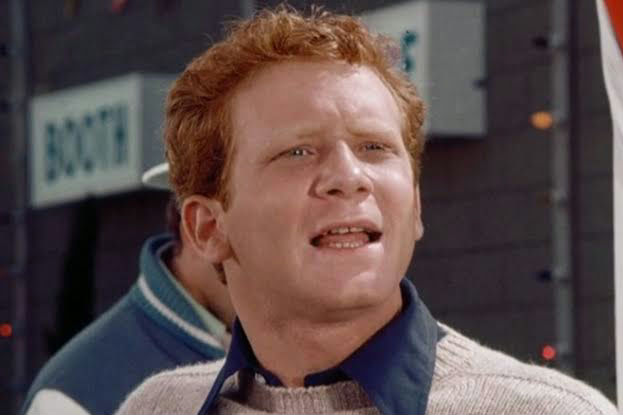
Donny Most played the mischievous Ralph Malph, a role that made him instantly recognisable during the show’s peak years. After Happy Days concluded in 1984, Most continued acting but gradually leaned into his passion for music. By the 2000s, he focused on traditional pop and jazz standards, releasing albums that celebrated classic American songwriting. He became known for live performances and concerts rather than mainstream television roles. Most also made occasional guest appearances on television and participated in Happy Days reunions and retrospectives. His career reflects a quieter, artistically driven path that remained connected to performance while avoiding heavy reliance on nostalgia-based acting roles.
6. Erin Moran’s Difficult Years
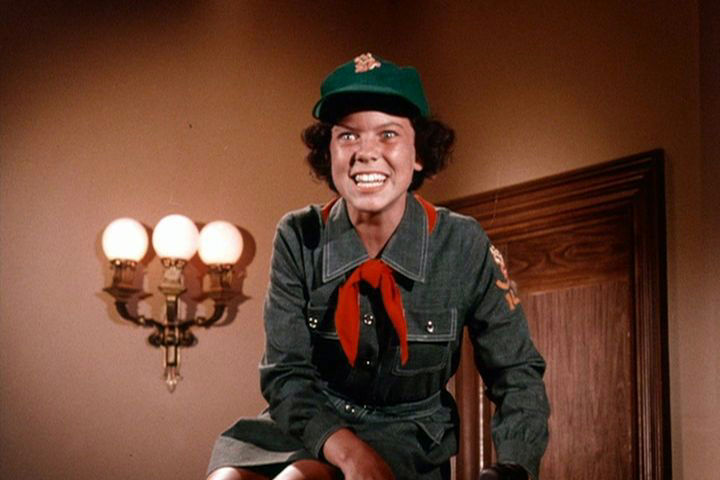
Erin Moran rose to fame as Joanie Cunningham, eventually leading the spinoff Joanie Loves Chachi. While the role brought early success, Moran later faced well-documented personal and financial struggles. Over the years, she appeared in smaller acting roles but never regained the stability of her teenage fame. Her difficulties were widely discussed in major media outlets and sparked renewed conversation about the pressures placed on young performers. Moran died in 2017 at age 56. Her story is often cited in broader discussions about mental health, child stardom, and the need for stronger long-term support systems in the entertainment industry.
7. Scott Baio’s Mixed Spotlight
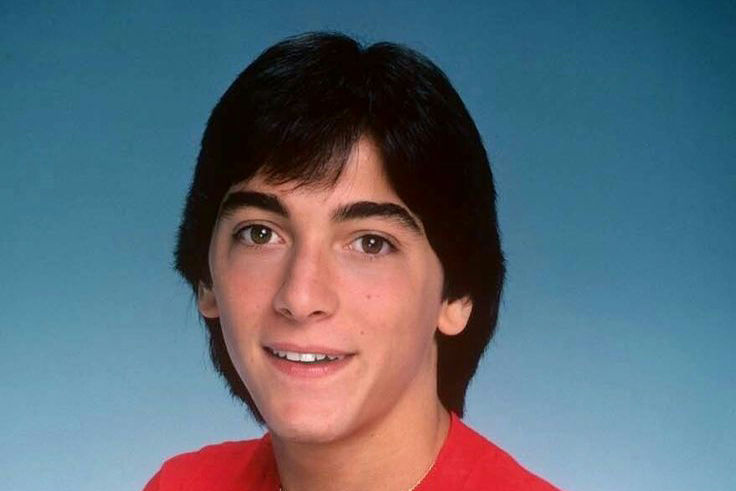
Scott Baio joined Happy Days as Chachi Arcola and quickly became a teen idol of the late 1970s. His popularity led to starring roles in spinoffs and later sitcoms such as Charles in Charge. As his acting career slowed in later decades, Baio remained a public figure through reality television and political commentary. These appearances often drew media attention and debate, shaping modern perceptions of his career. While his later work differed from his early success, his name remained closely associated with nostalgia-era television. Baio’s career illustrates how fame from a single iconic role can continue shaping public perception long after a show ends.
8. Tom Bosley’s Steady Career
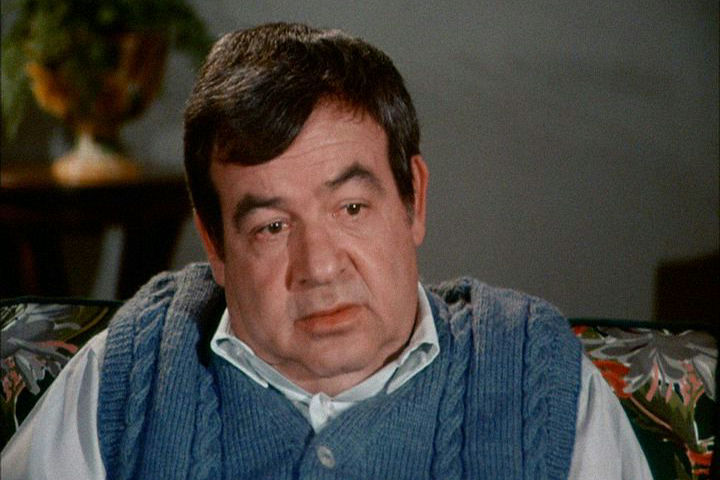
Tom Bosley brought calm authority to the role of Howard Cunningham, the family’s steady father figure. Already an established actor before Happy Days premiered in 1974, Bosley continued working consistently afterward. He became widely known to later audiences as Sheriff Amos Tupper on Murder, She Wrote. Bosley also appeared in television films, theatre productions, and guest roles well into his later years. He passed away in 2010 at age 83. His career is often remembered for its reliability and warmth, representing the kind of trusted character actor who remained a familiar presence across decades of television.
9. Al Molinaro’s Familiar Face
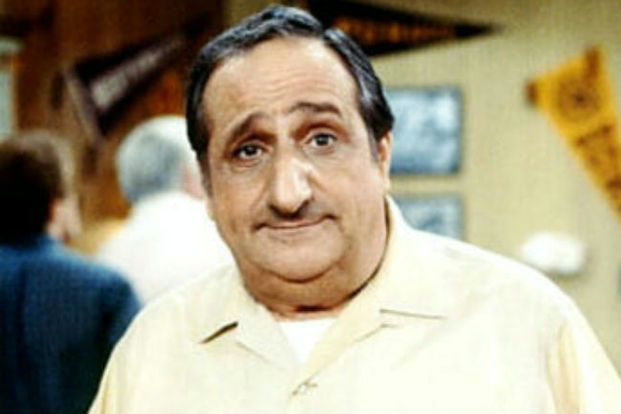
Al Molinaro was instantly recognisable as Al Delvecchio, the good-natured diner owner. His character made Arnold’s Drive-In a central gathering place on Happy Days. Molinaro reprised similar warm comedic roles on other sitcoms, including Joanie Loves Chachi and The Odd Couple. His distinctive look and gentle humour made him a popular choice for friendly authority figures. After stepping away from acting, Molinaro lived a relatively private life. He died in 2015 at age 96. His enduring popularity reflects how supporting characters can leave lasting impressions equal to those of leading stars.
10. Linda Purl’s Ongoing Work
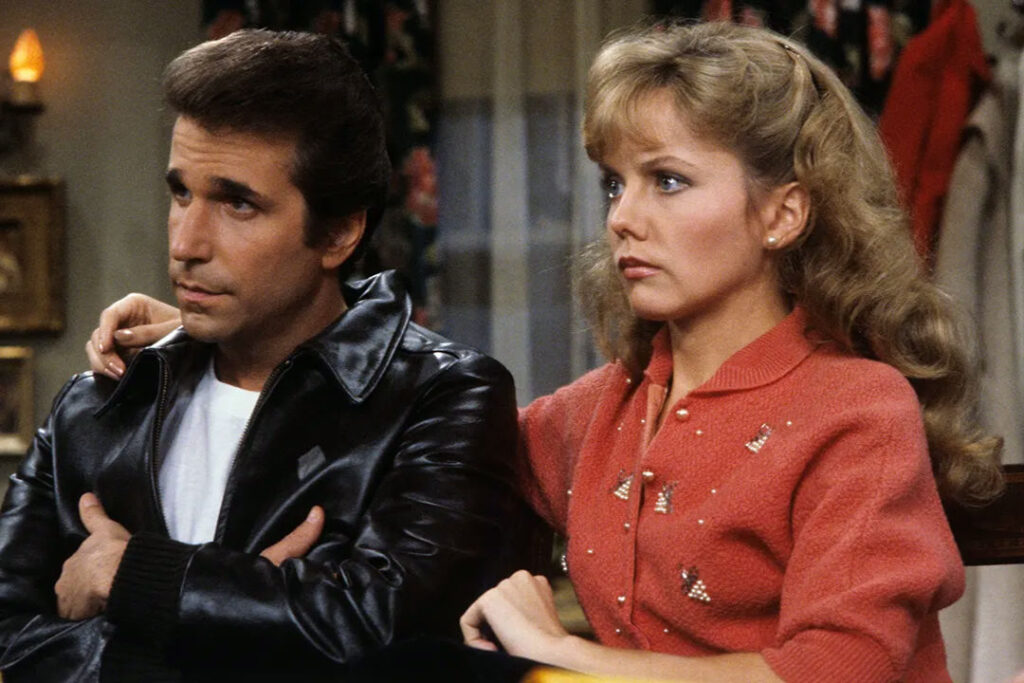
Linda Purl appeared on Happy Days as Ashley Pfister, Fonzie’s love interest during later seasons. Unlike many cast members, Purl avoided being closely typecast and continued working steadily across television, film, and theatre. She appeared in series such as Matlock, The Office, and Homeland. Purl also maintained an active stage career and voice-acting work. In interviews, she has emphasised the value of versatility and long-term consistency over short-term fame. Her career shows how smaller roles in iconic series can support decades of steady professional success.
11. Pat Morita’s Breakthrough
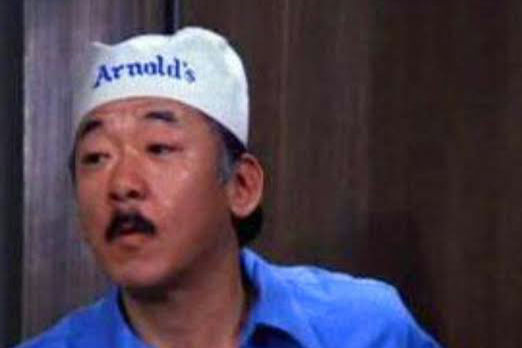
Pat Morita made a strong impression on Happy Days as Arnold, the original owner of Arnold’s Drive-In. Although his role was relatively brief, it became a turning point. Morita later achieved international fame as Mr. Miyagi in The Karate Kid, earning an Academy Award nomination. The role reshaped Hollywood perceptions of Asian American characters. Morita continued acting in television and film for decades, balancing comedy and drama. He passed away in 2005, and his career remains one of the most celebrated success stories to emerge from the Happy Days cast.
12. Roz Kelly’s Quiet Exit
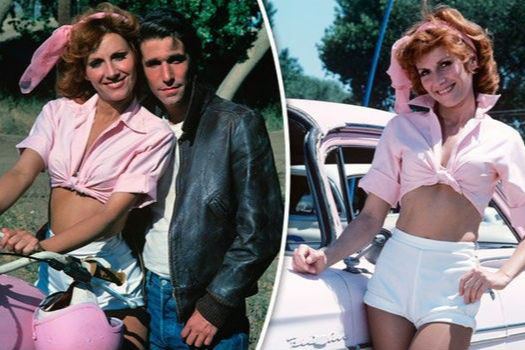
Roz Kelly brought toughness and swagger to Happy Days as Pinky Tuscadero, Fonzie’s rebellious counterpart. Her character stood out in the late 1970s for challenging traditional gender roles on television. Despite the visibility the role provided, Kelly gradually stepped away from acting in the early 1980s. She chose to live largely outside the public eye afterward. Kelly died in 2021 at age 78. Today, her performance is remembered as a brief but culturally meaningful contribution to the series and its portrayal of independent female characters.
Together, their stories form a realistic portrait of life after fame, reminding viewers that even the brightest television moments are only one chapter in a much longer journey.
Like this story? Add your thoughts in the comments, thank you.


