
1. Jason Priestley – Television Mainstay
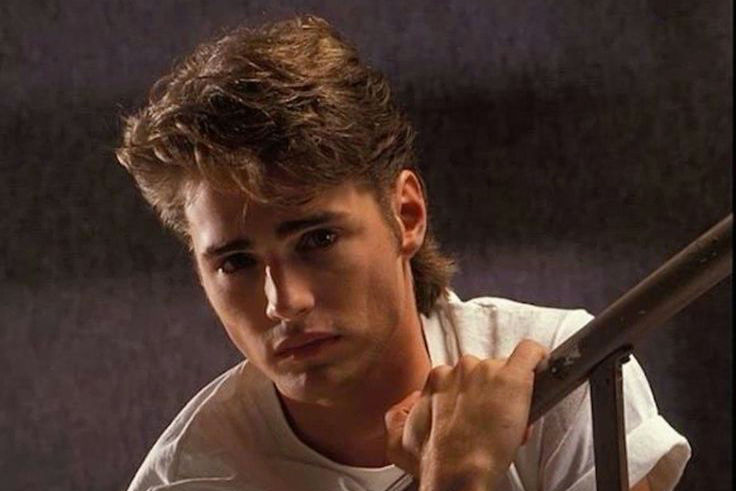
After portraying Brandon Walsh from 1990 to 1998, Jason Priestley chose a steady path in television rather than chasing blockbuster film fame. In the early 2000s, he starred in Tru Calling (2003–2005) and later found long-term success with the Canadian detective series Private Eyes, which ran from 2016 to 2021. Priestley also built a respected career behind the camera, directing episodes of popular shows such as 7th Heaven and 90210. Over time, he became increasingly involved in production and creative leadership. By the 2010s, he was widely regarded as a dependable television professional. His career shows how consistency, skill, and adaptability can sustain long-term success in the television industry without relying solely on nostalgia.
2. Shannen Doherty – Career Reinvention
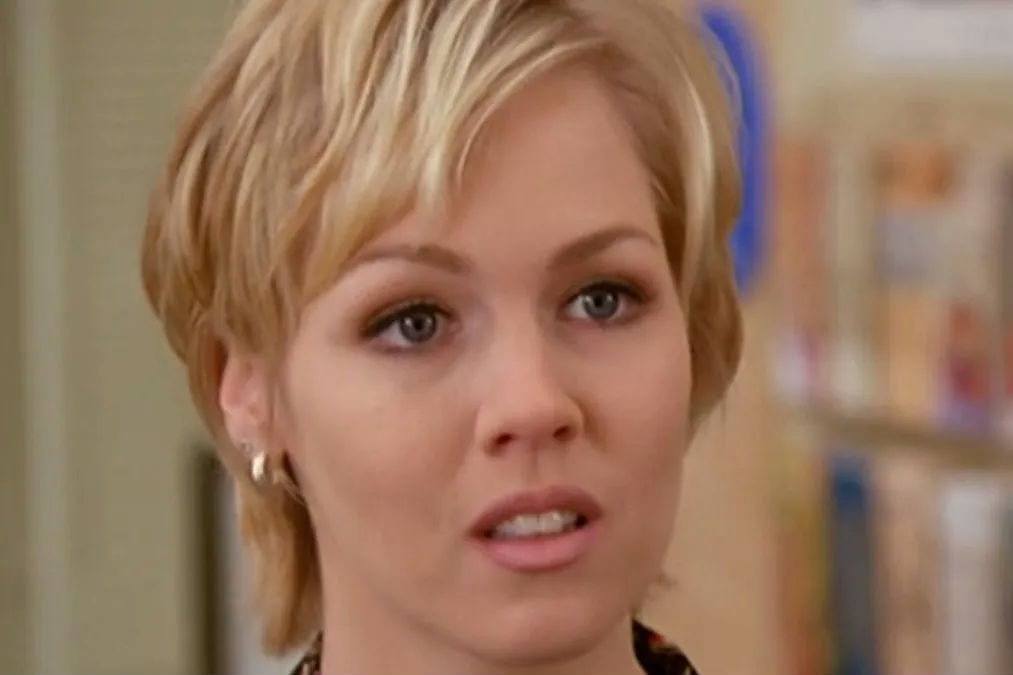
Following her exit from Beverly Hills, 90210 in 1994, Shannen Doherty quickly re-established herself as a leading television actress. She found renewed success on Charmed, where she starred from 1998 to 2001 and helped anchor the show during its early popularity. In later years, she expanded beyond scripted drama into reality television, hosting, and documentary-style projects. From 2015 onward, Doherty became widely known for publicly sharing her cancer journey, using interviews and television appearances to raise awareness. This honesty strengthened her bond with fans. Her career reflects reinvention, resilience, and the ability to remain visible and relevant despite both personal and professional challenges.
3. Jennie Garth – Franchise Anchor
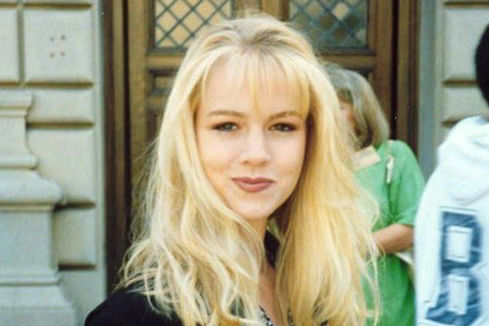
After portraying Kelly Taylor throughout most of 90210’s original run, Jennie Garth remained one of the faces most closely associated with the franchise. During the late 1990s and 2000s, she appeared in numerous made-for-television films, especially family-focused dramas. She later returned as Kelly Taylor in 90210 (2008–2013) and again in the revival BH90210 in 2019. Outside acting, Garth shifted toward wellness, writing, and lifestyle ventures, reflecting a broader career evolution. By embracing her signature role instead of distancing herself from it, she maintained long-term visibility and audience loyalty across generations of viewers.
4. Luke Perry – Respected Performer
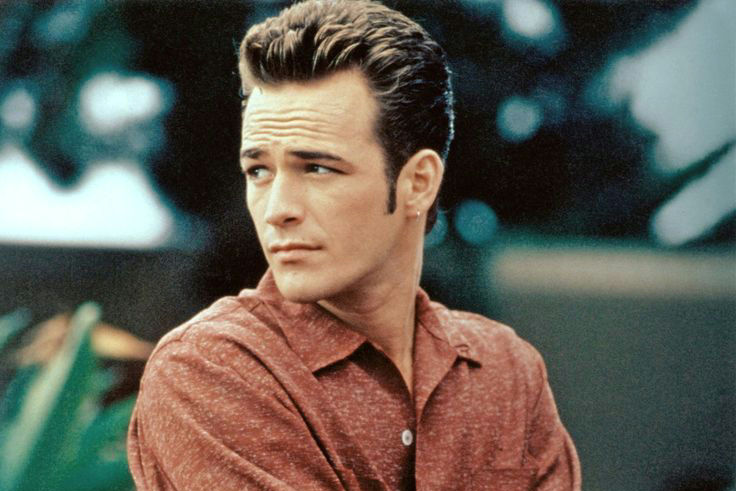
Luke Perry became a global star as Dylan McKay, but he spent the following decades deliberately reshaping his public image. Throughout the 2000s, he focused on independent films, stage work, and selective television roles that challenged expectations. In 2017, he reached a new generation of viewers by starring as Fred Andrews on Riverdale. His final film appearance came in Once Upon a Time in Hollywood (2019), which highlighted his growth as a character actor. By the end of his career, Perry was admired not just for early fame, but for artistic range, professionalism, and thoughtful career choices made over nearly three decades.
5. Tori Spelling – Reality Television Pivot
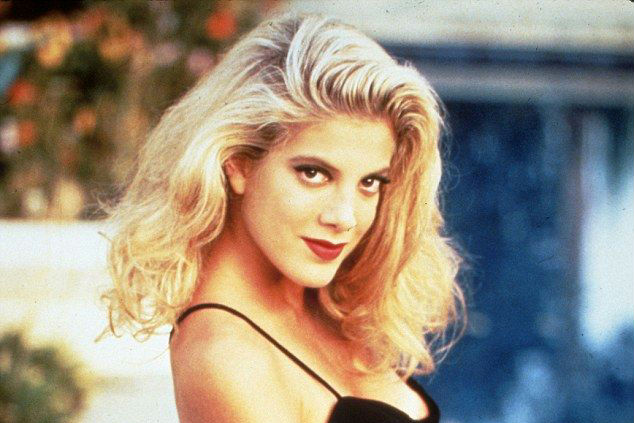
After 90210 ended in 2000, Tori Spelling continued acting but gradually shifted her focus toward reality television. Beginning in the mid-2000s, she starred in several unscripted series that documented her personal and family life. She also became a successful author, releasing memoirs such as sTORI Telling in 2008, which spent time on bestseller lists. Spelling’s openness about fame, finances, and relationships kept her consistently in the media spotlight. Rather than stepping away from public attention, she leaned into familiarity, turning long-standing recognition into an ongoing platform across television, publishing, and popular culture.
6. Brian Austin Green – Career Longevity
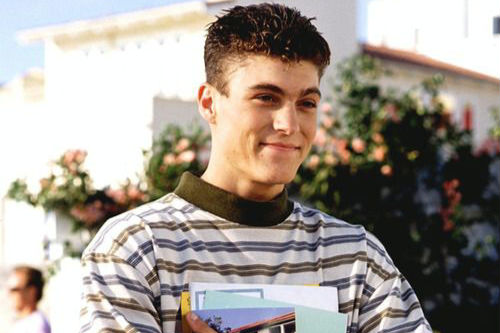
Brian Austin Green avoided being boxed into one image after playing David Silver from 1990 to 2000. In the years that followed, he maintained steady work in television dramas, including recurring roles on Desperate Housewives and Terminator: The Sarah Connor Chronicles. Earlier in his career, he explored music, while later years included voice acting and guest roles across genres. Although he did not pursue blockbuster film stardom, his consistent television presence reflected a practical and sustainable approach to acting. Green’s career highlights how adaptability, persistence, and steady choices can support longevity long after a breakout role.
7. Ian Ziering – Action Television Revival
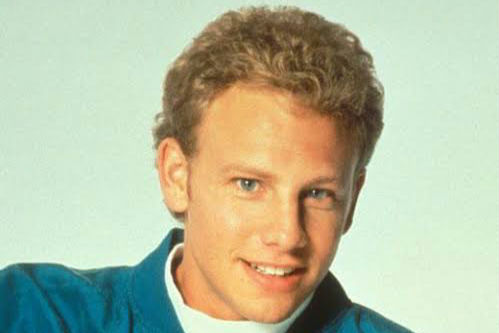
Ian Ziering’s career took an unexpected turn years after 90210 ended. While he worked steadily in television and voice acting throughout the 2000s, his profile surged again with the Sharknado film series, which debuted in 2013. The franchise became a pop-culture phenomenon, driven by social media engagement and cult fandom. This renewed attention led to hosting roles, convention appearances, and new acting opportunities. Ziering successfully embraced the moment rather than resisting it. His career demonstrates how second-wave fame can arrive unexpectedly and how embracing it can open new doors well after an initial peak.
8. Gabrielle Carteris – Industry Leadership
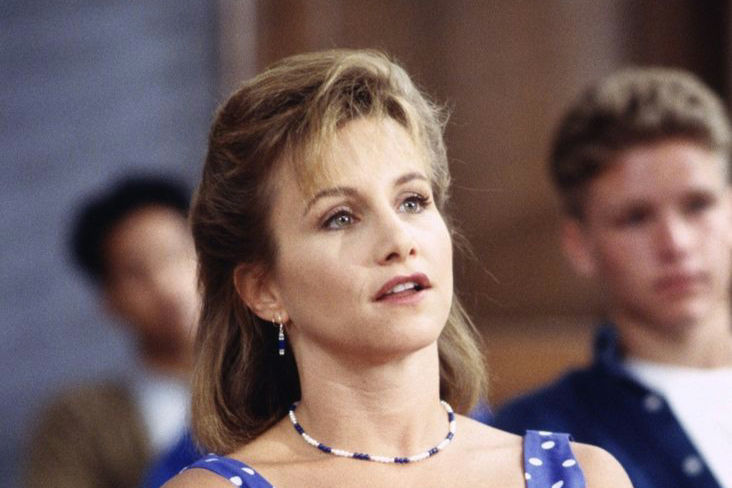
After portraying Andrea Zuckerman, Gabrielle Carteris gradually transitioned away from acting and toward leadership within the entertainment industry. She became deeply involved in union advocacy and was elected president of SAG-AFTRA in 2016. In this role, she represented performers during critical negotiations involving streaming platforms, workplace protections, and fair compensation. Carteris’s work shifted her influence from on-screen visibility to behind-the-scenes impact. Her post-acting career stands out as an example of how former stars can shape industry policy and protect creative workers. She remains a respected figure in Hollywood leadership circles.
9. Vanessa Marcil – Soap Opera Success

Vanessa Marcil joined 90210 later in its run but went on to build a strong and respected television career. Her role on General Hospital earned her a Daytime Emmy Award in 1998, solidifying her reputation as a skilled dramatic performer. She later starred on Las Vegas from 2003 to 2008, successfully transitioning into primetime television. Marcil moved fluidly between genres without losing momentum. Her career shows that soap operas can serve as a stable and respected platform rather than a limitation, offering long-term success and critical recognition.
10. Douglas Emerson – Career Shift
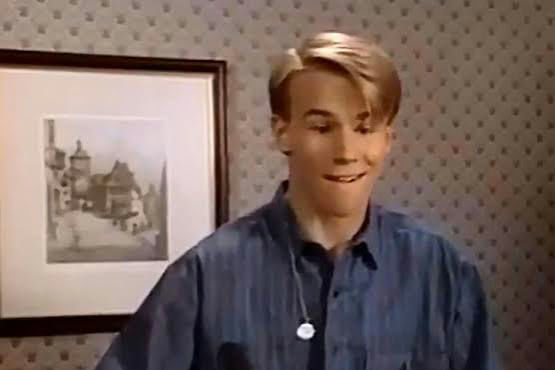
Douglas Emerson, who played Scott Scanlon, left 90210 early in its run and chose a life far removed from Hollywood. By the early 2000s, he had stepped away from acting entirely and later enlisted in the United States Air Force. His decision placed him outside the entertainment industry, making his post-show path one of the most distinctive among the cast. Emerson’s story highlights that early fame does not guarantee or require a lifelong acting career. Instead, he pursued structure, service, and personal stability, proving that success after television can be defined in many different ways.
11. Carol Potter – Steady Television Presence
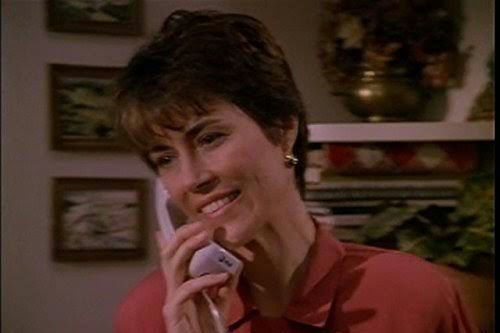
After playing Cindy Walsh, Carol Potter continued working consistently in television rather than seeking high-profile fame. Throughout the 2000s and 2010s, she appeared in guest and recurring roles on family dramas, crime series, and made-for-television films. Her performances often centred on grounded, supportive characters, earning her a reputation as a dependable character actress. While she did not rely on franchise revivals or reality television, her steady work reflects long-term professional durability. Potter’s career shows how supporting actors from major shows often sustain quiet but lasting success across decades.
12. James Eckhouse – Character Acting Path
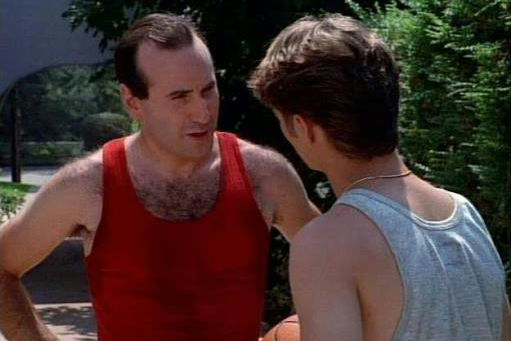
After portraying Jim Walsh, James Eckhouse transitioned into a long-running career as a character actor. From the late 1990s onward, he appeared in numerous television series and films, often cast in professional or authority roles. He also remained active in theatre and independent productions, maintaining artistic balance. Unlike some of his castmates, Eckhouse chose not to rely on franchise reunions. Instead, he focused on varied acting opportunities across different mediums. His post-90210 journey highlights how experienced performers can remain respected and employed without constant public attention or celebrity-driven exposure.
The careers of the Beverly Hills, 90210 cast reveal just how many directions life after a hit show can take.
Like this story? Add your thoughts in the comments, thank you.


