
Martin Sheen Stayed The Steady Center
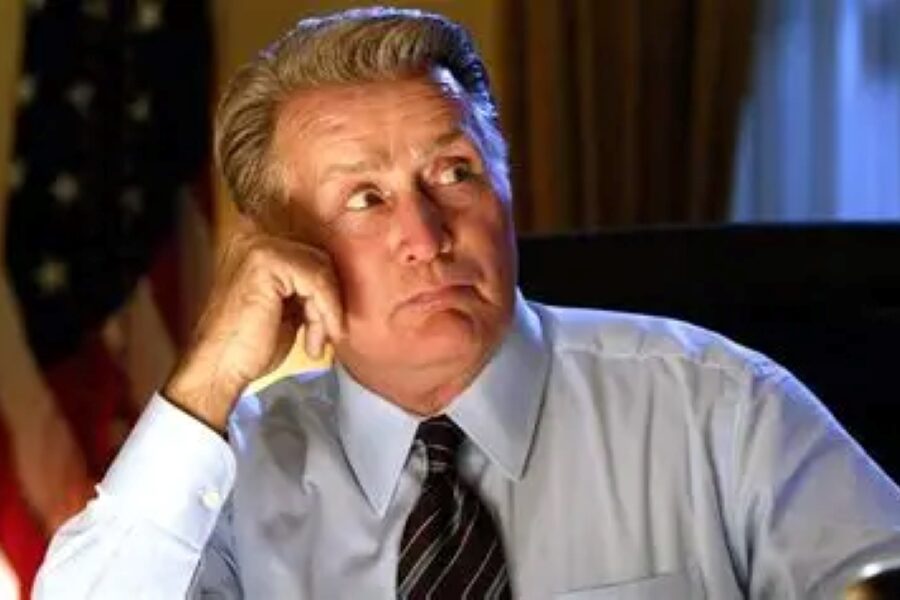
When people think about The West Wing, most memories still begin with Martin Sheen walking into the room as President Bartlet, calm but firm, and that feeling still shapes how many fans see him today. The show became one of those rare series that never really left public conversation, and Sheen carried that thoughtful presence into the years that followed. After the series ended, he kept working in film, television, and voice roles, often choosing projects with social or historical meaning while staying active in humanitarian causes and public speaking events tied to civic responsibility and voting awareness.
Away from the cameras, he focused strongly on family, often appearing in projects connected to his children and supporting their creative work. Interviews over time show a man comfortable with his legacy and grateful for the role that connected him to several generations of viewers. Whenever he appears in guest roles or public events, audiences still respond with that same familiar trust. It feels less like seeing an actor from the past and more like seeing someone who simply kept living the same values people believed in from the beginning.
Allison Janney Built A Remarkable Second Act
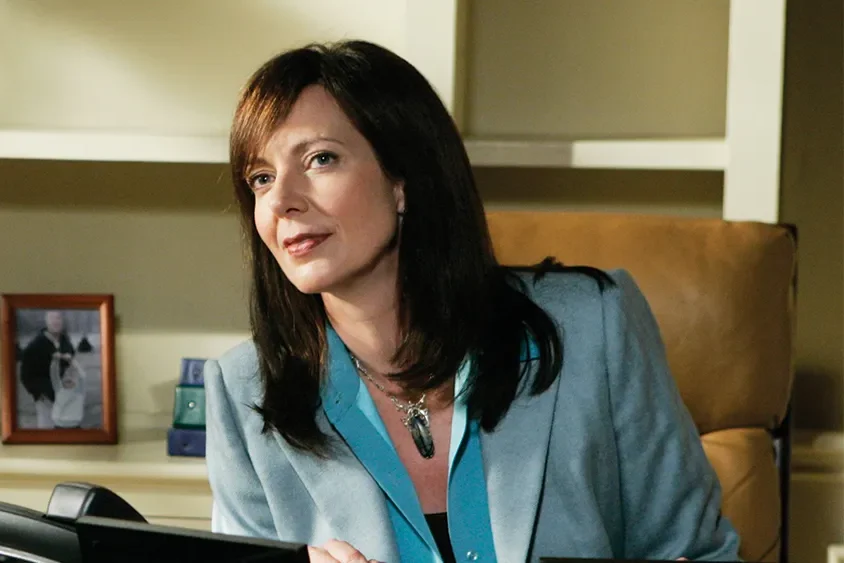
Allison Janney left the White House press room and quietly built one of the most respected careers of anyone from the ensemble. In the years after the show, she moved between independent films, stage work, and television until her role in the sitcom Mom brought her back into weekly living rooms across America. That success led into award winning film performances including her widely praised turn in I Tonya, where audiences saw both her comedic sharpness and dramatic depth working together in a completely different kind of role from C J Cregg. Her steady climb never felt rushed and that patience helped her stay believable in every performance.
Janney often speaks openly about spending many years as a working actor before wider fame arrived, and that humility still shapes how she approaches roles. Directors frequently mention her professionalism and preparation, while co stars describe her as warm and grounded on set. Fans who followed her from The West Wing often say her later success feels deserved rather than surprising. Watching her career unfold feels like seeing someone who stayed committed to the craft itself and let recognition arrive naturally over time.
Bradley Whitford Followed Smart Character Work
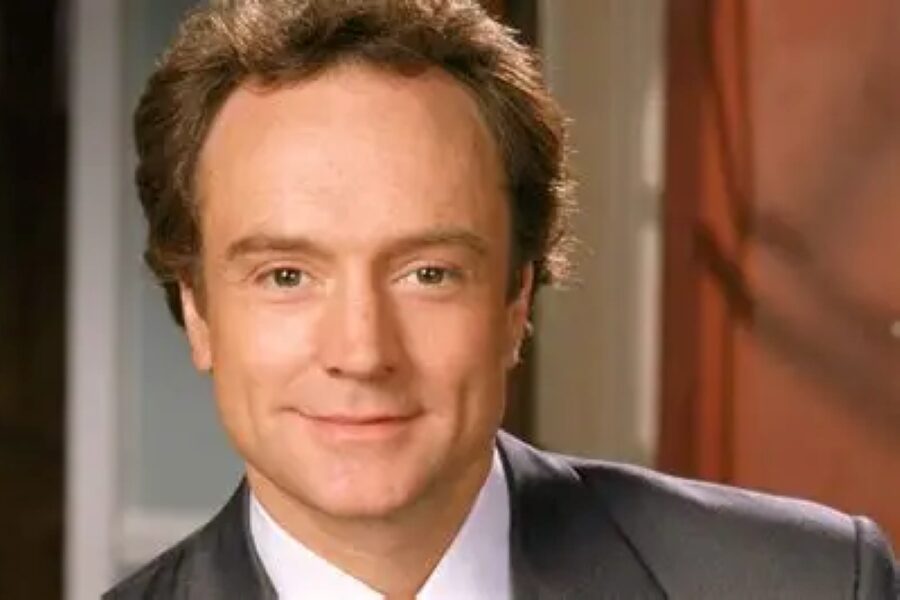
Bradley Whitford never leaned only on the popularity of Josh Lyman and instead spent the following years selecting roles that explored social themes, political tension, and complicated personalities. His television appearances ranged from sharp comedies to darker dramas, eventually leading to renewed critical attention through The Handmaid’s Tale, where his performance earned major awards and introduced him to a younger streaming generation. Even in lighter roles, he tends to bring the same restless intelligence and quick delivery that made his West Wing character feel so alive in the first place. That consistency helped audiences reconnect with him easily whenever he appeared.
Outside acting, Whitford became more publicly engaged in civic discussions and advocacy work, speaking frequently about voting, education, and media responsibility. His interviews often sound thoughtful rather than promotional, suggesting someone who sees storytelling as part of a larger cultural conversation. That outlook makes his career feel like a direct continuation of the political urgency viewers once watched onscreen. Seeing him in modern roles rarely feels nostalgic alone. Instead it feels like watching someone who simply kept doing the same kind of meaningful work in new settings.
Rob Lowe Reinvented Himself On Television
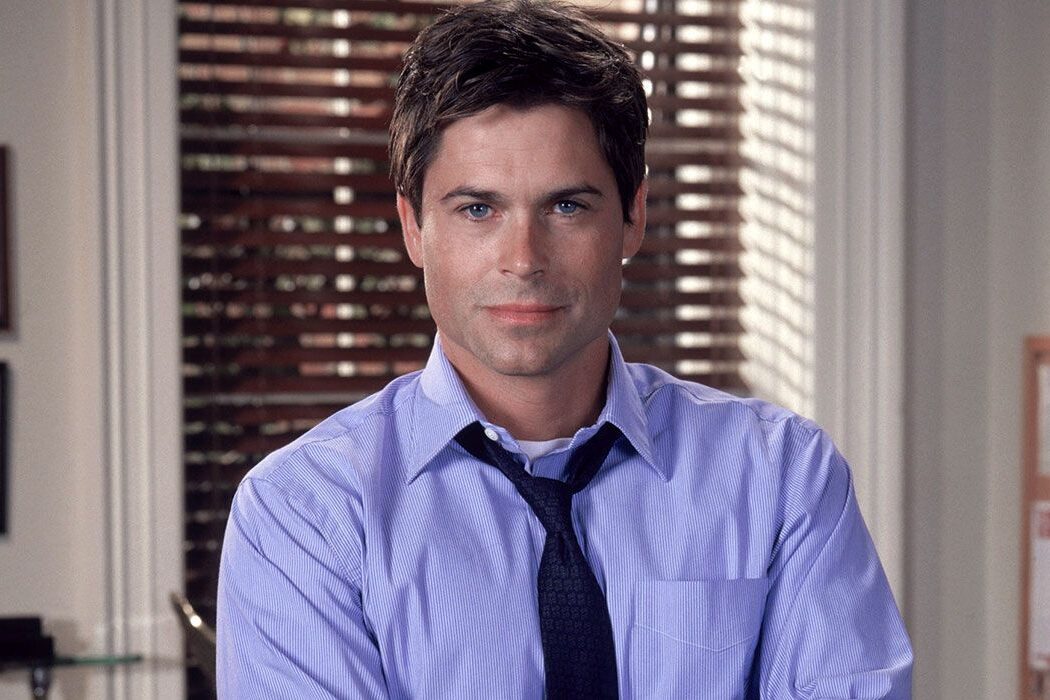
Rob Lowe’s departure from the show once surprised viewers, yet the years afterward proved how adaptable his career could become. He leaned fully into comedy with Parks and Recreation, showing audiences a lighter and more playful screen presence that many had not seen before. That success opened another chapter in network drama later with 9 1 1 Lone Star, where he returned to leading roles while bringing the maturity of decades in the industry. Lowe also expanded into writing memoirs, hosting podcasts, and producing projects, gradually shaping a broader entertainment career beyond acting alone.
In conversations about his professional life, he often speaks about learning to evolve instead of protecting one fixed image, and that flexibility clearly helped him stay visible across changing television eras. Fans who first knew him as idealistic Sam Seaborn often remark that the optimism still shows in his performances today. His path feels less like a comeback and more like a long continuous adjustment to new opportunities. Instead of chasing one defining role, he built a career that keeps opening different creative doors.
Richard Schiff Stayed True To Character Roles
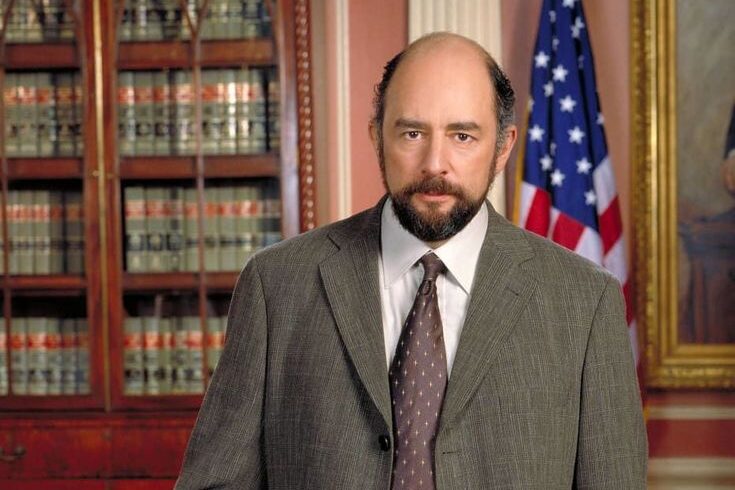
Richard Schiff carried the emotional seriousness of Toby Ziegler into a long stretch of steady acting work that emphasized depth over celebrity attention. He moved through guest appearances, independent films, directing projects, and stage performances before reaching new mainstream visibility through the medical drama The Good Doctor. That role reminded viewers how effectively he portrays thoughtful authority figures struggling with moral decisions, a quality that always defined his earlier performances. Industry colleagues often describe him as intensely focused on character motivation and script detail, which explains why his performances feel grounded rather than theatrical.
Schiff has spoken about preferring stories centered on imperfect people trying to act responsibly, and that philosophy shaped many of his post West Wing choices. His career may look quieter compared with flashier co stars, yet it shows the kind of durability many actors actually aim for. Whenever longtime viewers see his name appear in a cast list, there is an immediate sense of credibility attached. It feels like the dependable presence from the original series simply continued doing meaningful work without needing constant headlines.
Dulé Hill Expanded Into Comedy And Stage
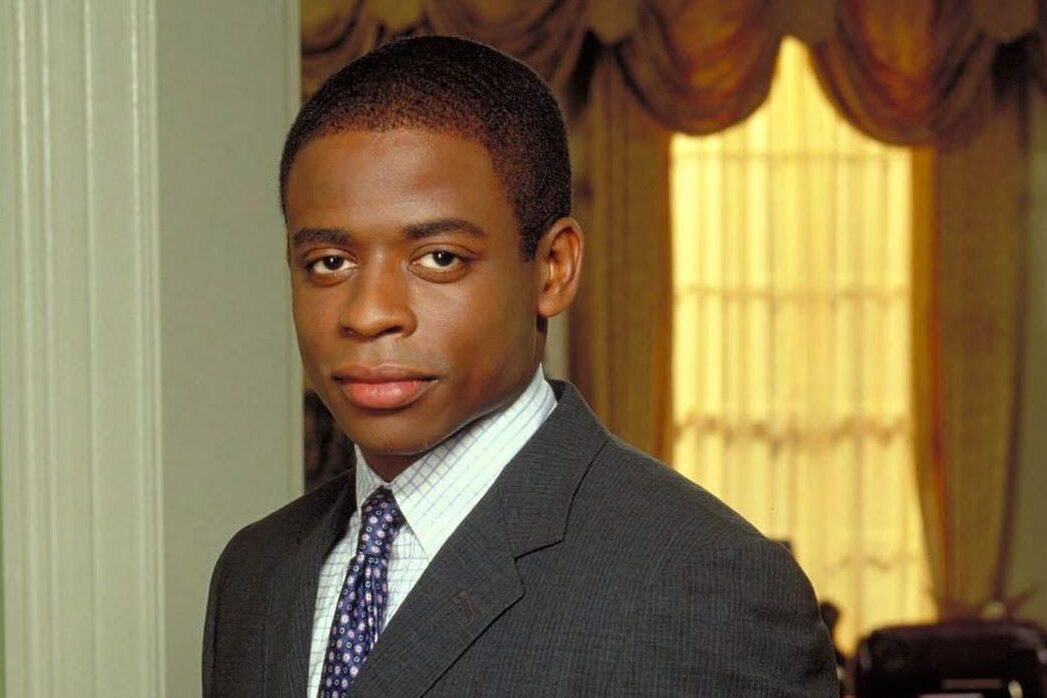
Dulé Hill’s transition after playing Charlie Young became one of the most satisfying to watch because it revealed talents audiences had only partly seen before. His long run on the detective comedy Psych allowed him to showcase playful timing and easy chemistry, shifting public perception from serious aide to versatile entertainer. Alongside television, he returned often to theater productions and live dance performances, reconnecting with his early background in tap dancing and musical stage work. That mix of screen and live performance helped keep his career varied and creatively energetic.
Hill frequently talks about performance as something rooted in joy and discipline rather than fame, and that attitude shows in how consistently warm his public appearances feel. He also participates in youth arts programs and mentorship initiatives, reflecting a strong interest in supporting emerging performers. Fans who watched his growth from the beginning often say his professional journey feels genuinely earned. The respectful young character viewers loved simply matured into a confident performer whose career now spans comedy, drama, music, and live performance.
Stockard Channing Focused On Meaningful Roles
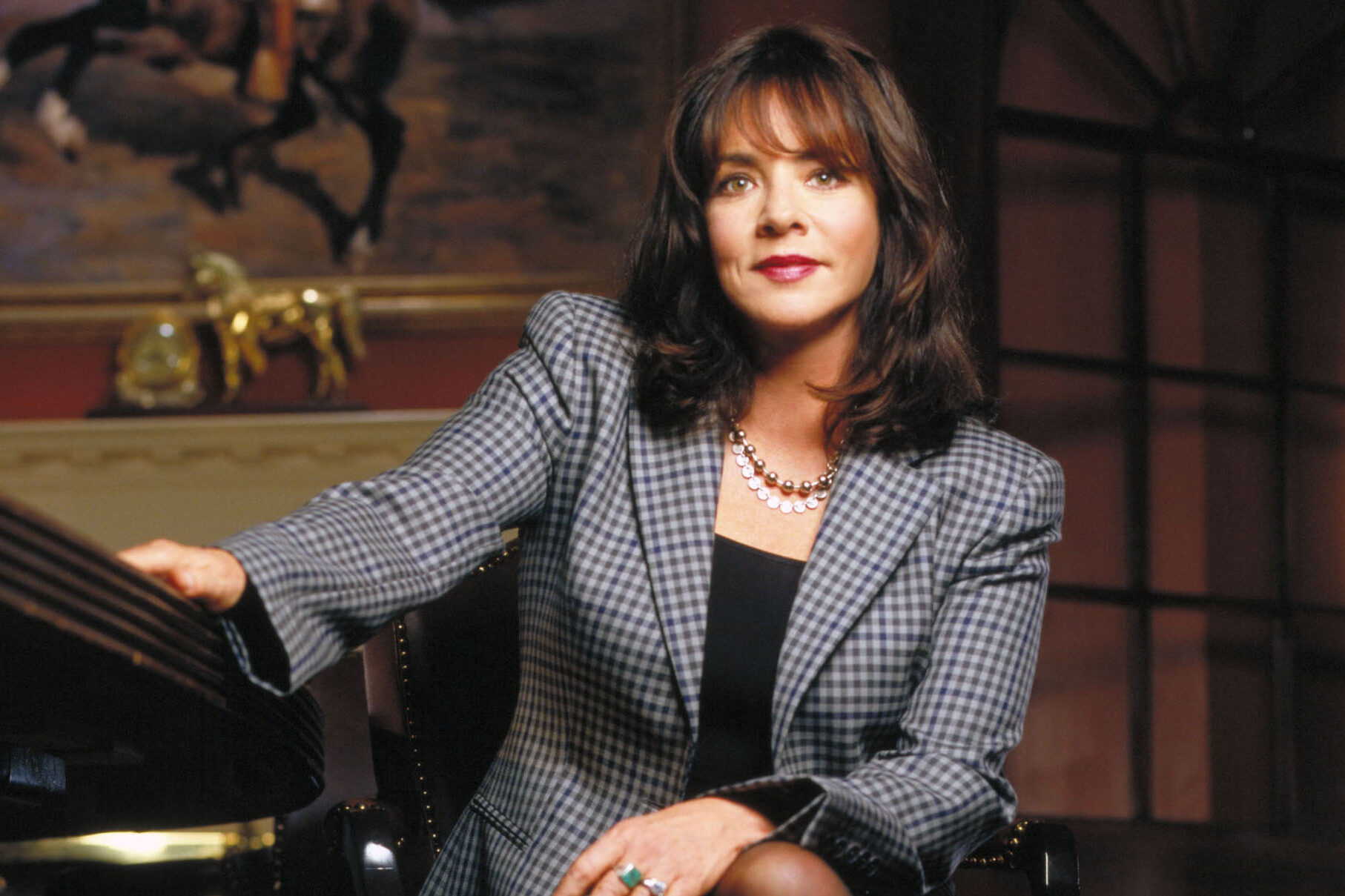
Stockard Channing entered the series already respected and left it with the freedom to choose projects purely on artistic interest rather than visibility. After the show ended, she appeared selectively in television dramas such as The Good Wife while continuing strong involvement in stage productions, where critics consistently praised her emotional control and clarity. Her approach to acting has long emphasized rehearsal discipline and script precision, which may explain why she prefers fewer roles that allow deeper preparation rather than constant screen exposure.
Interviews over the years suggest she values the immediacy of theater audiences and the collaborative environment of live performance. That quieter professional rhythm mirrors the composed authority she brought to Abbey Bartlet, making her later career feel like a natural extension rather than a reinvention. When she does appear onscreen, the performance usually attracts immediate critical attention because of its deliberate craft. For viewers revisiting her work today, there is a sense of watching someone who never chased industry noise and instead stayed committed to thoughtful storytelling.
Janel Moloney Built A Steady Television Career
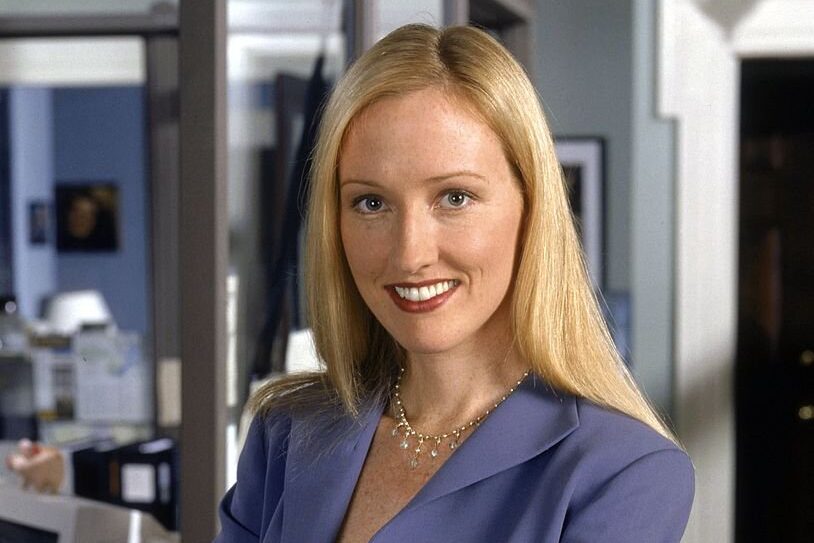
Janel Moloney’s post series path reflects the reality of many successful working actors who remain consistently employed even without constant headlines. After Donna Moss made her widely recognizable, she continued appearing across network dramas, streaming series, and recurring guest roles that kept her face familiar to regular television audiences. Those appearances often leaned into characters with emotional warmth and professional competence, echoing the grounded relatability that made Donna feel so authentic during the original run of the show.
Moloney has acknowledged in multiple conversations that the series fundamentally reshaped her professional opportunities and introduced her to a loyal audience that still approaches her at public events. She regularly participates in reunion panels and charity readings connected to the show, clearly valuing the shared history with both cast members and viewers. Her career demonstrates that success in television does not always mean constant publicity. Sometimes it simply means continuing to work steadily, build trust with producers, and remain the kind of performer audiences are always happy to see again.
John Spencer Left A Powerful Legacy
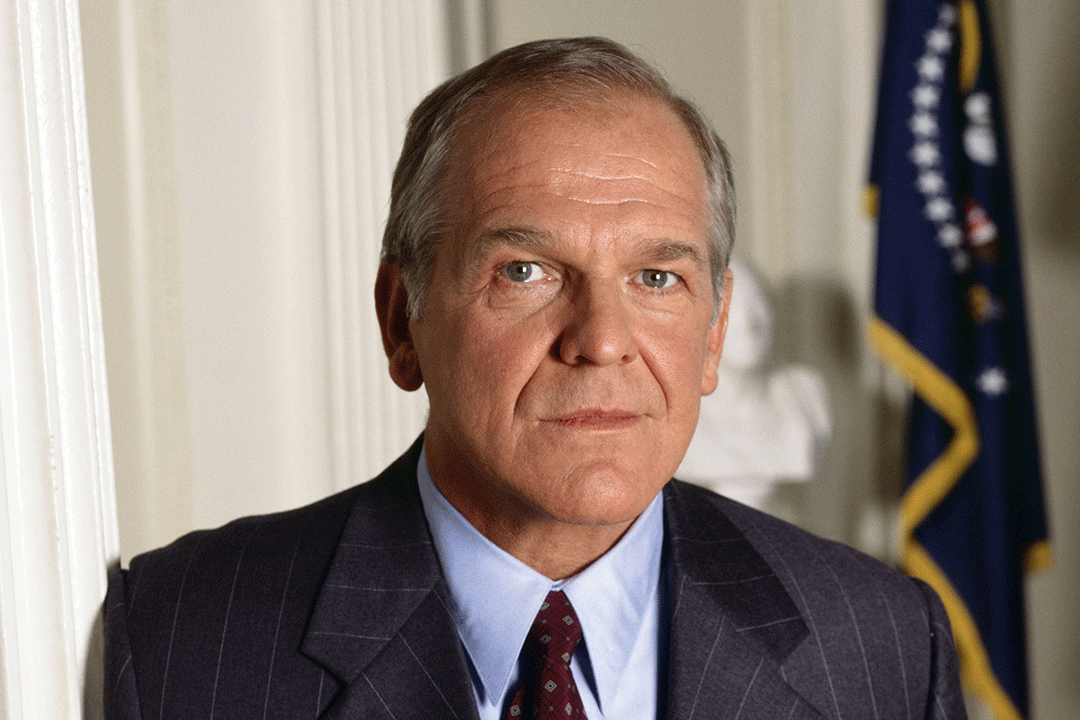
John Spencer’s contribution to the series carried enormous emotional weight, and his passing in 2005 meant his story became inseparable from the show’s final chapter. Long before playing Leo McGarry, he had already built a respected career across stage, film, and television, often portraying disciplined authority figures whose strength came from restraint rather than volume. That experience helped shape Leo into one of the series’ moral anchors, a character many viewers still cite as the emotional center of the political storyline.
Colleagues frequently remembered Spencer as generous with younger actors and deeply focused during production, creating an atmosphere of professionalism that influenced the entire ensemble. After his death, tributes from both cast and audiences emphasized how strongly his performance had resonated beyond entertainment alone. Even today, new viewers discovering the series often single him out as a standout presence. His legacy continues not only through recorded performances but through the lasting reputation he left among those who worked beside him.
Jimmy Smits Remained A Trusted Leading Actor
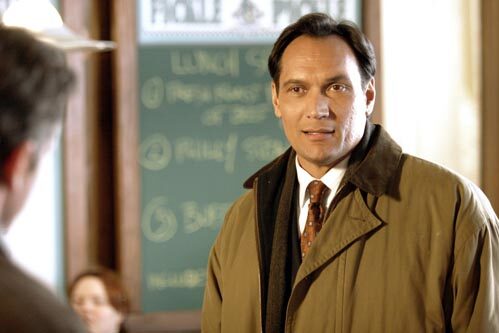
Jimmy Smits joined later in the series yet quickly became central through his portrayal of presidential candidate Matt Santos, a role that positioned him naturally for continued leadership characters afterward. Following the show, he anchored major television dramas including Sons Of Anarchy and several long running network productions where his calm authority and measured delivery made him a reliable central figure. Casting directors repeatedly returned to him for roles requiring credibility, ethical conflict, and emotional steadiness under pressure.
Smits has often spoken about enjoying characters who must balance personal values with institutional responsibility, which explains why many of his later performances echo the thoughtful political tone of his earlier role. His career rarely includes long disappearances from television, suggesting a professional consistency that producers trust. For audiences, seeing his name attached to a project usually signals a certain level of dramatic stability. Rather than dramatic reinvention, his story shows the strength of maintaining a dependable screen identity that continues working across decades.
Alan Alda Shifted Toward Education And Dialogue
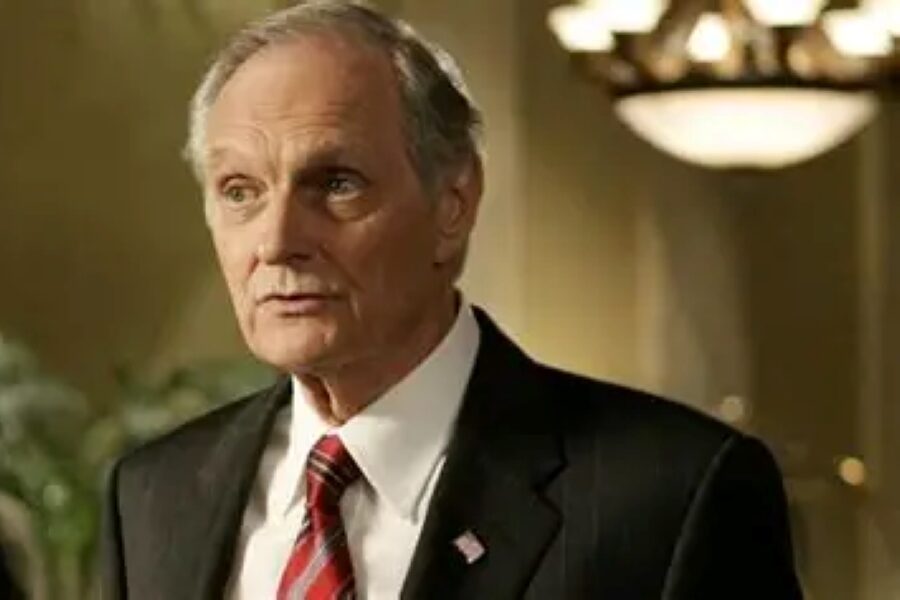
Alan Alda already held legendary status before his appearance as Arnold Vinick, and his later professional life gradually moved toward communication, writing, and science education alongside occasional acting roles. Through his communication initiatives and public programs, he focused heavily on helping scientists, doctors, and researchers explain complex ideas in ways ordinary audiences could easily understand. That work reflected his longstanding belief that empathy and listening form the foundation of effective public conversation.
While he still accepts selected acting opportunities, his public identity increasingly centers on speaking engagements, books, and educational projects aimed at improving how professionals share knowledge. Many observers see this transition as a natural extension of the thoughtful authority he portrayed onscreen. Instead of stepping away from storytelling, he simply applied it to real world communication challenges. For longtime viewers, his West Wing appearance now feels like one chapter inside a much larger lifelong effort devoted to clarity, curiosity, and encouraging people to understand each other better.
The Cast Still Remains Connected
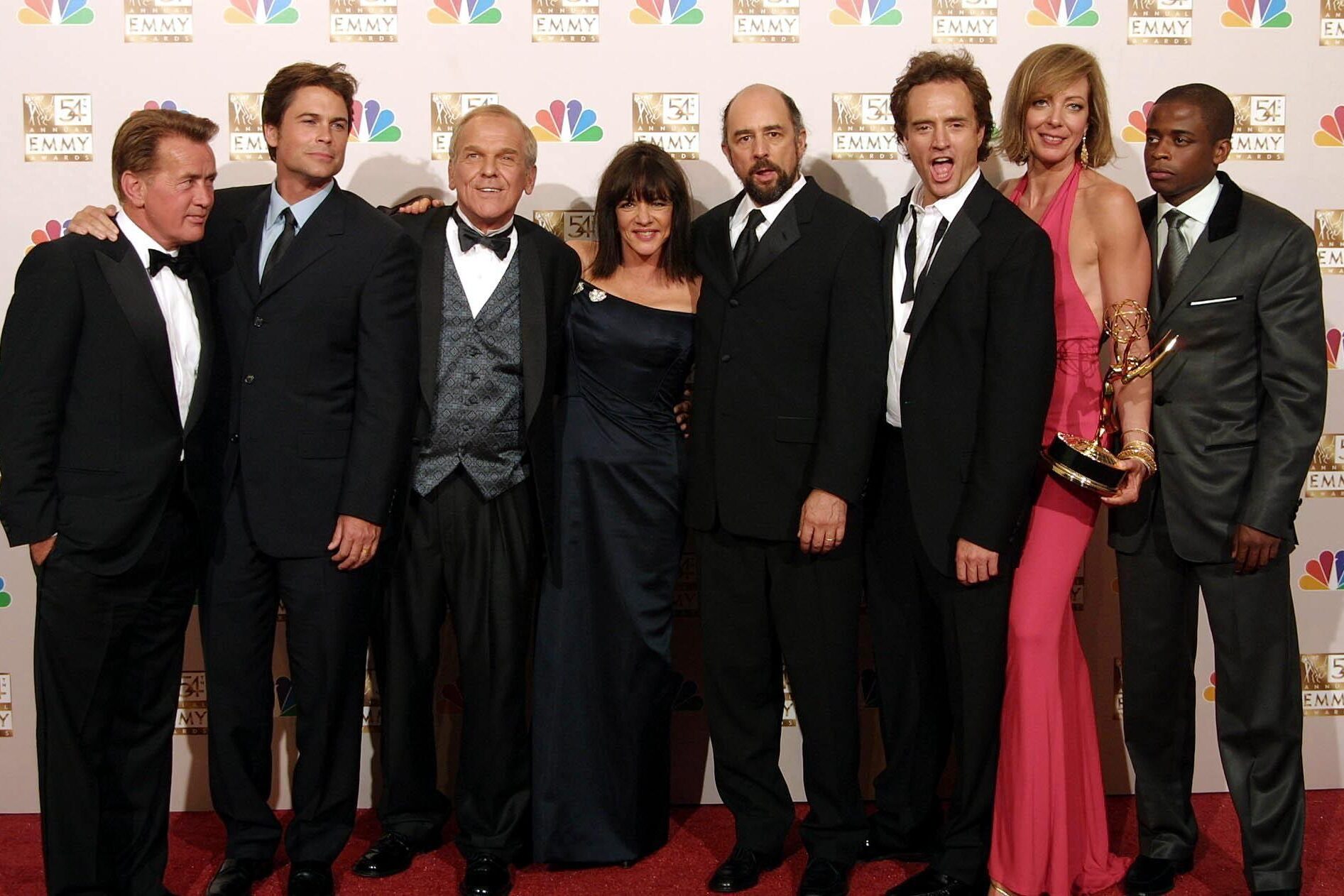
Looking across the entire ensemble today, one of the most striking things is how often they still reunite for anniversary specials, charity readings, panel discussions, and public conversations reflecting on the show’s cultural impact. Many cast members openly describe the production as unusually collaborative and intellectually energizing, suggesting the friendships formed there were stronger than those on a typical television set. That continuing connection explains why reunion appearances often feel relaxed and genuinely affectionate rather than promotional obligations.
For audiences revisiting the series years later, that lasting bond mirrors their own attachment to the story and characters. The real answer to where life took the cast may simply be that they continued building careers while carrying that shared experience with them. Some became award winners, some became steady working actors, and some moved into education or advocacy. Yet the show still links their stories together, which quietly reminds viewers why the series itself continues to feel alive whenever someone presses play again.


