
How Lawsuits Changed Everything
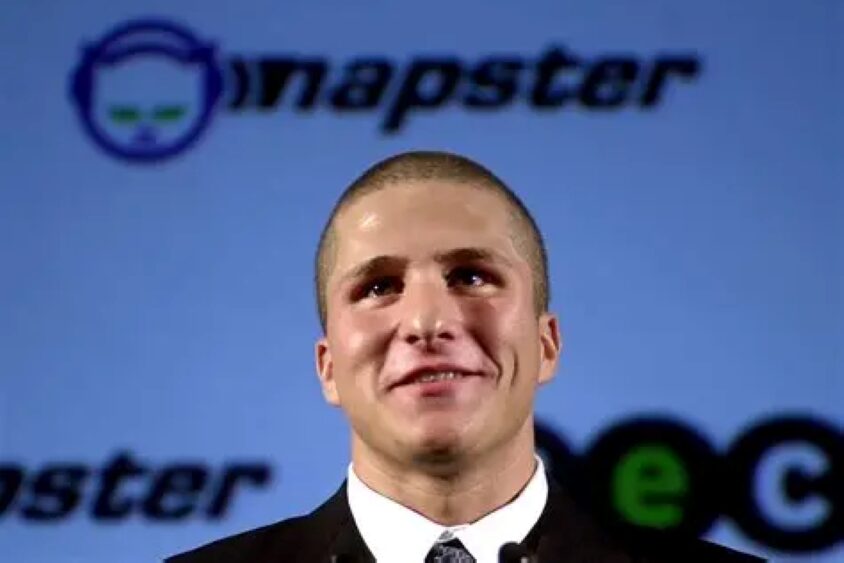
At first, the story of Napster felt like a simple tech breakthrough. A teenager built a tool, music spread faster than ever, and millions of users rushed in almost overnight. But the moment lawsuits entered the picture, the tone shifted completely. What had started as a clever internet shortcut suddenly became a global legal test about ownership, artists’ rights, and how far new technology should be allowed to run before rules catch up.
Those courtroom battles did more than threaten one company. They forced the music industry, lawmakers, and tech founders everywhere to rethink how digital sharing would work in the future. For Shawn Fanning, the lawsuits were not just business obstacles. They reshaped his career, his public image, and the way the entire tech world approached innovation afterward.
1. The Dorm Room Idea That Started Everything

People usually remember Napster as a courtroom story, but the beginning felt much smaller and more human. Back in 1999, Shawn Fanning was simply a teenager who loved music and spent long nights on his computer trying to download songs faster. Friends recall him focusing quietly, thinking more about fixing a personal annoyance than launching a global company. The early version of Napster was built almost like a tool for himself and a few friends. Nobody around him imagined this simple search program would soon pull millions of users and turn the music industry upside down almost overnight across the world.
As more students began sharing the software, word spread quickly through campuses and chat rooms. Downloads multiplied daily, and suddenly Fanning found himself running something far bigger than a hobby project. Reporters started calling, investors became curious, and the quiet teenager realized his small dorm room solution had stepped into a much louder world. That humble start explains why his later reactions always seemed grounded. He never planned to become a symbol of digital disruption. He was just solving a problem he personally had, and the internet carried it further than anyone expected.
2. Overnight Fame At A Very Young Age
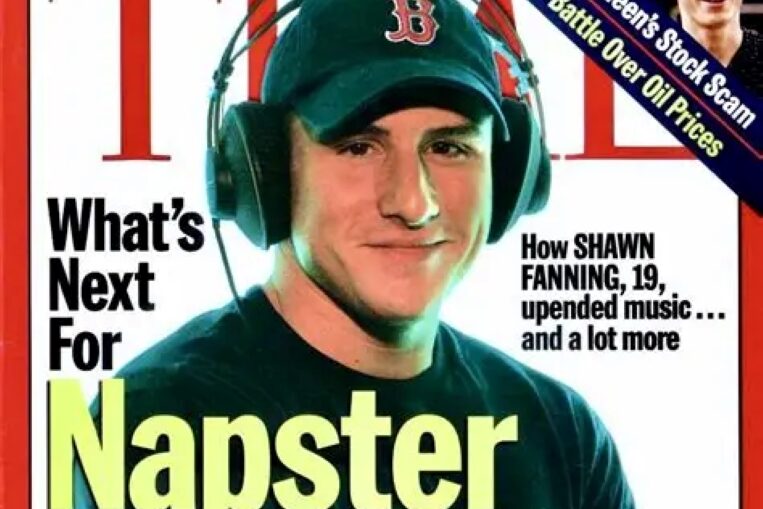
Once Napster spread beyond college networks, Shawn Fanning’s life changed faster than most young adults could process. One week he was coding privately, and soon after he was appearing on magazine covers wearing his familiar hoodie while journalists described him as the face of a new internet generation. The strange part was how unpolished he seemed in interviews, speaking more like a thoughtful student than a corporate executive. That honesty made him relatable, but it also showed how sudden the spotlight felt. Fame arrived before he had time to understand what running a global platform truly meant.
Public attention followed him everywhere, from tech conferences to television discussions about online music sharing. Supporters praised the convenience Napster offered, while critics warned it threatened the entire recording industry. For someone barely past his teenage years, balancing public praise and industry anger must have felt overwhelming. This intense introduction to fame shaped his later choices in a lasting way. Observers often believe that experiencing such early global exposure is exactly why he later preferred quieter roles, smaller teams, and less public attention in the technology world.
3. When The Music Industry Began Fighting Back
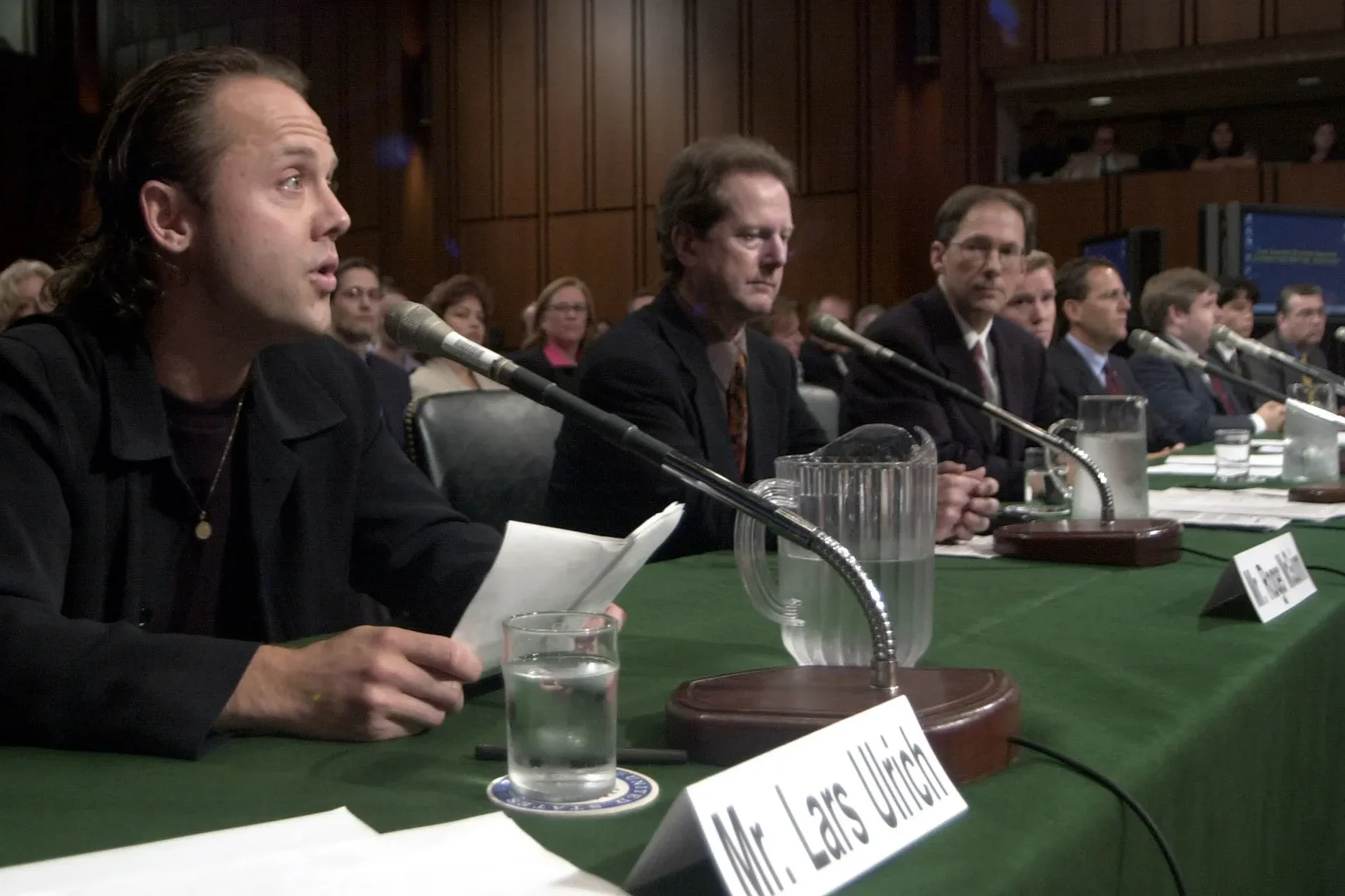
The excitement around Napster did not last peacefully for long. Record labels and major artists soon noticed how widely their songs were being shared without payment, and legal complaints began stacking up quickly. What started as technical curiosity turned into serious courtroom preparation. Meetings with lawyers replaced casual coding sessions, and business discussions suddenly focused on copyright law instead of software improvements. For Fanning, the shift must have felt surreal. He built a search system for music files, yet now he was personally tied to a global debate about ownership, artist rights, and digital distribution.
The Metallica lawsuit pushed the conflict into mainstream headlines and made the situation impossible to ignore. News broadcasts discussed Napster daily, turning a software issue into a cultural battle. Inside the company, pressure increased as investors, staff, and legal advisers searched for solutions that might satisfy courts while keeping the service alive. This period changed everything. Napster stopped feeling like a clever internet tool and started feeling like the center of a worldwide argument about how technology should interact with creative industries.
4. Trying To Keep The Platform Alive
As court rulings demanded tighter control over copyrighted songs, Napster faced the enormous task of filtering millions of shared files in real time. Engineers worked constantly to design systems that could block protected music while still keeping the service functional. From the outside, users only noticed slower searches or missing files, but inside the company the atmosphere was tense and uncertain. Leadership meetings grew longer, technical challenges multiplied, and the future of the platform felt fragile. Shawn Fanning stepped away from the chief executive role during this stressful period, showing how heavy the responsibility had become.
Watching a creation struggle under legal and technical pressure can feel deeply personal, especially when it began as something built with enthusiasm and curiosity. Employees later described the mood as exhausted but determined, with teams hoping each update might stabilize the company. Despite those efforts, it became clear the legal environment would not loosen easily. This phase marked the emotional turning point, when the focus shifted from rapid growth toward simple survival in an increasingly restrictive business landscape.
5. The Shutdown That Closed A Chapter

In 2002, the announcement finally came that Napster would file for bankruptcy protection and shut down its original peer to peer service. For millions of users, it felt like the sudden end of an internet habit that had become part of daily life. For Shawn Fanning, the closure marked the official end of the first and most intense chapter of his career. Even though management structures had changed by then, the public still connected his name strongly to the company’s rise and fall. That connection followed him long after the servers went silent.
The shutdown also revealed something important about the wider digital world. People had clearly shown they wanted instant online access to music, and that demand would not disappear just because one company closed. Industry analysts later pointed out that Napster exposed the future of digital listening years before legal streaming services existed. While the company itself ended, the consumer behavior it uncovered continued shaping the music business for decades afterward.
6. Stepping Back Into A Quieter Life

After years of headlines, lawsuits, and nonstop public scrutiny, Shawn Fanning made a very human decision. He stepped away from the spotlight. Instead of launching another loud public startup immediately, he kept a lower profile and focused on rebuilding both professionally and personally. Interviews became rare, and his appearances at major tech events slowed noticeably. Many observers interpreted this not as retreat but as recovery. Experiencing global fame and legal pressure before reaching full adulthood would leave anyone needing distance from constant attention.
This quieter phase helped reshape how people inside Silicon Valley viewed him. Rather than seeing the rebellious Napster teenager, colleagues began seeing a thoughtful developer who had survived one of the internet’s most dramatic early battles. Working away from cameras allowed him to explore new ideas without the expectation that every project must disrupt an entire industry. Sometimes stepping back is not failure but preparation. For Fanning, this period laid the foundation for a more measured and sustainable approach to technology entrepreneurship in the years ahead.
7. Returning To Music With A Legal Approach
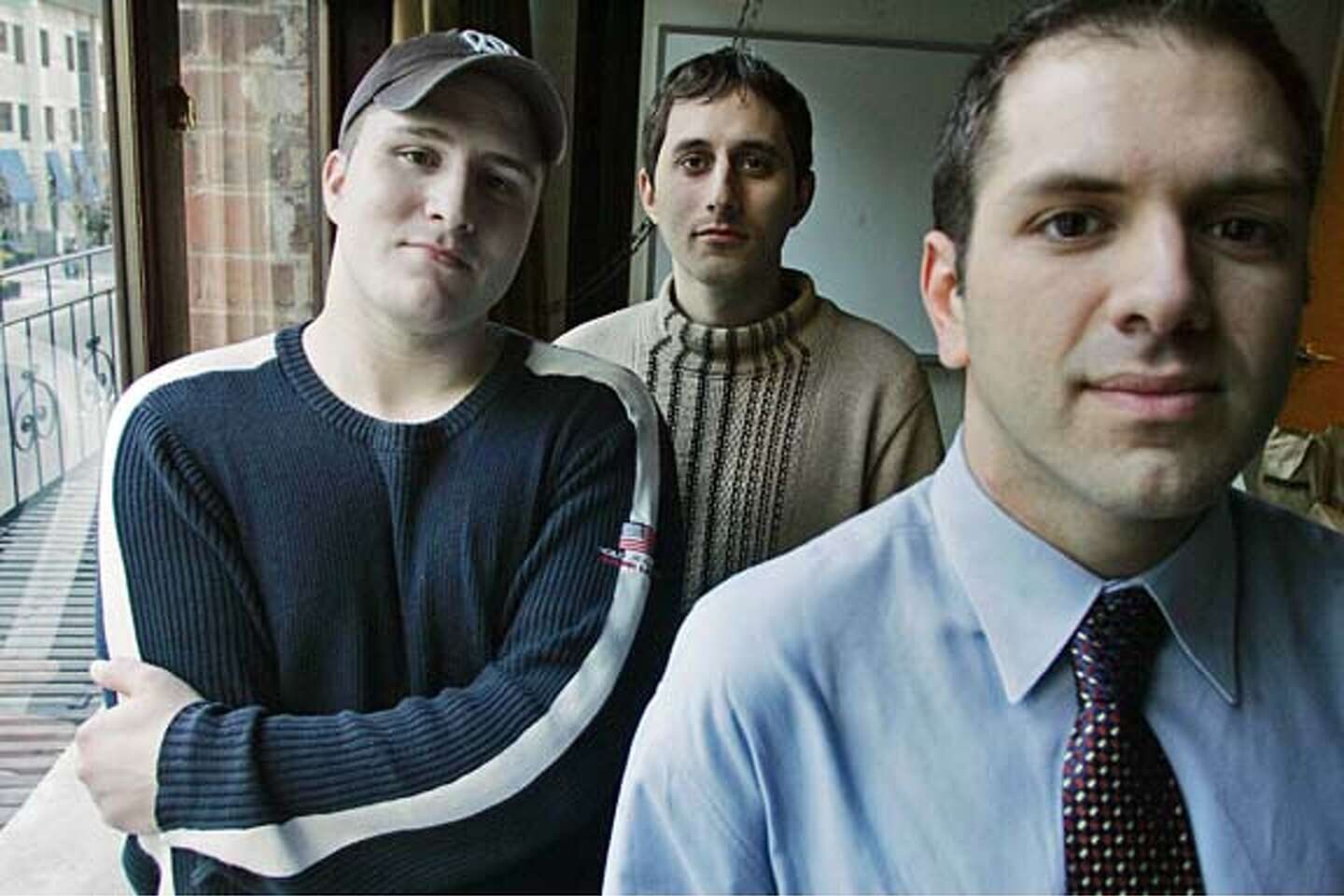
Interestingly, Shawn Fanning did not abandon music technology after Napster closed. Instead, he co founded a company called Snocap, which aimed to help artists distribute digital music legally while still embracing online sharing. The idea felt like a thoughtful second attempt, built with lessons learned from earlier conflicts. Snocap focused on licensing systems and payment structures so musicians could benefit from digital distribution rather than fight against it. This shift showed clear professional growth and a desire to solve the same discovery problem in a cooperative way.
Although Snocap never reached the massive public recognition Napster once had, it demonstrated how Fanning’s thinking had matured. He was no longer experimenting blindly with open sharing systems. Instead, he worked to balance user convenience with industry agreements and artist compensation. That approach reflected someone who understood both sides of the earlier conflict. Rather than defending the past endlessly, he chose to build something new that acknowledged how the digital music world needed structure as well as innovation.
8. Remaining Active Inside Silicon Valley Circles

Even without constant public product launches, Fanning remained quietly connected within Silicon Valley’s professional network. Startup founders, engineers, and investors respected the scale of what he had built, regardless of its legal ending. Experience with rapid global growth is rare, and many younger entrepreneurs valued his perspective when discussing platform expansion or digital community design. Reports from industry gatherings occasionally mentioned him attending meetings, offering guidance, or participating in advisory conversations without seeking publicity.
This type of behind the scenes influence is common among early internet pioneers who prefer building ideas rather than managing public brands. His presence in these circles showed that the technology world had not dismissed him as a one time story. Instead, he became a seasoned voice whose early success and mistakes both carried educational value. Remaining involved without chasing headlines allowed him to contribute meaningfully while keeping personal privacy intact, a balance many experienced founders eventually seek.
9. Building A Smaller Social Network Called Path

Later, Fanning helped launch Path, a social networking application built around the idea that online sharing should feel personal rather than massive. Unlike larger platforms encouraging thousands of connections, Path limited how many friends users could add, encouraging closer communication and more thoughtful updates. The design emphasized private circles, photo sharing, and mobile friendly interaction. This concept showed a very different philosophy from Napster’s unlimited distribution model and highlighted how his approach to digital communities had evolved significantly over time.
Path attracted a loyal user base and strong design praise, especially among mobile users who liked its clean interface and intimate feel. While it never became the dominant global social network, it proved Fanning still enjoyed building consumer technology products focused on real user behavior. The project also reminded industry watchers that he was more than the Napster founder. He remained an active product thinker capable of shaping new digital experiences long after his first company became history.
10. Seeing Digital Privacy Through Experience
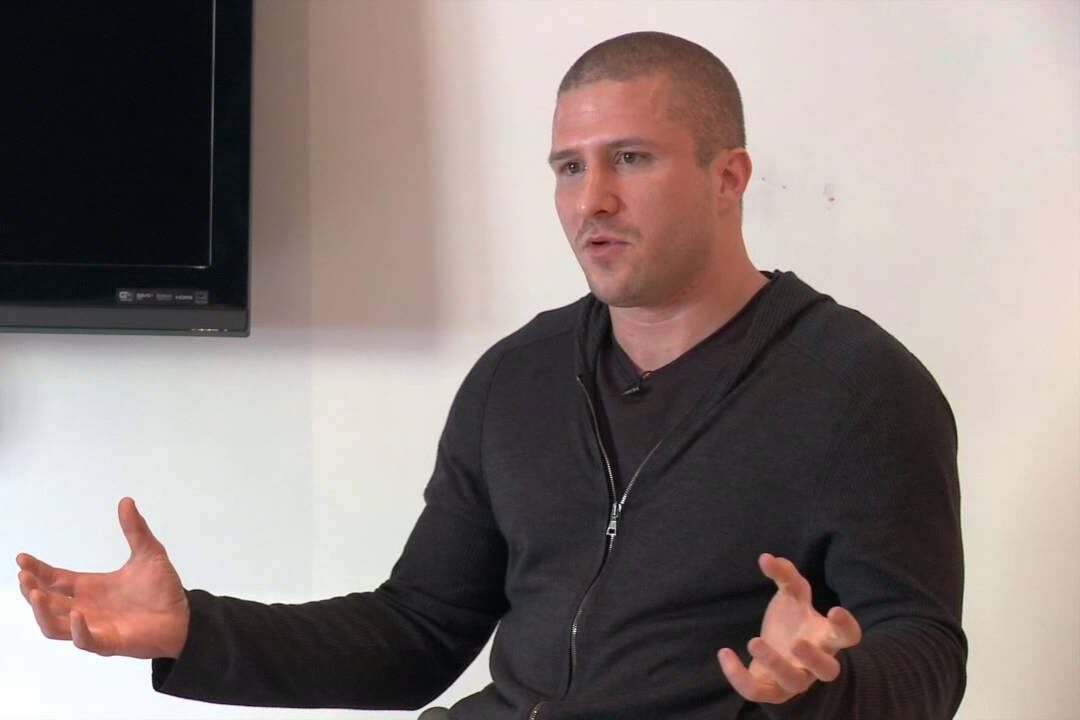
Working on social platforms naturally raised deeper questions about privacy, control, and responsible sharing. Observers noticed that projects connected to Fanning increasingly emphasized user limits, intentional connections, and clearer control over personal data. This cautious design style likely reflected lessons learned from watching uncontrolled file sharing trigger massive backlash years earlier. Experience often reshapes how builders think, especially when early success also brings unexpected consequences. His later work suggested a stronger awareness of how quickly digital systems can grow beyond original expectations.
Rather than promoting unlimited openness, he seemed more interested in helping users decide what to share and with whom. That perspective aligned with broader industry shifts as people became more aware of online privacy risks. This stage of his career did not produce dramatic headlines, yet it quietly revealed how much his professional philosophy had matured. The teenager who once built a limitless sharing network had grown into an entrepreneur far more focused on balance, responsibility, and sustainable digital environments.


