
1. Cathy Mitchell Felt Like Someone You Knew

There was a time when flipping channels late at night felt less like boredom and more like comfort. Cathy Mitchell showed up during those quiet hours, standing in a kitchen that looked lived in, talking the way someone would if you were leaning on the counter nearby. She did not rush through steps or try to impress anyone. She explained things simply, like she assumed you were capable but maybe tired. Watching her cook felt steady and familiar. She made everyday food feel manageable, even forgiving. That calm presence is why people still remember her. She was not selling urgency. She was offering reassurance, and that mattered when everything else on TV felt loud.
Cathy never disappeared in a dramatic way. She slowly stepped back from constant television appearances and chose a quieter rhythm. She continued working with food, developing recipes, and staying connected to the same audience that trusted her for years. She has shared before that she never thought of herself as a salesperson. She believed she was helping people feel more confident in their kitchens. That mindset shaped her entire career. For many viewers, Cathy represents a gentler time in television, when staying up late felt less lonely and familiar faces felt like company.
2. Billy Mays Was Impossible To Ignore

Billy Mays did not quietly enter anyone’s living room. He arrived loud, confident, and absolutely sure that whatever he was holding would fix a problem you might not even know you had. His voice became so familiar that people could recognize it without looking at the screen. For many viewers, Billy was part of the background noise of everyday life, especially during late nights and weekend afternoons. What often surprised people later was learning that those who worked with him described him as kind and generous. The intensity was real, but it was not the whole man.
When Billy passed away in 2009, the change in infomercials felt immediate. The volume dropped. The pacing softened. His absence left a noticeable gap that no one quite filled the same way. Even today, his name comes up whenever people talk about classic infomercials. Billy represented a time when confidence alone could sell almost anything. His presence still lingers in memory because he made advertising feel like an event, whether people loved him or not.
3. Anthony Sullivan Took A Different Approach

Anthony Sullivan often appeared next to Billy Mays, but his style felt calmer from the start. He spoke clearly, explained products carefully, and seemed comfortable letting viewers make up their own minds. After Billy’s death, many people noticed Anthony more, realizing how steady and approachable he felt. He did not rush through demonstrations or raise his voice. He trusted that clarity would do the work. That difference mattered, especially as audiences began to tire of aggressive selling.
Over time, Anthony moved further into product development and production roles. He still works in television, just mostly behind the scenes. He has talked about how viewers changed, explaining that people now respond better to honesty than pressure. His career reflects that shift. While he no longer dominates late night screens, his influence is still there in the slower pacing and more respectful tone of modern infomercials. He helped the industry learn how to speak instead of shout.
4. Ron Popeil Made Selling Feel Friendly
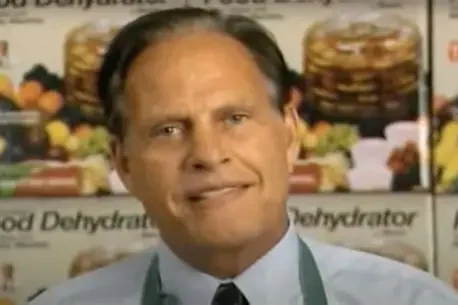
Ron Popeil never felt like he was performing. He felt like someone genuinely excited to show you something he invented. His demonstrations were patient and detailed, focused on how products actually worked. Phrases like set it and forget it became part of everyday language because they were simple and useful. Ron made gadgets feel approachable, even for people who usually avoided them. That trust came from showing rather than convincing.
Ron stayed involved in inventing until his death in 2019. He often said he never retired because creating kept him going. Many of his products are still sold today, which quietly proves their value. His influence lives on in infomercials that take time to explain instead of rushing to close a sale. Ron helped shape a style of television that respected curiosity and patience, and that impact is still felt long after his voice left the screen.
5. Joy Mangano Needed It To Work

Joy Mangano never came across as polished or distant. She felt like someone who truly needed her idea to succeed. When she sold the Miracle Mop, viewers could sense the urgency behind her words. It did not feel scripted. It felt personal. That honesty helped people trust her, and it showed that infomercials could be about more than quick sales. They could be about solving real problems for real people.
As time passed, Joy built far more than a single product. She grew a business empire and eventually stepped away from constant television appearances. She has spoken openly about failure as part of learning, not something to hide from. Today, she focuses on mentoring and supporting other inventors. Her story continues to resonate because it feels earned. Joy proved that infomercials could be the beginning of something lasting, not just a moment of attention.
6. Susan Powter Did Not Soften the Message

Susan Powter burst onto late night television sounding nothing like the fitness voices people were used to hearing. She was blunt, loud, and unapologetic, speaking directly to viewers who were tired of being told to fix themselves quietly. Her Stop the Insanity segments felt more like a wake up call than a workout pitch. She challenged people to rethink dieting, body image, and the way fitness was sold. That honesty made some viewers uncomfortable, but it also made others feel seen for the first time. Susan did not try to be likable. She tried to be clear, and that clarity is why people still remember her.
Over time, Susan stepped away from mainstream television and chose a life that felt more aligned with her beliefs. She continued writing, speaking, and sharing her thoughts outside traditional media spaces. She made it clear that she did not disappear, she opted out. Her impact lives on in the way fitness conversations slowly shifted toward realism and self acceptance. Susan showed that you could walk away from the spotlight and still leave a lasting mark simply by saying what others avoided.
7. Dan Wheeler Sounded Like He Knew What He Was Doing

Dan Wheeler had a way of explaining things that made people feel calm instead of rushed. When he talked about electronics, he spoke slowly and clearly, assuming viewers wanted to understand rather than be impressed. His tone felt dependable, like someone who had already tested the product and was simply passing along what worked. That approach built trust without effort. He did not rely on excitement or exaggeration. He relied on clarity, and that made him easy to listen to.
As the industry evolved, Dan moved into leadership roles behind the scenes. He helped guide how products were presented and how on air hosts were trained. He has shared that trust matters more than performance, and his career reflects that belief. Even though he appears less often on screen today, his influence is still there. Many modern presenters follow the same steady rhythm he helped normalize, whether they realize it or not.
8. Vince Offer Moved Fast And Paid For It

Vince Offer came onto the scene at full speed. His ShamWow and Slap Chop commercials were fast, loud, and impossible to ignore. For a while, it worked. He became a pop culture reference almost overnight, showing up everywhere and all at once. The attention was intense, and it followed him beyond the screen. What people saw was confidence and humor. What came later was the pressure that came with sudden visibility.
After stepping away from television, Vince eventually returned in a quieter way, focusing more on online platforms. He has openly acknowledged confusing attention with success and learning from that mistake. His story does not follow a clean comeback arc, and that is what makes it human. Vince represents how quickly public attention can disappear and how rebuilding often happens far from the spotlight. His journey feels less polished, but more honest because of it.
9. Adrienne Arpel Made Beauty Feel Gentle
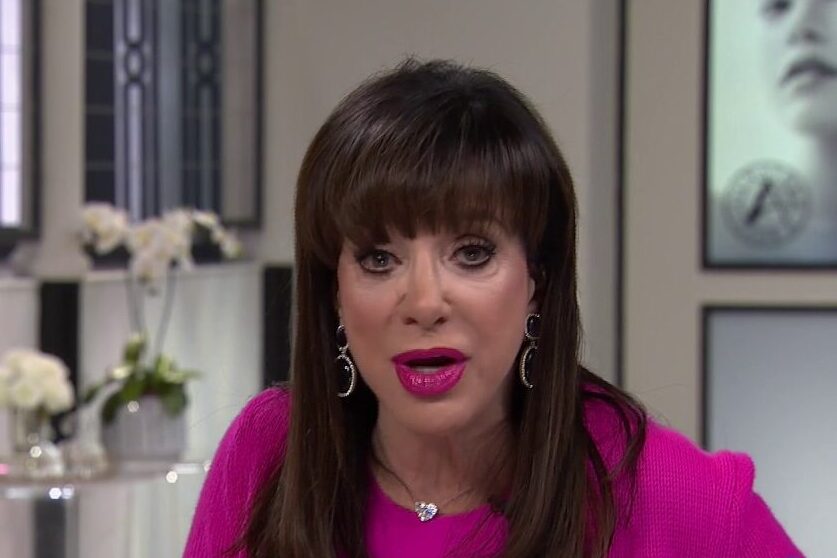
Adrienne Arpel brought a softness to beauty television that stood out immediately. She spoke about skincare and aging with care, never rushing or promising dramatic change. Her tone felt reassuring, especially to viewers who felt overlooked by louder beauty messaging. Watching her felt like listening to someone who understood that beauty was personal and evolving. She did not sell perfection. She spoke about confidence, and that difference mattered.
Over time, Adrienne stepped back from frequent television appearances and focused on philanthropy and quieter brand work. She has said that beauty should help people feel seen, not pressured. That belief shaped her entire presence. Even as trends changed, her influence lingered in the more thoughtful conversations that followed. Adrienne helped set a standard for beauty marketing that valued connection over noise, and that legacy still resonates today.
10. Rick Cesari Shaped What You Heard

Rick Cesari was rarely the face people remembered, but his work shaped what they heard and understood. As a marketing strategist, he helped structure infomercials so they felt clear rather than chaotic. He focused on explaining benefits in a way that made sense to everyday viewers. His approach assumed people wanted information, not manipulation. That mindset quietly influenced countless campaigns across television.
Later in his career, Rick shifted into consulting and teaching, helping brands communicate more honestly. He has emphasized that people respond to clarity because it respects their intelligence. His influence is easy to miss because it lives in structure rather than personality. Still, it matters. Rick represents the unseen side of infomercials, the people who helped move the industry from pressure toward explanation, shaping how products are still presented today.
11. Kevin Trudeau Changed The Rules By Breaking Them

Kevin Trudeau was once everywhere, selling books and supplements with a confidence that felt absolute. He spoke with certainty, presenting himself as someone who knew what others did not. For a time, people listened. His presence shaped how health related products were sold on television, pushing boundaries that had not yet been clearly defined. That visibility made his eventual fall feel unavoidable in hindsight, though it shocked viewers at the time.
After facing legal consequences and serving time, Kevin largely stepped away from public life. His story became a turning point for the industry, leading to stricter oversight and more skepticism from viewers. While his name is rarely mentioned now without controversy, his impact remains part of the infomercial landscape. Kevin’s rise and collapse forced a reckoning, reminding audiences and advertisers alike that trust once broken is difficult to rebuild.
12. Tony Little Never Stopped Moving

Tony Little brought relentless positivity to fitness television. With his trademark ponytail and boundless energy, he encouraged viewers to move their bodies without fear. The Gazelle workouts promised accessibility rather than perfection, and that message resonated. Tony felt like a personal cheerleader, someone rooting for you no matter where you were starting from. His enthusiasm made exercise feel less intimidating and more inviting.
Over time, Tony shifted his focus from constant television appearances to broader wellness conversations. He continued speaking, sharing motivation, and adapting his message as audiences aged. He has joked about learning to pace himself, reflecting a more sustainable approach to health. Tony’s presence today feels familiar rather than frozen in time. He grew alongside his audience, and that is why people still recognize him as more than a pitchman.
13. Victoria Wieck Talked About Why Things Mattered

Victoria Wieck stood out because she did not just show jewelry. She explained it. She talked about craftsmanship, materials, and design choices in a way that made viewers feel included rather than intimidated. Her enthusiasm felt genuine, like someone sharing something she truly loved. Watching her made jewelry feel less like luxury and more like personal expression.
As her television appearances became less frequent, Victoria continued designing and selling through quieter channels. She has said people want meaning, not just sparkle, and her work reflected that belief. Her influence remains in how jewelry is presented today, with more attention paid to story and intention. Victoria helped shift the focus from price tags to purpose, making her presence memorable long after the screen went dark.
14. Don Lapre Promised Too Much Too Fast

Don Lapre’s commercials were built on urgency. He spoke quickly, smiled confidently, and promised results that sounded effortless. To many late night viewers, he felt like someone who had cracked a secret code to success and could not wait to share it. His energy pulled people in, especially those looking for a way out of financial stress. At the time, that confidence felt convincing. Looking back, it also feels like a warning sign that few recognized early enough.
Don’s story ended tragically in 2011, and his rise and fall became a difficult chapter in infomercial history. It forced the industry and viewers alike to reflect on how far selling could go before it crossed a line. His legacy is uncomfortable, but it matters. It helped create more caution, more rules, and more skepticism. Don Lapre remains a reminder that visibility without balance can lead to serious consequences, even when intentions seem hopeful at the start.
15. Julie Thompson Made Creativity Feel Possible

Julie Thompson never talked down to her audience. When she demonstrated crafting tools, she spoke gently, encouraging people to try without fear of doing it wrong. She made crafting feel welcoming instead of intimidating, which drew in viewers who never considered themselves creative. Watching her felt like sitting beside someone who wanted you to enjoy the process, not rush the result. That warmth built a quiet but loyal following.
Eventually, Julie stepped away from television and focused on teaching through workshops and online spaces. She emphasized the joy of making things with your hands, not selling products. Her shift felt natural, like an extension of the way she always spoke on screen. Julie’s influence lives on in crafting communities that value encouragement and curiosity. She helped show that creativity does not need pressure to grow.
16. John Abdo Respected The Audience

John Abdo approached pitching with a steady seriousness that felt grounded. Whether he was talking about fitness or products, he focused on facts and clear explanations. He did not rush or exaggerate. His tone suggested that viewers deserved honesty and information, not persuasion. That respect set him apart and earned him trust during a time when infomercials often leaned toward urgency.
Later in his career, John moved into consulting roles, helping brands refine their messaging. He emphasized clarity and responsibility, encouraging companies to speak plainly. His influence is subtle but lasting. John’s work reflects a broader shift toward transparency in advertising. He showed that trusting the viewer could be just as powerful as trying to convince them, if not more so.
17. Bob Circosta Felt Like Company
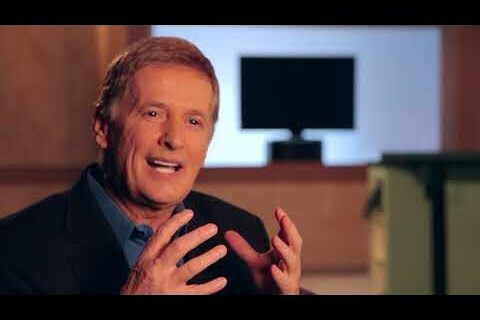
Bob Circosta was one of the earliest faces of home shopping, and his presence helped define the tone of the format. He spoke warmly, never rushed, and made viewers feel included rather than targeted. Watching him felt less like watching a commercial and more like spending time with someone who enjoyed explaining things. During quiet hours, that sense of company mattered more than the products themselves.
Even today, Bob remains connected to the industry, mentoring new presenters and sharing what he learned. He has spoken about selling as storytelling with purpose, and his career reflects that idea. His presence ties together the stories of these pitch people. They mattered because they filled rooms, kept people company, and became familiar faces. If this brought back a late night memory, pass it along to someone who remembers those quiet hours too.


