
The Untold Journey of the Men Who Unlocked the Internet

It is difficult to overstate how much a single piece of software managed to tilt the entire world on its axis at the turn of the millennium. When Shawn Fanning and Sean Parker launched Napster from a college dorm room, they weren’t just trying to help friends swap MP3 files; they were inadvertently dismantling a century-old business model. The music industry had never seen anything like it, and while the legal battles that followed were swift and brutal, the proverbial genie was well and truly out of the bottle. We moved from physical discs to digital etherealness in what felt like a heartbeat, and the ripples of that shift are still felt every time we open a streaming app today.
Understanding where the minds behind this revolution went next is more than just a trip down memory lane, as it offers a fascinating glimpse into the evolution of the modern internet. These creators didn’t simply fade into the shadows after the courtroom doors slammed shut; instead, they took their disruptive energy into social media, healthcare, and even international politics. By looking at their trajectories, we can see how the spirit of peer-to-peer sharing evolved into the interconnected, hyper-speed world we now inhabit. It is a story of Silicon Valley grit, immense legal pressure, and the relentless pursuit of the “next big thing” that might change our lives all over again.
Building The Facebook Empire
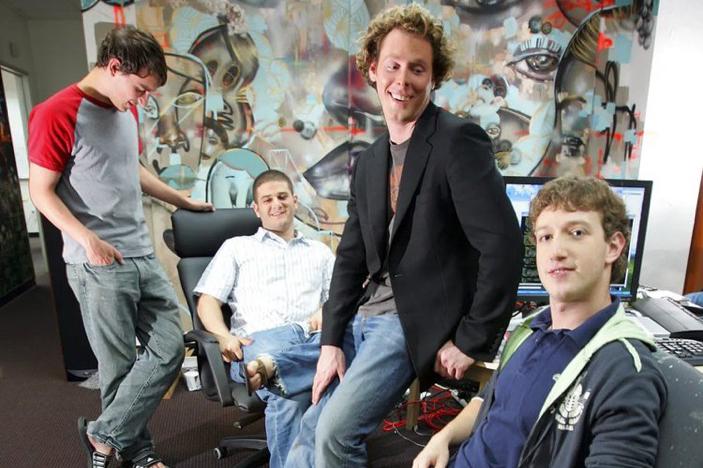
When Sean Parker met a young Mark Zuckerberg in a New York Chinese restaurant, the trajectory of social media changed forever. Parker brought the rebellious spirit of Napster to the fledgling site then known as TheFacebook, and he was instrumental in dropping the “The” to make it more streamlined. His experience with rapid scaling and high-stakes legal pressure proved invaluable as he became the company’s founding president. He helped secure the initial investments from Peter Thiel that allowed the platform to grow beyond college campuses, while also ensuring that Zuckerberg maintained absolute control over the company’s direction through a unique boardroom structure.
His tenure at Facebook was relatively brief but incredibly impactful because he helped shape the very mechanics of how we interact online today. Parker saw the potential for a global directory that could connect everyone on earth, and he applied the lessons learned from Napster’s community-driven growth to social networking. Although he eventually stepped down following a controversial police raid at a holiday home, his influence remained baked into the company’s DNA for years. He effectively transitioned from being the music industry’s public enemy number one to becoming a billionaire architect of the social media age, proving that his knack for disruption was far from a one-time fluke in the tech world.
Launching The Plaxo Contact Tool

Before the world was fully sold on the idea of social networking, Sean Parker co-founded a service called Plaxo which aimed to solve the constant headache of outdated address books. The platform was designed to automatically update your contacts’ information by constantly pinging their networks, which was a revolutionary concept in the early 2000s. It was one of the first mainstream examples of viral marketing because every time a user signed up, the service would send out invitations to everyone in their email list. This aggressive growth strategy made Plaxo a household name almost overnight, though it did stir up some early debates about digital privacy and the ethics of unsolicited emails.
The genius of Plaxo lay in its recognition that data is only useful if it is accurate and interconnected, which is a philosophy that Parker carried through all his subsequent ventures. While the service was eventually sold to Comcast, its legacy lives on in the way modern professional networks like LinkedIn operate today. It served as a vital bridge between the peer-to-peer file sharing of the Napster era and the professional networking boom that followed. For Parker, it was a crucial stepping stone that allowed him to refine his ideas about how information should flow across the web, proving that he could build a legitimate business that focused on utility rather than just digital rebellion.
Creating The Spotify Revolution

It is somewhat poetic that the man who helped break the music industry eventually became a key figure in fixing it through his involvement with Spotify. Sean Parker was an early enthusiast of the Swedish streaming service, famously reaching out to Daniel Ek after discovering the platform’s potential to provide a legal alternative to piracy. He realised that the only way to beat illegal downloading was to offer a service that was more convenient and better designed than the pirate sites. Parker invested heavily in the company and joined the board, using his extensive connections to help the platform navigate the complex licensing deals required to launch in the United States.
His role at Spotify represented a full-circle moment for his career because he was finally working alongside the record labels he had once fought against. By championing a model that paid artists while giving users instant access to millions of tracks, he helped stabilise a chaotic market. The success of Spotify validated his long-held belief that the future of media was access rather than ownership. Today, we take for granted the ability to play any song at the touch of a button, but that reality was forged through the strategic partnerships and technological vision that Parker brought to the table during those critical early years of the streaming giant.
Developing The Airtime Video App
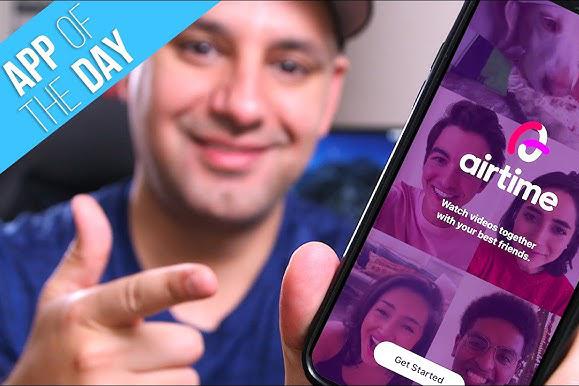
In an attempt to recapture the lightning in a bottle that was early Napster, Shawn Fanning and Sean Parker reunited to launch a social video platform called Airtime. The idea was to create a space where strangers could connect over shared interests through live video chat, essentially a more curated and safer version of Chatroulette. They launched the service with a star-studded event in New York, hoping that the combined pedigree of the Napster founders would be enough to draw a massive audience. It was a bold attempt to bring back the “serendipity” of the early internet, where you might meet someone from across the world just by clicking a button.
However, Airtime struggled to find its footing in a crowded market that was already moving toward mobile-first experiences. Despite the massive hype and significant venture capital, the platform failed to achieve the cultural ubiquity of their previous projects. It served as a reminder that even the most successful tech pioneers cannot always predict where the public’s attention will shift next. Nevertheless, the project highlighted Fanning and Parker’s enduring interest in the social power of real-time communication. They were trying to solve the problem of digital isolation long before it became a mainstream concern, showing that their creative ambitions were always rooted in the desire to bring people together through technology.
Investing Through Founders Fund

After amassing significant wealth from his various successes, Sean Parker became a prominent venture capitalist at Founders Fund alongside Peter Thiel. This role allowed him to exert a quiet but massive influence over the entire tech ecosystem by deciding which startups deserved the capital to grow. He wasn’t just looking for quick wins; he was interested in “hard tech” and companies that were trying to solve genuinely difficult global problems. From aerospace to biotechnology, his investment portfolio reflected a shift away from simple internet tools toward more substantial scientific and industrial innovations that could potentially change the course of human history over several decades.
Working within a venture capital firm gave Parker a bird’s-eye view of the future, and he used this position to advocate for long-term thinking in an industry often obsessed with quarterly results. He became a mentor to a new generation of founders, sharing the scars and lessons he earned from his days as a teenage hacker and a hunted CEO. This phase of his career proved that he had evolved from a disruptor into a kingmaker, someone who could identify the next Napster before it even had a name. His work at Founders Fund helped cement Silicon Valley’s dominance in the global economy, ensuring that the spirit of radical innovation remained funded and supported even during economic downturns.
Fighting Cancer With Immunotherapy

One of Sean Parker’s most significant contributions to the world has nothing to do with code and everything to do with human biology. He donated hundreds of millions of dollars to establish the Parker Institute for Cancer Immunotherapy, a collaborative research organisation that brings together the world’s leading scientists. His goal was to break down the silos that often slow down medical progress, much like how he wanted to break down the barriers to information in his youth. By funding research into how the body’s own immune system can be harnessed to fight tumours, he has helped pioneer treatments that are now saving lives across the globe.
This philanthropic turn showed a more mature side of the Napster creator, one focused on legacy and the common good. He applied the same “hacker” mindset to medicine, looking for ways to bypass inefficient systems and find direct routes to solutions. The institute fosters a unique environment where data and resources are shared freely between competing universities, a move that echoes the peer-to-peer philosophy of his early career. For Parker, the fight against cancer is a data problem as much as a biological one, and his involvement has injected a sense of Silicon Valley urgency into a field that is traditionally known for being slow-moving and incredibly cautious.
Building Path Social Network
Shawn Fanning joined forces with Dave Morin and Dustin Mierau to create Path, a social network that was intentionally designed to be small and intimate. While Facebook was encouraging people to add thousands of “friends,” Path limited your network to just 50 close contacts, later expanding to 150. The idea was to create a “personal network” where users felt comfortable sharing more private moments without the pressure of a public audience. Fanning’s involvement brought a sense of technical excellence and a focus on the user experience, as the app was widely praised for its beautiful design and innovative interface that felt far ahead of its time.
Although Path eventually faded away and was sold to a Korean company, it predicted the current trend of “digital campfires” where people prefer smaller, private groups over massive public squares. Fanning’s work on the project showed his continued interest in how people connect on a human level through their devices. It was a stark contrast to the massive scale of Napster, proving that he understood the value of privacy and intimacy just as much as he understood the power of mass distribution. Even though it didn’t become a global giant, Path remains a cult favourite among tech enthusiasts for its visionary approach to social interaction and its commitment to quality over sheer quantity.
Exploring The World Of Rupture
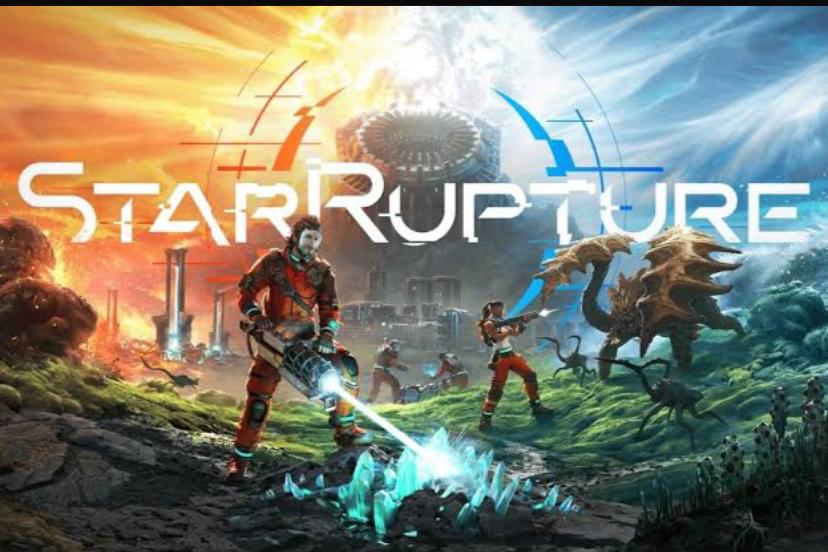
In 2006, Shawn Fanning turned his attention to the world of online gaming by co-founding Rupture, a social networking tool specifically for players of World of Warcraft. At the time, gamers had few ways to track their stats or communicate with their guild members outside of the game itself. Rupture solved this by creating a platform that automatically pulled in data from the game, allowing players to share their achievements and coordinate their play sessions more effectively. It was a niche product, but it tapped into a massive and highly engaged community that Fanning understood intimately as a gamer himself.
The success of Rupture was swift, and it was purchased by Electronic Arts (EA) for 30 million dollars just two years after its launch. This acquisition was a major milestone for Fanning, as it proved he could build, scale, and successfully exit a company within the traditional corporate framework. It also signaled the beginning of the “gamification” trend, where social features were integrated into every aspect of digital life. By focusing on the needs of a specific community, Fanning showed that he could find success by going deep rather than just wide. His time at Rupture allowed him to refine his skills as a product builder, moving him further away from the legal controversies of his youth.
Tackling Politics With Brigade

Sean Parker eventually turned his disruptive gaze toward the American political system by launching Brigade, a platform designed to increase civic engagement. He believed that the same tools used to connect people for social reasons could be used to organise voters and make government more accountable. Brigade allowed users to declare their positions on various issues, see where their friends stood, and coordinate actions to influence local and national politics. It was an ambitious attempt to fix what Parker saw as a “broken” democratic process by using data and social pressure to encourage people to get involved in their communities.
While Brigade faced the uphill battle of trying to stay neutral in an increasingly polarised political climate, it represented Parker’s belief that technology should be a force for systemic change. He invested tens of millions of his own money into the project, hoping to create a digital town square that was more productive than the shouting matches found on Twitter or Facebook. The project eventually integrated with other civic tech organisations, but its core mission remained the same: to give regular citizens the power to participate in democracy more effectively. It showed that the Napster creator was no longer just interested in changing the way we listen to music, but in changing the way we govern ourselves.
Developing The Helium Network

Most recently, Shawn Fanning has been a key figure in the development of Helium, a decentralised wireless network that uses blockchain technology to connect Internet of Things (IoT) devices. This project feels like a spiritual successor to Napster because it relies on a peer-to-peer model where individuals host “hotspots” in their homes to provide coverage for the network. In exchange for providing this infrastructure, users are rewarded with cryptocurrency. It is a radical departure from the traditional telecommunications model, where a few giant companies own all the towers and control all the access, putting the power back into the hands of the people.
Helium has seen explosive growth, with hundreds of thousands of hotspots deployed around the world. For Fanning, it represents a return to his roots in decentralised networking, but this time with a clear and legal business model. The project demonstrates how the principles of peer-to-peer sharing can be applied to physical infrastructure, creating a global network that is owned and operated by its users. It is perhaps the most ambitious project he has worked on since Napster, as it seeks to rebuild the very foundation of how our devices communicate. By incentivising people to work together, Fanning is once again proving that the most powerful networks are those built from the bottom up.
The ultimate lesson of the Napster era is that when we rely on a single factory or a centralized power to provide our needs, we are always one disruption away from total collapse.
Like this story? Add your thoughts in the comments, thank you.


