
The Visionary Moves On

Toby Lenk was the undisputed face of the eToys revolution, having founded the company in 1997 with a vision to completely disrupt how parents shopped for their children. He was a former Disney executive who possessed a rare blend of creative flair and corporate ambition, which helped him secure the massive venture capital needed to take the company public in 1999. During those heady early days, he was hailed as a genius of the new economy, and his personal paper wealth soared into the hundreds of millions as the share price reached dizzying heights of eighty-four dollars.
When the company eventually filed for bankruptcy in early 2001, many wondered if Lenk would ever return to the world of high-stakes e-commerce or if the experience had soured him on the industry. He did not stay away for long, however, as he eventually founded a new venture called GameFly in 2002, which applied the subscription model to the world of video games. This second act proved that he still had a keen eye for consumer trends, and he later found success as an advisor and board member for various tech firms while maintaining a lower public profile than during his time as the king of the online toy box.
Navigating The Media World

Edward “Bill” Roedy joined the eToys team with a formidable reputation for leadership, having previously served as a high-ranking executive at MTV Networks where he helped expand their global reach. He was brought into the fold to provide some much-needed corporate seasoning to the young and energetic startup, and his presence was seen as a sign that the company was ready to mature into a truly international brand. His role was crucial during the rapid expansion phase, as he helped manage the intense media scrutiny and the complex partnerships that were necessary to keep the platform relevant in a crowded market.
After the dust settled on the eToys collapse, Roedy returned to his roots in the world of global media and philanthropy, where he continued to exert a significant influence on the industry. He eventually became the Chairman and Chief Executive of MTV Networks International, where he was instrumental in the fight against HIV/AIDS through various media campaigns. His career serves as a reminder that the skills honed in the pressure cooker of a failing startup can be successfully pivoted into meaningful leadership roles that have a genuine impact on global health and culture.
Financial Strategy After Failure

The role of the Chief Financial Officer at eToys was arguably one of the most stressful jobs in America during the turn of the millennium, as they had to manage the expectations of Wall Street while the company burned through cash at an alarming rate. Steven J. Schoch was the man tasked with this balancing act, and he oversaw the financial engineering that allowed eToys to acquire competitors like BabyCenter for hundreds of millions of dollars in stock. He was deeply involved in the intricate details of the IPO and the subsequent attempts to secure more funding as the market turned sour in the year 2000.
Following the liquidation of the company, Schoch moved on to apply his financial expertise to other sectors of the technology industry, demonstrating that a bankruptcy on one’s CV is not necessarily a career-ender in the world of venture capital. He eventually took on leadership roles at various firms, including a stint as the CFO of Miramax Films and later joining the medical technology company 23andMe. His ability to transition from the volatile world of e-commerce to the highly regulated fields of entertainment and biotechnology highlights the versatile nature of executive-level financial management.
Marketing In The Aftermath
The marketing department at eToys was responsible for some of the most memorable and expensive advertising campaigns of the dot-com era, as they fought to build a brand that could compete with traditional toy stores. They spent tens of millions on television spots and portal deals with companies like AOL, all in an effort to capture the hearts and wallets of holiday shoppers. This aggressive strategy was a key factor in the company’s rapid rise, but it also contributed to the staggering losses that eventually led to its downfall when the sales failed to keep pace with the promotional spending.
Many of the creative minds who led these marketing efforts found that their experience in building a digital brand from scratch was highly valued by other companies looking to enter the online space. These professionals often moved into consulting roles or took senior positions at established retail firms that were finally beginning to take the internet seriously. They brought with them the hard-won knowledge of what happens when brand building is disconnected from financial sustainability, helping a new generation of startups avoid the same pitfalls that claimed eToys.
Logistics And Real World Trouble

One of the most significant reasons for the eToys implosion was the failure of its logistics and fulfillment systems during the crucial Christmas season of 1999, which left thousands of children without their promised presents. The executives in charge of operations had the unenviable task of trying to build a world-class warehouse network in a matter of months, and they were often overwhelmed by the sheer volume of orders that flooded in. This operational breakdown damaged the brand’s reputation so severely that it never truly recovered, even after they invested heavily in new automated facilities in Virginia and Ohio.
The individuals who managed these complex systems often found their way into the burgeoning field of third-party logistics or joined the operations teams of larger retailers like Amazon that were successfully solving these problems. They were among the first to grapple with the “last mile” delivery issues that still plague the industry today, and their experiences provided the blueprint for how to scale a digital business without breaking the physical supply chain. Their post-eToys careers were often spent behind the scenes, quietly refining the systems that now ensure our online orders arrive on time.
The Technology Backbone Transition
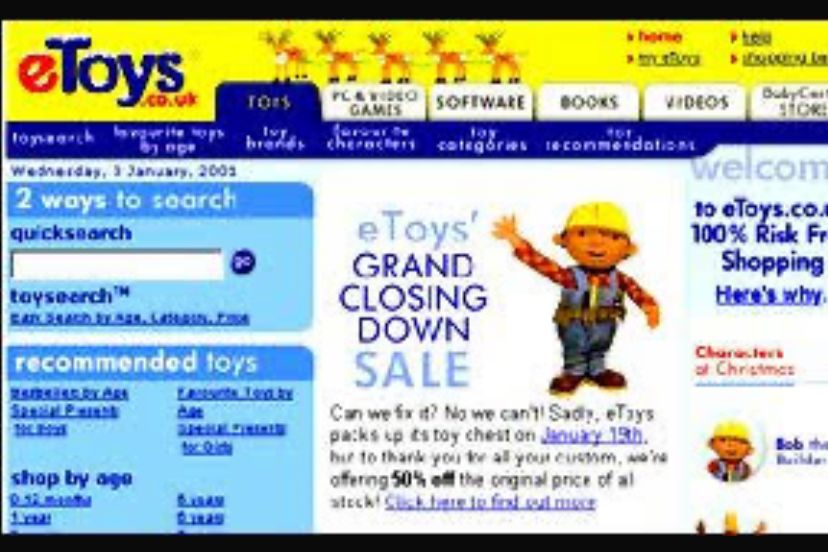
The engineering and technology leaders at eToys were responsible for maintaining a website that could handle millions of concurrent users during peak times, which was a monumental task given the limitations of the internet in the late nineties. They pioneered many of the features that we now take for granted, such as real-time inventory tracking and personalized recommendations, all while building their own proprietary software stack. When the company closed its doors, this talented pool of developers and systems architects became one of the most sought-after groups of professionals in Los Angeles.
Many of these tech leaders went on to found their own software companies or took high-level roles at burgeoning social media platforms and digital media firms. The collapse of eToys effectively seeded the “Silicon Beach” tech scene in Southern California, as former employees used their redundancy payouts and their experience to start new ventures. This technical diaspora ensured that while the eToys brand might have died, the innovative spirit and the lines of code that powered it continued to influence the development of the web for many years to come.
Legal Battles And Lessons

The legal team at eToys was thrust into the spotlight during a particularly controversial episode known as the “etoy” dispute, where the company sued a group of European artists over the rights to the domain name. This PR disaster was a turning point for the company, as it alienated the very internet community that had initially supported its growth and led to a massive backlash from activists. The executives who oversaw this legal strategy were forced to learn a painful lesson about the power of the online collective and the importance of brand perception in the digital age.
In the years following the bankruptcy, these legal professionals often moved into roles where they specialized in intellectual property and internet law, using their experience to advise other firms on how to avoid similar public relations nightmares. They became experts in the delicate art of domain name disputes and trademark protection in a globalised digital environment. Their careers evolved to reflect the growing complexity of the law as it struggled to keep up with the rapid pace of technological change and the borderless nature of the internet.
Boardroom Shifts And Oversight

The board of directors at eToys included several heavy hitters from the world of venture capital and traditional business, all of whom were supposedly providing the oversight necessary to guide a billion-dollar enterprise. However, the rapid collapse of the company raised serious questions about the effectiveness of their stewardship and whether they were too blinded by the hype to see the impending disaster. These board members were often serving on multiple other dot-com boards at the time, which led to a wider discussion about the need for better corporate governance in the tech industry.
After the liquidation, many of these directors saw their reputations take a hit, yet they remained influential figures in the investment community by pivoting their focus towards more sustainable business models. They were forced to adapt to a new era of “adult supervision” in Silicon Valley, where profitability and clear paths to revenue became more important than user growth at any cost. Their post-eToys roles often involved restructuring troubled companies or advising startups on how to build a robust corporate framework that could survive a market downturn.
Retail Reinvention And Survival

The executives who were responsible for the actual toys; the buyers and category managers, had the difficult task of predicting which products would be the big hits each season while managing relationships with cautious manufacturers. They were the bridge between the high-tech world of the website and the traditional world of the toy industry, and they often found themselves caught in the middle of conflicting priorities. When eToys failed, these retail experts were quickly snapped up by other online merchants or returned to the fold of traditional big-box retailers.
The legacy of their work can be seen in how modern retailers now integrate their physical and digital offerings, a concept known as “omni-channel” retail that eToys was attempting to pioneer decades ago. These individuals moved into roles where they helped traditional stores like Target or Walmart build their own competitive online platforms. They understood better than anyone that while the internet was a powerful tool for selling, it could never entirely replace the fundamental principles of good merchandising and stock management.
The Legacy Of The Brand
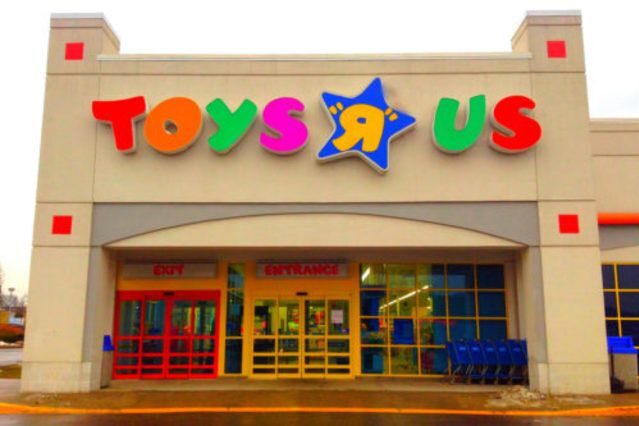
The eToys brand itself did not disappear entirely, as the domain name and assets were sold off several times during the various bankruptcy proceedings of the early 2000s. It was eventually acquired by KB Toys and then later by Toys “R” Us, which attempted to revive the name as a sub-brand for their own online efforts. This cycle of acquisition and re-branding serves as a stark reminder of how quickly a multibillion-dollar empire can be reduced to a mere line item on a competitor’s balance sheet.
For the executives who lived through the rise and fall, the story of eToys remains a career-defining experience that shaped their approach to business for the rest of their lives. They are part of a unique generation of leaders who witnessed first-hand the birth of the digital economy and the painful corrections that followed. Their journeys after the IPO implosion demonstrate that while a single company can fail, the talent and the lessons learned often go on to build the foundations of the next great wave of innovation.
The collapse of such a massive enterprise highlights the inherent risks of over-reliance on a single, unproven model for future success.
Like this story? Add your thoughts in the comments, thank you.


