
1. Omarosa and the Art of Playing a Part
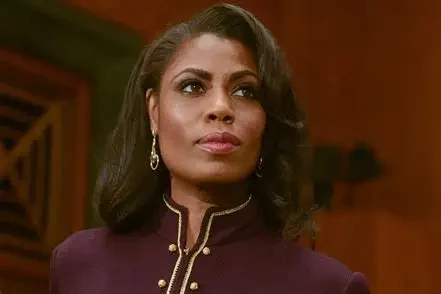
Reality TV villains often feel unforgettable, and this story begins with one of the earliest. Omarosa Manigault Newman shocked viewers on The Apprentice with sharp words and fearless confidence. Years later, away from boardrooms built for television, she explained that reality TV is shaped entertainment, not everyday life. Off camera, she leaned into politics, writing, and public speaking, showing strategy rather than spite. Friends and colleagues describe her as focused and intentional. Looking back, her TV persona feels like a character chosen for impact. It reminds us how easily television edits define people before life reveals the fuller picture.
2. Simon Cowell and the Misunderstood Judge
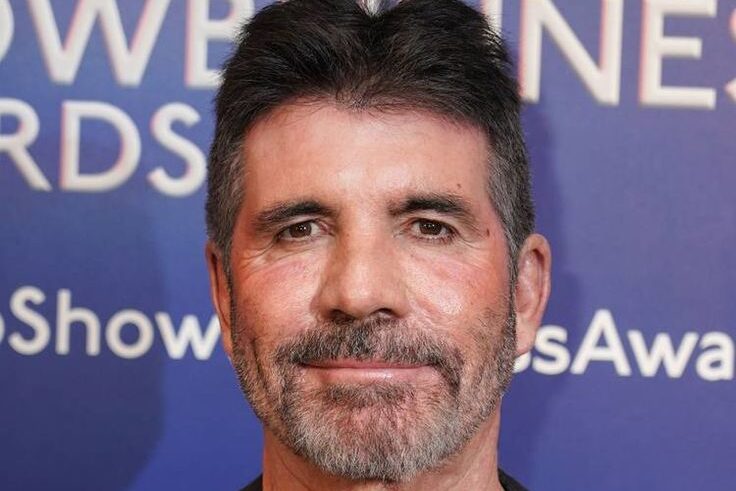
Simon Cowell’s early reputation on American Idol was built on blunt criticism that often felt harsh. Viewers braced themselves for his comments each week. Over time, Simon shared that honesty was his job, not cruelty. Away from the spotlight, artists and coworkers describe him as supportive and quietly generous. Fatherhood also softened his public presence. Watching him now feels different, almost warmer. The sharp judge many feared turned out to be someone who values growth and talent. His story shows how tone can be mistaken for intent when television compresses personality into soundbites and quick reactions.
3. Tiffany Pollard and Controlled Chaos

Tiffany Pollard became reality TV legend through loud moments and unforgettable confrontations on Flavor of Love. Off camera, she later revealed she understood exactly what the audience wanted. She was performing, not unraveling. In interviews, Tiffany comes across thoughtful, self aware, and reflective. Fans now celebrate her as someone who mastered the medium instead of being consumed by it. Her confidence reads differently with time. What once felt disruptive now looks intentional and playful. Tiffany’s journey reminds viewers that sometimes the loudest characters are the most in control, even when the edit suggests otherwise.
4. Spencer Pratt and the Willing Villain
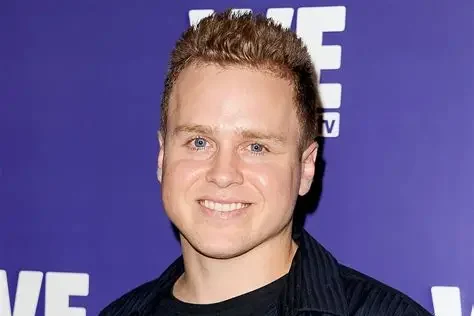
Spencer Pratt’s time on The Hills made him one of reality TV’s most disliked figures. Manipulative and fame driven, he embraced the role fully. Years later, Spencer openly admitted he leaned into being the villain because it kept the show alive. Off camera, his life shifted toward family, wellness, and business. He now speaks honestly about regret, pressure, and financial mistakes. Watching old episodes feels different knowing the chaos was partly calculated. Spencer’s evolution shows how playing a role can cost you reputation, even when it brings success in the moment.
5. Courtney Robertson and the Cost of Editing
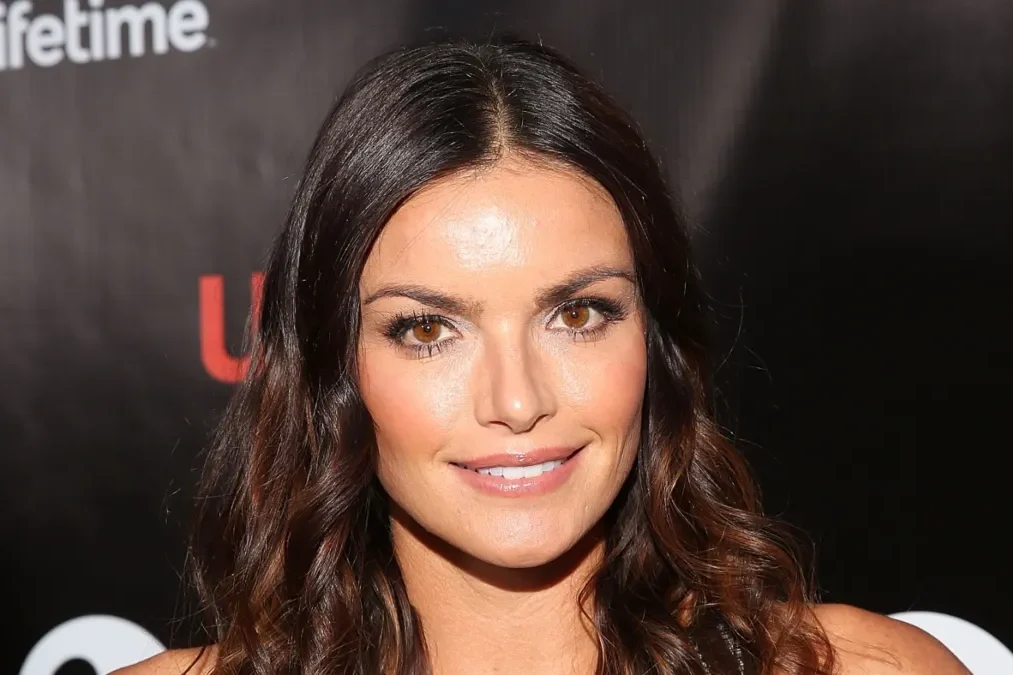
Courtney Robertson’s portrayal on The Bachelor framed her as cold and calculating. After the show, she admitted she barely recognized herself onscreen. Away from competition, Courtney focused on writing, fitness, and quieter living. She spoke openly about insecurity and emotional stress during filming. Her reflections added depth missing from televised moments. With distance, viewers began to understand how isolation and pressure shaped her reactions. Courtney’s story highlights how reality formats reward drama while hiding vulnerability. Over time, she feels less like a villain and more like someone navigating an overwhelming situation without a guide.
6. Jade Goody and Learning in Public

Jade Goody’s Big Brother appearance sparked heavy backlash, but her story did not end there. After the cameras faded, Jade publicly reflected on her mistakes and spoke about learning how words could wound. In 2008, she was diagnosed with cervical cancer, a turning point that reshaped how the public saw her. Jade chose to share her illness openly, raising awareness about screening and women’s health. She died in 2009 at just twenty seven. In her final months, many saw humility, growth, and vulnerability, transforming her legacy from controversy into a reminder that people can change and be remembered with compassion.
7. Johnny Fairplay and Strategic Infamy
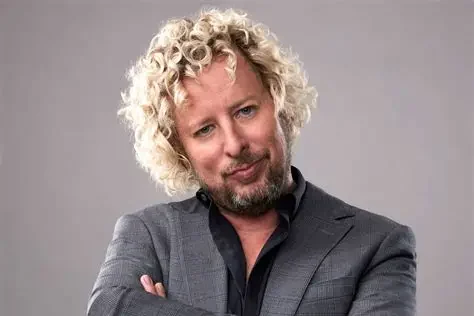
Johnny Fairplay’s Survivor gameplay made deception his signature. Viewers felt shocked and betrayed, yet years later he admitted the strategy was deliberate. Being remembered mattered more than being liked. Off camera, Johnny transitioned into media work and commentary, leaning into entertainment rather than controversy. Fans eventually viewed him as a clever performer who understood the game’s mechanics. His honesty reframed his reputation. What once felt personal now looks strategic. Johnny’s story shows how reality TV rewards bold moves and how time can transform outrage into appreciation for those who play unapologetically.
8. Kelly Cutrone and Tough Love Lessons
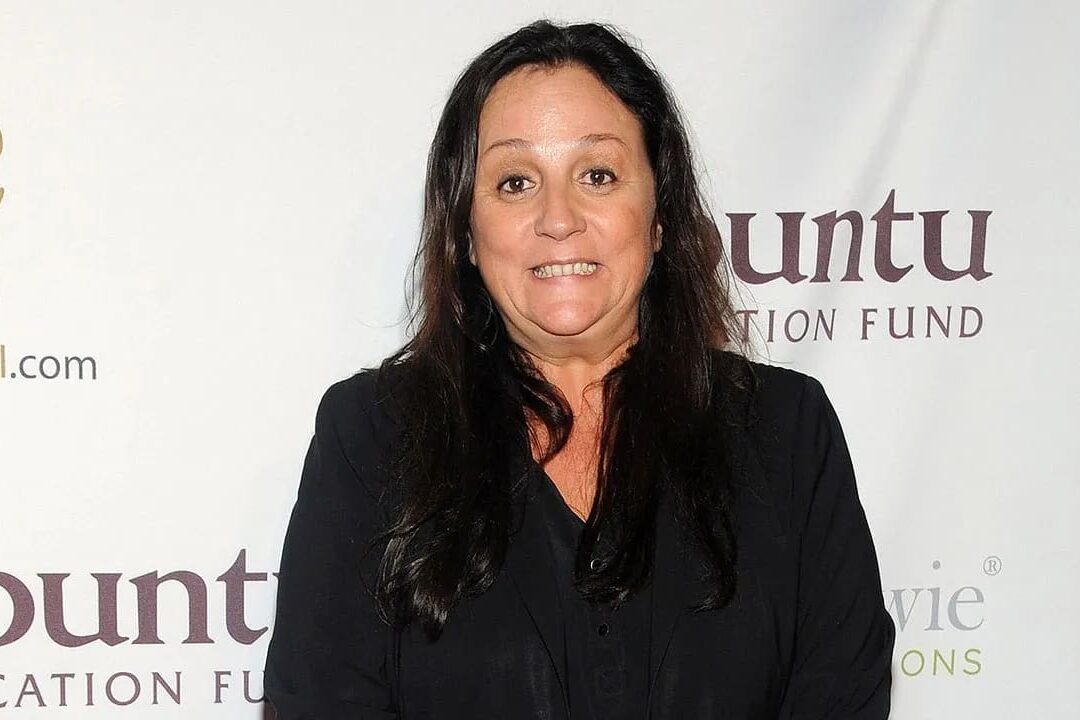
Kelly Cutrone’s no nonsense approach on The Hills intimidated many viewers. Her blunt mentorship was often mistaken for cruelty. Off camera, former colleagues describe her as deeply invested in helping people succeed. Kelly explained that she believed honesty prepared others for real workplaces. With time, audiences recognized her leadership style as direct rather than mean. Rewatching her scenes now feels like early lessons in resilience. Kelly’s reputation softened as viewers understood context. Sometimes discomfort on screen reflects truth we are not ready to hear, especially when delivered without softness.
9. Abby Lee Miller and Pressure Behind the Scenes
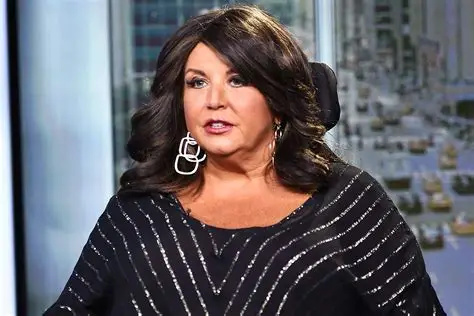
Abby Lee Miller’s Dance Moms persona centered on discipline and confrontation. Many saw her as harsh and unforgiving. Later, Abby explained that responsibility for young dancers’ futures weighed heavily on her. Health struggles and reflection changed how she presented herself publicly. Some former students acknowledged her dedication behind closed doors. While controversy remains, her story gained complexity with time. Abby’s journey shows how intensity can come from fear of failure rather than malice. Reality TV magnified conflict but minimized care, leaving viewers with only part of the story.
10. Russell Hantz and Strategy Without Warmth
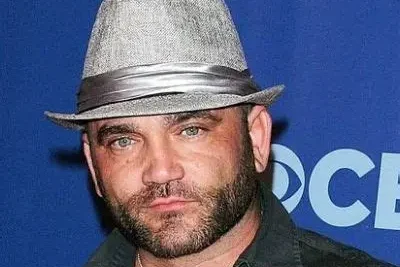
Russell Hantz shocked Survivor audiences with aggressive gameplay. His focus on strategy overshadowed relationships. Years later, Russell admitted he forgot the human side of competition. Off camera, he emphasized family and reflection, gaining respect for reshaping the game. Fans now recognize his influence on Survivor’s evolution. His villain label softened into acknowledgment of innovation. Russell’s story highlights how strategy without empathy rarely wins hearts. Growth did not erase past moments but added understanding. Sometimes reflection arrives after the game ends, changing how both players and viewers remember what unfolded.
11. Christine Quinn and the Power of Narrative

Christine Quinn’s role on Selling Sunset framed her as dramatic and divisive. She later shared that production needed a clear antagonist, and she filled the space confidently. Off camera, Christine speaks about boundaries, motherhood, and mental health with openness. Some cast members acknowledged selective storytelling. Her confidence often translated as cruelty on screen. With distance, viewers saw intention behind the chaos. Christine built a brand beyond the show, proving control over her image. Her story reminds us that being memorable sometimes costs likability, especially when editing favors extremes.
12. NeNe Leakes and Humor Lost in Conflict
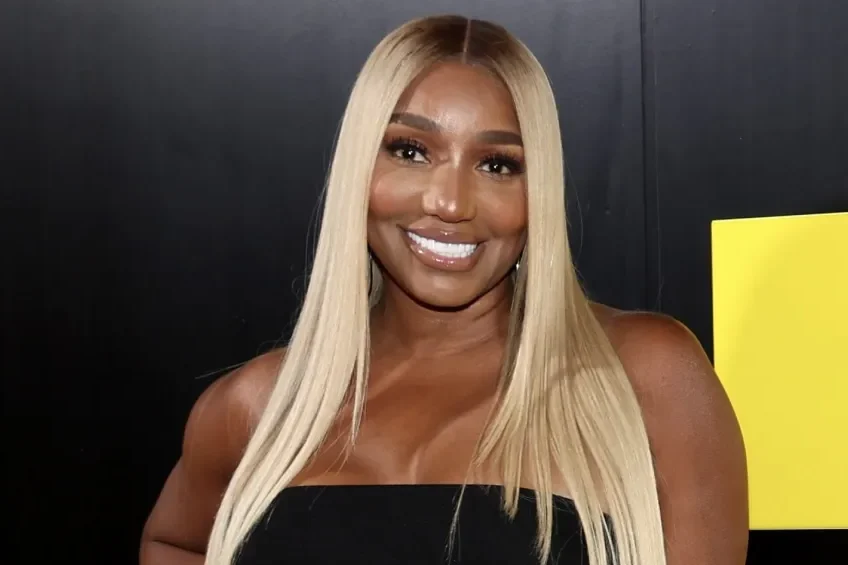
NeNe Leakes became known for conflict on The Real Housewives, yet humor and warmth often followed her off screen. She later explained that reactions were shaped by pressure, not hostility. Away from cameras, NeNe earned praise for mentorship and advocacy. Over time, her comedic timing defined her legacy more than arguments. Rewatching earlier seasons now reveals nuance viewers once missed. Fame magnified moments while shrinking context. NeNe’s journey shows how strong personalities are often reduced to clashes, leaving laughter and loyalty on the cutting room floor.
13. Mike Sorrentino and Public Redemption
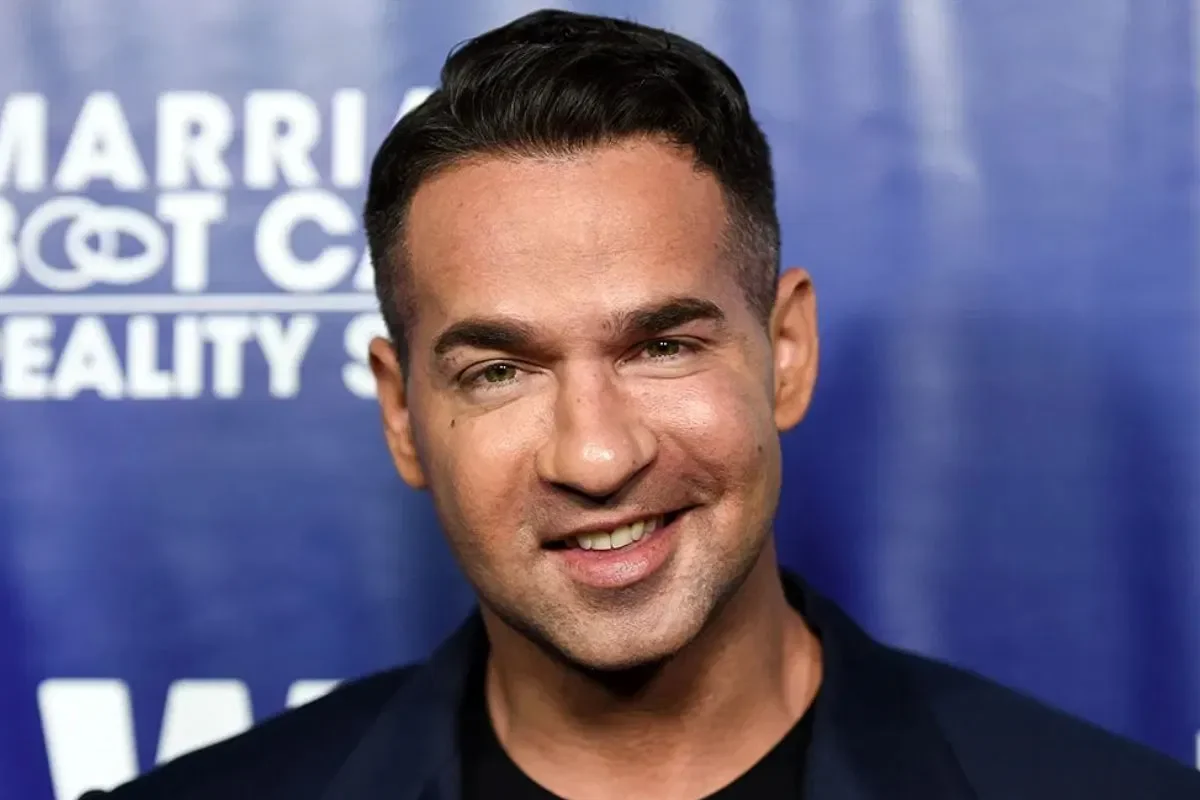
Mike Sorrentino’s Jersey Shore image revolved around manipulation and chaos. Years later, his sobriety journey reframed everything. Mike openly shared that addiction fueled his behavior. Accountability changed public perception as fans watched real growth unfold. Off camera, he embraced honesty and responsibility. His past actions gained context without excuses. Few reality stories feel as complete as his. Mike’s evolution reminds viewers that healing can reshape how we interpret old footage. Sometimes redemption does not erase mistakes, but it explains them, offering a clearer view of the person behind the persona.
14. Tamra Judge and Playing the Game

Tamra Judge’s confrontations powered Real Housewives drama for years. She later acknowledged that conflict kept storylines alive. Off camera, friends describe her as loyal and humorous. With time, fans recognized her self awareness about the role she played. Distance softened reactions to her earlier behavior. Reality television rewards reaction over restraint. Tamra understood the format and leaned into it. Her story shows how participation in entertainment does not always reflect personal character. Sometimes viewers mistake performance for personality when the two are intentionally separate.
15. Stephen Bear and Missed Growth
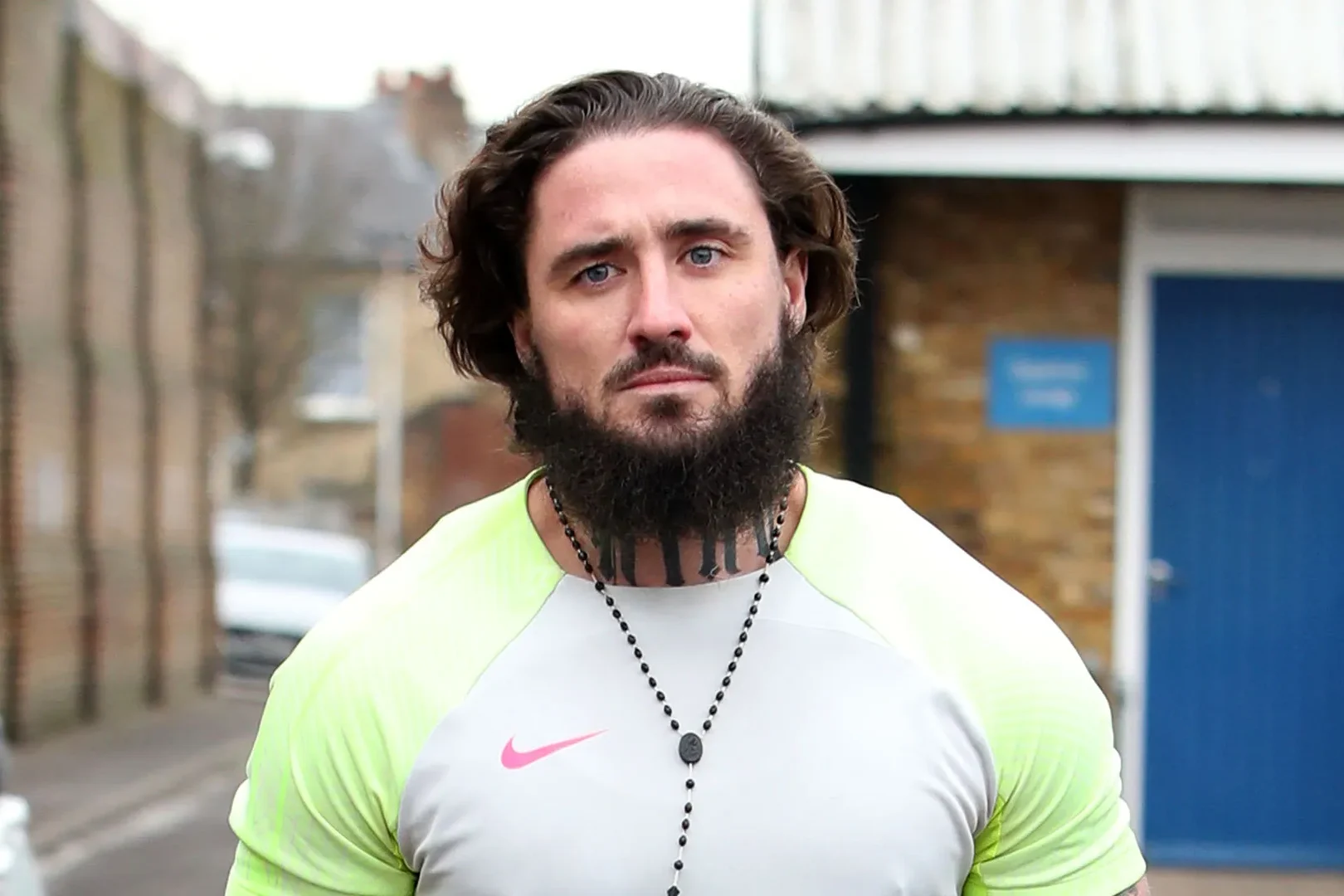
Stephen Bear’s antics on Celebrity Big Brother earned strong backlash. Early fame amplified recklessness rather than reflection. In past interviews, he admitted he did not understand consequences at the time. Unlike others, his growth stalled as controversy followed him beyond television. His trajectory serves as a contrast within this list. Reality TV accelerates lessons, but learning remains a choice. Bear’s story reminds viewers that not every villain evolves. Some remain defined by what they refuse to confront, showing how opportunity alone does not guarantee maturity or change.
16. Kenya Moore and Defensive Confidence
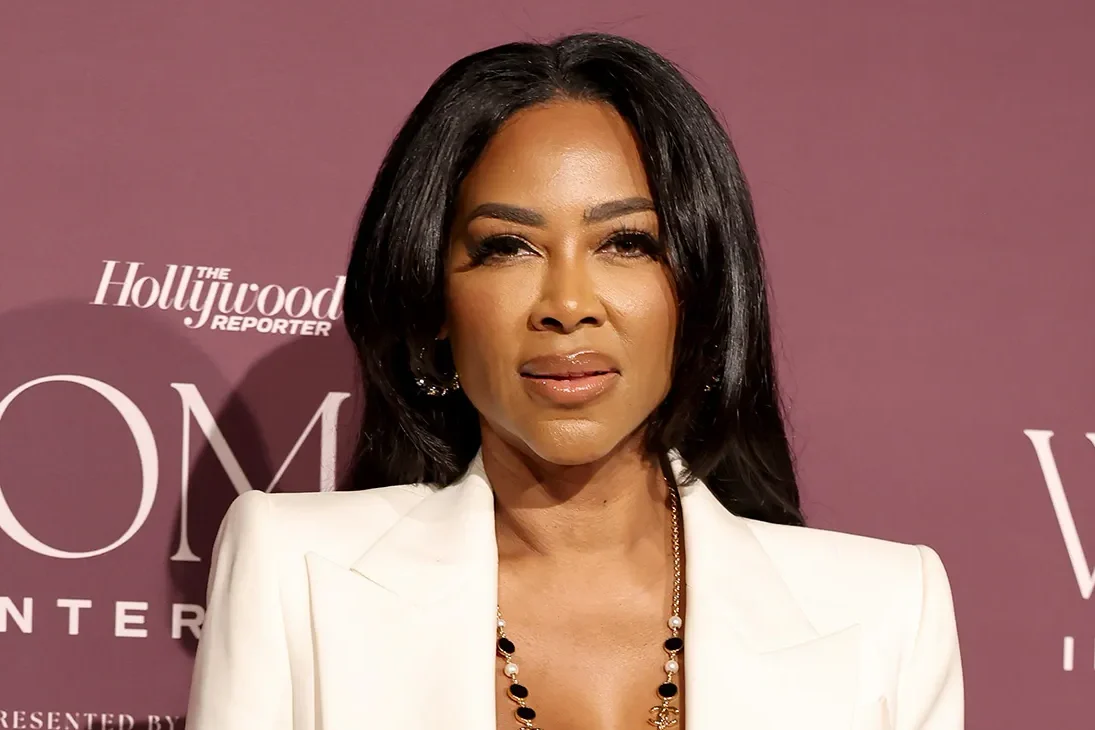
Kenya Moore often appeared sharp and confrontational on The Real Housewives, earning an easy villain label from viewers. Over time, she explained that confidence on camera can look aggressive when context is missing. Away from the show, colleagues describe her as disciplined, professional, and generous with support. Rewatching her scenes today reveals humor and vulnerability beneath defensive reactions. Kenya’s journey highlights how strong women are judged quickly when they refuse to shrink. What once felt abrasive now reads as self protection. Her story reminds viewers that confidence can be misunderstood when editing favors conflict over character development.
17. Jax Taylor and Growing Up Slowly
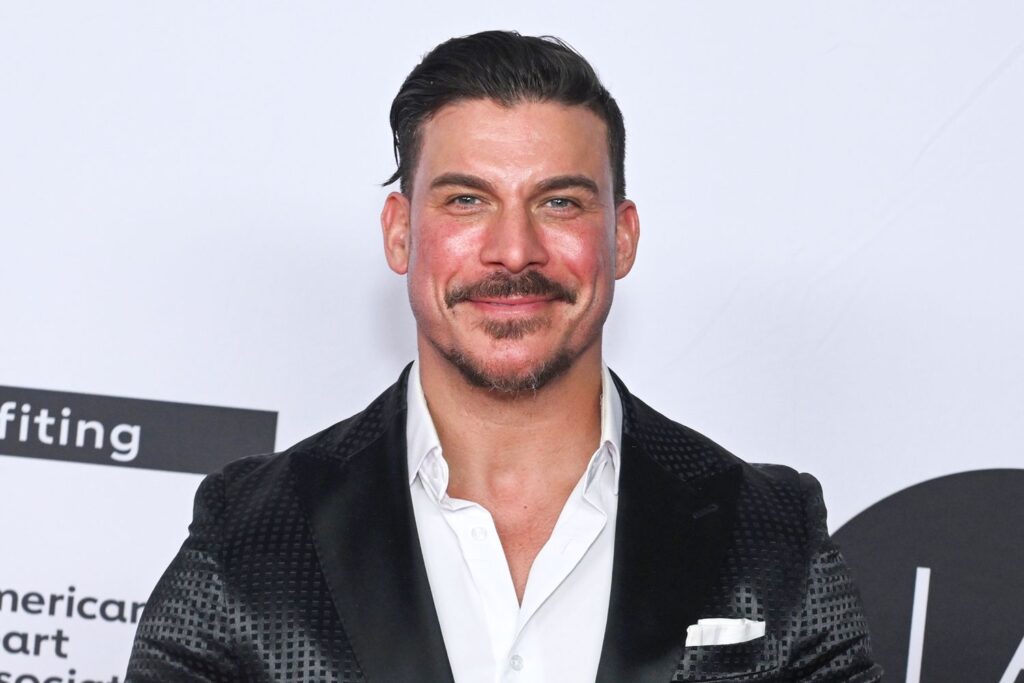
Jax Taylor thrived on chaos during Vanderpump Rules, often leaning into impulsive decisions and messy relationships. Later, he admitted he chased attention without thinking through consequences. Off camera, marriage and fatherhood shifted his priorities, though growth came unevenly. Fans watched him learn responsibility in real time rather than through dramatic transformation. His evolution was imperfect but visible. Jax’s story reflects messy adulthood instead of polished redemption. Reality television magnified his worst moments, but time revealed effort beneath them. Sometimes growth arrives gradually, shaped by accountability and life changes rather than sudden self awareness.
18. Caroline Flack and the Weight of Scrutiny
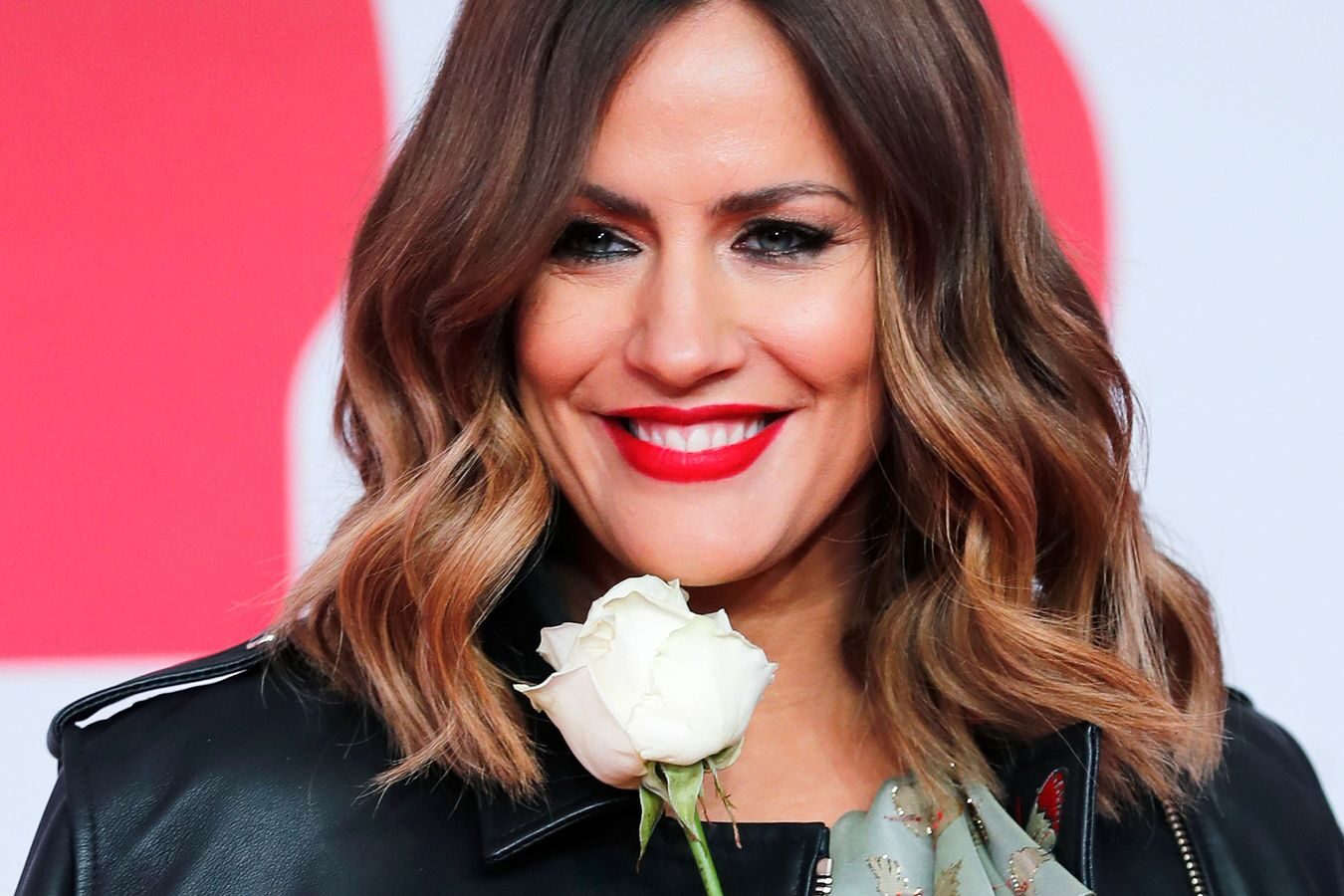
Caroline Flack faced intense scrutiny following Love Island controversies that played out in headlines and commentary. Away from cameras, she spoke about vulnerability, anxiety, and the weight of public judgment. In February 2020, Caroline died at age forty, a loss that shifted how many viewers understood her story. Her death sparked conversations about kindness, media pressure, and responsibility toward public figures. Looking back, moments once labeled as scandal read as strain under relentless attention. Caroline’s legacy now urges gentler viewing and empathy. It reminds us that people are more than episodes, and compassion should outlast entertainment for everyone watching closely.
19. Bethenny Frankel and Blunt Honesty
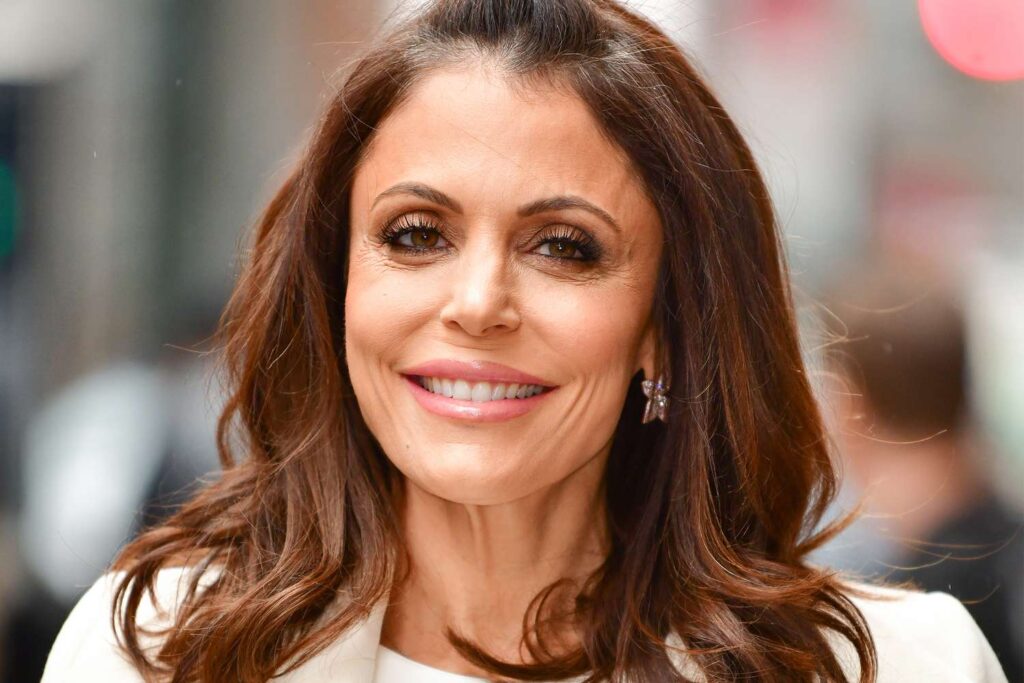
Bethenny Frankel’s sharp delivery earned criticism during her early Real Housewives years. Off camera, entrepreneurship, philanthropy, and business discipline defined her work ethic. She often explained that honesty mattered more to her than being liked. With time, audiences reframed her bluntness as clarity rather than cruelty. Success added context to earlier conflicts. Bethenny’s story shows how confidence can feel uncomfortable before it feels inspiring. What once irritated viewers now feels familiar. Growth sometimes changes perspective more than behavior, especially when ambition refuses to soften for the sake of comfort.
20. Perez Hilton and Accountability After Fame
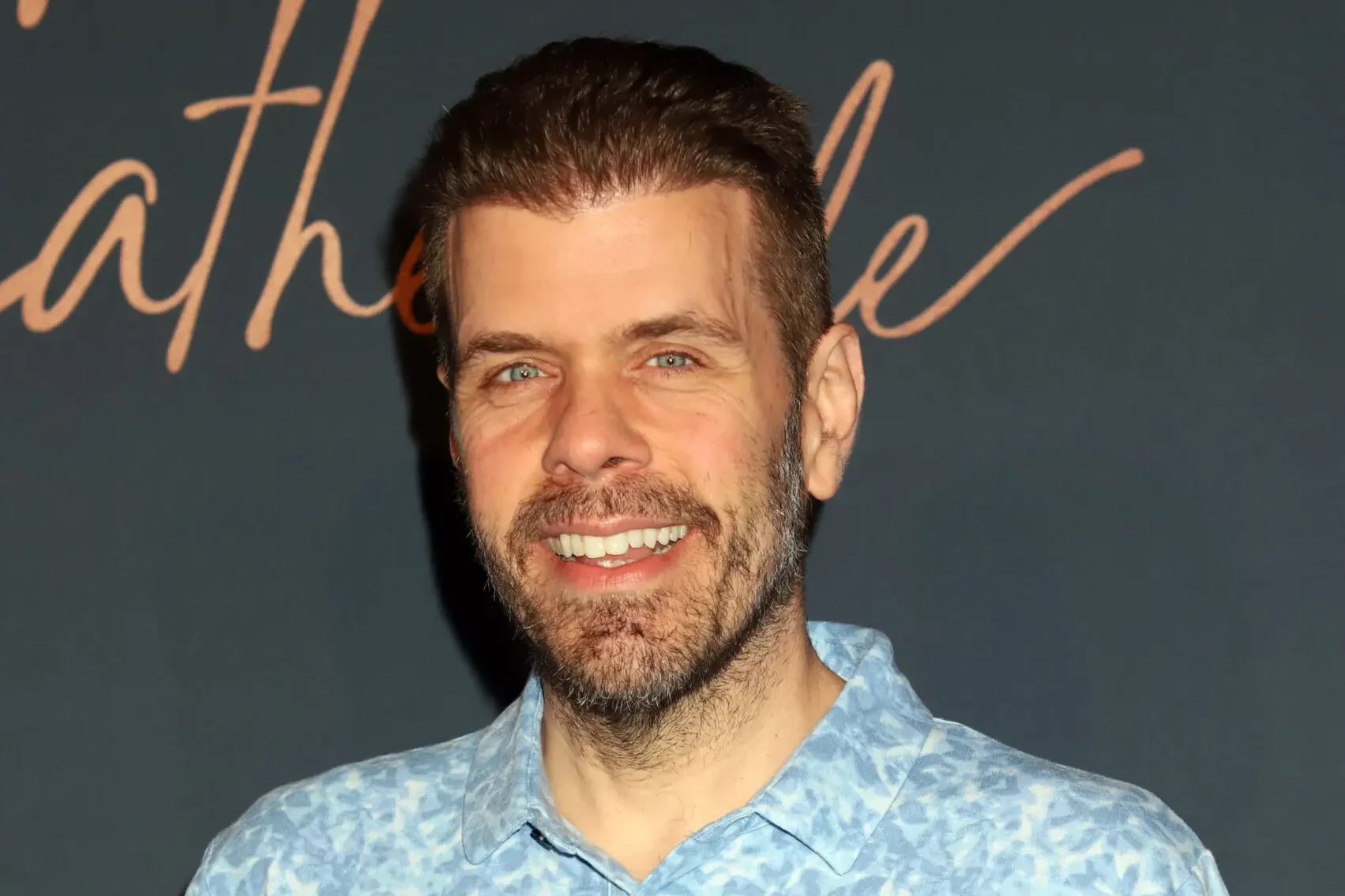
Perez Hilton’s reality adjacent presence made him widely disliked during peak gossip culture. His commentary often crossed lines and shaped public opinion harshly. Years later, he publicly acknowledged the harm his actions caused. Apology and reflection reshaped his image slowly rather than instantly. Off camera, he emphasized personal growth and responsibility. Audiences responded cautiously but noticed sincerity over time. Perez’s evolution shows that accountability can soften deeply damaged reputations. Learning arrived late, but it arrived honestly. His story reminds viewers that influence carries responsibility long after attention fades away.
21. Phaedra Parks and Quiet Rebuilding

Phaedra Parks experienced a sudden fall from grace that unfolded publicly and painfully. Afterward, she stepped back from the spotlight, choosing quiet rebuilding over loud defense. With distance, some viewers recognized complexity behind her decisions and reactions. Off camera, she focused on family, faith, and professional reinvention. While trust takes time to repair, silence allowed space for reflection. Phaedra’s story illustrates how stepping away can sometimes speak louder than explanations. Not every chapter needs justification. Some simply need time, accountability, and distance to reshape how they are remembered.
22. Heidi Montag and Chasing Approval
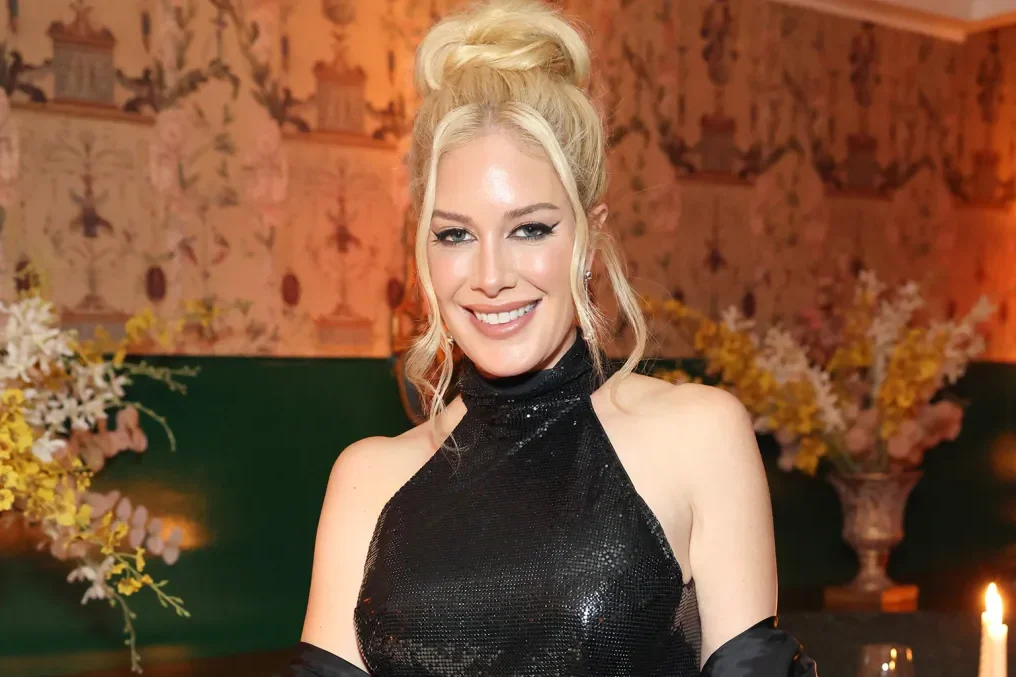
Heidi Montag faced relentless criticism for personal choices made under intense fame and pressure. Later, she admitted she chased approval without fully understanding herself. Off camera, privacy and reflection reshaped her priorities and outlook. Viewers softened as they recognized youth and insecurity behind decisions once mocked. Heidi’s story highlights how fame magnifies mistakes while minimizing context. Distance allowed empathy to grow naturally. Sometimes understanding arrives only after noise fades and life slows down. Her journey reminds viewers that growing up in public rarely allows room for grace in the moment.
23. Danielle Staub and Emotional Survival
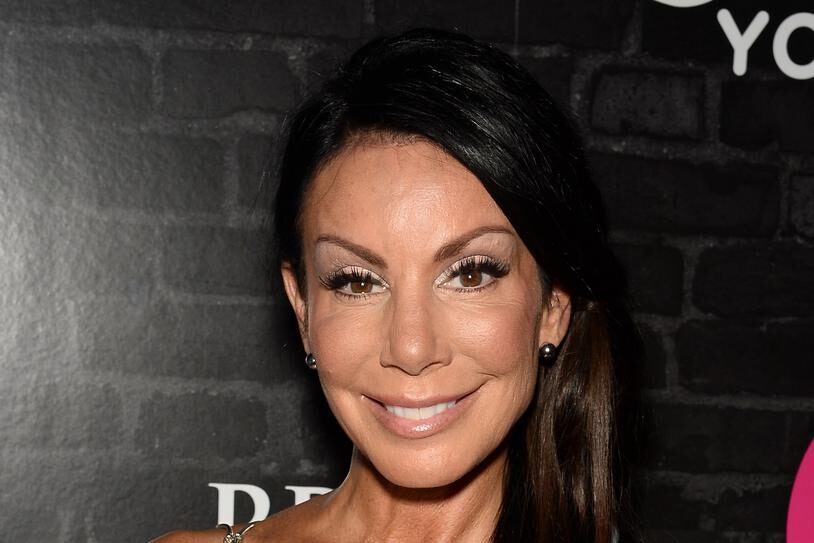
Danielle Staub’s volatility dominated early Real Housewives seasons, leaving viewers divided. Later interviews revealed feelings of isolation, fear, and constant defensiveness. She explained that reactions often came from emotional survival rather than calculated conflict. With context, audiences reconsidered her behavior through a more compassionate lens. Danielle’s story shows how vulnerability can appear threatening on camera. Reality television rarely pauses for explanation or emotional depth. Time offered perspective that episodes never allowed. Her journey reminds viewers that emotional responses often mask deeper wounds unseen by audiences.
24. Amanda Stanton and Anxiety on Display

Amanda Stanton’s emotional moments drew criticism during her reality television appearances. Many viewers labeled her dramatic without understanding what fueled her reactions. Later, she spoke openly about anxiety influencing her behavior under pressure. Off camera, vulnerability reframed earlier moments with clarity and honesty. Fans responded with understanding once context emerged. Amanda’s journey shows how internal struggles often surface externally when stress is constant. Reality television magnifies emotion without explanation. Awareness changed interpretation, reminding viewers that emotional responses are not always weakness but signals of unseen battles.
25. Richard Hatch and Gameplay Ethics

Richard Hatch earned Survivor’s first villain label through unapologetic strategy and manipulation. At the time, viewers struggled with separating gameplay from morality. Years later, fans recognized his role in defining how the game is played. Richard consistently emphasized that competition required calculated moves. Time validated his approach as foundational rather than unethical. His story shows how innovation often faces resistance before acceptance. What shocked audiences then feels expected now. Richard’s legacy reflects how perspective evolves as viewers learn to understand the rules of the game itself.
26. Kourtney Kardashian and Boundaries Over Drama
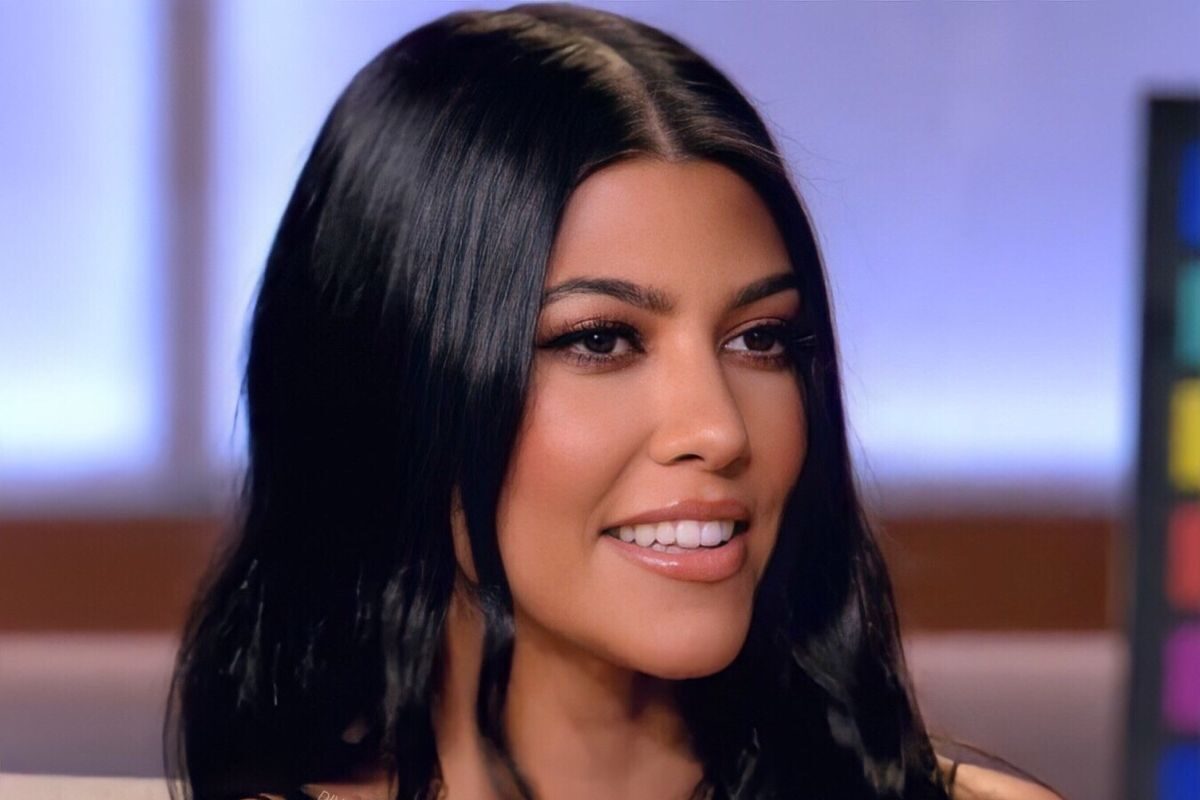
Early edits painted Kourtney Kardashian as detached, dismissive, and uninterested in family conflict. Later seasons revealed intentional boundaries rather than indifference. She openly prioritized peace over constant confrontation. Off camera, fans recognized consistency instead of coldness. Her evolution reframed aloofness as self respect. Kourtney’s story shows how refusing chaos can appear disengaged in environments built on drama. Growth does not always look loud. Sometimes it looks like choosing quiet, even when the cameras expect something louder and more reactive from familiar faces.
27. Farrah Abraham and Grief Misunderstood

Farrah Abraham’s confrontations overshadowed deeper pain during her reality television years. Many viewers focused on her tone without understanding the grief behind it. Later, she spoke about unresolved loss shaping her reactions. Context softened public judgment gradually. Her story highlights how trauma often presents as anger or defensiveness. Reality television rarely explores emotional roots in depth. Understanding arrived long after criticism. Farrah’s journey reminds viewers that behavior often reflects pain rather than intention. Compassion becomes possible when stories extend beyond surface reactions and edited conflict.
28. Tom Sandoval and Accountability Lessons
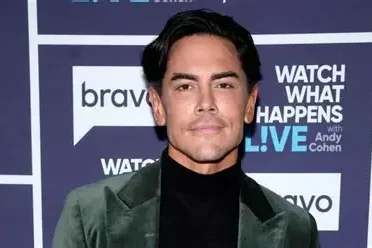
Tom Sandoval’s shift from charming favorite to villain shocked longtime viewers. Off camera, he admitted poor decisions and emotional misjudgment contributed to fallout. Accountability reshaped the narrative slowly rather than instantly. His story shows how public mistakes linger even after apologies. Growth requires ownership, patience, and consistent behavior. Time tests sincerity more than words. Tom’s experience reminds viewers that image can change quickly, but rebuilding trust takes longer. Reality television captures moments, but accountability unfolds gradually beyond the cameras and storylines.
29. Danielle Lloyd and Growing Away from Fame
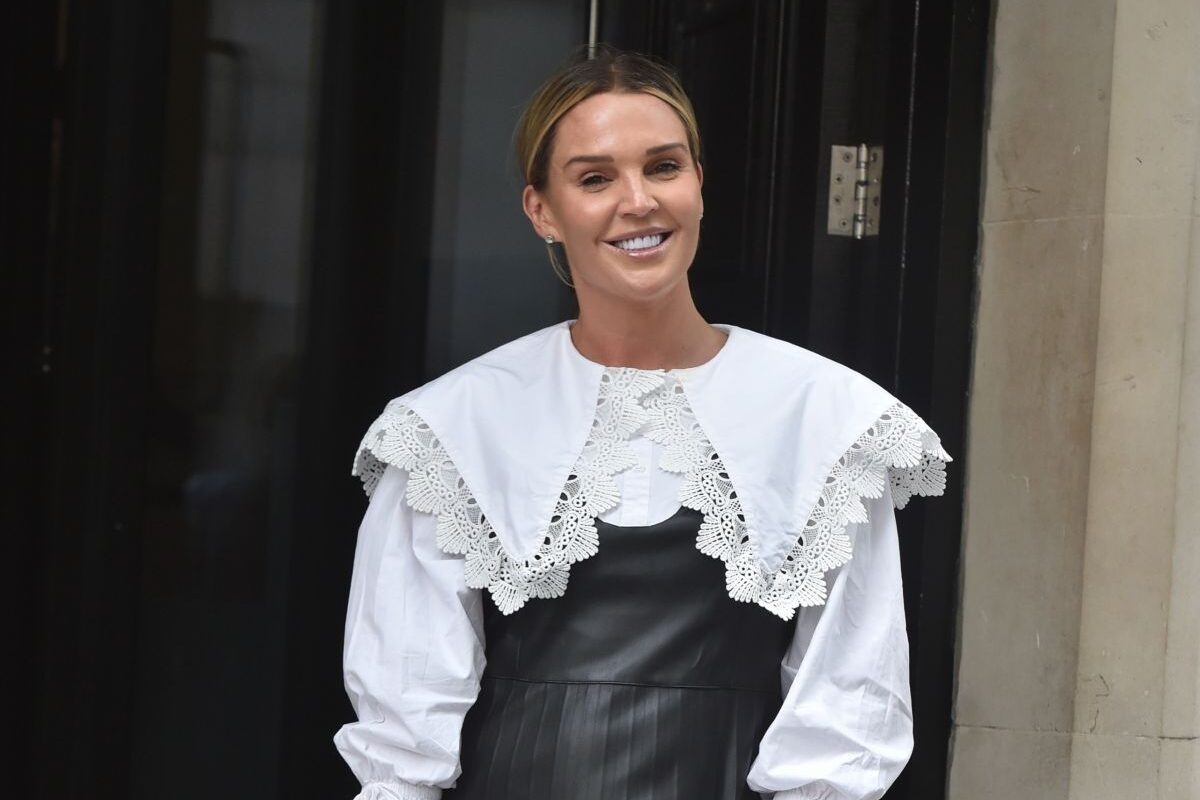
Danielle Lloyd faced backlash early in her public life that shaped her reputation quickly. Years later, interviews reflected maturity, reflection, and self awareness. She acknowledged growth without dramatics or defense. Distance from constant attention allowed personal development to take priority. Her story shows how stepping back can lead forward. Sometimes silence supports growth better than explanation. Danielle’s journey reminds viewers that not all evolution needs an audience. Some changes happen quietly, reshaping identity long after headlines stop following every move.
30. Johnny Bananas and Longevity Through Humor
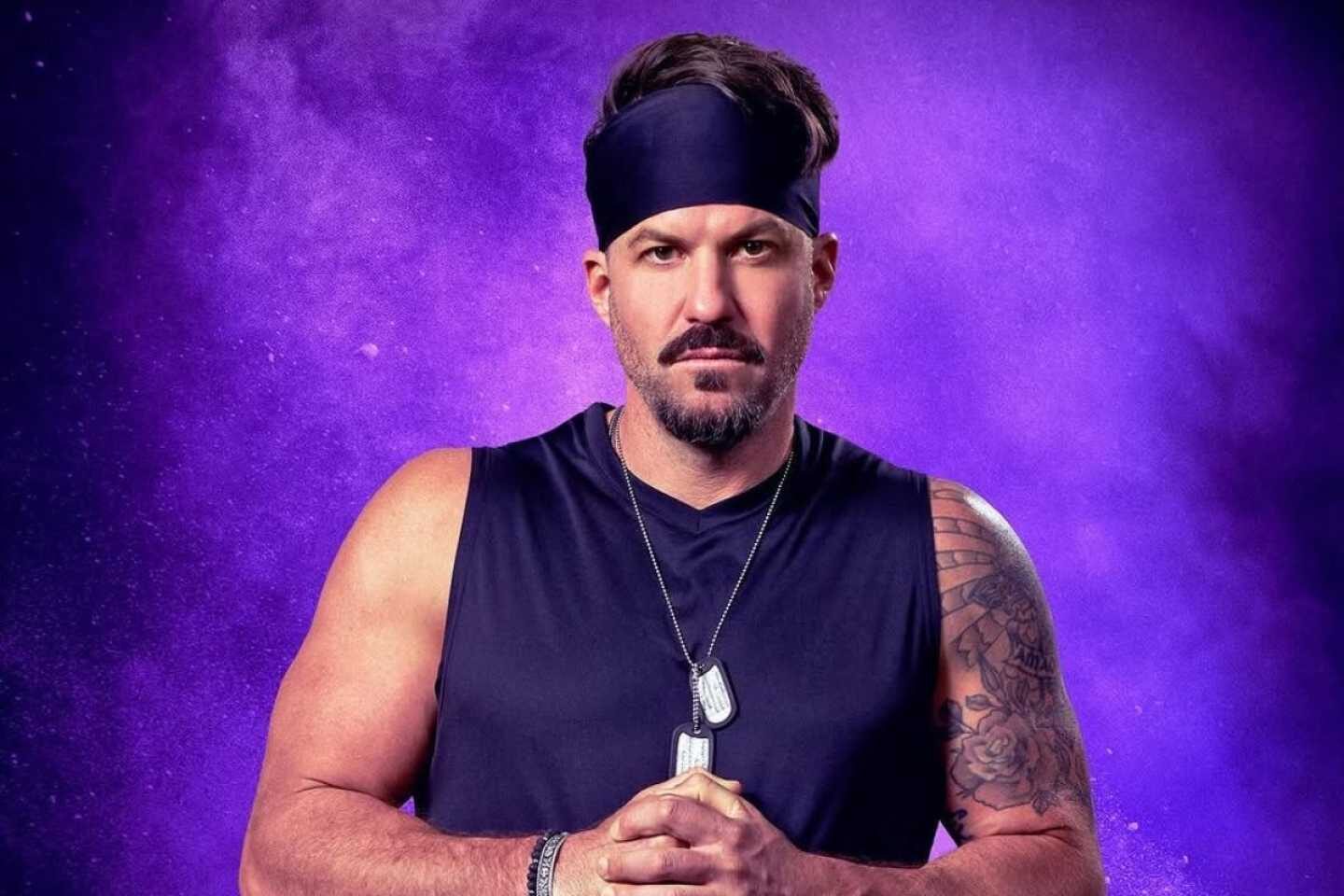
Johnny Bananas built a long career by embracing the villain role with confidence and humor. Over time, repetition softened audience reaction. He openly described reality personas as exaggerated characters rather than full identities. Longevity reframed perception. What once angered viewers became expected entertainment. His journey quietly ties these stories together, showing how time reveals layers editing cannot capture. Familiarity often breeds understanding. Watching years later, audiences learn to separate performance from person. In the end, longevity becomes its own form of redemption.
This story Where Are They Now? Reality TV Villains Who Turned Out Completely Different Off-Camera was first published on Daily FETCH


