
1. Rick Moranis
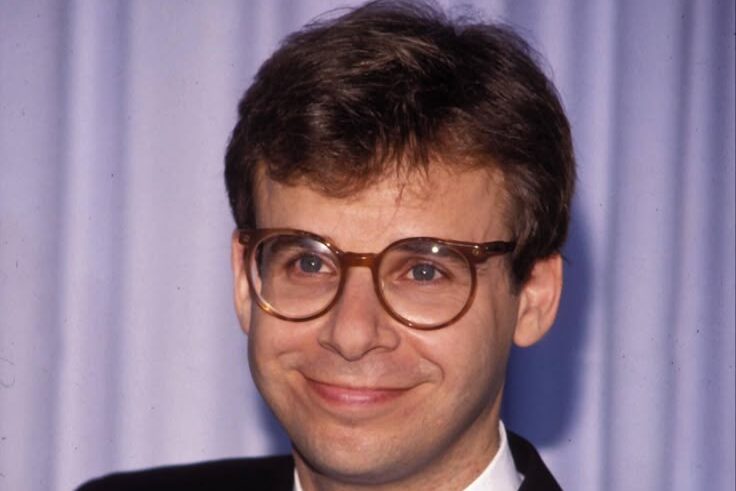
Hollywood exits usually come with drama, but this story begins quietly, like running into an old friend and realizing life simply moved on. Rick Moranis stepped away at the height of his career after losing his wife, choosing to raise his children himself. He later explained that balancing film schedules with single parenthood was impossible. Over the years, he focused on family, music, and occasional voice work. Moranis never chased a comeback or explained himself excessively. His absence felt steady, intentional, and human. He became a reminder that sometimes success looks like choosing home over applause, and peace over visibility.
2. Mara Wilson
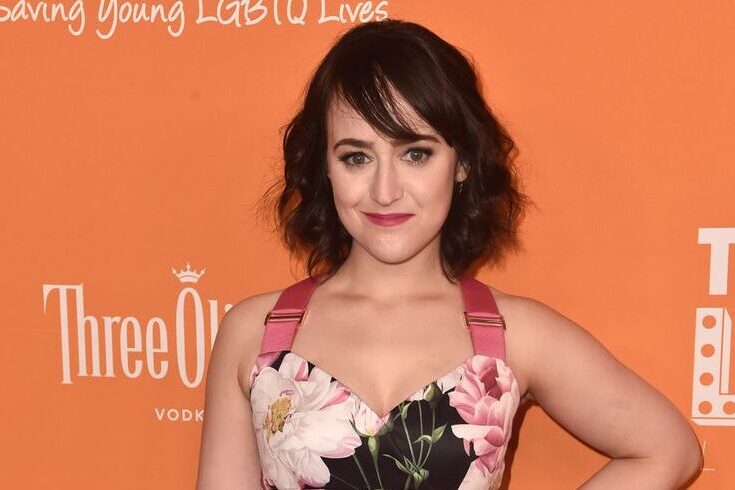
Mara Wilson grew up in front of the world, yet she learned early that Hollywood was not built for growing girls. After childhood fame, she noticed opportunities shrinking while expectations grew heavier. Wilson later shared that acting stopped feeling joyful and began harming her sense of self. She stepped away and leaned into writing, finding freedom in words instead of roles. Today, she is an author and essayist who speaks openly about mental health and identity. Her story feels relatable because it mirrors anyone who outgrows an environment and chooses clarity, creativity, and honesty over staying where they no longer fit.
3. Josh Hartnett
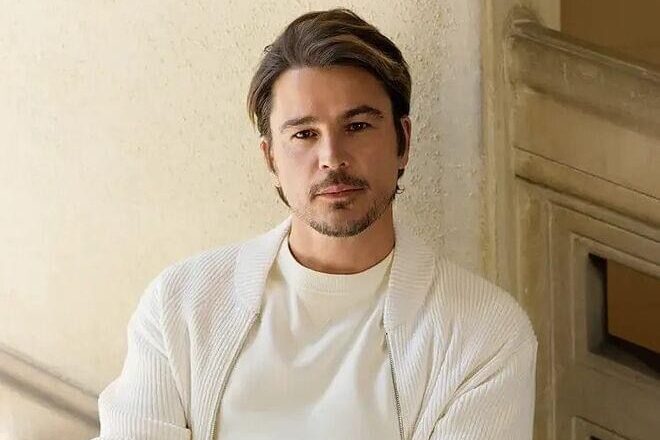
Josh Hartnett was once everywhere, then suddenly nowhere, and that was no accident. At the peak of his leading man era, he stepped away from Hollywood’s inner circle to reclaim privacy. Hartnett explained that fame was swallowing his life and he wanted space to breathe. He moved away, focused on family, and began choosing smaller, intentional roles. While he never fully quit acting, he rejected the machinery that came with it. His path shows how stepping back does not mean losing relevance, but redefining it on your own terms, quietly and without needing constant validation.
4. Cameron Diaz
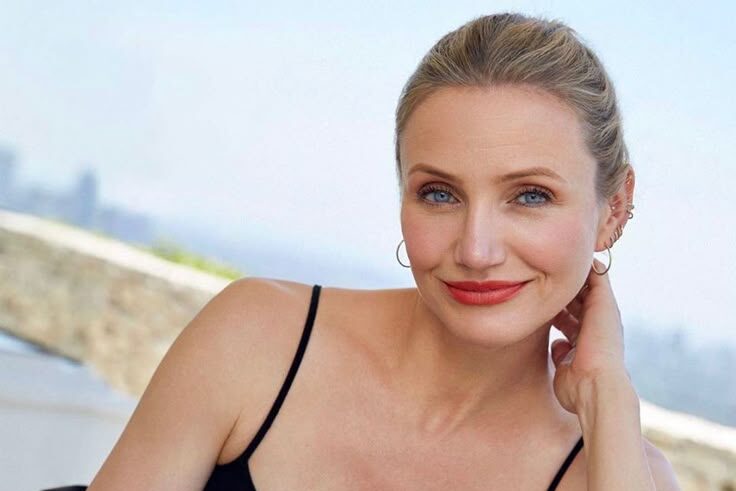
Cameron Diaz did not announce her departure with a farewell speech. She simply chose something different. After decades of nonstop work, she realized her life revolved around obligations that no longer fulfilled her. Diaz stepped away to focus on wellness, relationships, and entrepreneurship. She later spoke about wanting ownership of her time and energy. Away from film sets, she built businesses and embraced a slower pace. Her absence felt calm rather than shocking. Diaz showed that walking away from success can be an act of self respect, especially when you listen closely to what your life is asking for next.
5. Gene Hackman
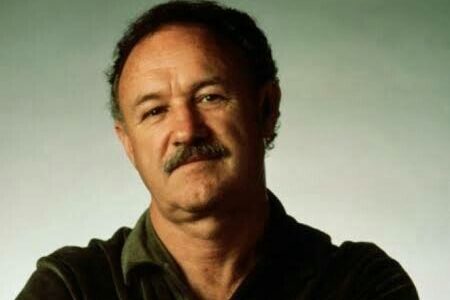
Gene Hackman reached a point where enough truly meant enough. After a legendary career, he stopped accepting roles without ceremony. Hackman later admitted that the stress of filmmaking no longer appealed to him. Instead, he turned to writing, co authoring novels and living quietly away from Hollywood. He did not miss premieres or interviews, nor did he feel the need to explain himself repeatedly. Hackman trusted his instincts. His retirement feels grounded, like a craftsman putting down tools with satisfaction. It reminds us that leaving at the right time can be just as powerful as staying.
6. Jack Gleeson
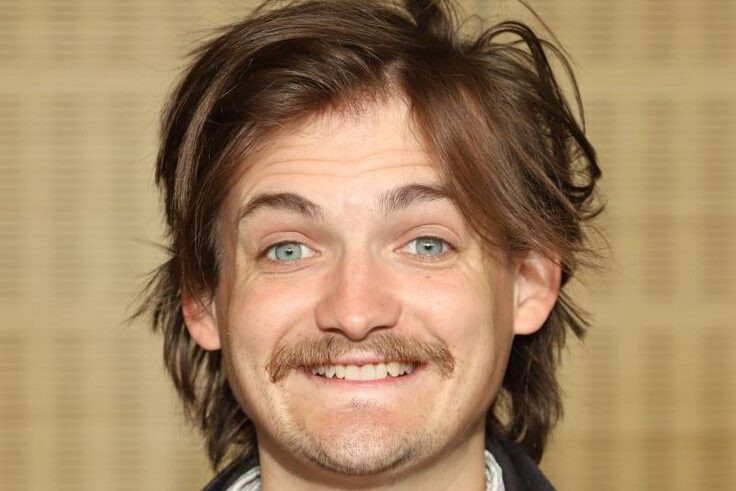
Jack Gleeson became world famous for playing someone deeply unlikeable, and the experience changed how he viewed acting. After Game of Thrones ended, Gleeson chose to step away, explaining that the industry no longer brought him joy. He returned to school, studying philosophy and theology, and lived largely outside public view. For years, he avoided interviews and attention. When he eventually returned to theater, it was on a smaller, more personal scale. Gleeson’s story highlights the importance of self awareness, especially when success arrives young and asks you to decide who you want to become.
7. Frankie Muniz
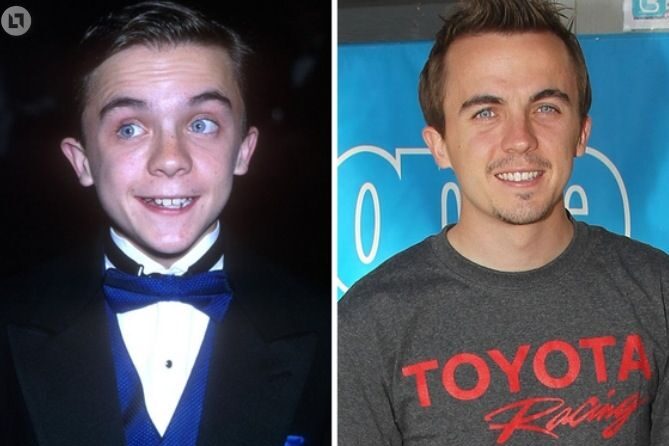
Frankie Muniz spent his childhood under bright lights, then decided adulthood would look different. After Malcolm in the Middle, he explored racing, music, and business, intentionally stepping away from acting. Muniz explained that curiosity drove him more than fame. Health challenges later slowed him down, prompting reflection about memory and identity. Today, he speaks openly about appreciating his past without living inside it. His journey feels familiar to anyone who reinvented themselves after early expectations. Muniz reminds us that growing up means choosing paths that feel right, even when they surprise everyone watching.
8. Phoebe Cates
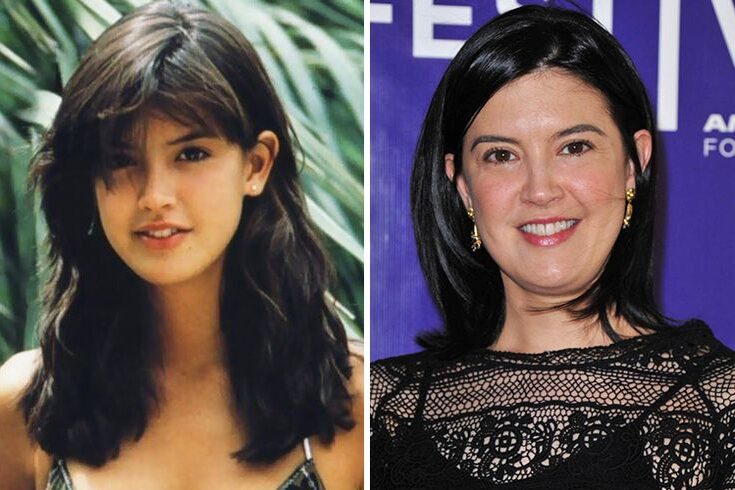
Phoebe Cates left Hollywood at the height of her popularity, and she never treated it like a sacrifice. After marrying Kevin Kline, she chose to focus on family life. Cates later explained that being present mattered more than continuing a career she had already enjoyed. She eventually opened a boutique in New York City and lived privately. Despite frequent offers, she declined returning to acting. Her story feels calm and resolved. Cates showed that stepping away does not require conflict. Sometimes it is simply choosing what feels fuller, warmer, and closer to home.
9. Bridget Fonda
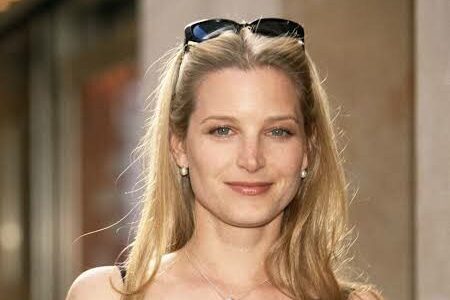
Bridget Fonda grew up surrounded by Hollywood legacy, yet she quietly stepped away from it. After a serious accident and life changes, she chose privacy over performance. Fonda later described herself as a civilian, signaling her comfort with a life outside fame. She focused on family and personal health, rarely appearing publicly. Her absence sparked curiosity, but she never addressed it directly. Fonda’s story feels gentle, shaped by listening inward rather than responding outward. It reflects how some chapters end not with drama, but with a soft decision to live differently.
10. Danny Lloyd
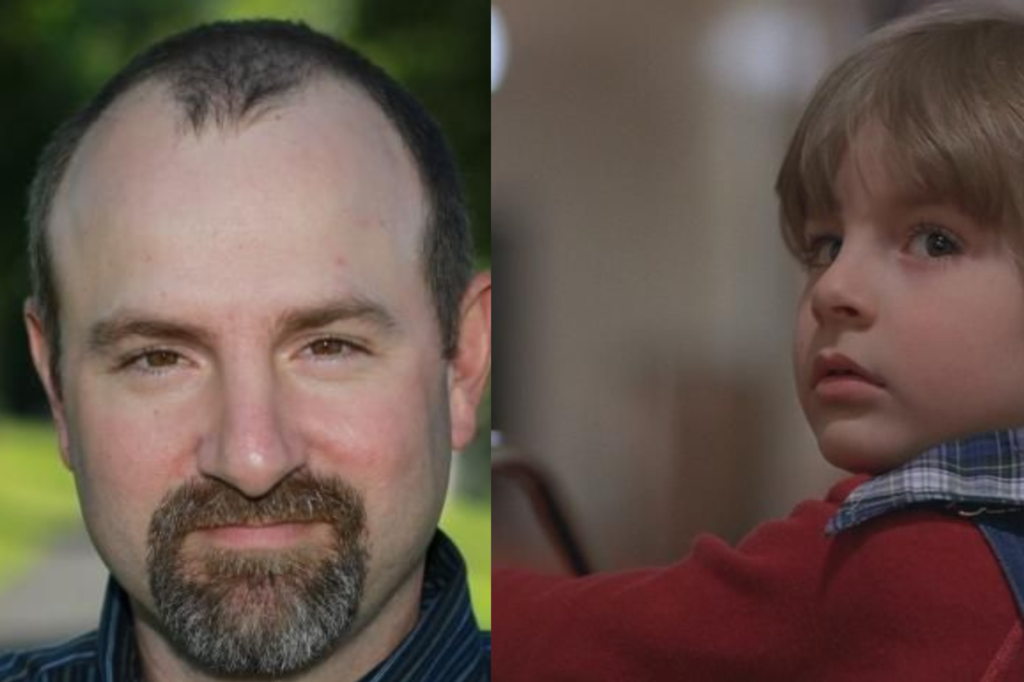
Danny Lloyd terrified audiences as a child, yet he never chased acting afterward. After appearing in The Shining, he returned to a normal childhood, largely unaware of the film’s impact. Lloyd eventually became a biology professor, choosing education over entertainment. For decades, his role was simply a memory. Later, he embraced fan interest with humility, appreciating the legacy without wishing to relive it. His life shows how one moment does not have to define everything that follows. Sometimes stepping away early allows a person to grow into something entirely their own.
11. Eliza Bennett

Eliza Bennett found success young, then chose space to evolve. Acting brought opportunity, but also pressure that no longer aligned with who she was becoming. Bennett shifted her focus toward music and writing, allowing creativity to exist without constant scrutiny. While she never fully closed the door on acting, Hollywood stopped being the center of her world. Her path feels unforced, guided by curiosity rather than obligation. Bennett’s story mirrors anyone who paused to reassess before burnout arrived. Growth sometimes requires distance, especially when expectations arrive before identity fully forms.
12. Peter Ostrum
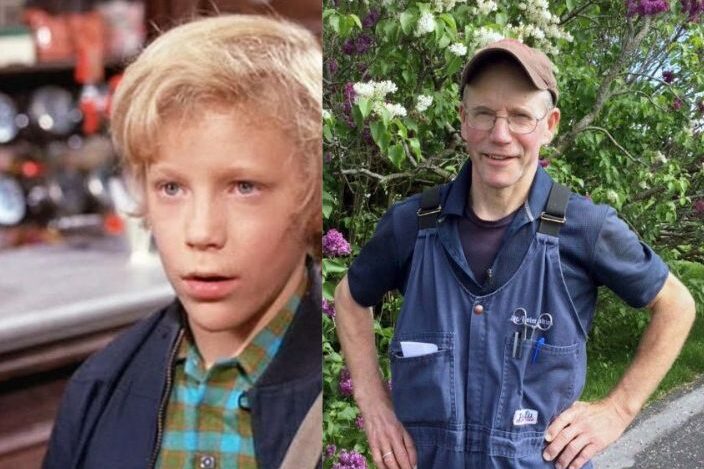
Peter Ostrum made one of cinema’s most iconic films, then walked away without hesitation. After Willy Wonka and the Chocolate Factory, he realized acting did not interest him. Ostrum pursued veterinary medicine, eventually working with large animals. For decades, he lived quietly, rarely discussing his film role. When he later engaged with fans, it was with humility and warmth. His life feels almost storybook in its simplicity. One role was enough. Ostrum reminds us that success does not need repetition to be valid, and fulfillment often lives far from the spotlight.
13. Karen Duffy
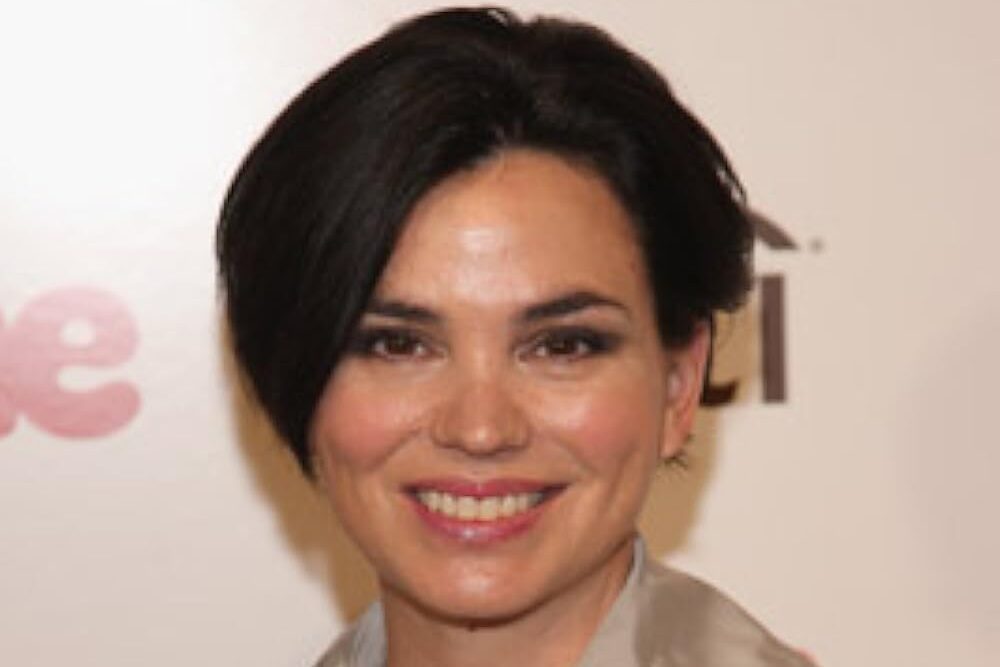
Karen Duffy’s career shifted when chronic illness entered her life. Acting became less central as she navigated ongoing pain. Instead of retreating completely, Duffy turned toward writing and advocacy, sharing her experiences with honesty. She authored books and became a voice for those living with invisible illness. Her transition was not planned, but it was meaningful. Duffy transformed personal hardship into connection and purpose. Her story shows that leaving Hollywood does not mean losing relevance. Sometimes it means finding a deeper way to be heard, especially when life demands adaptation.
14. Shelley Long
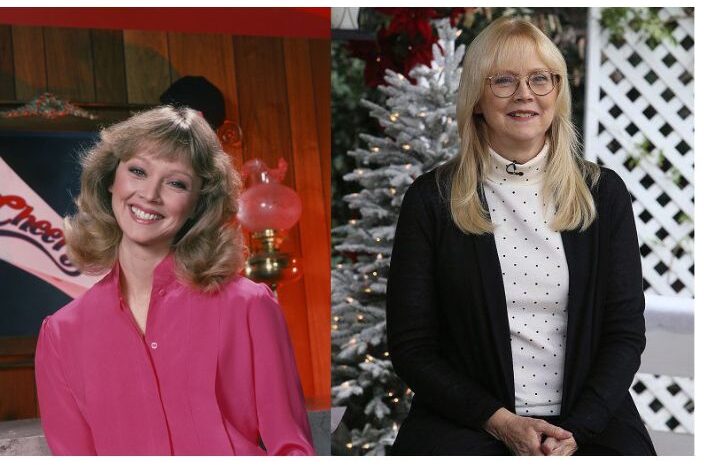
Shelley Long made headlines when she left Cheers at its peak, a move many questioned at the time. Long wanted to explore film roles and prioritize family life. While her career shifted, she gradually stepped away from Hollywood altogether. Over time, privacy became more important than visibility. Long appeared occasionally, but never returned to full time stardom. Her decision feels bold in hindsight, rooted in trusting her instincts rather than public opinion. Long’s story reflects how personal priorities often make more sense years later than they do in the moment.
15. Taylor Momsen
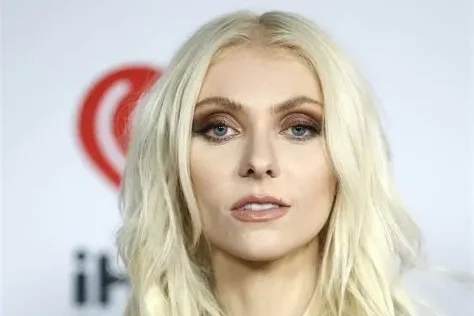
Taylor Momsen grew up on television, then chose a louder, freer form of expression. Acting began to feel limiting, while music offered honesty and control. Momsen stepped away from Hollywood and committed fully to her band, building a career rooted in performance rather than perception. She has spoken about music giving her purpose during difficult years. Her transition felt intentional, not abrupt. Momsen’s story is about reclaiming identity after childhood fame. She reminds us that leaving one stage often leads to finding another where your voice finally feels like your own.
16. Erik Per Sullivan
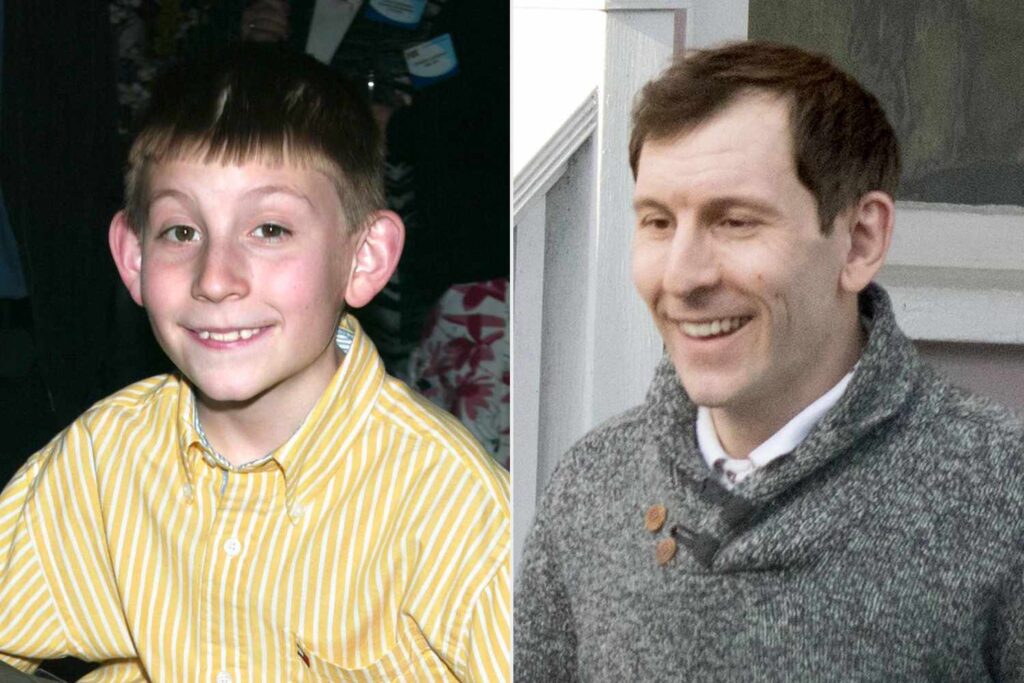
Erik Per Sullivan became a household name as Dewey, then quietly disappeared. Unlike many child actors, he showed no interest in continuing the career. Sullivan focused on education and lived privately, avoiding interviews and public appearances. Former cast members have shared that acting simply was not his passion. His exit felt clean and intentional. Sullivan’s story stands out because of its simplicity. He stepped away without explanation or reinvention. Sometimes choosing normalcy is the goal, and sometimes the most successful decision is deciding that fame does not belong in your future.
17. Leelee Sobieski
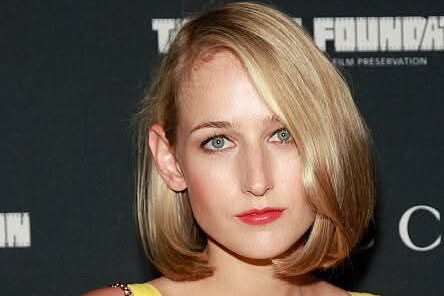
Leelee Sobieski stepped away from acting while still in demand. She later explained that fame did not suit her temperament. Sobieski shifted toward visual art, becoming a painter and sculptor, while also focusing on family life. Acting became a closed chapter, not a lingering question. Her creative instincts remained, just redirected. Sobieski’s story feels peaceful, guided by self knowledge rather than pressure. She demonstrates how recognizing discomfort early can prevent burnout later. Leaving Hollywood allowed her to build a life aligned with who she truly was becoming.
18. Charlie Korsmo
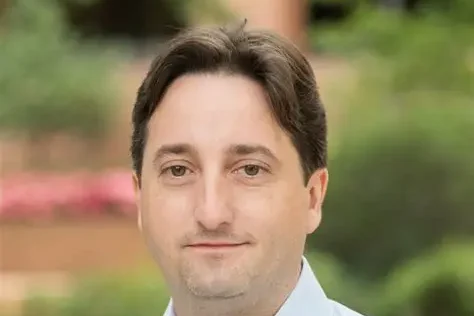
Charlie Korsmo acted in major films as a child, then chose education over auditions. He pursued law, eventually becoming a professor. Acting became a childhood memory rather than a career foundation. Korsmo returned briefly to film as an adult, but academia remained his focus. His story feels steady and grounded. Fame arrived early, but curiosity carried him further. Korsmo represents those who treat early success as one experience among many, not a destiny. His life suggests that intelligence and fulfillment often flourish when expectations are left behind.
19. Amanda Bynes
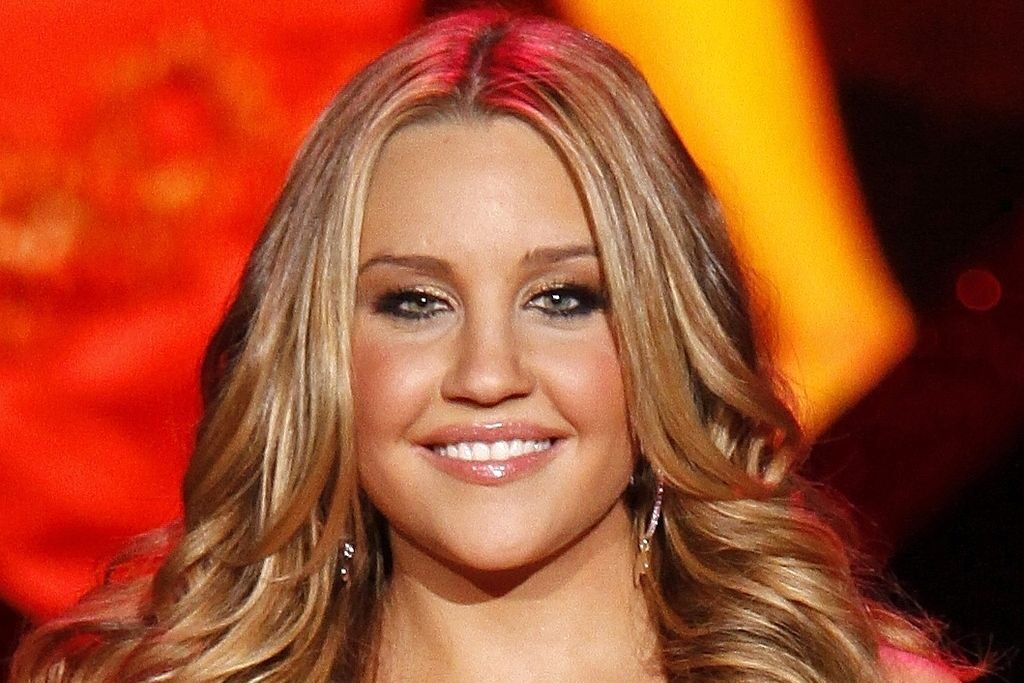
Amanda Bynes was once everywhere, then stepped away during a very public struggle. Acting became secondary to health and healing. Bynes focused on recovery, personal growth, and creative interests outside Hollywood. Over time, she chose privacy, limiting public appearances and interviews. Her story is not about quitting success, but about choosing stability and self preservation. Bynes reminds us that behind every performance is a person carrying unseen weight. Stepping away can be an act of survival, and sometimes the most important role is learning how to care for yourself.
20. Jeff Cohen
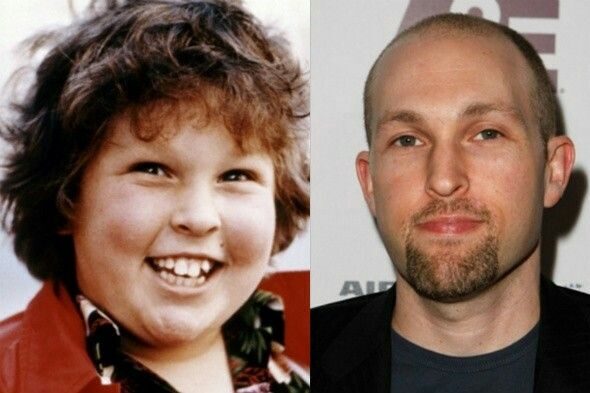
Jeff Cohen became iconic as Chunk, then decided acting was not his future. He pursued law, eventually becoming an entertainment attorney. Cohen stayed close to the industry while moving behind the scenes. He later represented actors, helping navigate the world he once left. His career shift feels thoughtful and full circle. Cohen’s story shows how childhood fame can evolve into advocacy rather than nostalgia. Leaving Hollywood did not mean leaving storytelling entirely. It meant choosing a role that offered stability, influence, and a different kind of impact.
21. Sarah Polley
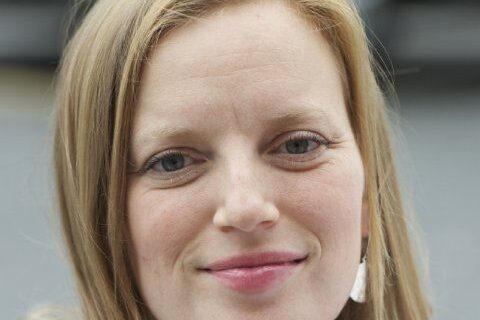
Sarah Polley stepped away from acting after years in front of the camera. She needed distance to find her voice. Polley transitioned into writing and directing, earning respect for her thoughtful storytelling. Acting was no longer central, but creativity remained. Her career evolved rather than ended. Polley’s story feels intentional, shaped by reflection and growth. She demonstrates how stepping back can clarify purpose. Leaving one role behind allowed her to shape many others, proving that reinvention often happens when you give yourself permission to change direction.
22. Rick Schroder
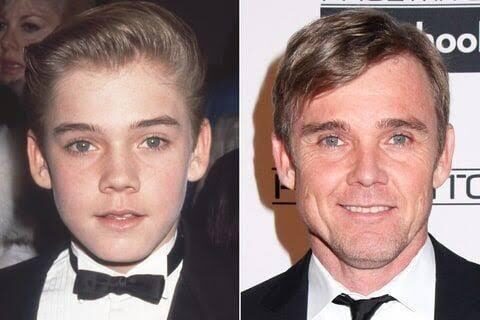
Rick Schroder grew up acting, then gradually stepped away from mainstream Hollywood. He focused on producing, directing, and personal projects that allowed creative control. Schroder explained that independence mattered more than exposure. His career became quieter, guided by personal values rather than industry expectations. While he never fully disappeared, he stopped chasing visibility. His story reflects a broader theme in this list. Leaving Hollywood does not always mean walking away entirely. Sometimes it means reshaping your relationship with work so it fits the life you want to live.
23. Nikki Blonsky

Nikki Blonsky rose quickly with Hairspray, then faced the uneven reality of fame. As roles slowed, she chose stability over chasing uncertainty. Blonsky worked regular jobs while staying connected to performance through theater. She spoke openly about needing a grounded life beyond auditions. Her journey feels relatable because it reflects how success does not always guarantee longevity. Blonsky continued living fully, even when the spotlight dimmed. Her story reminds us that dignity is not tied to visibility, and that adapting honestly can be just as brave as holding on.
24. Michael Schoeffling
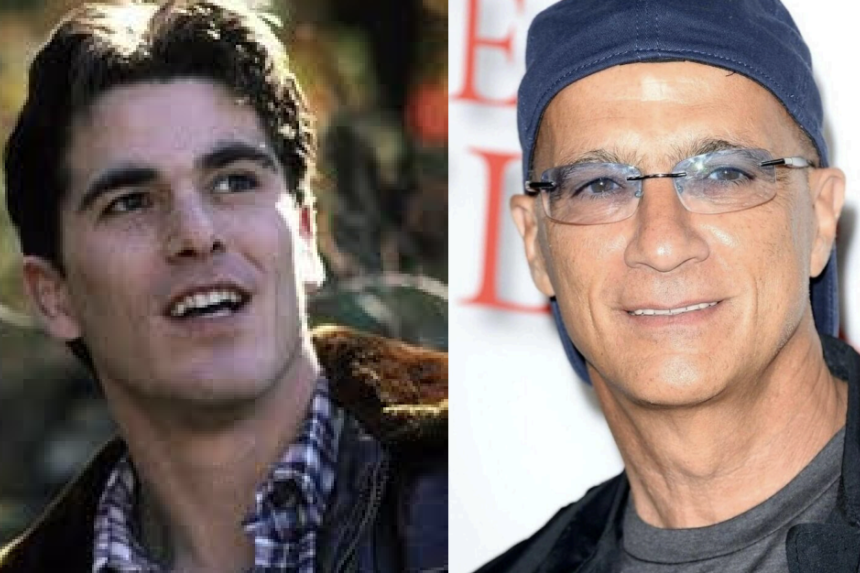
Michael Schoeffling became an instant heartthrob, then disappeared by choice. After Sixteen Candles, he left acting to focus on family and craftsmanship. Schoeffling built a woodworking business, creating furniture instead of chasing fame. He valued privacy and never returned to Hollywood. Fans still wonder about him, but he never fed the curiosity. His story feels almost mythical in its quietness. Schoeffling shows how fulfillment can come from tangible work and personal life rather than applause. Sometimes walking away entirely is the clearest form of self knowledge.
25. Greta Garbo

Greta Garbo walked away from Hollywood at the height of her fame and never returned. She sought privacy and lived quietly, avoiding interviews and public appearances. Garbo never explained herself beyond expressing her desire for solitude. Her withdrawal felt absolute and unapologetic. She trusted her instincts and lived by them. Garbo’s story stands as an early example of choosing life over legend. She reminds us that even icons are allowed to step back, and that fulfillment does not require constant visibility or explanation.
26. Ke Huy Quan
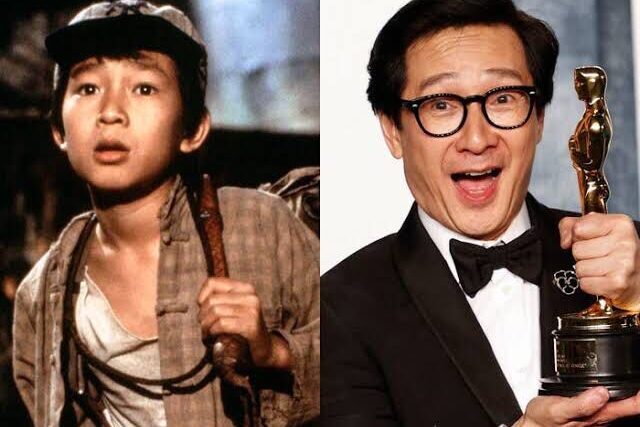
Ke Huy Quan disappeared from acting when roles became scarce. Rather than leave storytelling entirely, he moved behind the camera, working as a stunt coordinator and assistant director. For years, he built a career quietly, learning new skills and staying connected to film. Quan later spoke about how difficult the transition was. His time away shaped his perspective deeply. His journey shows that stepping back does not erase talent. Sometimes it strengthens it. Growth often happens out of sight, waiting patiently for the right moment.
27. Ali MacGraw
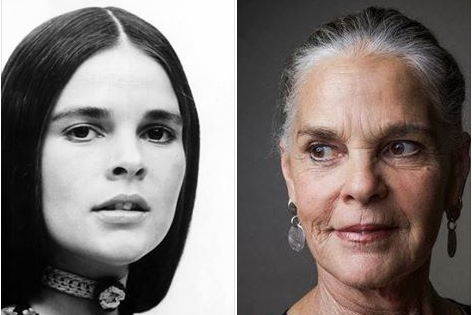
Ali MacGraw stepped away from Hollywood after intense fame. She later admitted that the pressure overwhelmed her. MacGraw moved to New Mexico, embraced activism, and focused on personal growth. Acting became secondary to living intentionally. She appeared occasionally, but never returned to the spotlight full time. Her story feels reflective, shaped by self awareness. MacGraw shows how stepping back can create space for healing and clarity. Fame arrived fast, but peace came later, through distance, honesty, and choosing a life that felt manageable.
28. Angus T. Jones

Angus T. Jones became one of television’s highest paid child actors, then questioned the world he was part of. He stepped away from Two and a Half Men, expressing discomfort with the content and industry. Jones focused on education and personal reflection. He later returned briefly to television, but without the same attachment. His journey feels thoughtful and unfinished in a human way. Growing up publicly forced early introspection. Stepping back allowed him to redefine success on his own terms, even if the answers are still evolving.
29. Carrie Henn
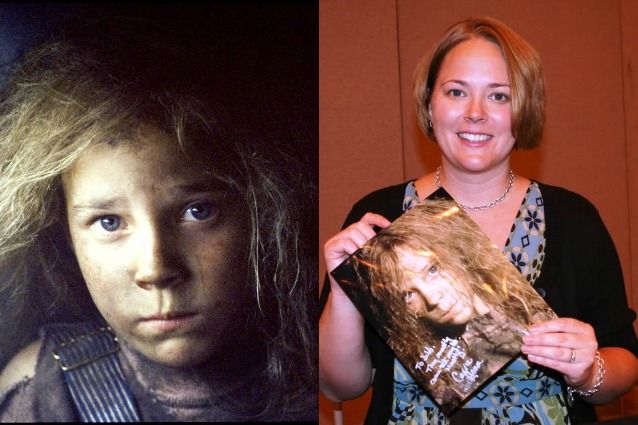
Carrie Henn appeared in one unforgettable film, then chose a normal childhood. After Aliens, she stepped away from acting entirely. Henn grew up outside Hollywood and became a teacher. For years, her role was simply a memory. When she later engaged with fans, it was with warmth and humility. Her story feels fitting near the end of this list. Sometimes one experience is enough. Henn’s life reflects a quiet truth shared by many here. Choosing yourself can be the most meaningful decision you ever make.
30. Sean Cunningham
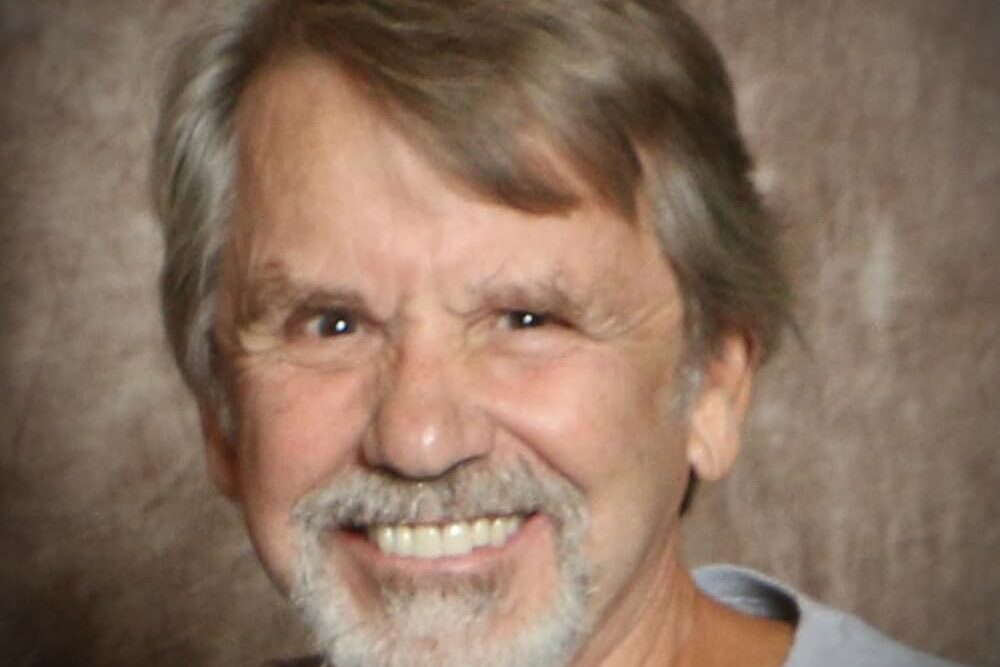
Sean Cunningham acted briefly before deciding Hollywood was not where he wanted to grow. After early exposure, he chose education and stability over auditions, preferring a life that felt predictable and grounded. Cunningham stepped away quietly, building a career outside entertainment and rarely revisiting his acting past. There were no interviews explaining his choice and no attempts at nostalgia. His path mirrors many others on this list who trusted instinct over expectation. Ending here feels right because his story reflects the larger truth woven through these lives. Leaving is sometimes not rejection, but alignment with who you are becoming today.
This story Where Are They Now? 22 Celebs Who Quit Hollywood and What They’re Doing Today was first published on Daily FETCH


