
1. Success Kid

It’s wild to think that some of the faces and videos we laughed at or shared in group chats once belonged to real people, and some of those people turned those viral moments into something lasting. Sam Griner became famous in 2007 when his mother posted a photo of him at age 11 months gripping a fistful of sand with a determined look. The picture circled the globe as “Success Kid,” symbolizing small triumphs everywhere. As Sam grew up, the family stayed mostly private, but the meme found new meaning years later. In 2015, Sam’s mother shared that his father needed a kidney transplant and used the meme’s visibility to amplify their GoFundMe campaign, which raised significant donations and widespread support. Media outlets around the world covered the remarkable full-circle story. Today, Sam is a teenager who occasionally appears in interviews but leads a normal life outside the spotlight. His childhood photo remains one of the most recognizable symbols of optimism online, proving that a simple candid moment can have a meaningful real-world legacy.
2. Nyan Cat

Chris Torres created the now-iconic Nyan Cat in 2011, a simple pixel-art cat with a Pop-Tart body and a rainbow trail, posted as a GIF online. What started as a playful doodle gained enormous popularity, becoming a staple of early internet meme culture. For years, Torres saw little financial reward, despite the widespread use of Nyan Cat in fan art, merchandise, and even games. But with the advent of NFTs (non-fungible tokens), he remastered Nyan Cat pixel-by-pixel and auctioned it off, fetching 300 ETH (then valued near $600,000). Since that sale, Torres has positioned himself as a pioneer of the “meme economy.” He continues to explore digital art and Web3 projects, and his success showed other meme creators they can reclaim value from widely shared, once-free images.
3. Numa Numa Guy

Back in 2004, Gary Brolsma posted a personal webcam video of himself lip-syncing and dancing enthusiastically to the song behind the Dragostea din tei, and the result became the legendary Numa Numa Dance. The video spread rapidly, making Brolsma one of the first true internet superstars. He landed on TV shows like Good Morning America and The Tonight Show, and in 2007 was voted “Number 1 Internet Icon” by VH1. But he didn’t stop at meme fame. Brolsma turned creative, releasing music, his first album came out in 2008, followed by a second around 2019. Though he may not be a household name anymore, his early-internet legacy remains real, and his story shows how a simple moment of joy can lead to artistic pursuits and a lasting place in internet lore.
4. Meme Manager

Behind many of the internet’s most beloved memes stands Ben Lashes, often credited as the first “meme agent.” After a career as musician and record-label songwriter, he pivoted to helping meme creators transform their accidental fame into real income. He guided the licensing deals, merchandise, and media placements for memes like Grumpy Cat, Keyboard Cat, Scumbag Steve, and many others. In some cases, licensing revenues reached seven-figure levels. What was once a chaotic, unregulated meme universe has become, at least partly, a structured industry. Lashes’s work helped bring intellectual property rights, branding, and even Web3 monetization to the people behind the jokes, giving “meme people” a shot at being taken seriously.
5. Afro Ninja

Mark Hicks became known as “Afro Ninja” after a 2004 audition clip showed him attempting a backflip, falling hard, and then trying to continue the routine. The video spread widely once it hit early internet forums and YouTube, quickly turning into one of the first major viral blooper memes. While many assumed the fall defined him, Hicks was already a highly skilled martial artist and stunt performer, and the meme actually boosted his career rather than harming it. He went on to work professionally in Hollywood, performing stunts for major films, commercials, and TV shows. He later embraced the meme fully by creating Afro Ninja: Destiny, an independent action film inspired by his online fame. His story stands out because he transformed what could have been an embarrassing moment into a launchpad for a sustained creative career, proving that viral fame doesn’t have to be a setback.
6. Overly Attached Girlfriend

Laina Morris, better known online as the face of the Overly Attached Girlfriend (OAG), launched her internet fame with a 2012 parody video auditioning for a contest (a spoof of Justin Bieber’s song “Boyfriend”). The screenshot of her intense stare spiraled into a global meme sensation almost overnight. Rather than disappear, Morris leaned into the opportunity: she left school, turned full-time into a YouTuber, and built a channel with over a million subscribers. Though the fame came with challenges, she later opened up about the mental and emotional toll of being recognized constantly, she’s since stepped back from being a public internet figure. In 2021, she sold a tokenized NFT version of her meme for a substantial sum, showing how nostalgic internet culture can transform into real-world value. Instead of fading into obscurity, the “girlfriend” meme became a stepping stone into creative work and gave Morris a unique place in internet history.
7. Disaster Girl

The famous image of Zoe Roth standing calmly in front of a burning house became one of the internet’s most mischievous memes. Taken in 2005 during a controlled burn conducted by firefighters, the photo was later entered into a contest and unexpectedly spread online. For years, Zoe’s face was remixed into countless scenes of chaos and dramatic moments. In 2021, after growing up and reflecting on her accidental fame, she and her father decided to officially monetize the meme by selling an NFT of the original image. The sale brought in roughly $500,000, giving her control over licensing and future uses. Zoe used part of the earnings for student loans and charitable causes. Now an adult, she lives a low-key life, but her slight smirk remains a legendary fixture of internet culture, celebrated for its humor and surprising artistic value.
8. Doge

Kabosu, the Shiba Inu whose expressive side-eye made “Doge” the internet’s most wholesome meme, became a global symbol far beyond her original 2010 blog photo. Her owner, Japanese kindergarten teacher Atsuko Sato, regularly shared photos of Kabosu long before the meme took off. But once the image spread, its impact skyrocketed, especially after Dogecoin, a cryptocurrency inspired by the meme, launched in 2013. Over the years, Dogecoin grew into a multibillion-dollar asset, leading to worldwide attention for the gentle dog at its center. In 2021, Kabosu’s meme was also minted and sold as an NFT for millions. Though Kabosu faced health issues later in life, she continued to receive messages and support from global fans. Her legacy shows how a single charming photo can become a defining cultural moment spanning finance, humor, and digital history.
9. Bad Luck Brian

Kyle Craven became “Bad Luck Brian” thanks to a deliberately awkward high-school yearbook photo taken in 2005. The goofy grin and plaid vest turned into a meme template for comedic misfortunes everywhere. Once the image gained traction in 2012, Kyle revealed the photo was intentionally silly, he rubbed his face to make it red and wore a thrifted vest just for fun. As the meme exploded, Kyle leaned into its humor, doing interviews, public appearances, and even collaborating on meme-related merch. He eventually shifted his focus back to a normal career in construction management, where he continues to work today. But he still participates in meme projects occasionally, taking the fame lightly and with a good sense of humor. His story shows how embracing the joke can turn a viral moment into a positive, lighthearted experience.
10. Grumpy Cat

Tardar Sauce, known worldwide as “Grumpy Cat,” became one of the most commercially successful memes ever. Her naturally frowning appearance, caused by feline dwarfism, first went viral in 2012 after a photo posted to Reddit exploded in popularity. Her owners quickly realized the meme’s potential and, with the help of meme manager Ben Lashes, developed a full brand. Grumpy Cat appeared in commercials, talk shows, ad campaigns, and even had her own book deals and a TV movie. She became a symbol of deadpan humor and internet culture’s quirky charm. Although Tardar Sauce passed away in 2019, her legacy remains strong, with official merchandise, licensing deals, and widespread cultural references still circulating today. Many cite her as a turning point in how memes can evolve into full-scale media enterprises, showing that an internet joke can transform into real business success.
11. Keyboard Cat
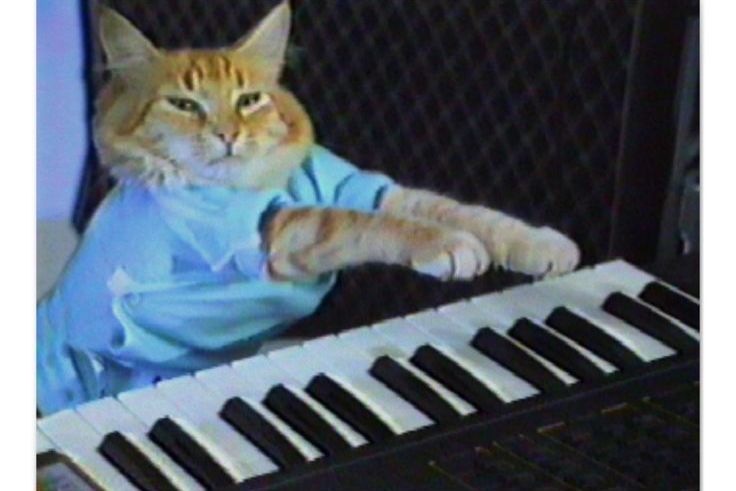
The famous clip of a cat named Fatso “playing” a keyboard was originally filmed by artist Charlie Schmidt in 1984, long before social media even existed. But when Schmidt uploaded the footage to YouTube in 2007, the internet immediately embraced it, turning Keyboard Cat into a go-to meme for comedic fail moments. As its popularity grew, Schmidt expanded the concept using a new cat named Bento, who became the face of updated versions and commercials. Keyboard Cat appeared in major ad campaigns, TV segments, and even political parodies. The meme’s success allowed Schmidt to explore merchandise, licensing, and public appearances. Though both Fatso and Bento have passed away, Keyboard Cat remains one of the earliest examples of how a simple, quirky home video can turn into a long-lasting cultural phenomenon, and even a sustainable creative brand.
12. Scumbag Steve

Blake Boston became “Scumbag Steve” after a 2006 photo of him in a sideways cap and fur-lined jacket surfaced online in 2011. The meme portrayed him as an inconsiderate troublemaker, even though the character didn’t reflect who he really was. The unexpected fame led to challenges, including misjudgment from strangers. Over time, Blake reclaimed the narrative by embracing the meme publicly, appearing in interviews and explaining the story behind the photo, a casual picture taken by his mother. He later used the visibility to launch creative projects, including music releases and collaborations with other meme figures. In recent years, Blake has built a steady online presence while maintaining a grounded personal life. His story highlights how someone can turn a negative meme stereotype into an opportunity for reinvention and self-expression.
13. Ridiculously Photogenic Guy

In 2012, photographer Will King snapped a picture of runner Zeddie Little during a 10K race in Charleston. His effortlessly cheerful expression, even mid-run, led the internet to crown him “Ridiculously Photogenic Guy,” spawning countless lighthearted captions. Zeddie’s unexpected fame brought interview requests, talk-show appearances, and features from major media outlets. Although he enjoyed the moment, he chose not to pursue long-term public attention. Instead, he relocated to New York and built a career in digital branding and communications, quietly moving on from meme fame. Despite stepping away from the spotlight, his image remains a symbol of positivity, showing how a single candid photo can circulate for years and spread good-natured humor. His story stands out as one of the internet’s rare feel-good memes with an equally wholesome real-life ending.
14. Epic Beard Man

Thomas Bruso, nicknamed “Epic Beard Man,” became a viral sensation after a 2010 bus altercation in Oakland was captured on video and widely shared online. The dramatic clip, paired with Bruso’s distinctive appearance and personality, spawned countless remixes, parodies, and internet commentary. While the meme brought him sudden fame, Bruso struggled with the attention, as he had already faced personal challenges, including mental health and housing difficulties. Over time, documentaries and follow-up interviews helped humanize his story, showing the complexities behind the meme. Though he largely withdrew from public view, he maintained a niche cult following, especially among early YouTube-era fans. His experience highlights how viral fame can be unpredictable and emotionally complicated, and it remains a reminder of the real people behind sensational videos.
15. Dramatic Chipmunk

The “Dramatic Chipmunk”, actually a prairie dog, became one of the earliest viral reaction memes when a five-second clip of the animal turning sharply toward the camera appeared online in 2007. The footage originated from the Japanese TV show “Hello! Morning,” though it gained global fame once uploaded to YouTube. The quick zoom and suspenseful music turned the tiny creature into a universal symbol for shock and surprise. As the meme spread, it appeared in countless parody videos, commercials, and pop-culture references. While the prairie dog itself returned to its ordinary life, the clip continues to circulate as a classic example of early internet humor. Its enduring popularity shows how even the smallest, simplest moment can make a lasting mark on meme culture.
16. Gavin Thomas

Gavin Thomas became an internet favorite thanks to his expressive reaction faces, first shared by his uncle Nick Mastodon on Vine in the early 2010s. His “fake smile” image quickly turned into one of the most widely used GIFs and memes for awkward or uncomfortable situations. As Gavin grew older, his popularity expanded globally, especially in China, where he became an unexpected celebrity with millions of followers. Brands invited him for commercial appearances, he visited China for events, and he even launched official merchandise. Despite the fame, his family has kept his life grounded, ensuring his social media presence remains positive and age-appropriate. Today, Gavin still shares content occasionally but leads a normal school-aged life. His journey shows how a child’s natural expressions can become a universal language of humor across cultures.
17. Hide the Pain Harold

András Arató, a retired Hungarian electrical engineer, became one of the world’s most recognizable meme faces after stock photos of him smiling awkwardly, with a hint of discomfort, spread online. Dubbed “Hide the Pain Harold,” he became a symbol for pretending everything is fine when it isn’t. Instead of resisting the meme, Arató embraced it wholeheartedly. He participated in interviews, toured as a guest speaker, collaborated with brands, and even starred in commercials that played on the humorous disconnect between his smile and inner “pain.” His warm personality and willingness to laugh at the meme helped turn him into a wholesome internet icon rather than just a punchline. Even in retirement, he continues to make public appearances, showing how a stock photo model became a globally adored figure through humor and authenticity.
18. Ermahgerd Girl

The “Ermahgerd” meme began when a childhood photo of Maggie Goldenberger, dressed in pigtails and clutching a stack of Goosebumps books, resurfaced online in 2012. The exaggerated braces-filled expression quickly spawned captions mimicking an excited lisp, and the image became a viral sensation across Reddit and beyond. At first, Maggie was shocked to discover her old photo circulating globally, but she later opened up in interviews about learning to appreciate the humor behind it. As an adult, she chose not to pursue public influencer life and instead built a quiet career as a nurse in Arizona. She occasionally acknowledges the meme with good spirit, embracing the fun without letting it define her. Maggie’s story is a reminder that some meme legends grow into their lives far away from internet fame, but with the confidence that comes from owning their past.
Internet memes often feel fleeting, like quick laughs we scroll past, but behind each one is a real person, a real story, and sometimes a genuinely surprising journey. Their stories show how the internet’s humor can leave lasting marks in the real world.
This story Where Are They Now? 18 Meme Legends Who Became Unexpected Success Stories was first published on Daily FETCH


