
1. Banqiao Dam: When the Rain Became Too Much
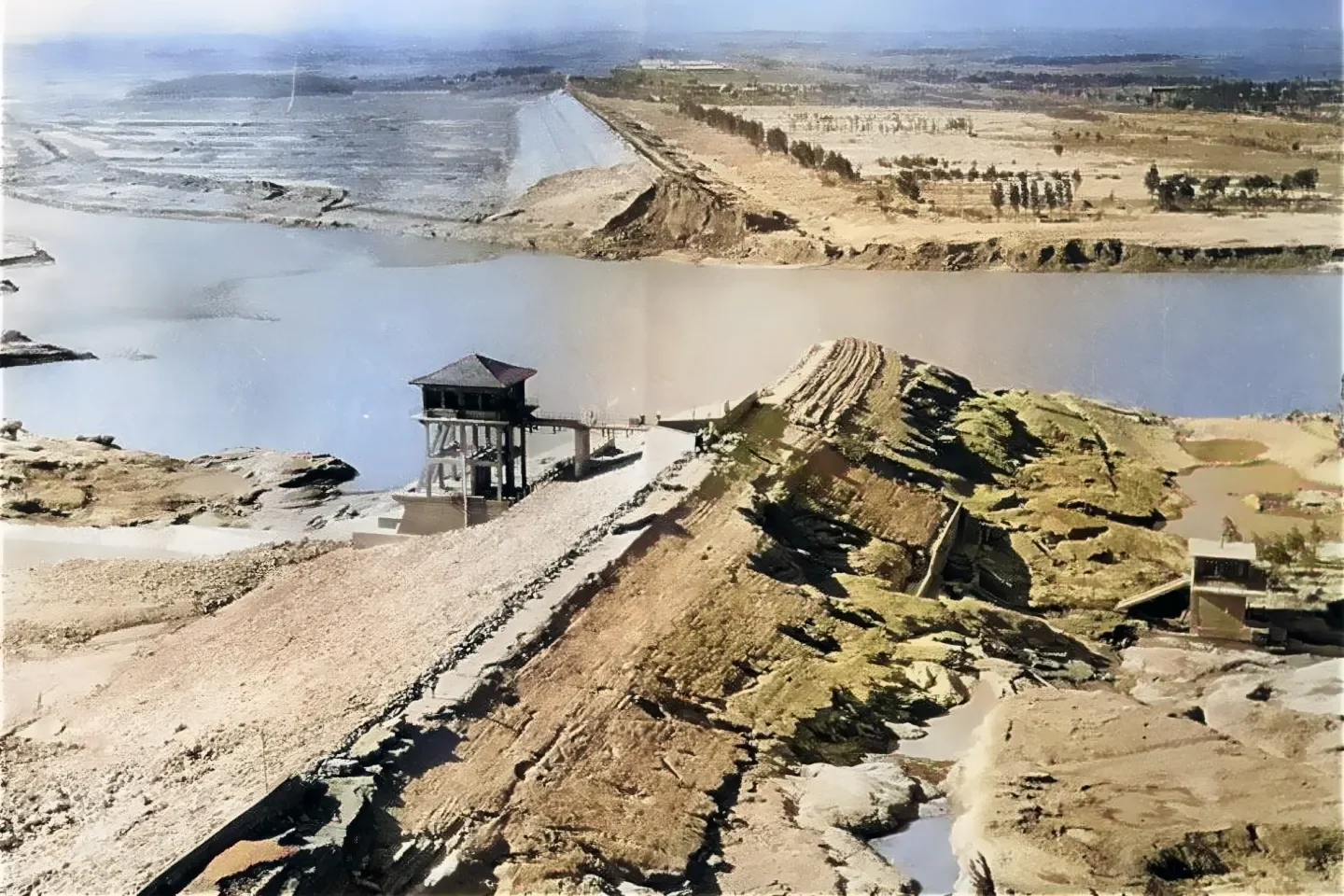
In the summer of 1975, China’s Banqiao Dam in Henan province was meant to protect life and land, but nature had other ideas. Unprecedented rainfall from Typhoon Nina dumped more than 1,060 millimeters of rain in a single day, far beyond what the dam was designed to handle, and its five spillways simply could not cope. When the dam overtopped and breached, the water surged outward in a wave up to 10 meters high and 11 kilometers wide, drowning towns and sweeping away homes over 12,000 square kilometers. Engineers estimate the immediate deaths numbered in the tens of thousands, with starvation and disease adding many more in the aftermath, highlighting how extreme weather and design limits can collide with tragic results.
2. St. Francis Dam: California’s Forgotten Catastrophe
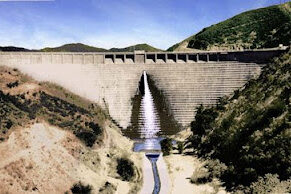
On the evening of March 12, 1928, just north of Los Angeles, the St. Francis Dam stood silent against the hills until it didn’t. Once hailed as a marvel of modern engineering when it opened in 1926, a later state commission reported that geological instability and poor construction played a role when the dam wall suddenly gave way. The wall’s collapse unleashed a torrent of water that raced down San Francisquito Canyon, obliterating everything in its path and forever reshaping how Americans thought about dam safety. Communities woke to devastation where calm water had been, and the lessons from this forgotten disaster still shape how engineers and regulators approach risk in California and beyond.
3. Vajont: The Wave No One Expected
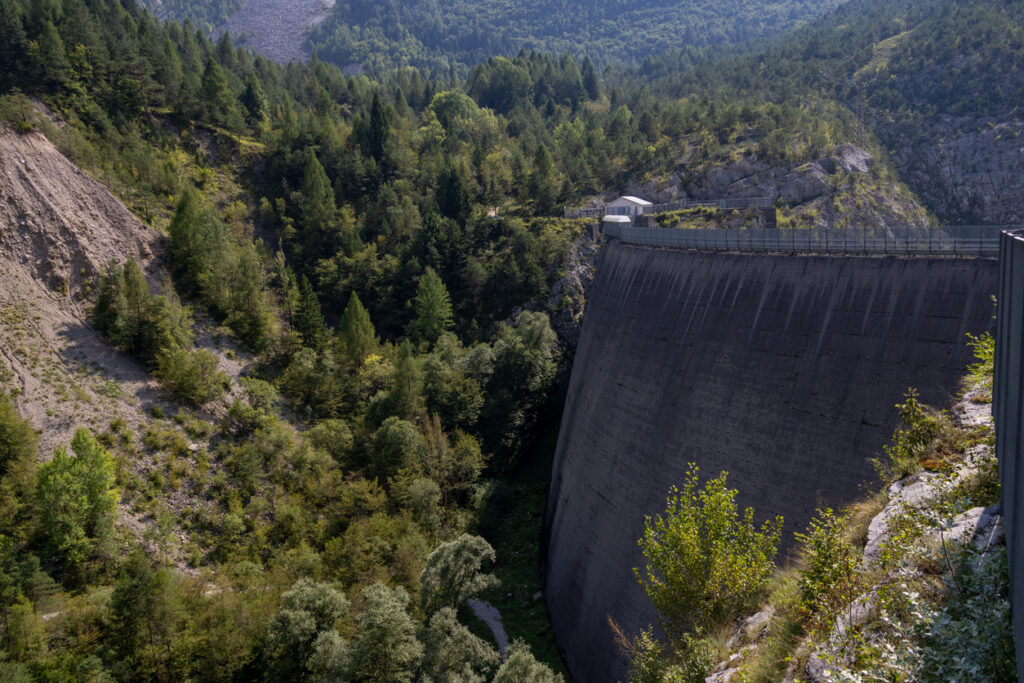
Up in the Italian Alps in October of 1963, the Vajont Dam itself held firm, towering over a serene reservoir. But patience and faith in concrete couldn’t stop what nature was about to do. A massive landslide from Mount Toc plunged into the lake, sending a megatsunami of 250 meters over the dam crest and flooding the Piave Valley below. The roaring wave destroyed towns and villages, claiming an estimated 1,900 to 2,500 lives. What makes Vajont uniquely haunting is that the dam structure remained largely intact; it was the water’s sudden and unexpected force that did the devastation, a sobering reminder of how interconnected land and water truly are.
4. Johnstown’s South Fork Dam: A Flood Plain’s Memory
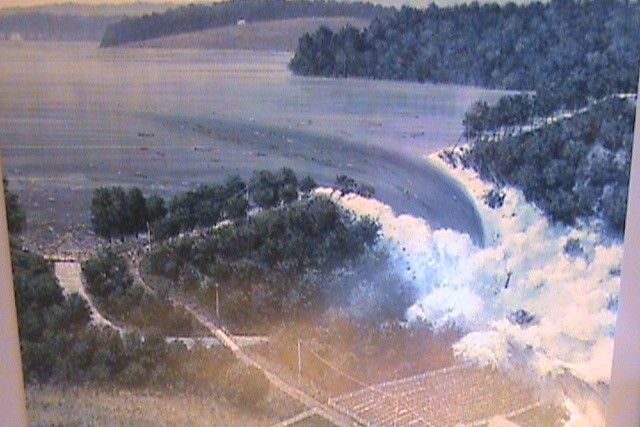
Long before modern warnings and satellites, the South Fork Dam in Pennsylvania stood over Lake Conemaugh, a quiet place for summer memories. On May 31, 1889, this earthen structure failed after heavy rains filled the reservoir. The unleashed water carved a roaring flood down the valley, leveling bridges, farms, and towns. More than 2,200 people lost their lives that day, including families simply trying to return home after market or church. South Fork’s failure resonates now as one of the earliest reminders of how fragile human efforts can be in the face of long periods of rain and design flaws that go unnoticed until it’s too late.
5. Derna: A Modern Tragedy in Libya
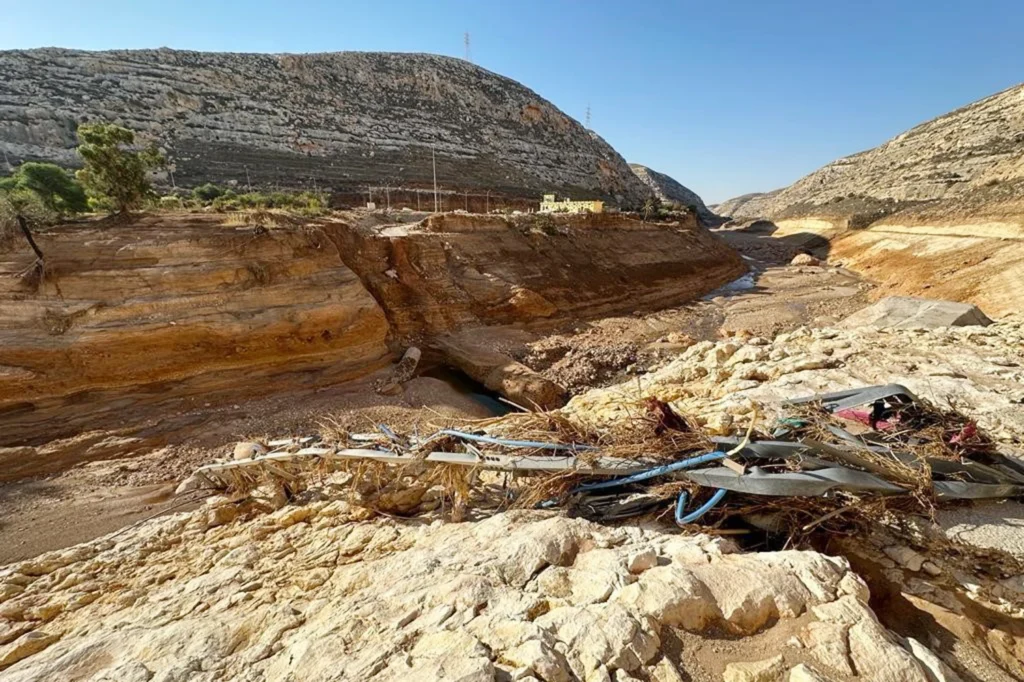
In September 2023, two dams near Derna, Libya, collapsed after Storm Daniel brought catastrophic rainfall to the region. With about 30 million cubic meters of water released, entire neighborhoods were flooded in the dead of night, leaving over 11,000 people confirmed dead in one of the most heartbreaking examples of how quickly disaster can strike when early warnings and infrastructure readiness aren’t aligned. The floodwater didn’t just take homes, it upended entire communities and reminded the world that aging or unprepared structures anywhere can become deadly under climate-fueled extremes.
6. Brumadinho: Brazil’s Industrial Breach
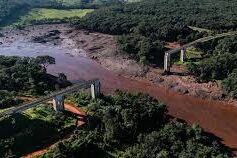
Not all dam failures involve rain and rivers. In January 2019 in Brumadinho, Brazil, a tailings dam built to hold toxic mining waste gave way. The sludge washed through communities like a thick, unstoppable tide, killing more than 240 people and contaminating farmland, rivers, and ecosystems with toxic mud. Families lost loved ones, and the environmental and economic scars remain years later. This tragedy underscored that human decisions about what we store behind a wall can be just as dangerous as the water itself if care and oversight aren’t central to design and operation.
7. Taum Sauk: Lessons in Planning and Overflow
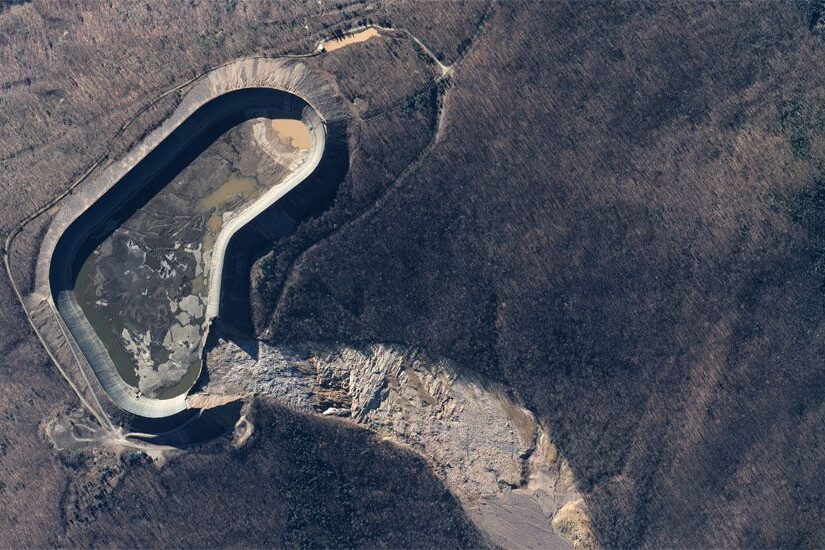
In 2005 in Missouri, the Taum Sauk pumped-storage reservoir saw its upper basin fail, releasing a rush of water that carved through hills and flooded homes, parks, and roads. While no one was killed, the damage exceeded $100 million and pushed engineers to rethink how overflows and maintenance planning are handled, especially when storms overwhelm the systems in place. This modern example reminds us that even well-monitored dams need robust safety margins when nature’s intensity surprises us.
8. Malpasset: When the Valley Went Silent
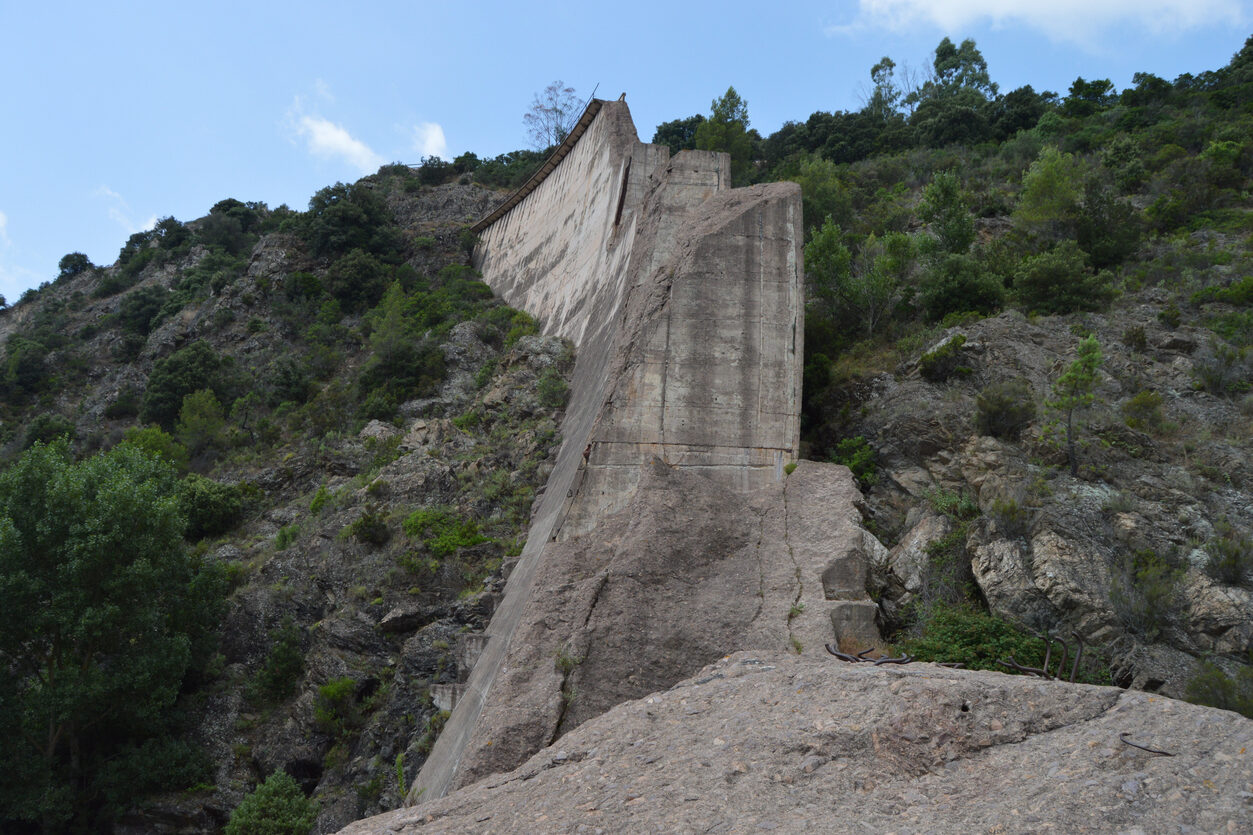
It feels almost peaceful at first when you read about it, then the details land. In December 1959, the Malpasset Dam in southern France failed after heavy rains saturated the surrounding rock. A government inquiry later described it as “a sudden and complete rupture,” with the flood racing toward Fréjus and wiping out roads, bridges, and homes. More than 400 people died within minutes. Survivors spoke of hearing what sounded like thunder before the water appeared. Looking back, engineers realized that unstable geology beneath the dam had been underestimated, a reminder that what looks solid on the surface can hide quiet weaknesses waiting for the right storm.
9. Teton Dam: A Wall That Never Had Time
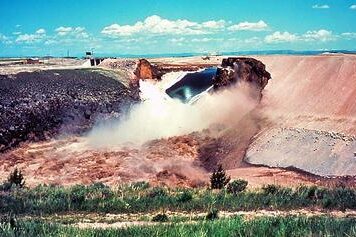
Sometimes the tragedy is how new something is. In June 1976, Idaho’s Teton Dam failed during its first filling. Cracks appeared along the earthen face, then water began cutting into the wall. One federal review called it “a classic internal erosion failure,” as the embankment gave way and the reservoir emptied in hours. Entire towns downstream were flooded, farms destroyed, and thousands of animals lost. Thankfully, warnings saved many lives, but the financial and emotional toll lingered for decades. The lesson feels personal somehow. A project meant to create power and security instead showed how testing, patience, and humility matter long before the gates ever close.
10. Gleno Dam: Promise Turned Too Fragile
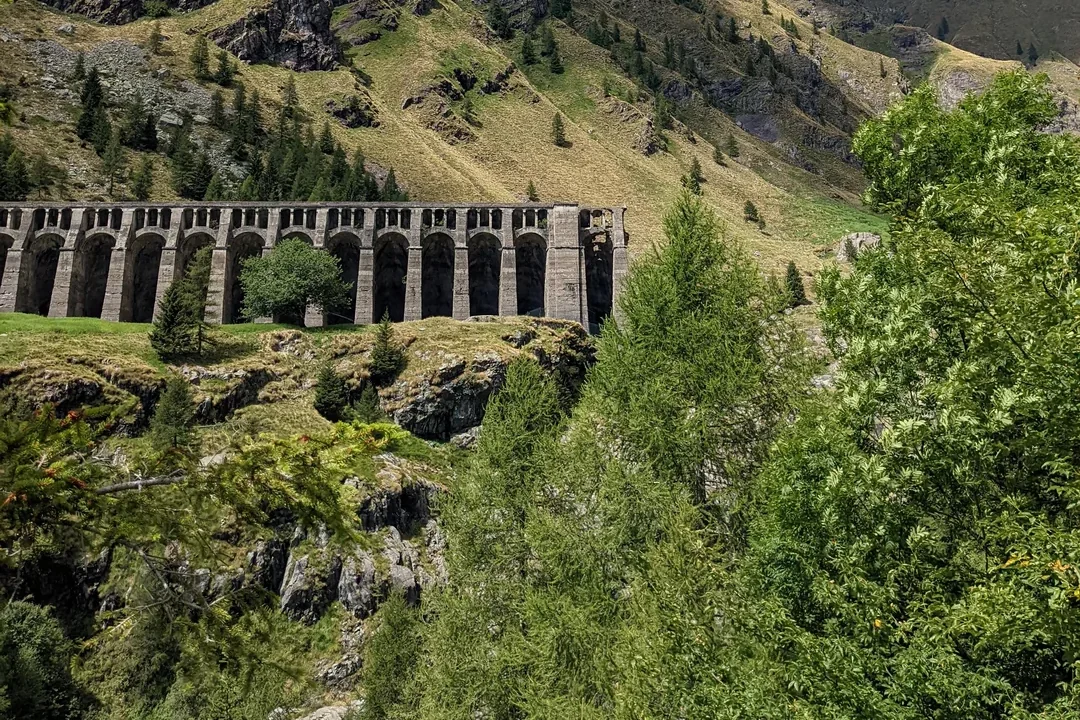
There’s something heartbreaking about hopes pinned to one structure. In northern Italy in 1923, the Gleno Dam collapsed only months after completion. Investigators later concluded that cheaper masonry sections had been added to reinforce the concrete, calling the combination “unsuitable and unsafe.” When the wall failed, a roaring flood swept through several mountain villages, killing more than 350 people. Families lost homes, fields, and entire histories in a single morning. Reading about it today, it feels like a quiet cautionary tale about shortcuts, pressure to finish quickly, and what happens when safety takes a back seat to cost.
11. Machchu II: A Monsoon Too Strong
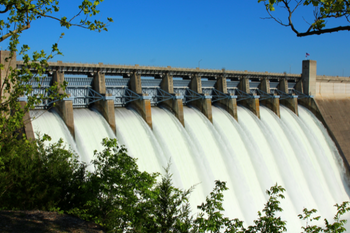
It’s easy to imagine the skies opening and just not stopping. In August 1979, India’s Machchu II dam near Morbi faced record monsoon rains. The reservoir swelled, spillways struggled, and then the structure failed. A later report described the flood as “sudden, violent, and devastating,” with water tearing through the city in minutes. Thousands of people died, and countless others were left with nothing but memories and mud-soaked belongings. Even decades later, residents still talk about that day as a turning point, when nature, engineering choices, and human vulnerability collided in the most painful way.
12. Oroville Spillway: A Wake-Up Call
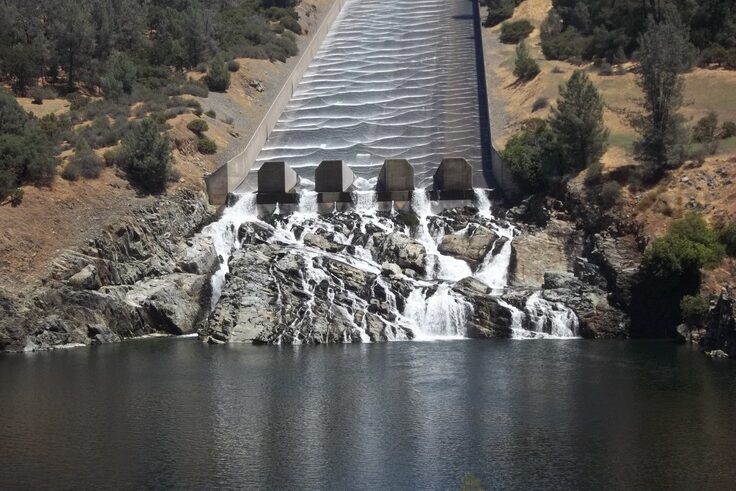
This one didn’t end in mass loss of life, but it feels like a close call. In California in 2017, erosion beneath the Oroville Dam’s main spillway triggered emergency evacuations for nearly 200,000 people. Engineers later wrote that the incident showed “a long-term pattern of inadequate attention to safety.” Watching the footage, the power of water carving concrete is unsettling. People packed cars, grabbed pets, called loved ones, and waited. Repairs eventually stabilized the dam, but the moment reminded everyone that even the biggest, most modern systems need relentless care and honest assessments.
13. Edenville: When Warnings Go Unheard
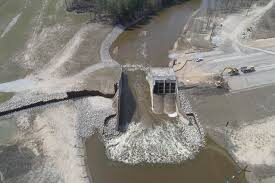
Sometimes the painful part is knowing people raised concerns earlier. In May 2020, Michigan’s Edenville Dam failed after heavy rain, followed by the nearby Sanford Dam. Years before, regulators had warned about spillway capacity and structural problems. After the collapse, one summary called it “a failure decades in the making.” Water flooded neighborhoods, submerged downtown streets, and forced thousands to evacuate. For families standing in knee-deep water in their living rooms, the technical debates meant little. What mattered was that something meant to protect them simply didn’t when it counted.
14. Baldwin Hills: Cracks Above a City
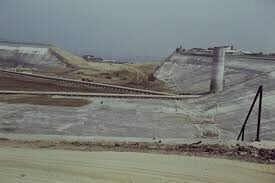
It starts with a trickle sometimes. In Los Angeles in 1963, the Baldwin Hills Reservoir developed visible cracks along its embankment. Hours later, the dam burst, sending water into residential streets below. Investigators later wrote that ground movement from nearby oil activities contributed to “progressive deformation and ultimate failure.” Five people died, hundreds of homes were damaged, and a sense of trust was shaken. The story feels strangely modern, touching on how human industry and natural landscapes interact in ways we don’t always predict until something breaks.
15. Kelly Barnes: A Quiet Night Gone Wrong
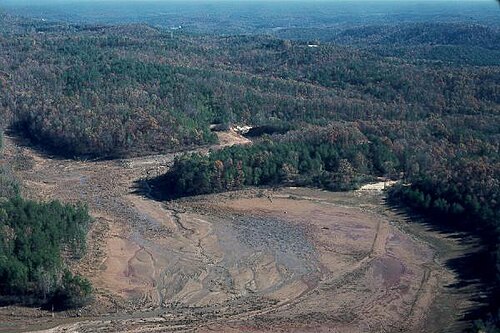
The Kelly Barnes Dam in Georgia had stood for decades, modified piece by piece over time. On a rainy November night in 1977, it failed. A federal investigation concluded the structure had “no formal design, no engineering records, and no maintenance program.” The flood swept through Toccoa Falls Bible College, killing 39 people, including students and families. What makes it more human is how ordinary the evening had been just before. Lights on in dorm rooms, conversations winding down, and then the sound of rushing water changed everything.
16. Laurel Run: Hidden Weaknesses Revealed
A year earlier, in 1977, Pennsylvania’s Laurel Run Dam gave way during heavy rainfall. The water surged through the valley, destroying homes and taking lives within minutes. Investigators later called it “a preventable failure,” pointing to poor maintenance and lack of inspection. Residents remembered hearing what sounded like a train before the flood arrived. It’s one of those stories that sticks because it shows how danger can hide in familiar places, behind walls people drive past every single day without a second thought.
17. Kakhovka: War, Water, and Loss
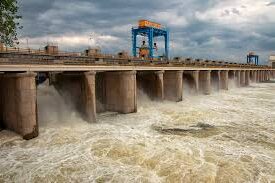
And then there are disasters shaped by conflict itself. In 2023, Ukraine’s Kakhovka Dam was destroyed, unleashing vast floods across communities along the Dnipro River. Reports described the aftermath as “environmental devastation on a massive scale,” as farmland, ecosystems, and villages were swallowed. People rescued pets in buckets, carried neighbors through muddy streets, and watched memories disappear under brown water. Standing back and looking at all these stories together, you start to feel the quiet thread running through them. Dams are promises, and when those promises fail, the losses ripple through generations.
18. Reflections on Walls and Waters

As we look back across centuries from Banqiao to Taum Kakhovka, one message becomes clear: dams are more than steel and concrete, they are promises to communities that we must maintain and respect. From overtopping rain to internal design flaws and landslides, the causes vary but the human impacts are always profound. These stories don’t just belong to engineers or historians, they belong to all of us who live with rivers and rains and the hope that tomorrow will be a little safer.
If reading these stories made you pause, share them, talk about them, and keep the conversation going. Awareness is one way we help future walls hold.


