
1. Checking School Closures
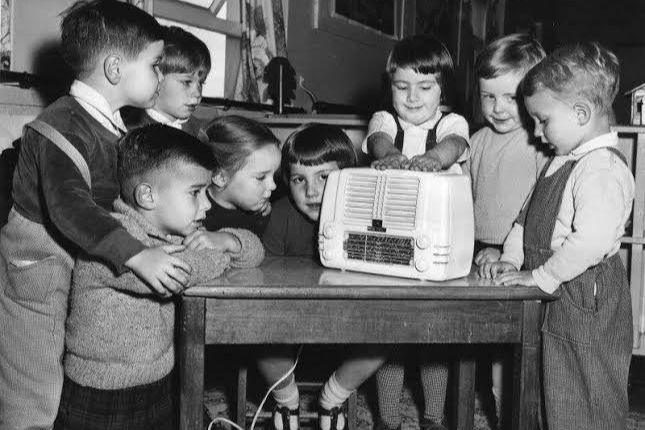
The suspense of a snow day didn’t start with the first flake; it started in front of a glowing screen or a crackling radio. Throughout the 1980s and 90s, before smartphones turned us into instant-info junkies, kids had to work for their freedom. You’d wake up early, huddle under a duvet, and pray the local news ticker at the bottom of the TV would scroll past your school’s name. In the UK, families would tune into BBC Radio or local stations like Capital FM, listening intently as presenters read alphabetical lists of closures. It was a slow, agonizing process, but it was the ultimate morning ritual for every student hoping for a reprieve.
Once your school was finally announced as “Closed,” the atmosphere in the house shifted instantly. It felt like winning the lottery. The stress of that day’s math test or the dread of a cold morning PE lesson evaporated. You’d toss your uniform aside, stay in your pajamas, and reclaim your morning. During the legendary “Big Freeze” winters of 1982 or 1987, these announcements weren’t just a day off; they were the start of a week-long adventure. That official confirmation gave every child a rare sense of total liberty, turning an ordinary Tuesday into something legendary.
2. Rushing Outside Early
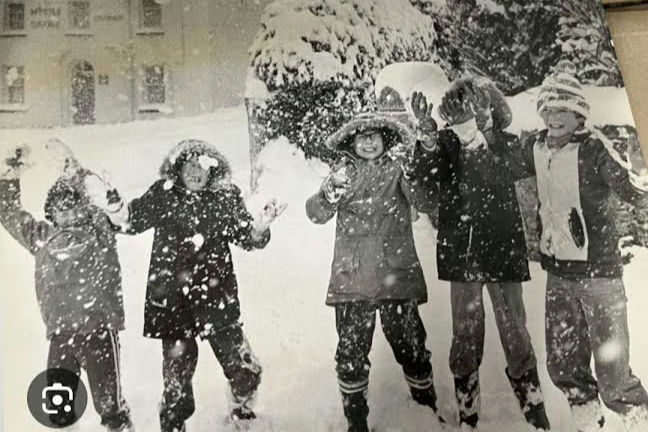
As soon as the news was official, a frantic race against time began. You knew the snow was a fleeting gift, and every second spent indoors was a second wasted. Kids would scramble into mismatched layers of thermal vests, itchy wool jumpers, and those puffy neon jackets that were so popular in the early 90s. The goal was to be the first one to break the “crust” of the fresh powder. During heavy winters like the one in 1991, the transformation of the neighborhood was breathtaking. Familiar streets were silenced, and every driveway became a pristine, white canvas just waiting for the first footprint.
Being the first one out wasn’t just about fun; it was about the sensory experience of an untouched world. The air was so cold it stung your throat, and your breath came out in thick white clouds, making you feel like a dragon. There was a specific crunch under your boots that only happened in those early morning hours before the salt trucks or passing cars turned everything into grey slush. Those early birds got the best of the snow, experiencing a quiet, magical version of their town that felt entirely separate from the busy, noisy world of adulthood.
3. Building Snowmen
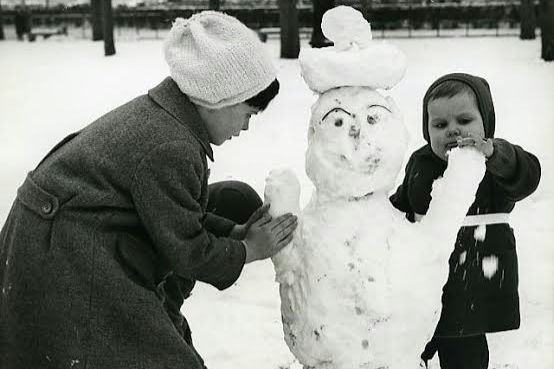
Back then, you didn’t need a YouTube tutorial or an instruction manual to build a snowman; the knowledge seemed to be hardwired into every child’s DNA. It was a physical workout, rolling a small ball through the yard until it grew into a heavy, wet boulder that required two or three friends to nudge. During the snowy winters of the late 20th century, front gardens became outdoor art galleries. Each snowman was a reflection of what was available in the kitchen like carrots for noses, coal or stones for buttons, and usually a discarded dad-hat or an old moth-eaten scarf to provide some “personality.”
Snowmen were rarely built alone. Brothers, sisters, neighbours, and friends joined in, often arguing cheerfully over size, shape, or placement. Carrots became noses, stones became eyes, and old scarves or hats were borrowed from indoors. Once finished, the snowman stood proudly in the garden or by the roadside, lasting only as long as the cold allowed. Even when they eventually melted into a sad pile of slush with a lonely carrot on top, they remained a proud symbol of a day well spent and a childhood memory solidified in ice. It became proof that the snow day had happened, even after the snow itself melted away.
4. Starting Snowball Fights
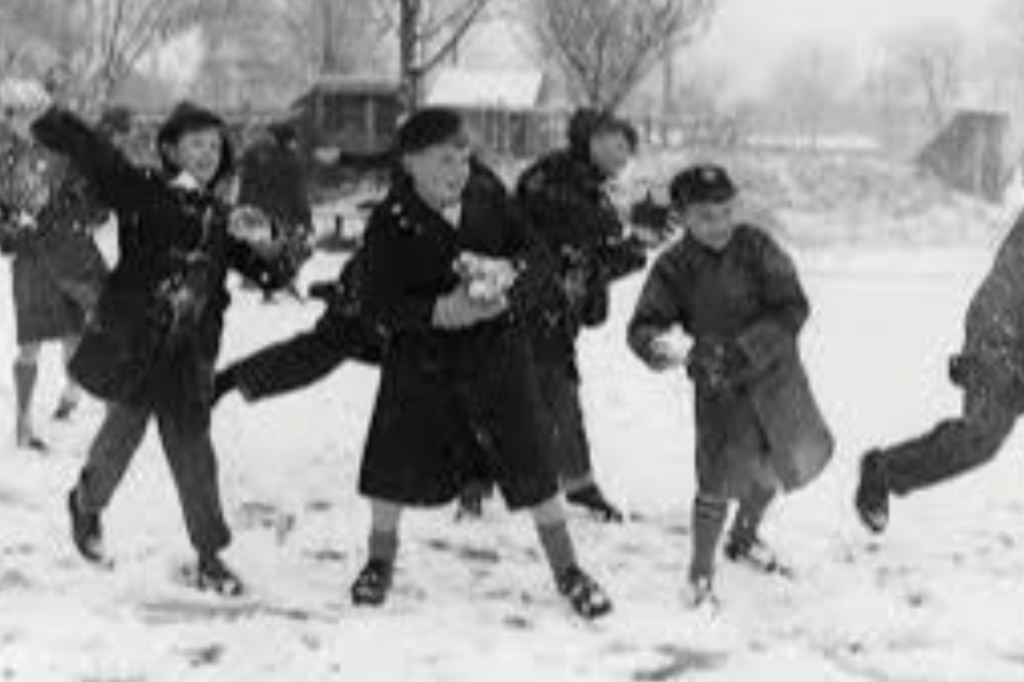
Snowball fights never needed planning. One snowball thrown in jest was enough to begin a full chase. A snowball fight was the most democratic form of winter warfare. It usually started with one “test” throw of a soft puff of snow aimed at a friend’s back, which escalated within seconds into a full-scale neighborhood conflict. In the 1980s and 90s, these battles were of every snow day. There was a distinct etiquette to it: you never put ice in the middle, you tried to avoid the face, and the “peace treaty” was called the second someone’s mom shouted that lunch was ready. It was chaotic, high-energy fun that turned every backyard and alleyway into a tactical battlefield. Across many neighbourhoods in the late 20th century, the same unspoken rules applied: no ice, no aiming at faces, and stop if someone slipped or fell. These rules were rarely discussed, yet almost always followed.
The joy wasn’t in winning, but in the sheer adrenaline of the chase. You’d dive behind a parked car or a brick wall, heart pounding, while trying to pack a fresh projectile with numb, red fingers. Even when the snow inevitably found its way down the back of your neck, sending a freezing shiver down your spine, you didn’t quit. By the time the sun started to set, everyone was soaked and exhausted, but the laughter echoed through the quiet, snowy air. These fights were a rite of passage, teaching kids more about teamwork and “fair play” than any gym class ever could.
5. Sledging Down Hills
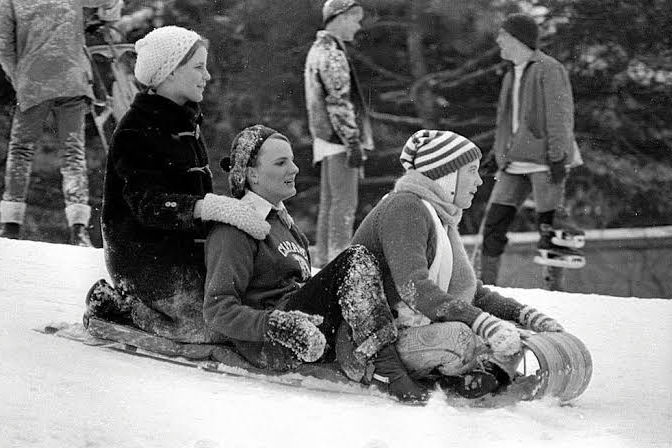
If you lived near a hill, a snow day meant one thing: gravity-defying speed. While some lucky kids had wooden runners or those plastic “flying saucer” sleds, most of us were masters of improvisation. Anything could be a sledge if you were brave enough. Heavy-duty bin liners, plastic cafeteria trays, or even a sturdy piece of cardboard from an old appliance box were all fair game. During the big snows of the early 2000s, local parks would transform into bustling hubs of activity, with hundreds of kids trekking up the same slope just for five seconds of exhilarating, bumpy descent.
Sledging was about repetition, speed, and small risks. Each run down the hill felt different, depending on the snow, the angle, and who was steering. Falling off was expected and usually laughed off, even when trousers became soaked. Wet gloves, icy boots, and numb legs were treated as minor inconveniences. The brief moment of sliding downhill felt thrilling, It was the closest a kid could get to pure, unadulterated speed.
6. Drinking Something Hot
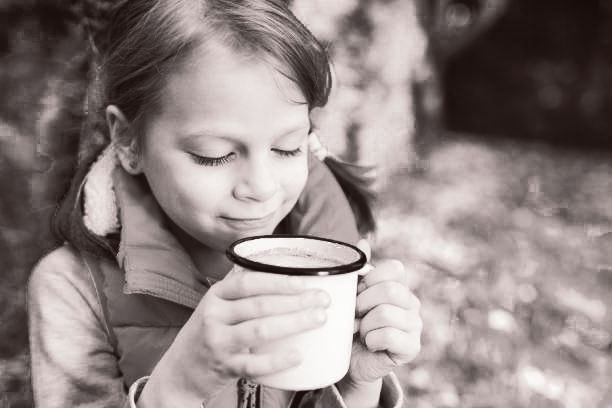
After hours outside, the cold eventually drove everyone indoors. Children returned home with red cheeks, stiff fingers, and snow clinging to coats and hair. Kitchens became the warm centre of the house, especially in colder regions. In the UK and North America, the kitchen became the sanctuary. Parents would have a kettle on the go, preparing mugs of instant hot chocolate with far too many marshmallows or a steaming bowl of tomato soup to bring some life back into your shivering frame.
There was something incredibly cozy about that transition from the biting wind to the radiator-heated warmth of the house. You’d sit there, cradling the warm mug to thaw out your fingers, watching the steam rise as you recounted your outdoor exploits. It was a moment of quiet reflection before the second round of play began. These breaks weren’t just about the food; they were about the feeling of safety and comfort. That sharp contrast between the harsh winter elements outside and the “warm hug” of a hot drink is a sensation most adults still crave whenever the first flakes start to fall.
7. Watching Daytime TV
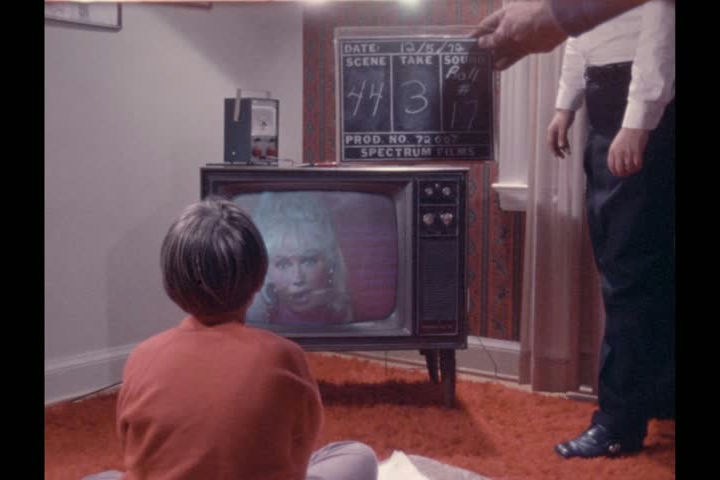
Before the era of Netflix and YouTube, being home on a weekday morning felt like entering a forbidden world. For a school kid, daytime television in the 80s and 90s was a strange land of soap operas, antique shows, and weird game shows like The Price is Right or Countdown. Normally, these were the domain of retirees or people home sick, but on a snow day, they became the soundtrack to your freedom. You’d sprawl out on the sofa, still in your damp socks, mesmerized by programs you’d usually never see, simply because the novelty of not being in a classroom was so strong.
There was a specific kind of “illicit” joy in watching TV while you knew your teachers were likely stuck at home too. The schedule felt different; sometimes networks would even air extra cartoons or classic movies to accommodate the millions of kids trapped indoors. Whether it was watching reruns of The Fresh Prince or getting weirdly invested in a daytime talk show, it was a relaxing break from the physical toll of building forts and sledging. It made the day feel longer and more substantial, cementing the idea that a snow day was a total departure from the “real world” and its usual rules.
8. Playing Board Games
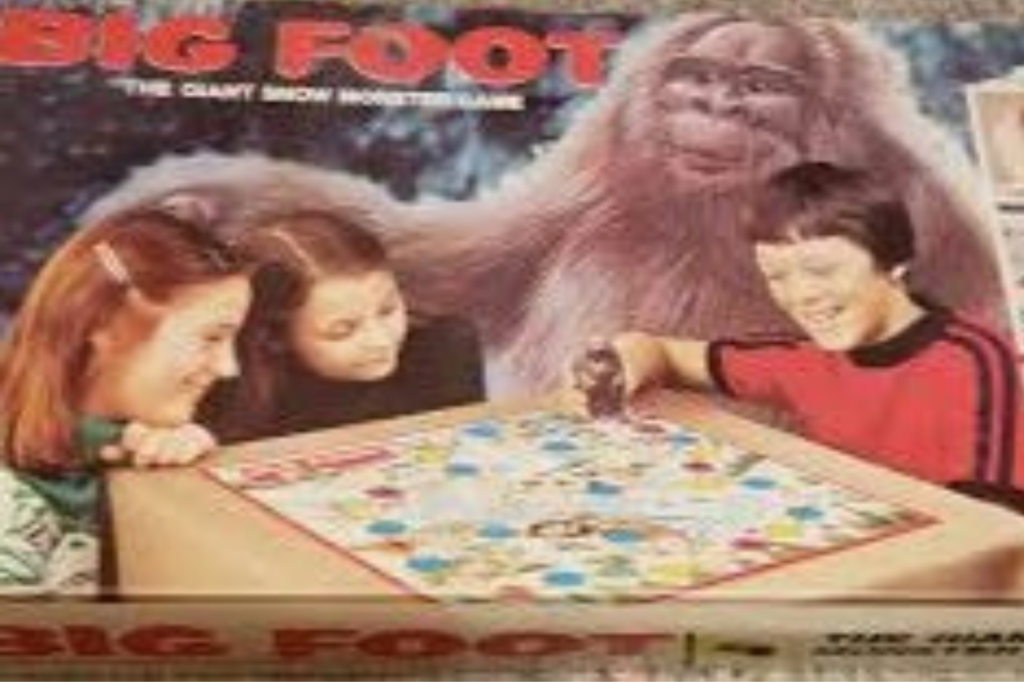
When the sun went down or the blizzard got too intense, the entertainment moved to the living room floor. In the decades before smartphones, board games were the ultimate way to kill time. Out came the battered boxes of Big Foot, Monopoly, Scrabble, or Cluedo, usually with a few missing pieces replaced by coins or buttons. A snow day provided the one thing modern life rarely offers: a massive, uninterrupted block of time. A game of Monopoly that started at 2:00 PM could easily stretch until dinner, leading to heated negotiations and the inevitable “banker” cheating scandals.
These games were about more than just winning; they were about the rare chance for the whole family to sit together without the distraction of homework or evening news. Siblings who usually bickered would find themselves huddled over a deck of cards or a Ludo board. The sound of dice rattling on a wooden table became the background noise to the wind howling outside. It was a slow-paced, analog kind of fun that forced everyone to be present. Looking back, those hours spent around a game board are often remembered more fondly than the high-tech gadgets we have today.
9. Ignoring Homework Entirely
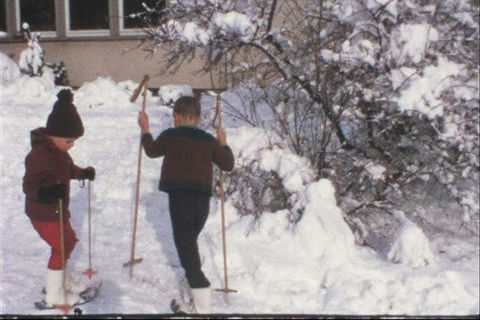
A snow day was the ultimate “get out of jail free” card for your education. Even if you had a backpack full of textbooks and a half-finished essay due, the arrival of a blizzard meant those responsibilities simply ceased to exist. In the pre-internet era, there was no “remote learning” or Google Classroom. If the school was shut, the link between teacher and student was severed. You could ignore your math problems with a completely clear conscience, knowing that everyone else in your year was doing the exactly the same thing.
This total mental break was incredibly healthy, though we didn’t realize it then. It was a day where the only “deadline” was how long it took for your gloves to dry on the radiator. The school bag would sit untouched in the hallway, a silent reminder of a world that felt a million miles away. Of course, there was always that slight dread on Sunday evening when you realized you actually had to finish the work, but for those glorious 24 hours of snow, you were a free agent. It was a rare period of guilt-free relaxation that helped recharge the batteries for the rest of the term.
10. Checking the Weather Again
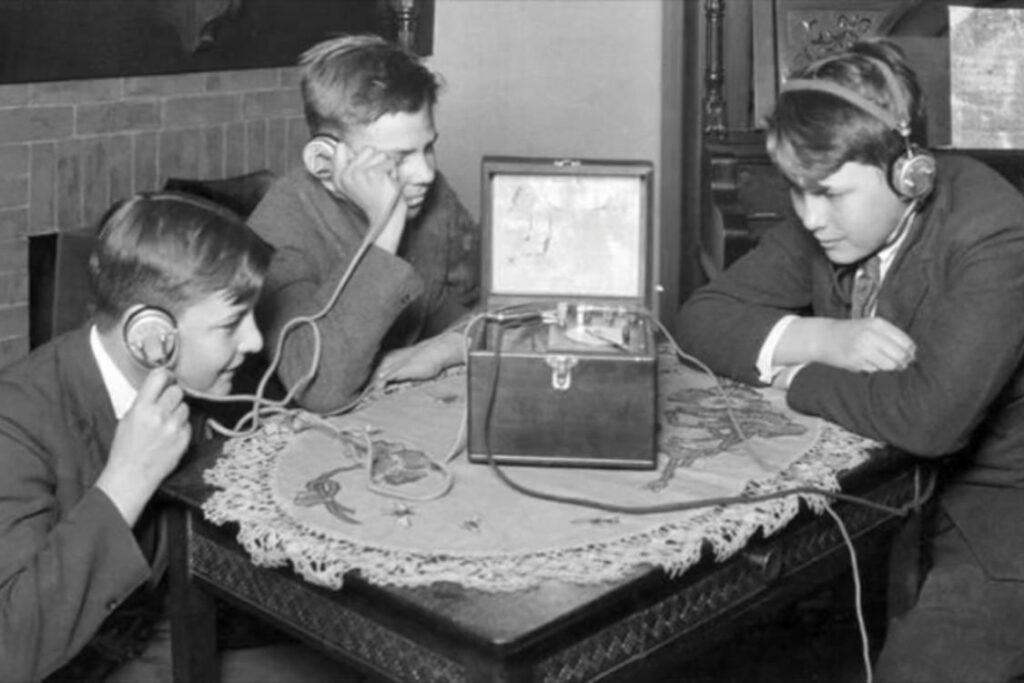
As the day wound down and the sky turned that strange, bruised purple color typical of snowy evenings, the ritual shifted back to the forecast. Every kid became a miniature meteorologist, intently watching the evening news to see the “isobars” and “cold fronts.” In the UK, seeing a weather map covered in white symbols was a moment of pure hope. You’d listen for words like “prolonged snowfall” or “sub-zero temperatures,” hoping the ice would freeze the roads solid enough to grant you a “Day Two” of freedom.
The anticipation of a second snow day was often even more intense than the first. You’d go to bed and peek through the curtains every twenty minutes, checking if the tire tracks in the street were being filled back in by fresh flakes. There was a magical quality to that hope; it made the mundane act of going to sleep feel like a vigil. Even if you woke up to find the rain had turned everything to slush, that evening spent dreaming of more snow was a vital part of the experience. It was about the possibility of another day where the world stood still.
11. Walking Quiet Streets
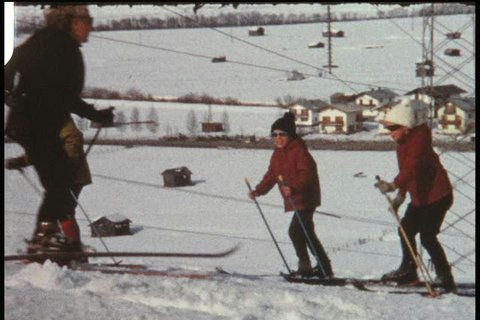
Snow has a magical way of acting like a giant mute button for the world. On a heavy snow day, the usual roar of traffic and the hum of distant machinery completely vanished, replaced by a heavy, peaceful silence. In the 1980s and 90s, when snow plows were less common in residential areas, a thick layer of powder could bring a whole town to a standstill. Stepping out onto the street felt like entering a different dimension. Your footsteps didn’t just thud; they made a crisp, satisfying “crunch” that seemed to echo through the still air, making the familiar path to a friend’s house feel like a journey through an arctic wilderness.
This rare quiet gave kids a strange sense of ownership over their neighborhoods. Without cars zipping by, the middle of the road became a safe place to walk, talk, and play. You’d notice things you usually ignored: the way snow piled up on top of a red pillar box like a white hat, or how the trees looked like delicate lace against the grey sky. It was a slow, meditative experience that made you feel older and more independent. Even the air tasted cleaner and sharper. Those walks through the muffled, white-washed streets are often the most vivid memories of a snow day, proving that sometimes the best part of a day off was simply the chance to hear the world be still.


