
1. The Streetlight Signal
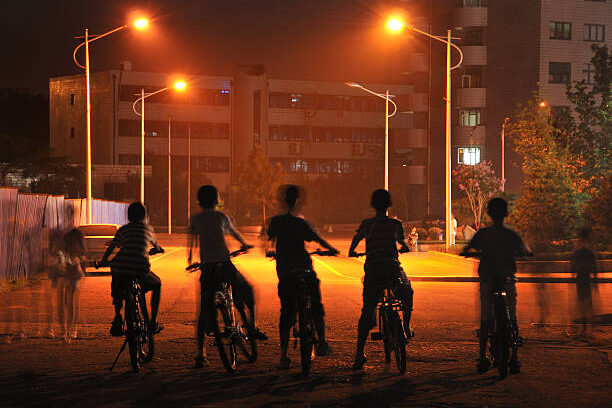
Somehow, everyone understood that the streetlights were the final call, even if no one formally explained it. You would be in the middle of a game, maybe arguing over a rule or laughing too hard to notice time passing, and then the soft flicker above would change everything. It wasn’t sudden, but it was clear. The day was ending, and you had just a few more minutes to stretch it out.
It felt like a quiet rule passed from one generation of kids to the next. Parents didn’t need to shout across the neighborhood because the lights did the talking. As one memory often shared online puts it, “When the streetlights came on, you knew it was time to head home, no questions asked.” That moment carried a mix of reluctance and comfort, like closing a good book. You didn’t want to stop, but you trusted there would be another chapter tomorrow.
2. The Endless Summer Evenings
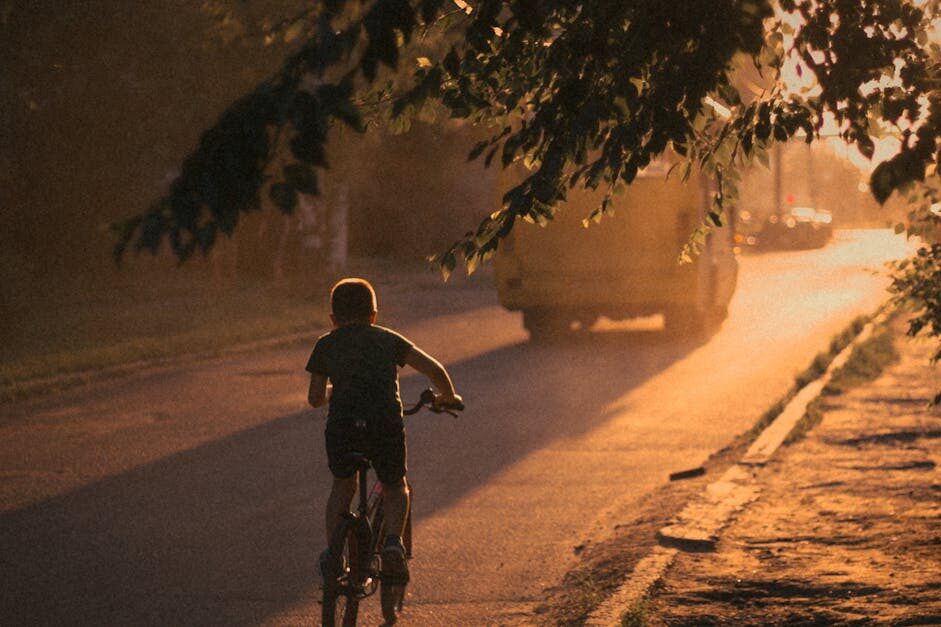
There was something about summer evenings that made time feel slower, almost generous. The air stayed warm just a little longer, and the sun seemed to linger as if it didn’t want to leave either. You could start playing in the afternoon and somehow still be outside hours later, without noticing how much time had passed.
Those evenings were filled with simple things that somehow never got boring. Riding bikes up and down the same street, drawing chalk lines that would fade by morning, or just sitting on the curb talking about nothing in particular. A familiar sentiment from many reflections captures it well: “We didn’t need plans, we just needed daylight.” That sense of ease made everything feel lighter. It wasn’t about doing something special. It was about being there, together, letting the day unfold naturally until the sky turned soft and dim.
3. The Unspoken Neighborhood Rules
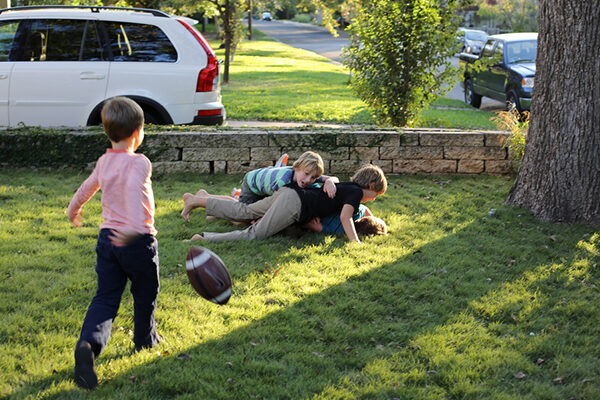
Every neighborhood had its own rhythm, and kids seemed to pick it up without being told. You knew which yards were safe to cut across and which ones to avoid. You knew when to quiet down near certain houses and where the best hiding spots were during a game. These weren’t written rules, but they were understood by everyone who played there.
It created a kind of shared respect, even among kids who didn’t always get along. There’s a common reflection that says, “We learned boundaries without anyone spelling them out.” That quiet understanding made the space feel like it belonged to everyone, yet also required care. It wasn’t perfect, but it worked. You figured things out together, adjusting as you went, and somehow the balance held. It gave a sense of belonging that felt natural, like you were part of something bigger than just your own afternoon.
4. The Sound of Distant Voices Calling You Home
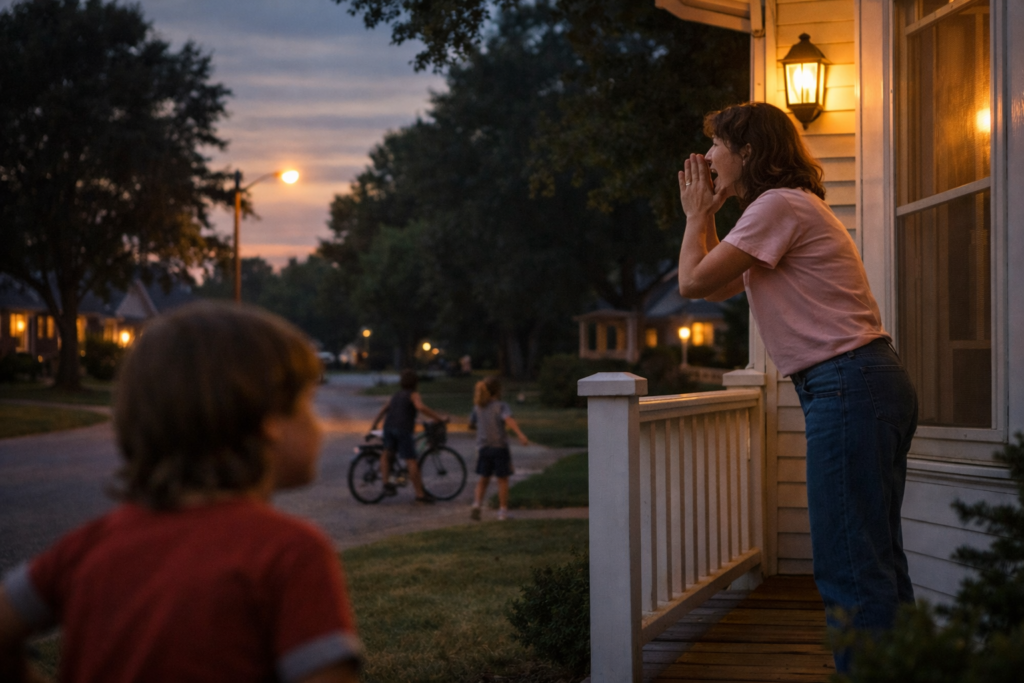
As the evening deepened, voices would start to carry across the neighborhood. One parent calling from a porch, another from a doorway, each voice familiar to the kids it belonged to. You could hear names echoing faintly, sometimes yours, sometimes someone else’s, blending into the soft noise of the evening.
There was something grounding about that moment. It reminded you that while you had spent hours in your own world of play, there was still a place waiting for you at home. A commonly shared line from people looking back says, “You knew your name would come eventually, and you’d better answer.” It wasn’t harsh, just expected. You’d wrap up quickly, maybe promise to continue the game tomorrow, and start heading back. That walk home, often a little slower than usual, felt like a quiet transition from freedom back to routine.
5. The Way Time Felt Unlimited

Back then, time didn’t feel measured the way it does now. There were no constant reminders, no phones buzzing, no schedules pulling you away. You started playing, and that was enough. Hours could pass without you realizing it, and somehow that felt completely normal.
Looking back, many people describe it simply: “We didn’t watch the clock, we watched the sky.” That shift in attention made all the difference. You weren’t counting minutes; you were following moments. It gave each day a sense of openness that’s hard to recreate. Even as the light faded and the day came to an end, it never felt rushed. It felt complete. And maybe that’s why those memories stay so vivid. If this brought something back for you, hold onto it and share it with someone who remembers it too.
6. The Magic of Sidewalk Chalk
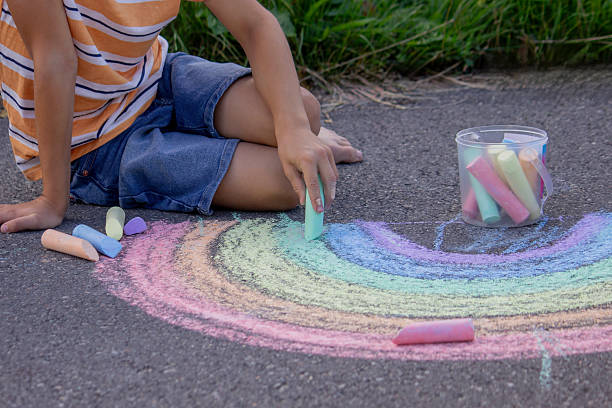
The simple act of pulling a piece of chalk from a bag or pocket could transform a dull sidewalk into a kingdom of imagination. You’d draw streets for bikes, elaborate hopscotch grids, or pretend you were mapping an entire city for some grand adventure. Chalk was cheap, easy, and completely forgiving rain would wash it away, but the memories stuck.
It wasn’t about perfection; it was about the process. Kids would argue playfully over designs, trade colors, and trace each other’s outlines, laughing at the small smudges and mistakes. Many who remember it now say, “We created worlds that disappeared overnight but stayed with us forever.” That simplicity, combined with the freedom to invent, made afternoons feel like they stretched endlessly. There was a rhythm to it: chalk in hand, friends gathered, sunlight fading slowly as you raced to finish one last drawing before the sky told you it was time to go home.
7. The Thrill of Street Games

Tag, hide-and-seek, kickball these weren’t just games, they were rituals. The street itself became a playground, every crack in the asphalt a potential hazard or hiding spot. You learned to read the space around you, improvise rules on the fly, and negotiate boundaries with other kids, sometimes with playful arguments that ended in laughter.
Those games carried energy that wasn’t found anywhere else. There was movement, imagination, and collaboration, all mingling with the natural soundtrack of evening: barking dogs, distant lawnmowers, and the hum of crickets beginning their nightly chorus. Online reflections often capture this sentiment: “The street was alive with us, and somehow we belonged to it.” Even as the sun set, the excitement didn’t fade immediately. The game slowed only when the lights flickered on or a familiar voice called a name, and even then, everyone promised silently that tomorrow they’d pick up right where they left off, carrying a tiny piece of that magic with them.
8. The Secret Joy of Firefly Chases

As dusk settled in, a new adventure began: chasing fireflies. One moment, you were running across the yard, the next you were trying to catch tiny sparks of light, laughing as they flickered just out of reach. It was simple, it was fleeting, and it somehow felt like holding a piece of the night itself in your hands.
The challenge wasn’t just in catching them, but in slowing down to notice them at all. Adults might have called it trivial, but kids knew it was pure delight. A common memory shared online says, “Nothing else mattered for those few minutes except blinking lights and laughter.” It was the kind of activity that needed no toys or screens, just patience, curiosity, and friends to share it with. By the time the sky deepened to navy, pockets were empty, shoes were dusty, and hearts were full. You went home carrying the glow, literally and figuratively, knowing that tomorrow held the chance to chase them again.
9. The Neighborhood Watch of Parents
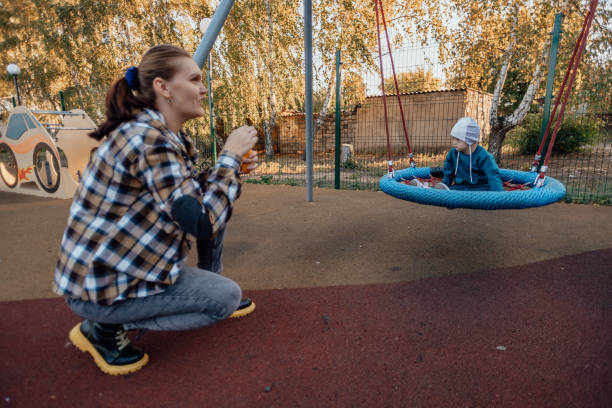
Even in the absence of smartphones, someone always seemed to notice where everyone was. Parents didn’t hover, but they knew the rhythms: who was at which yard, which street had kids playing, and who might be coming home soon. It created an invisible safety net that let kids explore while still being grounded.
It was subtle, not intrusive. A neighbor’s wave from the porch or a quiet nod from across the street told you everything you needed to know. People looking back often say, “We had freedom, but someone always had our back.” That understanding allowed for risk without recklessness, independence with guidance. You felt watched, yes, but not smothered. It was just part of the magic of growing up outside, where trust and freedom danced together under fading sunlight, and you knew that no matter how far you roamed, you belonged to a community.
10. The Satisfying Walk Home
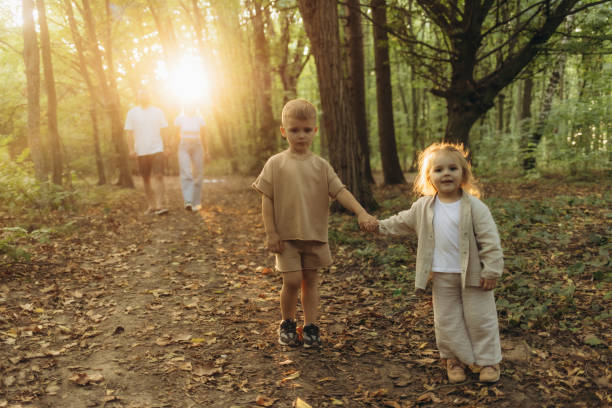
Finally, there was the slow walk back home when the sky had darkened enough to hint that the day was over. Shoes scuffed, knees dusty, voices hoarse from laughing and shouting, you retraced the streets you had played across. The walk was as much a part of the ritual as the games themselves.
That moment carried a quiet satisfaction. You left behind the day’s adventures but carried the memories tucked inside, replaying funny moments or planning tomorrow’s games. Many people remember it as a gentle pause: “Walking home felt like finishing a chapter of a story I didn’t want to end.” That ease of transition, from freedom to routine, is hard to replicate now. It reminds us why these evenings are so nostalgic they weren’t extraordinary, they were just full of ordinary, irreplaceable joy. Sharing that story now feels like passing the torch to another generation, inviting them to experience the same slow, golden freedom.


