
1. Rob Reiner and Michele Singer Reiner Found Dead at Home

Some of the most shocking crimes are those that are said to unfold not in dark alleys or distant places, but inside ordinary homes where trust and family bonds are expected to provide safety. Reports have emerged regarding the deaths of Rob Reiner and his wife, Michele Singer Reiner, at their Brentwood, Los Angeles, residence on December 14, 2025. At this time, authorities have stated that the circumstances remain under investigation, and the case is still considered pending. Law enforcement has not confirmed a cause, a motive, or the involvement of any individual, and no conclusions have been reached. While investigators have acknowledged that family members may be interviewed as part of standard procedure, there is currently no verified information supporting claims or rumors circulating online. As officials continue their work, details remain unconfirmed—but the case serves as a stark reminder of a disturbing reality: when violence does strike close to home, it often echoes a pattern seen in some of the most infamous family-linked murders in history, explored below.
2. The Menendez Brothers Killing Their Parents
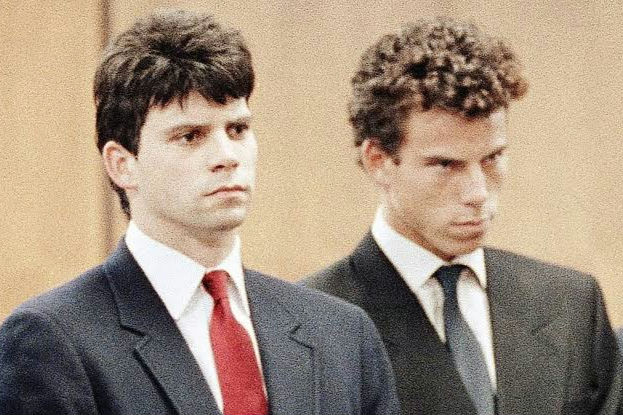
In one of the most infamous family murder cases in U.S. history, Lyle and Erik Menendez shot their parents, José and Kitty Menendez, to death inside their Beverly Hills home on August 20, 1989. The brothers later claimed they had endured years of severe physical and emotional abuse at the hands of their father, though prosecutors argued their motive was financial, to secure access to a multimillion-dollar inheritance. After initially calling 911 and pretending to have discovered the bodies, investigators grew suspicious when the brothers began spending lavishly and making incriminating admissions to their therapist. Their 1996 trial ended in convictions for first-degree murder, and both were sentenced to life in prison without parole. In 2025, their sentences were adjusted to 50 years to life, making them eligible for parole, but at least one brother was denied parole in recent hearings. The Menendez case remains a touchstone in true-crime discussions about family violence, motive, and media coverage.
3. Haynie Family Murders in Utah
On January 17, 2020, 16-year-old Colin Jeffrey “CJ” Haynie shot and killed his mother and three siblings in their home in Grantsville, Utah, making national news for its brutality and tragedy. Police reports state that Haynie methodically carried out the killings over several hours, first shooting his mother and youngest sibling, then waiting to attack others as they arrived home. His father survived after being shot in the leg and wrestled away the firearm. Charged as an adult with multiple counts of aggravated murder and attempted murder, Haynie later pleaded guilty and was sentenced to consecutive terms of 25 years to life for each count. The Haynie family murders were Utah’s deadliest shooting incident in over a decade and prompted discussions about mental health, access to guns, and family conflict.
4. Broken Arrow Familicide
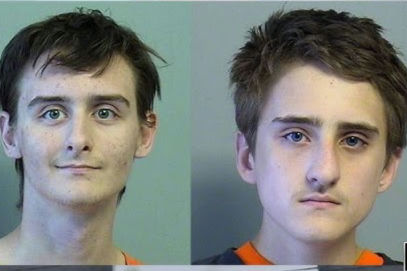
In July 2015, the quiet community of Broken Arrow, Oklahoma, was horrified when brothers Robert and Michael Bever murdered their parents and three siblings inside their family home. Known as the Broken Arrow murders or Bever family massacre, this familicide saw the pair use knives to kill everyone in the house except one surviving sister who was injured. The youngest child, Daniel Bever, called 911 before he too was killed. Investigators later learned that the motive included a disturbing desire for notoriety, and both brothers were convicted on multiple counts of first-degree murder. Robert received life without parole, while Michael’s sentence effectively ensures he will spend his life behind bars. The case remains one of Oklahoma’s most chilling examples of family-linked murder and has been covered in true-crime shows and documentaries.
5. Zakrzewski Family Murders in Florida

On June 9, 1994, Edward James Zakrzewski II killed his wife and two young children in Mary Esther, Florida in a tragedy that stunned the local community. The 29-year-old U.S. Air Force technical sergeant attacked his wife, Sylvia, and their children, Anna and Edward III, with a crowbar and machete after his wife sought a divorce. Following the murders, Zakrzewski fled and remained on the run for four months before turning himself in. During post-mortem examinations, investigators found defensive wounds, underscoring the violent struggle inside the family home. Zakrzewski was later convicted and spent decades in prison; he died in custody in 2025. This case remains part of discussions about domestic violence, mental health struggles, and the devastating impacts of familicide.
6. Chris Watts and the Murder of His Family
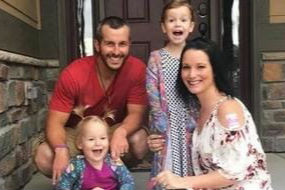
In August 2018, Chris Watts murdered his pregnant wife Shanann Watts and their two young daughters, Bella and Celeste, inside or immediately after leaving their home in Frederick, Colorado. At first, Watts appeared on local news pleading for their safe return, claiming his family had vanished. Within days, investigators uncovered surveillance footage, phone records, and inconsistencies in his statements that pointed directly to him. Watts later confessed, admitting he strangled his wife and smothered his daughters before disposing of their bodies at an oil site where he worked. Prosecutors said the motive involved his desire to start a new life with another woman and escape family responsibilities. In November 2018, Watts pleaded guilty to multiple counts of first-degree murder and was sentenced to life in prison without parole. The case became one of the most disturbing modern examples of domestic violence turning deadly.
7. John List Killing His Entire Family
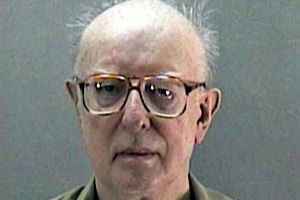
On November 9, 1971, John List murdered his wife, mother, and three children inside their mansion in Westfield, New Jersey. After the killings, List calmly left the home, closed his bank accounts, and disappeared, evading capture for nearly 18 years. The crime scene remained undiscovered for weeks, with classical music still playing when police finally entered the house. Investigators later determined that List believed he was “saving” his family from moral decay and financial ruin. In 1989, he was identified after his case aired on America’s Most Wanted, leading to his arrest in Virginia. List was extradited to New Jersey, convicted on five counts of murder, and sentenced to life in prison. He died behind bars in 2008. The case remains a chilling example of calculated familicide rooted in rigid beliefs and secrecy.
8. Susan Smith Drowning Her Children
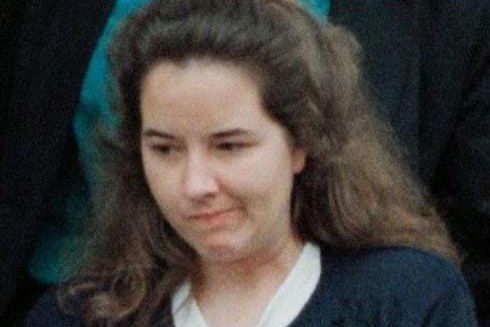
In October 1994, Susan Smith shocked the nation when she falsely claimed that a stranger had carjacked her vehicle with her two young sons inside in Union County, South Carolina. For days, the public rallied around her as she appeared tearful in press conferences. The story unraveled when Smith confessed that she had rolled her car into a lake, drowning Michael and Alex Smith, aged three and fourteen months. Prosecutors revealed that Smith was motivated by personal struggles and a failed relationship, rather than any external threat. She was convicted of two counts of murder and sentenced to life in prison without the possibility of parole for 30 years. The case is often cited as one of the most haunting examples of betrayal within a family, amplified by the initial deception that captured national sympathy.
9. Andrea Yates and the Houston Bathtub Murders
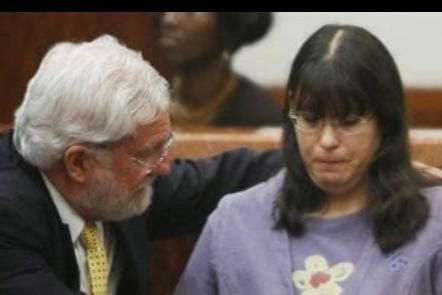
On June 20, 2001, Andrea Yates drowned her five young children in the bathtub of her home in Houston, Texas, in a case that sparked intense debate about mental illness and parental responsibility. Yates had a long history of severe postpartum psychosis and had been hospitalized multiple times before the killings. Afterward, she calmly called police and her husband, fully aware of what she had done. Initially convicted of capital murder, her conviction was overturned on appeal due to faulty expert testimony. In a 2006 retrial, Yates was found not guilty by reason of insanity and committed to a state mental health facility, where she remains. The case remains one of the most tragic examples of how untreated or poorly managed mental illness within a family can lead to devastating consequences.
10. Diane Downs Shooting Her Children
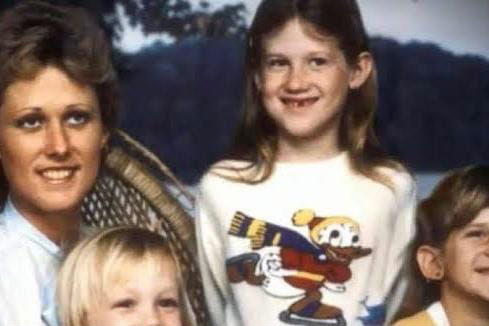
In May 1983, Diane Downs drove her three children to a rural road near Springfield, Oregon, where she shot them at close range before wounding herself. Downs claimed a stranger had attacked them, but investigators quickly grew suspicious due to inconsistencies in her account and her unusual behavior afterward. One of her children, Cheryl Downs, survived and later testified that her mother was the shooter, providing crucial evidence at trial. Prosecutors argued that Downs was motivated by a desire to be free of parental responsibilities while pursuing a romantic relationship. She was convicted of murder and attempted murder and sentenced to life in prison plus additional time. The case is remembered for the bravery of a child survivor and remains a stark reminder of violence originating from within the family unit.
11. Chandler Halderson Killing His Parents
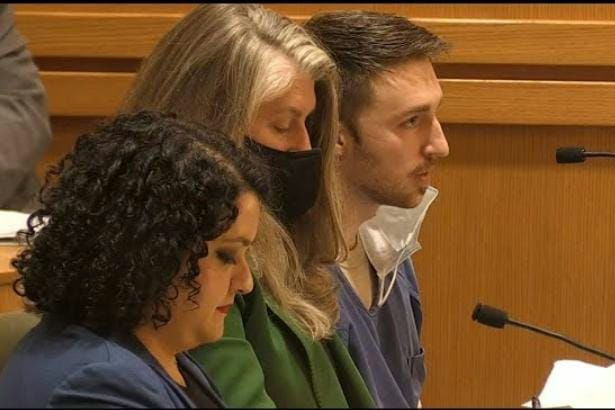
In July 2021, Chandler Halderson, a 23-year-old from Dane County, Wisconsin, murdered his parents, Bart and Krista Halderson, inside their home after years of lies about his education and employment began to unravel. Investigators said Halderson had fabricated college enrollment and job offers, and when his parents planned to verify his claims, the situation escalated. After killing them, he dismembered their bodies and attempted to dispose of the remains at multiple locations. The case unfolded through extensive digital evidence, including phone data, security footage, and forensic analysis that contradicted his shifting stories. In 2022, Halderson was convicted of first-degree intentional homicide and sentenced to life in prison without the possibility of parole. The case became a modern example of how long-term deception within a family can lead to devastating consequences.
12. Christian Longo Murdering His Wife and Children
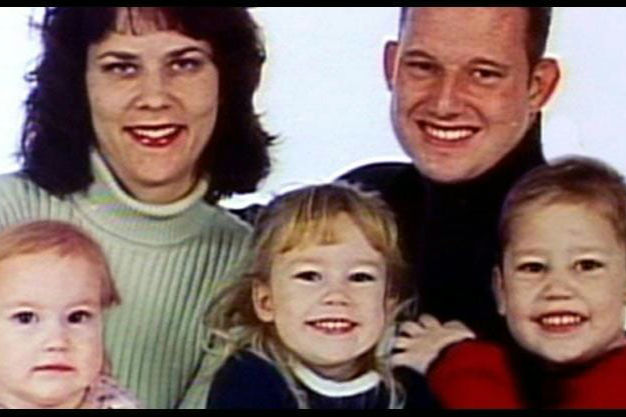
In December 2001, Christian Longo murdered his wife, MaryJane, and their three young children while living in Oregon. After killing his family, Longo fled the country and was later captured in Mexico, where he had assumed a false identity. Investigators determined that he strangled his wife and drowned his children, later dumping their bodies in coastal waters near Newport. Prosecutors argued that Longo was motivated by financial troubles and a desire to escape responsibility. In 2003, he was convicted on three counts of aggravated murder and one count of murder and sentenced to death, later converted to life imprisonment without parole. The case drew widespread attention for its international manhunt and the stark contrast between Longo’s outward appearance and the violence that occurred behind closed doors.
13. Robert Fisher and the Scottsdale Family Murders
In April 2001, Robert William Fisher is believed to have murdered his wife, Mary, and their two children in their Scottsdale, Arizona, home before setting the house on fire. Authorities discovered the victims after firefighters responded to the blaze, finding evidence that Mary’s throat had been slit and the children shot. Fisher vanished shortly afterward, abandoning his vehicle near a hiking area. He remains one of the FBI’s most wanted fugitives and has never been apprehended. Investigators believe longstanding marital conflict and control issues may have contributed to the killings. The case continues to haunt law enforcement due to Fisher’s apparent preparation and complete disappearance. It remains one of the most notorious unresolved family murder cases in the United States.
14. Anthony Todt and the Celebration Murders
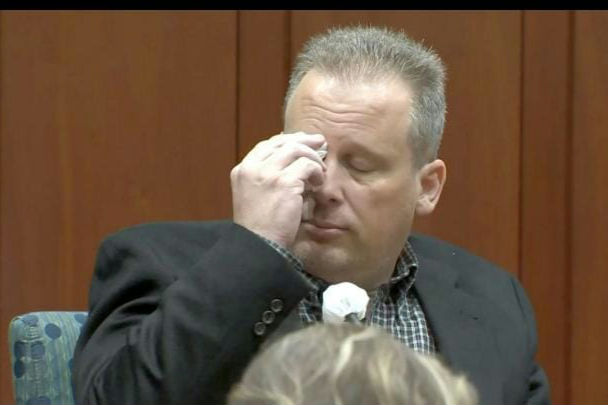
In January 2020, Anthony Todt killed his wife, Megan, their three children, and the family dog inside their home in Celebration, Florida. Authorities uncovered the crime after relatives requested a welfare check, discovering the bodies days after the killings. Prosecutors said Todt strangled his family, later attempting to blame his wife before confessing in recorded interviews. During the trial, Todt claimed involvement in secret government experiments, but evidence presented by the prosecution painted a picture of mounting financial stress and personal instability. In 2023, he was convicted on four counts of first-degree murder and sentenced to life in prison without parole. The case shocked the community due to its brutality and the deceptive calm surrounding the family before the murders.
15. Ronald Gene Simmons Killing His Family
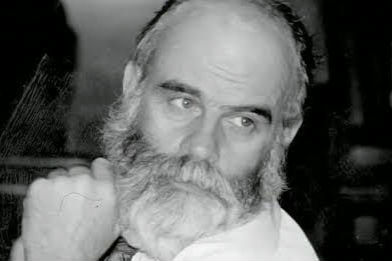
In December 1987, Ronald Gene Simmons murdered 14 members of his family in Arkansas over the course of several days, beginning inside their home. The killings, which occurred around Christmas, included his wife, children, and extended relatives. After murdering his family, Simmons went on to kill two coworkers before surrendering to police. Investigators later uncovered a history of abuse, control, and isolation within the household. Simmons was convicted of multiple counts of capital murder and sentenced to death, ultimately executed in 1990. The case remains one of the deadliest familicides in U.S. history and is often cited as an extreme example of how unchecked domestic abuse can escalate into mass violence.
16. Pierre Rivière Killing His Mother and Siblings

Although older than most modern true-crime cases, the Pierre Rivière murders remain one of the most studied examples of family violence beginning at home. In 1835, Rivière killed his mother, sister, and brother in rural Normandy, France, believing he was acting to protect his father from abuse. After the killings, Rivière calmly wrote a detailed confession explaining his motives, which later became a landmark document in criminology and psychology. His case has been examined for nearly two centuries because of its rare insight into the killer’s mindset and the early legal debate over mental illness and criminal responsibility. Rivière was initially sentenced to death, then spared and imprisoned for life, before later taking his own life. The case illustrates how domestic conflict, untreated mental distress, and isolation can combine with tragic consequences inside a family home.
17. Thomas Gilbert Jr. Shooting His Father
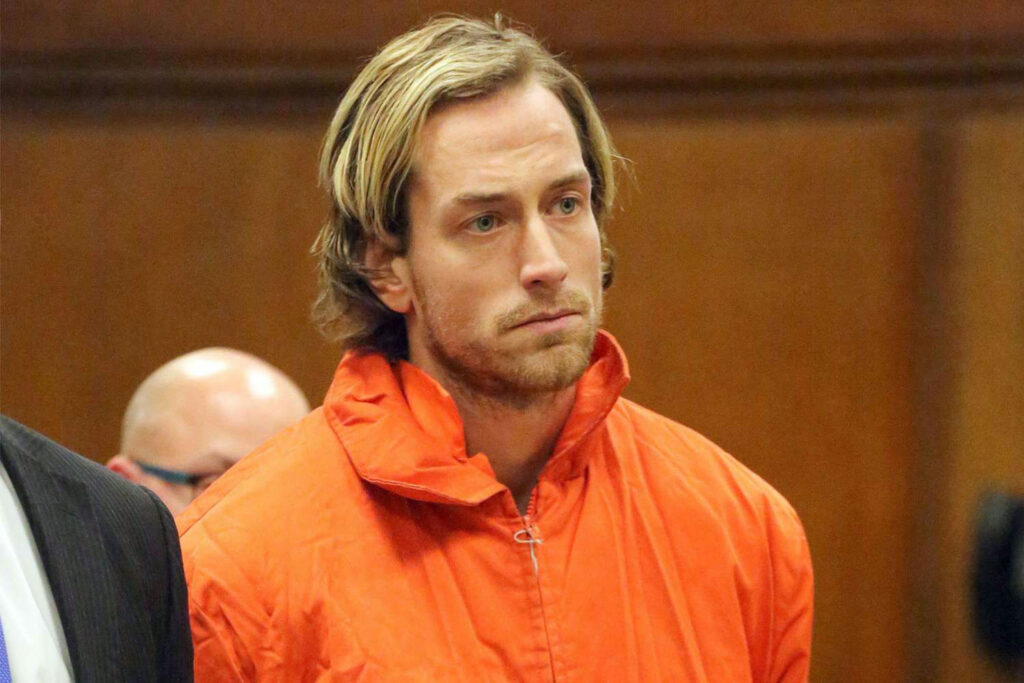
In January 2015, Thomas Gilbert Jr. shot and killed his father, Thomas Gilbert Sr., a prominent hedge fund manager, inside the family’s Manhattan apartment. Prosecutors said the killing followed an argument over Gilbert Jr.’s financial dependence and refusal to work, despite receiving a generous allowance. After the shooting, Gilbert Jr. reportedly went to dinner and a movie, behavior that shocked investigators and later jurors. He was arrested the following day and eventually convicted of second-degree murder. In 2019, he was sentenced to life in prison with the possibility of parole after 15 years. The case drew attention to entitlement, long-term family tension, and the dangers of unresolved conflict between parents and adult children living under the same roof.
18. Erin Caffey Ordering the Murder of Her Family

In March 2008, Erin Caffey, a teenager from Alba, Texas, helped orchestrate the murder of her mother and two younger brothers inside their home. Prosecutors said Caffey conspired with her boyfriend and another accomplice, who carried out the killings while she was present. Her father survived the attack despite being shot multiple times. Evidence presented at trial showed that family conflict and strict household rules had contributed to rising tensions, though prosecutors emphasized that nothing justified the violence. Caffey was convicted of capital murder and sentenced to life in prison. The case stands as a stark reminder that family-based violence can involve planning and manipulation, not just sudden outbursts, and that its effects permanently reshape surviving families.
19. Ronnie DeFeo Jr. and the Amityville Family Murders
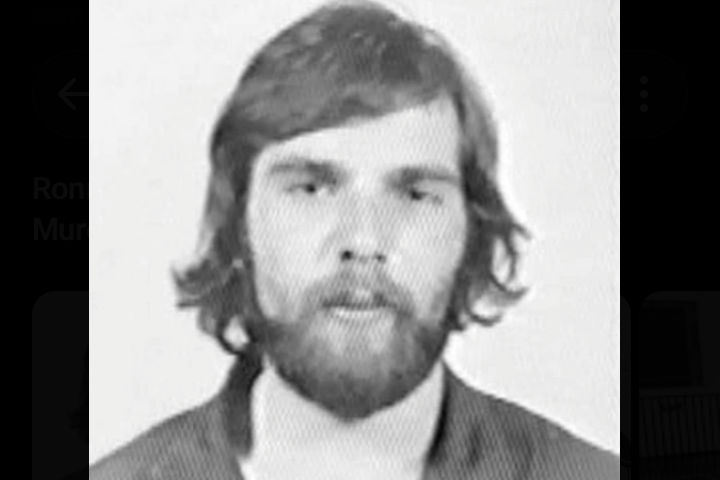
In November 1974, Ronald “Butch” DeFeo Jr. shot and killed his parents and four younger siblings inside their home in Amityville, New York, in one of the most notorious family murders in U.S. history. DeFeo initially claimed a mob hit had killed his family before confessing to the crime, telling investigators he heard voices urging him to do it. Investigators later corroborated that he had used a rifle to shoot all six family members while they slept. In 1975, he was convicted on six counts of second-degree murder and sentenced to consecutive terms of 25 years to life in prison, where he remained until his death. The crime also inspired The Amityville Horror book and films, although those dramatic portrayals mix fact and fiction.
20. Dana Ewell and the Fresno Family Inheritance Murders
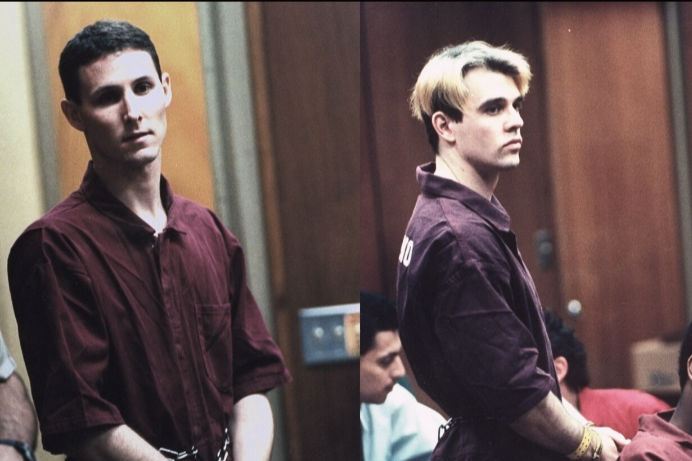
On Easter Sunday in April 1992, Dana Ewell arranged for the murder of his father, mother, and sister inside their Fresno, California home, in a plan prosecutors said was motivated by greed and the hope of inheriting a multimillion-dollar estate. Ewell was away with his girlfriend at the time of the killings, and authorities later proved he had hired his dorm-mate Joel Radovcich to carry out the murders. Friends and evidence uncovered during the investigation played key roles in linking Ewell and Radovcich to the crime. Both were convicted of murder in 1998 and sentenced to life in prison without the possibility of parole.
21. Marvin Gaye Shot by His Father at Home
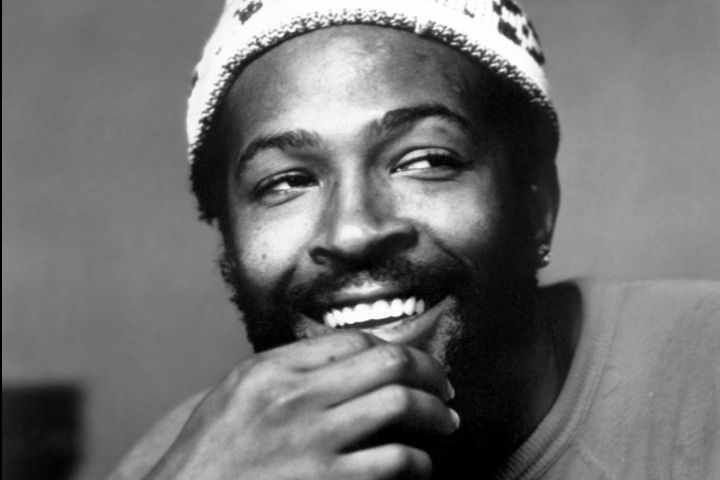
On April 1, 1984, legendary singer Marvin Gaye was shot and killed by his father, Marvin Gay Sr., inside the family home in Los Angeles, just one day before the musician’s 45th birthday. Gaye had been living with his parents at the time, hoping to help ease long-standing tensions between them. According to court records and police reports, an argument broke out between Gaye and his father after Gaye intervened in a dispute involving his mother. During the confrontation, Gay Sr. retrieved a handgun and fired two shots, killing his son. The elder Gay later pleaded no contest to voluntary manslaughter and received probation due to health issues. The tragedy shocked the music world and remains one of the most heartbreaking examples of violence that began inside a family home, cutting short the life of a cultural icon.
22. Phil Hartman Killed by His Wife While Sleeping

In May 1998, beloved comedian and actor Phil Hartman was shot and killed by his wife, Brynn Hartman, inside their home in Encino, California, in a tragedy that stunned Hollywood. Hartman was asleep in bed when his wife shot him multiple times following a night of heavy drinking and drug use. After killing her husband, Brynn Hartman confessed to a friend, then returned home and later took her own life. Toxicology reports revealed alcohol, cocaine, and prescription medication in her system at the time of the incident. Friends and colleagues later spoke openly about the couple’s troubled relationship and Brynn’s struggles with substance abuse. Hartman’s death ended a celebrated career in comedy and voice acting and remains a sobering example of how domestic instability can turn deadly behind closed doors.
23. Pamela Smart and the Murder of Her Husband
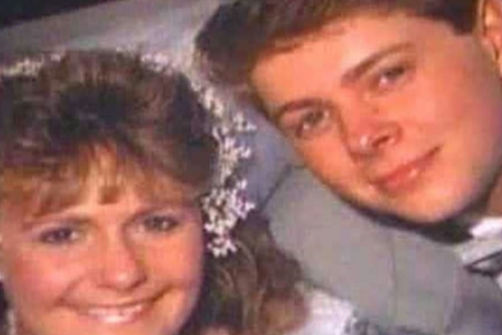
In 1990, Pamela Smart, a high school media coordinator in New Hampshire, became the central figure in a case that shocked the nation. Prosecutors proved that Smart manipulated one of her teenage students into killing her husband, Gregory Smart, inside their apartment. Although she was not physically present during the shooting, investigators uncovered taped conversations and witness testimony showing that she had planned the crime in detail. Smart initially claimed ignorance, but the evidence painted a clear picture of orchestration from within the marriage. She was convicted of first-degree murder and conspiracy and sentenced to life in prison without parole. The case became widely known for its mix of betrayal, manipulation, and abuse of trust within both a family and a school community.
24. Bradford Bishop and the Murder of His Family

In March 1976, Bradford Bishop, a U.S. State Department official, is believed to have murdered his wife, mother, and three sons in their Bethesda, Maryland, home. Their bodies were later found buried in a shallow grave in North Carolina. Bishop disappeared shortly afterward and has never been located, making the case one of the FBI’s most enduring family-related murder mysteries. Investigators believe career failure and mounting pressure may have contributed to the killings. Bishop was later added to the FBI’s Ten Most Wanted Fugitives list, where he remained for nearly two decades. The case stands out for its chilling combination of domestic violence, professional stress, and a complete vanishing that has denied the victims’ relatives full closure.
25. Jennifer Pan Ordering the Murder of Her Parents

In 2010, Jennifer Pan orchestrated a home invasion at her family’s house in Markham, Ontario, resulting in the murder of her mother and the attempted murder of her father. Pan had spent years lying to her parents about attending university and working a professional job, maintaining an illusion of success to meet their strict expectations. When her deception began to unravel, prosecutors said she hired accomplices to stage a robbery that would free her from parental control. Phone records and surveillance evidence quickly linked her to the plot. Pan was convicted of first-degree murder and attempted murder and sentenced to life in prison. The case highlighted the extreme consequences of pressure, deception, and unresolved family conflict.
26. Kip Kinkel Killing His Parents

In May 1998, Kip Kinkel, a 15-year-old from Springfield, Oregon, killed both of his parents at their home before carrying out a school shooting the next day. Investigators determined that Kinkel shot his father and mother after they confronted him about weapons and disciplinary issues. The killings at home marked the beginning of a broader tragedy that shocked the nation. Kinkel later pleaded guilty and was sentenced to more than 100 years in prison. His case is often discussed in the context of juvenile violence, mental health, and the warning signs that can appear inside families before violence escalates beyond the home.
27. Josh Powell and the Murder of His Children
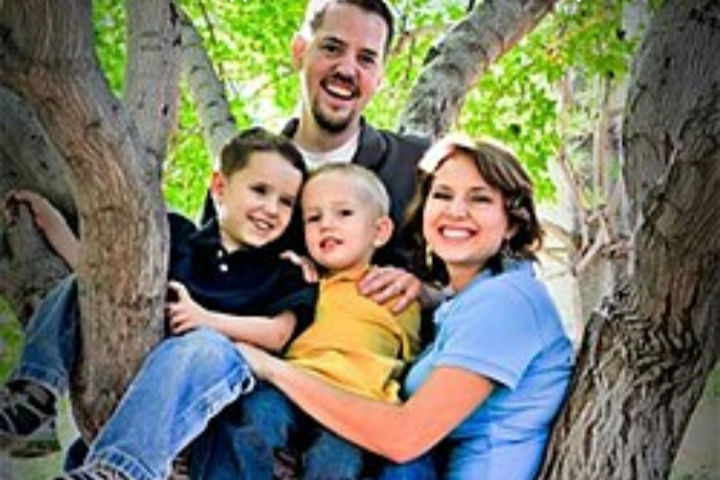
In February 2012, Josh Powell killed his two young sons, Charlie and Braden, inside his rental home in Graham, Washington, during a supervised visitation. Powell had long been the prime suspect in the 2009 disappearance of his wife, Susan Powell, whose body was never found. As social workers arrived at the home, Powell locked the door, attacked his children with a hatchet, and set the house on fire in a murder-suicide. Investigators later revealed extensive evidence suggesting Powell had likely killed Susan years earlier, though he was never charged. The case exposed major failures in the family court and child-protection systems and became a national example of how unresolved domestic violence can escalate into devastating outcomes. The Powell case remains one of the most heartbreaking family-centered tragedies in recent U.S. history.
28. Jeffrey MacDonald and the Fort Bragg Murders
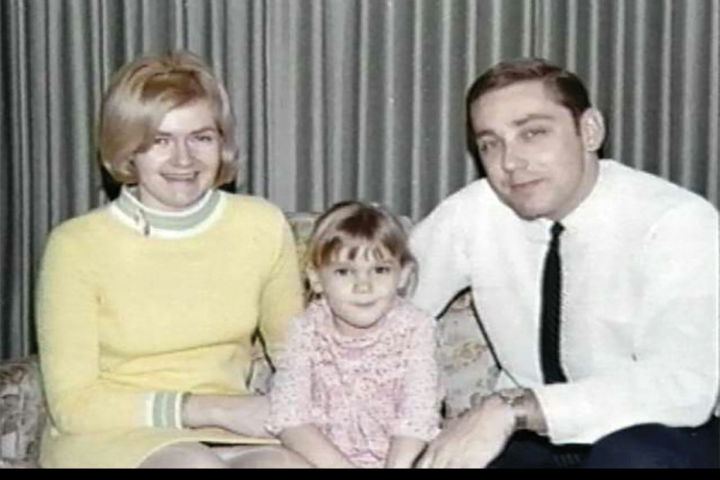
In February 1970, Jeffrey MacDonald, an Army doctor stationed at Fort Bragg, North Carolina, reported that intruders had attacked his family while he slept. His pregnant wife, Colette, and their two young daughters were brutally killed inside their home. Investigators soon found inconsistencies in MacDonald’s story, along with forensic evidence that contradicted his claims of a home invasion. He falsely claimed “hippies” committed the murders. After years of legal battles and delays, MacDonald was convicted in 1979 of second-degree murder and sentenced to life in prison. He has continued to maintain his innocence, but multiple appeals have failed. The case became one of the most controversial family murder trials in U.S. history and inspired books, documentaries, and decades of public debate.
29. Diane Schuler and the Taconic Parkway Tragedy
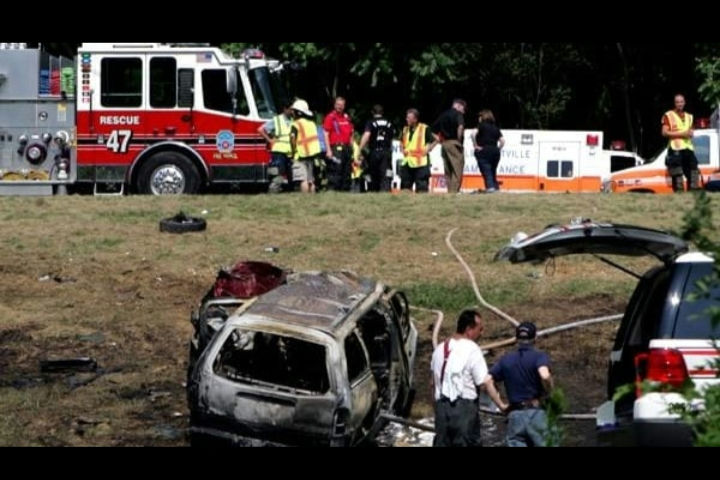
In July 2009, Diane Schuler drove the wrong way on New York’s Taconic State Parkway, causing a crash that killed herself, her daughter, three nieces, and three people in another vehicle. Investigators later determined that Schuler was highly intoxicated and had marijuana in her system, though her family disputed the findings. The tragedy began during a routine family trip home from a campground, turning a familiar drive into a fatal event. While not a traditional murder case, the incident is often discussed alongside familicide due to the loss of multiple family members under one person’s control. The case continues to spark debate about impaired driving, denial, and accountability within families.
30. Charles Stuart and the Murder of His Wife
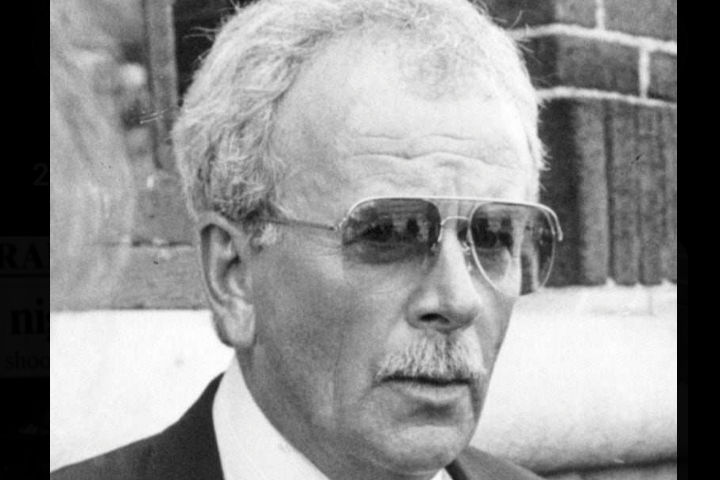
In October 1989, Charles Stuart claimed that he and his pregnant wife, Carol, had been shot during a carjacking in Boston, Massachusetts. Carol later died from her injuries, along with her unborn child. Stuart’s story led to widespread controversy and wrongful suspicion of innocent people before investigators uncovered evidence that he had staged the crime. Facing imminent arrest, Stuart jumped off the Tobin Bridge in January 1990, ending his life. The case exposed how domestic violence and deception within a marriage can ripple outward, causing harm beyond the immediate family. It remains one of Boston’s most infamous criminal cases.
31. John Hummel Killing His Family in Texas
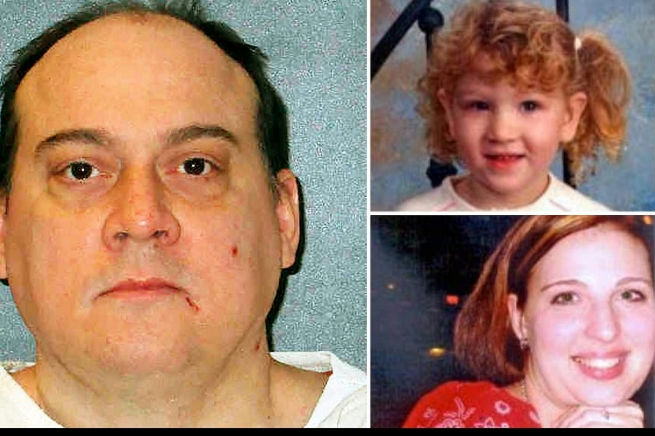
In 2009, John Hummel killed his wife, Donna, and their two young daughters inside their Plano, Texas, home. Hummel later confessed, telling investigators that he believed he was saving his children from future suffering. The case deeply affected the community due to Hummel’s calm demeanor and lack of prior violent history. He was convicted of capital murder and sentenced to death, later executed in 2013. The murders are often cited in discussions about extreme ideation, emotional collapse, and the warning signs that can precede violence within families. The tragedy underscored how internal belief systems can turn deadly behind closed doors.
32. Joel Guy Jr. Killing His Parents in Tennessee

In November 2016, Joel Guy Jr. brutally murdered his parents, Joel and Lisa Guy, inside their home in Knoxville, Tennessee, after learning they planned to cut off his financial support. Prosecutors said Guy attacked his parents with a knife, attempted to dismember their bodies, and planned to flee the country using stolen money and passports. The crime was uncovered after coworkers reported the parents missing, leading police to a gruesome scene. Digital evidence, receipts, and online searches tied Guy directly to the murders and revealed premeditation. In 2020, he was convicted on multiple counts of first-degree murder and sentenced to life in prison without the possibility of parole. The case stands as a chilling example of entitlement and financial dependency turning deadly within a family home.
33. Scott Peterson and the Murder of Laci Peterson
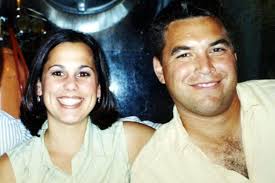
In December 2002, Laci Peterson, who was eight months pregnant, disappeared from her home in Modesto, California, sparking a nationwide search and intense media attention. Her husband, Scott Peterson, initially claimed he had gone fishing alone, but investigators soon uncovered evidence that raised serious doubts about his account. The remains of Laci and her unborn son, later named Conner, were discovered months later along the San Francisco Bay. Prosecutors argued that Scott Peterson had killed his wife to escape family responsibilities while pursuing an extramarital relationship. In 2004, he was convicted of first-degree murder and second-degree murder. Although his death sentence was later overturned, Peterson remains in prison. The case remains one of the most widely known examples of violence that began within a seemingly ordinary marriage.
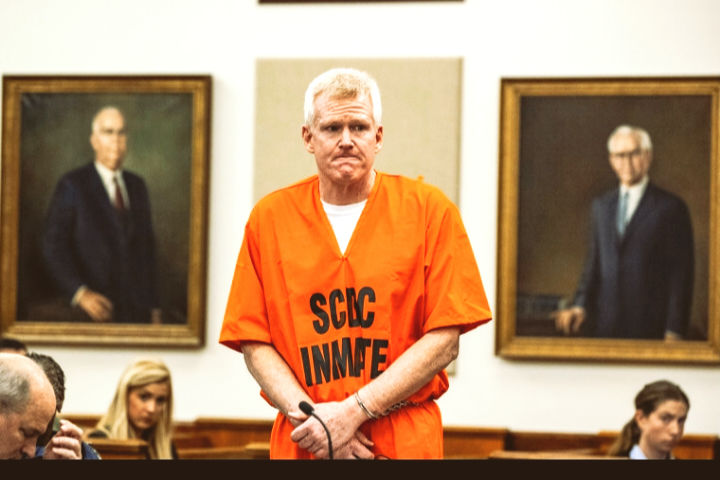
34. Alex Murdaugh and the Murders at Moselle
In June 2021, Alex Murdaugh, a prominent South Carolina attorney, was found to be responsible for the murders of his wife, Maggie, and their younger son, Paul, at the family’s rural Moselle estate. The killings initially baffled investigators, as Murdaugh reported discovering the bodies near the property’s kennels. Over time, prosecutors uncovered a complex web of financial crimes, mounting debt, and personal pressure that they argued provided motive. Cell phone data, video evidence, and testimony placed Murdaugh at the scene shortly before the murders, contradicting his statements to police. In 2023, he was convicted on two counts of murder and sentenced to life in prison without parole. The case drew national attention for how a respected family name concealed years of deception, ultimately ending in violence at home.


