
Lives Forever Marked By A National Tragedy
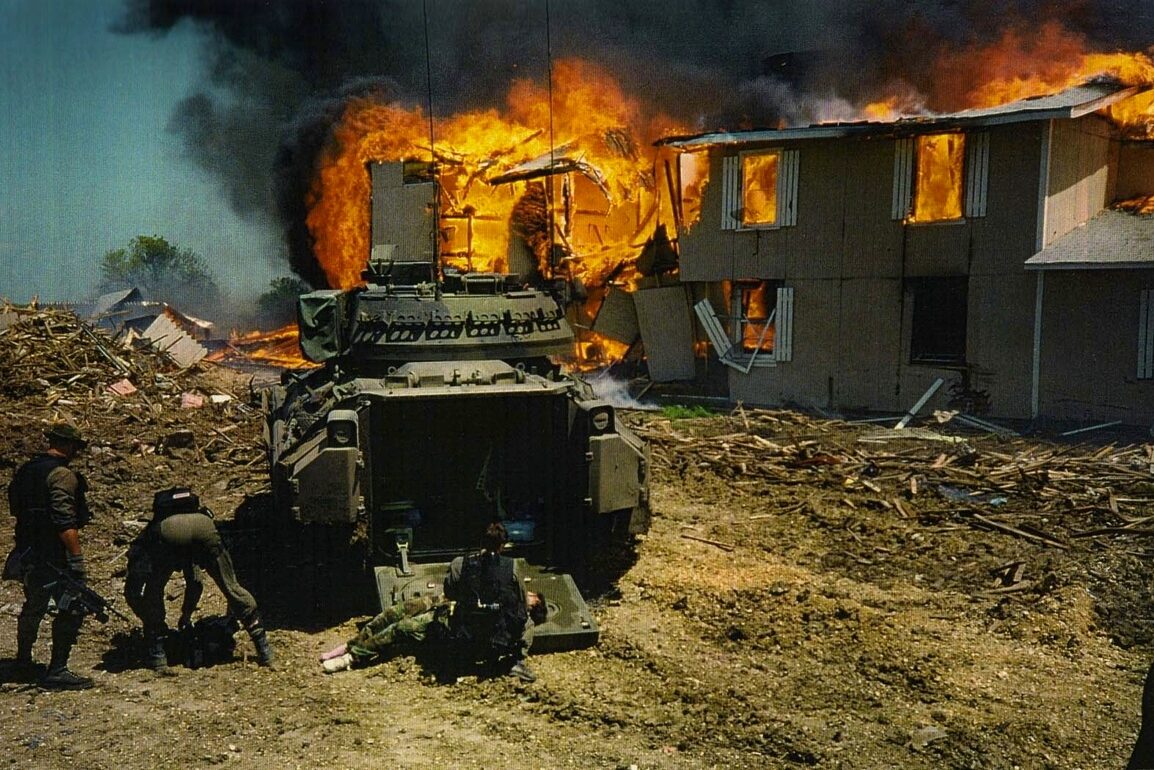
When people look back at the 1993 Waco siege, the images that usually come to mind are the smoke, the long standoff, and the heartbreaking end at the Mount Carmel compound near Waco, Texas. But behind those images were real people whose lives continued long after the cameras left. For the survivors, the story didn’t end with the fire. In many ways, that moment became a dividing line in their lives, separating everything that came before from everything that followed. Some were adults who walked out of the compound after weeks of tension. Others were children who were released earlier and suddenly found themselves in a world they barely recognized. Each of them carried away memories that would stay with them for decades.
Over time, many survivors chose different paths. A few spoke publicly about what they experienced, hoping to share their perspective or simply to remember the people they lost. Others stepped away from the spotlight entirely, focusing on rebuilding quiet lives with family, work, and faith. As one survivor reflected in later interviews, “You move forward, but that day is always part of your story.” Their journeys since then show that survival is not just about escaping a tragedy. It is also about learning, slowly and sometimes quietly, how to live beyond it.
1. David Thibodeau’s Long Road Through Memory
David Thibodeau was one of the few adults who walked out of the Mount Carmel compound alive. Before the siege, he had come to Texas searching for purpose and community, eventually joining the Branch Davidians. When federal agents surrounded the compound in February 1993, he suddenly found himself at the center of a national standoff that would stretch for 51 tense days.
In the years that followed, Thibodeau became one of the most visible survivors willing to talk publicly about what happened. He later co-wrote the memoir A Place Called Waco, describing the confusion and fear of those inside. Reflecting on the experience, he once explained, “People have a picture in their mind of what happened, but it wasn’t that simple.” He spent years speaking with journalists and documentary producers, trying to give his version of events while also rebuilding a quieter life away from the spotlight. For Thibodeau, survival meant carrying the weight of the story while also moving forward, one careful step at a time.
2. Clive Doyle’s Lifelong Connection To Mount Carmel
Clive Doyle had already spent decades with the Branch Davidians before the siege began. A soft-spoken member of the group, he survived the final fire that destroyed the compound and claimed the lives of many of his friends and family members. Losing a daughter in the tragedy meant the events of April 19, 1993 never truly faded from his life.
Unlike some survivors who drifted away from the past, Doyle maintained a connection to the land where the compound once stood. Over the years, he continued living near the rebuilt Mount Carmel Center and occasionally welcomed visitors curious about what happened there. Speaking in interviews, he often emphasized the human side of the story. “Those people were my family,” he said in one documentary, reminding viewers that the headlines rarely captured the personal losses. Doyle’s life after Waco became a quiet blend of remembrance and routine, shaped by faith and the belief that telling the story honestly still mattered.
3. Sheila Martin’s Effort To Rebuild A Private Life
Sheila Martin was among the survivors who left the compound during the siege before the final tragic day. At the time, she was a teenager living among the Branch Davidians, and the sudden attention from the outside world made life after Waco incredibly complicated. For young survivors like Martin, the transition back into ordinary society was anything but simple.
In the years that followed, Martin chose a much more private path than some of the other survivors. She rarely spoke publicly about the siege and worked to build a life away from cameras and headlines. Those who knew her said the memories never fully disappeared, but she focused on moving forward, finding stability and a sense of normalcy. Survivors often described how difficult it was to explain the experience to outsiders who had only seen television footage. As one former resident later reflected, “People think they understand because they watched it on the news, but living through it was something else entirely.” For Martin, healing meant stepping quietly away from the national conversation.
4. Graeme Craddock’s Years Behind Bars And After
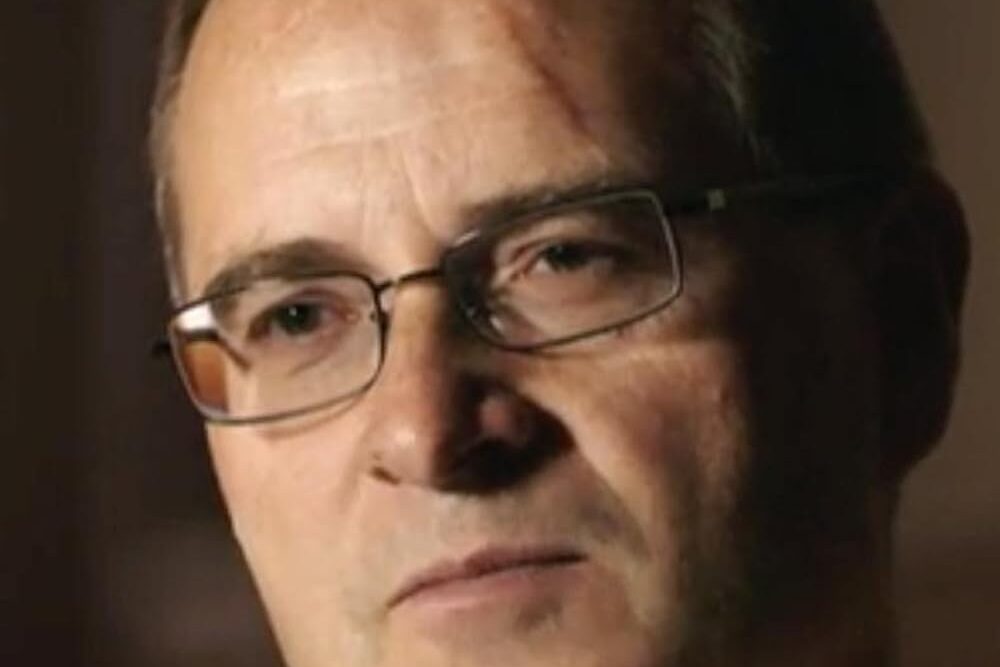
Graeme Craddock survived the siege but soon faced a different challenge when he was convicted in connection with the confrontation between federal agents and members of the compound. He was sentenced to prison and spent years behind bars while debates about the government’s handling of the siege continued in courts and in public discussions.
After serving his sentence, Craddock eventually returned to civilian life, though the past never completely loosened its grip. The legal battles surrounding the siege, including appeals and public inquiries, kept the events in the news for years. Like other survivors, Craddock sometimes found himself answering questions about a moment that had defined his life. Observers who studied the case often noted how complicated the aftermath became for those who lived through it. Survivors were not simply witnesses to history; they were individuals trying to rebuild lives while the nation continued arguing about what had gone wrong.
5. The Scholar Who Rebuilt Outside the Compound
Not every Branch Davidian stayed inside until the final fire. Livingstone Fagan left with his children just weeks before the destructive blaze, but his later life took a difficult turn. Charged in connection with the events of the siege, he spent years in prison before being released in 2007 and deported back to the United Kingdom.
Fagan’s story highlights one of the many ways survival after Waco diverged. He lost family members who died in the fire and had to rebuild his life far from Texas. In interviews later in life, he spoke about his religious convictions and the complicated legal aftermath that followed him long after the siege. His journey reflects the fact that even those who left early weren’t truly unscathed by what happened. If you find the ripple effects of history compelling, Fagan’s path from siege to life after incarceration shows just how long a shadow an event can cast.
6. Ruth Riddle: The Canadian Survivor With a Living Memory
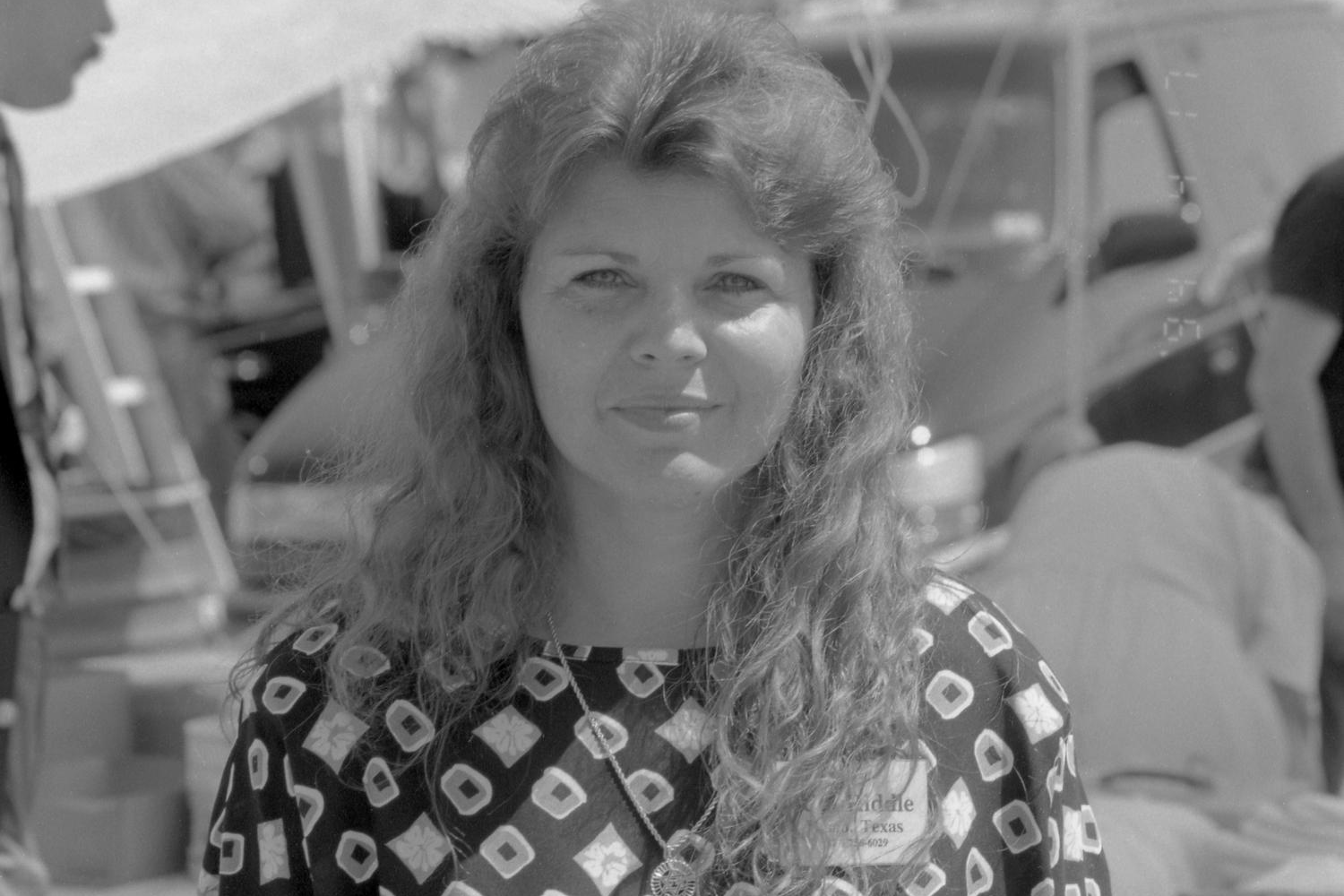
One of the nine people who escaped the horrific blaze at Mount Carmel was Ruth Riddle, a Canadian Branch Davidian whose life after Waco reflected a quiet resilience many never heard about. Riddle survived the final fire and was released from police custody shortly afterward to a Salvation Army halfway house in Waco, along with a few other survivors.
In the years since, she lived away from cameras and documentaries, but her survival carried a subtle legacy: she was among the ones who carried a handwritten copy of Koresh’s final, unfinished manuscript when she left the compound, a poignant reminder of how deeply people inside Mount Carmel believed in their mission. While Riddle didn’t take center stage in books or films the way some others did, her life is an example of how survival can mean simply living quietly through what others remember only as a headline. If you find deeper stories of survival and recovery meaningful, stay tuned; there’s more to learn about how people rebuild after tragedy.
7. Joann Vaega: From Fear to Family Life
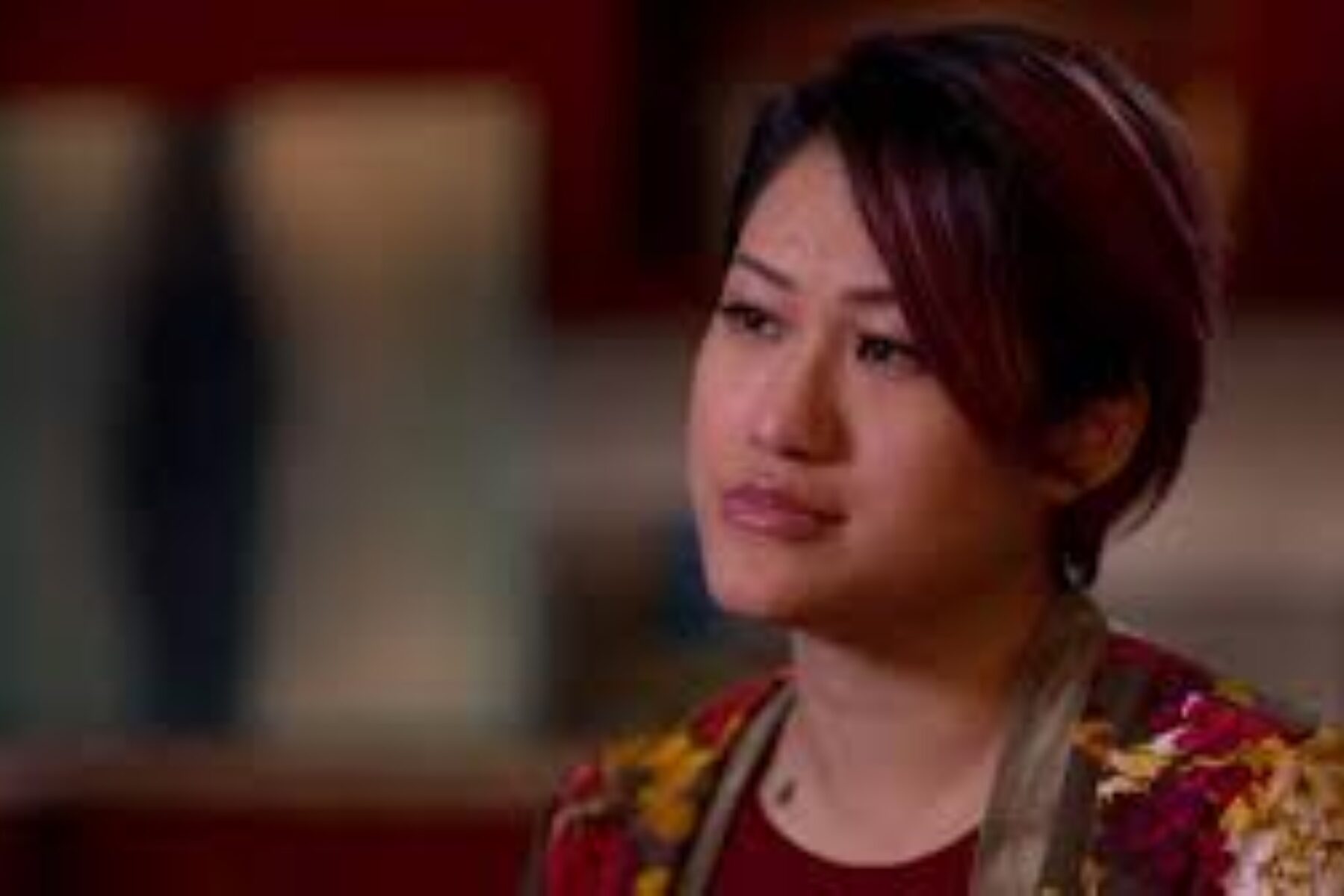
Joann Vaega was just a child, about six years old, when she was among the 21 children released from the compound in the weeks before the fire. Her parents tragically died on April 19, and she was sent by authorities to live with relatives in Hawaii. Adjusting to life outside Mount Carmel was a steep and emotional climb for Vaega.
.She once told Today that ordinary things most of us take for granted, like flushing toilets, running water, and playing freely, were completely new to her after living under such intense conditions as a child. As an adult, she married, worked as a training and development director at a restaurant, and raised her own family, a life many would say is ordinary, yet extraordinary considering where she began. Vaega’s story is a heartfelt reminder that survival doesn’t end with escape; it continues with rebuilding a sense of normalcy and love across a lifetime. If personal transformations inspire you, her path is one worth following.
8. Scott Mabb: Childhood Interrupted
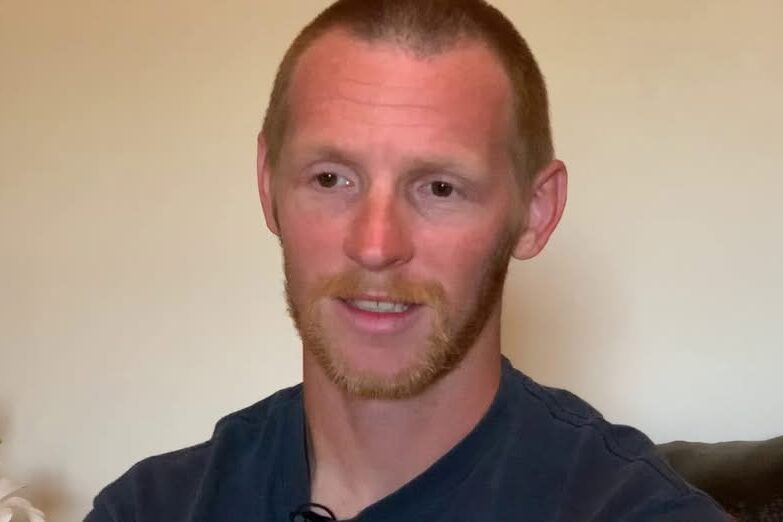
Another young survivor was Scott Mabb, who was about 11 years old when he left Mount Carmel during the siege negotiations, a moment that saved his life. Though much less talked about in mainstream histories, Mabb later appeared in survivor interviews recounting what it was like to be a child in that intense, isolated world as it crumbled around him.
Growing up after Waco meant fitting into a world that often misunderstood where he had come from and why he was there. Like many from that group of 21 children released before the final fire, Mabb had to navigate both everyday life and the psychological aftermath of the siege. While specific details of his adult life are private, interviews with him reflect the common thread among many survivors: childhood in that compound ended abruptly, and adult life required both resilience and reflection. If you’re interested in how extraordinary events shape everyday lives, seeing history through the eyes of someone who was a child then offers powerful perspective.
9. Heather Jones: A Young Life Changed Forever

Heather Jones was only around 9 years old during the siege, another child who left before the fire consumed the compound. She survived physically, but as she grew older, Jones shared in interviews that she struggled for years with the emotional weight of her early experiences.
For Jones, coming out of Mount Carmel meant confronting memories that most adults never have to face, and it meant learning how to form relationships far from the isolation she knew as a child. Over time, she worked toward healing and shared her reflections on how life after Waco was defined by gradual understanding and an ongoing search for peace. Her path reminds us that survival doesn’t end at crossing a threshold away from danger; it continues with every choice a person makes to build a life worth living. If you appreciate stories of perseverance and quiet strength, hers adds another layer to the tapestry of history.
10. Paul Fatta: Remembering Together
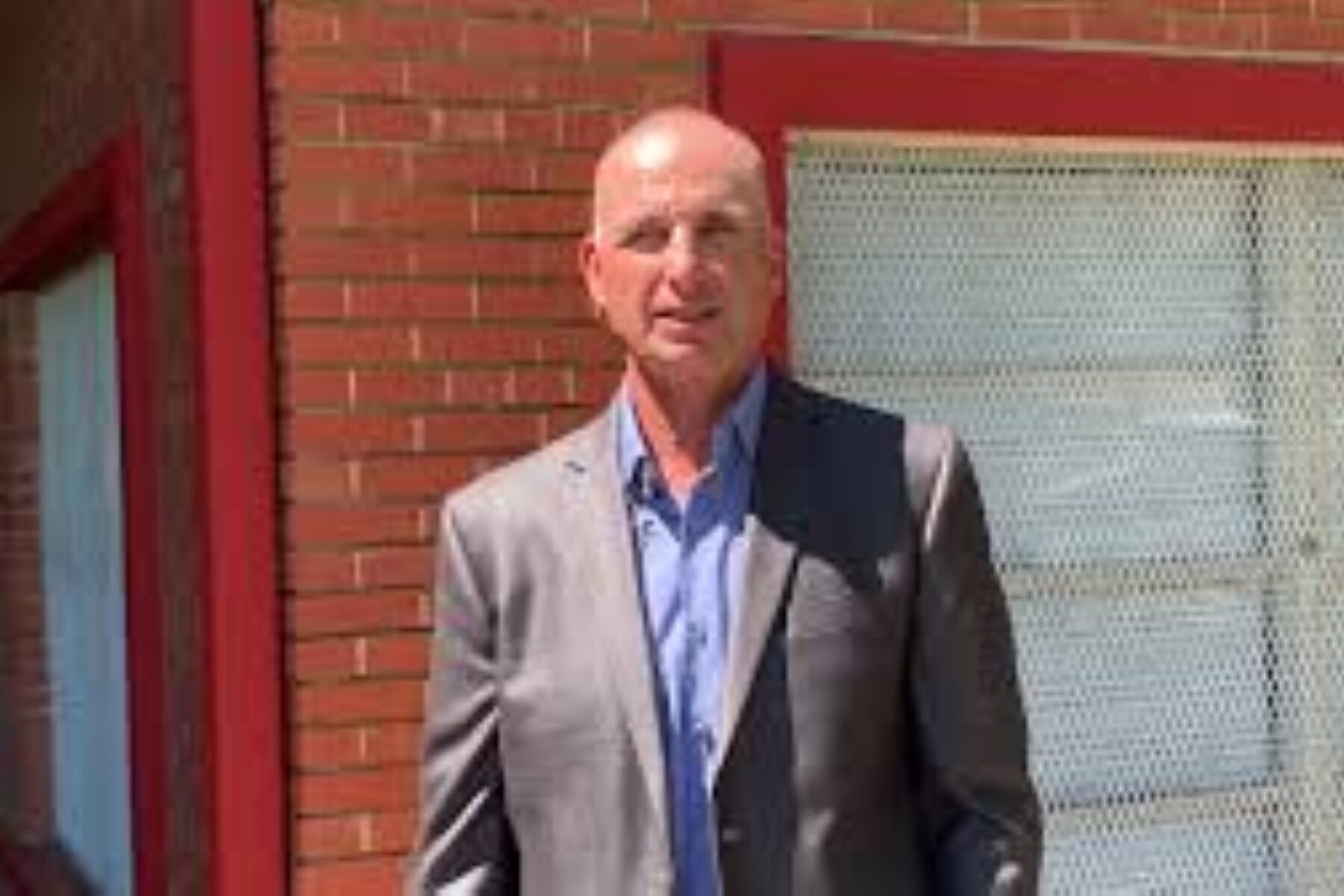
Among the adults who survived the siege and went on to participate in memorials and survivor gatherings was Paul Fatta, a member of the community who lived through the aftermath. Though not as widely known as some others, Fatta appeared in survivor videos reflecting on what the 51‑day standoff meant to those who lived through it, and how they carried those memories into the rest of their lives.
For Fatta and others, the years after Waco led to annual gatherings where those who survived would come together, remember those they lost, and share their stories with people curious about what really happened. These meetings, sometimes held on anniversaries of the fire, weren’t about sensationalism, but about human connection and mutual support. In many ways, that sense of community among survivors continues to be part of the Waco story itself, a reminder that people who come through trauma often find strength through one another. If learning about the human threads that tie people together even after tragedy moves you, this story adds another meaningful chapter.


