
1. Hue Fortson Jr.
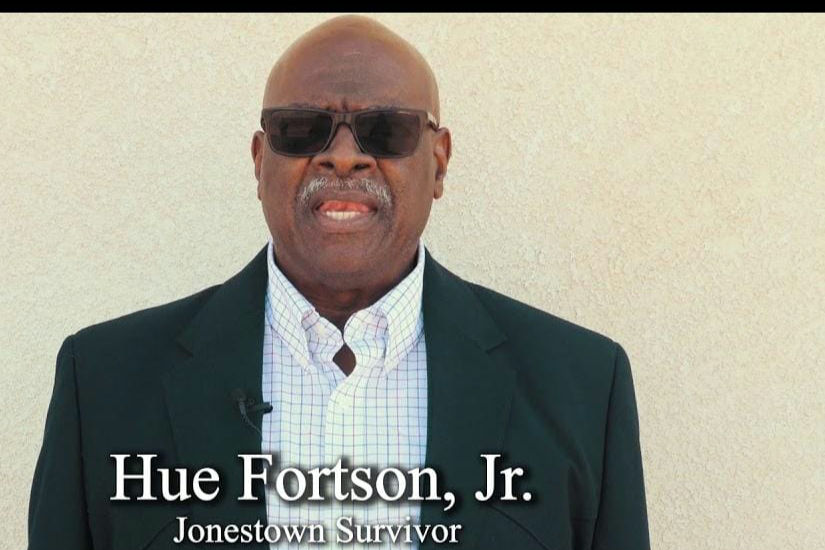
The tragedy at Jonestown massacre left haunting scars, but not everyone who was touched by it died. Some people escaped, some fled just in time, and others confronted the aftermath with bitter memories. Hue Fortson Jr. survived because he was in Los Angeles working at the Temple’s California headquarters when the tragedy unfolded. His wife and young son were among those who died, a loss he described as almost impossible to comprehend. In the years after, Fortson turned to faith and community work, becoming a pastor and speaking openly about grief, healing, and manipulation within high-control groups. His presentations often focus on forgiveness and rebuilding, even when the past feels too heavy.
2. Jackie Speier, the staffer shot at the airstrip

Jackie Speier was working as an aide to U.S. congressman Leo Ryan when the delegation visited Jonestown to investigate allegations against the community. After she and others escorted defectors to leave, Temple gunmen ambushed them at the airstrip, Speier was shot five times but survived. She spent months recovering, then went on to build a long career in public office, later becoming a congresswoman. Her journey from trauma to public service is one of the most remarkable survivor stories tied to Jonestown’s aftermath.
3. Michael Prokes and the money-transfer escape
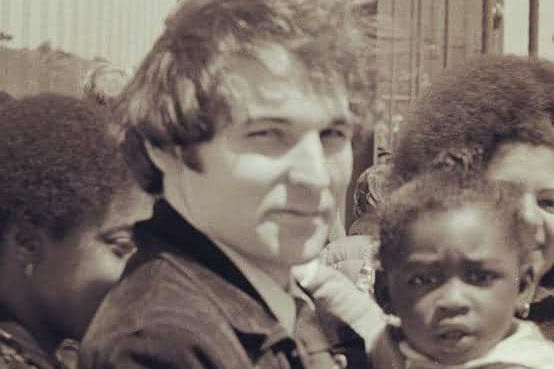
Among the few who left Jonestown before the massacre were high-ranking Temple insiders like Michael Prokes, he and two men known as “the Carter brothers” were reportedly given large amounts of cash and instructions to deliver them to a foreign embassy before the suicides began. The trio abandoned the mission when they sensed something was wrong; ironically, that decision may have saved their lives. But survival didn’t bring peace: Prokes committed suicide in March 1979, barely a few months after the tragedy, reportedly shaken by guilt and turmoil tied to the Temple’s collapse.
4. Jordan Vilchez, rebuilding identity after trauma
Jordan Vilchez was among the roughly 87 members of the Peoples Temple who were in Guyana on November 18 and survived because they were away from Jonestown, in the capital, or traveling. In the years after the tragedy, she described the struggle to rebuild a sense of self outside of the communal identity imposed by the Temple: “I had to build my own personality from the ground up … to find out who I was outside of the mould I was cast in previously.” It took time, but she says she eventually made peace with the past, a quiet, difficult path of healing and reclaiming life after collective trauma.
5. Yulanda Williams, from escape to remembrance work
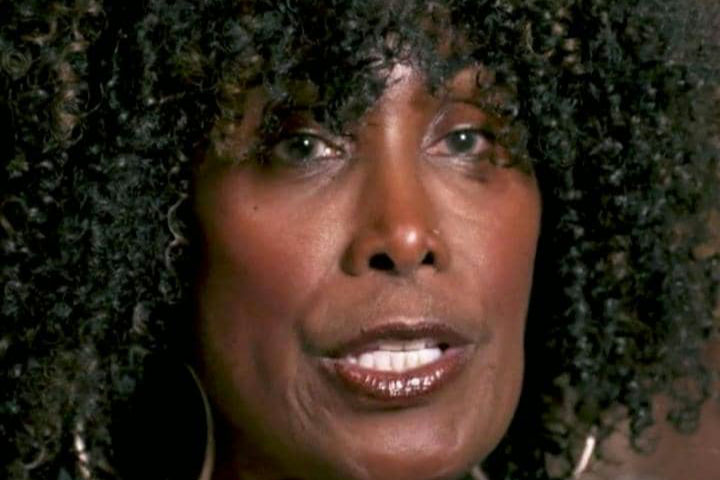
Yulanda Williams is a former Peoples Temple member who left Jonestown with her husband and child about one year before the massacre. On the 45th anniversary of the tragedy, she and other survivors gathered at Evergreen Cemetery in Oakland to honor those lost, a reminder of how deeply the pain extends across time and community. Williams has spoken out against what she calls the “glorification” of the tragedy if not handled properly. For her, remembrance isn’t about sensationalism, it’s about preserving dignity for victims and ensuring their stories are never reduced to lurid headlines.
6. Odell Rhodes
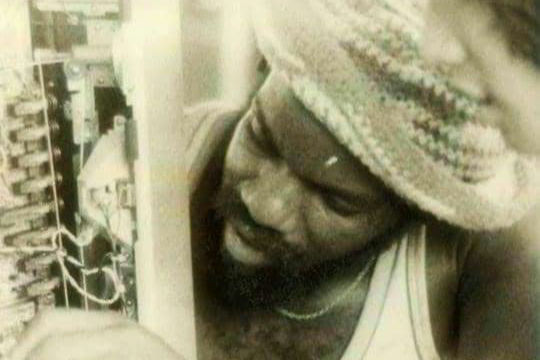
Odell Rhodes was one of the few adults who escaped Jonestown on the day of the massacre. As chaos broke out around the pavilion, he quietly slipped into the nearby jungle with two young boys and hid until the danger passed. Rhodes later gave detailed statements to investigators that helped piece together the final hours of the settlement. In interviews, he said he tried to remain calm for the children, even as he feared they would be discovered. After returning to the United States, Rhodes lived a remarkably private life, rarely granting interviews. Those who’ve spoken with him say he carried a deep sadness over the friends he lost, but also a quiet gratitude that he was able to protect the boys who fled with him.
7. Stanley Clayton
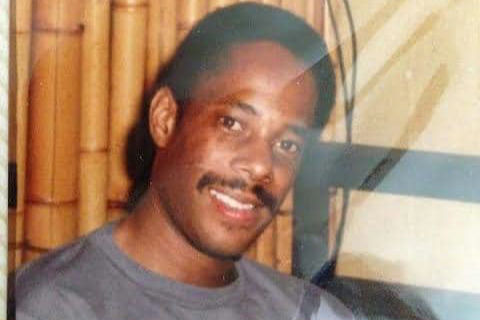
Stanley Clayton survived by running into the jungle moments after the mass poisonings began. He later described seeing people “falling all around” as Temple staff carried out the orders. Clayton stayed hidden for hours before making his way toward Matthews Ridge, eventually reaching authorities. His testimony was crucial because he witnessed the start of the tragedy firsthand, giving investigators one of the clearest timelines of events. In later years, Clayton spoke publicly about living with survivor’s guilt and the difficulty of processing what he witnessed at such a young age. Still, he remained committed to honoring the memories of those who died, often participating in remembrance events that helped bring survivors together.
8. Tim Carter
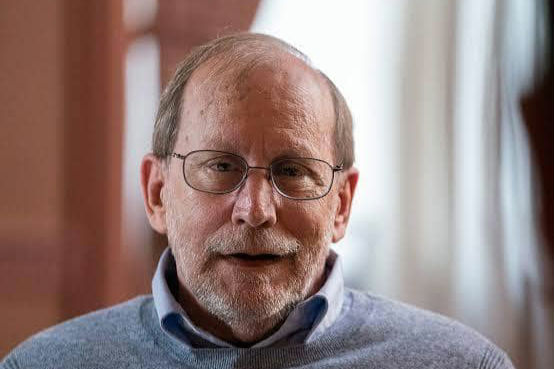
Tim Carter survived because he and two others were sent out of Jonestown just before the suicides began, supposedly to deliver money to an embassy. When the three men realized something was terribly wrong, they abandoned the task and hid until they could reach safety. Carter later returned to the United States, struggling with the shock of losing his wife and child in the tragedy. Over the years, he has spoken openly about indoctrination, grief, and the slow process of building a new life. Carter became one of the most reflective voices among survivors, emphasizing that many people in the Temple were motivated by a desire for equality and community before the group spiraled into control and tragedy.
9. Stephan Jones
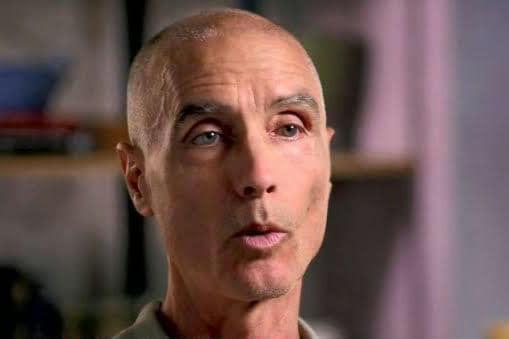
Stephan Jones, the son of Jim Jones, survived because he was away from the settlement playing in a basketball tournament in Georgetown at the time. He later said he opposed his father’s escalating control in the months leading up to the tragedy but felt powerless to stop what was happening. Stephan lost his mother, siblings, and friends in the massacre, leaving him with enormous emotional weight. For many years he stayed out of the spotlight, working regular jobs and trying to heal privately. In adulthood, Stephan began sharing his story in documentaries and interviews, emphasizing personal accountability, the dangers of unchecked authority, and the responsibility to speak up when things feel wrong, even within a family.
10. Jim Jones Jr.
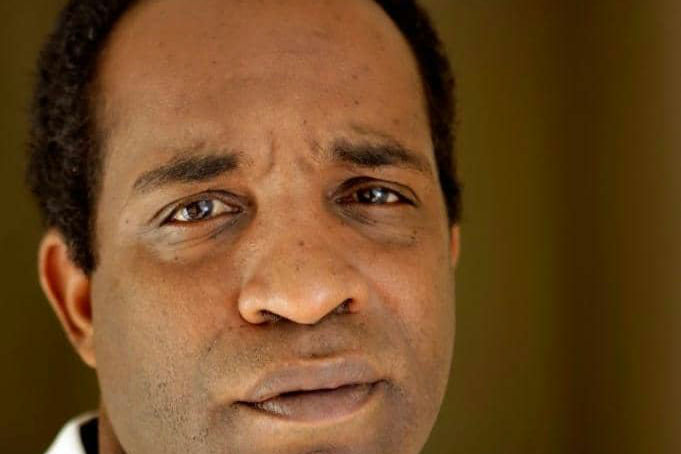
Jim Jones Jr., the adopted son of Jim and Marceline Jones, also survived because he, like Stephan, was in Georgetown with the basketball team. He lost most of his family in the tragedy, including his mother and several siblings. Jones Jr. has spoken about the complex feelings of being both a survivor and a member of the Jones family, saying that for years he struggled with the public assumptions made about him. As an adult, he built a quiet life and eventually opened up in documentaries, often alongside other survivors. He has said that one of his goals is to help people understand that most members were ordinary individuals seeking community, not the stereotypes often portrayed in media summaries of Jonestown.
11. Leslie Wilson
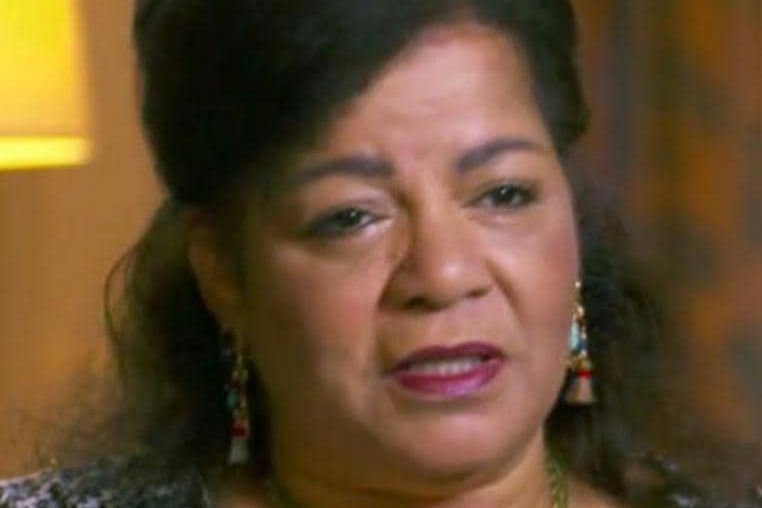
Leslie Wilson survived because she defected just one day before the tragedy. She left Jonestown with her three-year-old son and a small group traveling with Congressman Leo Ryan. Wilson later said she realized she had to flee after seeing how tightly controlled daily life had become. When the group reached the airstrip, shots were fired, and she escaped into the brush with her son. After returning to the United States, she tried to build a normal life but avoided public attention for many years. In later interviews, she said she wanted to preserve the memory of her mother and sister who died, while making sure her son grew up with honesty rather than secrecy. Her story reflects the fear, courage, and split-second decisions survivors had to make in order to live.
12. Sherwin Harris
Sherwin Harris wasn’t in Jonestown on the day of the tragedy, but he became a key survivor-advocate because his ex-wife, Carolyn Layton, and their young son died there. Harris had fought for years to remove his son from Peoples Temple influence, warning authorities and writing letters long before the tragedy occurred. After 1978, he used his voice to push for more oversight of high-control groups and to support other grieving families. Harris spent decades speaking at memorials and participating in historical projects documenting the Temple’s final years. Though he carried painful questions about how his family was drawn into the movement, he remained committed to turning his loss into public awareness so that other families might be spared similar heartbreak.
13. Laura Johnston Kohl
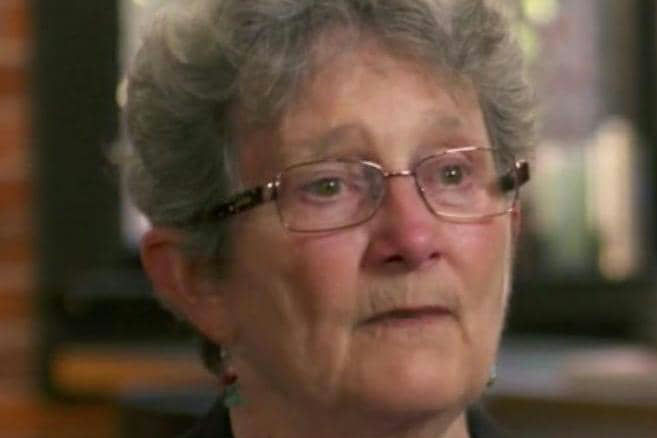
Laura Johnston Kohl survived because she was living in Georgetown, Guyana, working in the Temple’s branch office on the day of the tragedy. She returned to the United States devastated after losing nearly everyone she knew. Over time, she rebuilt her life through education, activism, and writing. Kohl eventually became one of the most vocal survivors, publishing a memoir and giving talks in schools and universities about group psychology and the dangers of unchecked power. She has said that her goal is not to erase the positive ideals she once believed in, but to understand how a movement that began with hope veered into tragedy. Her honest, reflective storytelling has helped younger generations study Jonestown with compassion rather than sensationalism.
14. Harriet Tropp
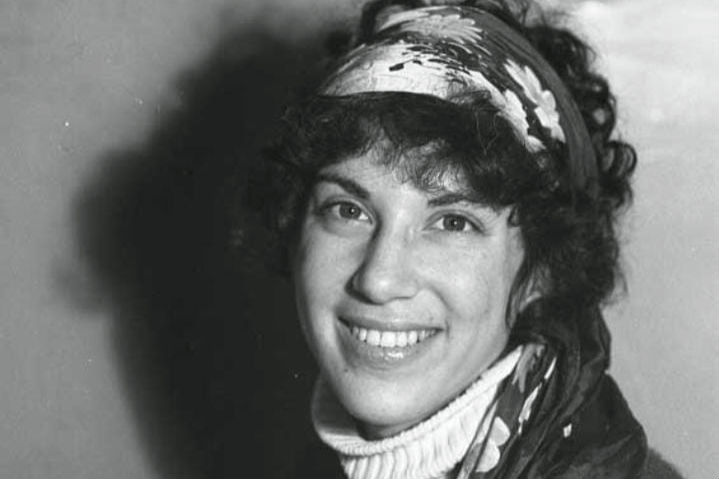
Harriet Tropp was a loyal and longtime member of the Peoples Temple who survived because she was in Georgetown, working in the Temple’s administrative office. Her sister, Sharon Amos, was also stationed there but died in a murder-suicide ordered by Temple leadership on the same day as Jonestown. Harriet lost several loved ones in the tragedy and returned to the United States carrying both grief and disillusionment. She remained involved for a time in survivor support efforts and historical documentation, contributing materials that helped researchers understand the Temple’s final years. Though she kept a low profile later in life, the letters and writings she left behind reflect a woman who believed deeply in social justice but struggled to reconcile that idealism with the painful collapse of the movement she had once devoted herself to.
15. Deborah Layton
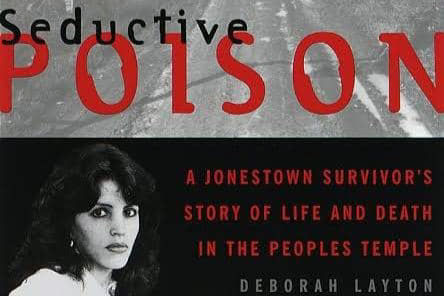
Deborah Layton is one of the most widely recognized Jonestown survivors. She defected months before the tragedy and delivered a sworn affidavit to U.S. authorities warning that a mass suicide was possible. After the tragedy, her early warning made global news, but Layton herself struggled with trauma, guilt, and suspicion from those who didn’t understand how coercive the Temple had become. Years later, she published her memoir Seductive Poison, one of the most influential firsthand accounts of life inside the group. Layton has spent decades speaking about psychological manipulation and sharing her experience with students, researchers, and policymakers. Her story underscores how escaping Jonestown was only the beginning of a long journey toward healing and making sense of the past.
16. Eugene Smith
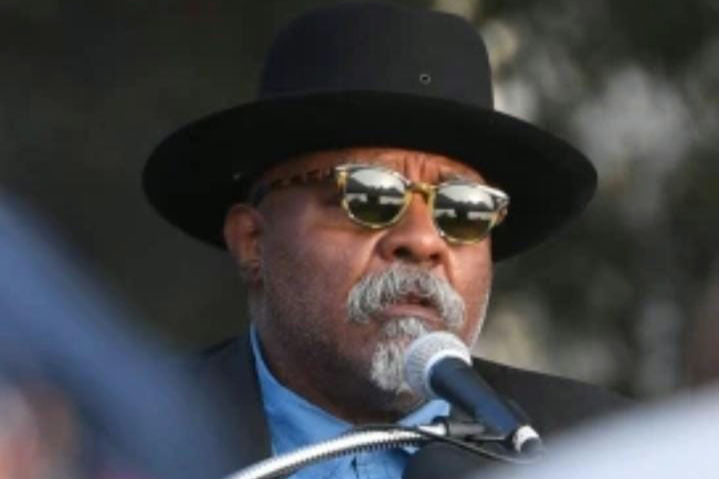
Eugene Smith survived because he happened to be out of Jonestown on an errand when the deaths occurred. He returned to find the settlement eerily silent, and the enormity of what had happened left him shaken. Smith lost his wife, child, and extended family that day, making his survival both a blessing and a heavy emotional burden. After returning to the U.S., Smith rebuilt his life slowly and deliberately, working various jobs and staying connected with fellow survivors who understood the trauma firsthand. In later years, he participated in interviews and remembrance gatherings, hoping his perspective would help future generations recognize how ordinary people can be drawn into dangerous systems without realizing the full cost.
17. Tim Stoen
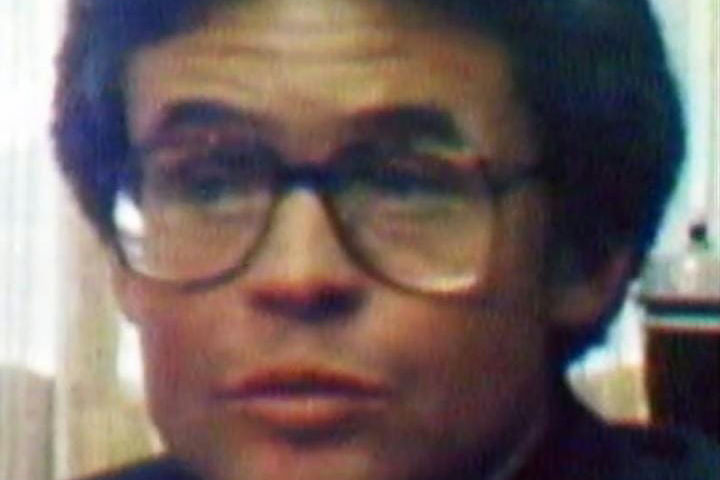
Tim Stoen was once a high-ranking member of the Peoples Temple, serving as an attorney and trusted advisor to Jim Jones. He left the movement before it relocated to Guyana, and his custody battle over his son, John Victor Stoen, became one of the controversies that intensified pressure on the group. After the tragedy, Stoen faced immense personal loss, John Victor died in Jonestown, and also public scrutiny for his early loyalty to Jones. Stoen later rebuilt his legal career and became outspoken about the dangers of charismatic authoritarian leaders. In published reflections, he has described Jonestown as the most devastating chapter of his life and emphasized how blind trust in leadership can lead to catastrophic consequences.
18. Catherine “Hyacinth” Thrash, the only one hiding in camp
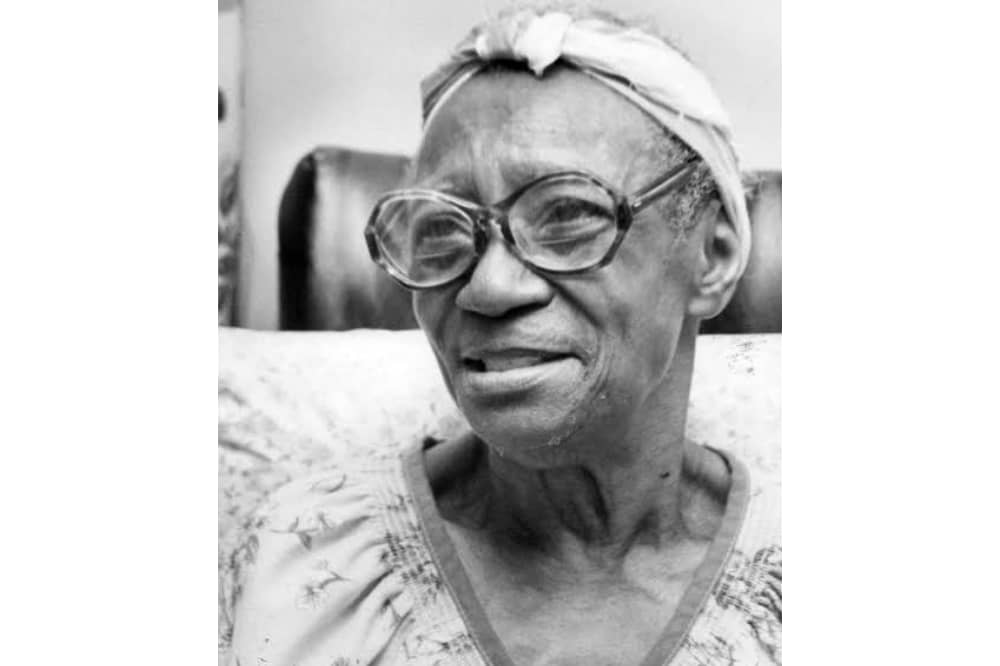
Catherine “Hyacinth” Thrash was the only known resident left alive in the actual Jonestown camp when authorities arrived the day after the massacre. She reportedly hid under her bed during the final chaos and fell asleep, when she awoke, Jonestown was silent and empty, like a ghost town. In later recollections, Thrash said she walked through the camp, stunned by the devastation and the loss of nearly everyone she knew. Her survival remains a grim symbol of how fragile hope and escape sometimes were that day.
The survivors of Jonestown carried their stories in many different ways, some quietly, some publicly, and some through lifelong efforts to honor those they lost. Their paths remind us that survival is not just about escaping danger, but about finding meaning afterward.
This story Whatever Happened to the Survivors of the Jonestown Tragedy? was first published on Daily FETCH


