
1. Tim Carter and the Truth He Kept Repeating
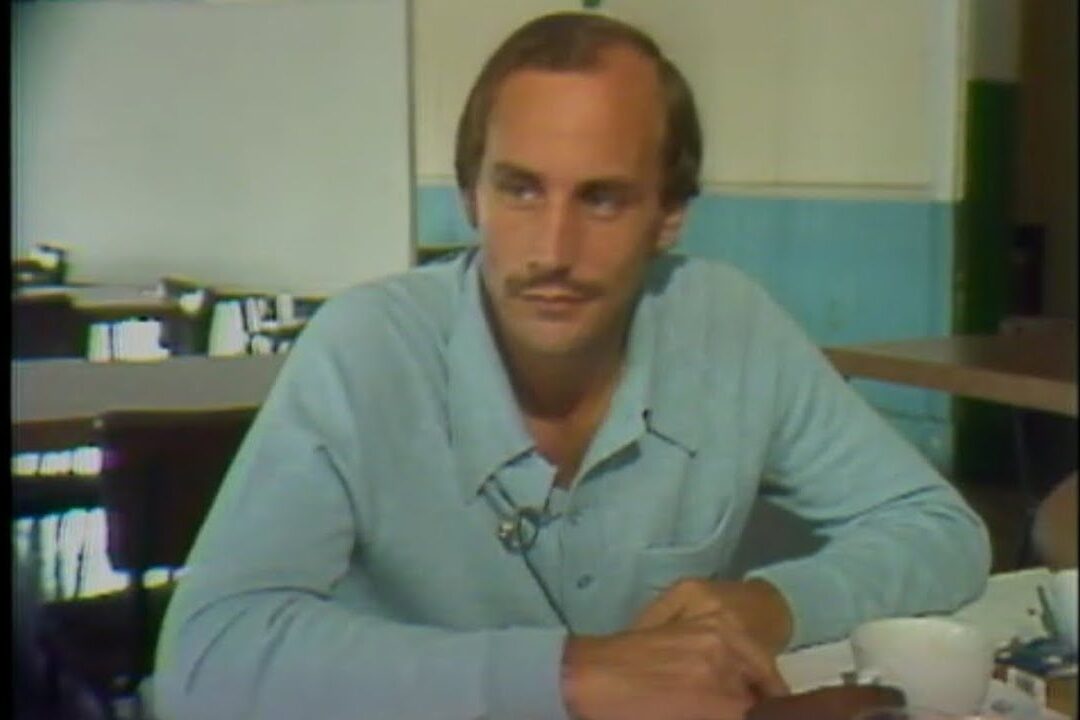
When people mention Jonestown, they usually stop at the tragedy, but the survivors had to live through the long, quiet years after. Tim Carter survived because he was sent away from the settlement on an errand on the final day. That detail saved his life, but it also left him carrying painful questions and heavy memories. In the years that followed, he became one of the loudest voices correcting the narrative that everyone willingly chose death. Carter has spoken publicly for decades, insisting the world call it what it was and remember the victims as human beings.
2. Hyacinth Thrash, the Woman Who Hid and Lived
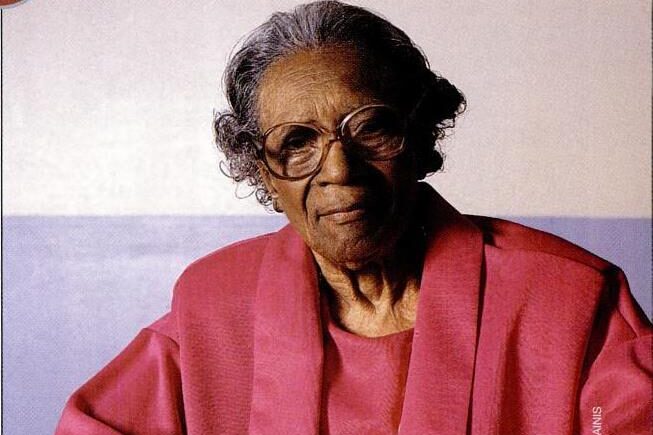
Hyacinth Thrash survived Jonestown in a way that still feels hard to picture. She was an elderly member of the community, and when the final violence began, she hid under her bed. She later fell asleep there, and that moment of hiding became the line between life and death. When she eventually stepped outside, the settlement was silent and full of loss. Thrash became one of the only people found alive inside Jonestown itself, which made her survival especially haunting. She lived for many years afterward, carrying a memory that could not be explained away with simple words, only endured quietly, one day at a time.
3. Odell Rhodes and the Burden of Witnessing
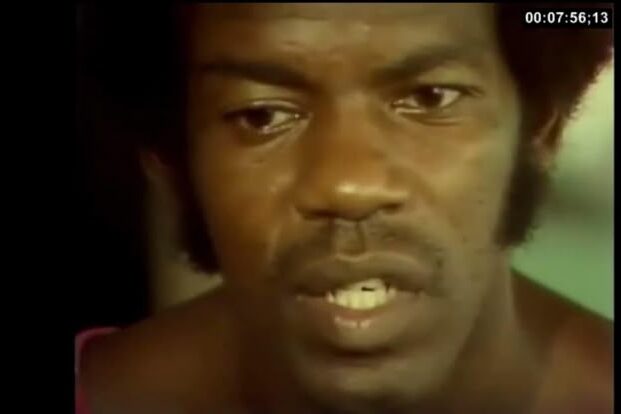
Odell Rhodes survived while being present during the final hours in Jonestown, which meant he saw what many people only read about later. His story matters because it shows the fear, confusion, and pressure that unfolded as everything collapsed. Rhodes gave one of the most valuable firsthand accounts of what happened, and his testimony helped challenge the idea that the tragedy was peaceful or voluntary. Surviving did not simply mean escaping the settlement. It also meant living with images and sounds that never fully leave your mind. In the years after, Rhodes became one of the survivors people turned to when they needed honest details, not rumors.
4. Stanley Clayton, the Teen Who Ran
Stanley Clayton was still a teenager when he realized the danger spreading through Jonestown and chose to run. He escaped into the Guyanese bush, relying on fear and instinct more than any plan. His survival story is one of the clearest examples that some people tried to resist at the last possible moment, even when the risk was extreme. Clayton’s choice was not heroic in a movie way, it was desperate and human. After surviving, he carried the weight of being one of the young people who made it out while so many did not. His life afterward showed how survival can be both a gift and a wound.
5. Leslie Wagner-Wilson and the Long Recovery
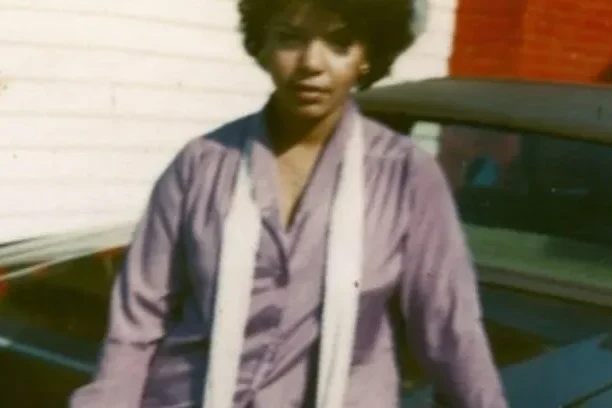
Leslie Wagner-Wilson survived Jonestown because she was away from the settlement when the deaths happened, but surviving from a distance still comes with its own pain. She had lived inside the system, followed the rules, and watched the control tighten over time. Afterward, she had to rebuild her identity in a world that looked at survivors with confusion, suspicion, or shallow curiosity. Her story shows the slow side of healing, the part that does not fit into quick summaries. Over the years, she has been one of the survivors who helped people understand how Peoples Temple members were drawn in through hope, not stupidity. Rebuilding took time, patience, and strength.
6. Tracy Parks and Surviving as a Child
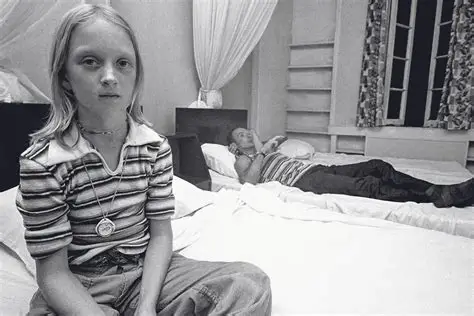
Tracy Parks survived Jonestown as a child, and that detail changes everything about how you hear her story. Children did not choose ideology or leadership, they were simply carried into it. Parks escaped and lived, but surviving young often means growing up with trauma that keeps unfolding as your understanding grows. As an adult, she had to make sense of memories formed in fear, in secrecy, and in an environment where control felt normal. Her story reminds people that Jonestown was filled with families, not just followers. It also highlights how survivors had to carry their pain while the world turned the tragedy into a reference point or a joke. For survivors like Parks, life after meant learning safety again.
7. The Bogue Survivors and a Family’s Loss
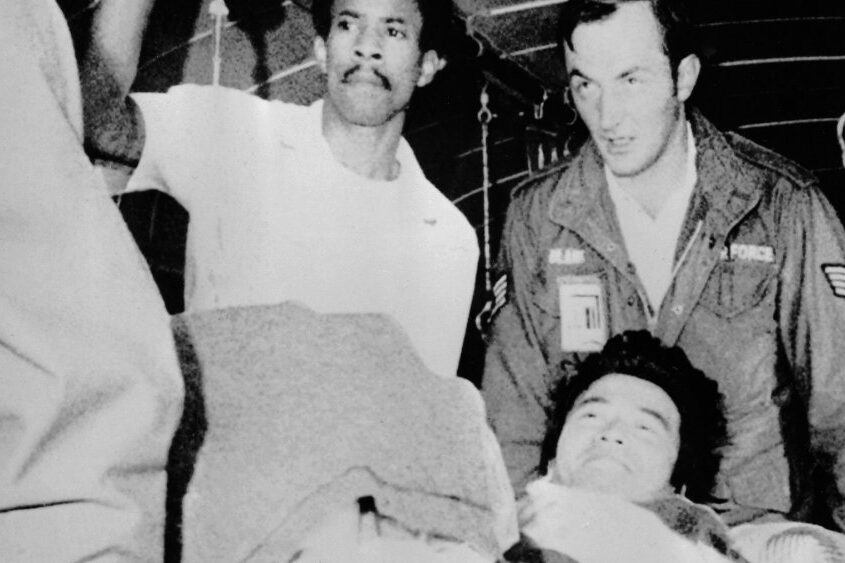
Some survivors were not remembered because they became famous, but because they were part of families that lived through the fallout together. Members of the Bogue family survived Jonestown, and their story reflects the emotional split that happens after tragedy. Families become divided into those who died and those who were left behind to explain it. For many survivors, staying alive meant facing grief in layers, not all at once. It meant dealing with memories, unanswered questions, and the painful task of building a future that still carried the past. The Bogue survivors represent that quieter kind of survival, where the story is not about public speeches, but about waking up every day and still choosing to live.
8. Michael Prokes and the Pain That Followed
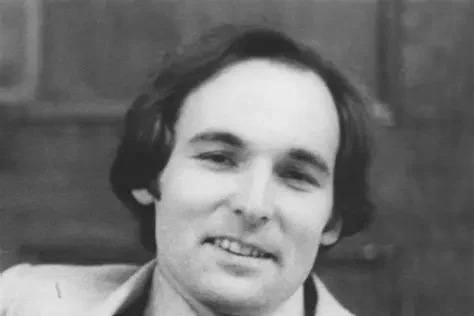
Michael Prokes survived Jonestown, but his story is a reminder that making it out alive did not guarantee peace afterward. For some survivors, the psychological aftermath was crushing, filled with shame, fear, and the feeling of being trapped in history. Prokes later died by suicide, and his name is often mentioned when people talk about how heavy the post Jonestown years were for those who lived through it. His survival shows the truth many people avoid: the tragedy did not end in 1978, it kept echoing inside survivors for years. For some, the world’s judgment and the trauma itself became too much to carry. His story is difficult, but it is part of the survivor reality.
9. Stephan Jones and Living with the Name
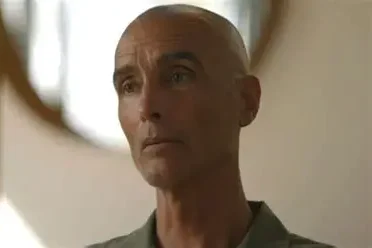
Stephan Jones survived because he was not in Jonestown at the moment of the massacre, but surviving as Jim Jones’ son came with a unique kind of burden. People often assume he shared his father’s control, but he also lost friends, loved ones, and a community that shaped his early life. His survival has always been tangled with public anger and misunderstanding, as if he must answer for everything. Living afterward meant dealing with grief while also carrying a last name that opens old wounds in strangers. Stephan’s story shows how survival can feel like being stuck between two worlds. You are alive, but you cannot escape the way people define you by the worst thing connected to you. He lived on, even when it was heavy.
10. Laura Johnston Kohl and Rebuilding a Real Life
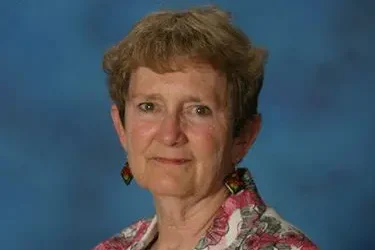
Laura Johnston Kohl survived because she was away from the settlement on the day of the tragedy, and her story often stands out because she has helped people understand how Jonestown began with hope before it turned into fear. Surviving meant carrying the memories of friends who did not make it, while also trying to live in a world that wanted a simple explanation. Kohl’s life after shows the slow work of rebuilding, choosing stability, and finding a way to keep going without letting the past erase everything else. Her survival is not just about escaping death, it is about living through the complicated feelings that follow. For survivors like her, the future was never handed over easily, it was built carefully, piece by piece, over time.


