
When Music Television Changed Pop Culture
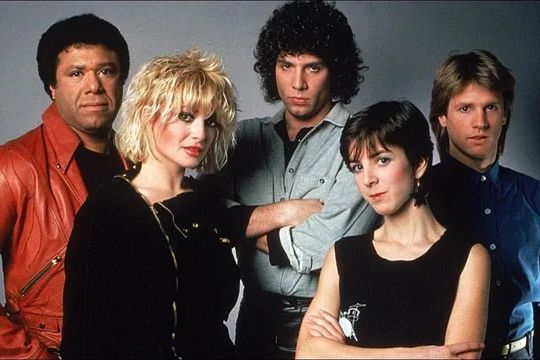
Back on August 1, 1981, at exactly 12:01 AM, a bold experiment launched on American cable that would forever alter how we consume media. This was the birth of MTV, a network that traded standard sitcoms and news for a non-stop stream of music videos. At the heart of this revolution were five young pioneers known as Video Jockeys, or VJs. These hosts weren’t just announcers; they became the relatable faces of a generation, guiding millions of viewers through the neon-soaked landscape of 80s rock and pop.
The original lineup consisted of Nina Blackwood, Mark Goodman, Alan Hunter, J.J. Jackson, and Martha Quinn. Unlike the stiff, formal television presenters of the era, these five brought a relaxed, “best friend” vibe to the screen that made the audience feel like they were part of an exclusive club. They conducted iconic interviews and shaped the channel’s edgy aesthetic. Decades later, while the network has pivoted toward reality TV, the impact of these original five VJs continues to resonate through modern digital media and radio.
Martha Quinn’s Lasting Appeal
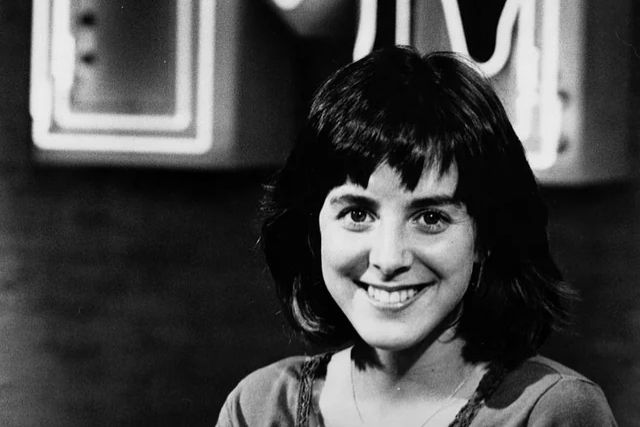
Martha Quinn became the darling of the MTV era almost by accident. Born on May 11, 1959, in Albany, New York, she was a fresh graduate from New York University with dreams of breaking into the industry. While interning at WNBC radio, she was encouraged to audition for a mysterious “music channel” project. Her natural charm and genuine enthusiasm for the music won over the executives instantly, leading to her hiring as one of the original five. By the mid-1980s, Rolling Stone readers had officially voted her the network’s best-ever VJ.
After her initial departure in 1986, Martha returned for a second stint from 1989 to 1992. Beyond the music booth, she displayed her range by appearing on hit shows like Full House and hosting Star Search. Eventually, she found a permanent home in radio, specifically on SiriusXM’s “80s on 8” channel, where she remains a beloved fixture. Today, at 66 years old, she continues to host The Martha Quinn Show, proving that her upbeat connection with the “MTV generation” is a bond that time simply cannot break.
Nina Blackwood’s Rock Voice
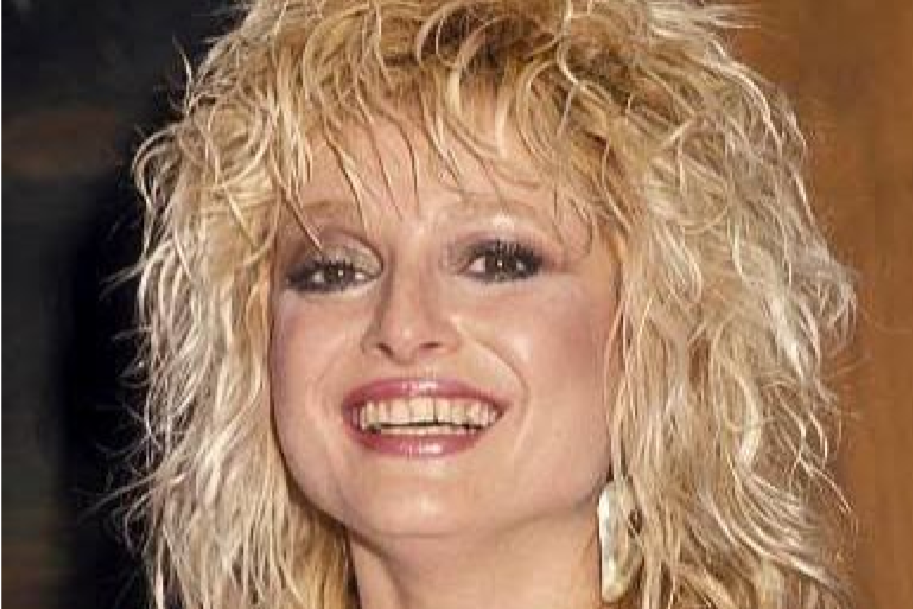
Nina Blackwood holds a unique place in history as the very first VJ to appear on-screen during MTV’s inaugural broadcast in August 1981. Born Nina Kinckiner in Springfield, Massachusetts, she brought a cool, edgy sophisticated look to the channel that perfectly complemented the rise of New Wave and hard rock. Her trademark raspy voice and deep musical knowledge gave her an instant credibility that resonated with more serious music fans. During her five-year tenure, she was responsible for introducing some of the most influential videos of the decade.
By 1986, Nina moved on to new horizons, joining Entertainment Tonight to host “The Rock Report” and appearing on the musical variety show Solid Gold. Her transition to radio was seamless, leading to the creation of her long-running syndicated program, Nina Blackwood’s Absolutely 80’s. Like many of her former colleagues, she eventually joined the lineup at SiriusXM. Even today, she remains a prominent voice in the industry, frequently participating in “80s Cruise” events and reunions that celebrate the golden era of music television.
Alan Hunter’s Film Path
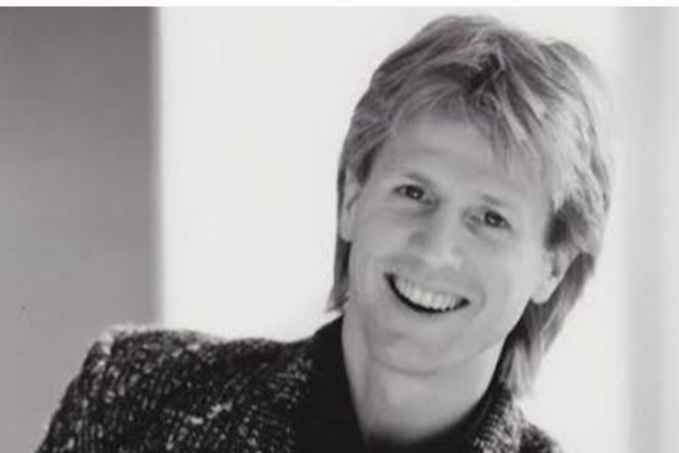
Alan Hunter’s journey to MTV fame is the stuff of legend. Born on Valentine’s Day in 1957 in Birmingham, Alabama, he was working as an actor in New York when a chance meeting at a picnic led to his audition. Due to a technical glitch during the first-ever broadcast on August 1, 1981, Hunter ended up being the first face many viewers saw. His “guy-next-door” persona made him an immediate favorite, and he spent years traveling the globe to cover massive concerts and festivals for the network.
When the 1980s drew to a close, Hunter decided to pursue his passion for film production. He returned to his roots in Alabama and co-founded Hunter Films, which earned an Academy Award nomination for the short film Johnny Flynton in 2003. He also played a pivotal role in establishing the Sidewalk Film Festival, a major event for independent filmmakers. While he still stays active in the music world through his work on SiriusXM, Hunter has successfully balanced his VJ legacy with a respected career as a film producer and advocate.
Mark Goodman’s Music Legacy
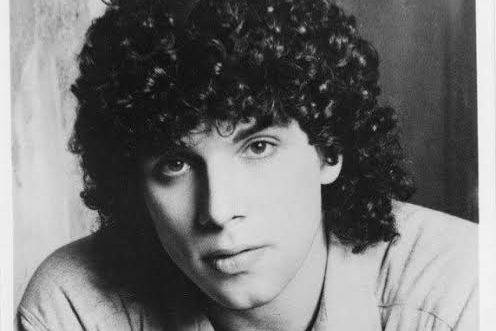
Mark Goodman was the man who brought professional radio “street cred” to the fledgling MTV network. Before the 1981 launch, he was already a well-known disc jockey at WPLJ in New York. On that historic opening night, he had the honor of introducing “Video Killed the Radio Star” by The Buggles were the very first video ever played on the channel. Goodman’s calm, authoritative presence helped anchor the network’s news segments, making him the go-to person for serious artist interviews and breaking industry updates throughout the early eighties.
After leaving his full-time VJ role in 1987, Goodman stayed active in the entertainment industry through both acting and music supervision. He landed roles in shows like Married… with Children and worked behind the scenes as a music consultant for Desperate Housewives. However, his heart never truly left the broadcast booth. He eventually reunited with his fellow VJs on SiriusXM and became a staple on AXS TV’s music programming. He remains a vital historian of the era, frequently sharing behind-the-scenes stories of the artists who defined a decade.
J.J. Jackson’s Veteran Presence
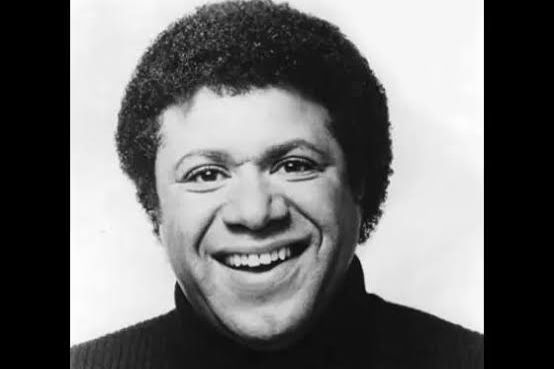
Among the original “Fab Five,” J.J. Jackson was the seasoned veteran who provided the group with much-needed stability. Born John Julius Jackson in Detroit, he was a giant in the radio world long before MTV launched in 1981. Having worked at major stations like KLOS in Los Angeles, he brought a level of sophistication and deep-rooted industry connections that the younger VJs lacked. He was instrumental in covering massive events like Live Aid in 1985, where his professional interviewing style earned the respect of rock royalty.
Jackson eventually left the network in 1986 to return to his first love: radio. He continued to be a powerful voice in the Los Angeles market for nearly two decades. Sadly, the music world lost a pioneer when Jackson passed away from a heart attack on March 17, 2004, at the age of 62. He is remembered not just as a VJ, but as a trailblazer who helped bridge the gap between traditional radio and the visual medium of television, ensuring the network was taken seriously by artists.
The Fab Five Reunion
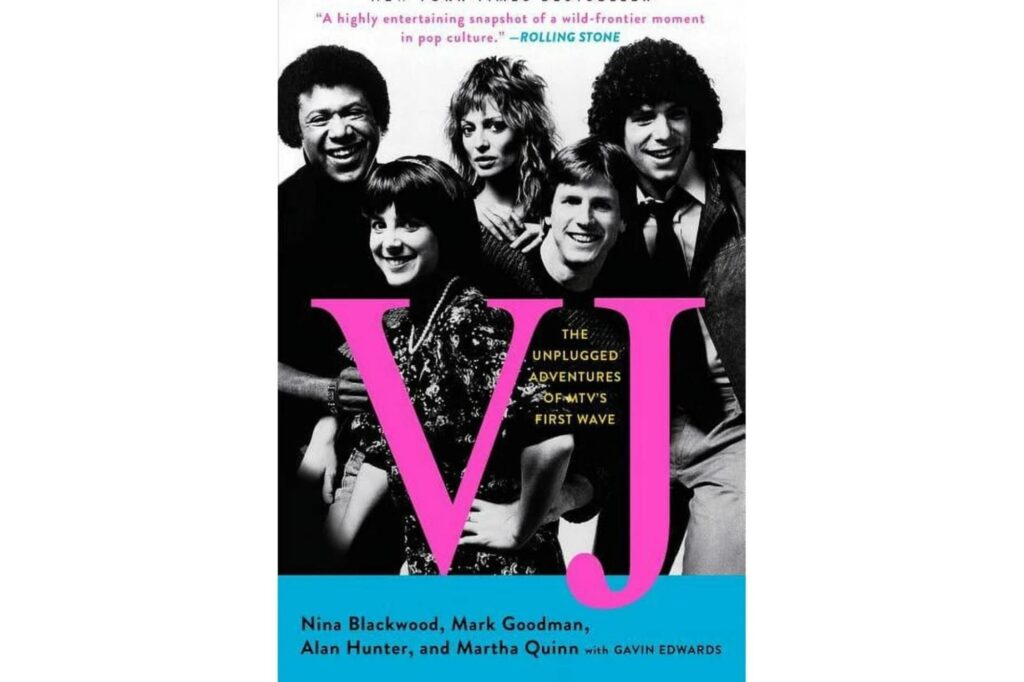
Decades after they first changed the world, the surviving members of the original crew proved that their bond was more than just a job. In 2013, Nina Blackwood, Mark Goodman, Alan Hunter, and Martha Quinn collaborated on a tell-all memoir titled VJ: The Unplugged Adventures of MTV’s First Wave. The book reached the New York Times Bestseller list and offered fans a raw, unfiltered look at the chaos, celebrities, and creative energy of the 1980s. It served as a powerful reminder of how five ordinary people became cultural icons.
This reunion sparked a massive wave of nostalgia that hasn’t slowed down since. The group has appeared together at numerous speaking engagements and music festivals, proving that the public’s appetite for 80s culture is stronger than ever. Their chemistry remains evident whenever they are in a room together, reflecting a shared experience that very few people in history can understand. For fans, seeing the “Fab Five” together again is like a time machine back to a simpler, more vibrant era of television.
How MTV Changed Music
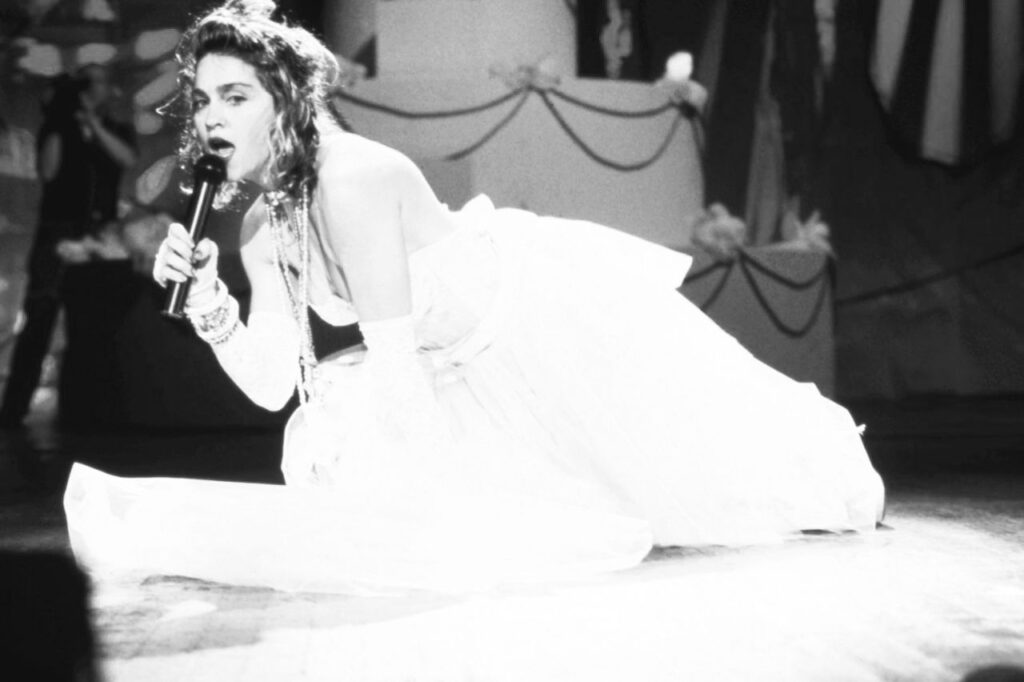
The launch of MTV didn’t just change television; it completely rewired the global music industry. Before 1981, a song’s success was almost entirely dependent on radio airplay. Once the VJs started spinning videos, the visual image of an artist became just as important as the sound. This shift paved the way for the rise of “image-heavy” superstars like Madonna and Michael Jackson, whose cinematic videos for “Like a Virgin” and “Thriller” became cultural milestones that defined the aesthetic of the 1980s.
The VJs were the essential curators of this new movement. They helped explain the artistic vision behind complex videos and introduced international acts like Duran Duran and Eurythmics to American audiences. By the time the network reached its fifth anniversary in 1986, it was the most influential platform in the world for breaking new talent. The “MTV effect” forced record labels to invest millions into music videos, transforming the medium from a promotional tool into a legitimate art form that still influences creators today.
Life Beyond MTV
For most of the original VJs, life after the 1980s was about evolution rather than retirement. While their faces were no longer on the screen every hour, their voices remained a constant presence in the lives of fans. The transition to satellite radio was a natural fit, allowing them to continue their roles as musical guides without the pressure of 24/7 television production. This move to SiriusXM’s “80s on 8” channel essentially recreated the original MTV spirit for a modern, digital-first audience.
Beyond the microphone, the VJs explored diverse interests that reflected their individual talents. From Alan Hunter’s success in the independent film circuit to Martha Quinn’s appearances in beloved sitcoms, they proved they were more than just “music presenters.” Their ability to maintain relevance for over 40 years is a testament to their genuine passion for the arts. They successfully navigated the shift from analog to digital, ensuring that their legacy as the world’s first Video Jockeys remains intact for future generations.
Why Fans Still Remember
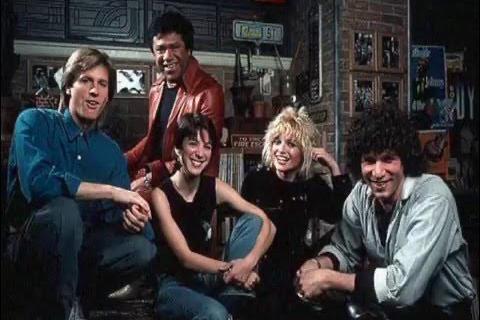
The enduring popularity of the original MTV VJs stems from the unique intimacy they shared with their audience. In the early 80s, MTV was the “social media” of its time, like a constant companion playing in the background of dorm rooms and suburban homes. Because the VJs were often unscripted and occasionally made mistakes, they felt like real people rather than manufactured stars. This authenticity created a deep psychological bond with viewers that has lasted for more than four decades.
Today, that nostalgia is more than just a memory; it’s a thriving community. Whether through podcasts, social media, or classic radio, fans continue to seek out the original VJs for their perspective on music and life. In an era where “influencers” are everywhere, the original five are respected as the true pioneers who did it first. They represent a time of innovation and excitement, reminding us of a moment when the world collectively tuned in to see what would happen next on the small screen.
The Enduring MTV Legacy
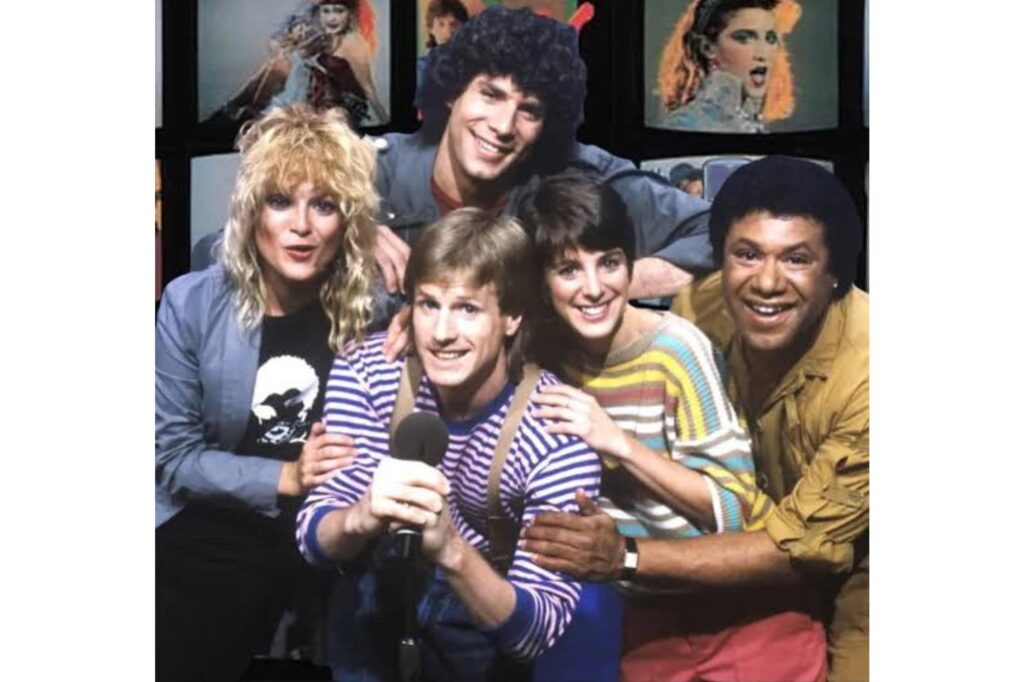
While the MTV of today focuses largely on reality programming like Ridiculousness and Jersey Shore, its roots are firmly planted in the work of the original five VJs. These presenters didn’t just host a show; they helped build a brand that defined a decade’s fashion, language, and attitude. They proved that television could be informal, interactive, and entirely focused on youth culture. Their legacy is visible in every music video shared on YouTube and every personality-driven broadcast in the digital age.
The story of the original VJs is a reminder of how much a small group of people can influence the world when given a platform and a new idea. From the first broadcast in 1981 to their current roles as respected radio hosts and authors, Nina, Mark, Alan, J.J., and Martha remain the gold standard for music presentation. They were the right people at the right time, and their contribution to pop culture history remains a vibrant part of the American story.


