
A Quiet Coastal Setting

The story of the Newport sex scandal remains a reminder of how quickly a community can be upended by moral panic and institutional prejudice because it highlights the fragile nature of civil liberties during the early twentieth century. Located at Rhode Island coastline, Newport was primarily known as a glittering summer playground for the American elite and a strategic hub for the United States Navy. By the spring of 1919, the Great War had recently concluded and the atmosphere was thick with a desire for a return to traditional values, yet the naval base remained bustling with young sailors. This setting provided the perfect backdrop for a clandestine social scene that flourished because many men sought companionship and connection away from the rigid discipline of their official duties.
As the investigation gained momentum, the idyllic charm of the seaside town was replaced by a sense of dread and suspicion that permeated every street corner. Local residents who had once viewed the naval presence as a source of pride and economic stability suddenly found themselves caught in the middle of a bitter conflict between military law and personal privacy. The authorities were determined to root out what they perceived as a moral contagion and they used every tool at their disposal to identify those they deemed unfit for service. This period of transition was marked by a shift from the celebrations of victory in Europe to a domestic hunt for perceived enemies within the ranks. The contrast between the beautiful historic architecture of Newport and the dark nature of the interrogation rooms created a jarring reality for everyone involved.
The Secretary’s Controversial Directive
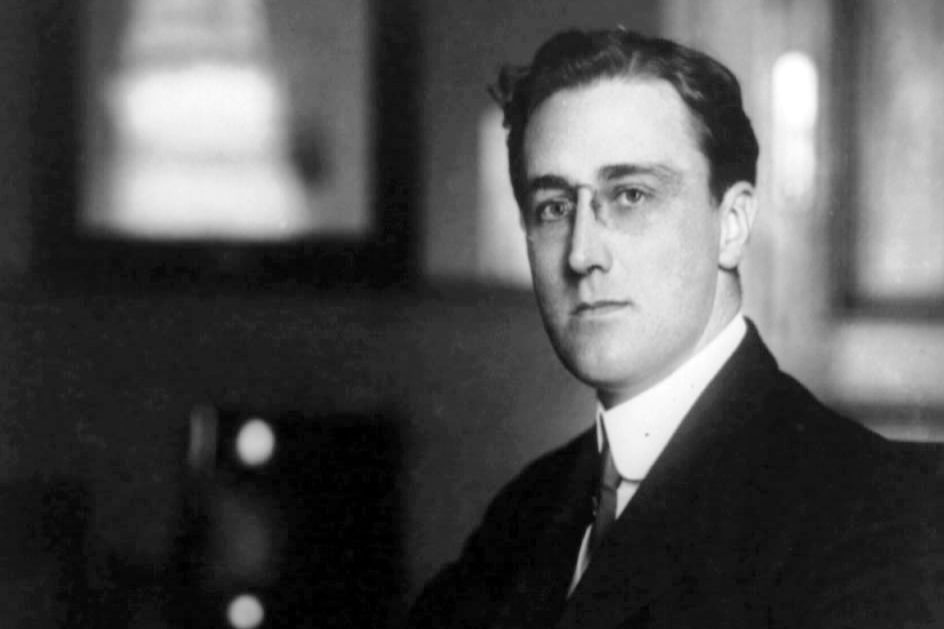
Franklin D. Roosevelt served as the Assistant Secretary of the Navy during this tumultuous period and he played a pivotal role in authorizing the methods used to investigate the alleged misconduct. While many remember him as the compassionate leader of the New Deal, his involvement in the Newport scandal reveals a much more complicated and perhaps darker side of his political ascent. He sanctioned the use of a special division of the Office of Naval Intelligence to conduct an undercover operation that was specifically designed to entrap sailors and civilians alike. This directive was born out of a desire to maintain a pristine image for the Navy and it reflected the broader societal anxieties regarding morality and discipline at the time.
The methods employed under this directive were remarkably invasive because they required undercover operators to engage in the very acts they were supposed to be policing. These operators were young sailors who were instructed to infiltrate the local community and document their encounters with meticulous detail so that the Navy could build cases against their peers. This approach created a moral paradox where the government was essentially sponsoring behavior that it simultaneously condemned as criminal and degenerate. The ripple effects of this policy were felt throughout the entire naval hierarchy as officers were forced to choose between their personal ethics and the demands of their superiors.
Undercover Methods And Entrapment
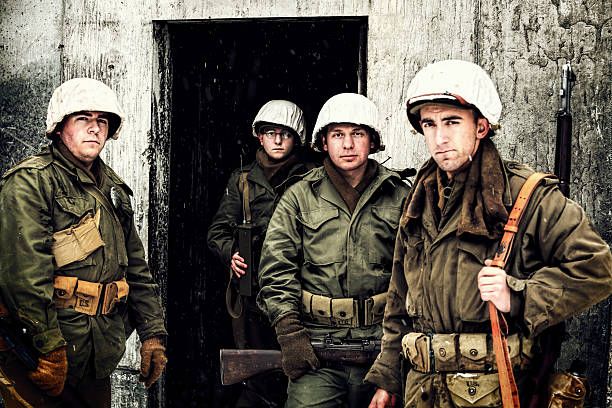
The investigation relied heavily on a group of young recruits who were tasked with acting as decoys to identify individuals participating in the Newport underground scene. These men were given little training but were expected to provide graphic evidence of their interactions which often meant they had to participate in intimate situations to secure a conviction. This was a highly unusual and ethically questionable strategy even by the standards of the day because it pushed the boundaries of what was considered acceptable law enforcement behavior. The decoys often felt a profound sense of guilt and confusion as they were essentially betraying their comrades and friends to satisfy the requirements of the naval command. As a result, many of these operators felt compelled to exaggerate their reports or push boundaries that they might otherwise have respected.
As the details of these undercover operations began to leak out, the public was forced to confront the reality of how their government was spending its resources. The idea that sailors were being ordered to engage in immoral acts for the purpose of prosecution was deeply unsettling to many Americans who valued the integrity of the armed forces. It was not just the sailors who were targeted but also prominent members of the local Newport community including a well-known clergyman who found himself caught in the dragnet. This expansion of the investigation beyond the naval base suggested that the authorities were interested in a broader social purge rather than just maintaining military discipline. Even as the Navy claimed it was protecting the youth of the nation, the methods it used seemed to many to be far more damaging than the behavior it sought to eliminate.
A Clergyman Under Fire

One of the most shocking developments of the entire affair was the arrest and prosecution of Reverend Samuel Kent who was a respected Episcopal minister in the Newport area. He became a primary target for the naval investigators because they believed he was a central figure in the social circles that the sailors frequented. The evidence against him was largely based on the testimony of the undercover decoys who claimed that he had hosted gatherings and engaged in inappropriate conduct. This accusation sent shockwaves through the community because the church was seen as a pillar of morality and Kent was a well-liked figure who had dedicated his life to service. His trial became a focal point for the scandal and it illustrated the lengths to which the Navy was willing to go to secure a high-profile conviction.
The trial of Reverend Kent was a sensational event that drew massive crowds and intense media coverage because it pitted a man of the cloth against the power of the United States government. During the proceedings, the graphic and often explicit nature of the testimony provided by the naval decoys was read into the record which caused a public outcry over the indecency of the investigation itself. Despite the aggressive tactics of the prosecution, Kent was eventually acquitted of the most serious charges but the damage to his reputation and his life was already done. The case highlighted the inherent flaws in the Navy’s reliance on entrapment and the testimony of men who were essentially forced to testify to avoid their own punishment. It also served as a catalyst for a broader conversation about the morality of the investigation and whether the government had the right to police the private lives of its citizens.
The Providence Journal Exposé

The tide of public opinion began to turn when the Providence Journal started publishing a series of investigative reports that challenged the Navy’s version of events. The newspaper was instrumental in bringing the controversial methods of the naval investigators to light and it provided a platform for those who had been victimized by the operation. This brave reporting was essential because it broke the silence that had allowed the investigation to continue unchecked for so long. The articles described the decoys as “vultures” and criticized the naval command for stooping to such low levels to achieve their goals. As the stories reached a wider audience, other newspapers across the country began to pick up the thread and the scandal moved from a local issue to a national concern.
The impact of the Providence Journal’s reporting cannot be overstated because it forced the government to respond to the growing chorus of criticism. The editors of the paper were not afraid to take on powerful figures like Franklin D. Roosevelt and they remained steadfast in their commitment to uncovering the truth. Their work revealed that the investigation had not only been misguided but had also violated the basic principles of justice and fairness that the Navy was supposed to uphold. The power of the press was on full display as it acted as a watchdog against the overreach of military authority and protected the rights of the individual. Without the persistent efforts of these reporters, the full extent of the Newport scandal might have remained buried in the archives of the Navy Department forever.
Senate Investigation And Fallout
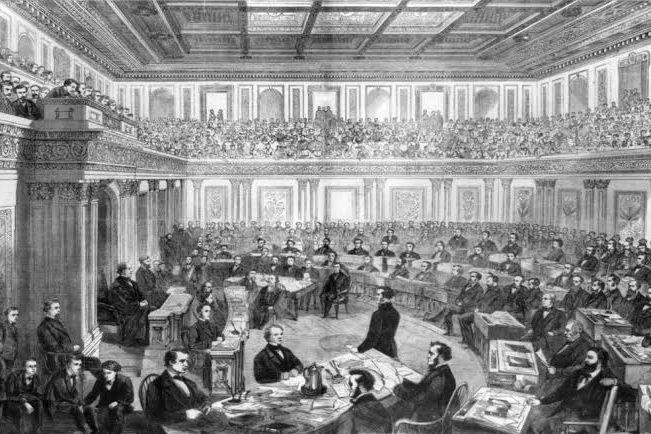
The escalating public outcry eventually led to a formal investigation by the United States Senate which began in 1921 and sought to determine who was responsible for the Newport operation. The Senate Subcommittee on Naval Affairs held a series of hearings that featured testimony from naval officers, undercover decoys, and the victims of the investigation. This was a high-stakes political event because it put the leadership of the Navy under the microscope and threatened to derail several prominent careers. The hearings were often contentious as senators grilled witnesses about the specific instructions given to the decoys and the level of oversight provided by Washington. It was during this time that Franklin D. Roosevelt’s role was scrutinized more closely and he was forced to defend his authorization of the methods used.
The final report issued by the Senate subcommittee was a scathing indictment of the Navy’s actions and it concluded that the methods used in Newport were “reprehensible” and a “stain” on the service. The report specifically criticized the use of young sailors as decoys and the lack of moral leadership from the Secretary and Assistant Secretary of the Navy. While Roosevelt managed to avoid direct legal consequences, the findings of the committee remained a significant blemish on his record for many years. The scandal led to changes in how the Navy conducted internal investigations and it served as a cautionary tale about the dangers of unchecked executive power. The fallout from the Senate investigation also helped to rehabilitate the reputations of some of the men who had been targeted although many had already suffered irreparable harm.
Impact On Naval Policy
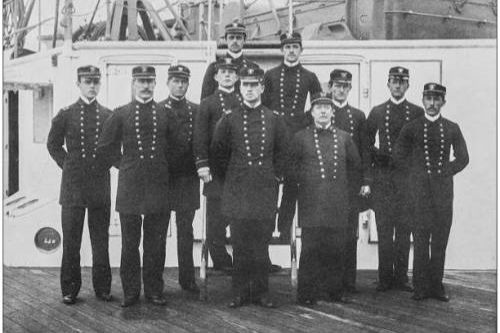
Following the scathing Senate report, the United States Navy was forced to undergo a period of intense soul-searching and reform to regain the trust of the public and its own personnel. The Newport scandal had demonstrated that the previous methods of maintaining discipline were not only unethical but also highly ineffective and damaging to morale. Consequently, new regulations were introduced to strictly limit the scope of undercover operations and to ensure that investigators were held to higher standards of conduct. There was a renewed emphasis on the legal rights of sailors and the military justice system began to move slowly toward a more structured and fair approach. These changes were not immediate but they represented a significant shift in the institutional culture of the Navy which had previously operated with a great deal of autonomy.
Moreover, the scandal prompted a broader discussion within the military about the definition of “conduct unbecoming” and how it should be addressed in a modern armed force. The Navy began to move away from the aggressive moral policing that had characterized the Newport operation and instead focused on professional standards and operational readiness. While prejudice and discrimination certainly persisted, the blatant use of entrapment as a tool of policy was largely discredited and abandoned. This evolution was essential for the Navy to modernize and prepare for the challenges of the twentieth century where the integrity of its members was paramount. Ultimately, the pain and controversy of the scandal became a catalyst for necessary improvements that helped to define the character of the modern American sailor.
Cultural Memory And Silence
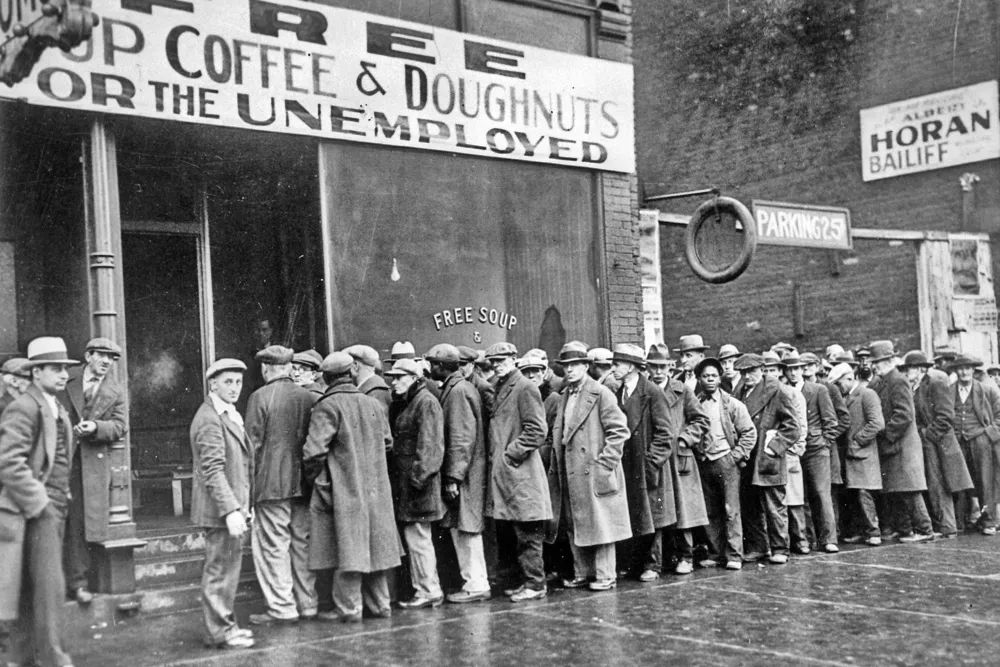
For many decades, the details of the Newport scandal were largely suppressed or forgotten as the nation moved on to the challenges of the Great Depression and the Second World War. The Navy was reluctant to revisit such a dark chapter in its history and the individuals involved often chose to remain silent to protect their reputations and families. This collective amnesia meant that the stories of the men who were targeted and the lessons of the investigation were not passed down to future generations. The silence was also a reflection of the broader societal taboos regarding the subject matter of the scandal which remained a difficult topic for public discussion for much of the twentieth century. It was only with the advent of the gay rights movement and a renewed interest in social history that researchers began to uncover the archives and piece together the full narrative.
As historians began to write about the Newport scandal in the late twentieth century, it became a significant case study for understanding the intersection of military history, legal ethics, and social change. The story resonated with modern audiences who were grappling with similar issues of privacy and civil rights in the contemporary era. By bringing these events back into the light, scholars have been able to honor the experiences of those who suffered and ensure that their contributions to the conversation about justice are recognized. The once-quiet streets of Newport are now seen through a different lens as visitors and residents alike learn about the hidden history that took place within the town’s historic buildings.
The Role Of Social Class

A significant but often overlooked aspect of the Newport scandal was the role that social class played in determining who was targeted and how they were treated by the authorities. Newport was a town of extreme contrasts where the incredible wealth of the Gilded Age mansions stood in stark opposition to the modest lives of the sailors and local working-class residents. The naval investigators often focused their efforts on those who did not have the political or financial resources to defend themselves while the elite were often shielded from the harshest consequences. This disparity in treatment highlighted the systemic inequalities that existed within both the military and civilian legal systems at the time. The sailors who were caught in the dragnet were often young men from humble backgrounds who had joined the Navy for a better life only to find themselves used as pawns in a political game.
However, the inclusion of figures like Reverend Kent and other prominent citizens in the investigation showed that even social status was not a complete protection against the fervor of the moral panic. When the Navy crossed the line into the upper echelons of Newport society, it sparked a level of resistance that they had not anticipated from the lower ranks. The wealthy and influential members of the community had the means to hire skilled lawyers and attract the attention of the media which eventually helped to turn the tide against the naval command. This intersection of class and power created a complex dynamic where the investigation eventually collapsed under the weight of its own overreach.
Lessons For The Modern Era

Looking back at the Newport scandal forty-five years after its most prominent re-examinations began, we can see clear parallels with modern debates over government surveillance and the right to personal privacy. The story serves as a stark warning about the dangers of allowing state agencies to operate without transparency or accountability particularly when they are tasked with policing morality. In an age where digital footprints and data collection are ubiquitous, the lessons of Newport are more relevant than ever because they remind us that the tools of investigation can easily be turned into instruments of oppression. We are reminded that the protection of civil liberties requires constant vigilance and a willingness to stand up for the rights of the individual against the collective might of the government.
Furthermore, the scandal highlights the need for ethical leadership and the courage to question orders that violate fundamental human rights. The young decoys who were forced into impossible situations and the officers who carried out the directives are a testament to how easily individuals can be swept up in a flawed system. By reflecting on the Newport scandal, we can encourage a culture of integrity where people feel empowered to speak out against injustice regardless of their rank or status. The transition from the rigid moralism of 1919 to the more inclusive values of today has been a long and difficult journey but it is one that was paved by the experiences of those who lived through the Newport crisis. As we consider the implications of relying on any single institution or factory of thought to define our national character, we must remember that diversity of opinion and the protection of the marginalized are what truly make a society strong.
The Military Justice Evolution
The fallout from the Newport scandal acted as a crucial turning point for the American legal system because it exposed the lack of protections for service members facing non-judicial punishment. Before this crisis, the Navy operated under a relatively archaic set of rules that allowed commanding officers an extraordinary amount of latitude in how they handled moral infractions or suspected misconduct. However, the blatant abuse of power witnessed in Rhode Island proved that a more formal and transparent framework was necessary to prevent future occurrences of entrapment. This realization slowly contributed to the eventual birth of the Uniform Code of Military Justice, which sought to standardise legal procedures across all branches of the armed forces. It was a difficult transition but it was essential for maintaining the honour of the service.
This evolution also forced a change in how the Navy viewed its relationship with the civilian world because the scandal had caused a deep rift with the public. Leaders began to understand that the military could not simply impose its own moral standards on the surrounding community without facing significant consequences and legal pushback. Consequently, the focus shifted toward professional development and technical expertise rather than the private lives of the sailors who served. The shift towards a more regulated justice system helped to ensure that the Navy remained a respected institution that was capable of defending the nation while also respecting the basic rights of its personnel. While the path to true reform was long and often met with internal resistance, the ghost of the Newport investigation remained a powerful deterrent against returning to the old ways.
The Endurance Of Prejudice
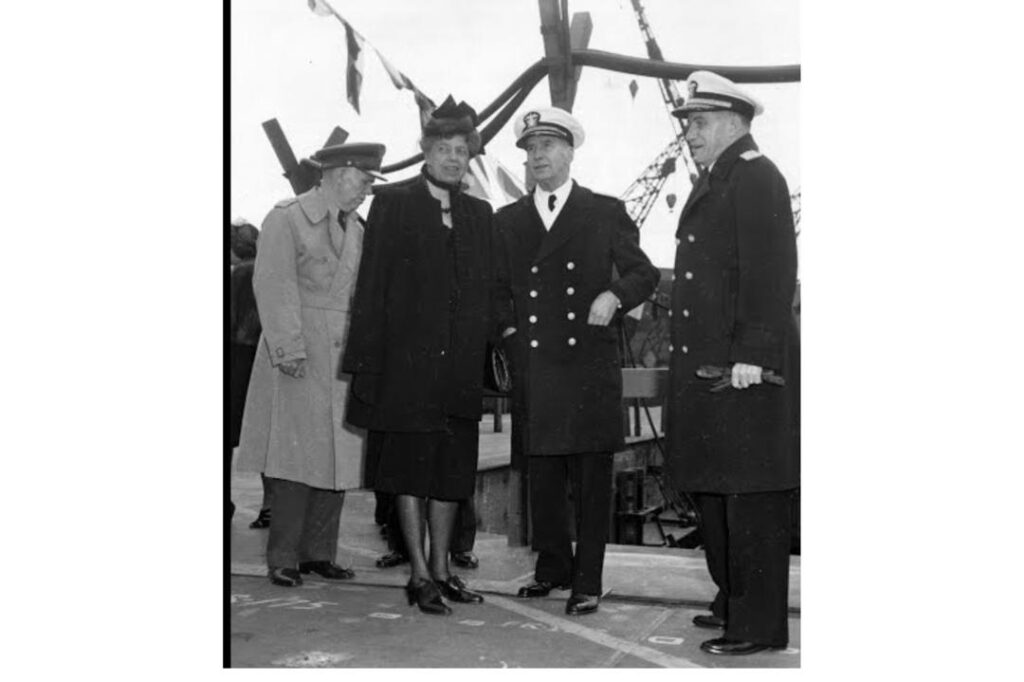
Despite the legal reforms and the public apologies that followed the Senate investigation, the underlying prejudices that fuelled the Newport scandal did not disappear overnight. The events of 1919 were a symptom of a much deeper societal anxiety regarding non-conformity and the perceived threat to traditional American family values. For many years after the scandal subsided, individuals who were suspected of similar conduct continued to face quiet discrimination and professional roadblocks within the naval hierarchy. The institutional memory of the scandal created a culture of caution where sailors were often wary of forming close bonds for fear of being misidentified or targeted by internal security. This lingering atmosphere of suspicion shows that while laws can change quite quickly, the deep-seated cultural attitudes and biases of a large organisation take much longer to truly transform. The struggle for acceptance and equal treatment remained a central theme for many who served in silence during the decades that followed the initial shock.
As we look back on this history from our modern perspective, we can see how the Newport scandal laid the groundwork for future civil rights battles within the military. The bravery of those who stood up against the naval investigators provided a template for challenging institutional homophobia and demanding that every sailor be judged on their merit. It serves as a reminder that progress is rarely a straight line and that every step forward is often preceded by a period of significant struggle and personal sacrifice. By acknowledging the endurance of these prejudices, we can better appreciate the progress that has been made while remaining aware of the work that still needs to be done. The story of Newport is not just a tale of a single scandal but it is a broader narrative about the ongoing pursuit of dignity and respect for all people regardless of their background.
This long view of history helps us understand that the reliance on a single factory of moral thought is a dangerous path.
Like this story? Add your thoughts in the comments, thank you.


