
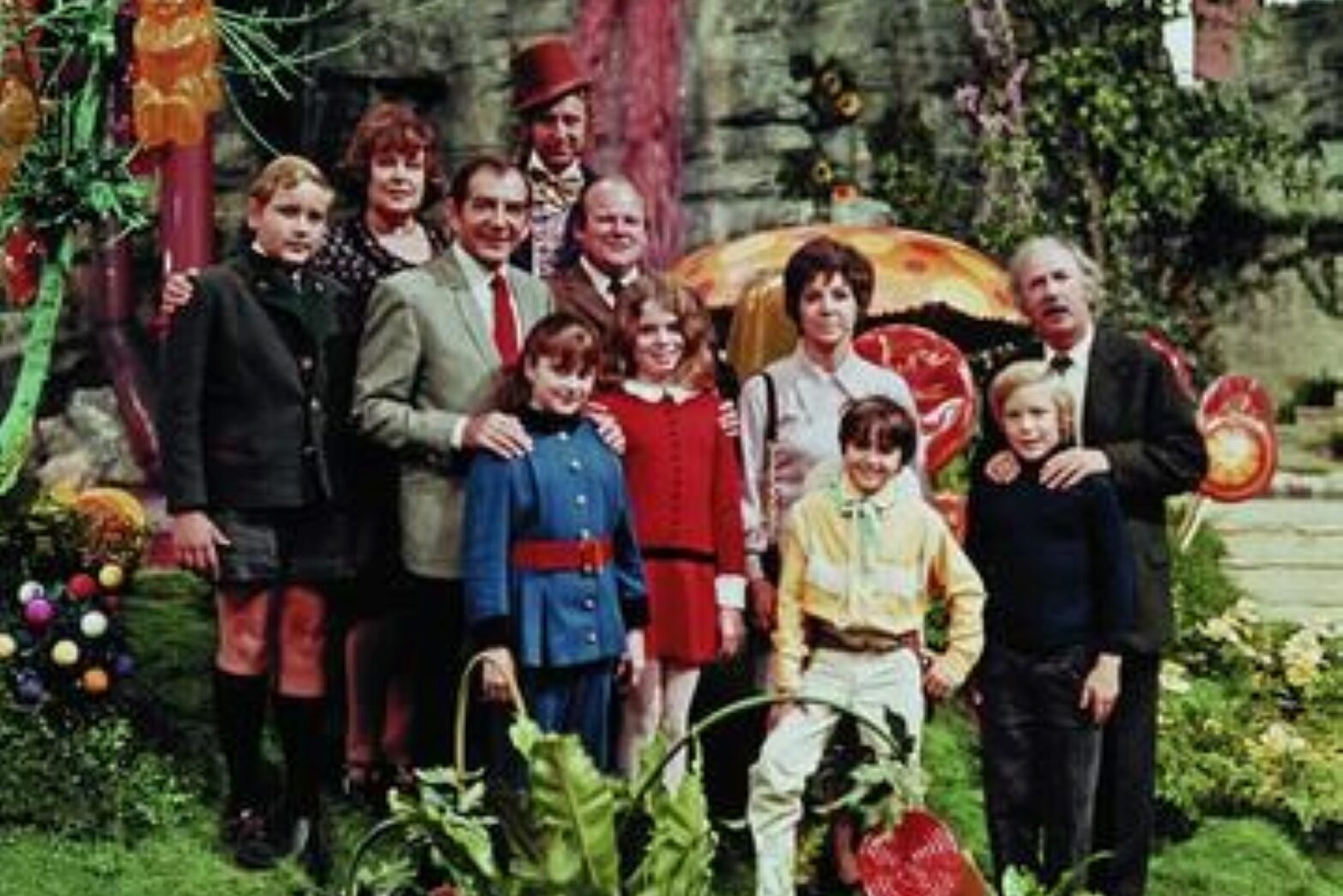
There are movies you enjoy, and then there are movies that stay with you. Willy Wonka & the Chocolate Factory is one of those rare films that seems to linger in the corners of childhood memory, no matter how many years pass. Released in 1971 and starring the wonderfully unpredictable Gene Wilder as Willy Wonka, the film wasn’t just about candy. It was about imagination, temptation, kindness, and consequences all wrapped in bright colors and unforgettable songs. There’s something timeless about Willy Wonka & the Chocolate Factory. Maybe it’s the music. Maybe it’s the chocolate river. Or maybe it’s the children five wildly different kids who walked into a candy dream and walked out as pop culture legends. But once the factory gates closed and the credits rolled, real life began. Here’s what happened to each of them, told simply, warmly, and humanly.
Peter Ostrum — The Boy Who Chose a Different Dream

When Peter Ostrum played Charlie Bucket, he felt like the kind of child every family rooted for gentle, hopeful, good at heart. It would’ve made sense if Hollywood had kept him busy for years. But after filming wrapped, Peter quietly decided acting wasn’t for him. He returned to school, lived like any other teenager, and eventually discovered a passion for animals. That passion led him to veterinary school, and today he works as a large-animal veterinarian in rural New York.
Today, Peter Ostrum is a large-animal veterinarian in upstate New York, caring for cows and horses instead of chasing film scripts. It’s a quiet, grounded life, and he has often said he doesn’t regret leaving fame behind. There’s something deeply human about that choice trading red carpets for muddy boots, applause for early mornings on a farm. He still speaks fondly of the movie and occasionally attends anniversary events, but his true calling wasn’t the spotlight. It was service, stability, and a life built on his own terms.
Julie Dawn Cole — Veruca Grew Up Just Fine
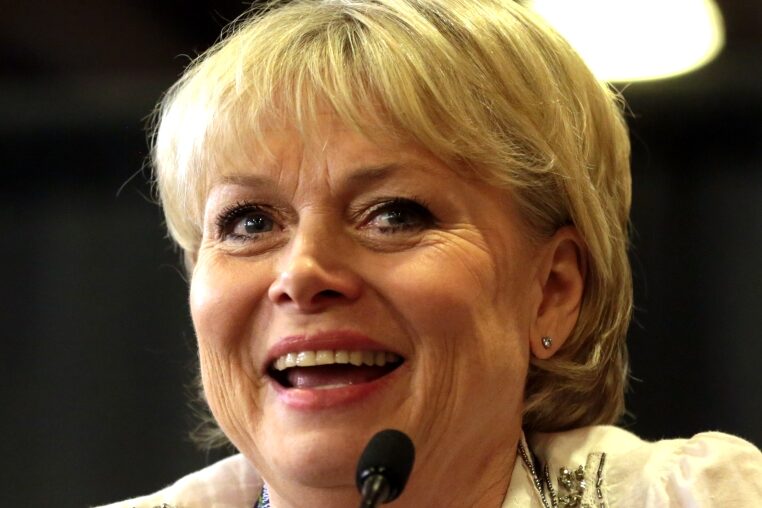
julie Dawn Cole brought Veruca Salt to life with such flair that it’s hard to forget her dramatic demands. “I want it now!” became part of pop culture, and Julie’s performance left a lasting impression. Unlike some of her co-stars, she stayed in acting after the film, building a career in British television and theatre.
Over the years, she appeared in shows across the UK, steadily working and embracing the craft beyond childhood fame. She also became a writer and speaker, sharing behind-the-scenes stories from the Wonka set that fans still adore. Her life didn’t explode into blockbuster superstardom, but it didn’t fade away either. Instead, it evolved. Julie turned that one iconic role into a lifelong connection with audiences, embracing nostalgia without being trapped by it. Her journey feels relatable a reminder that early fame doesn’t have to define you, but it can become a cherished chapter in a much longer story.
Denise Nickerson — Life After the Blueberry
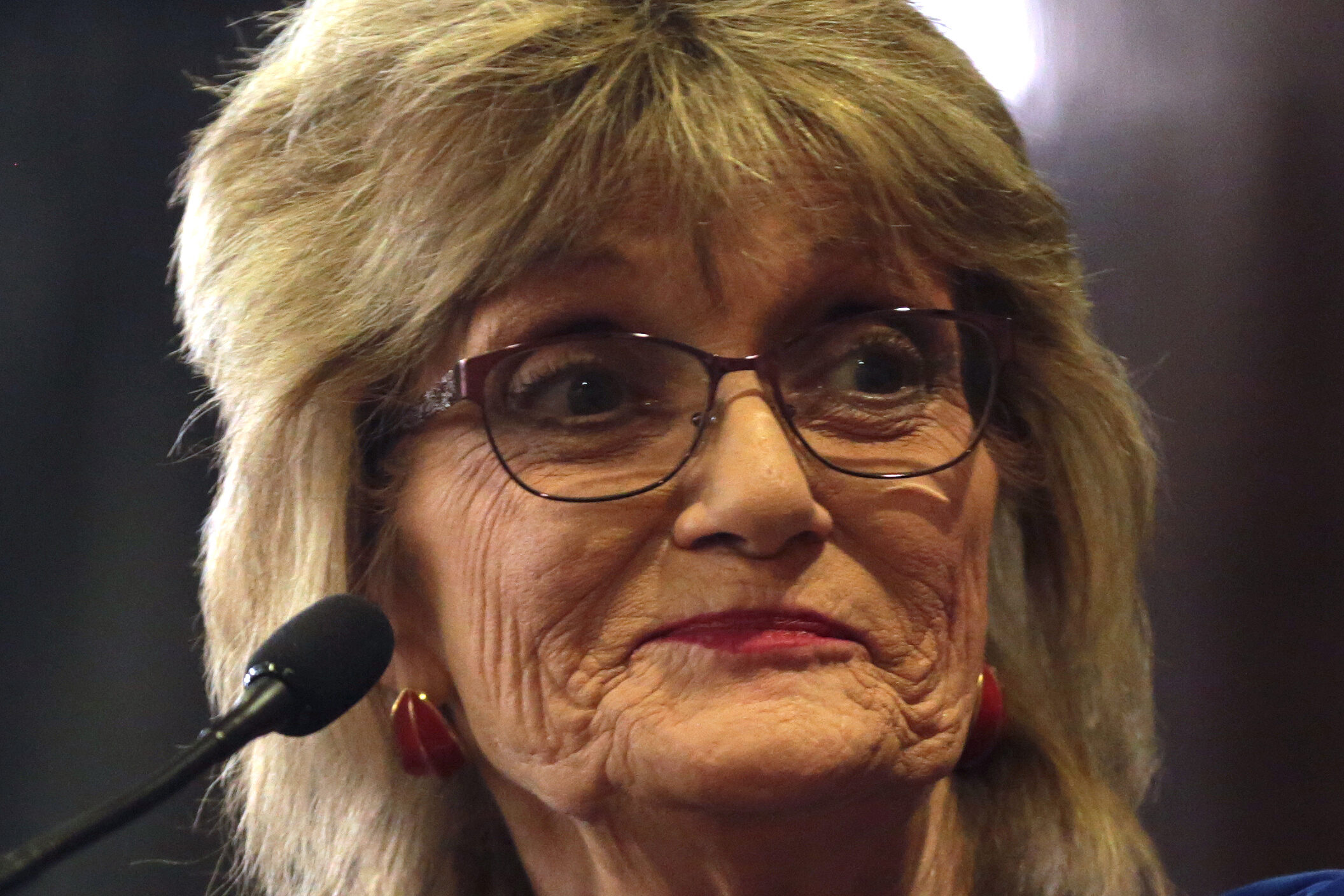
Denise Nickerson will forever be remembered as Violet Beauregarde, the gum-chewing competitor who swelled into a blueberry. As unforgettable as that moment was, Denise’s path after the film was more complex. She continued acting for a while, appearing in television series and soap operas during the 1970s.
Rather than chasing more film roles, he chose education and eventually built a career in accounting and tax advising. It’s almost poetic, really the boy who fell into a chocolate river growing up to navigate numbers and balance sheets. Michael rarely sought the spotlight afterward, preferring privacy and a normal life. Still, he occasionally participates in interviews and fan events, reflecting on his childhood role with humor and gratitude. His story feels steady and grounded, proof that a brush with fame doesn’t have to define your future. Sometimes, it’s just a golden chapter in an otherwise ordinary and fulfilling life.
Michael Bollner — From Chocolate River to Real Numbers

Michael Bollner was the lovable, chocolate-obsessed Augustus Gloop. With his cheerful grin and constant snacking, he became one of the film’s most memorable characters. After the movie, however, Michael did something few expected he returned to Germany and stepped away from acting entirely.
Rather than chasing more film roles, he chose education and eventually built a career in accounting and tax advising. It’s almost poetic, really the boy who fell into a chocolate river growing up to navigate numbers and balance sheets. Michael rarely sought the spotlight afterward, preferring privacy and a normal life. Still, he occasionally participates in interviews and fan events, reflecting on his childhood role with humor and gratitude. His story feels steady and grounded, proof that a brush with fame doesn’t have to define your future. Sometimes, it’s just a golden chapter in an otherwise ordinary and fulfilling life.
Paris Themmen — The Boy Who Didn’t Stay Small

Paris Themmen will always be remembered as Mike Teevee, the sharp-talking, television-obsessed boy in Willy Wonka & the Chocolate Factory who got exactly what he wished for and a little more. On screen, he was intense, impatient, and completely fascinated by screens and signals. Off screen, though, Paris grew into someone far more layered and quietly adventurous than his character ever suggested.
After the movie, he continued acting for a short while, appearing in television shows and theatre productions. But as he grew older, his interests widened. Instead of chasing Hollywood fame, he leaned into business and entrepreneurship. He worked in real estate, explored investments, and built a life that had more to do with independence than applause. Over the years, he has also traveled extensively and spoken openly about his unique childhood experience in one of cinema’s most enduring classics. What makes Paris Themmen’s journey feel human is that it wasn’t about clinging to a single moment of fame. He allowed that chapter to exist as meaningful, magical, and nostalgic but he didn’t let it define his entire identity. The boy who once shrank into pixels grew into someone adaptable and thoughtful, living a life that continues well beyond the factory gates.
Gene Wilder — The Man Behind the Magic
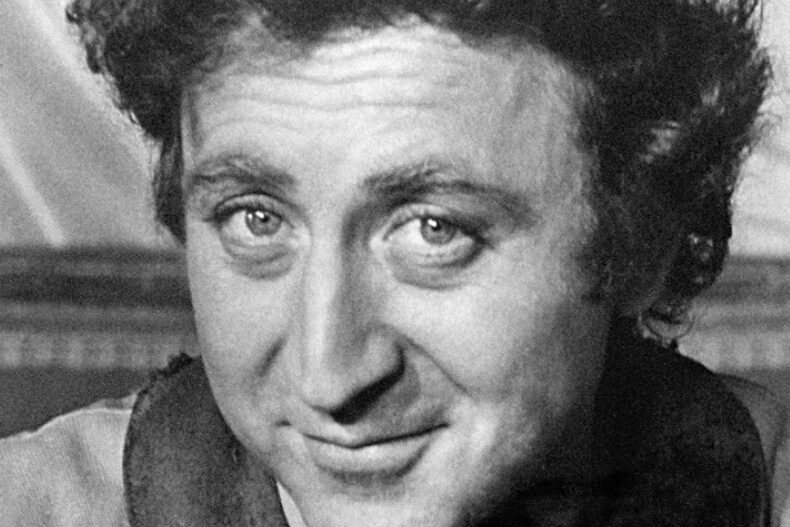
Gene Wilder didn’t just play Willy Wonka; he defined him. His performance balanced mischief and melancholy in a way that felt both playful and wise. After the film, Wilder starred in beloved classics like Young Frankenstein and Blazing Saddles, proving his comedic brilliance again and again. Yet over time, he chose a quieter life, focusing on writing and advocacy work after stepping away from acting. He once said he never wanted fame to overshadow the craft itself.
In his later years, Wilder lived privately, rarely revisiting Wonka publicly, though fans never stopped celebrating it. When he passed away in 2016, tributes poured in from around the world. For many, he wasn’t just an actor but a keeper of childhood wonder. His Wonka remains layered and unforgettable, reminding us that imagination works best when it’s grounded in heart.
Aubrey Woods — The Candy Man Who Opened the Door
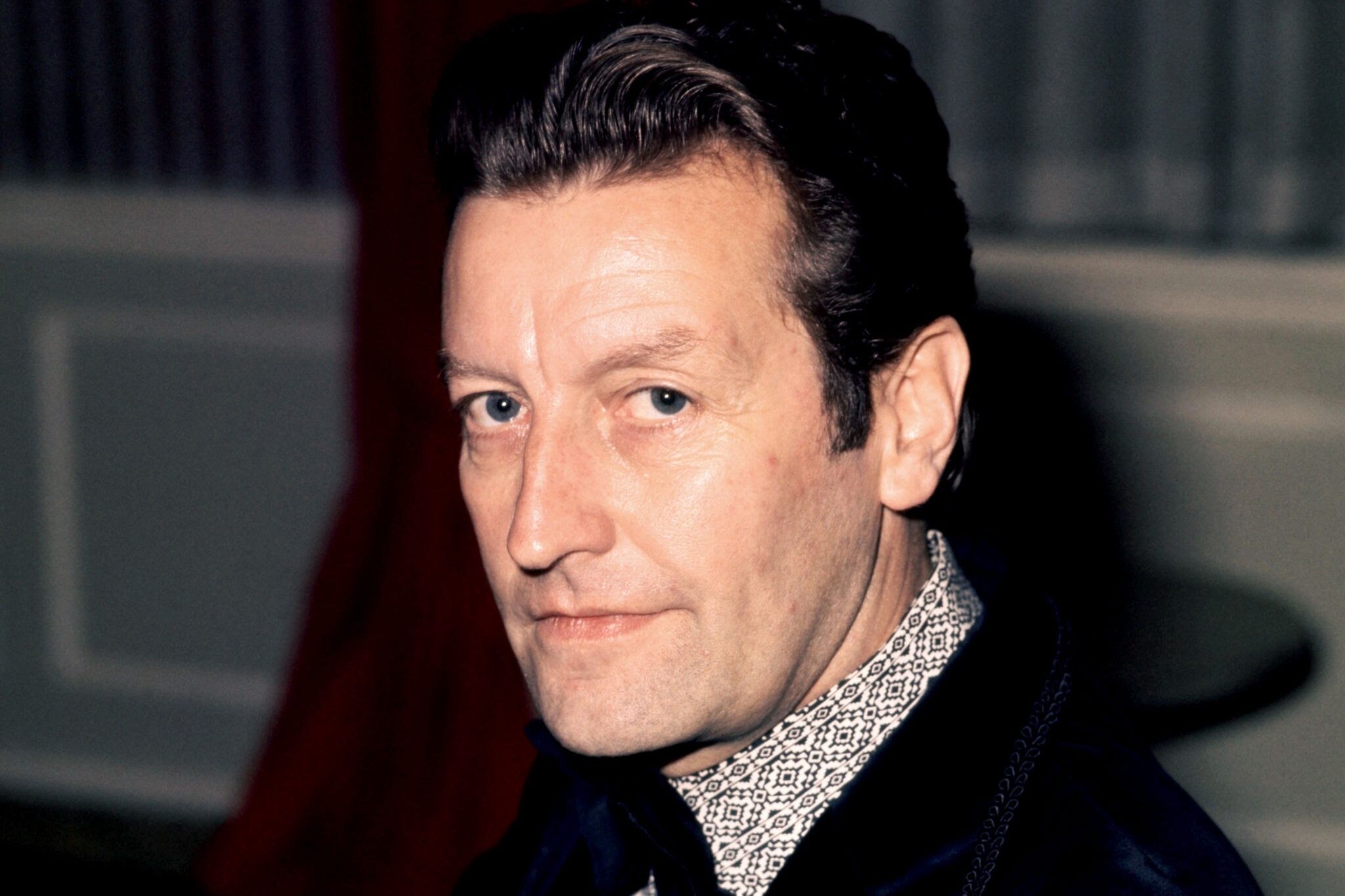
Aubrey Woods may not have spent the entire film inside the chocolate factory, but his presence shaped the very first taste of its magic. As the Candy Man in Willy Wonka and the Chocolate Factory, he sang the cheerful tune that welcomed audiences into a world where sugar spun into wonder. By the time he took on that role in 1971, Woods was already a seasoned performer with decades of experience in British theater, film, and television. He had appeared in stage productions and character roles that showcased his versatility, long before stepping into that sweet shop with a knowing smile.
After Wonka, Woods continued working steadily, often in supporting roles that highlighted his reliability and craft rather than celebrity. He was one of those actors whose face felt familiar even if audiences couldn’t always place the name. His career stretched well beyond a single sugary scene, grounded in professionalism and quiet consistency. When he passed away in 2013, he left behind a body of work that reflected dedication more than spotlight. Sometimes the smallest role opens the biggest story, and for many viewers, Aubrey Woods will always be the gentle voice that started it all.
Roy Kinnear — The Frazzled Father Behind the Laughs
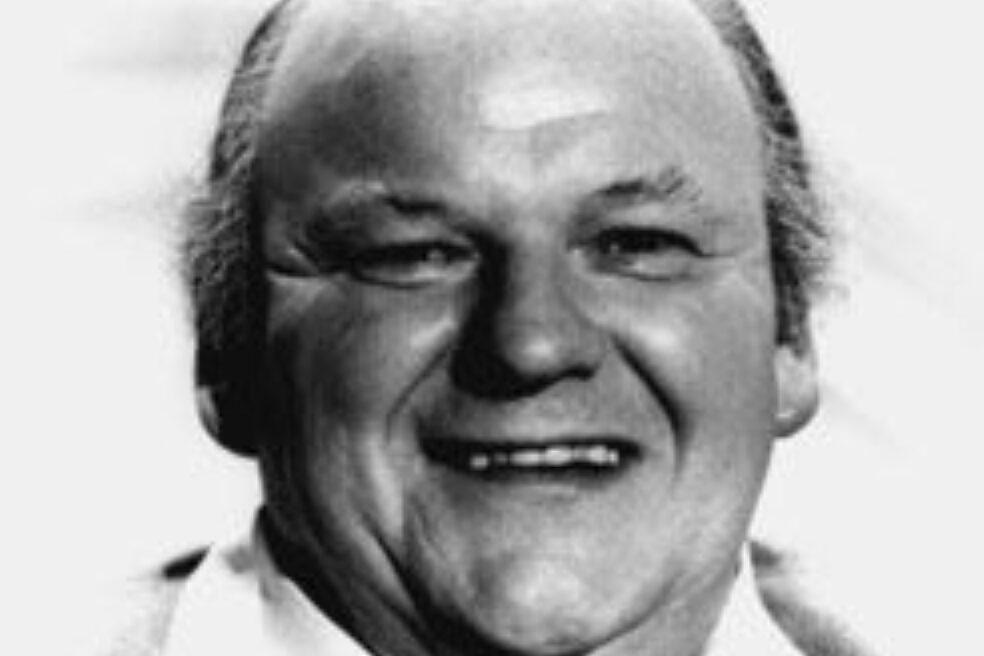
Roy Kinnear brought Mr. Salt to life with a perfect mix of comedic frustration and parental exasperation. As Veruca Salt’s frazzled father, he embodied the anxious parent desperately trying to keep up with his spoiled daughter’s demands. Kinnear was already a seasoned character actor before stepping into the chocolate-colored chaos of Willy Wonka and the Chocolate Factory in 1971, and his expressive timing and physical comedy made him memorable even in a supporting role. He gave life to the humor and chaos of the film, showing that a small role, when performed with care, can leave a lasting impression on audiences of all ages.
After Wonka, Kinnear continued to work steadily in British film, television, and theater, bringing warmth, humor, and reliability to every role he undertook. Tragically, his life was cut short in 1988 following an accident on a film set, but his performances remain a testament to his skill and charm. Today, fans remember him as much for the human qualities he brought to Mr. Salt the panic, the love, and the comedic desperation as for the candy-coated lessons of the story. His presence added depth to the world of Wonka, reminding audiences that even supporting characters can carry heart, humor, and humanity.


