
A Media Storm, A Family, And Six Hours That Changed Everything
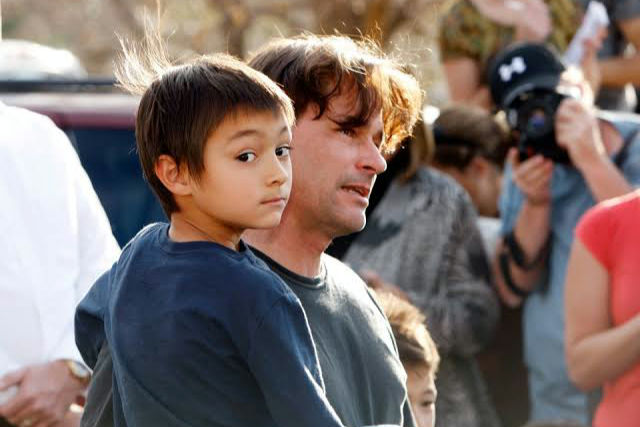
On October 15, 2009, millions of people across the United States stopped what they were doing to stare at their television screens. A large, silver helium balloon, handcrafted to look like a classic UFO, was drifting precariously through the Colorado sky. News networks provided wall-to-wall live coverage as police helicopters trailed the craft. The terror fueling the media frenzy was the belief that six-year-old Falcon Heene was trapped inside the homemade vessel. Because of the perceived danger, schools went into lockdown, and Denver International Airport was forced to divert arrivals and pause departures to avoid a mid-air collision.
The tension broke suddenly when the balloon finally touched down in a field, only for rescuers to find it completely empty. The relief turned to confusion until Falcon was discovered safe, hiding in the rafters of his family’s garage in Fort Collins. What started as a frantic rescue mission quickly transformed into a suspected criminal hoax that captivated the globe. Now, over 16 years later, the incident remains a major case study in how the craving for reality TV fame can collide with public safety. The Heene family became a household name overnight, but for reasons they likely never expected when the sun rose that Thursday morning.
The Afternoon Flight
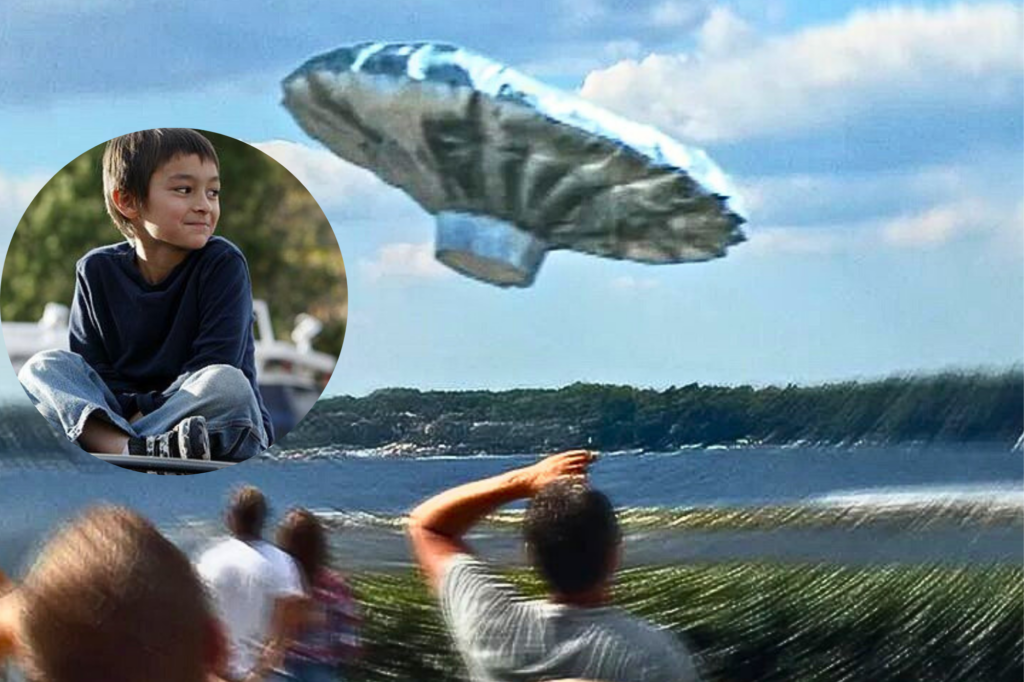
The chaos began on a clear Thursday afternoon, October 15, 2009, in the quiet suburbs of Fort Collins, Colorado. Richard Heene, a father of three and an aspiring inventor with a passion for extreme weather, had been working on an experimental “3-D low-altitude vehicle” in his backyard. The craft was an imposing sight, measuring roughly 20 feet wide and 5 feet high, constructed primarily from Mylar foil and heavy-duty duct tape. Around 2:00 p.m., the family alerted authorities that the balloon had accidentally detached from its tethering cords while their youngest son, Falcon, was allegedly inside the small compartment.
As the balloon ascended to heights of over 7,000 feet, the Federal Aviation Administration (FAA) and local law enforcement jumped into action. National Guard Black Hawk helicopters were deployed to track the saucer-shaped object as it traveled 50 miles across two counties. On the ground, reporters speculated about the thin oxygen and freezing temperatures at high altitudes, leading viewers to fear the worst for the young boy. For nearly two hours, the world watched a “slow-motion tragedy” unfold, unaware that the vessel’s payload was nothing but air. When the balloon finally landed near Keenesburg, the empty interior left investigators and the public deeply skeptical.
Falcon Found
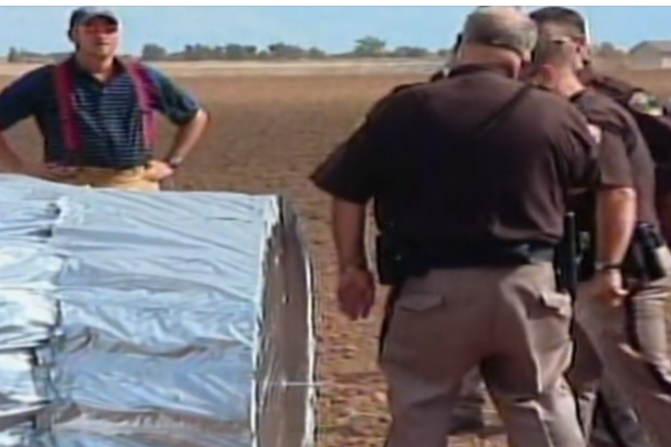
Immediately following the balloon’s landing, a massive ground search was initiated across the Colorado plains. Authorities were terrified that Falcon had fallen out of the craft during its 50-mile journey, and rescue teams combed through fields and ravines while emergency rooms remained on high alert. Meanwhile, the Heene home was a scene of frantic activity as police interviewed the parents, Richard and Mayumi. The mystery was finally solved late that afternoon when Falcon emerged from the family’s garage. He had been hiding in a small cardboard box tucked away in an attic space the entire time the world was praying for his safety.
While the family celebrated his safe return, the atmosphere in the community began to sour. Falcon claimed he had hidden because his father had yelled at him earlier in the day, making him too scared to come out even when he heard people calling his name. However, the sheer scale of the emergency response, which involved multiple government agencies and thousands of dollars in resources, meant that “sorry” wasn’t going to be enough. Law enforcement officials, led by Larimer County Sheriff Jim Alderden, began to look closer at the family’s story. The public’s initial wave of sympathy quickly morphed into a feeling of being manipulated by a family seeking the spotlight.
The Television Interview
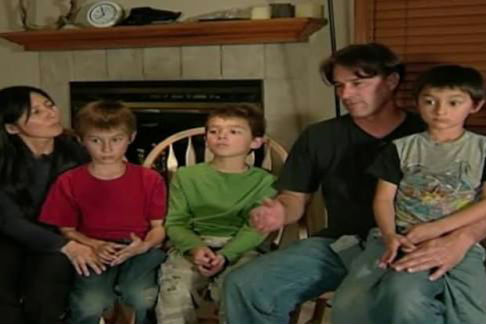
The turning point for the Heene family occurred during a live interview on CNN’s Larry King Live (guest-hosted by Wolf Blitzer) on the very night of the incident. As the family sat on their couch recounting the day’s terrors, Blitzer asked Falcon why he didn’t come out of hiding when he heard his parents calling. The six-year-old looked at his father and innocently replied, “You guys said that, um, we did this for the show.” The comment sent a shockwave through the media landscape. Richard Heene visibly stiffened, and the young boy became physically ill and vomited shortly after, adding a visceral level of discomfort to the live broadcast.
This “slip of the tongue” changed everything for the investigators. It was soon revealed that the Heenes were no strangers to the camera, having appeared twice on the ABC reality series Wife Swap in 2008 and 2009. Richard had also been actively pitching a science-based reality show to various networks and producers. The “show” Falcon mentioned appeared to be a reference to a staged event designed to generate buzz for a future television deal. While the Heenes continued to protest their innocence, the narrative shifted from a miraculous survival story to a calculated publicity stunt that had exploited the emotions of an entire nation.
Police Investigation
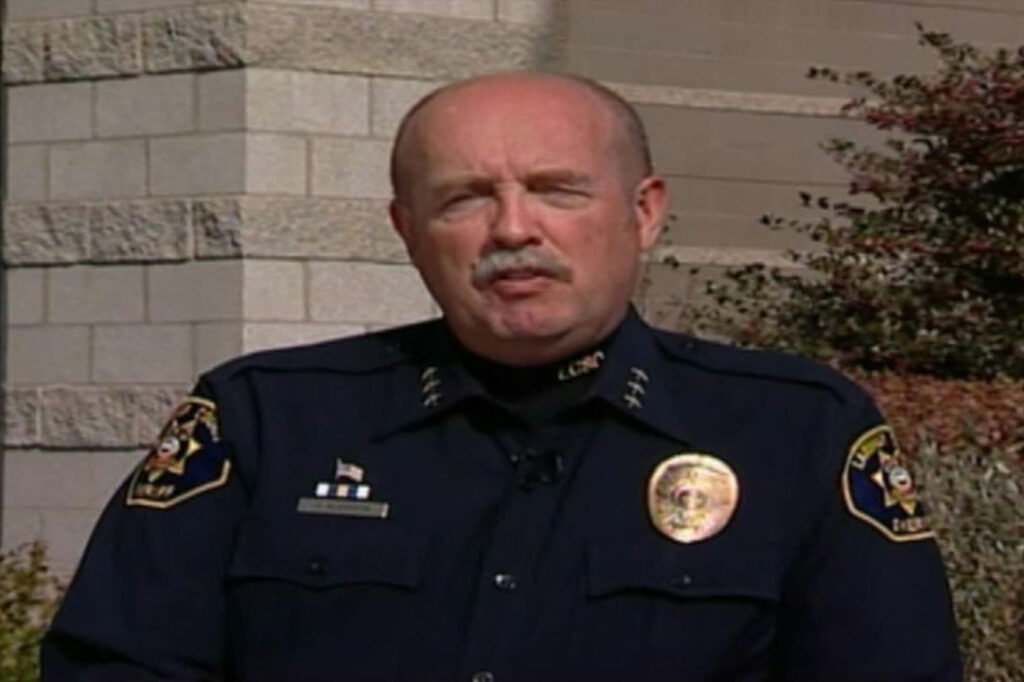
Following the disastrous CNN interview, the Larimer County Sheriff’s Office launched a formal criminal investigation into the events of October 15. Detectives spent hundreds of hours reviewing the family’s digital records, phone logs, and previous media appearances. One of the most damning pieces of evidence came from the physical analysis of the balloon itself. Physics experts and engineers concluded that the Mylar craft, while large, was structurally incapable of lifting a 50-pound child into the air. This suggested the parents knew from the start that Falcon was never in danger, yet they allowed the emergency response to continue.
The financial toll of the “hoax” was another major focus of the probe. Officials estimated that the cost of deploying helicopters, diverting commercial flights at Denver International Airport, and the man-hours of various police departments exceeded $36,000. Sheriff Jim Alderden publicly criticized the parents for using their children as pawns in a “marketing ploy.” The investigation highlighted a growing concern in the digital age: the lengths to which individuals might go to achieve viral fame. By the end of October, the sheriff’s department recommended that the District Attorney file formal charges against both Richard and Mayumi Heene to hold them accountable.
Charges Filed
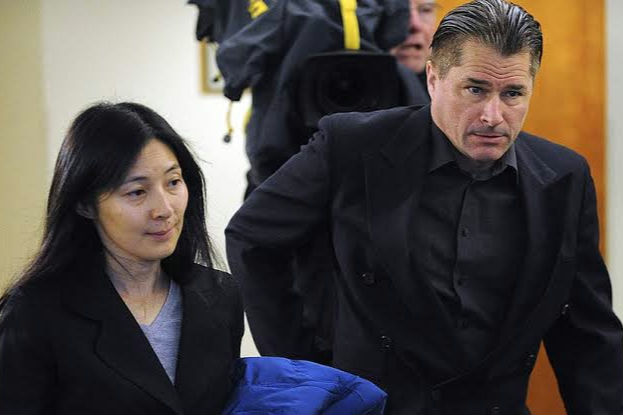
By late October 2009, the legal hammer fell on the Heene family. The Larimer County District Attorney filed several serious charges against the parents. Richard Heene was charged with a felony count of attempting to influence a public servant, as well as several misdemeanors, including contributing to the delinquency of a minor and false reporting. Mayumi Heene faced similar misdemeanor charges for her role in the deception. The news of the charges was met with widespread approval from a public that felt betrayed by the family’s “emergency.” The case became a landmark example of the legal consequences of making false reports to authorities.
The legal battle was intense and highly publicized, with the family’s defense team arguing that the parents had truly panicked and that the “for the show” comment was misunderstood by a small child. However, the prosecution painted a picture of a couple obsessed with fame who were willing to risk the safety of rescue pilots and the sanity of the public for a chance at a TV contract. The pressure on the family was immense, as they faced not only potential jail time but also massive fines and the possibility of losing custody of their children. The “Balloon Boy” saga had officially moved from the sky to the courtroom.
Court and Sentences

In November 2009, fearing that a trial could result in Mayumi’s deportation back to her native Japan, the couple decided to take a plea deal. Richard Heene pleaded guilty to the felony charge of attempting to influence a public servant. During the sentencing hearing in December, the judge expressed frustration with the family’s actions, calling the hoax a “planned event” that exploited the media and emergency services. Richard was sentenced to 90 days in jail, with the provision that he could leave for work during the day to help pay off the restitution he owed to the state for the search costs.
Mayumi Heene was sentenced to 20 days in jail, which she was allowed to serve through weekend installments so that she could continue to care for the couple’s three sons. In addition to the jail time, they were ordered to pay $36,000 in restitution to the agencies involved in the rescue. The sentencing was intended to serve as a deterrent to others who might consider staging emergencies for attention. While the legal chapter was closing, the social stigma attached to the “Balloon Boy” name remained. The family left the courthouse facing a future where their reputation was permanently linked to one of the most famous hoaxes in American history.
Public Reaction
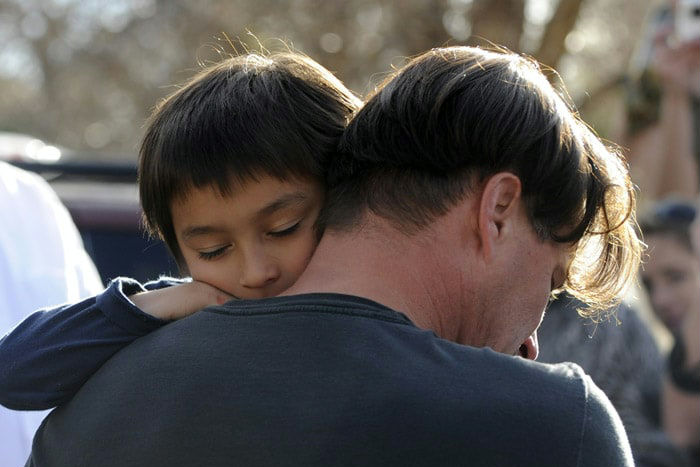
The public’s response to the sentencing was a mix of anger and exhaustion. Many felt that the 90-day jail term was too light considering the massive disruption the family caused, including the temporary shutdown of one of the world’s busiest airports. Others, however, felt a sense of pity for the three Heene children, Bradford, Ryo, and Falcon, who had been thrust into a global spotlight they didn’t ask for. Late-night comedians and talk show hosts spent weeks poking fun at the family, and “Balloon Boy” quickly became a shorthand for the desperate pursuit of reality TV stardom in the late 2000s.
Sociologists and media critics used the event to discuss the “attention economy” and the toxic nature of early 21st-century celebrity culture. The incident occurred just as social media was beginning to dominate the news cycle, proving how quickly a story could go viral before the facts were even verified. The Heenes found themselves isolated; neighbors in their Colorado community were largely critical, and the family was frequently harassed by paparazzi and curious onlookers. They had achieved the fame they seemingly craved, but it had come at the cost of their privacy, their finances, and their standing in the community.
Life After Infamy

Once their sentences were served, the Heene family sought a fresh start away from the prying eyes of the Colorado media. They eventually moved to Florida, where Richard continued his work as an inventor and handyman. As the boys grew into their teenage years, they began to reclaim their own identities. In an interesting twist, the three brothers formed a heavy metal band called “Heene Boyz,” which they promoted through YouTube. They toured small venues and released music videos, attempting to use their inherited fame to fuel a genuine interest in music rather than the “stunt” culture that had defined their childhood.
The boys often spoke in interviews about how the 2009 incident had shaped them, noting that they didn’t harbor resentment toward their parents. They claimed that the media had “blown things out of proportion” and that they were simply a family that enjoyed building things and being creative. While they never reached mainstream musical success, their transition into independent content creators reflected a shift in how the next generation handled fame. They were no longer waiting for a TV network to give them a “show”; they were building their own platform on the internet, where they could control the narrative surrounding their lives.
The 2020 Pardons
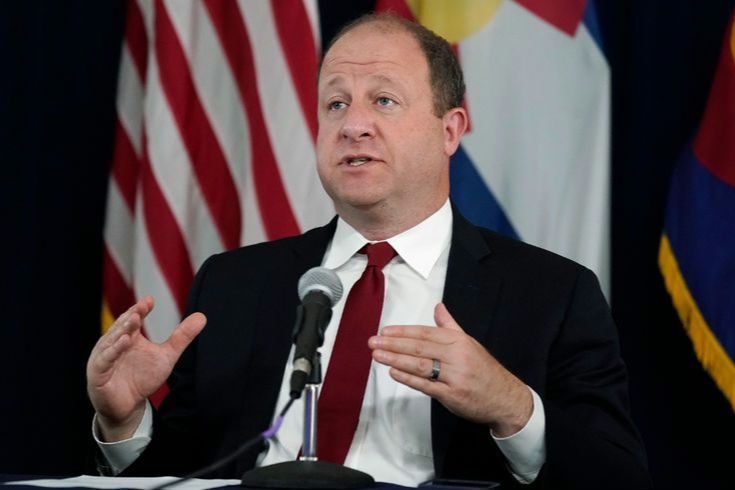
A surprising turn in the story occurred on December 23, 2020, when Colorado Governor Jared Polis granted full pardons to Richard and Mayumi Heene. In a formal statement, the governor noted that the family had “paid the price in the eyes of the public” and that it was time to move past the decade-old mistake. The pardon effectively cleared their criminal records, a move Polis felt was necessary to allow the family to live without the “legal baggage” of a felony conviction. He argued that the punishment they had already endured, both legally and socially, was more than sufficient for the crime they committed.
The decision to pardon the Heenes sparked a final wave of debate. Critics of the move argued that it sent the wrong message about accountability for wasting government resources. Proponents, however, pointed out that the Heenes had paid their restitution in full and had been law-abiding citizens in the years following the incident. For Richard and Mayumi, the pardon was a moment of vindication. They maintained that they had only pleaded guilty in 2009 to protect Mayumi from deportation, and they used the pardon as an opportunity to once again insist that the entire balloon flight had been a genuine accident rather than a hoax.


