
1. They Started as a Clever Ad Campaign
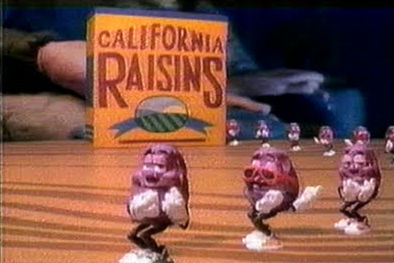
In the late 1980s, a group of clay-animated raisins singing Motown hits somehow became one of the biggest pop-culture sensations in America. The California Raisins began in 1986 when the California Raisin Advisory Board (CALRAB) hired claymation pioneer Will Vinton Studios to refresh raisin marketing. Vinton’s team created a group of singing raisins who performed a stop-motion version of “I Heard It Through the Grapevine,” and the quirky idea became an overnight phenomenon. The commercials stood out for their detailed clay animation, expressive characters, and upbeat music. They ran nationally, winning awards and boosting raisin awareness across the United States. What started as a simple farm-product ad quickly grew into a massive cultural moment that no one expected, especially for a commodity like raisins.
2. Their Popularity Exploded Nationwide
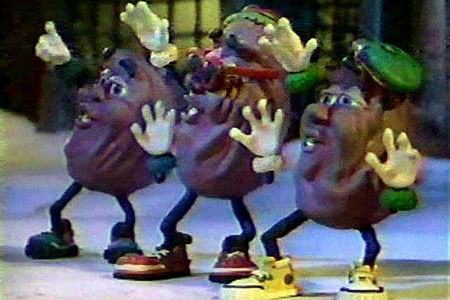
The ads caught on so strongly that the California Raisins soon expanded far beyond TV screens. They appeared on talk shows, performed as Macy’s Thanksgiving Day Parade balloons, and even earned their own claymation specials. Schools handed out Raisins-themed items, and celebrities voiced characters for various appearances. Their growing fame made them one of the most recognizable advertising mascots of the decade. The campaign not only boosted raisin visibility but also became a case study in how creative animation and catchy music can transform an everyday agricultural product into a pop-culture icon.
3. Merchandise Became a Cultural Craze
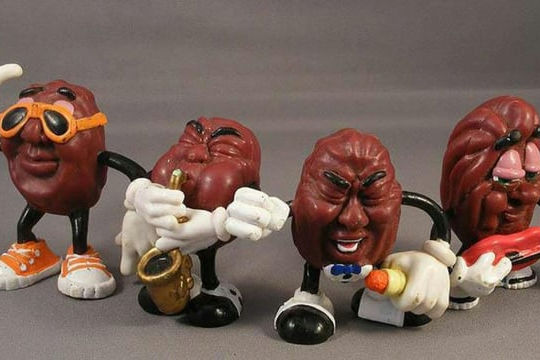
By 1987, the Raisins had turned into a merchandising powerhouse. Hardee’s released a hugely popular line of collectible figurines, which quickly spread through toy stores, cereal boxes, and gift shops. Kids collected them, adults displayed them, and the characters appeared on lunchboxes, clothing, Halloween costumes, and bedding. At their peak, merchandise sales soared into hundreds of millions of dollars, far outpacing the value of the actual raisin industry itself. The craze became so big that the Raisins evolved from mascots to full-fledged icons of 1980s consumer culture, remembered today as some of the most merchandised characters of the decade.
4. They Even Released Albums and TV Specials
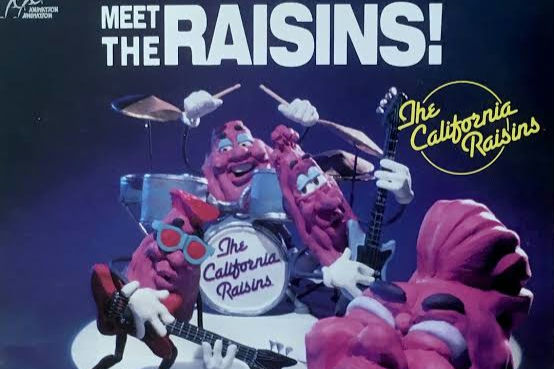
Capitalizing on their popularity, the California Raisins branched out into entertainment with surprising success. They released several albums featuring R&B covers performed by studio musicians, and their 1987 special, “Meet the Raisins,” helped solidify their personalities and backstory. A Christmas special followed in 1988, along with a Saturday morning cartoon called “The California Raisin Show.” Although the animation style shifted for the TV series, the characters remained recognizable. These expansions showed just how far the Raisins’ appeal had grown, turning a farm marketing effort into a multimedia franchise.
5. Costs Eventually Ended Their Original Run
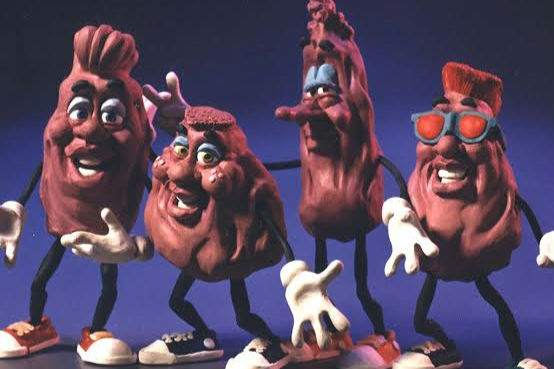
Despite their fame, producing the Raisins’ claymation content was extremely expensive. Will Vinton Studios’ stop-motion techniques required extensive time, labor, and specialized equipment. The California Raisin Advisory Board ultimately struggled with the rising costs, and by the early 1990s, the campaign became too expensive to maintain. In 1994, CALRAB was disbanded due to budget issues and disagreements over funding, effectively ending the Raisins’ original era. Without the organization behind them, the characters gradually disappeared from new media, marking the end of one of the most memorable advertising phenomena of the late 20th century.
6. They Had a Short-Lived 1990s Comeback
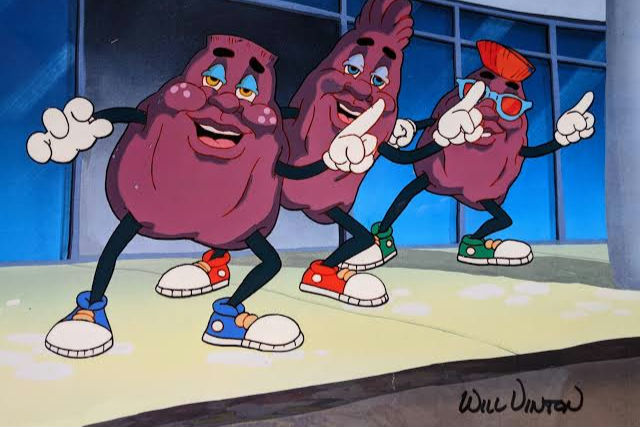
After the original campaign slowed down, the California Raisins attempted a quiet comeback in the early 1990s with updated designs and new marketing pushes. A redesigned Saturday-morning cartoon series and refreshed merchandise appeared, but the revival failed to reach the frenzy of the late 1980s. The entertainment landscape had changed, with kids’ brands shifting toward action figures, video games, and high-energy cartoons. Without the support of major claymation specials, and facing higher production costs, the Raisins couldn’t recreate their original momentum. Although they remained recognizable, the comeback largely faded by the mid-1990s, leaving their earlier success as their defining pop-culture moment.
7. Will Vinton’s Studio Continued Their Legacy
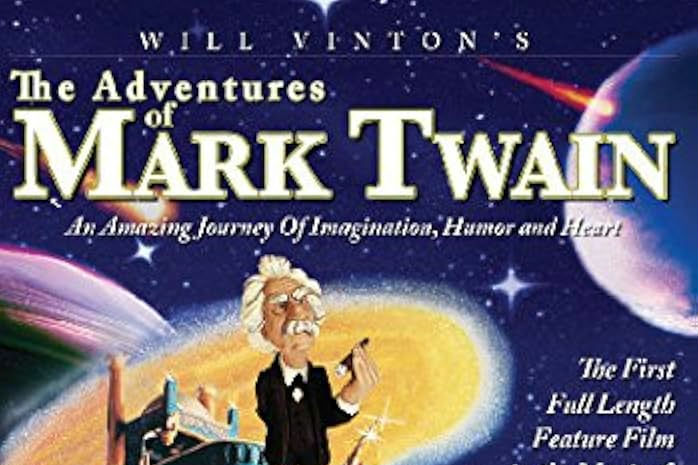
Much of the Raisins’ magic came from Will Vinton Studios, the Portland animation house that popularized the term “claymation.” After the Raisins’ success, the studio continued producing commercials and specials for major brands and even worked on projects like the “Adventures of Mark Twain” and the early phases of “The PJs.” While the California Raisins remained their most famous characters, the studio’s technical innovations influenced later stop-motion creators. This lineage lives on through Laika, an animation company formed from parts of Vinton’s original studio, which went on to produce acclaimed films such as “Coraline” and “ParaNorman.” Even though the Raisins faded, their creative DNA helped shape modern stop-motion animation.
8. The Characters Became Collector Favorites
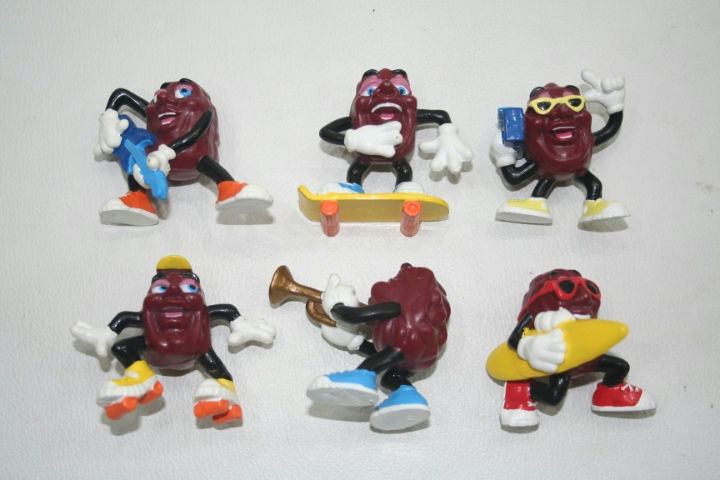
As the years passed, original California Raisins merchandise turned into a nostalgic collector’s market. The Hardee’s figurines remain the most commonly traded items, often sold in sets by vintage toy sellers and auction sites. Fans also seek out rarer pieces, such as plush dolls, unused store displays, VHS tapes, and limited-edition figurines released during the height of the craze. While most pieces aren’t extremely valuable, certain uncommon items can fetch higher prices among dedicated collectors. Their lasting appeal shows how strongly the Raisins captured the imagination of 1980s and early 1990s pop culture, becoming a quirky but beloved part of retail nostalgia.
9. They Still Appear in Pop Culture References
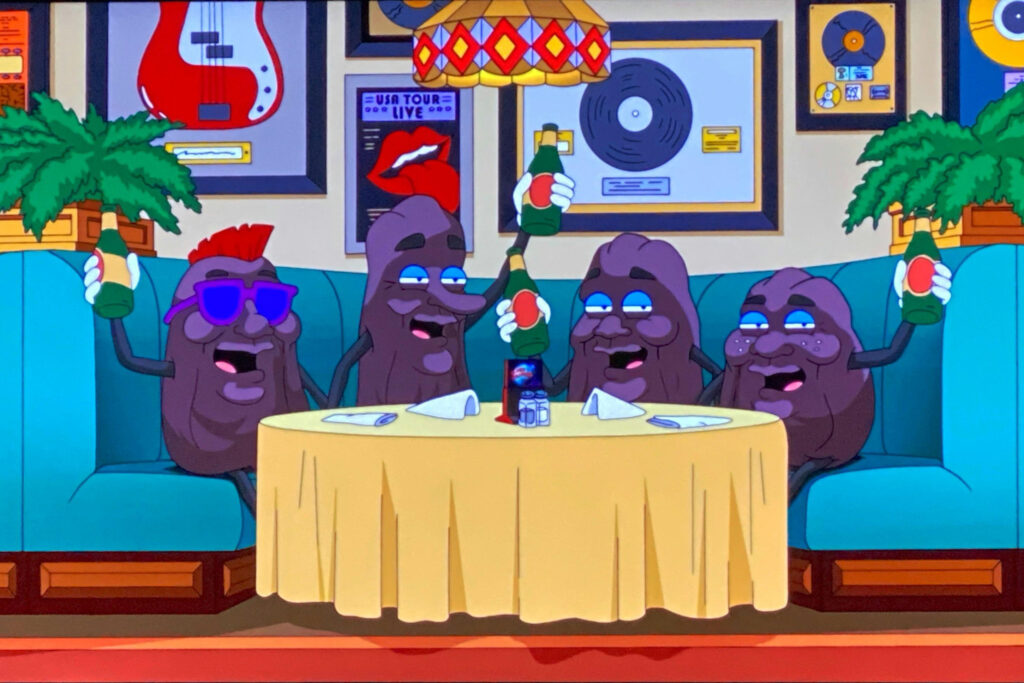
Even though they haven’t starred in new productions for decades, the California Raisins continue to pop up in TV parodies, retro documentaries, and online nostalgia countdowns. Shows like “American Dad!” and various sketch programs have referenced their claymation style or memorable song performances. They also appear in discussions about 1980s advertising history, alongside mascots like the Energizer Bunny and the Noid. Their unique combination of music, animation, and marketing creativity makes them a frequent example when revisiting the bold, quirky style of late-1980s commercial culture. In this way, their legacy remains surprisingly visible.
10. There’s Ongoing Talk of Revival
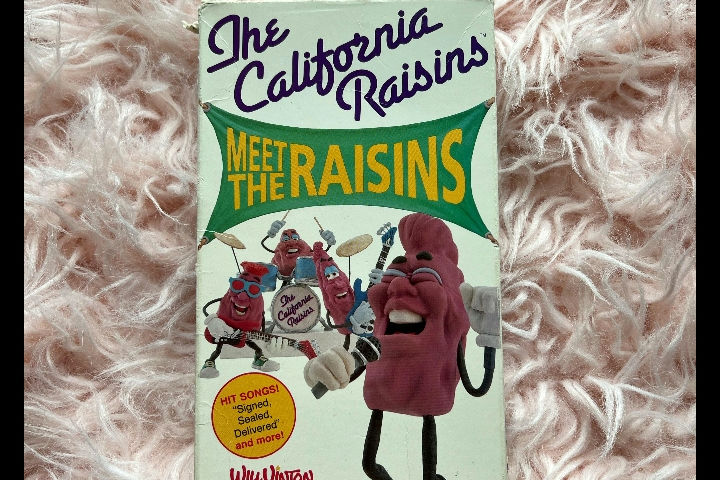
In recent years, the California Raisins have occasionally resurfaced in discussions about potential reboots and nostalgic VHS tape revivals. While no major project has been confirmed, entertainment writers and marketing analysts often point to the Raisins as a prime candidate for a modern update, especially with today’s improved stop-motion technology and renewed interest in retro brands. Fans have also pushed for revivals through online petitions and fan art. Although the characters remain quiet for now, the enduring nostalgia around them keeps the door open for a comeback, one that could blend classic charm with contemporary animation styles if ever approved.
The California Raisins may have started as a simple marketing idea, but they grew into one of the most memorable and unlikely pop-culture sensations of their era. Their songs, claymation charm, and massive wave of merchandise left a lasting imprint on 1980s nostalgia.
Have memories of the Raisins? Share them in the comments, your stories help keep them alive.
This story Whatever Happened to the California Raisins? was first published on Daily FETCH


