
1. The Rise of the Shiny Silver Invitations
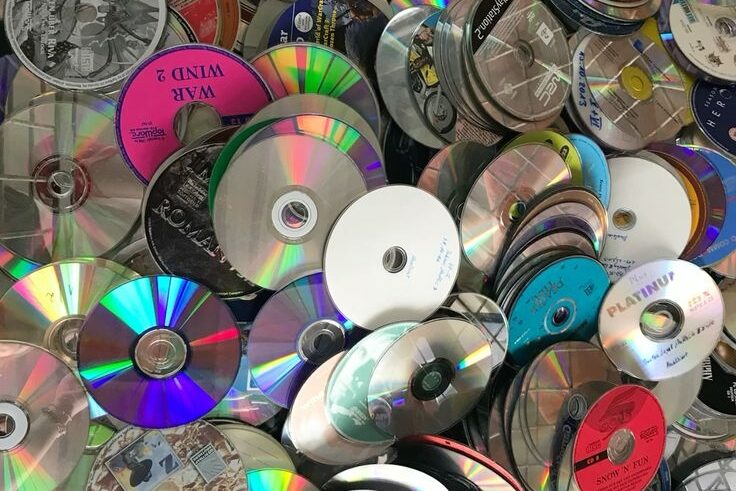
It’s hard to explain to anyone who did not live through it, but there was a time when the internet arrived in your mailbox. In the early 1990s, America Online, better known as AOL, began mailing out free trial CDs by the millions. They were shiny, colorful, and impossible to ignore. Some promised 100 free hours, others 500 or even 1,000. They showed up tucked inside magazines, taped to cereal boxes, and stacked near checkout counters. At its height, reports suggested that nearly half of all CDs manufactured worldwide carried the AOL logo. That is how serious the company was about getting people online.
For many families, that small disc became their first real step into the digital world. You would slide it into the computer, listen to the screech of the dial up modem, and wait patiently. Then came the magic words, You have got mail. It felt new and slightly mysterious. Those CDs were more than plastic. They were invitations to explore something bigger than your living room. If you still have one tucked away somewhere, pull it out and remember what it felt like when the internet first knocked on your door.
2. AOL’s Marketing Blitz You Could Not Escape
If you had a mailbox in the late 1990s, chances are you had an AOL CD. In fact, you probably had several. The company’s marketing strategy was simple and relentless. Put a disc in every possible hand. They appeared in Sunday newspapers, inside retail bags, and even handed out on busy streets. Some people joked that you could not walk ten steps without spotting one. But behind the humor was a smart plan. AOL understood that the internet still felt intimidating. A physical disc made it feel manageable, something you could hold and understand.
The repetition worked. Subscriber numbers grew rapidly, and for many households AOL became synonymous with going online. The brand was not just selling access. It was selling reassurance. Install this, follow the steps, and you will be connected. In an era before smartphones and app stores, that simplicity mattered. Today marketing happens quietly through links and ads, but back then it landed with a soft thud on your welcome mat. It may have felt excessive, but it helped millions take their first digital steps. Think about that the next time you clear out old mail and smile at how different things used to be.
3. Plastic Discs That Opened Digital Doors
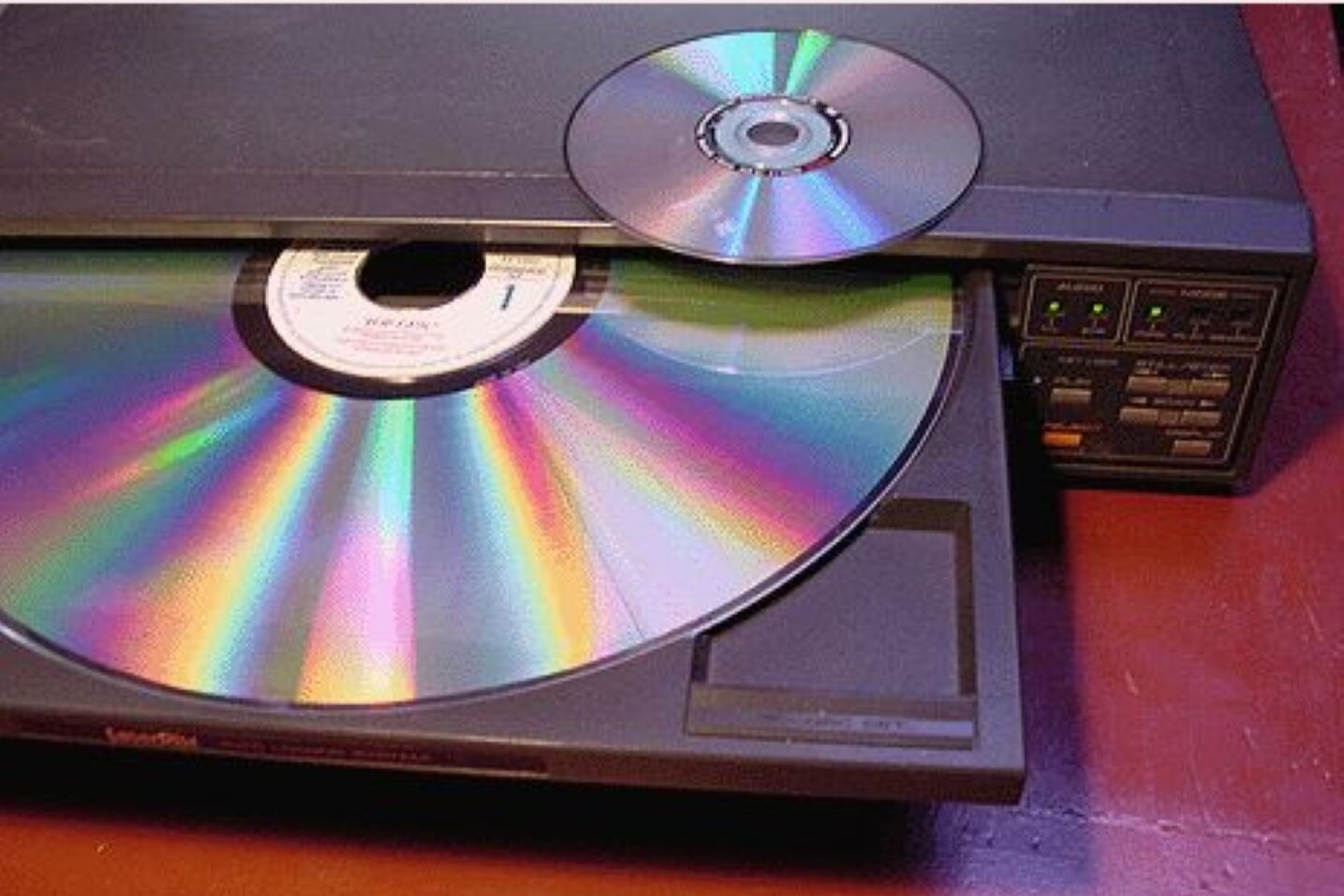
There was something almost ceremonial about installing an AOL CD. You sat down at the family computer, closed a few open programs, and carefully placed the disc into the tray. It whirred to life, and suddenly you were setting up a screen name that felt deeply personal. For many people, this was their first email address, their first chat room, their first online identity. The CD was not just software. It was a doorway. It guided you step by step, making the unfamiliar feel friendly.
Looking back, it is easy to forget how groundbreaking that felt. Before broadband, before WiFi, before social media, there was this simple process of connecting through dial up. The wait time felt long, but the reward felt big. News, games, message boards, and instant messaging all became part of daily life. The disc made the internet less abstract and more approachable. It lowered the barrier and invited curiosity. That small piece of plastic helped turn millions of hesitant users into regular internet explorers. If you remember choosing your very first screen name, you already understand how powerful that little disc truly was.
4. When the Stack Kept Growing
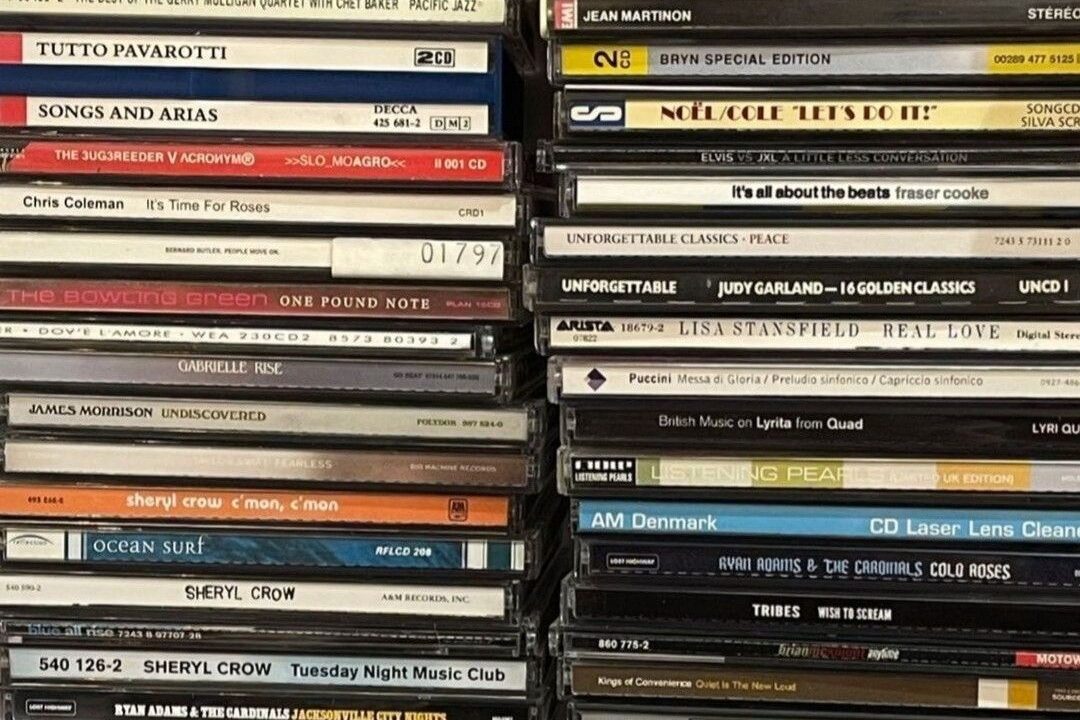
At some point, the novelty wore off and the stacks began to grow. Families would toss new AOL CDs onto a growing pile near the computer desk. Some ended up in drawers. Others became makeshift drink coasters or reflective decorations. It almost became a running joke. How many more could possibly arrive. Yet even as people teased the constant mailings, they still recognized the brand instantly. The logo was familiar, almost comforting.
That constant presence kept AOL at the center of the early internet conversation. Even if you had already signed up, the discs reminded you that the online world was expanding. They were small physical markers of a fast moving digital age. Today we update apps silently in the background without a second thought. Back then, each new CD felt like an update you could see and touch. The abundance may have seemed excessive, but it also kept the idea of connection front and center. If you ever built a tiny tower out of unused discs, you were part of a uniquely 1990s moment that blended clutter with curiosity.
5. Preserving a Piece of Internet History
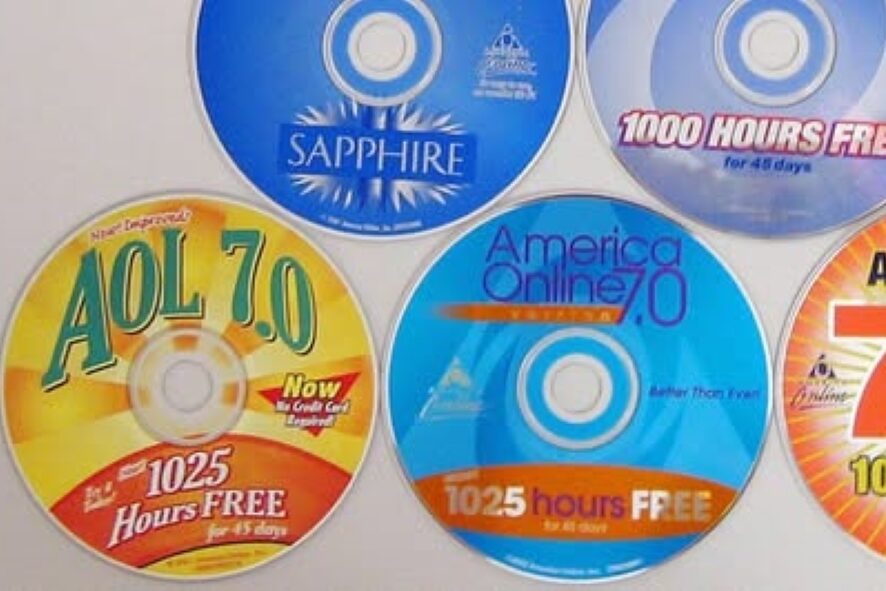
Years after the CDs stopped flooding mailboxes, they found new value in unexpected places. Digital preservation groups began collecting different versions of AOL discs, recognizing them as artifacts of internet history. Each variation told a small story about design trends, promotional offers, and the rapid growth of online culture. What once felt disposable started to look meaningful.
Preserving these discs is about more than nostalgia. It captures a turning point when the internet shifted from something academic and niche to something personal and widespread. The artwork, the slogans, even the promised free hours reflect how companies once introduced new technology to everyday households. They show how trust was built through something tangible. In a world where software now lives in invisible downloads, these discs remind us of a time when access came in the mail. If you ever stumble across one at a garage sale or in an old box, you are holding a small but real piece of digital history that helped shape how we connect today.
6. The Emotional Side of Dial Up Days

For many people, the memory of AOL is not about marketing at all. It is about emotion. It is about hearing the dial up tone late at night and hoping no one picked up the phone. It is about waiting for a friend to log into a chat room or refreshing your inbox to see if someone wrote back. Those CDs were the beginning of that experience. They introduced people to a new kind of social life that existed beyond physical walls.
There was patience involved. Connections dropped. Pages loaded slowly. Yet the excitement outweighed the inconvenience. Every message felt intentional. Every login felt earned. The CDs symbolized that first step into a wider world of conversation and information. Today communication happens instantly and constantly, but there was something special about those slower interactions. They felt deliberate. They felt new. If you ever stayed up too late chatting online because you did not want to miss a message, you already know how deeply those early AOL days could stick with you.
7. A Cultural Symbol of the 1990s

Over time, AOL CDs became more than a marketing tool. They became a symbol of the 1990s. Just like floppy disks and bulky desktop monitors, they represent a specific chapter in technology. Mention them in conversation and people instantly recall their first screen name or the thrill of customizing a profile. The discs quietly embedded themselves into pop culture memories.
They also inspired creativity. Some people turned them into art projects. Others collected different designs as keepsakes. What was once considered junk mail slowly transformed into memorabilia. It is interesting how time reshapes our perspective. Something that felt ordinary or even annoying can later feel charming and meaningful. The CDs represent a bridge between the offline and online worlds. They remind us that every era has its symbols, even if we do not recognize them right away. If someone younger asks what the internet was like before WiFi, showing them one of those discs might be the simplest explanation of all.
8. The Shift to a Faster Internet

As broadband connections became more common, the need for physical CDs began to fade. Faster internet meant easier downloads and quicker installations. The ritual of inserting a disc slowly disappeared. AOL had to adjust, competing in a landscape that no longer relied on dial up subscriptions as its core offering. The digital world was accelerating.
For users, the change felt dramatic. The waiting sounds of dial up were replaced with always on connections. The internet became less of an event and more of a constant presence. While that shift brought convenience, it also marked the end of a distinct era. The CDs stopped arriving. The piles stopped growing. What remained were memories of a slower, more deliberate introduction to the web. Progress is inevitable, but there is something grounding about remembering where it began. Those discs quietly stepped aside as technology evolved, leaving behind stories that still spark conversation today.
9. Lessons in Marketing That Still Echo
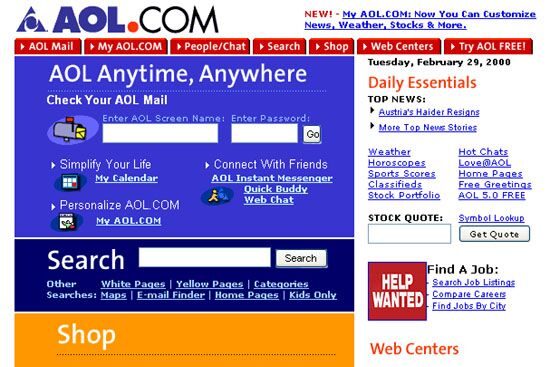
Even though AOL no longer dominates the digital space, its CD strategy remains a case study in bold marketing. The company understood that people needed encouragement to try something unfamiliar. By placing the software directly in homes, it removed friction and reduced hesitation. That approach influenced how companies later offered free trials, streaming previews, and introductory subscriptions.
The real lesson was accessibility. AOL did not assume people would search for the internet on their own. It delivered the opportunity straight to them. That mindset still shapes modern tech launches. Free access periods and easy onboarding processes trace their roots back to ideas like these. The discs may be gone, but the philosophy remains. Make it simple. Make it inviting. Make it feel possible. If you ever sign up for a free digital trial today, you are participating in a strategy that began long before app stores and one click signups became standard practice.
10. From Junk Drawer to Collector’s Item

What once filled junk drawers now sometimes appears in online auctions and collector forums. Certain AOL CDs have become nostalgic keepsakes, especially rare versions or unique promotional designs. It is surprising how something once considered disposable can gain sentimental value over time. For collectors, these discs represent a tangible memory of the early web.
Beyond collecting, they spark storytelling. Each disc can trigger memories of family computers shared in living rooms, siblings arguing over screen time, and the excitement of logging in after school. They are simple objects, yet they hold layers of personal history. In a world that increasingly stores memories in clouds and servers, having something physical to hold feels grounding. If you ever come across one at a flea market, pause for a moment. It may look like an outdated piece of plastic, but it carries the weight of an era that changed how we live and communicate.
11. Life After the CD Era

As the internet matured, AOL evolved. It shifted focus, invested in media brands, and worked to remain relevant in a rapidly changing environment. The company that once defined dial up had to find a new identity. While it never fully reclaimed its early dominance, its influence remained woven into the broader story of online growth.
For users, the disappearance of CDs marked the end of an initiation ritual. No more installations from a shiny disc. No more counting free hours. The internet simply became part of everyday life. That seamless integration is a testament to how far technology has come. Yet it is worth remembering that accessibility did not happen overnight. It was built step by step, sometimes one mailed disc at a time. If you remember rationing your online hours carefully, you witnessed a transitional moment that paved the way for unlimited connections.
12. Looking Back at a Small Object That Changed Big Things

In hindsight, it is remarkable that something so small played such a big role in shaping digital life. The AOL CD was simple, inexpensive, and easy to overlook. Yet it helped millions overcome uncertainty and take their first steps online. It turned curiosity into action. It transformed the internet from an abstract concept into a household activity.
Today we stream, scroll, and message without thinking about how we first connected. The process is invisible and instant. But behind that ease lies a history built on experimentation and bold outreach. Those discs were part of that foundation. They remind us that innovation often begins with simple ideas delivered consistently. If this walk down memory lane made you smile, share it with someone who never heard the sound of dial up. A small story about a shiny disc might be all it takes to show how far we have come.


