
From Olympic Hero To Global Headline And A Long Road Back
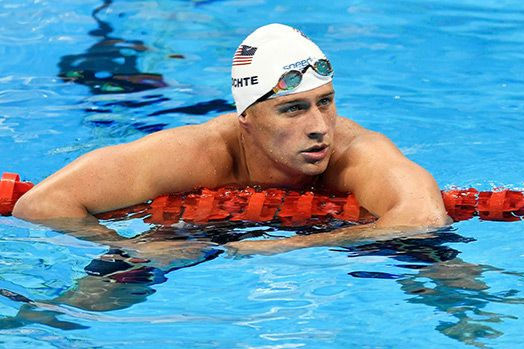
For years, Ryan Lochte represented the reassuring rhythm of Olympic sport. Every four summers, viewers watched a familiar face dive from the blocks, powerful and smooth in the water, and collect medals for the United States. By 2016 he had become one of the most decorated swimmers in history, second only to Michael Phelps in Olympic medal count among male swimmers. Yet what should have been another celebratory Olympic summer in Rio de Janeiro instead turned into one of the strangest scandals modern sport has seen.
The incident mattered because it revealed how quickly reputation can shift in the digital age. A story shared during a late night interview spiralled into a police investigation, sponsor withdrawals, and a global debate about accountability in elite sport. For Lochte, the aftermath did not end when the Games closed. The years that followed became a test of character, livelihood, and public forgiveness, and they quietly reshaped the course of his life.
Night In Rio

In the early hours of 14 August 2016, Ryan Lochte and three fellow American swimmers left a party during the Rio Olympic Games and stopped at a petrol station. Within hours, Lochte told media outlets that he had been robbed at gunpoint by men posing as police officers. The claim spread rapidly because Olympic audiences were already worried about safety in Brazil, and his interview on American television was widely broadcast across the world.
However, Brazilian authorities soon noticed inconsistencies. Surveillance footage showed the swimmers behaving disorderly and damaging property inside the station’s bathroom. Security guards reportedly confronted them and demanded payment for the damage. While a guard did display a firearm, investigators concluded it was not an armed robbery but a dispute after vandalism. Lochte had already left Brazil, which intensified scrutiny and left teammates to give statements to police. The story’s collapse was swift and public. What began as a dramatic tale of Olympic danger quickly became an international embarrassment, and Lochte found himself at the centre of one of the most unusual controversies in Olympic history.
Story Falls Apart

Within days, journalists began comparing Lochte’s televised account with police findings. Details shifted. He first described being pulled over in a taxi, then later said the encounter happened at a petrol station. He spoke of being forced onto the ground, yet security footage showed him standing and arguing with attendants. The contradictions became impossible to ignore, and the International Olympic Committee began cooperating with Brazilian investigators.
As pressure mounted, Lochte released a public apology. He admitted he had exaggerated parts of the story and accepted responsibility for his behaviour. The admission did little to slow the fallout because global audiences had followed the case closely. News outlets framed it as a cautionary example of how quickly misinformation spreads when a celebrity account is taken at face value. For many observers, the disappointment was personal. Lochte had built a reputation as a relaxed and charismatic athlete, and fans were unprepared for the seriousness of the situation. The apology marked the end of the initial scandal but also the beginning of consequences that would shape the next several years of his career and personal life.
Olympic Ban
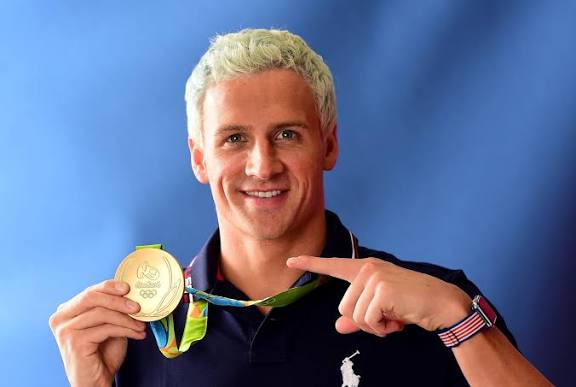
In September 2016, governing bodies moved decisively. USA Swimming and the United States Olympic & Paralympic Committee issued a ten month suspension. The punishment barred Lochte from competing and also removed him from national team activities, including training camps and official events. He was additionally excluded from the 2017 World Championships team, a major competitive loss for a swimmer nearing his thirties. The ban was significant because elite swimmers rely on constant competition to maintain ranking and sponsorship value. Missing nearly a full season meant lost visibility and disrupted preparation cycles.
Financial penalties accompanied the suspension, including the forfeiture of performance bonuses linked to Olympic success. For Lochte, the timing was difficult. Swimming careers are relatively short, and the suspension effectively paused momentum he had built over more than a decade. While he accepted the decision publicly, interviews later suggested he struggled with the sudden halt to routine and identity. The Olympic ban made clear that the scandal would not be a brief media storm but a turning point with lasting professional consequences.
Sponsors Walk Away
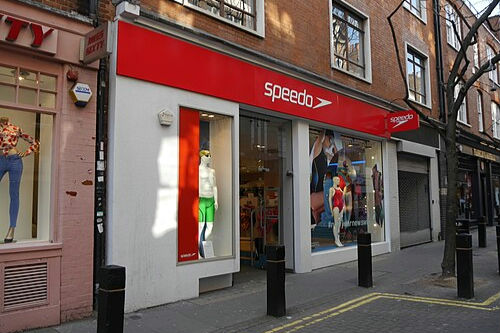
Commercial fallout arrived even faster than sporting discipline. Within days of the investigation, major sponsors began terminating endorsement deals. Companies including Speedo, Ralph Lauren, and Syneron Candela announced they would no longer work with Lochte. For an athlete whose earnings depended heavily on endorsements, the impact was immediate and severe. One decision carried symbolic weight. Speedo, a long time partner, not only ended the contract but donated a portion of Lochte’s sponsorship fee to a Brazilian charity supporting children.
The move signalled how strongly brands wanted distance from the controversy. Corporate sponsors often value image as much as performance, and Lochte’s credibility had been damaged. The financial effect reportedly cost him hundreds of thousands of dollars in a short period. More importantly, it altered how he was perceived commercially. Athletes rarely recover sponsorship trust quickly after a public scandal. Lochte later admitted he had underestimated how much reputation influenced his career beyond the pool, and rebuilding that trust would prove more challenging than winning races.
Legal Consequences

Brazilian authorities did not pursue severe criminal charges, yet the legal situation remained complicated. Lochte was charged in Brazil with falsely reporting a crime, though enforcement was limited because he had already returned to the United States. Eventually, his legal team reached an agreement involving a financial settlement directed toward charitable causes. Meanwhile, teammate James Feigen agreed to a similar arrangement while still in Brazil. The resolution allowed the matter to close without lengthy international legal proceedings, but the publicity lingered.
Each development kept the story alive in global news cycles long after the Olympics ended. For Lochte, the legal outcome was less damaging than the reputational one, yet it reinforced the seriousness of the situation. Olympic athletes rarely encounter international legal scrutiny, and the case became a reference point for discussions about athlete conduct abroad. By the time the legal issues settled, the focus had shifted from a single mistake to questions about responsibility, maturity, and accountability in professional sport.
Public Apology
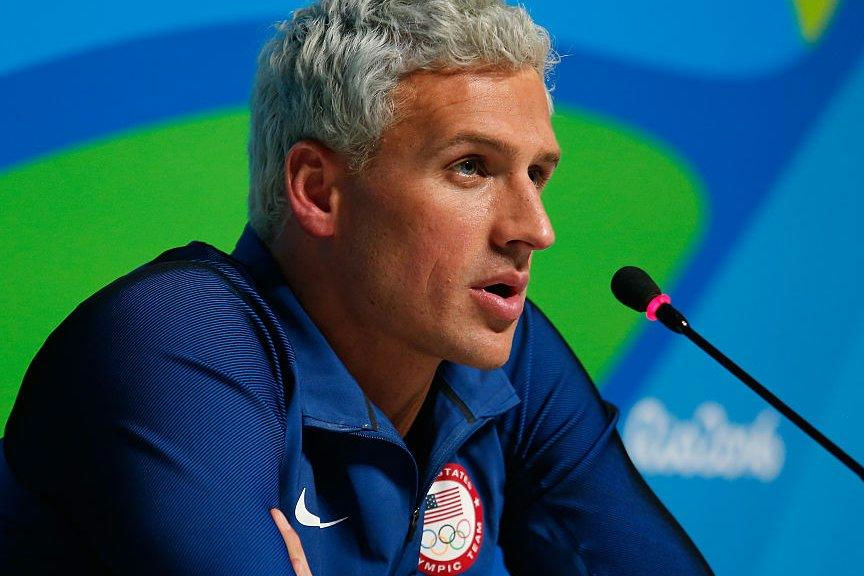
Following weeks of criticism, Lochte embarked on a series of interviews to explain himself. In televised appearances he described being embarrassed and overwhelmed by events in Rio. He admitted he had been drinking that night and said he had not handled media attention responsibly. His tone was more subdued than the confident personality fans had previously known. Public reaction was mixed. Some viewers appreciated the remorse, while others felt the apology came only after evidence forced it. The sincerity debate followed him for years.
Sports psychologists often note that public forgiveness depends on consistent behaviour over time rather than a single statement, and Lochte would need patience. The apology period marked an emotional low point. Without competition and without sponsors, he was no longer defined by victories. Instead, he was trying to regain credibility. Friends and family later said this phase was critical because it pushed him to reflect on his lifestyle and priorities beyond swimming.
Return To Pool
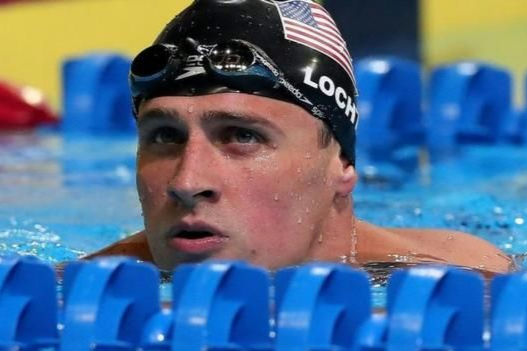
In mid 2017, after the suspension ended, Lochte returned to competition. His first races were modest meets rather than global championships. Observers noticed a change in demeanour. He appeared quieter and more focused, often avoiding dramatic celebrations. The comeback was not instant success, yet he posted respectable times for his age. Qualifying for national level events again was a meaningful achievement. Swimming is unforgiving, and a year away can dramatically affect performance. Lochte had to rebuild conditioning and confidence simultaneously.
Coaches reported he trained intensely to prove he could still compete with younger athletes. The return mattered psychologically. Competing restored routine and purpose after months defined by controversy. Although he no longer dominated headlines for medals, simply reentering the pool signalled resilience. For many fans, this was the first step toward seeing him again as an athlete rather than a scandal figure.
Fatherhood Changes

In June 2017, Lochte became a father when his son Caiden was born. He later described the experience as transformative. Parenthood shifted his daily priorities, encouraging more structured habits and less nightlife. Interviews from this period show a noticeably calmer perspective on fame and responsibility. He often spoke about wanting his child to see him as a positive example. Training schedules became organised around family life, and he credited his wife Kayla Rae Reid with helping him regain stability. Athletes frequently struggle with identity after controversy, but family responsibilities can provide grounding. The change also softened public perception.
Media coverage began including domestic moments rather than only past mistakes. While not everyone forgave immediately, the narrative broadened. Lochte was no longer just the swimmer from Rio but also a father attempting to rebuild both career and reputation step by step. Reality Television, seeking income and visibility, Lochte appeared on reality television programmes including Dancing with the Stars shortly after the Olympics. His participation was controversial at first because audiences were still processing the scandal. During the show’s premiere, protesters briefly interrupted the broadcast, demonstrating how public emotion remained strong. Despite the rocky start, he stayed for several weeks and showed a willingness to laugh at himself. Reality television offered a different type of exposure.
Training And Trials
Lochte attempted to qualify for the Tokyo Olympics, eventually held in 2021 after pandemic delays. By then he was in his mid thirties, an age when most swimmers have retired. He trained intensely, hoping experience might compensate for declining speed. His times improved but were no longer world leading. At the U.S. Olympic Trials he narrowly missed qualification. Though disappointing, the attempt was widely respected. Competing at elite level after suspension, ageing, and controversy required persistence.
He acknowledged publicly that reaching another Olympics would have been a bonus rather than an expectation. The effort showed how strongly athletes connect their identity to competition. Even without a final Olympic appearance, Lochte demonstrated longevity rarely seen in sprint swimming. His later career became less about medals and more about personal redemption, resilience, and the desire to finish on his own terms.
Family Life Settles

In the years after his return to competition, Ryan Lochte’s personal life became far more settled than the chaotic period surrounding Rio. He married Kayla Rae Reid in January 2018 in a small ceremony in Florida, followed by a larger celebration later that year. Their family grew steadily, and they welcomed more children over the following years. Parenthood reshaped his daily routine, and he often spoke about balancing school runs, training sessions, and ordinary household responsibilities. Friends noticed that he no longer pursued constant public attention. Social media posts showed birthdays, swimming practice with his children, and quiet domestic scenes rather than celebrity parties. The shift mattered because the scandal had partly stemmed from late night behaviour and immaturity.
By embracing a more stable home life, Lochte demonstrated tangible change rather than relying solely on apologies. Although some critics remained sceptical, others began to see a genuine evolution. Athletes frequently struggle once intense Olympic schedules end, yet Lochte appeared to adapt by investing in family identity. In interviews he repeatedly said fatherhood made him more patient and reflective, and he credited it for helping him rebuild confidence after years defined by public scrutiny.
Financial Rebuild
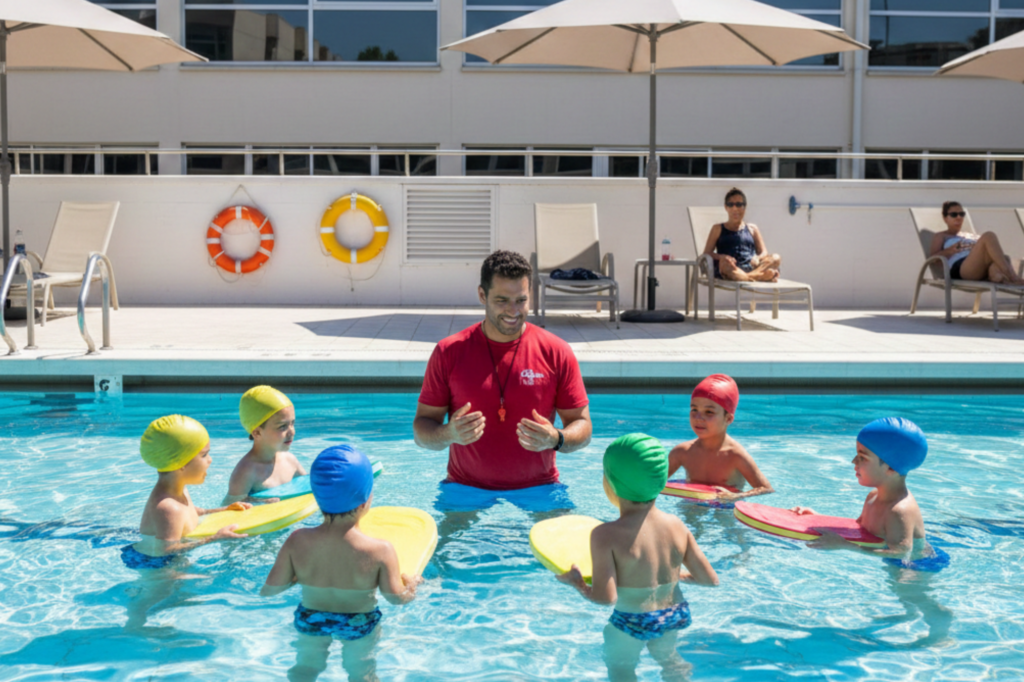
After sponsors withdrew in 2016, Lochte faced a financial adjustment unfamiliar to most elite athletes. Olympic swimmers often depend heavily on endorsements because prize money is limited compared with other sports. Losing multiple contracts in a single week forced him to rethink long term stability and spending habits. He began accepting smaller partnerships and local promotional appearances while gradually rebuilding trust with brands. Rather than large global campaigns, he worked with swim schools, training clinics, and youth programmes. These engagements did not produce the same income as previous deals but helped restore professional credibility. Companies wanted evidence of reliability over time before committing again.
He also became involved in swimming instruction and community events, which provided income and purpose simultaneously. While he never regained the commercial peak he once enjoyed, the gradual rebuild demonstrated that reputations can recover partially through consistent behaviour and patience. Media Reputation. Public memory proved complicated. For years, any interview or article about Lochte still referenced Rio. Television hosts often asked about the incident even when discussing training or family. He learned to address it calmly rather than defensively, acknowledging mistakes and redirecting attention to present activities.
Public Perception Today
Public opinion about Ryan Lochte today is notably calmer than it was in 2016. While the Rio incident remains a permanent part of his biography, it no longer dominates headlines. Sports discussions now tend to mention it briefly before focusing on his Olympic achievements, including multiple gold medals across four Olympic Games. Younger swimming fans often know him primarily through coaching clinics or online instructional videos. This generational shift matters because reputation evolves over time.
What once appeared as a defining scandal has become a historical episode within a longer athletic career. The broader public conversation has also changed. Audiences have seen other controversies in sport, which placed the event in perspective. Rather than outrage, many now treat it as an example of poor judgement followed by accountability and gradual rehabilitation.
The Rio incident did not erase Ryan Lochte’s career, yet it transformed it. Over time he rebuilt parts of his life through family, consistency, and patience.
Like this story? Add your thoughts in the comments, thank you.


