
The Rise And Fall Of A Governor
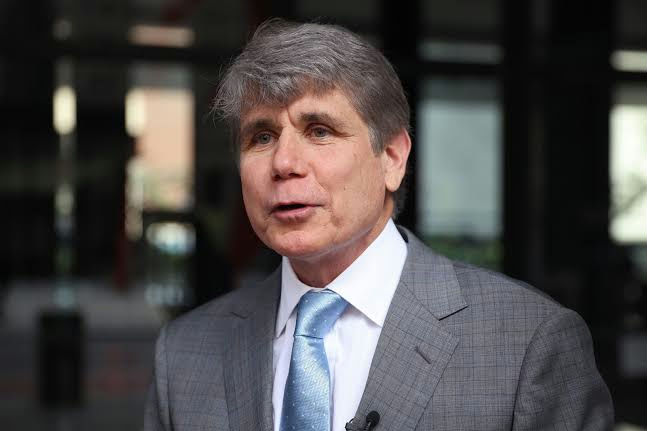
The story of Rod Blagojevich remains one of the most colourful and controversial chapters in American political history, serving as a stark reminder of how quickly power can be lost. When Barack Obama ascended to the presidency in 2008, he left behind a vacant Senate seat that Blagojevich, as the then-Governor of Illinois, had the legal authority to fill. However, instead of a standard political appointment, federal authorities alleged that the Governor viewed the seat as a personal commodity to be auctioned off for campaign funds or high-paying positions for himself and his wife.
Understanding the trajectory of Blagojevich’s life after these events is essential because it highlights the intricate dance between justice, public perception, and executive clemency. His journey from a powerful state leader to a federal inmate, and eventually to a man freed by presidential intervention, offers a unique window into the American legal system. By looking back at the timeline of his sentencing and subsequent release, we can better appreciate the long-term consequences of political scandal and the enduring nature of one of the most famous hair-dos in politics.
The Federal Arrest That Stunned Illinois
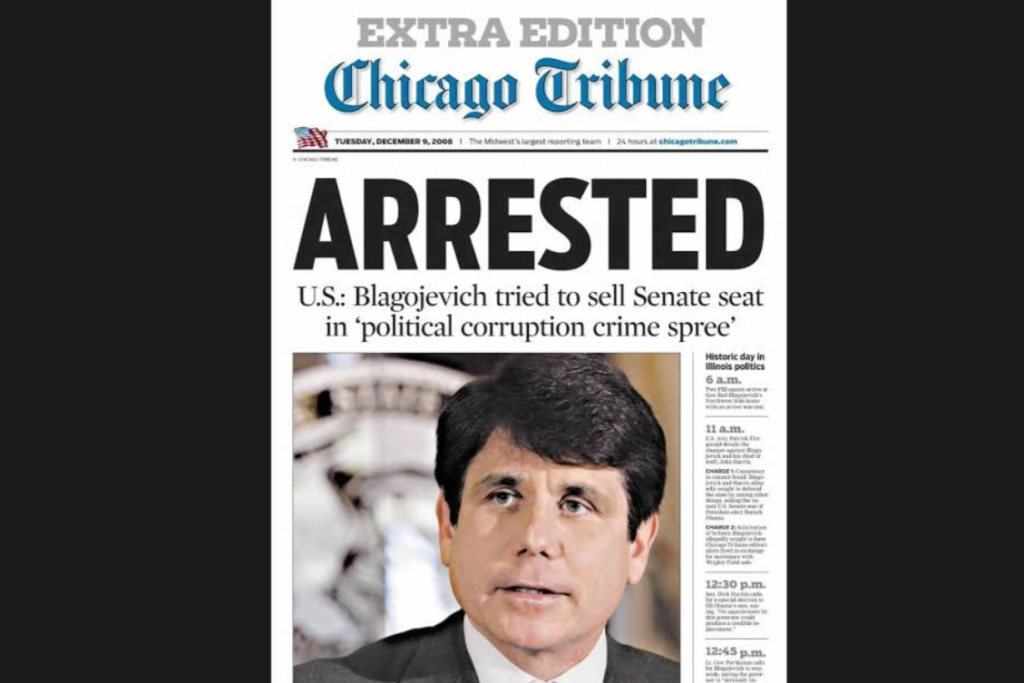
The drama began in earnest on 9 December 2008 when federal agents arrived at Rod Blagojevich’s home in the early morning hours to take him into custody. This moment fundamentally changed the political landscape of Illinois as the sitting Governor was accused of several counts of corruption, including the shocking attempt to sell a United States Senate seat. Federal prosecutors had been monitoring his phone calls and released transcripts that appeared to show the Governor discussing the vacancy in incredibly crude and transactional terms, famously describing the seat as a “f***ing valuable thing” that he wasn’t going to give away for nothing.
While the arrest was a media sensation, it was only the beginning of a long and arduous legal process that would see Blagojevich fight the charges with characteristic bravado. He initially refused to resign, insisting on his innocence and even embarking on a media tour to defend his character while the state legislature moved toward impeachment. The sheer audacity of his public defense, combined with the gravity of the allegations, made this one of the most watched legal cases of the decade, eventually leading to his historic removal from office by the Illinois State Senate in January 2009.
A Historic Sentence Is Finally Delivered
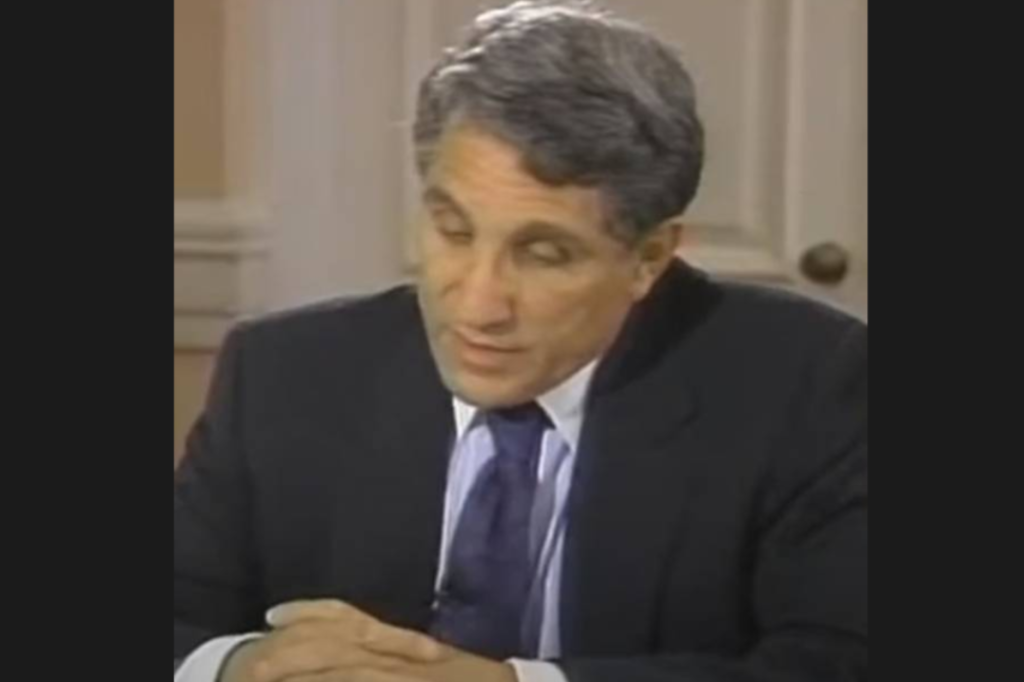
After two high-profile trials that captivated the nation, the legal hammer finally fell on 7 December 2011 when Judge James Zagel sentenced Blagojevich to 14 years in federal prison. This was a significantly harsh punishment compared to other corruption cases, reflecting the judge’s view that the Governor had committed a profound “erosion of public trust” through his actions. During the sentencing hearing, the judge noted that the Governor’s intent to treat a public office as a personal asset was a betrayal of the very people he was elected to serve, and the decade-plus term was intended to serve as a stern warning to other politicians.
Blagojevich himself appeared humbled for the first time during the proceedings, expressing regret for his actions and acknowledging that he had made terrible mistakes that hurt his family and his state. Despite his apology, the 14-year sentence remained one of the longest ever handed down to a politician for corruption charges in the United States. As he prepared to leave his home and his young daughters to begin his term, the reality of his downfall became undeniable, marking the start of a long period of reflection behind bars at a federal correctional institution in Colorado.
Life Behind Bars In Colorado
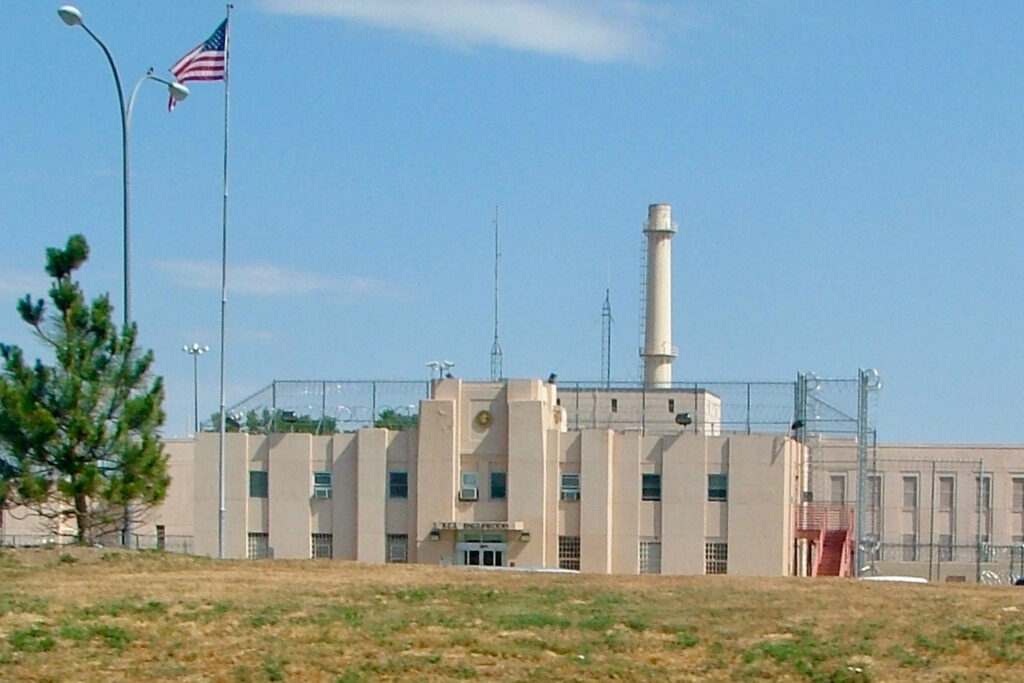
In March 2012, the former Governor reported to the Federal Correctional Institution in Englewood, Colorado, to begin serving his lengthy sentence far away from the political circles of Chicago. Prison life was a drastic departure from the luxury of the Governor’s mansion, yet Blagojevich reportedly adapted to his surroundings by engaging with fellow inmates and even teaching history classes. He spent much of his time working in the prison library and playing guitar in an inmate band, all while his legal team continued to file appeals in an attempt to overturn his convictions or reduce his time.
Throughout his incarceration, Blagojevich remained a figure of public interest as his wife, Patti, became his most vocal advocate on the outside, frequently appearing on television to argue that the punishment did not fit the crime. She worked tirelessly to keep his name in the headlines and began a public campaign to catch the eye of the White House, hoping for a miracle. Despite the physical distance and the loss of his freedom, the former Governor maintained his signature thick hair and his fighting spirit, waiting for a political shift that might offer him a path back to his family.
The Path To Executive Clemency
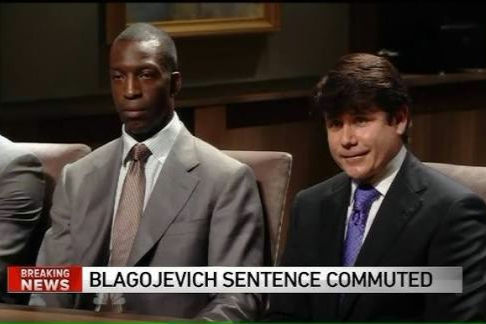
The turning point for Blagojevich came with the election of Donald Trump, who had actually crossed paths with the former Governor when he appeared as a contestant on “The Celebrity Apprentice” in 2010. During the show, Trump had praised Blagojevich for his tenacity, and over the years, he began to voice his opinion that the 14-year sentence was “ridiculous” and “excessive.” The political alignment between the two men grew as Blagojevich’s legal team argued that he was a victim of the same “deep state” forces that Trump often criticised, creating a narrative that appealed directly to the sitting President.
By 2018, Trump began publicly discussing the possibility of commuting the sentence, suggesting that Blagojevich had been treated unfairly by the same prosecutors who were investigating his own administration. This potential for clemency sparked intense debate across the political spectrum, with some arguing it was a compassionate move to correct an overly harsh sentence and others viewing it as a dangerous precedent that undermined the fight against corruption. Nevertheless, the groundwork was being laid for one of the most high-profile uses of presidential power in recent memory, as the White House began to formalise the process of bringing the former Governor home.
A Sentence Commuted And Freedom Regained
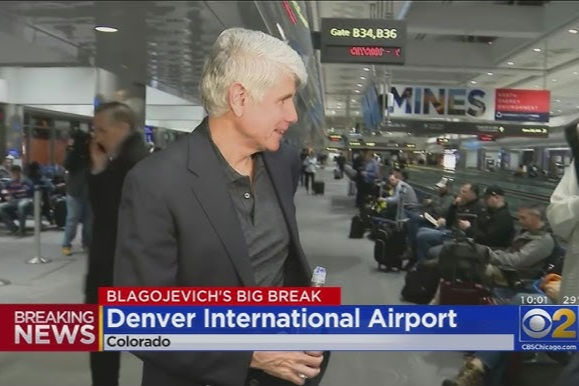
On 18 February 2020, President Trump officially commuted Rod Blagojevich’s 14-year sentence, allowing him to walk out of prison after serving eight years of his term. The President stated that he believed the former Governor had been treated “unbelievably unfairly” and that the remaining years of his sentence were unnecessary. The commutation did not wipe away the conviction itself, but it did provide for his immediate release, and within hours, Blagojevich was seen at Denver International Airport, surrounded by cameras and looking remarkably similar to the man who had entered prison nearly a decade earlier.
His return to Chicago was a media circus of the highest order as he stepped off the plane to a crowd of supporters and journalists. In his first public remarks, he expressed profound gratitude to the President and described himself as a “Trump-ocrat,” signaling a shift in his political identity. He was reunited with his wife and daughters in an emotional scene at their family home, declaring that his time in prison had made him a better man and that he intended to spend his remaining years fighting for others who he believed had been wronged by the legal system.
The Final Step To A Full Pardon
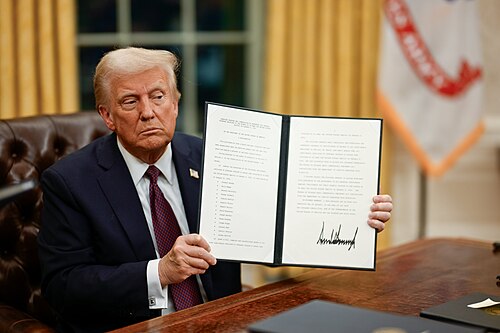
While the commutation in 2020 had freed him from his cell, it was not until much later that Blagojevich received the ultimate form of legal forgiveness. On 10 February 2025, during the early days of his second term, President Trump issued a full and unconditional pardon to the former Governor. This move effectively cleared his record of the corruption charges and restored the rights that he had lost as a convicted felon, representing a complete reversal of the legal battles that had defined his life for nearly two decades. The pardon was part of a larger wave of executive clemency that targeted individuals the President felt had been unfairly prosecuted.
For Blagojevich, the pardon was the final validation he had been seeking since his arrest in 2008, and he celebrated the news as a victory for justice and the rule of law. Critics, however, were quick to point out that the pardon sent a troubling message about accountability for public officials, arguing that it essentially erased the consequences of trying to sell a seat in the United States Senate. Regardless of the public outcry, the legal saga of Rod Blagojevich was officially over, leaving him as a free man with no remaining criminal record and a unique story to tell.
Rebuilding A Life In The Public Eye
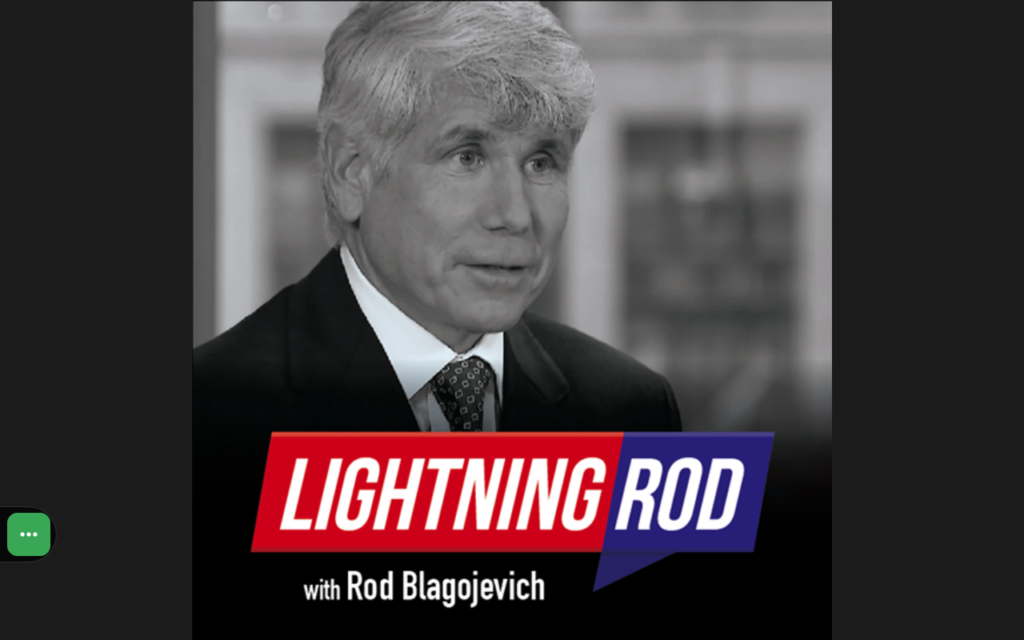
Since regaining his freedom, Rod Blagojevich has not shied away from the spotlight, instead choosing to embrace his status as a political survivor and media personality. He has launched his own podcast “Lightning Rod with Rod Blagojevich”, and frequently appears on cable news to offer his commentary on current events, often focusing on themes of criminal justice reform and political corruption. He has used his platform to share his experiences in prison and to advocate for other inmates whom he believes were over-sentenced, attempting to transform his tarnished reputation into that of a reformer who has seen the system from both sides.
In addition to his media work, Blagojevich has focused on reconnecting with his family and making up for the years he spent away from his daughters’ lives. He is often seen around Chicago, engaging with locals and maintaining the same charisma that helped him win the governorship twice. While he remains a polarizing figure in Illinois politics—barred from ever holding state office again due to his impeachment—he has found a way to remain relevant and vocal, proving that even a scandal of historic proportions could not keep him out of the public conversation for long.
The Legacy Of The Senate Seat Scandal
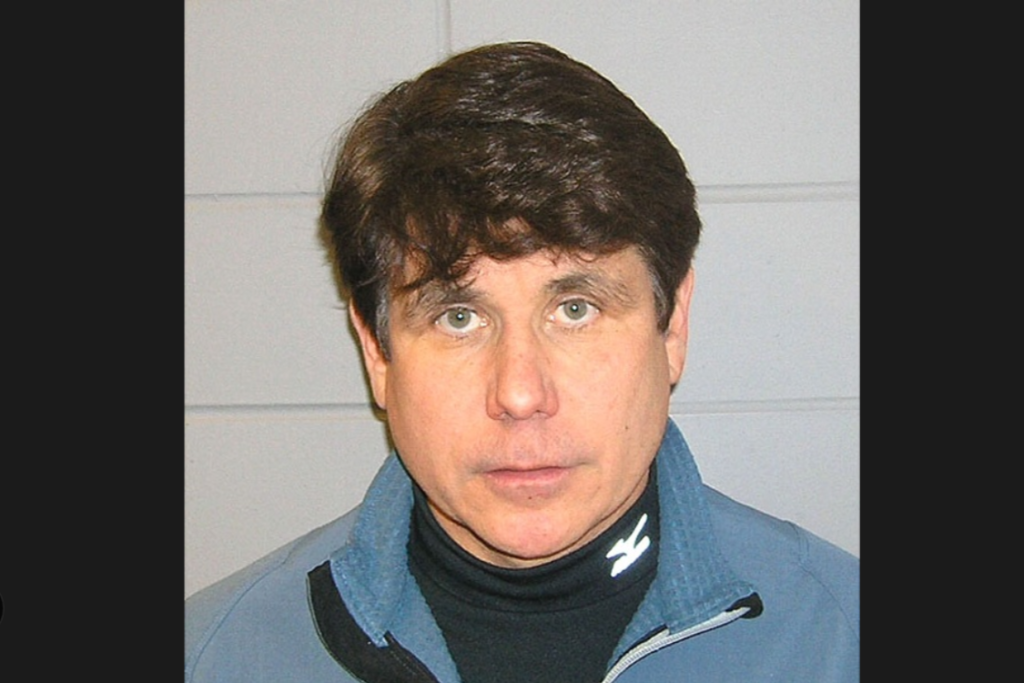
The lasting legacy of the Rod Blagojevich scandal is often viewed as a cautionary tale about the dangers of unchecked political power and the fragility of public institutions. The attempt to sell Barack Obama’s Senate seat remains one of the most blatant examples of “pay-to-play” politics in American history, and it led to a significant tightening of ethics rules and oversight in Illinois. It also highlighted the immense power of federal investigators to monitor public officials and the crucial role that the media plays in holding leaders accountable for their actions behind closed doors.
However, the eventual pardon of Blagojevich has added a complicated layer to this legacy, raising questions about the permanence of justice when it intersects with executive power. To many, he remains a symbol of a corrupt era in Chicago politics, while to others, he is a man who was punished too severely for a practice that is more common than people care to admit. His story continues to be studied by political scientists and law students alike as a perfect storm of ambition, technology, and the unpredictable nature of political alliances in the modern age.
A New Chapter In A Long Saga
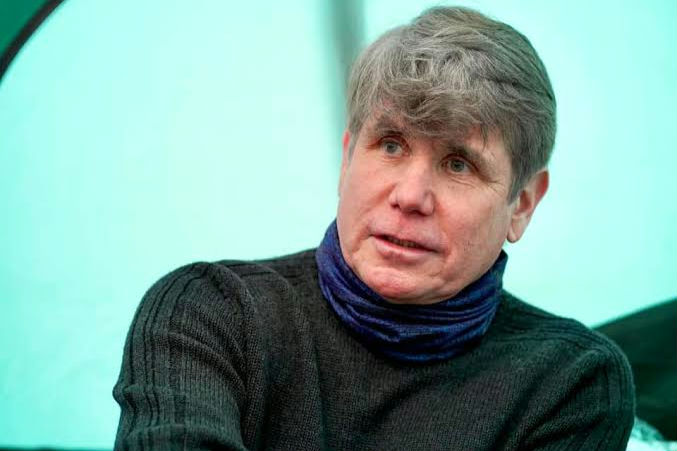
As Rod Blagojevich looks toward the future as a fully pardoned man, he appears to be writing a new chapter that focuses on redemption and public advocacy. He has often stated that his time in prison gave him a perspective on life that he never could have gained as a high-ranking politician, and he seems determined to use that perspective to influence the national dialogue on sentencing. Whether he is remembered as a corrupt official who got away with it or a reformed man who paid his debt to society, his impact on the American consciousness is undeniable.
The former Governor’s journey is far from over, as he continues to be a sought-after speaker and a fixture in the ever-evolving world of political commentary. His ability to navigate the most extreme highs and lows of public life is a testament to his resilience and his unique understanding of the American media landscape. As the dust finally settles on the legal battles of the past twenty years, Blagojevich stands as a man who has managed to reclaim his freedom and his voice, leaving the world to wonder what his next move will be.
The Role Of Family In Recovery
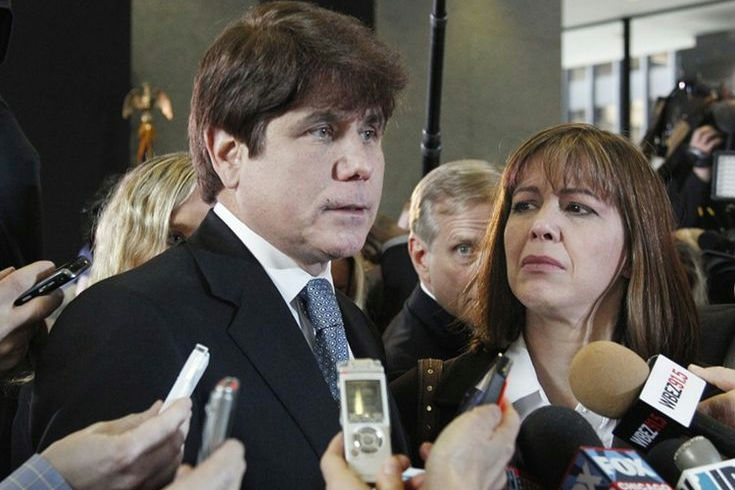
Throughout his legal battles and his time in prison, the support of his family remained the bedrock of Rod Blagojevich’s life and his eventual return to society. His wife, Patti, was his most steadfast defender, often appearing on national television to lobby for his release and to keep his story alive in the hearts of the public. The emotional reunion with his two daughters upon his return to Chicago was a powerful moment that highlighted the personal cost of his long absence and the resilience of their family bond.
In the years since his release, he has made it a priority to be a constant presence in his daughters’ lives, celebrating their milestones and making up for the lost time spent behind bars. This focus on family has softened his public image, showing a more vulnerable side of the man who was once known for his aggressive political style. By placing his role as a husband and father at the center of his post-prison life, he has found a path to personal redemption that resonates with many, proving that even in the wake of a historic scandal, the importance of home and heritage remains paramount.
Like this story? Add your thoughts in the comments, thank you.


