
1. Early modeling years
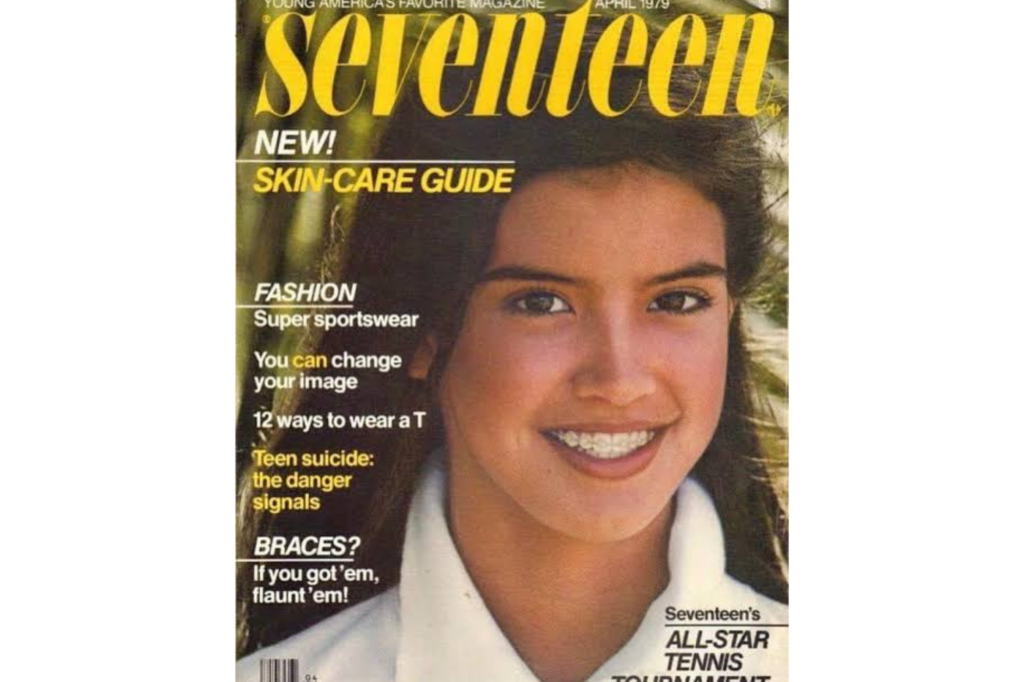
Before her acting career began, Phoebe Cates was already well known in fashion circles. As a teenager, she modeled for major magazines, including Seventeen, and appeared on several international covers. Modeling provided early visibility but also exposed her to intense public scrutiny at a young age. In later interviews, Cates described the industry as demanding and often uncomfortable, especially for someone still finding her footing. These experiences shaped her cautious approach to fame and influenced her eventual decision to pivot toward acting, where she hoped for more creative control and longevity. Her early modeling success laid the groundwork for her Hollywood entry but also gave her an early understanding of the personal costs of public life.
2. Breakthrough film debut

Cates made her film debut in Paradise in 1982, which immediately brought her national attention. The movie performed well commercially, and her presence became a major talking point in entertainment media. While the role helped establish her as a rising star, it also typecast her early on, something she later acknowledged as limiting. Hollywood quickly positioned her as a youthful leading lady rather than a versatile performer. Despite this, the exposure opened doors to higher-profile projects and placed her on the radar of major studios during a highly competitive period in the film industry.
3. Fast Times fame
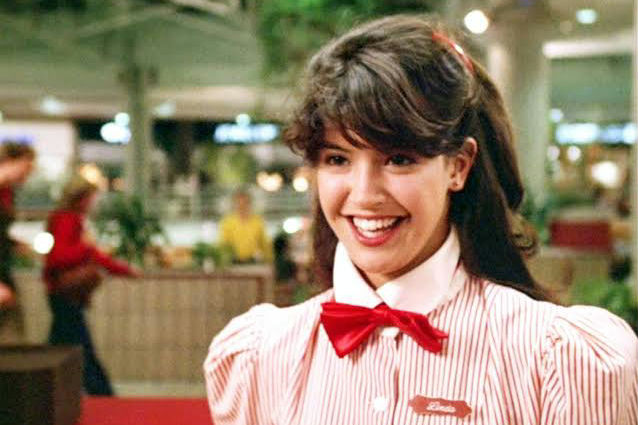
Her role in Fast Times at Ridgemont High cemented her place in pop culture history. The film became a defining teen movie of the early 1980s, frequently cited in retrospectives and ranked among the era’s most influential comedies. Cates’ performance resonated with audiences and helped elevate the film beyond a standard coming-of-age story. However, the overwhelming focus on a single scene often overshadowed her broader acting abilities. This moment brought lasting recognition but also complicated her professional identity, something she would spend years trying to balance.
4. Gremlins success
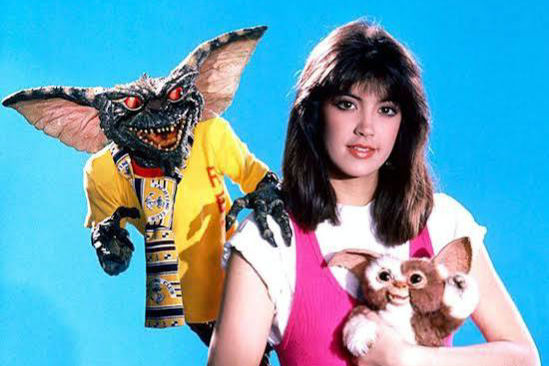
Gremlins marked a shift in Cates’ career, showcasing her in a mainstream blockbuster with wide appeal. Released in 1984, the film was both a critical and commercial success, spawning sequels, merchandise, and decades of fan interest. Cates’ role as Kate Beringer demonstrated her ability to carry a story beyond teen-centered narratives. The film’s enduring popularity kept her name relevant well into later decades. Despite the success, Cates remained selective about her roles, choosing projects that aligned with her personal values rather than chasing constant visibility.
5. Continued 1980s roles
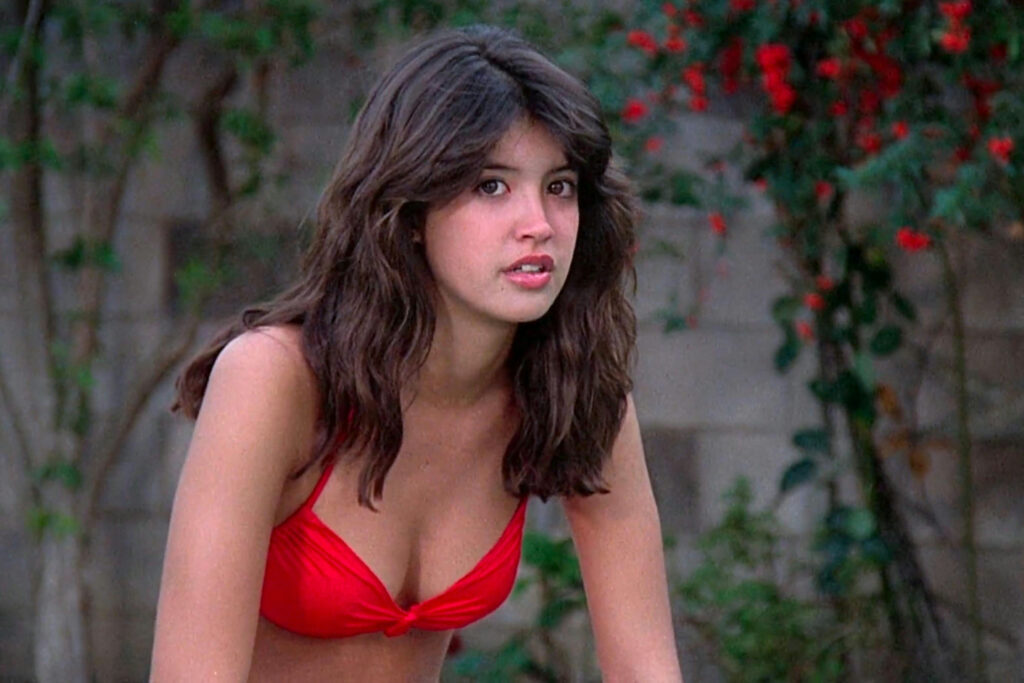
Throughout the mid-to-late 1980s, Cates appeared in a steady stream of films, including romantic comedies and dramas that reflected Hollywood’s evolving tastes. While none reached the cultural impact of her earlier hits, they reinforced her reputation as a reliable and thoughtful performer. Industry observers noted that she avoided overly sensational roles, even as trends shifted. This period showed a deliberate effort to mature her screen image, though it also coincided with increased competition from younger actors entering the industry.
6. Marriage to Kevin Kline
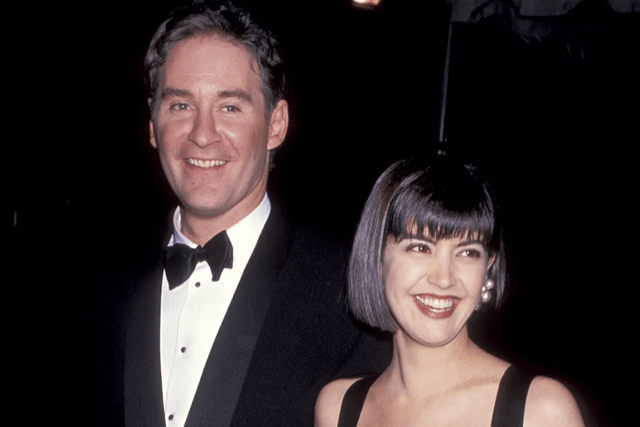
In 1989, Phoebe Cates married actor Kevin Kline, a respected stage and film performer with a markedly different career trajectory. Their relationship was widely covered but remained notably private by Hollywood standards. After marriage, Cates began to step back from acting commitments, prioritizing stability over constant work. She later explained that the decision was mutual and practical, allowing one parent to remain home while the other worked. This choice marked a turning point, signaling a gradual shift away from full-time acting rather than an abrupt disappearance.
7. Focus on family life
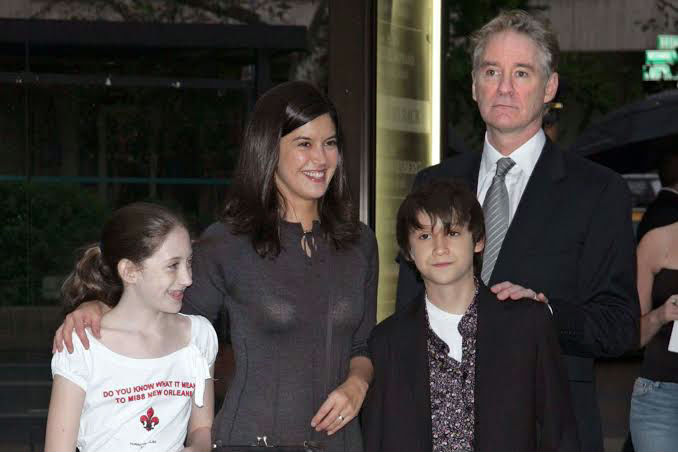
Following the birth of her children in the early 1990s, Cates made family her primary focus. She largely paused her acting career during this period, a move that was openly acknowledged rather than hidden. Unlike many celebrity withdrawals, hers was straightforward and intentional. Interviews from the time emphasized her desire to be present during her children’s formative years. This decision resonated with many fans, especially as it contrasted with the industry norm of maintaining visibility at all costs.
8. Selective later appearances
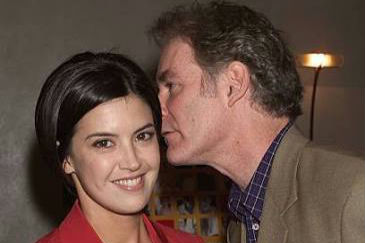
Phoebe Cates made only one film appearance during the 2000s, as she had largely retired from acting in 1994 to focus on her family. In 2001, she briefly returned to the screen to play Sophia Gold in The Anniversary Party, a role she took as a favor to her close friend and director Jennifer Jason Leigh. For the remainder of the decade, Cates pivoted toward entrepreneurship, launching her boutique, Blue Tree, on New York’s Madison Avenue in 2005. Industry commentators consistently described her absence as voluntary, rooted in preference rather than lack of opportunity.
9. Life away Hollywood
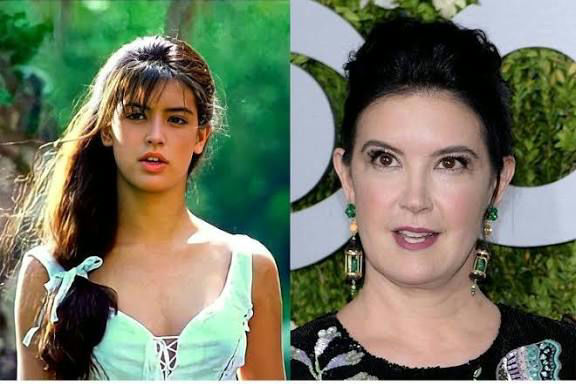
As the years passed, Cates became increasingly known for her low-profile lifestyle. She avoided social media, rarely attended industry events, and declined most interview requests. This deliberate distance helped preserve a sense of normalcy and privacy. Reports from friends and colleagues describe her as content and grounded, with little interest in reviving a high-profile career. Her approach stands out in an era defined by constant online presence and brand visibility.
10. Legacy and influence
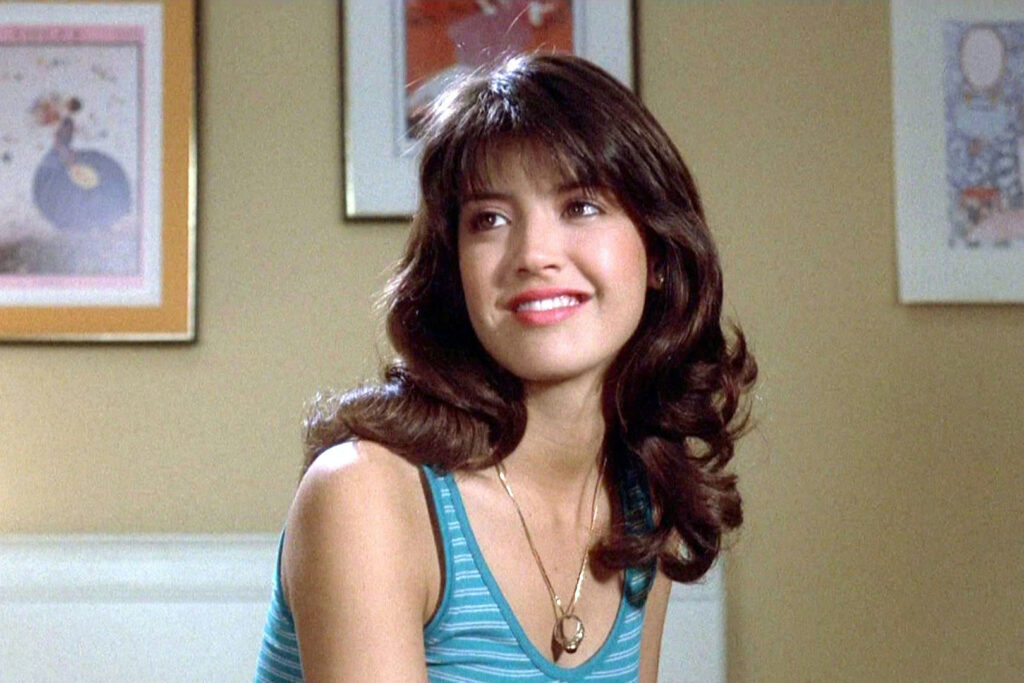
Today, Phoebe Cates is often cited in discussions about actors who chose personal fulfillment over prolonged fame. Her films continue to be rewatched, referenced, and celebrated across generations. Critics and fans alike acknowledge that her impact outweighs the length of her career. Rather than fading into obscurity, she remains a recognizable and respected figure whose choices reshaped how success is defined. Her legacy rests not just on memorable roles, but on the clarity with which she stepped away on her own terms.
Rather than chasing longevity in the spotlight, she chose a life that aligned with her values, and audiences never forgot her for it.
Like this story? Add your thoughts in the comments, thank you.


