
1. Immediate Public Fallout
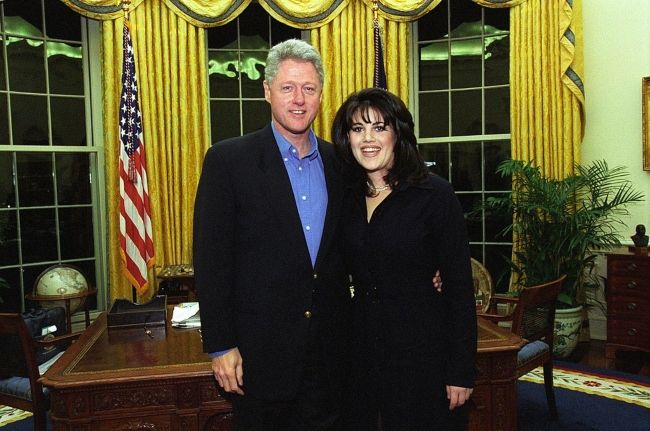
In early 1998, Monica Lewinsky was suddenly thrust into a global spotlight following the intense investigation into President Bill Clinton. At just 24 years old, she became the primary focus of media coverage that rarely made a distinction between political accountability and her own personal life. Her name dominated every front page and late-night comedy set across the world. While the legal investigation officially concluded in 1999, the damage to her reputation was immediate and incredibly deep. During this time, Lewinsky was often portrayed through unfair and crude stereotypes rather than being treated like a person with real feelings and a future ahead of her.
Away from the official court proceedings, the public reaction proved nearly impossible to escape. She was turned into a symbol for debates regarding morality and power, often without being allowed to speak for herself. For many people watching the news at the time, it was easy to overlook that she was simply a young woman facing immense pressure without any professional guidance or a roadmap for survival. This period marked the beginning of a decade-long struggle to take back control of her own identity. It was a difficult era where her life was defined by a single moment that refused to fade, even after the television cameras finally stopped following the trial.
2. Media Saturation Era
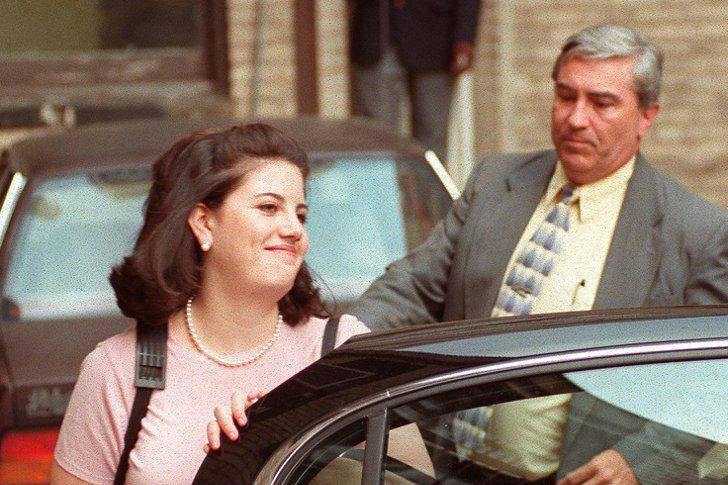
Between 1998 and the early 2000s, Lewinsky experienced a level of media obsession that is rarely seen today, even in the age of social media. The tabloids of the era were relentless, scrutinizing her physical appearance, her past relationships, and even her family members. Major news outlets ran repeated profiles while comedians used her name as a punchline for years on end. The coverage was often dismissive and focused more on public humiliation than on actually understanding the human impact of the situation. It was a time when privacy felt like a luxury she could no longer afford, regardless of where she went.
Living under this constant microscope had long-lasting effects on her mental well-being and career. Lewinsky later shared that she felt trapped by an identity that was created entirely by other people, making it feel impossible to start fresh or move on. Simple, everyday activities like walking down a city street or applying for a basic job became complicated and stressful. For a generation of young people watching this unfold, her experience served as an early and painful example of how mass media can strip away a person’s dignity. This happened long before the world became familiar with the modern concept of online outrage or “cancel culture.”
3. Legal and Financial Strain
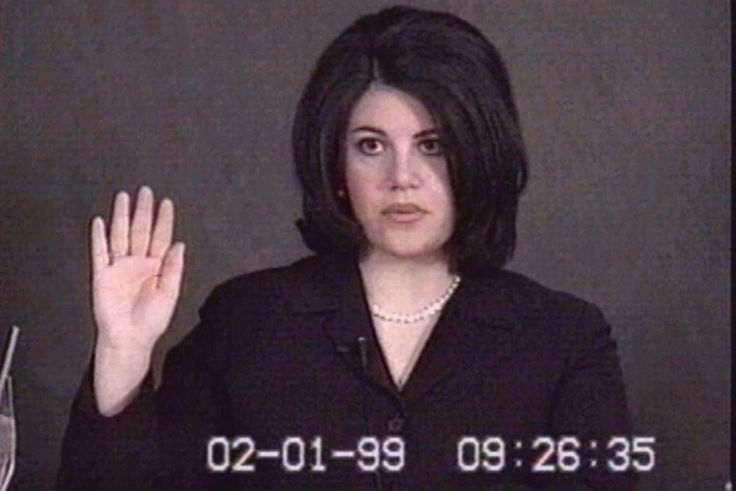
Even though Lewinsky managed to avoid criminal charges during the proceedings, the legal process was incredibly draining in every sense. She spent several years entangled in various investigations and depositions that resulted in massive legal fees. Reports from the early 2000s indicate that she struggled significantly with her finances, despite the common public assumption that her fame brought her wealth. In reality, the high cost of her defense and her very limited employment options made finding any sense of stability quite difficult. She was essentially famous but lacked the resources to protect herself from the ongoing fallout.
Beyond the money, the emotional strain was perhaps the heaviest burden to carry. Carrying the weight of a globally recognized scandal made it nearly impossible to rebuild her life in a quiet or private way. Many potential employers were hesitant to hire her, and professional opportunities frequently vanished the moment her name appeared on a resume. This sharp contrast between how the public saw her and how she actually lived highlighted the lack of support for people caught in political storms. Her experience quietly challenged the popular idea that public exposure is a form of privilege, proving instead that it can be a heavy cage.
4. Failed Career Attempts

In the years following the peak of the scandal, Lewinsky made several honest attempts to move forward with a professional career. She explored different opportunities in the worlds of fashion and media, which included launching a business venture selling handbags in the early 2000s. While she put in a great deal of effort to make these projects work, they often struggled to gain real momentum. Most of her professional work was unfortunately overshadowed by the public’s intense fixation on her past. It seemed as though the world was not yet ready to see her as anything other than a news headline.
What became clear during this time was that reinventing yourself is not just about talent or hard work when the whole world knows your name for the wrong reasons. The stigma attached to her identity limited her credibility in almost every field she entered. Interviews and potential collaborations were almost always framed through the lens of the scandal rather than the quality of her work. These failed attempts were a reflection of a much larger societal issue regarding how hard it is to outgrow a narrative imposed by the media. It was a cycle of being defined by the past every time she tried to build a future.
5. Retreat From the Spotlight

By the mid-2000s, Lewinsky made a very deliberate and healthy choice to step away from public life entirely. She moved across the ocean to London, where she enrolled at the prestigious London School of Economics. In 2006, she successfully earned her Master’s degree in social psychology, a milestone that represented a new chapter of privacy and academic achievement. This period was essential for her healing, as it allowed her to exist as a student rather than a subject of gossip. It was the first time in years that she was able to focus on her own intellectual growth.
This move was about much more than just a change in geography. It was a conscious effort to reclaim her identity away from the tabloid headlines that had followed her for so long. By studying how social groups, shame, and human behavior intersect, she gained the academic tools to better understand her own lived experience. For many people watching from afar, this quiet retreat was a sharp contrast to how she had been portrayed in the 1990s. It revealed a thoughtful and grounded individual who was seeking a sense of self-worth through education rather than seeking more attention from the public or the media.
6. Mental Health Reckoning
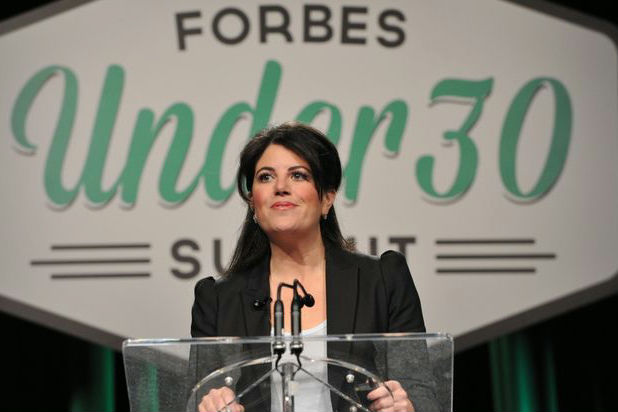
In more recent years, Lewinsky has been very open about the heavy toll the scandal took on her mental health. During the late 1990s and early 2000s, she dealt with periods of deep depression and intense isolation that were made worse by constant public ridicule. These honest admissions only started to emerge years later, as society began to have more open and empathetic conversations about mental wellness. She has spoken about the “shattering” of her self-esteem and how the global shaming she faced felt like a physical weight she had to carry every single day.
Her willingness to discuss these personal struggles has helped to completely reframe her story for a modern audience. What was once treated as cheap entertainment by the media is now understood as a form of significant trauma. This shift in perspective mirrors the broader cultural changes where empathy has started to replace mockery in our public discourse. Her life story has become a vital reference point for discussions regarding the psychological cost of public shaming. By sharing her pain, she has helped others understand that there is a real human being behind every news story, regardless of how the headlines are written.
7. Early Attempts At Advocacy

Before she became a globally recognized advocate, Lewinsky made some very careful and tentative steps back into the public eye. In the early 2010s, she began writing thoughtful essays that reflected on themes of shame and the growing role of the internet in spreading cruelty. These pieces were published in respected outlets like Vanity Fair, marking a major turning point in how she engaged with the world. Instead of simply defending her past actions, she used her voice to contextualize what had happened to her and why it still mattered in the digital age.
She cleverly linked her own personal history to the emerging and dangerous trends of online harassment. This approach helped her bridge the gap between her unique story and a universal problem that millions of people were starting to face. These early writings were not about seeking fame, but about finding a way to make her experience useful to others. They laid the necessary groundwork for her later activism, showing a very considered and mature way of re-entering the public sphere. It was the moment she transitioned from being a passive subject of news to an active participant in cultural change.
8. Anti-Bullying Voice Emerges
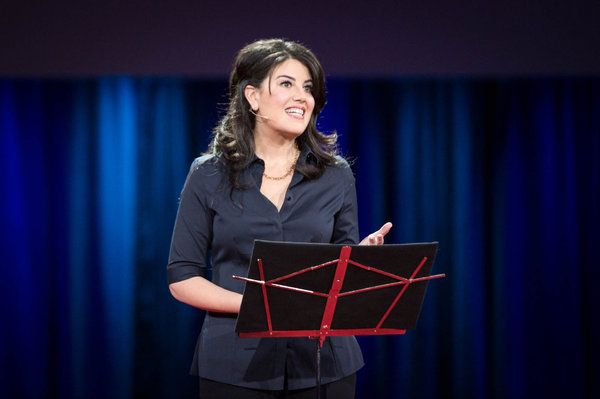
A major milestone occurred in 2015 when Lewinsky delivered a powerful and widely viewed TED Talk. In this presentation, she addressed the topics of cyberbullying and public shaming with incredible grace. Drawing directly from her own life, she explained how our modern online culture can magnify humiliation at a speed that was never possible before. The talk was grounded in solid research but felt very personal because it was anchored in her own lived reality. It was one of the first times the world really listened to her voice without the noise of political bias.
The impact of this talk was immediate and very positive. Audiences around the world responded to her calm authority and her refusal to turn her past into a sensational story. She emerged from that stage not as a relic of a past scandal, but as a credible and necessary voice on the topic of digital ethics. This moment marked a massive shift in how the public perceived her, especially among younger generations who did not grow up watching the original news cycles. She successfully transformed her personal pain into a platform for helping others, proving that resilience can lead to a very meaningful purpose.
9. Cultural Reassessment Begins
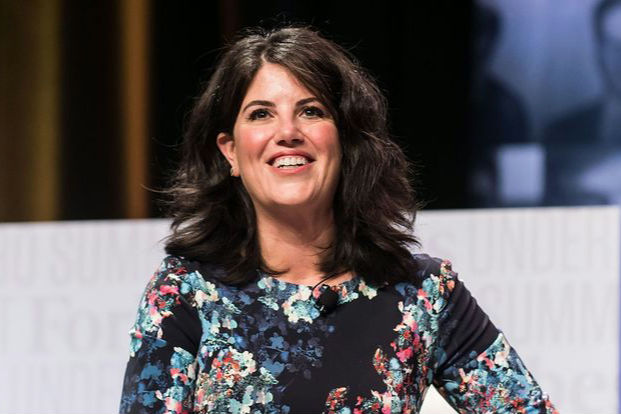
As social attitudes continued to evolve in the late 2010s, the world began to look at Lewinsky’s story through a much more modern lens. With the rise of movements that questioned institutional power and workplace behavior, media retrospectives started to acknowledge the massive imbalance between a young intern and a sitting president. This new way of thinking did not erase what happened in the 1990s, but it certainly altered how the events were interpreted. People began to see her as a victim of a system that was designed to protect powerful men while punishing young women.
Lewinsky did not demand that people change their minds; instead, she simply welcomed the nuance that was finally being applied to her life. This cultural reassessment reflected a larger societal change where people started to care more about accountability and consent. Her experience became a central part of a much bigger conversation about how we treat people in the public eye. It was no longer just a standalone scandal from the past, but a lesson in how society can fail individuals. This shift allowed her to finally move through the world with a sense of dignity that had been denied to her for decades.
10. Producer And Consultant Roles

In the last few years, Lewinsky has taken on a more active role behind the scenes as a producer and consultant. She worked on high-profile projects like the television series “Impeachment: American Crime Story,” which aired in 2021. Her involvement in these projects was crucial because it ensured that the narrative was accurate and balanced. By participating in the creative process, she was able to offer the kind of human context that was completely missing from the media portrayals of the late 1990s. This work allowed her to finally have a say in how her own history is told.
This professional shift represents a beautiful full-circle moment in her life. Instead of being a person that everyone else talked about, she is now the one helping to shape the narrative for a new generation of viewers. For the public, it reinforces the idea that reclaiming your own story is a slow and gradual process that requires a lot of patience. Her presence in these production meetings signals a sense of control and long-earned authority over her own image. She has successfully moved from being a character in someone else’s political drama to being the director of her own professional future.
11. Public Image Reclaimed
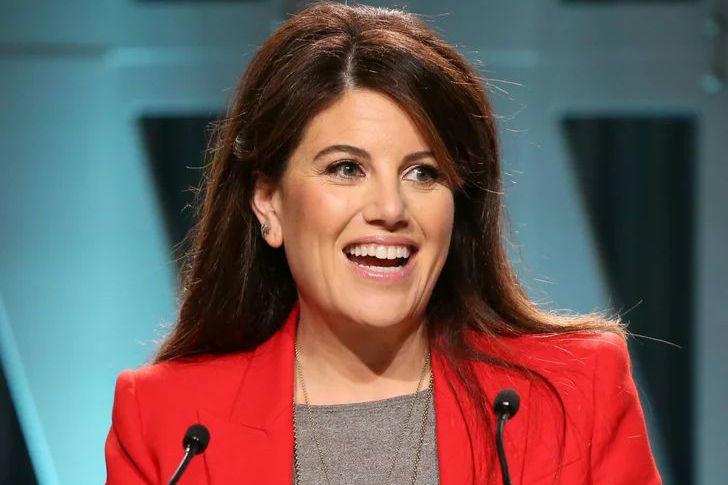
By the early 2020s, the public image of Monica Lewinsky had shifted in a truly remarkable way. Recent interviews with major outlets like People and Vanity Fair presented her not as a footnote in a political trial, but as a thoughtful commentator on modern culture and resilience. She speaks with a calm and deliberate tone, often choosing to emphasize personal growth rather than holding onto old grievances. This period represents the most balanced and respectful media coverage she has received since she first entered the public eye in 1998. It is a clear sign that both she and the audience have matured significantly over the last two decades.
What stands out most about her today is her total refusal to chase sympathy or try to rewrite the facts of history. Instead, she focuses her energy on the importance of accountability, empathy, and the hard lessons she learned while growing up in the spotlight. For many readers and viewers, this version of Lewinsky feels like a person who has done the heavy lifting of self-reflection. This shift also reflects a growing cultural maturity, as modern audiences are now more willing to revisit old stories with a sense of care and curiosity. Her reclaimed image is not defensive or polished for the cameras, but is instead deeply human and shaped by time.
12. Life Beyond Headlines
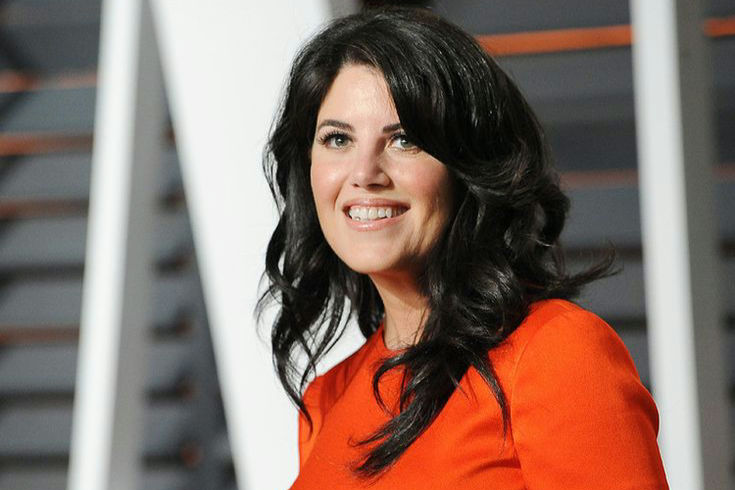
Today, Lewinsky lives a life that is largely outside the reach of the daily news cycle, choosing selective public engagement over constant visibility. She continues her dedicated advocacy work and writes occasionally for major publications, while also supporting various initiatives focused on digital safety and compassion. She has been very clear that her personal privacy is now a top priority, which is a right she was sadly denied during her early twenties. By setting these firm boundaries, she has created a stable environment where she can thrive on her own terms without the interference of paparazzi or gossip.
This quieter chapter of her life might actually be the most meaningful one of all. After decades of being defined by how others interpreted her actions, she has finally settled into a life shaped by her own intentions rather than a reaction to a scandal. For many people, her journey is inspiring because it is a story of survival and the refusal to be defeated by public shaming. It serves as a powerful reminder that while headlines eventually fade away, the real people behind them continue to live, learn, and adapt. She has successfully redefined what it means to move forward with grace while building a life that is truly her own.
Looking back at the timeline from 1998 to 2026, her journey perfectly reflects the evolution of our cultural values. We have moved from an era of mean-spirited mockery to a time where we at least attempt to understand the human cost of our digital actions.


