
The Affair That Changed A Political Career
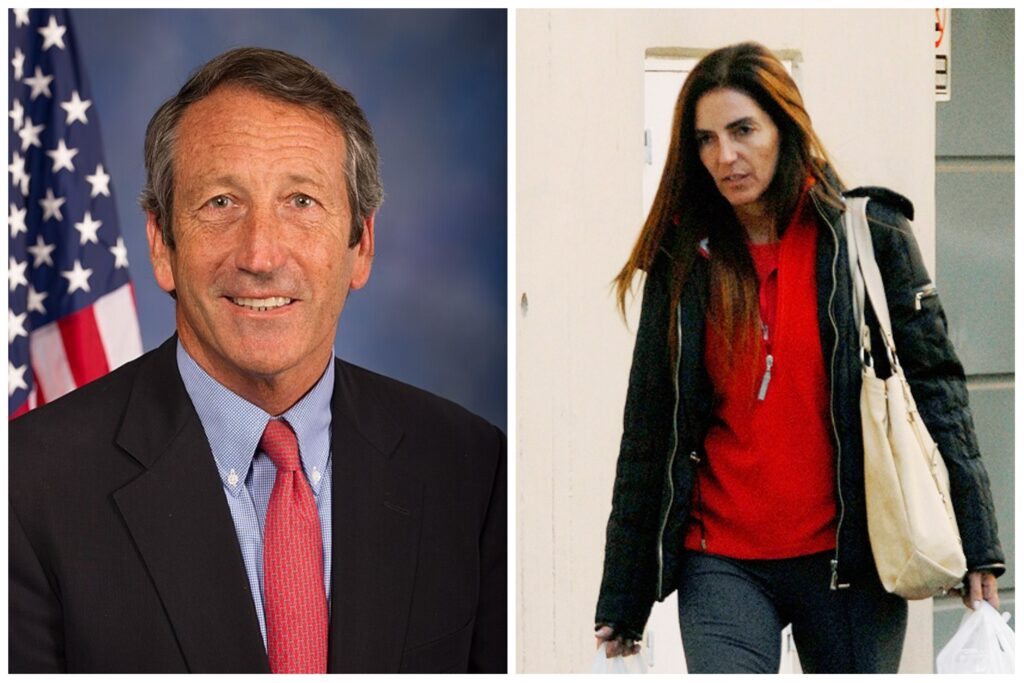
In June 2009, the political world was briefly captivated by a strange mystery involving Mark Sanford, then the Republican governor of South Carolina. For several days, Sanford simply disappeared from public view. His staff initially told reporters he was hiking along the Appalachian Trail, which sounded plausible enough. Yet the story quickly unravelled when journalists discovered that the governor had actually travelled to Argentina to meet a woman with whom he had been having an affair. The revelation stunned the public and dominated headlines across the United States.
Sanford publicly admitted the relationship during an emotional press conference on 24 June 2009, confirming that he had been involved with Argentine journalist María Belén Chapur. The episode damaged his reputation and triggered calls for his resignation, although he ultimately remained in office until the end of his gubernatorial term in 2011. What happened afterwards, however, is just as surprising as the scandal itself.
The Disappearance Mystery
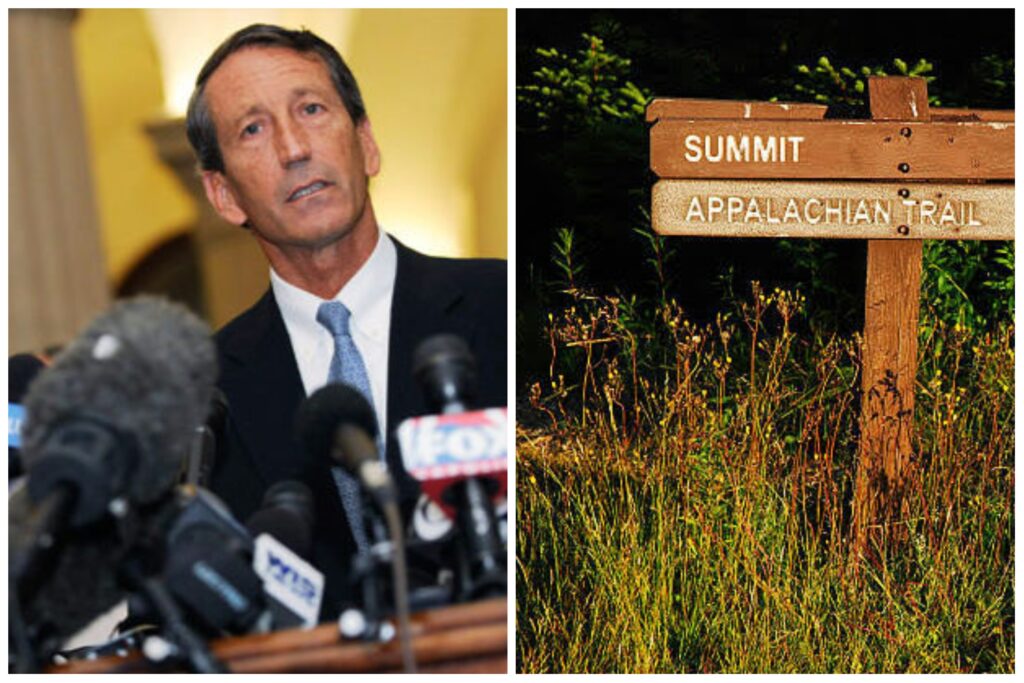
The mystery began on June 18, 2009, when Sanford’s security detail lost contact with him. For nearly a week, the state of South Carolina was effectively leaderless, with even Lieutenant Governor André Bauer unaware of Sanford’s location. The tension peaked when the governor’s office released the now-infamous “Appalachian Trail” cover story, which was debunked by a reporter from The State who intercepted Sanford at the airport. The truth finally emerged on 24 June 2009 when Sanford returned and held a dramatic press conference. Standing before reporters in Columbia, he admitted that he had secretly travelled to Argentina to see a woman with whom he had been having a long-distance affair.
The woman was later identified as Argentine journalist María Belén Chapur. Sanford described the relationship as deeply personal and apologised to his wife, his children, and the citizens of South Carolina. The revelation created a political firestorm. Commentators questioned how a sitting governor could disappear without notifying state officials, while legislators even discussed the possibility of impeachment. During this period, his wife, Jenny Sanford, filed for divorce in December 2009, which was finalized in 2010. Despite the public humiliation and the loss of his status as a potential 2012 presidential contender, the “Appalachian Trail” scandal and remained one of the most memorable political controversies of that era.
Political Career Before Scandal
Long before the scandal, Mark Sanford had built a reputation as a distinctive voice within the Republican Party. Born on 28 May 1960 in Florida and raised partly in South Carolina, he studied business at the University of Virginia before entering the real estate industry. His entry into politics came in 1994 when he was elected to represent South Carolina’s 1st congressional district in the U.S. House of Representatives. Sanford served three terms in Congress from 1995 until 2001, gaining attention for his focus on limited government and reducing federal spending. During that period he often portrayed himself as an independent conservative who was willing to challenge his own party leadership when necessary.
After leaving Congress he set his sights on state politics and successfully ran for governor of South Carolina in 2002. He served two terms as governor from 2003 to 2011. Throughout those years Sanford became known for his emphasis on fiscal discipline and government restraint. At times he even clashed with fellow Republicans over spending issues. His national profile grew steadily, and some commentators believed he might one day run for president. All of that promise, however, was overshadowed when the affair scandal erupted in 2009.
Public Fallout And Criticism
The immediate reaction to Sanford’s 2009 admission was a mixture of mockery and genuine political outrage. Both Democrats and fellow Republicans condemned his lack of transparency, arguing that his disappearance created a constitutional crisis. The South Carolina Republican Party took a hard line, and by late 2009, Sanford had lost most of his legislative allies. The media frenzy was relentless, with late-night hosts like Jon Stewart and David Letterman using the “Appalachian Trail” excuse as a recurring punchline, ensuring that the scandal reached audiences far beyond the world of political junkies.
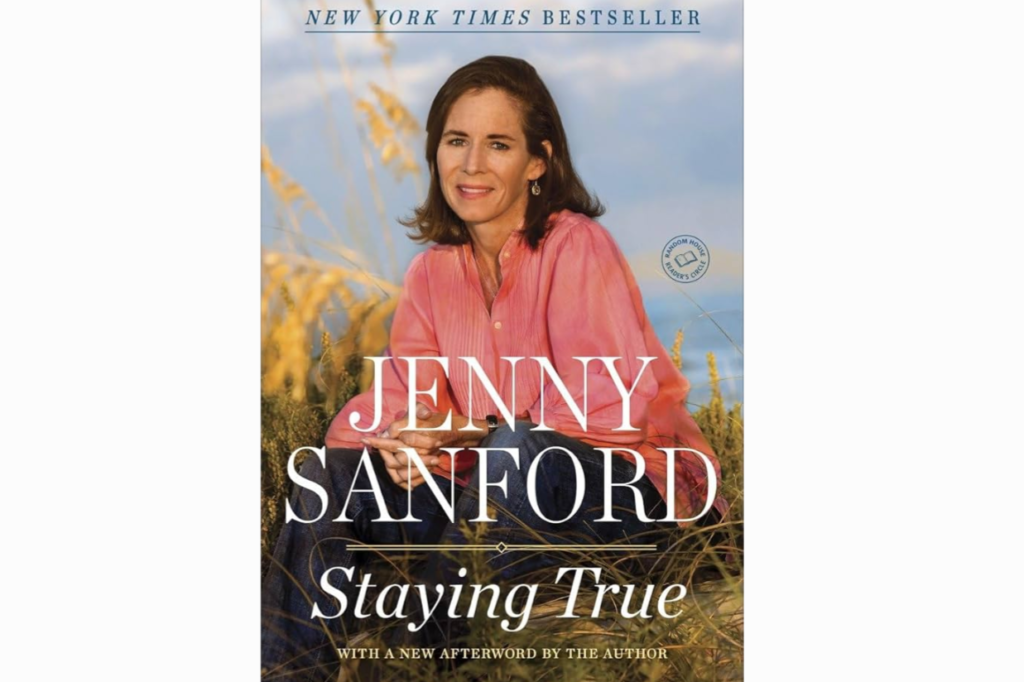
Sanford’s personal life became a tabloid fixture as his wife, Jenny, released a memoir titled Staying True in 2010, detailing her discovery of the affair. Despite the intense pressure to step down, Sanford leaned into his “fiscal conservative” identity to survive, arguing that his personal failings should not distract from his budget battles. While he avoided being removed from office, the scandal essentially ended his influence within the state legislature for the remainder of his term. By the time he left the Governor’s Mansion in January 2011, many believed he would retire to his family farm and never hold public office again.
Congressional Comeback
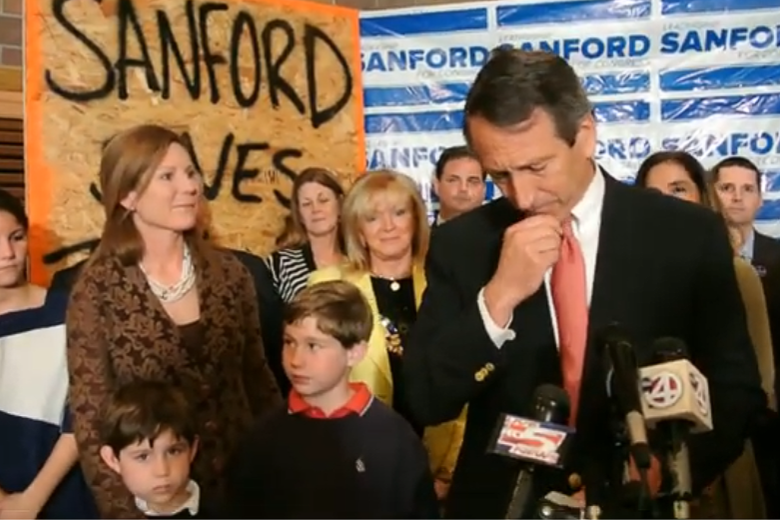
Despite the lingering controversy, Sanford surprised many observers with a political return only a few years later. In 2013 he ran in a special election for South Carolina’s 1st congressional district, the same seat he had once held in the 1990s. The seat had become vacant after Tim Scott was appointed to the U.S. Senate. Despite his past, Sanford ran a disciplined campaign centered on redemption and fiscal responsibility. He faced Elizabeth Colbert Busch, sister of comedian Stephen Colbert, in a high-stakes special election on May 7, 2013. Although the national Republican Party initially withdrew funding after reports of a trespassing incident at his ex-wife’s home, Sanford relied on his deep roots in the district to secure a victory.
His win in 2013 was hailed as a remarkable feat of political resilience. He apologized directly to voters in television ads, asking for a second chance to serve as their “watchdog” over federal spending. Sanford campaigned heavily on issues he had long championed, including reducing government spending and addressing the growing national debt. His message resonated with many Republican voters who appreciated his consistent fiscal views. This comeback allowed him to return to Washington D.C., where he resumed his seat on the House Budget Committee, attempting to pivot his public image away from the 2009 scandal.
Fiscal Conservative Reputation

Back in Congress from 2013 to 2019, Sanford doubled down on his reputation as a “budget nerd.” He was a frequent critic of both parties for the ballooning national debt, which surpassed $20 trillion during his tenure. He often voted against his own party’s spending bills, earning high marks from groups like Citizens Against Government Waste. Sanford was known for carrying around a pocket version of the U.S. Constitution and frequently used his platform to warn about the long-term economic dangers of unfunded mandates and entitlement programs, maintaining his status as an ideological purist.
Throughout these years, he tried to remain focused on the “nuts and bolts” of governance. He served on the Committee on Transportation and Infrastructure and the Committee on Oversight and Government Reform. Sanford’s approach often placed him within a small group of Republicans who emphasised fiscal discipline above almost everything else. He warned repeatedly that rising federal debt could threaten economic stability in the future. This focus allowed him to rebuild a measure of credibility among policy-minded conservatives. Although he was no longer seen as a likely presidential contender, he regained a reputation as an independent voice in Congress. That independence, however, would eventually place him in conflict with a powerful figure within his own party.
Criticism Of Donald Trump
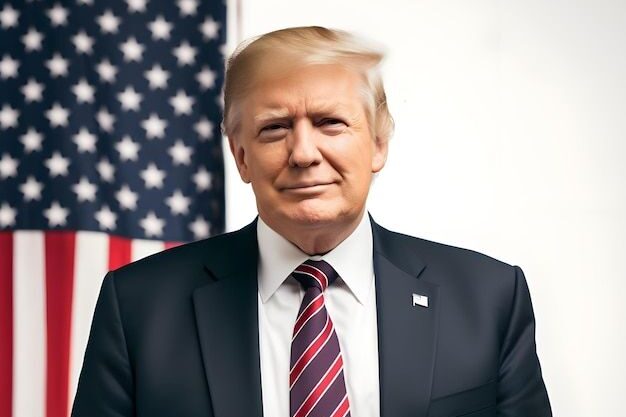
Sanford’s willingness to challenge his own party became particularly visible after the election of Donald Trump in 2016. Unlike many Republicans who quickly aligned themselves with the new president, Sanford expressed concerns about Trump’s approach to governance and the direction of the Republican Party. In 2016 and 2017, Sanford became one of the few vocal critics of the President within the House Republican caucus. He famously told The New York Times that Trump had “fanned the flames of intolerance,” and he frequently questioned the administration’s commitment to the rule of law and conservative principles.
Sanford argued that traditional conservative principles such as fiscal restraint and free trade were being overlooked. He also warned that the party risked drifting away from values that had once defined it. These comments made Sanford one of the few Republican members of Congress willing to speak openly against the president at the time. While some voters admired his independence, others in the party viewed his criticism as disloyal. That tension soon played a major role in the next stage of his political career.
2018 Primary Defeat
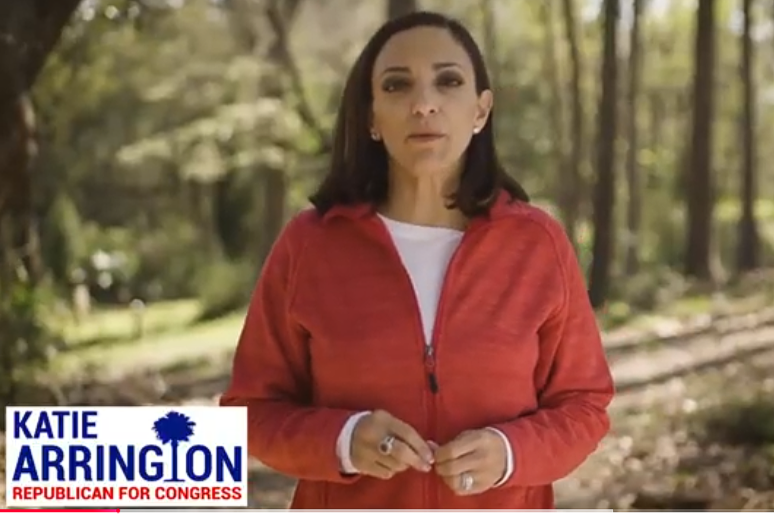
Sanford’s outspoken criticism of President Trump eventually caught up with him during the 2018 election cycle. When he sought re-election to his congressional seat, he faced a Republican primary challenger who received strong backing from Trump. The race quickly became a referendum on Sanford’s relationship with the president. Sanford was challenged by State Representative Katie Arrington, who ran on a platform of total support for President Trump. Just hours before the polls closed on June 12, 2018, Trump sent a tweet attacking Sanford, calling him “nothing but trouble” and reminding voters of his 2009 trip to Argentina.
Sanford’s loss was seen as a watershed moment, signaling that the “Appalachian Trail” scandal, though forgiven once, could still be used as a political weapon when combined with perceived disloyalty to the party leader. In his concession speech, Sanford remained defiant, stating that he did not regret his criticisms and expressed concern for the future of the republic. Ironically, Arrington went on to lose the general election to Democrat Joe Cunningham, a result many attributed to the divisive nature of the primary. For Sanford, the defeat marked another turning point in his long and unpredictable political story.
2020 Presidential Attempt

In a final attempt to steer the Republican Party back toward fiscal restraint, Sanford announced a long-shot primary challenge against President Trump for the 2020 nomination. On September 8, 2019, he launched his campaign with a focus on the “looming debt crisis,” which he called the greatest threat to national security. He spent several weeks campaigning in New Hampshire, often carrying a large “debt clock” prop to emphasize his point. However, the campaign struggled to find airtime as the impeachment inquiry into Donald Trump dominated the news cycle and the GOP cancelled primaries in several states.
The bid lasted only 65 days. On November 12, 2019, Sanford suspended his campaign, citing the fact that “impeachment has made everything else impossible.” He noted that voters were too focused on the cultural and legal battles surrounding the President to listen to warnings about the deficit. While the campaign was short-lived, it served as Sanford’s final public platform to voice his ideological concerns. Since then, he has not sought further public office, effectively ending a career that saw him serve as both a high-ranking Governor and a veteran Congressman across three different decades.
Life After Politics
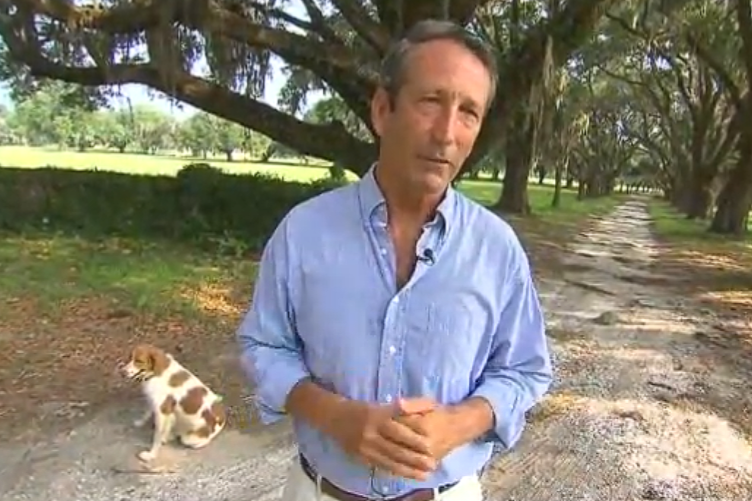
Since his 2020 exit, Mark Sanford has transitioned into a much quieter life. He moved back to his family’s property, Coosaw Plantation, in South Carolina and has worked in the private sector, specifically in real estate and as a commentator on economic policy. Interestingly, reports surfaced that he remained in contact with María Belén Chapur long after their formal engagement ended in 2014, showing that the personal ties from his 2009 scandal were lasting. Although the details of his private life remain largely out of public view, he appears to have settled into a quieter post-political existence.
For many observers, Sanford’s story remains one of the more unusual political journeys in modern American history. A dramatic scandal nearly ended his career, yet he managed to return to Congress before eventually stepping away from public office. His path illustrates how unpredictable political life can be, especially when personal decisions collide with public responsibility. In other words, the long arc of his career also reveals how personal controversies can linger and shape a public figure’s legacy long after the headlines fade.
Like this story? Add your thoughts in the comments, thank you.


