
1. When America First Met Him

For a while, it felt like you could not turn on the TV without seeing Kato Kaelin smiling awkwardly under bright studio lights. He became famous without chasing it, pulled into the spotlight by circumstance rather than ambition. After the trial ended, that attention did not vanish overnight, but it changed shape. Kaelin found himself frozen in public memory, always introduced the same way. Instead of fighting it endlessly, he learned to live with that introduction. That early choice shaped everything that followed, setting the tone for a life spent navigating recognition, curiosity, and the slow comedown from instant fame.
2. Learning to Live with the Label

Being known for one moment can feel heavy, and Kaelin admitted it took time to accept. Casting directors, audiences, and even strangers expected a certain version of him. He realized resistance only made conversations awkward. So he adjusted his posture toward it. Rather than bristle, he acknowledged the label calmly and moved on. That shift softened interactions and eased personal frustration. Over time, he understood that identity in the public eye is rarely flexible. Acceptance did not mean surrender. It meant choosing peace over constant correction. That mindset helped him stay grounded while the world kept replaying a chapter he had already finished living.
3. Finding a Lane in Reality Television

When reality television became mainstream, Kaelin fit naturally into its tone. Viewers already felt they knew him, which made appearances feel familiar instead of forced. These shows did not ask him to act or transform. They asked him to be present. Kaelin appreciated that simplicity. Reality television gave him income and visibility without pressure to reinvent himself. He treated it as work rather than validation. Appearances came and went, but they kept him connected to pop culture in manageable bursts. It was not a comeback story. It was a practical choice that matched where he was emotionally and professionally at the time.
4. Discovering Comfort Behind a Microphone

Radio offered Kaelin something television never quite did, space to breathe. Without cameras, conversations felt looser and more human. He could tell stories, laugh at himself, and share opinions without worrying about expressions or angles. Hosting and guest spots allowed him to develop rhythm and consistency. Listeners responded to his relaxed tone. Radio did not make headlines, but it provided routine. That mattered. Over time, the microphone became a place where Kaelin felt useful rather than scrutinized. It was less about being seen and more about being heard, which suited him better as the years passed.
5. Making Peace with Being a Punchline

For years, jokes followed Kaelin everywhere. Eventually, he realized humor could be armor instead of injury. By leaning into self awareness, he took control of the narrative. Laughing with people changed the energy. It disarmed critics and relaxed fans. Kaelin understood that taking himself too seriously only invited harsher judgment. Humor became a bridge rather than a wall. This approach did not erase mockery, but it reframed it. Audiences sensed his comfort, and that ease softened reactions. Accepting the punchline allowed him to move forward without bitterness, which quietly reshaped how people remembered him.
6. Life on the Convention Circuit
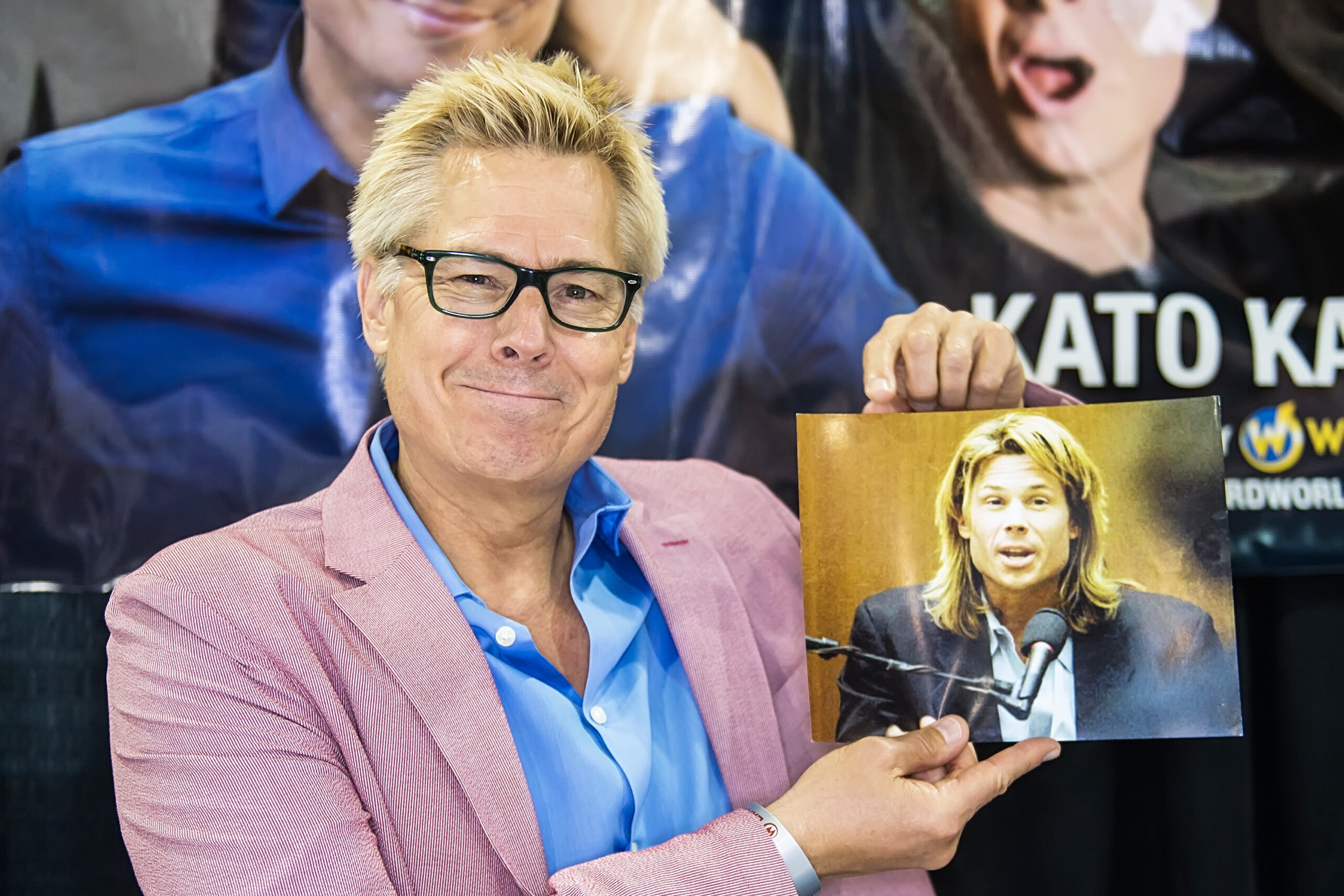
Fan conventions became a surprising chapter in Kaelin’s story. These events were less chaotic than television and more personal. Attendees asked thoughtful questions and shared genuine curiosity. Kaelin appreciated the respect. Signing autographs and posing for photos felt different when conversations followed. He could explain his experience in full sentences rather than sound bites. The convention circuit offered connection instead of spectacle. It also gave him a chance to reclaim agency over his story. Rather than being discussed, he was participating. That distinction mattered. Over time, these appearances became steady, human exchanges that balanced his public past with his present reality.
7. Acting Dreams That Quietly Shifted

Early on, Kaelin hoped acting might become a long term path. Small roles appeared, often echoing his public image. Hollywood struggled to see him beyond that frame. Eventually, he stopped chasing auditions that felt hollow. Acting shifted from ambition to occasional opportunity. Letting go was not dramatic. It was practical. Kaelin recognized when effort outweighed return. That realization freed him from constant disappointment. He still appreciated performance, but he no longer tied self worth to casting calls. This quiet pivot allowed him to focus on work that felt more aligned with who he had become over time.
8. Writing to Reclaim His Voice

Putting thoughts on paper gave Kaelin control he never had during his most famous moment. Writing allowed reflection without interruption. He shared confusion, sudden fame, and emotional fallout with honesty. The goal was not revenge or correction. It was clarity. Readers responded to the human tone. The book did not dominate bestseller lists, but it served its purpose. It offered context. Writing helped Kaelin process an experience the public thought it already understood. For him, it was less about selling copies and more about finally finishing a conversation that had been paused mid sentence for decades.
9. Staying Financially Realistic

Fame does not guarantee stability, and Kaelin learned that early. Instead of chasing risky ventures, he focused on manageable income streams. Hosting, appearances, and media work formed a patchwork that paid bills without drama. He avoided the trap of spending like attention was permanent. That restraint kept him out of public financial trouble. Living within his means gave him freedom others lost. It was not glamorous, but it was steady. Over time, that steadiness became a quiet success. Kaelin’s financial realism allowed him to age out of fame without panic, scandal, or desperation.
10. Navigating the True Crime Revival
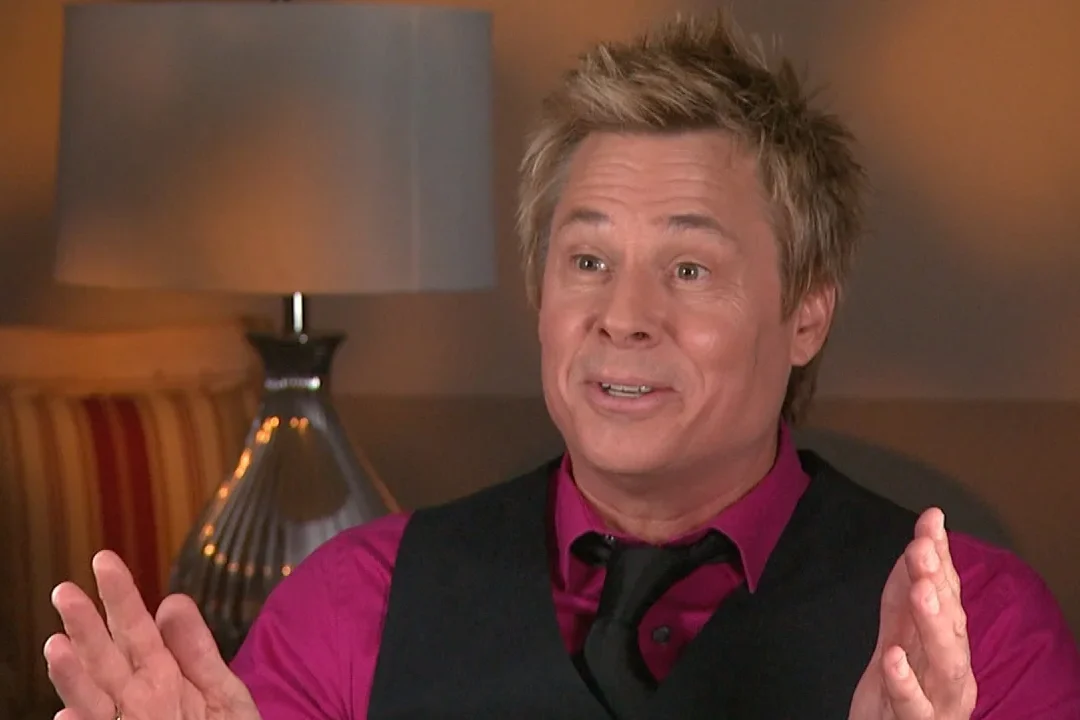
As true crime surged in popularity, Kaelin’s past resurfaced for a new generation. Podcasts and documentaries reopened old conversations. He approached this cautiously. Participation came with boundaries. Kaelin focused on respect and accuracy rather than spectacle. He understood that real lives were involved, not just stories. This measured approach stood out in a crowded genre. Younger audiences saw a calmer figure than expected. Kaelin did not exploit renewed interest. He acknowledged it thoughtfully and stepped back when needed. That balance allowed him to engage without being consumed, preserving both relevance and personal peace.
11. Choosing Privacy Over Attention

With time, Kaelin became more selective. Not every interview felt necessary. Not every platform deserved access. He stepped back from constant visibility and found comfort in quieter routines. Privacy became a form of control. Friends noticed a calmer energy. Kaelin no longer reacted to every mention of his name. He let moments pass. That restraint marked growth. For someone once defined by saturation, choosing silence was powerful. It allowed him to exist beyond public expectation. In that space, he found stability. The absence of noise gave him room to live rather than perform, which changed everything.
12. Offering Advice Without Pretension
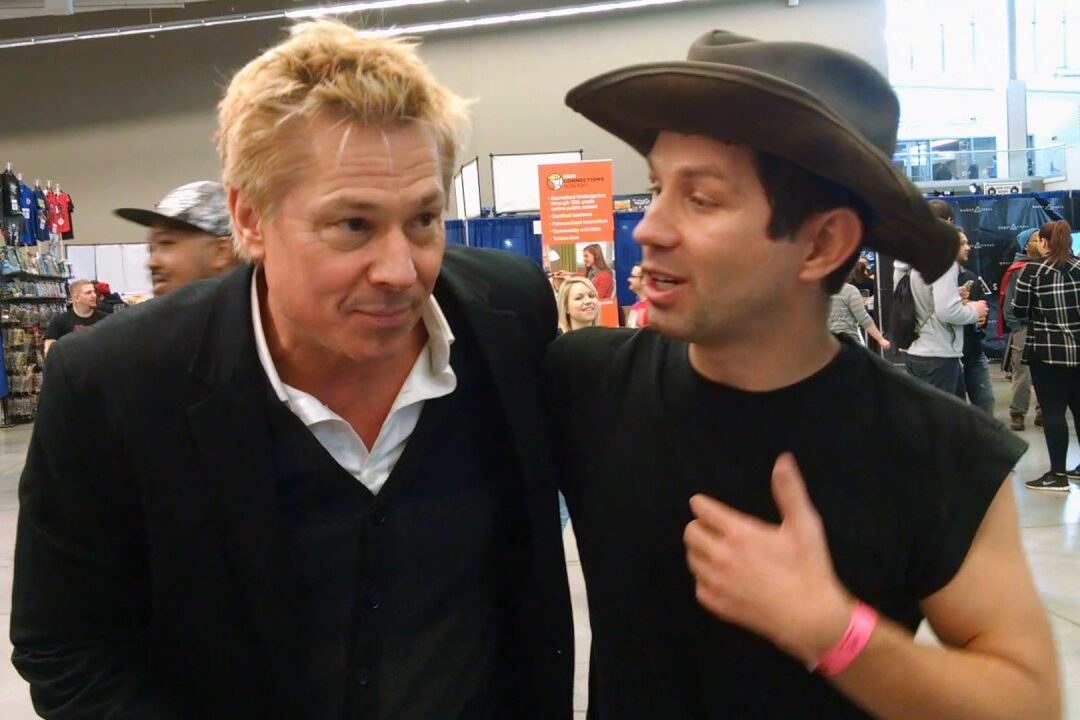
Though unofficial, Kaelin often shares perspective with those facing sudden attention. He speaks candidly about pacing, humility, and boundaries. There is no lecture tone. Just honesty. He reminds people that fame arrives without instructions and leaves without warning. Younger personalities appreciate that realism. Kaelin does not position himself as an expert. He presents himself as someone who learned through confusion. That authenticity resonates. His guidance feels conversational rather than authoritative. In offering lessons quietly, he reshapes his legacy. Mentorship becomes another way he contributes without seeking applause or recognition.


