
1. When His Name Took Over Everything

For many people, the story of John Wayne Bobbitt begins before we even realize it does. His name entered public memory in the early nineties, carried by shock, jokes, and relentless curiosity. Before anyone asked who he was, the world decided what he represented. This entry opens the door gently, because what followed the headlines was a long, uneven life shaped by attention he never learned how to control. Once the courtroom doors closed, Bobbitt faced something harder than legal battles. He had to live as a person whose identity had already been written for him, whether he agreed with it or not.
2. Life After the Cameras Pulled Away

When the media attention slowed, Bobbitt discovered that silence brought its own challenges. Without cameras, there were still whispers, stares, and assumptions. Ordinary tasks like working or meeting new people felt complicated. He later described how people expected him to perform a version of himself they recognized. Moving forward meant adjusting expectations and accepting that anonymity might never fully return. Life after infamy was not dramatic. It was quiet, awkward, and often frustrating. Each day became about survival rather than redemption, learning how to exist when the world already thought it knew the ending of his story.
3. Trying to Be More Than a Punchline

Comedy shaped much of how the public remembered Bobbitt, and that label followed him everywhere. He spoke about how painful it felt to hear his life reduced to jokes. Humor erased context and replaced empathy with mockery. Over time, he stopped reacting outwardly, choosing distance instead. Being more than a punchline required restraint and patience. He learned that arguing with public perception only deepened the wound. Instead, he focused on separating his inner life from the version repeated in pop culture. That separation became necessary for emotional survival and self respect.
4. Work That Never Stayed Simple

Finding stable employment proved difficult for Bobbitt. Recognition often disrupted workplaces once coworkers made the connection. Some employers grew uncomfortable, while others saw unwanted attention. Jobs ended abruptly, not because of performance, but because of history. He expressed frustration at being judged for a moment rather than his present behavior. Work became temporary and uncertain, reinforcing instability. This cycle made rebuilding confidence harder. Each new start carried the risk of another ending. Over time, he adjusted expectations, focusing less on careers and more on basic independence and daily structure.
5. Money Problems Few Expected

Many assumed Bobbitt profited from his notoriety, but reality told a different story. Medical expenses, legal costs, and inconsistent work created ongoing financial strain. He admitted that money was a constant worry. Fame did not bring security. It brought unpredictability. Living modestly became a necessity rather than a choice. Financial stress added pressure to an already fragile situation. These struggles highlighted how public attention often masks private hardship. Behind familiar headlines was someone navigating bills, rent, and uncertainty like millions of others, only with fewer chances to start fresh.
6. Reflecting Without Defensiveness

As years passed, Bobbitt’s tone when discussing his past shifted noticeably. Anger softened into reflection. He spoke less about blame and more about consequence. Regret surfaced quietly, not as a performance, but as recognition of how deeply everything changed. He acknowledged mistakes and pain without trying to rewrite history. This reflective approach did not erase what happened, but it showed growth. Learning to speak calmly about trauma took time. Those moments revealed someone trying to understand himself rather than convince others of anything.
7. Relationships Built Carefully

Personal relationships after infamy required caution. Bobbitt admitted trust became difficult. New connections often came with uncomfortable conversations and assumptions. Some people stayed out of curiosity rather than care. Over time, he learned to recognize sincerity. Relationships that lasted were grounded in privacy and patience. He became selective about who knew his past in detail. Protecting emotional space mattered more than being understood by everyone. These guarded connections helped him regain a sense of normalcy, even if vulnerability came slowly and in small pieces.
8. Living With Permanent Recognition
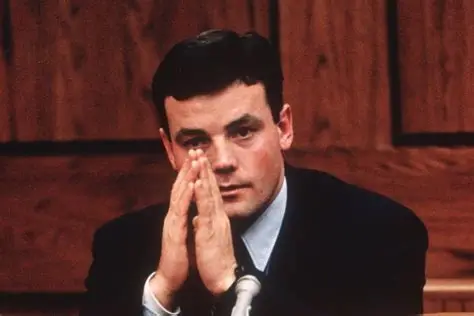
Even years later, Bobbitt encountered reminders of his past unexpectedly. A name, a comment, or a reference could pull him back without warning. He described this recognition as tiring rather than shocking. Public memory has a way of resurfacing when least invited. Accepting that reality became part of daily life. Instead of reacting, he learned to let moments pass. That acceptance did not mean peace, but it reduced conflict. Living with recognition required emotional endurance more than explanation.
9. Health Beyond the Headlines

The incident left lasting physical and emotional effects that never fully disappeared. Bobbitt spoke about ongoing health concerns and psychological stress. Recovery was not a milestone but a process. Healing happened unevenly, shaped by time and circumstances. Seeking help became necessary, not optional. These struggles were rarely visible to the public, yet they defined his daily experience. Health concerns grounded him in reality, reminding him that consequences extend far beyond public fascination and continue quietly long after attention fades.
10. Choosing Distance Over Attention

Eventually, Bobbitt made a conscious decision to step away from public exposure. Declining interviews became an act of self protection. Distance offered relief. Without constant reminders, he could focus on routine and personal stability. This choice was not about erasing the past, but about limiting its influence. Creating boundaries helped him regain control over his time and energy. Living quietly became a goal rather than an escape. In distance, he found room to breathe and reflect without interruption.
11. Changing Public Conversations

Years later, broader cultural conversations began shifting. Discussions around trauma, accountability, and media treatment grew more nuanced. Bobbitt’s story was occasionally revisited with less mockery and more context. While this shift came late, it mattered. He acknowledged how different the response might have been in another era. This change did not rewrite history, but it softened its edges. Society’s evolving lens offered a small measure of validation, even if the personal cost had already been paid.
12. Accepting a Fixed Narrative

One of the hardest lessons Bobbitt faced was accepting that public narratives rarely change. His story existed independently of his daily life. Fighting that narrative brought exhaustion. Acceptance brought balance. He learned to live alongside the story without letting it define every decision. This mindset allowed him to focus on what remained within his control. Routine, health, and personal dignity mattered more than correcting strangers. Acceptance became a quiet form of freedom, imperfect but necessary.


