
From The Edge Of Space To A Complicated End
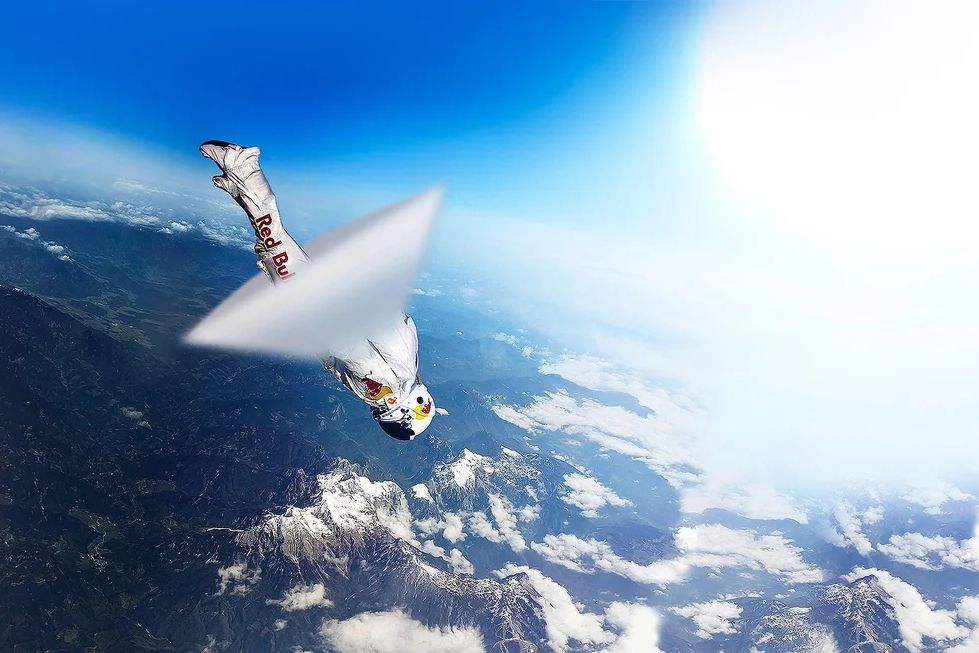
On October 14, 2012, the entire world held its breath as Austrian skydiver Felix Baumgartner prepared to make history. Floating in a specialized capsule roughly 39 kilometers above the Earth’s surface, he stepped out into the vacuum of the stratosphere and plunged toward the ground. During this harrowing descent, Felix reached a staggering top speed of approximately 1,357 km/h. This incredible feat made him the very first human being to break the sound barrier during a freefall without the assistance of any engine power. The mission, famously known as Red Bull Stratos, transformed him into a global icon and proved what human bravery and top-tier engineering could achieve when pushed to the absolute limit.
However, the story of the man nicknamed “Fearless Felix” did not conclude with his successful landing in the New Mexico desert. In the following years, he remained a central figure in extreme sports while navigating a life filled with public adoration, personal hurdles, and heated debates. While he retired from record-breaking jumps, his passion for the sky never faded, leading him to explore different avenues of aviation. Sadly, his journey reached a tragic and unexpected conclusion on July 17, 2025, during a recreational flight in Italy. His post-jump legacy is a complex mix of scientific contribution, personal controversy, and a lifelong devotion to the thrill of flight that eventually cost him his life.
Global Fame After Stratos

The historic leap taken by Felix Baumgartner on October 14, 2012, immediately turned him into one of the most recognizable faces on the planet. The Red Bull Stratos project was the result of five years of intense scientific preparation and testing. When he finally stepped off the ledge above Roswell, New Mexico, he fell from an altitude of 38,969 meters. Records show he reached a velocity of Mach 1.25, meaning he was traveling faster than the speed of sound. The entire jump lasted just over nine minutes, with four of those minutes spent in a terrifying freefall before he deployed his parachute. This moment was captured on live video and watched by millions of inspired viewers globally.
In the months following the event, Baumgartner transitioned into the role of a global celebrity and spokesperson. He toured the world, appearing on major television programs and giving countless interviews about the sensation of standing on the edge of space. Beyond the fame, the mission provided invaluable data to scientists regarding high-altitude pressure suits and emergency escape systems for future astronauts. Although Felix announced his retirement from record-breaking stunts shortly after, he emphasized that the Stratos mission had fulfilled his ultimate childhood dream. He decided to shift his focus away from the spotlight of world records and toward the craftsmanship of flying, though he remained a consultant for various high-stakes aviation projects.
Continuing Extreme Adventures

Even though he stepped away from the massive scale of the Red Bull Stratos project, Felix Baumgartner never truly left the world of high-risk sports. Aviation was in his blood, having started his journey as a paratrooper in the Austrian military. After 2012, he spent much of his time flying various aircraft and participating in aerial disciplines like paramotoring and paragliding. These activities allowed him to stay connected to the air without the crushing pressure of international media expectations. To Felix, being in the sky was less about chasing adrenaline and more about mastering a craft he had practiced since his teenage years in his native Austria.
Throughout the mid-2010s and early 2020s, Felix frequently shared his aerial adventures on social media, showcasing beautiful landscapes and technical flights. He often argued in interviews that his survival depended on discipline and rigorous preparation rather than luck or raw courage. Friends and colleagues noted that he seemed most at peace when he was piloting a light aircraft or gliding over the mountains. This period of his life was defined by a quieter pursuit of passion, where he could enjoy the freedom of flight on his own terms. He remained a highly respected figure in the aviation community, often mentoring younger pilots on the importance of safety and technical precision.
Public Controversies

Despite his legendary status as an athlete, Baumgartner’s public image became somewhat polarized over the years. In his home country of Austria and across Europe, he occasionally drew heavy criticism for his vocal opinions on sensitive social and political issues. Specifically, his public comments regarding immigration policies and government leadership sparked intense debates in the media. While some people admired his willingness to speak his mind as a private citizen, others felt his tone was unnecessarily provocative for someone with such a large global platform. These moments of friction sometimes overshadowed his athletic achievements in the eyes of the general public.
The mixture of high-altitude heroism and grounded political controversy meant that Felix was often discussed in two very different ways. To many fans, he remained the brave pioneer who conquered the stratosphere; to his critics, he was a complicated figure whose views were at odds with mainstream social values. Regardless of the backlash, Baumgartner rarely backed down from his statements, maintaining that he valued open and honest debate. This complexity added a human layer to his “Fearless Felix” persona, proving that even global icons face the challenges of navigating public life and personal reputation long after their greatest professional moments have passed.
Legal And Financial Disputes

Another notable chapter in Baumgartner’s life involved a series of legal and financial struggles in Europe. For several years, Austrian authorities were involved in a significant tax dispute with the athlete, which eventually motivated him to move his primary residence to Switzerland. This relocation was covered extensively by the European press and highlighted the tensions that can arise between high-earning celebrities and their home governments. At one point, reports even circulated that his property in Salzburg had been seized as part of the ongoing legal proceedings. These issues became a recurring theme in news stories about his life outside of the cockpit.
Furthermore, older legal incidents from his past were occasionally revisited by journalists looking for a complete picture of his character. For example, a 2010 incident involving a physical altercation during a traffic dispute resulted in a fine, and though it happened before the Stratos jump, it remained a part of his public record. While these legal distractions were certainly unwelcome, they did not stop Felix from pursuing his love for aviation. He viewed these hurdles as part of the price of fame, though they often served as a reminder that the scrutiny of the public eye extends far beyond the realm of sports and professional achievements.
Life With Mihaela Rădulescu

Away from the controversies and the cockpit, Felix’s personal life was largely defined by his long-term relationship with Mihaela Rădulescu. The couple, who began dating around 2014, were a staple of the European entertainment scene for over a decade. Rădulescu is a well-known Romanian television presenter, and her high profile meant that their relationship was frequently featured in lifestyle magazines and social media. Together, they traveled the world, often documenting their trips to remote locations and their shared love for adventurous living. Their partnership provided Felix with a sense of stability and companionship that balanced his intense professional background.
Friends often described the couple as a perfect match, as both enjoyed the fast-paced lifestyle of the European elite. Mihaela was a constant supporter of Felix’s aviation endeavors, often flying with him and sharing photos of their journeys across the continent. This relationship offered the public a glimpse into a softer, more personal side of the man who had once faced the void of space alone. The couple remained together until his passing in 2025, and their relationship is remembered as one of the most enduring and positive aspects of his life in the years following his historic 2012 achievement.
Reputation As “Fearless Felix”

The nickname “Fearless Felix” was not just a clever marketing term; it was a title he earned through decades of dangerous BASE jumps. Before the Red Bull Stratos mission, he had already jumped from some of the world’s tallest buildings, including the Petronas Towers in Malaysia and the Christ the Redeemer statue in Brazil. These stunts established his reputation as a man who could master his fear in the face of certain death. However, Baumgartner himself often tried to distance himself from the idea that he was a mindless daredevil. He viewed his work as a calculated profession that required a deep understanding of physics and gear.
In his public speaking engagements, Felix emphasized that “fear” was a vital tool that kept him alive by forcing him to prepare for every possible failure. He credited the success of the 2012 jump to the massive team of experts who worked behind the scenes to ensure his safety. By framing his achievements as a result of teamwork and technical excellence, he sought to be viewed as a professional athlete rather than a thrill-seeker. This distinction was important to him, as it validated the scientific nature of his missions and the years of military-style training he underwent to reach the top of his field.
Influence On Aviation Science
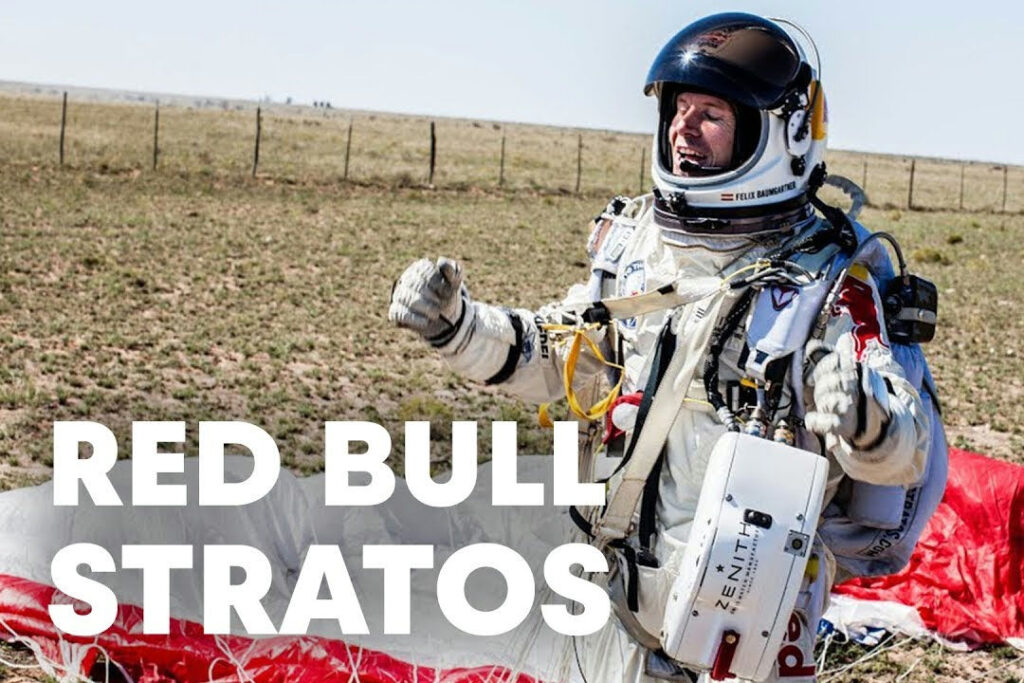
The Red Bull Stratos project was far more than just a televised stunt; it was a landmark event for aerospace research. When Felix broke the sound barrier, he provided scientists with first-hand data on how the human body reacts to supersonic speeds in a near-vacuum environment. This information has been used to improve the design of pressure suits and emergency bailout systems for high-altitude pilots and future commercial space travelers. Engineers analyzed the stability of his fall and the performance of his parachute system to develop better safety protocols for the next generation of explorers.
Felix took great pride in the fact that his jump had a lasting impact on science. He often spoke about how the mission helped bridge the gap between traditional aviation and the future of space exploration. By showing that a human could survive the transition from space to the atmosphere without a vehicle, he opened up new possibilities for emergency escape procedures. Even years after the jump, his suit and capsule remained popular exhibits in museums, serving as educational tools for young people interested in STEM fields. His legacy is firmly cemented in the history of flight as both a brave explorer and a contributor to modern science.
A Life Still In The Sky
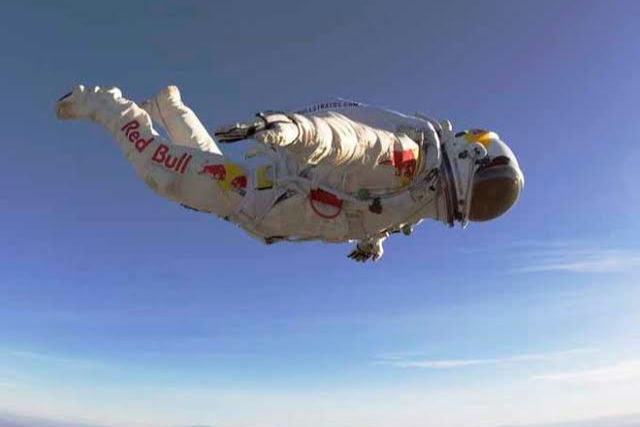
Despite the passage of time and the inevitable aging process, Felix Baumgartner never felt truly comfortable staying on the ground. Throughout the early 2020s, he could often be found flying his powered paraglider or piloting helicopters across the scenic landscapes of Europe. For Felix, the sky was his natural habitat and the one place where the noise of the world and the pressure of fame seemed to disappear. He spent his final years enjoying the simple beauty of flight, often taking off at sunrise to catch the best views of the mountains or the coastline.
These recreational flights were a stark contrast to the high-stakes missions of his younger years. He described these moments as “soul-cleansing,” where he could focus on the mechanics of the wing and the movement of the wind. While he was no longer looking for new records to break, he still maintained the same high standards for equipment maintenance and safety that had served him throughout his career. It was during one of these routine, peaceful flights in the summer of 2025 that the unthinkable happened, bringing a sudden and tragic end to a life that had been defined by the pursuit of the heavens.
The Fatal Flight
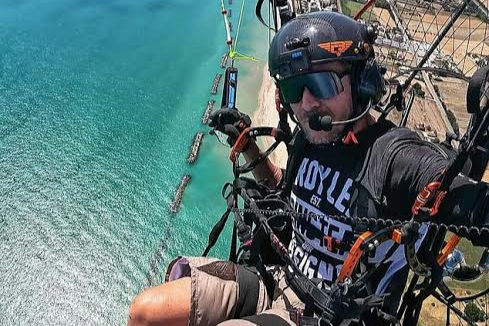
On July 17, 2025, the world of extreme sports was rocked by the news that Felix Baumgartner had passed away at the age of 56. He was flying a powered paraglider near Porto Sant’Elpidio, a beautiful town on the Italian coast, when something went wrong. Witnesses on the ground reported seeing his aircraft enter a sudden and uncontrolled spiral. Despite his immense experience and years of training, he was unable to recover the craft before it crashed near a resort swimming pool. Emergency responders arrived on the scene almost immediately, but the injuries he sustained were too severe for him to survive the impact.
The news of his death triggered a massive wave of tributes from all over the world. Many found it hard to believe that a man who had survived a fall from the edge of space could die during a recreational flight in such a familiar setting. Fellow pilots and athletes praised him as a pioneer who pushed the boundaries of what was possible for the human spirit. The mayor of Porto Sant’Elpidio and various aviation organizations expressed their deep sorrow, noting that the world had lost a legendary figure who inspired millions to look up at the stars and dream of flying.
Investigation And Final Findings
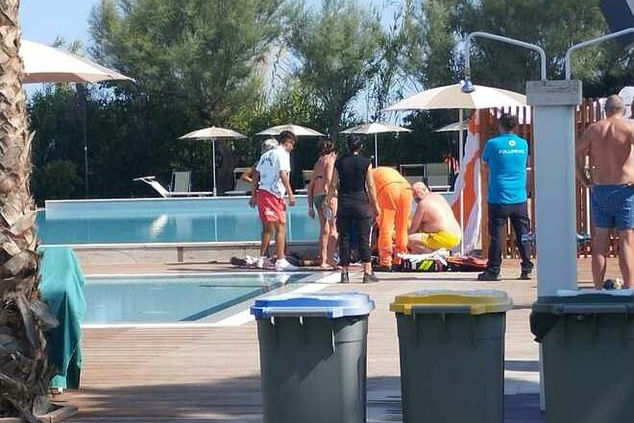
Following the tragic crash, Italian authorities launched a comprehensive investigation to determine exactly why the experienced pilot lost control. Initially, there were questions about whether a mechanical failure or a sudden medical episode, such as a heart attack, had caused the accident. However, after a thorough examination of the wreckage and medical reports, investigators confirmed that the paraglider was in perfect working order and Felix was in good health. The final report, released by the local prosecutor, concluded that the crash was the result of a pilot error during a specific flight maneuver that led to an unrecoverable spiral.
The investigation found that Baumgartner had entered a descent that required a very specific and timely correction to stabilize the wing. For reasons that remain a mystery, he was unable to perform the necessary action in the few seconds available before hitting the ground. This conclusion served as a somber reminder of the inherent risks of aviation, where even the most decorated and skilled pilots can fall victim to a single moment of miscalculation. The findings closed the legal case, leaving behind a legacy of a man who lived and died in the sky he loved so dearly, always pushing the limits until the very end.


