
1. Back to a Quiet Life in Cuba
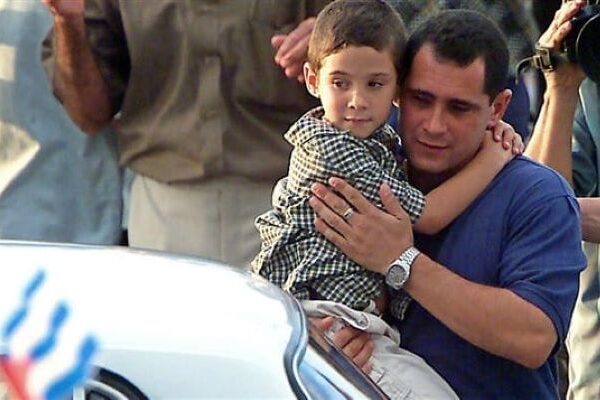
Some stories stick with you, even years later, and Elián González is one of them. After the 2000 custody battle, he returned to Cárdenas, Cuba, to live with his father and close family. Away from American cameras, his daily life became more normal again, filled with school, routines, and familiar faces. People in his hometown reportedly welcomed him with pride, seeing him as a child who made it back home after a painful storm. While the world moved on to new headlines, Elián’s life continued quietly, shaped by family, community, and the place that always felt like his starting point.
2. Growing Up Outside the Spotlight
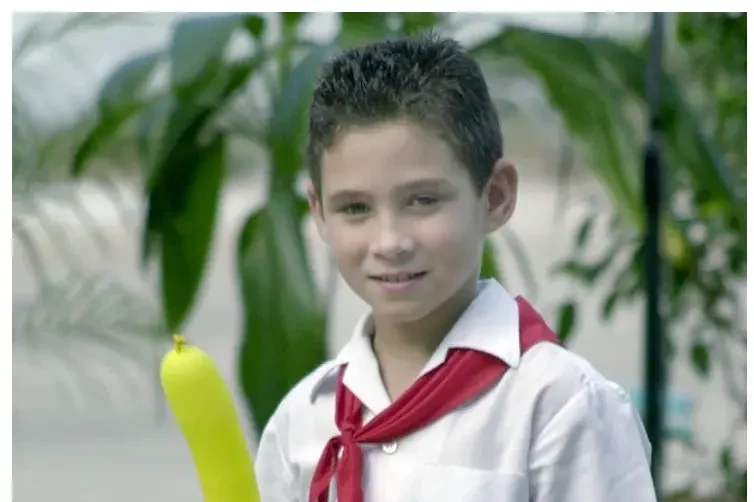
Once Elián was back in Cuba, he stopped being a constant news topic in the U.S. Over time, fewer updates came out, and many people simply lost track of him. That was a big change from the intense media attention during the custody fight. Instead of growing up on television, he grew up mostly out of public view. When he appeared publicly, it was usually tied to important Cuban events, not casual celebrity interviews. For Elián, that quieter life likely meant more space to grow without strangers watching his every move. It was a different kind of childhood, but one with far less noise.
3. Becoming a National Symbol
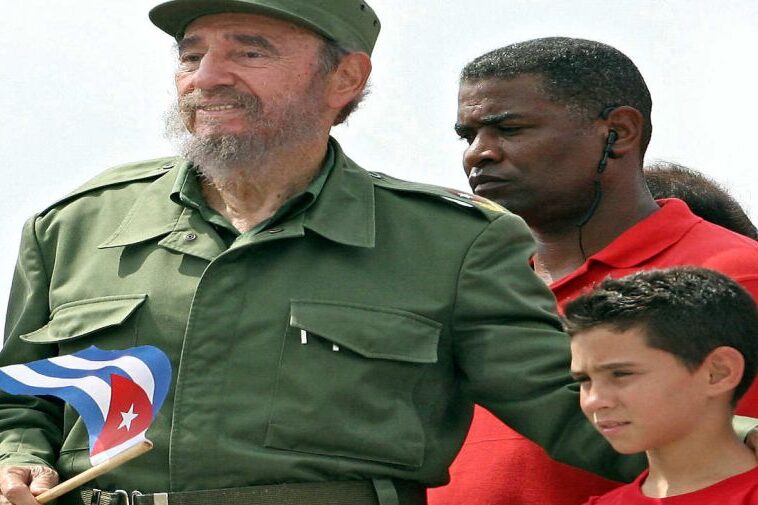
In Cuba, Elián’s return was not treated as a private family moment alone. His story became a national symbol, often used to represent Cuba’s pride and strength. Over the years, his case was talked about publicly as a victory, and he became a familiar figure in Cuban public memory. That kind of attention can be complicated, because it means your personal life is tied to something bigger than you. Even so, it shaped how people saw him as he grew up. Instead of being known only as a child in a custody battle, he was seen as part of a larger Cuban story.
4. Joining the Communist Youth
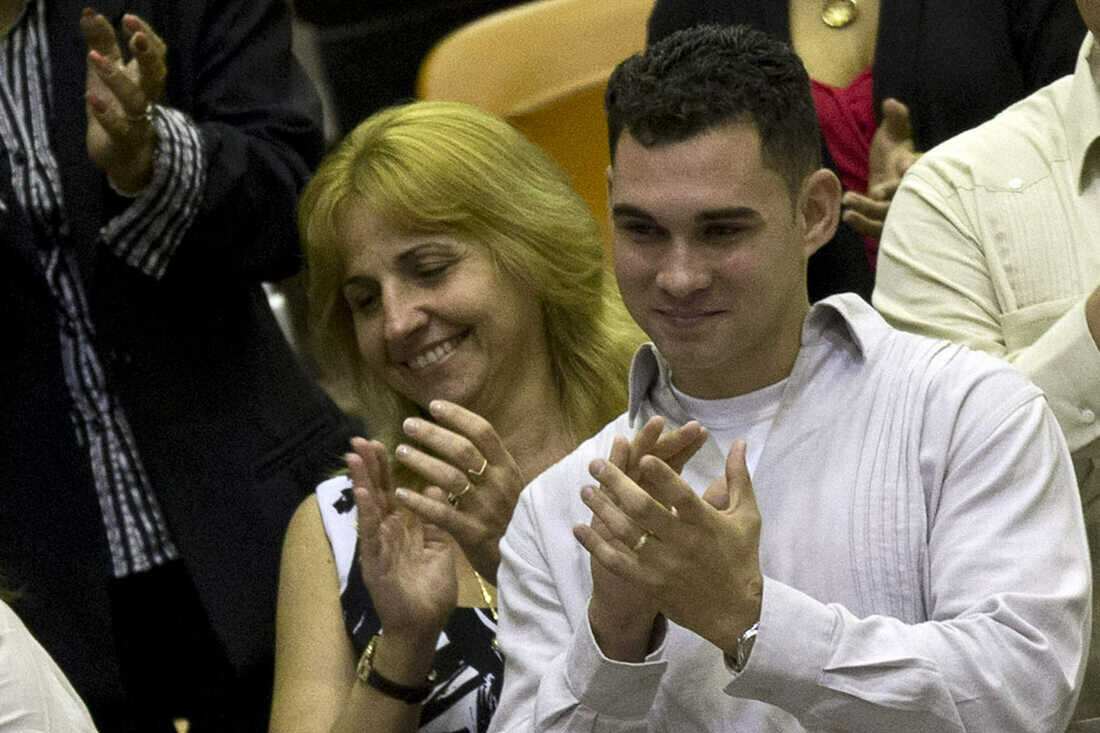
As a teenager, Elián stepped into Cuba’s political culture more openly. He joined the Young Communist Union, which showed that he was aligning himself with the system he grew up in. For many people watching from outside Cuba, that update felt like a turning point. It signaled he was no longer the child others fought over, but a young man making decisions about identity and loyalty. Whether someone agrees with his views or not, it revealed where he stood. At that stage, his life wasn’t just about what happened in 2000. It was about what he chose afterward.
5. A Military School Chapter
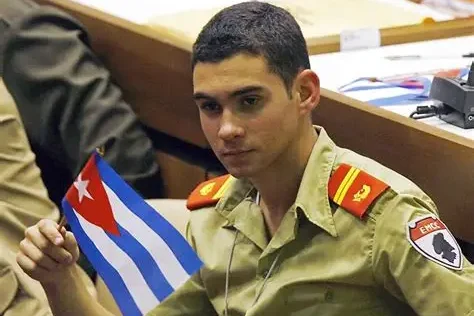
Elián also reportedly attended military school during his teen years, which adds another layer to the kind of upbringing he experienced. Military school often builds structure, discipline, and a strong sense of national duty. That environment may have helped him find stability after such a public and emotional childhood. It also reflects how deeply his life was connected to Cuba’s institutions while he was growing up. While many expected him to live a dramatic or flashy life, this part of his story feels serious and grounded. It shows he was being shaped for responsibility, not entertainment, and that he took a path that focused on order.
6. Choosing Education Over Fame
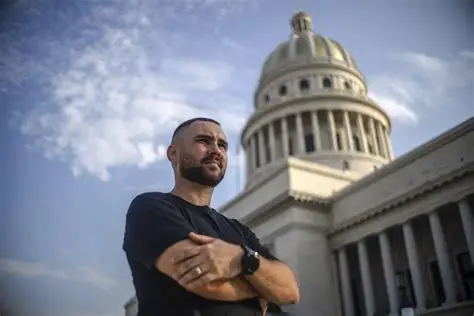
Instead of becoming a celebrity, Elián focused on education and building a real career path. He studied industrial engineering, which is a practical field that deals with systems, efficiency, and real-world problem solving. That choice says a lot, because he could have leaned into attention if he wanted to. Instead, he went for something steady. Growing up in the middle of global drama might make anyone crave a normal life, and school can offer that kind of direction. His academic path also helped shift his identity away from being “that kid from the headlines” into someone defined by work and growth.
7. Working a Regular Job
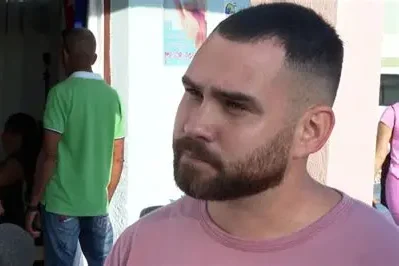
After school, Elián reportedly worked a normal job, which is one of the clearest answers to the question people always ask. He wasn’t living in the spotlight or chasing fame. He was doing adult life like many others, showing up, working, and building routines. That kind of detail may sound simple, but it matters because it reminds people that headlines do not last forever. A story can be loud for a season, then turn quiet again. Elián’s life seems to have followed that pattern. He moved from being a global symbol to being a working adult, focused on everyday responsibilities instead of worldwide attention.
8. Saying He Has No Regrets
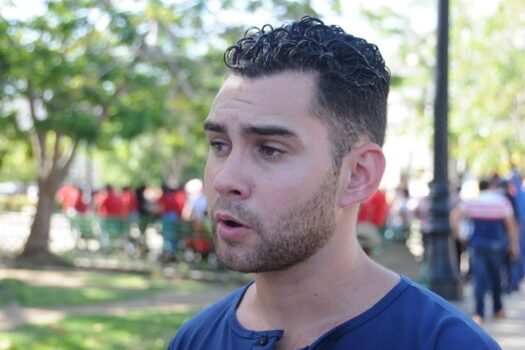
As an adult, Elián has spoken publicly about his past, and he has expressed that he feels okay with the life he has now. He has said he wanted to be with his family in Cuba, and that he does not regret returning. For some readers, that may feel surprising, especially considering how intense the custody battle was. But people’s feelings about their own lives can be different from what outsiders expect. His words suggest he values stability, belonging, and familiarity more than the “what if” questions others still hold. It also shows he is aware of how his story is remembered, yet he still chooses peace over endless debate.
9. Carrying the Emotional Weight
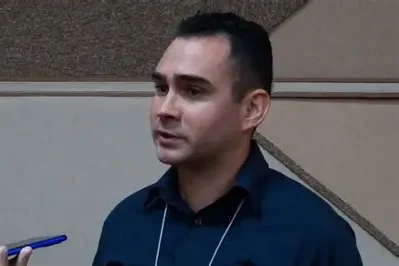
Even with his calm public tone, Elián has also admitted that the custody fight left deep emotional marks on him. That makes sense, because childhood experiences like that do not disappear just because time passes. Being separated, argued over, and constantly watched can leave a person with lasting memories they did not choose. His life after 2000 may have looked steady from the outside, but the inside story is usually more complex. This part of his journey feels human and relatable, because many people carry memories they rarely talk about. Elián grew into adulthood with history attached to his name, and that kind of weight changes a person.
10. Becoming a Husband and Father
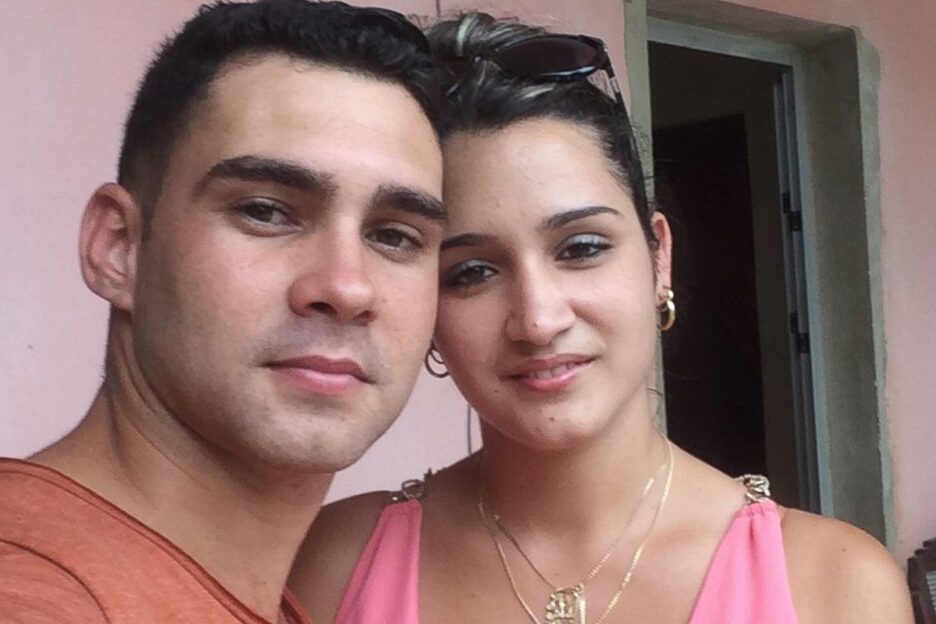
One of the most relatable updates about Elián’s life is that he has built a family of his own. He has been described as married, and he has also shared that he is a father. That detail feels meaningful because family was the center of the original battle, and now he is creating his own home and identity. It is a quiet kind of healing, even if life is not perfect. Parenthood can shift your perspective in a big way, especially if your own childhood was complicated. This stage of his life shows he has moved forward, focused on love, responsibility, and the simple goal of raising a child in peace.
11. Stepping Into Cuban Politics
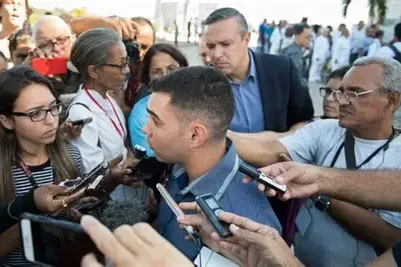
As an adult, Elián did not stay completely private forever. He eventually stepped into Cuban public life and politics, becoming part of the country’s leadership structure. That move placed him back into the public eye, but in a very different way than when he was a child. Now, he is not a symbol being carried around by adults. He is one of the adults. For many observers, this felt like a full-circle moment because his childhood was so deeply tied to political tension. His political involvement shows where his loyalty sits and how his life has been shaped by Cuba’s national story from the beginning.
12. Still Remembered, Still Moving Forward
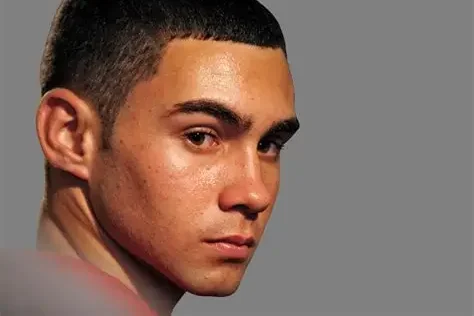
Even now, Elián’s name still pulls people back to the year 2000, but his life did not stop there. He grew up, studied, worked, built a family, and stepped into public responsibility in his own country. People will always debate what should have happened, but his current life shows something simpler. Time moves, children become adults, and the world keeps turning even after the headlines fade. His story is still remembered, but it is no longer only about a custody battle. It is about a life that kept going.


