
What Happens When A Case Never Truly Ends
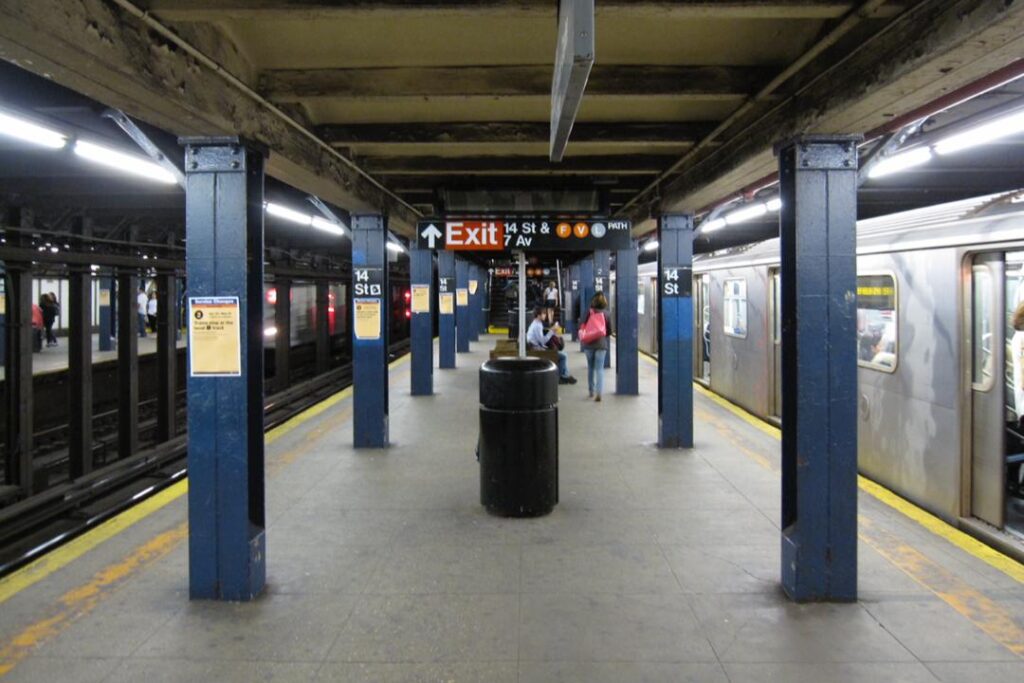
The cold winter of 1984 changed New York City forever when a quiet electrical engineer named Bernhard Goetz drew a silver revolver on a subway train and fired at four young men. It was a moment that crystallised the fears of a city pushed to the brink by rising crime rates and crumbling infrastructure. While the headlines eventually faded from the front pages, the man at the centre of the storm remained a fixture of American legal and social debate for decades to come, as his life became a complex tapestry of courtrooms and unexpected public appearances.
Understanding what became of Goetz is about more than just tracking a single individual because his journey reflects the lingering tensions of justice and vigilantism in modern society. From high-stakes civil trials to surreal runs for political office, the aftermath of that afternoon beneath Manhattan reveals how one split-second decision can echo through a lifetime. We are looking back at the long, strange road Goetz travelled after the sirens stopped and the public jury reached its own complicated verdict on the man they once called the Subway Vigilante.
The Trial Of The Decade
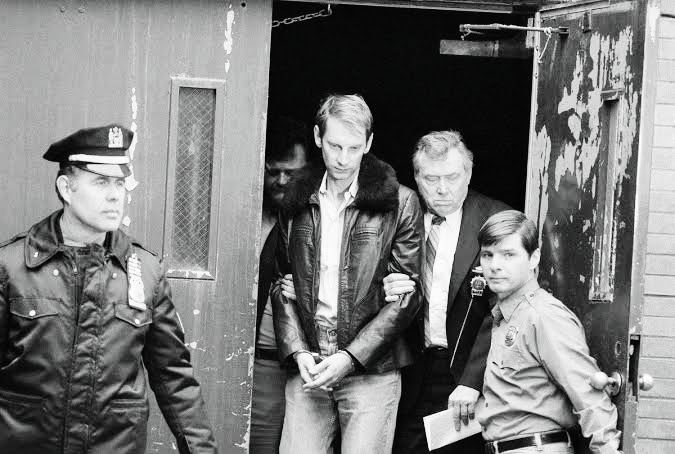
The immediate aftermath of the shooting saw Bernhard Goetz surrender to police in New Hampshire before returning to face a legal firestorm in New York City during the mid-eighties. Although he was originally hailed as a hero by a public tired of being victimised, the legal system had to weigh his actions against the strict laws governing self-defence and the use of deadly force. His trial in 1987 became a media circus that captivated the nation as prosecutors argued he had acted with unnecessary malice while his defence team maintained he was merely a terrified citizen protecting himself from an imminent mugging.
In a verdict that stunned many observers and relieved his supporters, Goetz was cleared of the most serious charges including attempted murder and assault despite having shot four people. He did not walk away entirely unscathed because the jury found him guilty of criminal possession of a weapon in the third degree for carrying an unlicensed firearm. This conviction resulted in a one-year prison sentence of which he served eight months behind bars and this period marked the end of his initial criminal legal battle but it was only the beginning of a lifetime defined by the consequences of that day.
Massive Civil Court Defeat
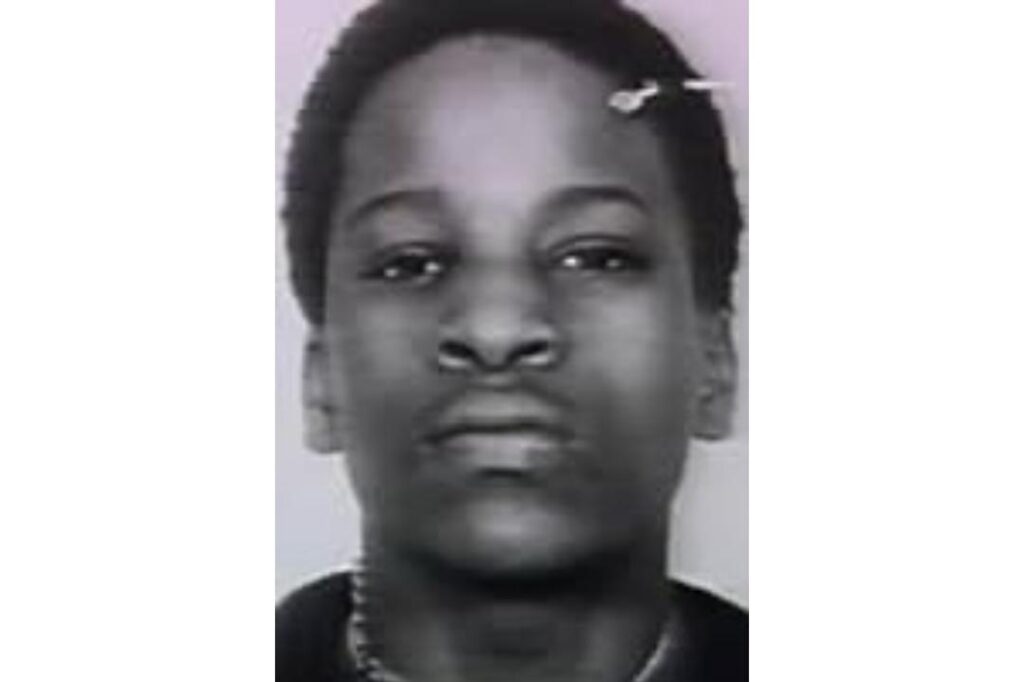
While Goetz had successfully navigated the criminal justice system with relatively light punishment, the civil courts proved to be a far more punishing environment for him during the nineties. In 1996, one of the men he had shot, Darrell Cabey, brought a lawsuit against Goetz that focused on the devastating permanent injuries he had sustained during the encounter. Cabey had been left paralysed and with significant brain damage from the shooting and his legal team sought to hold Goetz financially accountable for the lifelong care and suffering that resulted from the vigilante’s actions on the subway train.
The civil jury took a much harder line than the criminal one and they eventually ordered Goetz to pay a staggering 43 million dollars in damages to Cabey. This astronomical sum was intended to cover compensatory and punitive damages and yet it was a debt that Goetz would likely never be able to fully repay given his modest lifestyle and limited income as an engineer. He eventually filed for bankruptcy shortly after the judgment was handed down and this ensured that while the legal victory was significant for Cabey, the actual financial restitution remained largely symbolic for the remainder of Goetz’s life.
Unlikely Run For Mayor
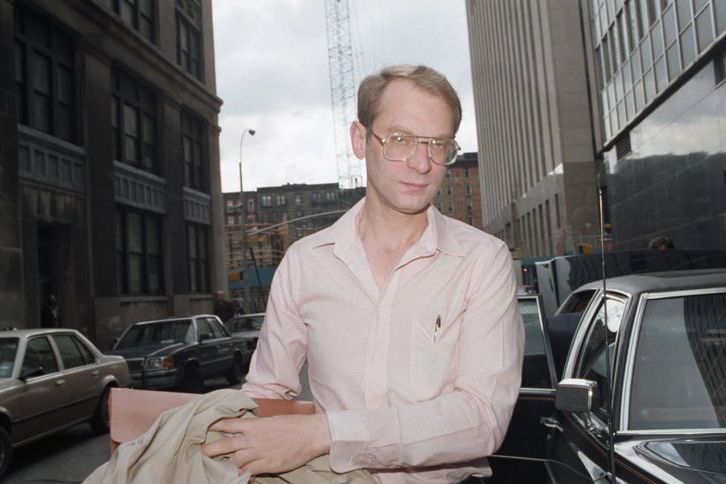
By the turn of the millennium, Bernhard Goetz had transitioned from a figure of fear and controversy into a somewhat eccentric public personality who sought to enter the political arena. In 2001, he made headlines again by launching a campaign for Mayor of New York City and he ran on a platform that was as idiosyncratic as his public image had become. He focused heavily on issues that seemed far removed from the violent act that made him famous and he spent much of his time advocating for the rights of animals and the installation of vegetarian options in city schools.
His mayoral bid was largely viewed as a fringe effort and he ultimately failed to secure the nomination of the Republican or Democratic parties and instead ran as an independent. Although he did not come close to winning the election, the campaign served as a reminder that he remained a recognisable face in a city that had changed significantly since the dark days of 1984. He used the platform to discuss his philosophy on urban life and personal safety and yet the voters of a post-Giuliani New York were largely uninterested in returning to the divisive rhetoric associated with his past.
Seeking The Public Advocate
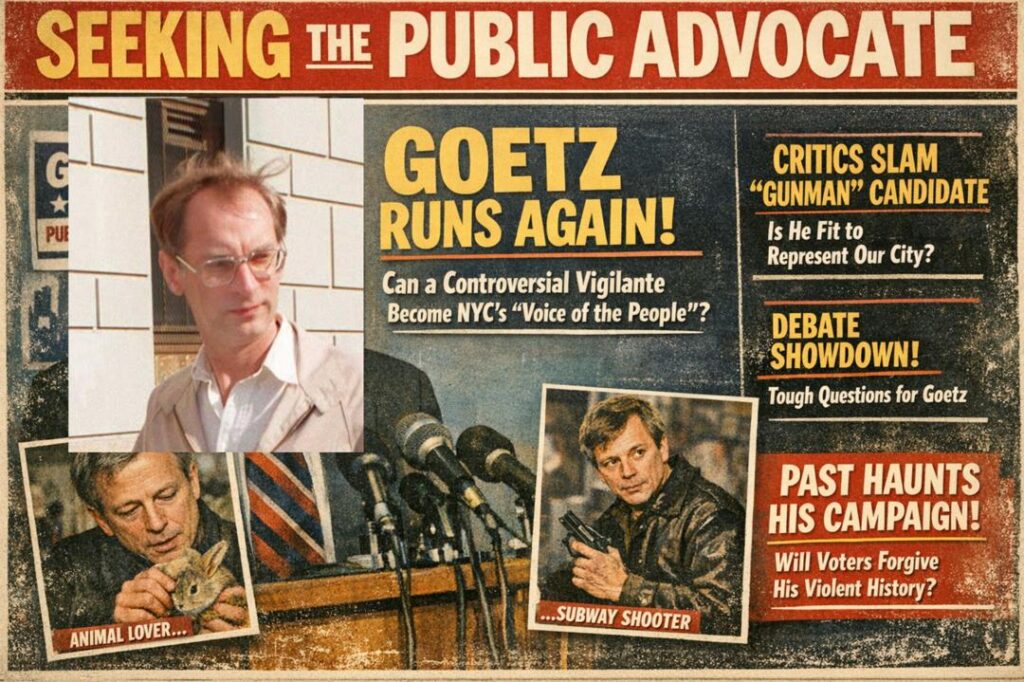
Not content with his failed mayoral run, Goetz decided to try his hand at politics once more in 2005 by running for the position of New York City Public Advocate. This role is intended to serve as a watchdog for city residents and Goetz believed his unique history and status as an outsider made him an ideal candidate to challenge the status quo. His campaign continued to emphasize his love for animals and his desire to see a more compassionate city and yet the shadow of the subway shooting continued to loom over every public appearance he made during the race.
He faced significant criticism during this period as many New Yorkers felt that his past actions disqualified him from holding a position meant to represent all citizens including the minority communities most impacted by his actions. Goetz managed to stay in the public eye through various interviews and debates where he often spoke in a detached and almost clinical manner about his life experiences. Ultimately, he received only a small percentage of the vote and this second political defeat marked the end of his serious attempts to hold public office in the city he had once patrolled with a gun.
Advocacy For Urban Wildlife

In the years following his political ventures, Goetz retreated somewhat from the spotlight and began to focus his energy on an unexpected passion for urban wildlife, specifically the squirrels of New York. He became a familiar sight in various city parks where he would spend hours feeding and caring for the small mammals and he even went as far as to house injured squirrels in his apartment. This shift in focus was seen by some as a bizarre turn for a man known for violence and yet Goetz claimed it was a natural extension of his belief in protecting the vulnerable.
He often spoke passionately about the need to preserve nature within the concrete jungle and he became a minor celebrity within the niche community of animal rescuers. This period of his life was documented by various lifestyle journalists who found the contrast between the “Subway Vigilante” and the “Squirrel Man” to be a compelling narrative of personal evolution. While he still maintained his controversial views on crime and punishment, his daily routine became defined by the quiet tasks of animal husbandry and this provided him with a sense of purpose that the courtroom battles never could.
Lingering Health Of Victims
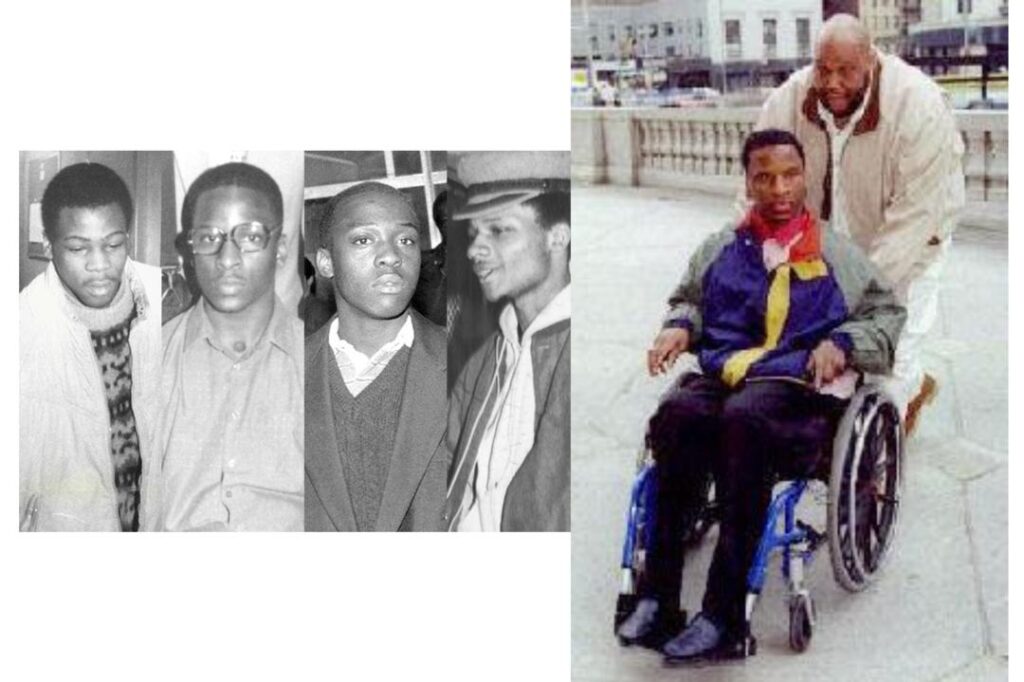
While Goetz was spending his days in the parks of Manhattan, the men he had shot continued to deal with the long-term physical and emotional scars of that December afternoon. The most visible reminder of the shooting’s toll was Darrell Cabey who remained confined to a wheelchair and required constant medical attention for decades. The narrative of the shooting often focused on Goetz’s life and yet the victims’ families frequently reminded the public that their lives had been permanently altered by a man who had never expressed genuine remorse for the permanent damage he caused.
The death of one of the shooting victims, James Ramseur, in 2011 brought the case back into the national conversation as it happened on the anniversary of the shooting itself. Ramseur had struggled with various personal issues in the years following the event and his passing served as a somber bookend to a story that many wanted to forget. For the families involved, the case never truly ended because the physical suffering of their loved ones was a daily reality that far outlasted the media interest or the legal proceedings that had dominated the mid-eighties.
Legal Trouble Strikes Again

Even in his later years, Bernhard Goetz could not entirely stay away from the attention of the New York Police Department as he faced new legal challenges in the twenty-first century. In 2013, he was arrested for allegedly selling a small amount of marijuana to an undercover police officer in Union Square Park and this incident briefly thrust him back into the tabloid headlines. The arrest seemed almost mundane compared to the high-stakes drama of the 1984 shooting and yet it highlighted his continued presence in the city’s legal system and his refusal to live a completely anonymous life.
The charges were eventually dismissed after Goetz agreed to stay out of trouble for a set period and this allowed him to return to his quiet life of squirrel advocacy and engineering work. This brush with the law served as a reminder to the public that the man at the centre of one of the city’s most famous crimes was still navigating the complexities of urban existence. It also sparked renewed debates about whether he was a victim of his own fame or simply a man who struggled to adhere to the rules of the society he had once tried to protect.
Reflecting On Crime Shifts
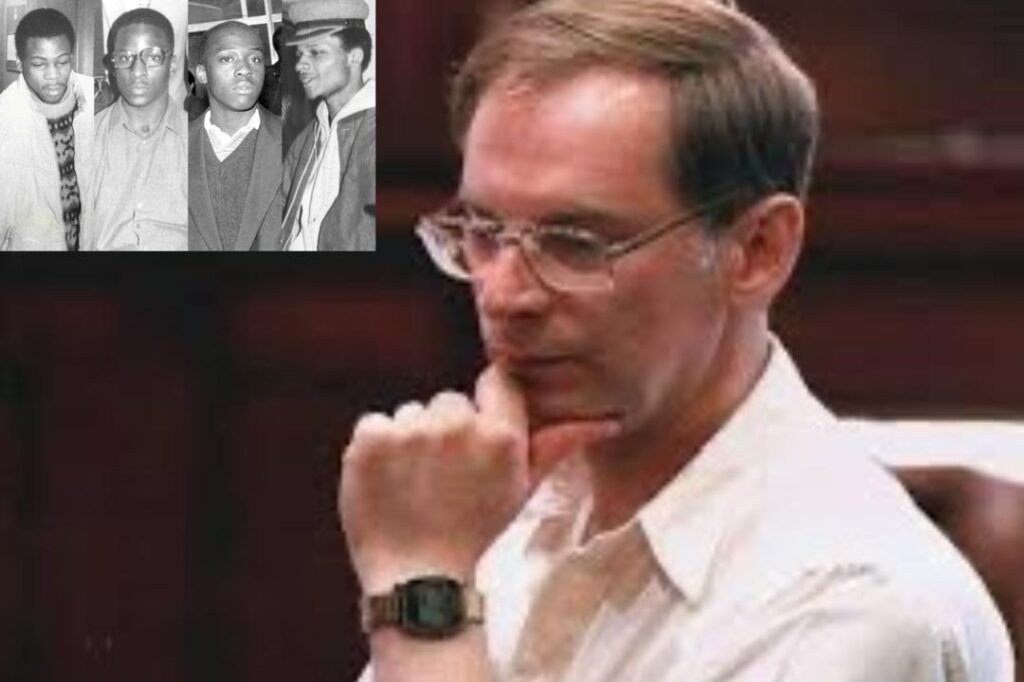
As New York City evolved from the crime-ridden era of the eighties into a much safer and more gentrified metropolis, Goetz remained a symbol of a time many residents preferred to leave behind. He occasionally participated in documentaries and news retrospectives where he reflected on how the city had changed and whether his actions would be viewed differently in a modern context. He often pointed to the decrease in subway crime as a positive development and yet he remained steadfast in his belief that citizens must always be prepared to defend themselves in a dangerous world.
His public reflections were often met with a mix of fascination and disdain because he represented a brand of justice that had largely been replaced by more systematic policing and community programs. Younger generations of New Yorkers who had not lived through the fear of the eighties viewed him more as a historical curiosity than a contemporary threat or hero. This shift in public perception allowed Goetz to live a relatively peaceful life in the same apartment he had occupied for decades even as the neighbourhood around him transformed beyond recognition.
Current Status And Legacy

Today, Bernhard Goetz lives a mostly private life in Manhattan and he continues to work as an electrical engineer while maintaining his deep interest in animal welfare and local issues. He is occasionally spotted by eagle-eyed New Yorkers who recognise the older, thinner version of the man whose face was once plastered across every newspaper in the country. He has not sought the spotlight in recent years and he seems content to let the history books decide his ultimate place in the story of New York City’s long struggle with crime and order.
His legacy remains deeply divided because to some he will always be the man who had the courage to fight back when no one else would and to others he is a dangerous vigilante who escalated a tense situation into a tragedy. The anniversary of the shooting still prompts discussions about race, class, and the right to bear arms in an urban environment and this ensures that his name will be linked to these debates for years to come. Goetz himself seems aware of his complicated place in history and he carries the weight of that one afternoon with a detached pragmatism that has defined his entire adult life.
The Final Legal Chapter
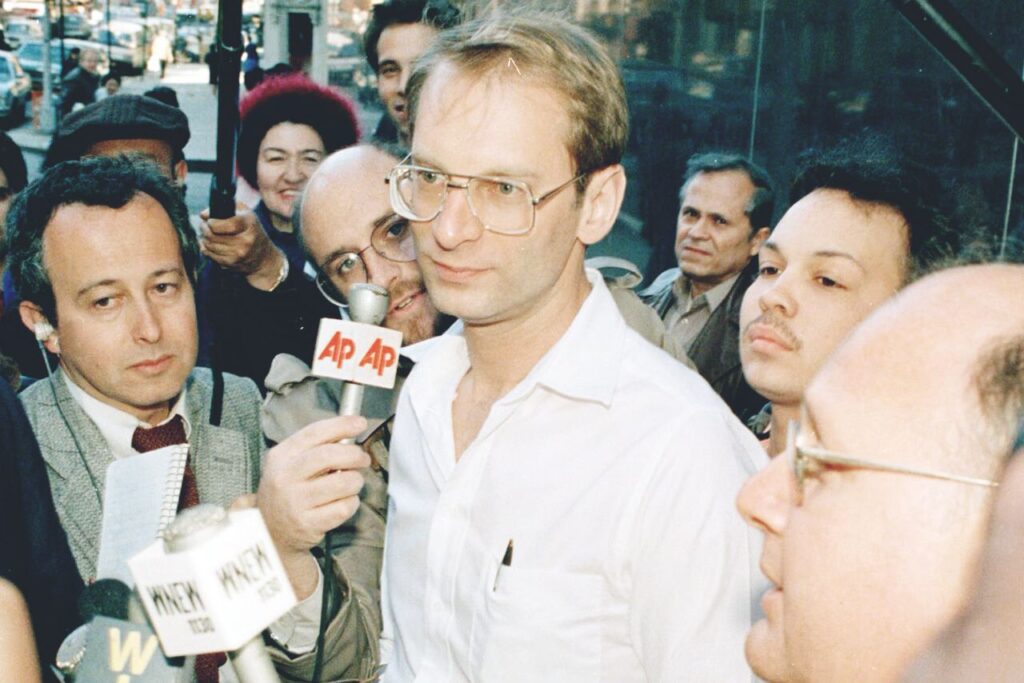
The story of Bernhard Goetz serves as a powerful reminder that the legal system can resolve a case on paper while leaving the participants to deal with the consequences for the rest of their lives. Whether through the millions of dollars in unpaid civil debts or the lingering physical trauma of the men he shot, the echoes of the 1984 subway shooting remain audible in the quiet corners of New York’s history. It is a narrative that refuses to be neatly packaged and it continues to challenge our understanding of what it means to seek justice outside the bounds of the law.
Ultimately, the journey from a terrified commuter to a national icon and finally to a quiet park-dweller shows the unpredictable nature of a life lived in the shadow of a single violent act. We must consider the implications of relying on a single moment of action to define a person’s entire character and the lasting impact such events have on a community’s sense of safety.
Like this story? Add your thoughts in the comments, thank you.


