
When Scandal Becomes A Pattern
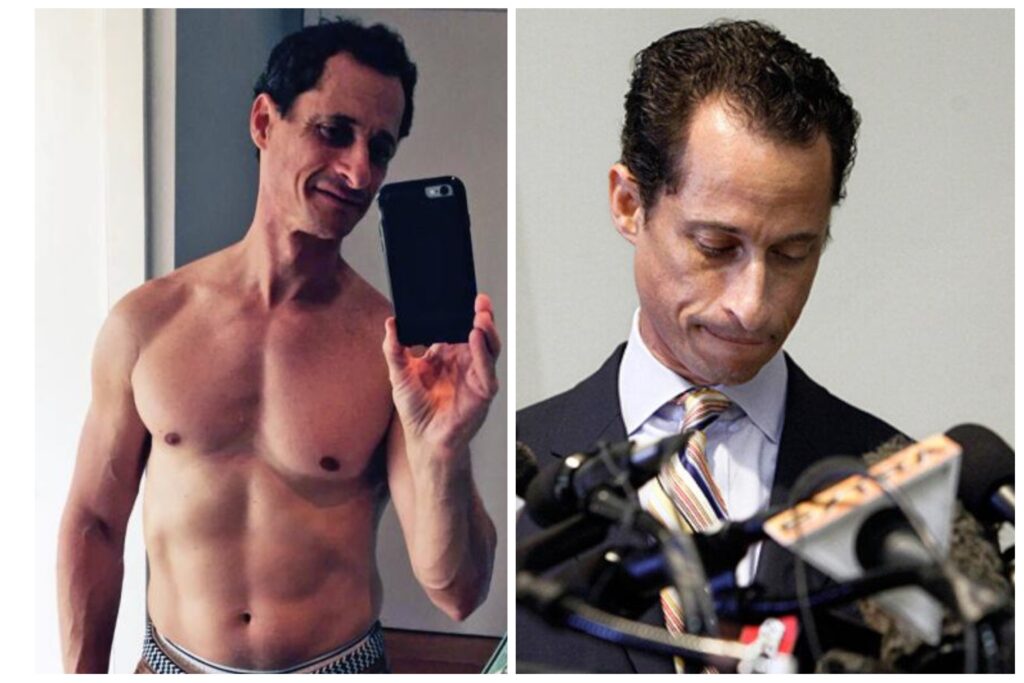
Anthony Weiner’s world started to crumble on May 27, 2011, when a very suggestive photo was accidentally posted to his public Twitter account. The image was intended for a college student in Seattle, but it quickly went viral, sparking a media firestorm that lasted for weeks. Initially, Weiner tried to claim his account had been hacked, a defense that fell apart under intense questioning from reporters. By June 6, 2011, he broke down in tears during a packed press conference, admitting he had lied to the public and his colleagues.
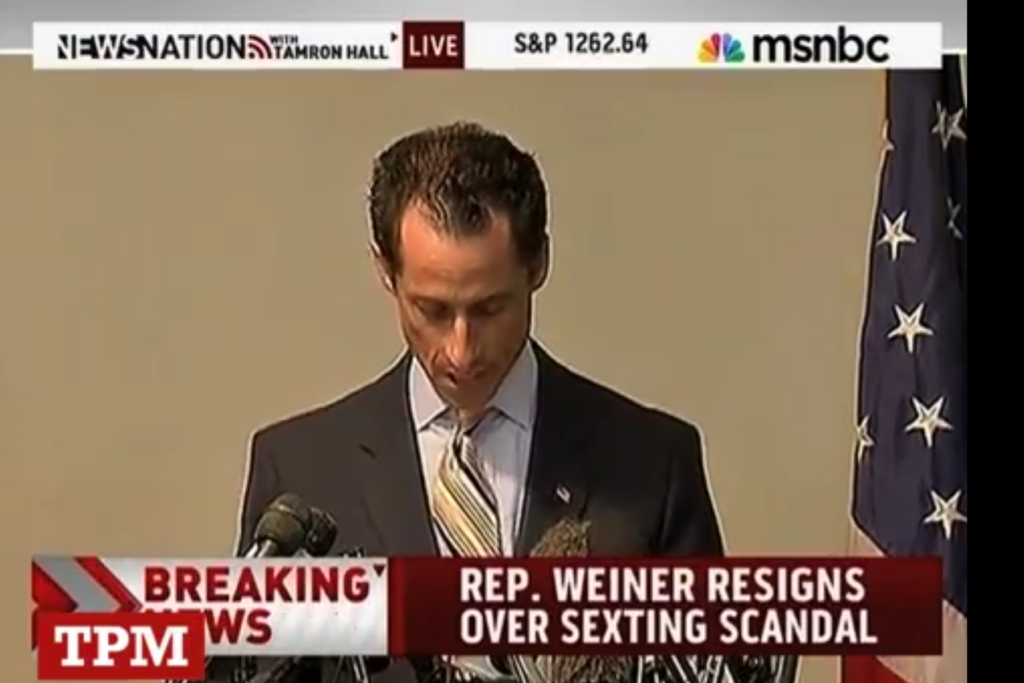
During that emotional confession, he admitted to engaging in inappropriate online relationships with several women over the course of three years. The betrayal felt personal to his supporters, as he had been a rising star representing New York’s 9th district since 1999. Under immense pressure from Democratic leaders, including then-House Speaker Nancy Pelosi, Weiner officially resigned from Congress on June 21, 2011. This sudden exit ended a twelve-year career in Washington and left a massive void in the New York political landscape that many thought he would one day lead.
Congress Career Ends
Before his downfall, Weiner was the quintessential “Brooklyn boy” done good, entering the House of Representatives at the young age of 34. He was known for his sharp tongue and aggressive debating style, often appearing on cable news to defend liberal policies with high energy. By 2010, he was even being discussed as a future candidate for Mayor of New York City or perhaps a statewide office. However, the events of early 2011 turned that bright future into a cautionary tale about the lack of privacy in the digital era.
The backlash following his confession was swift and came from both sides of the aisle. Fellow politicians argued that he had become too much of a distraction to effectively serve his constituents in Queens and Brooklyn. Following his resignation in June, a special election was held on September 13, 2011, to fill his vacant seat. Surprisingly, the district flipped to Republican control for the first time in decades, a result many blamed directly on the shadow cast by Weiner’s personal controversies and the subsequent loss of public trust.
The Carlos Danger Episode
In early 2013, Anthony Weiner attempted what many thought was impossible: a political comeback. He entered the race for Mayor of New York City, casting himself as a flawed man who had sought therapy and earned a second chance. For a few months, the strategy actually worked, and by July 2013, he was leading in several major polls. New Yorkers seemed willing to look past his previous mistakes in exchange for his policy ideas, but the “second chance” narrative was about to be shattered by new evidence.
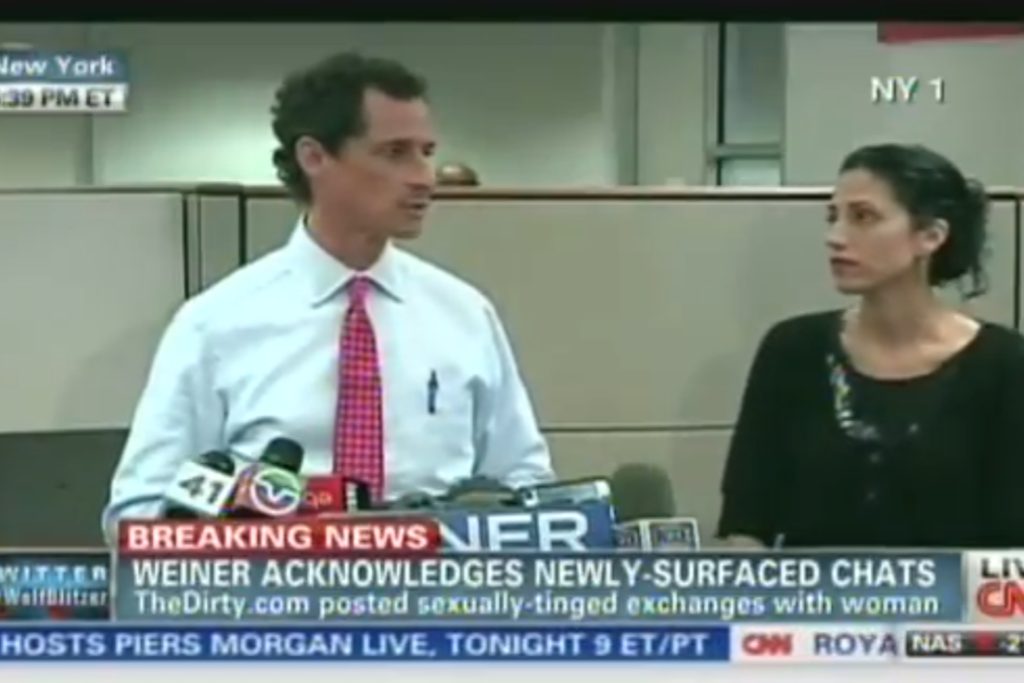
The campaign imploded when a website leaked new explicit messages Weiner had sent long after he resigned from Congress. Most infamously, it was revealed he used the pseudonym “Carlos Danger” to communicate with a 22-year-old woman as late as the summer of 2012. The revelation that the behavior hadn’t stopped turned his campaign into a punchline. When the primary election took place on September 10, 2013, Weiner received less than 5% of the vote. It was a humiliating defeat that effectively signaled the end of his mainstream political viability.
Marriage Under Strain
The scandals didn’t just ruin Weiner’s career; they devastated his personal life and his marriage to Huma Abedin. The couple married in July 2010, with former President Bill Clinton officiating the ceremony. Abedin, a top-tier aide to Hillary Clinton, stood by her husband through the initial 2011 scandal and even the 2013 “Carlos Danger” fallout. Her loyalty was a major talking point during Hillary Clinton’s own political campaigns, but there was only so much a person could be expected to endure in the public eye.
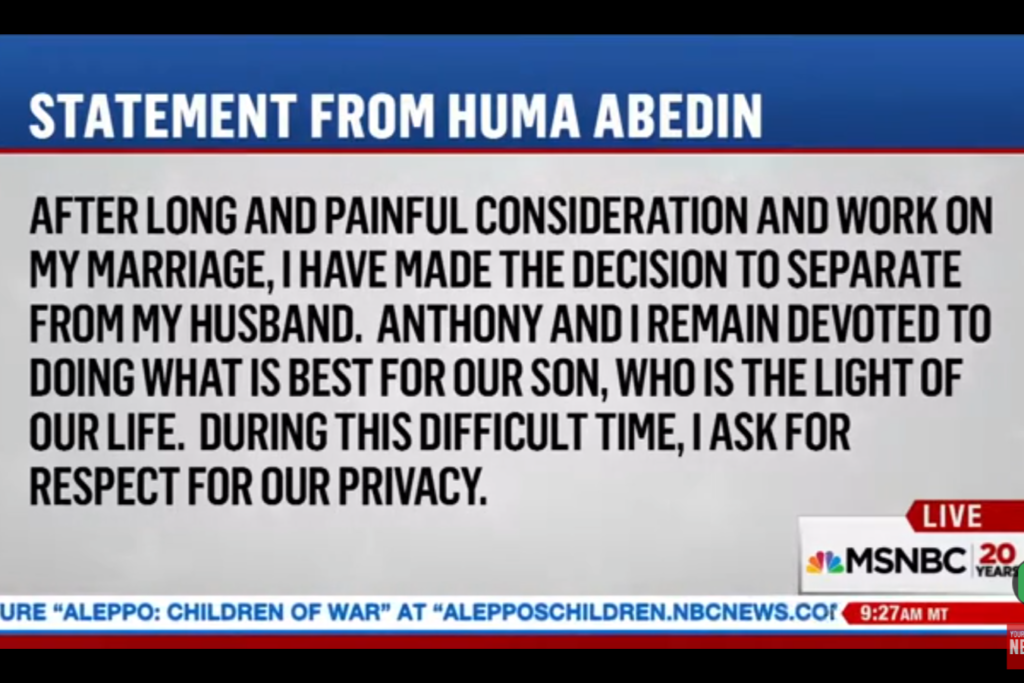
The breaking point arrived in August 2016, following reports that Weiner had sent more explicit photos, this time while their young son was in the bed next to him. Abedin announced their separation on August 29, 2016, stating that she needed to do what was best for her child. The split was a massive media event, particularly because it happened in the heat of a presidential election. While the two eventually attempted to navigate a private divorce, the public nature of their marital struggles remained a fixture of tabloid news for years.
The 2016 Investigation
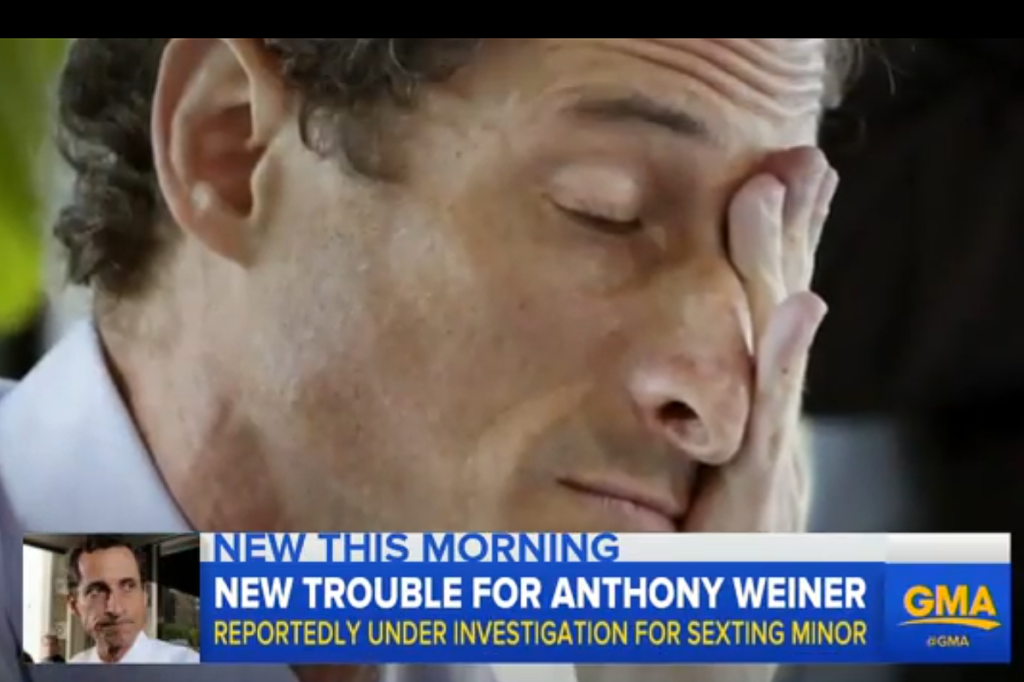
In late 2016, Weiner’s behavior crossed the line from a public embarrassment to a serious legal matter. News broke that he had been exchanging sexually explicit messages with a 15-year-old high school student from North Carolina. This led to a federal investigation by the FBI and the Department of Justice. The stakes were suddenly much higher than a lost election; Weiner was now facing the possibility of a felony conviction and a significant term in federal prison for his online interactions with a minor.
This investigation had an unexpected and massive impact on American history. While seizing Weiner’s laptop in October 2016, investigators found thousands of emails belonging to Huma Abedin that were relevant to the ongoing probe into Hillary Clinton’s private email server. On October 28, 2016, just eleven days before the presidential election, FBI Director James Comey notified Congress that the investigation was being reopened. Many political analysts still debate whether this discovery shifted the momentum of the 2016 election, forever linking Weiner to one of the biggest political upsets in history.
Guilty Plea And Sentencing

The legal walls finally closed in on Anthony Weiner in the spring of 2017. On May 19, 2017, he appeared in a Manhattan federal court to officially plead guilty to a charge of transferring obscene material to a minor. During the hearing, a visibly shaken Weiner admitted that he had a “sickness” but acknowledged that his actions were illegal and harmful. The plea deal meant he would avoid a lengthy trial but ensured that he would face time behind bars and lifelong consequences for his actions.
On September 25, 2017, Judge Denise Cote sentenced the former congressman to 21 months in federal prison. The judge was firm, noting that Weiner had used his celebrity status to groom a minor and that a prison stay was necessary for justice. In addition to the jail time, he was ordered to pay a $10,000 fine and was sentenced to three years of supervised release. Most significantly, the court mandated that he register as a sex offender, a label that would follow him for the rest of his life.
Life Behind Bars
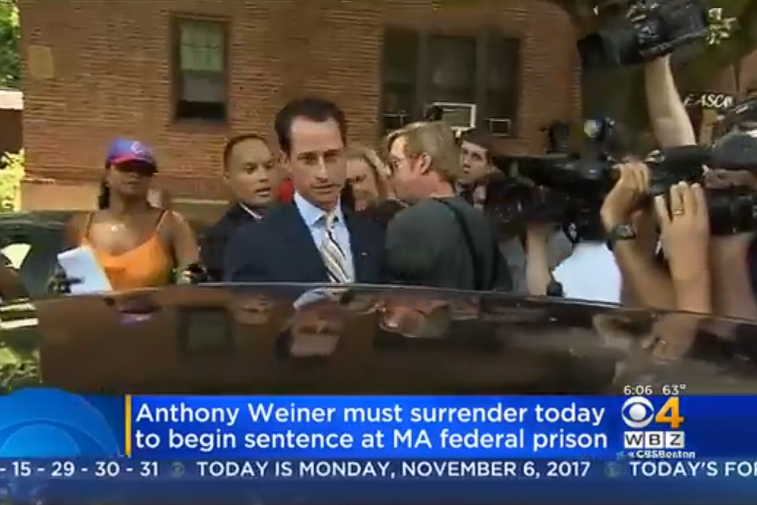
Anthony Weiner officially began his prison sentence on November 6, 2017. He was checked into the Federal Medical Center Devens in Massachusetts, a facility that often houses inmates with specialized health needs or high-profile backgrounds. Life in the federal system was a stark departure from the luxury of New York City and the halls of power in D.C. He spent his days following a strict prison routine, largely disappearing from the media spotlight that had once been his primary source of oxygen.
During his incarceration, Weiner reportedly participated in various rehabilitation programs designed for sex offenders. His time in prison was relatively quiet, with only occasional reports filtering out about his adjustment to life as an inmate. Because of good behavior and the completion of certain programs, he was able to shave a few months off his original 21-month sentence. In February 2019, he was transferred from the Massachusetts prison to a halfway house in Brooklyn to begin the process of reintegrating back into the community.
Release And Registration
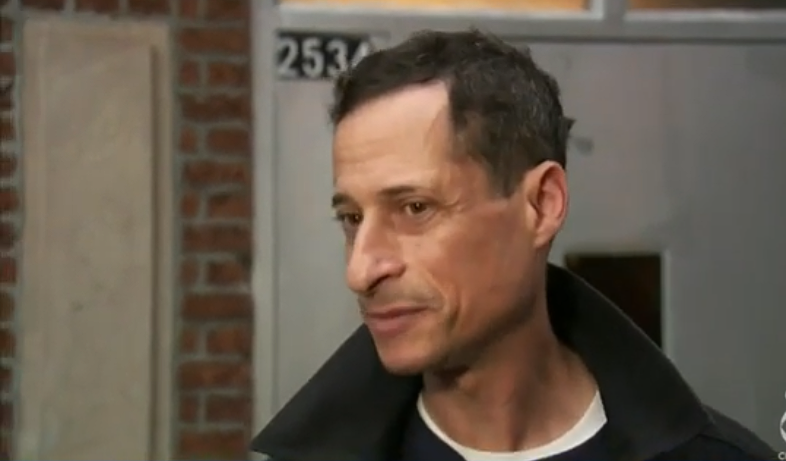
On May 14, 2019, Anthony Weiner was officially released from federal custody, having served roughly 15 months of his sentence. While he was physically free, his life was now governed by strict new rules. As a Level 1 sex offender, he is required to register his home address with the state of New York and update his information regularly. This registration is not a temporary measure; for Weiner, it is a requirement that will last for at least 20 years, making his past mistakes a permanent part of his public record.
The transition back to “normal” life was difficult. Being a registered offender limits where a person can live and work, and for a former public figure, the social stigma is even more intense. Weiner had to navigate a world where he was no longer a politician, but a man under the constant supervision of the law. Despite these hurdles, he expressed a desire to move forward and find a new way to contribute to society, though many wondered if the public would ever be ready to welcome him back.
Rebuilding After Prison and Resignation
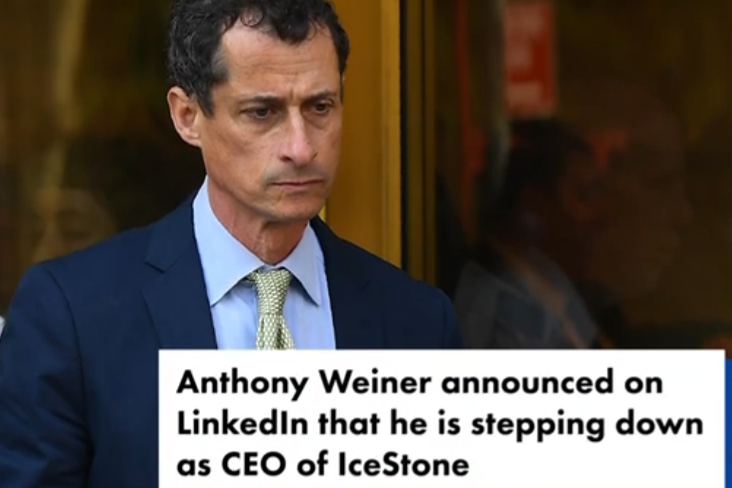
Following his release, Weiner looked for work outside of the political arena for the first time in his adult life. In 2021, it was reported that he had taken a job as the CEO of IceStone, a company in Brooklyn that creates eco-friendly countertops from recycled glass. It was a humble role compared to Congress, but it allowed him to stay busy and earn a living away from the cameras. He also began making small returns to the media, hosting a weekend radio show where he discussed local New York politics and current events.
In his interviews during this period, Weiner often spoke about his ongoing recovery and the lessons he learned while incarcerated. He claimed to be a changed man, focusing on his relationship with his son and trying to make amends for his past behavior. However, the shadow of his scandals remained long and he eventually resigned from the company. While some listeners appreciated his political insight on the radio, many others remained skeptical of his intentions, questioning whether his “recovery” was a genuine change of heart or just another attempt to rebuild a shattered public image.
Another Political Attempt
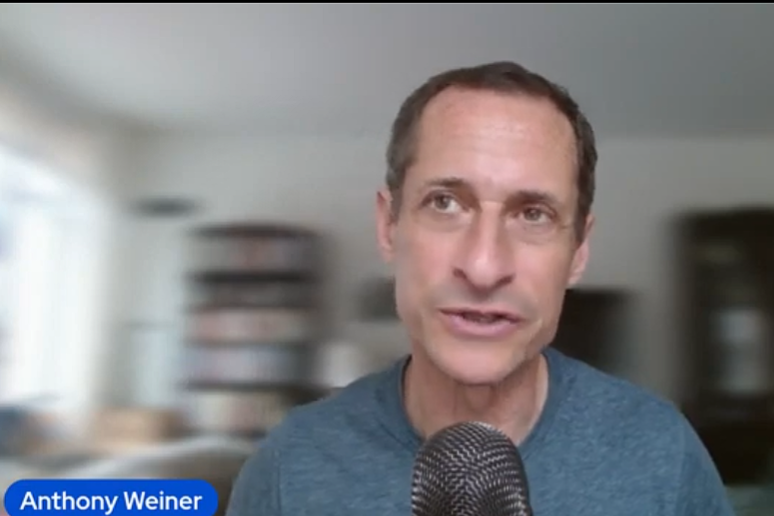
Despite the heavy legal and social baggage, Weiner’s ambition never truly faded. In early 2024, rumors began to swirl that he was considering another run for office. He eventually filed paperwork for a campaign committee titled “Weiner 25,” aiming for a seat on the New York City Council representing Manhattan’s District 2. The move was met with a mix of shock and mockery from the press, but Weiner insisted that his experience in government and his journey through the justice system gave him a unique perspective to help his community.
The 2025 primary election proved that the road to redemption is incredibly steep. When the votes were counted in June 2025, Weiner finished in a disappointing fourth place. While he still had a small core of supporters who admired his tenacity, the vast majority of voters were unwilling to move past his criminal history. The defeat was a clear message that while he could participate in the conversation, his days of holding an elected office were likely over. Still, his persistence suggests that Anthony Weiner isn’t ready to disappear from public life just yet.


