
1. Prison Sentence And Time

The Long Island Lolita case became one of the most heavily covered crime stories of the early 1990s, driven by nonstop tabloid attention and public debate. After pleading guilty in 1992 to first-degree assault, Amy Fisher received a sentence of five to fifteen years in prison. The plea agreement avoided a trial but carried lasting consequences. She served roughly seven years in New York correctional facilities, where reports noted she completed her GED and stayed largely out of trouble. Media outlets continued to follow her closely, often focusing on her behavior behind bars and eligibility for parole. While public outrage gradually softened, her prison years marked a decisive shift from media spectacle to accountability within the justice system.
2. Parole And Early Release

Amy Fisher was released on parole in 1999 after serving close to seven years of her sentence, an event that reignited national media interest. News coverage reflected how deeply the case remained embedded in public memory. Her parole conditions included supervision and limits on certain public activities. At the time, Fisher stated she wanted a quieter, more private life, though the attention surrounding her release made that difficult. Reactions were mixed, with some believing she had served sufficient time and others arguing the punishment fell short. Her release reopened conversations about rehabilitation, justice, and whether individuals tied to notorious crimes can realistically rebuild their lives once public judgment has already been formed.
3. Attempt At Normal Life

After leaving prison, Fisher made efforts to live outside the spotlight by relocating and taking on ordinary work. She expressed frustration in interviews about being permanently linked to actions taken as a teenager. Despite attempts to maintain privacy, recognition followed her, often disrupting jobs and personal stability. This period highlighted the long-term effects of intense media exposure, especially when a person’s identity becomes frozen in public memory. Even mundane aspects of her life drew attention because of her name. Her struggle to establish normalcy illustrated how difficult reintegration can be for individuals whose crimes became cultural touchstones, regardless of the time that has passed or efforts made to move forward.
4. Media And Talk Shows

In the years following her release, Fisher occasionally appeared on talk shows and in interviews, often during anniversaries or renewed interest in the case. These appearances sparked debate, with some viewers criticizing the continued coverage and others seeing value in hearing her perspective. Media framing varied, sometimes presenting her story as a warning about consequences and at other times leaning into sensational elements. Fisher stated she wanted to explain her side rather than be defined solely by tabloid narratives. The continued demand for her story showed how enduring the case remained in popular culture, even as attitudes toward crime reporting and media responsibility slowly evolved.
5. Entry Into Adult Entertainment

During the mid-2000s, Fisher again drew headlines after entering the adult entertainment industry. The decision prompted widespread discussion about financial pressure, limited opportunities, and personal choice following public notoriety. Fisher explained in interviews that the move offered income and a sense of control over her image. Critics argued it kept her tied to controversy, while others viewed it as a pragmatic response to ongoing public scrutiny. The coverage reflected broader cultural debates about exploitation, agency, and how early fame connected to crime can restrict future options. This chapter underscored how her past continued to shape her choices long after the original case faded from daily news cycles.
6. Writing And Memoirs

Fisher later turned to writing, publishing memoirs that detailed her life before, during, and after the shooting. The books offered personal reflections on youth, responsibility, and the emotional weight of sudden national attention. Reviews were mixed, with some readers appreciating the firsthand account and others remaining skeptical. Regardless of reception, the memoirs added dimension to a story long dominated by headlines rather than context. By telling her version directly, Fisher attempted to reclaim ownership of her narrative. These works also contributed to broader discussions about media ethics and how crime stories were presented during the height of tabloid culture in the 1990s.
7. Marriage And Family Life

In the 2010s, Fisher married and became a parent, a development that received relatively modest media coverage compared to earlier chapters of her life. She spoke about prioritizing stability and focusing on family, noting how parenting reshaped her outlook. While her past was occasionally referenced, stories increasingly framed her as someone trying to live quietly rather than court attention. This period represented one of her most sustained efforts to step away from public controversy. Her family life demonstrated the possibility of personal change, even for individuals whose names remain closely tied to highly publicized events that continue to influence public perception decades later.
8. Occasional Legal Issues

Despite efforts to maintain a low profile, Fisher encountered occasional legal issues in later years, including minor offenses that briefly brought her back into the news cycle. These incidents often received outsized attention because of her history, even when the matters themselves were relatively limited. Public reaction tended to be swift and divided, with some interpreting the coverage as excessive and others viewing it as relevant given her past. The episodes illustrated how former high-profile defendants face lasting scrutiny, where actions that might otherwise attract little notice become amplified due to lingering public familiarity with their earlier crimes.
9. Public Reflections And Regret

In later interviews, Fisher has expressed regret over the harm caused by her actions and acknowledged the lasting consequences. She has spoken about the pressure of intense media exposure at a young age and the difficulty of navigating adulthood under constant judgment. These reflections have been referenced in documentaries and retrospective articles reassessing the case with greater context. While public opinion remains sharply divided, her comments have shifted some discussion away from spectacle toward accountability and long-term impact. Over time, her statements have contributed to a more layered understanding of the case, emphasizing reflection rather than sensationalism.
10. Life Away From Headlines

In recent years, Fisher has largely stayed out of public view, appearing mainly in retrospectives or true crime discussions revisiting notable cases from the 1990s. Her life today contrasts sharply with the constant attention that once surrounded her. Coverage now tends to treat her story as part of a broader cultural moment rather than ongoing controversy. This quieter phase highlights how even the most sensational cases eventually recede from daily attention. For many observers, her low profile serves as a reminder that long after headlines fade, individuals must continue living with the consequences of actions that once dominated public conversation.
11. Documentaries And Retrospectives

Fisher’s story continues to resurface through documentaries, podcasts, and long-form retrospectives examining crime and media culture of the 1990s. These projects often explore power dynamics, age, and journalistic ethics with more nuance than early coverage. Fisher has occasionally participated, offering reflections shaped by time and distance, while other productions rely on archival footage and expert analysis. The tone of these revisits is typically more measured, focusing on understanding rather than shock value. This shift reflects how true crime storytelling has matured, prioritizing context and social impact over sensational headlines that once dominated coverage of the case.
12. Lasting Cultural Impact

Decades later, the Long Island Lolita case remains a reference point in discussions about media sensationalism and public judgment. Fisher’s name frequently appears in analyses of how tabloid reporting can shape narratives, particularly when youth and scandal intersect. The case influenced how later stories involving similar dynamics were framed, prompting greater scrutiny of media responsibility. While Fisher herself now lives mostly outside public attention, the cultural footprint of the story endures. It continues to inform conversations about accountability, exploitation, and the long-term effects of turning real lives into enduring symbols of controversy.
13. Name That Never Faded

Long after the legal case ended, Amy Fisher’s name continued to circulate in American culture as shorthand for a specific kind of scandal. Newspapers, magazines, and later digital outlets frequently referenced her when discussing similar crimes or controversial relationships. This lingering name recognition was not driven by new actions but by how deeply the story embedded itself in public memory. The phrase “Long Island Lolita” became a cultural label that followed her for decades, often used without context or nuance. This persistence highlights how certain true crime figures become permanent symbols, making it difficult for the individuals involved to separate their identity from the narrative created around them.
14. TV Movies Explosion
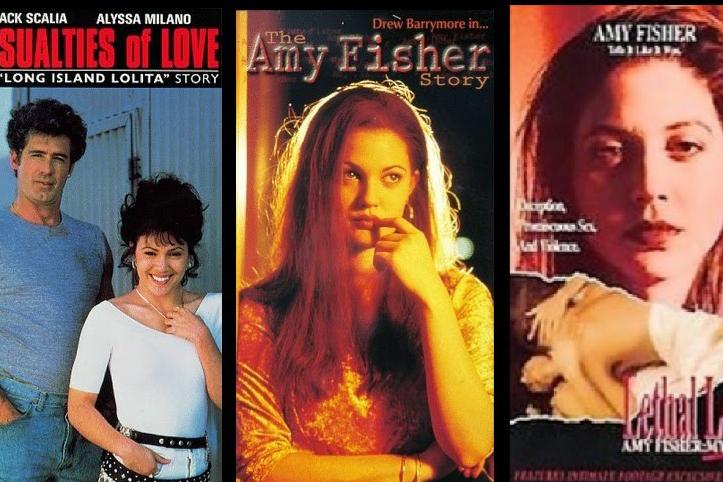
The case inspired an unusual moment in television history when multiple made-for-TV movies about the same story aired within days of each other in 1992. Major networks rushed productions featuring high-profile actresses, turning an ongoing criminal case into primetime entertainment. These films helped cement the story in popular culture and shaped how many viewers understood the events. While ratings were strong, critics later questioned the speed and tone of these dramatizations. The movies played a significant role in elevating the case beyond news coverage, ensuring it would be remembered not just as a crime, but as a media spectacle.
15. Tabloid Culture Example

Fisher’s story is frequently cited in academic and journalistic discussions about tabloid journalism in the early 1990s. Sensational headlines, intrusive reporting, and constant photo coverage reflected an era before modern media ethics standards became more widely debated. Her case illustrated how tabloids blurred the line between reporting and entertainment, often prioritizing shock value. Media scholars still reference the coverage as a textbook example of how young individuals involved in crimes can be reduced to caricatures. The case remains relevant in conversations about responsible reporting and the long-term consequences of aggressive media exposure.
16. Age And Power Debate

Over time, public discussion around the case increasingly focused on age and power dynamics rather than just criminal culpability. Commentators revisited how Fisher’s youth influenced both her actions and the media response. This shift reflected broader societal changes in how relationships involving minors are discussed. While the legal outcome remained unchanged, the evolving conversation demonstrated how cultural perspectives can change decades after a crime. The case is now often used to examine how early narratives can oversimplify complex situations, leaving little room for context or later reflection.
17. True Crime Resurgence

The rise of podcasts and streaming documentaries renewed interest in the Long Island Lolita story during the 2010s and 2020s. These formats allowed for longer, more detailed explorations than traditional news segments. Producers often revisited original court records, interviews, and archival footage, introducing the case to younger audiences. Unlike early coverage, many of these projects emphasized analysis over sensationalism. This resurgence showed how true crime storytelling continues to evolve, while also confirming the enduring fascination with cases that once dominated national headlines.
18. Public Sympathy Shift

As years passed, public reactions to Fisher gradually became more complex. While early opinions were sharply divided, later discussions showed increased empathy alongside criticism. Viewers of documentaries and readers of retrospectives often expressed sympathy for how young she was when the events unfolded. This shift did not erase accountability, but it broadened the conversation. The changing tone reflects how time can alter public judgment, especially as society gains new perspectives on youth, consent, and media responsibility.
19. Case Study In Fame

Fisher’s experience is often referenced in discussions about unwanted fame. Unlike celebrities who seek attention, she became famous through a single criminal act and its coverage. Media analysts point to her story when examining how notoriety can limit future opportunities. Job prospects, privacy, and personal relationships were all affected by instant recognition. Her life illustrates how fame, when imposed rather than chosen, can be as damaging as it is visible.
20. Legal System Spotlight

The case also drew attention to how plea deals and sentencing are handled in high-profile cases. Legal commentators have used Fisher’s conviction to discuss how public pressure can influence prosecutorial decisions. The widespread coverage meant every legal step was scrutinized, shaping public understanding of the justice process. This aspect of the story remains relevant in broader conversations about fairness and consistency in sentencing, particularly when media attention is intense.
21. Internet Era Aftermath

When the internet became a primary source of information, Fisher’s story gained a new digital life. Archived articles, photos, and video clips became permanently accessible, ensuring the case would never fully disappear. Search engines and social media made it easier for old narratives to resurface. This digital permanence highlights a modern challenge faced by individuals linked to past crimes. The online afterlife of the case shows how the internet can preserve notoriety long after traditional news cycles end.
22. Privacy Challenges

Attempts to live privately were repeatedly complicated by public recognition. Fisher has spoken about being identified in everyday situations, even years later. This constant visibility limited her ability to blend into ordinary life. Privacy challenges are a recurring theme in stories about people connected to famous crimes, and her experience is frequently cited as an example. It underscores how difficult it can be to reclaim anonymity once a case becomes part of national history.
23. Comparisons To Similar Cases

Over the years, journalists have compared the Long Island Lolita case to other high-profile crimes involving youth and media frenzy. These comparisons often highlight similarities in coverage patterns rather than legal outcomes. Fisher’s case is used as a benchmark for understanding how narratives repeat across decades. Such comparisons keep the story relevant by placing it within a broader pattern of sensational reporting, rather than treating it as an isolated event.
24. Influence On Reporting Standards

Some media organizations have pointed to past coverage of cases like Fisher’s when reevaluating ethical guidelines. While no single story changed journalism overnight, the accumulation of criticism influenced later practices. Editors and reporters now more openly discuss the risks of labeling, overexposure, and speculative framing. The case remains part of journalism education, serving as a reminder of how easily coverage can cross ethical lines.
25. Story That Still Resonates

Ultimately, the reason people still ask what happened to Amy Fisher is because her story touches on enduring themes: youth, consequence, fame, and redemption. It continues to resonate not because of new developments, but because it reflects unresolved questions about how society treats those caught in sensational moments. Decades later, the story remains relevant, not as breaking news, but as a cultural reference point that still invites reflection.
While public curiosity may never fully disappear, the years since have shown how life continues long after the headlines fade.
Like this story? Add your thoughts in the comments, thank you.


