
1. Hearts in the Balance – The Unshaken Burden of Cardiovascular Disease

By the time we reach 2050, the familiar rhythm of the human heart may still be at the center of global health conversations. Ischaemic heart disease and stroke have been the world’s leading killers for years, and projections suggest they will continue to dominate mortality statistics far into mid-century. Estimates from global health modelling indicate that conditions like heart attacks, circulatory diseases, and strokes are expected to remain at the top of the death lists, shaped by ageing populations and widespread metabolic risks such as high blood pressure and obesity, which are already significantly driving cardiovascular mortality globally.
What makes this trend feel so personal is how ordinary risk factors, such as the salt in our food, the lack of movement in our busy lives, and the rising rates of diabetes, all feed into the likelihood of heart disease. Researchers forecast that if these underlying risks aren’t addressed, the number of deaths linked to cardiovascular causes will grow along with global life expectancy, making this a health challenge that impacts communities everywhere, from bustling cities to rural towns. And while better prevention and treatment can blunt the edge of these projections, the heart remains a central piece of the human health story by 2050. Call to action: Take a moment today to check in on your own heart health. Schedule that blood pressure check or start a small habit that keeps your heart stronger for longer.
2. Cancer on the Rise – An Ageing World Faces More Tumors

As people live longer, what many of us once thought of as diseases of old age are becoming even more common. Cancer is expected to rise sharply by 2050. Worldwide, new cancer cases were about 20 million in 2022; projections suggest they could climb to around 35 million cases by mid-century, a roughly 77% increase.
This doesn’t just mean more diagnoses; it means cancer could become an even larger piece of the global death picture than it is today. Aging populations, lifestyle changes, and ongoing exposure to risk factors such as smoking, alcohol consumption, and obesity all contribute. What’s especially human about these numbers is how they reflect our shared changes as a species: we’re living longer thanks to better childhood care, vaccines, and sanitation, yet that longevity lets slow-growing conditions like cancer have more opportunity to take hold. Understanding this trend isn’t meant to frighten but to energize action around early detection, healthier lifestyles, and equitable access to treatment around the world. Preventative care and awareness can make a real difference in shaping how this story unfolds by 2050. Call to action: Learn your personal cancer screening recommendations. Early detection saves lives.
3. The Silent Surge of Noncommunicable Diseases
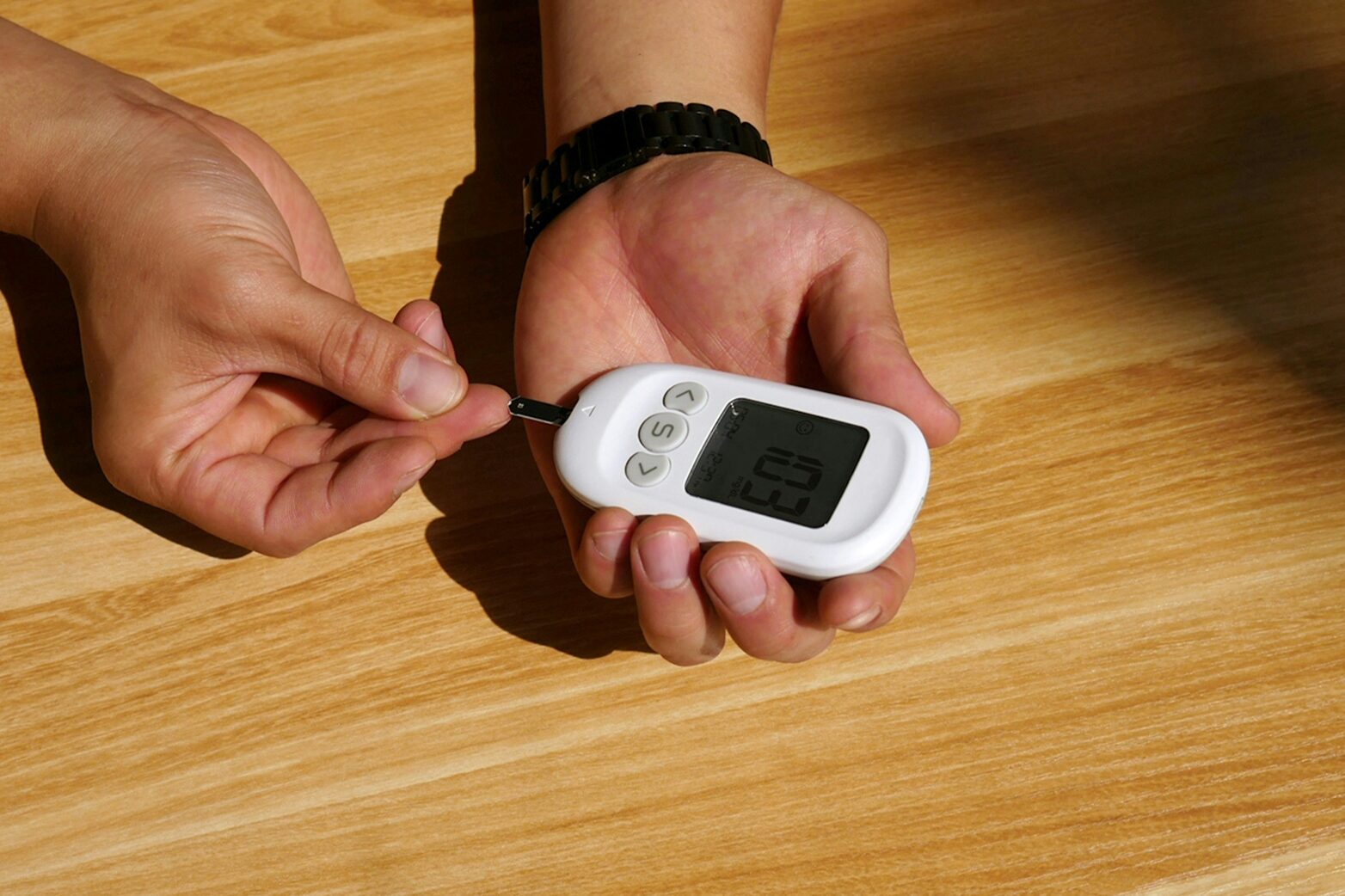
Beyond hearts and tumors, a broader class of conditions known as noncommunicable diseases (NCDs), including diabetes, chronic respiratory diseases, and kidney disease, are becoming more dominant in the global burden of mortality. By 2050, NCDs could be responsible for roughly 86% of global deaths, an increase driven largely by lifestyle factors and ageing populations worldwide.
This shift from infectious to chronic diseases is something many societies are already living through. Where once pneumonia and diarrhea might have taken the largest toll, now long-term conditions like diabetes related to diet and weight are taking center stage. The reasons are relatable: sedentary lifestyles, dietary changes, and environmental pollution all weave into our daily lives. One of the biggest shifts is that these diseases are no longer primarily “diseases of rich countries”; they’re increasingly seen across every region, putting pressure on healthcare systems and families alike. As we look towards 2050, this trend invites us to focus on prevention from better education around nutrition to community spaces that encourage activity, because stopping disease before it starts can reshape the health landscape for future generations. Call to action: Think about one small habit change you can make this week that supports lifelong health.
4. Climate’s Toll – Heat, Air, and Nature’s Shifting Patterns

By mid-century, the effects of climate change are projected to show up not just in weather forecasts but in health statistics. Significant research suggests that climate-related events from heat exposure to wildfires, floods, and droughts could contribute to millions of additional deaths worldwide by 2050 if emissions continue along current paths. “The climate crisis is a health crisis,” one expert has said, with millions of deaths linked directly or indirectly to floods, droughts, and air pollution.
This isn’t just abstract; the particles from wildfire smoke inflame lungs and hearts, making respiratory conditions worse; extreme heat stresses the elderly and children; and changing rainfall patterns can spread disease-carrying insects into new regions. The result is a broadening of health risks tied to the environment around us. What’s touching about these projections is how deeply the fate of human health is connected to the planet’s well-being; we see the effects in our cities, our countryside, and our very breath. Fortunately, research also shows that cutting emissions and improving air quality could prevent many of these deaths, offering a clear reason to act for both people and planet. Call to action: Support local and global policies that reduce pollution. Cleaner air means healthier lives.
5. The Rising Shadow of Antimicrobial Resistance

One of the less talked about but deeply concerning trends toward 2050 is antimicrobial resistance, sometimes called AMR. If current patterns continue without robust intervention, drug-resistant infections could cause up to 10 million deaths per year globally by mid-century, dwarfing many other causes. This comes from bacteria and other pathogens no longer responding to antibiotics and similar treatments, making once-treatable infections deadly.
What makes this projection especially poignant is the everyday nature of antibiotics in our lives, from simple strep throat pills to medicines given during surgery. As resistance grows, common procedures or minor infections could once again become life-threatening, erasing some of the greatest gains in modern medicine. It’s a reminder that the health of the world depends on stewardship: careful use of existing drugs, investment in new treatments, and global cooperation to slow resistance. Understanding AMR’s potential impact by 2050 helps us appreciate both the fragility and resilience of public health and why we must act now so that future generations don’t face a world where modern medicine loses its edge. Call to action: use antibiotics responsibly and support research into new treatments.
6. Fading Memories – Dementia in an Ageing World

It often begins softly. A misplaced key. A forgotten name. But by 2050, dementia may represent one of the most significant causes of death worldwide simply because more people are living long enough to develop it. The World Health Organization has noted that dementia is already among the leading causes of death globally, and cases are expected to rise sharply as populations age. Alzheimer’s Disease International estimates the number of people living with dementia could reach 139 million by 2050 if current trends continue. What feels different about this projection is that it is less about sudden illness and more about slow decline.
Longer life expectancy is one of humanity’s great successes, yet it comes with new responsibilities. Dementia not only affects memory but also gradually impacts the body’s ability to function, increasing vulnerability to infections and complications. Families often carry the emotional and physical weight of care for years. By mid-century, dementia-related deaths may rise not because medicine has failed, but because society has succeeded in helping people survive other illnesses. How we prepare long-term care systems, support caregivers, and invest in brain health today will shape how this chapter unfolds tomorrow. Call to action: Start caring for your brain now through exercise, social connection, and routine health checks.
7. Diabetes and Metabolic Disorders – The Slow Burn Crisis

There is something quiet about diabetes. It rarely makes headlines the way outbreaks do, yet it steadily alters the body over time. The International Diabetes Federation projects that the number of adults living with diabetes could rise to 783 million by 2045, and that trajectory suggests an even larger burden by 2050. Diabetes itself can be fatal, but it also fuels heart disease, kidney failure, and stroke, making it a powerful driver behind multiple leading causes of death.
What makes this trend deeply human is how woven it is into modern living. Urbanization, processed foods, sedentary routines, and economic inequality all play a role. Type 2 diabetes, in particular, is increasingly diagnosed at younger ages, meaning people live longer with its complications. In many regions, limited access to early diagnosis and consistent treatment worsens outcomes. By 2050, metabolic disorders may not just be a side note in mortality tables but a central thread running through them. The hopeful part is that prevention works. Healthier food systems, physical activity, and early care can dramatically change the course of this slow-moving crisis. Call to action: Revisit your daily routines and look for one realistic way to move more or eat more mindfully.
8. Chronic Respiratory Diseases – The Air We Breathe

Breathing is something we rarely think about until it becomes difficult. Chronic respiratory diseases such as chronic obstructive pulmonary disease already rank among the top global killers, and projections suggest they will remain high by 2050. According to global health estimates, COPD is consistently listed among the leading causes of death, closely tied to smoking, air pollution, and occupational exposures. As urban populations expand and air quality challenges persist in many regions, the respiratory burden may deepen.
There is also a climate dimension here. Wildfire smoke, rising temperatures, and air pollution intensify asthma and other lung conditions. For many people, especially older adults, compromised lungs increase vulnerability to infections and heart complications. The pattern is not only medical but also environmental and social. Cleaner fuels, smoking cessation efforts, and better urban planning can significantly reduce respiratory deaths. By 2050, the state of our lungs may tell a larger story about the air policies we adopted decades earlier. Call to action: Support clean air initiatives in your community and protect your own lungs by avoiding tobacco and polluted environments whenever possible.
9. Injuries and Road Traffic Accidents – Mobility with a Cost

As economies grow and more people gain access to vehicles, mobility expands. So does risk. Road traffic injuries are already a leading cause of death, particularly among young people. The World Health Organization reports that approximately 1.19 million people die each year from road traffic crashes, and without strong safety measures, this toll could remain significant through 2050. In rapidly urbanizing regions, infrastructure often struggles to keep pace with population growth.
What stands out here is the age group affected. Unlike many chronic diseases, road injuries disproportionately impact young adults in their most productive years. This shapes families, workforces, and entire communities. Urban design, enforcement of traffic laws, safer vehicles, and public awareness campaigns can dramatically reduce fatalities. By 2050, the trajectory of injury-related deaths will likely reflect policy choices made in transport, infrastructure, and education. The good news is that these deaths are largely preventable, which makes prevention efforts especially meaningful. Call to action: Practice road safety daily and advocate for safer streets where you live.
10. Mental Health and Suicide – The Quiet Struggle

Some trends are harder to see because they unfold behind closed doors. Mental health conditions, including depression and substance use disorders, are projected to account for a growing share of global disease burden. Suicide already claims more than 700,000 lives each year globally, according to the World Health Organization, and experts warn that social isolation, economic stress, and digital pressures could shape future patterns if left unaddressed.
By 2050, mental health may not only influence direct mortality through suicide but also indirectly through substance misuse, chronic illness, and weakened physical health. There is a strong link between mental and physical wellbeing; untreated depression can worsen heart disease and diabetes outcomes. The conversation around mental health is slowly becoming more open, and that openness matters. Access to care, early intervention, and supportive communities can alter this projection significantly. In many ways, how we treat mental health in the coming decades will reflect how seriously we value human wellbeing as a whole. Call to action: Check in on someone today, and never hesitate to seek help if you or someone you know is struggling.


