
1. Inside The Control Room Before The First Plane Takes Off
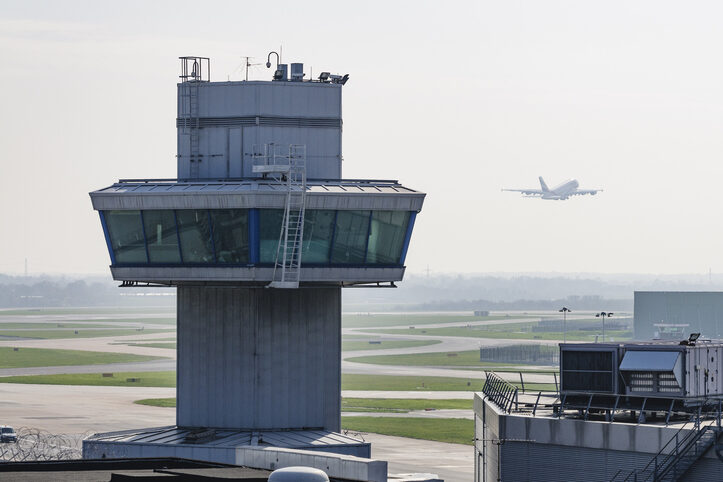
Most people board a plane without thinking about the room quietly supporting the journey. Inside an air traffic control center, the day starts plainly, with people arriving, logging in, and settling into familiar seats. Screens glow softly, not for drama, but for clarity. Voices stay low, purposeful, and calm. No speeches announce responsibility, because everyone already knows it. The atmosphere feels steady rather than tense, shaped by routine and respect. This is where trust begins, not with heroics, but with ordinary focus repeated daily. Controllers ease into their roles, aware that attention matters more than speed, and that calm thinking is the foundation everything else depends on. It feels human, methodical, and quietly serious in a way that settles the room before every shift begins.
Once the shift fully begins, time stops feeling like hours and starts feeling like movement. Controllers track aircraft paths, anticipate changes, and adjust spacing with careful intention. Familiar routes still demand respect, because conditions always vary slightly. Small check ins happen quietly between colleagues, often with a glance or brief phrase. Breaks are planned and taken seriously, since fatigue dulls judgment. The room remains calm because calm is protected. Nothing flashy happens, and that is the success. Safety is built through consistency, patience, and thousands of uneventful decisions that allow passengers to land without ever knowing how much attention surrounded them. This quiet reliability is what keeps the system trusted day after day, even when skies are crowded and schedules feel relentlessly tight for everyone.
2. The Training That Teaches Controllers How To Think Under Pressure
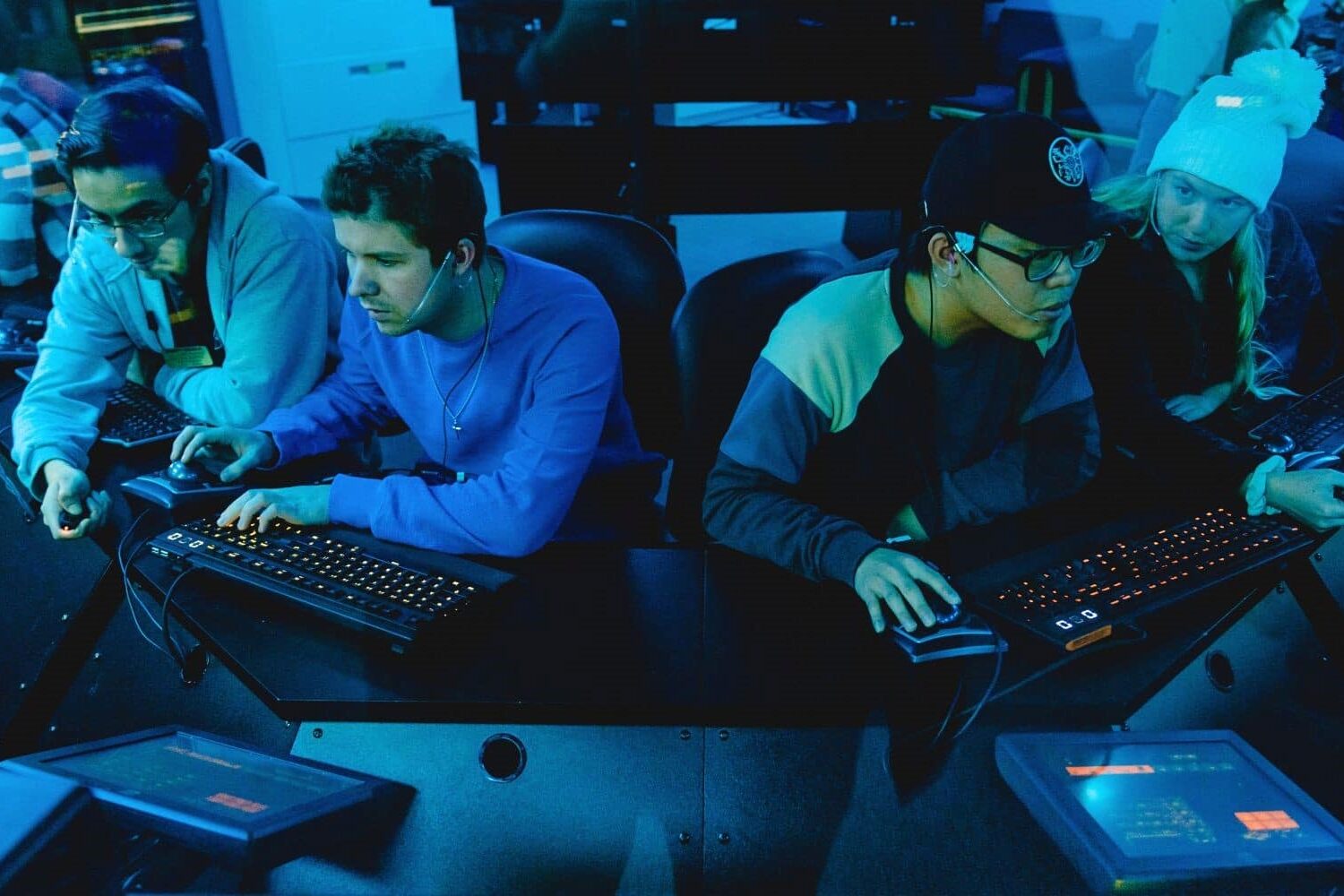
Training to become an air traffic controller reshapes how the mind responds under pressure. It begins with rules and procedures, but quickly moves beyond memorization. Trainees learn to absorb multiple streams of information while staying composed. Simulations repeat until correct responses feel natural rather than forced. Mistakes are expected early and corrected immediately. There is little room for pride, only progress. Over time, trainees stop reacting emotionally and start responding deliberately. The process builds mental discipline, teaching focus, patience, and trust in structured thinking when situations grow busy. Confidence develops quietly as repetition replaces hesitation and decision making becomes steadier with each session completed under close supervision that encourages reflection rather than fear of failure during intense but supportive learning environments built for term growth.
As training progresses, scenarios grow less predictable and more demanding. Instructors introduce complications that force adaptation instead of routine responses. The goal is reliability, not speed alone. Controllers learn to stay steady even when information feels crowded. Confidence forms through consistency, not praise. By certification, reactions are calmer and more precise. Even after qualification, learning continues daily through experience. Each shift reinforces judgment, sharpening awareness through reflection and practice rather than memorization alone. This ongoing refinement keeps skills sharp and prevents complacency from settling in over time. It also reminds controllers that mastery is maintained, not achieved once and forgotten through deliberate attention, humility, and respect for the complexity of the job while adapting constantly to new challenges, tools, and responsibilities faced each working day.
3. How Radar Screens Help Controllers Spot Trouble Early
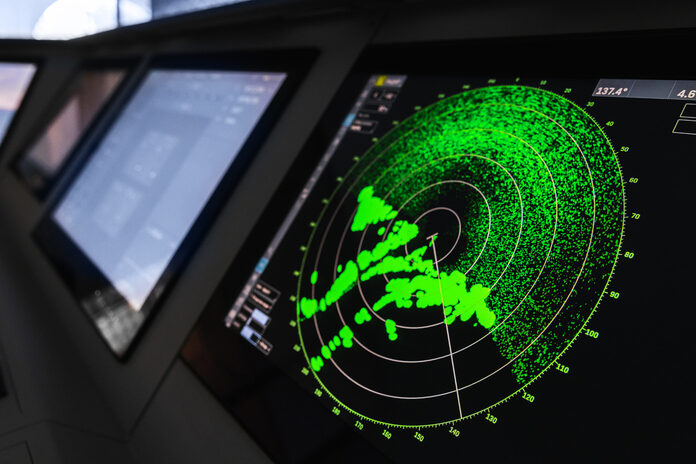
To an unfamiliar eye, a radar screen may seem abstract and distant. To a controller, it speaks constantly. Each moving symbol carries information about speed, altitude, and intention. Controllers do not simply watch aircraft move. They anticipate where each one will be next. This forward thinking prevents conflict long before it forms. Patterns emerge through experience, allowing unusual movement to stand out quickly. What appears calm on the surface is the result of constant mental activity. The screen becomes a language learned over time, read fluently through repetition and focus. Understanding it requires patience, curiosity, and respect for detail.
Maintaining awareness means scanning continuously without becoming fixated. Controllers shift attention smoothly, keeping the larger picture intact. Experience sharpens this ability. Veteran controllers often sense problems early, guided by pattern recognition developed through years of observation. Alerts support awareness, but judgment guides response. The work feels quiet but remains deeply active. Decisions are made early, calmly, and with intention. Every smooth landing reflects dozens of choices made before passengers notice anything at all. The radar never stops telling its story, and controllers stay engaged from start to finish, protecting order through steady observation and disciplined thought.
4. Why Every Word Controllers Say Is Carefully Chosen
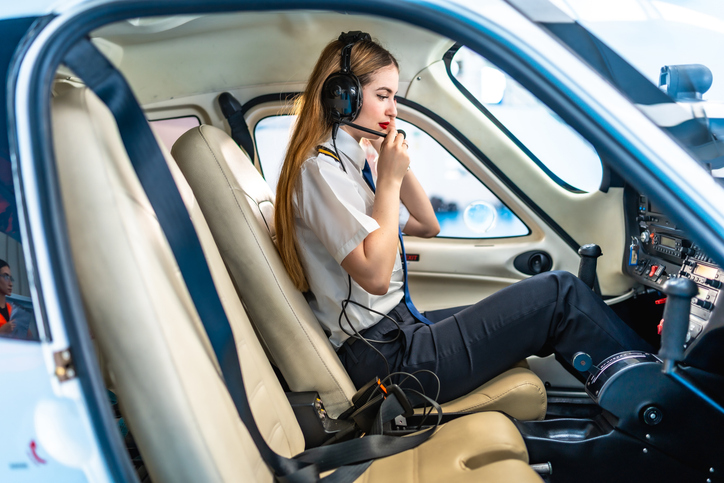
The calm voice heard in a pilot’s headset is no accident. Controllers are trained to communicate clearly and evenly because tone influences understanding. A steady voice reassures pilots and supports focus. Instructions are concise, leaving no room for confusion. Speaking calmly also supports the controller’s own thinking. It creates a rhythm that reinforces control even during busy periods. This vocal discipline becomes habit through practice. It is not about sounding relaxed, but about staying precise. The voice becomes a tool for maintaining order, clarity, and shared awareness.
Inside the control center, emotions are managed carefully. Pressure exists, but it does not spill into communication. When complexity increases, voices remain steady. Colleagues listen closely, offering support without interrupting flow. This shared restraint keeps the environment balanced. The tone on the radio reflects the culture of the room itself. Focused, consistent, and dependable. For passengers, this calm is invisible. For pilots, it is grounding. The voice serves as reassurance that someone attentive and capable is guiding each movement with care.
5. How Weather Constantly Forces Controllers To Change The Plany
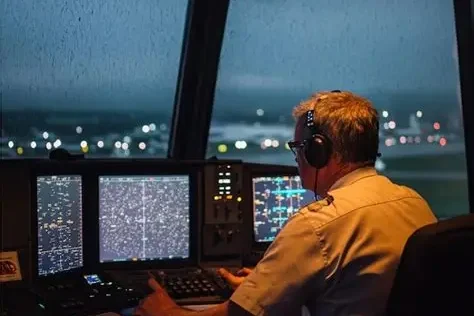
Weather remains one of the most unpredictable factors in air traffic control. Controllers monitor conditions constantly, knowing small changes can affect safety. Wind shifts, storms, and reduced visibility demand quick reassessment. Routes may need adjustment and spacing may increase. These decisions are careful, balancing efficiency with caution. Weather driven days require flexibility and patience. Plans change quickly, and controllers must adapt without losing awareness. Experience teaches respect for conditions that cannot be controlled.
When weather worsens, teamwork intensifies. Communication increases, and decisions slow intentionally. Delays are accepted as necessary. There is no frustration in choosing caution. Controllers understand that patience prevents larger problems later. As conditions stabilize, operations adjust again. There is quiet satisfaction in navigating uncertainty successfully. Weather reminds everyone that technology supports safety, but judgment protects it. The sky sets limits, and respecting those limits keeps the system dependable.
6. How Controllers Work As A Team Without Talking Much
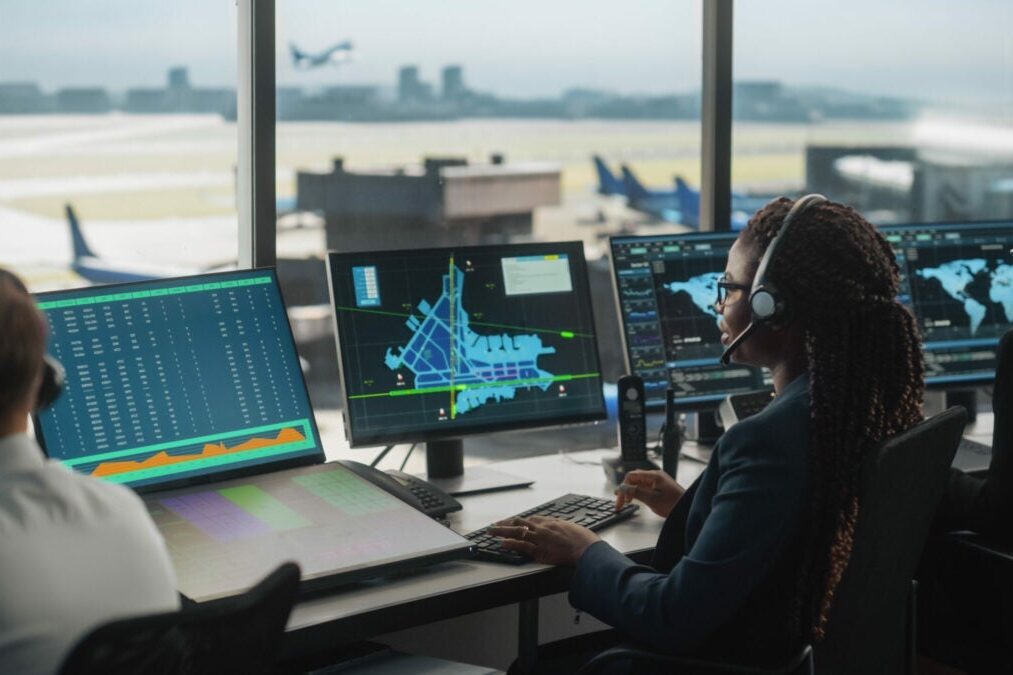
Air traffic control depends on teamwork, but it is not the kind built on constant conversation. Inside the control center, cooperation happens through shared awareness and brief, precise exchanges. Each controller is responsible for a defined section of airspace, yet no one works in isolation. Everyone understands how their actions affect others. Trust develops quietly through consistency rather than familiarity. When support is needed, it appears without explanation or delay. There is no competition for attention or credit. The shared goal keeps egos out of the room. Over time, controllers learn each other’s rhythms and preferences, which reduces the need for explanation. This silent understanding allows the team to function smoothly even during busy periods. The lack of noise is not emptiness. It is concentration held together by mutual respect and discipline built through repeated collaboration.
Handoffs between controllers are one of the clearest examples of this teamwork. Each transition is handled with care so that nothing is missed. Information is shared clearly, with attention to detail and timing. These exchanges work because they are practiced and taken seriously. Silence often signals that everything is running as planned. Words are used only when they add value. This restraint keeps communication clean and effective. The system depends on these quiet connections to maintain order across shifting airspace. It may not look impressive from the outside, but it works. Safety here is preserved through cooperation that values clarity, awareness, and steady presence over constant conversation or visible urgency.
7. Why Controllers Are Required To Step Away From The Screen
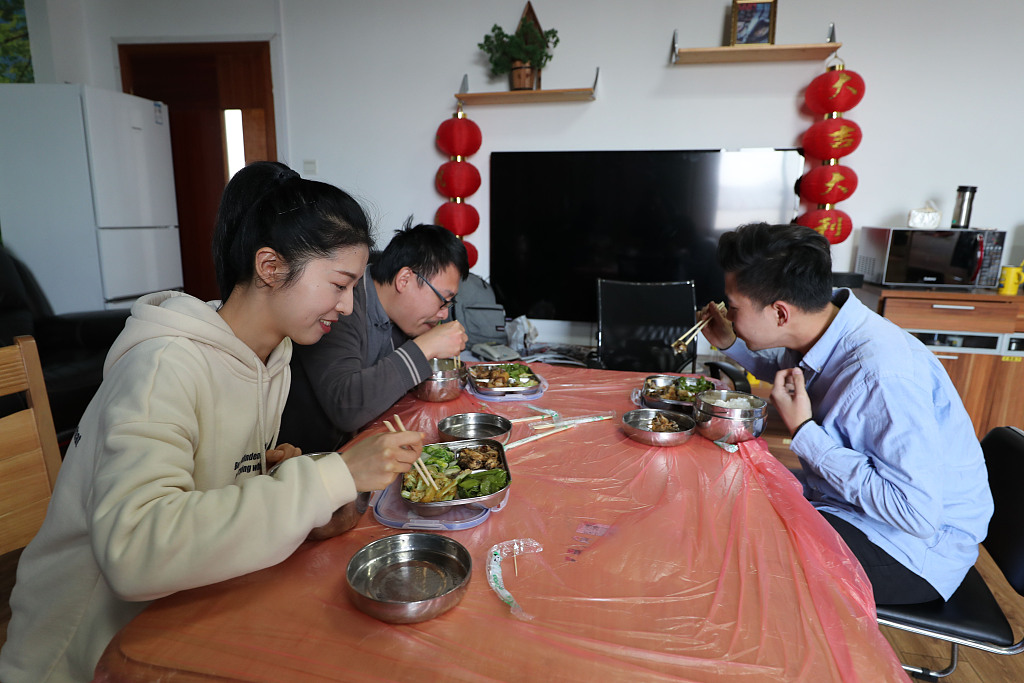
Breaks inside an air traffic control center are not casual pauses. They are built into the system because sustained focus has limits. Controllers step away from their screens at planned intervals, even when traffic feels manageable. This is not about comfort, but clarity. Mental fatigue dulls awareness, and even small lapses matter in this environment. Break rooms are simple and quiet. Some controllers stretch, some eat, others sit in silence. The goal is mental reset. Stepping away allows the mind to release tension and return sharper. Taking breaks is treated as responsibility, not indulgence. Skipping them is discouraged. Everyone understands that rested attention protects everyone in the sky.
Returning from a break feels different than pushing through exhaustion. Controllers often describe renewed focus and calmer thinking. The system is designed to rotate responsibility smoothly so coverage is never lost. Colleagues take over seamlessly, maintaining continuity. This shared structure prevents burnout and errors. Over time, controllers learn to respect their limits and trust the process. Breaks reinforce discipline rather than disrupt it. They remind everyone that safety depends on human performance, not endurance alone. By protecting mental clarity, the job stays sustainable. The result is consistency across long shifts, even on demanding days when traffic is heavy and conditions require constant adjustment from everyone involved.
8. What Happens When One Controller Hands A Flight To Another
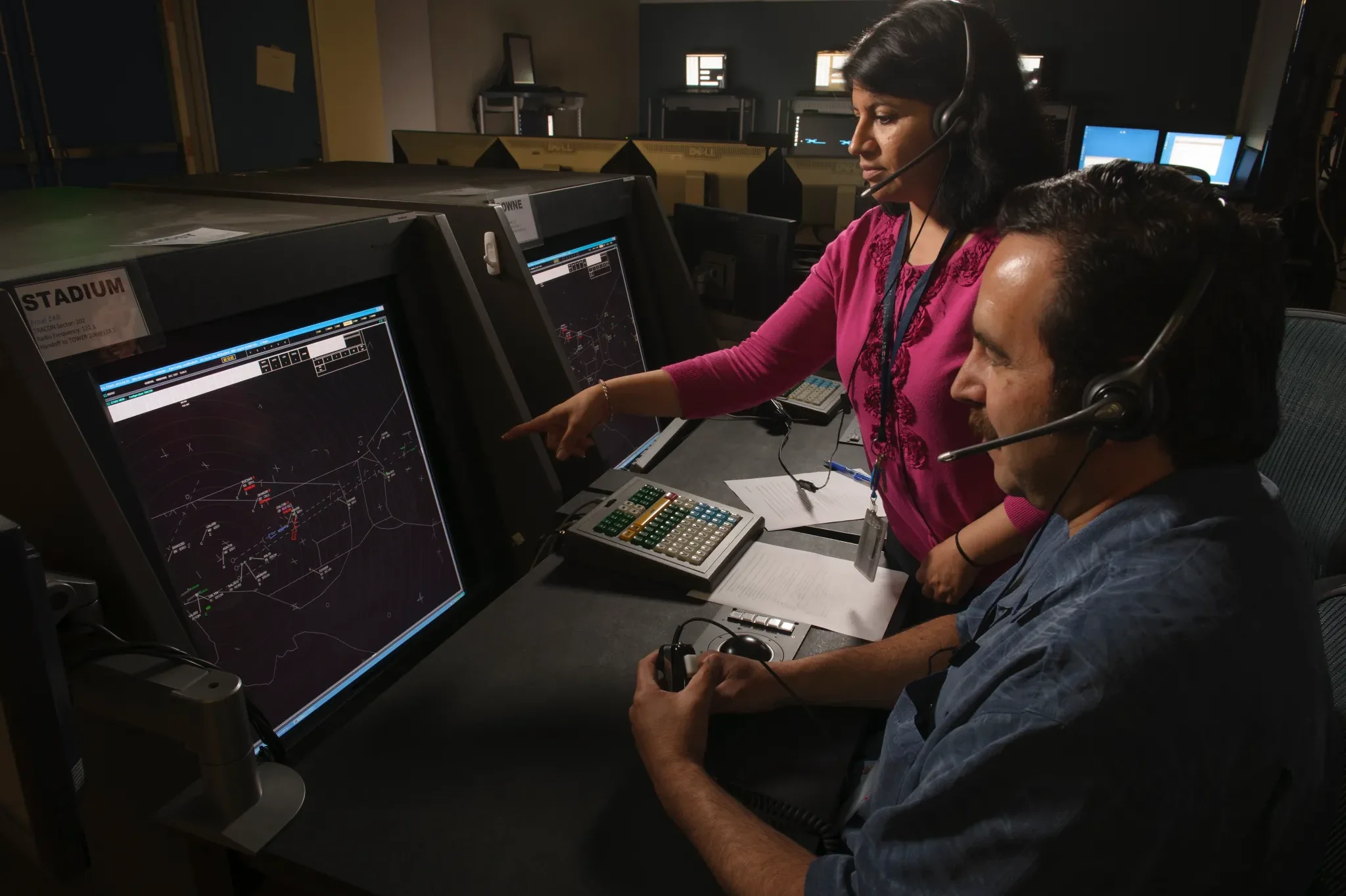
Every flight passes through multiple control areas, and each handoff carries responsibility. Controllers cannot assume the next person sees what they see. Information must be shared clearly and fully. These transitions happen constantly, especially during busy periods. Controllers summarize key details, flagging anything unusual. The process is calm but deliberate. There is no rushing. A clean handoff ensures continuity, allowing pilots to experience smooth guidance without disruption. When done well, handoffs feel invisible to everyone outside the room.
Controllers treat handoffs as moments that demand full attention. They confirm understanding and stay available briefly in case questions arise. This overlap protects against misinterpretation. Over time, familiarity with colleagues strengthens the process, but habits never replace care. Each exchange is handled as if it were the first. The system depends on these moments of clarity to maintain order across wide airspace. When handoffs work smoothly, they reinforce trust within the team. They also protect pilots from confusion and passengers from risk. Quiet accuracy here keeps the entire operation connected and dependable.
9. Why Technology Supports Controllers Instead Of Replacing Them
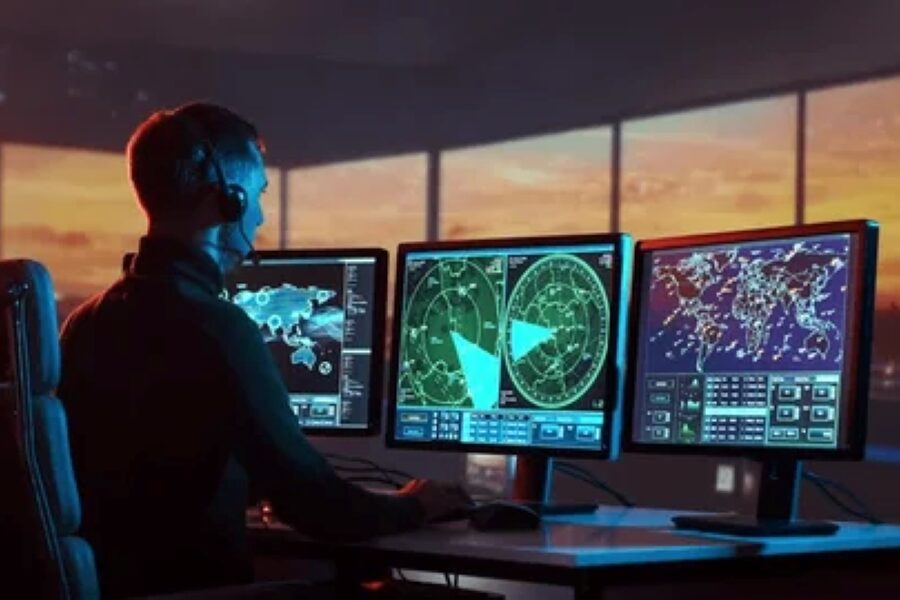
Modern air traffic control centers rely heavily on technology. Screens display alerts, predictions, and data that support awareness. Automation assists with conflict detection and planning. However, technology does not replace judgment. Controllers interpret information through experience and context. They understand that systems can lag or miss nuance. Human decision making remains central. Controllers weigh weather, pilot behavior, and traffic flow in ways software cannot fully replicate. Technology supports thinking, but people guide outcomes.
Controllers are trained to trust tools without surrendering responsibility. When systems perform well, work becomes smoother. When they falter, training takes over. Controllers remain capable of managing airspace manually if needed. This balance prevents overreliance. Technology evolves, but the human role stays essential. Judgment bridges gaps between data and reality. The partnership works because responsibility stays clear. Controllers do not defer decisions to machines. They use information thoughtfully, adapting as conditions change. This approach keeps the system resilient, even when unexpected challenges arise during busy or complex operations.
10. How Controllers Handle Stress Without Showing It
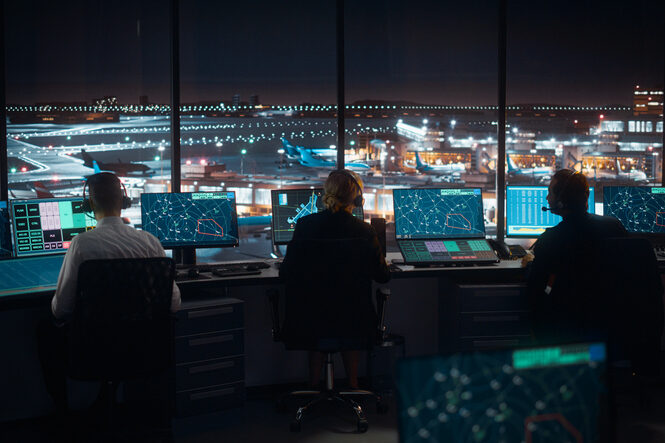
The pressure of air traffic control rarely looks dramatic. Stress exists, but it settles internally rather than outwardly. Controllers manage constant responsibility while maintaining calm behavior. The stress is cognitive, built from sustained focus and high stakes. It accumulates over time rather than erupting suddenly. Controllers develop personal strategies to manage it, often through routine and boundaries outside work. Inside the center, composure is expected and supported.
When errors occur, they are addressed constructively. The culture focuses on learning rather than blame. This approach reduces fear and encourages openness. Controllers are more likely to speak up early when something feels wrong. That honesty protects safety. Stress is acknowledged, but not dramatized. The system works because people are supported, not shamed. By keeping stress manageable and transparent, controllers return each shift ready to focus again. Quiet resilience becomes part of the job, reinforcing consistency even under long term pressure.
11. What Really Happens Inside A Control Center During Emergencies
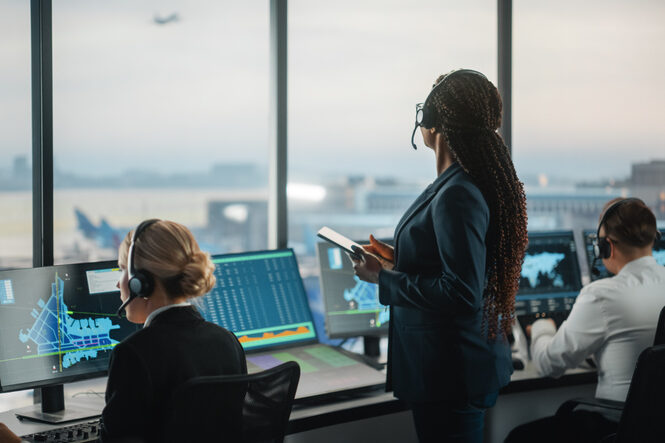
True emergencies are uncommon, but they are taken seriously. When they occur, controllers rely on training rather than emotion. Procedures guide actions, keeping responses structured. Voices remain calm. Instructions stay clear. Other controllers step in to support, redistributing workload smoothly. The room narrows focus when needed, prioritizing safety without disrupting unrelated traffic.
After an emergency, there is review and reflection. Controllers analyze what happened, what worked, and what can improve. The goal is learning, not drama. These moments reinforce the importance of preparation. Training proves its value when reactions remain steady under pressure. Emergencies remind everyone why discipline matters. When resolved, operations return to normal without ceremony. The system absorbs the experience and moves forward stronger. Quiet competence is what carries these moments through successfully.
12. Why A Quiet Control Room Is Usually A Good Sign
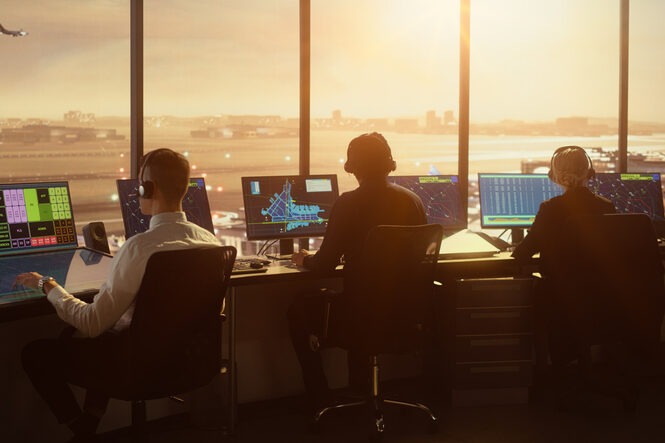
Silence inside an air traffic control center is not accidental, and it is never empty. It is a sign that systems, people, and processes are aligned. Controllers speak only when communication adds value. Every instruction is intentional, shaped to be clear and timely. Unnecessary words are avoided because they increase confusion and mental load. In the quiet, controllers scan their screens, anticipate movement, and plan several steps ahead. Silence creates space for thinking. It allows the mind to stay open rather than crowded. This restraint reflects confidence, not detachment. It shows trust in procedures and in the people sharing the room. When nothing needs to be said, it usually means everything is unfolding as expected. That quiet is earned through discipline and mutual understanding built over time.
When communication does happen, it stands out clearly. Instructions are delivered with precision and purpose. Controllers do not rush to fill gaps with sound. They respect the value of stillness. This culture supports sustained focus and reduces fatigue. Silence becomes productive rather than uncomfortable. It allows awareness to stretch across the airspace without interruption. For passengers, this calm goes unnoticed, which is exactly the goal. Flights move smoothly, arrivals stay orderly, and no one senses the coordination behind it all. Inside the room, the quiet signals success. It means plans are holding, spacing is correct, and attention is where it should be. In air traffic control, silence often means the system is doing exactly what it was designed to do.
13. How Shift Changes Are Managed To Prevent Mistakes
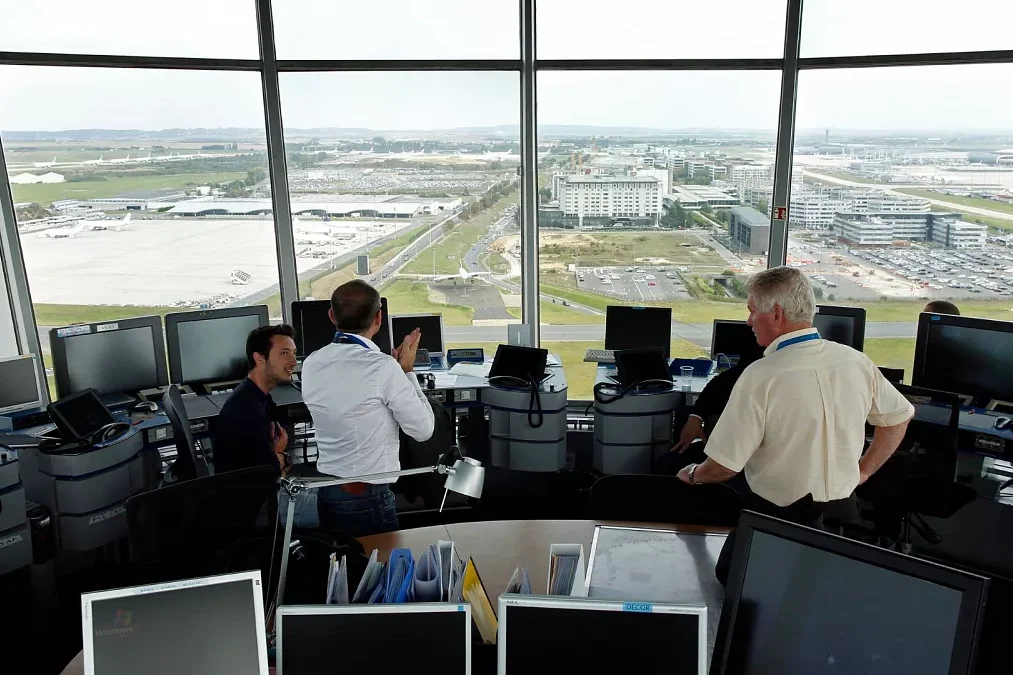
Shift changes inside an air traffic control center are never rushed or casual. Controllers do not simply stand up and walk away when their time ends. Each transition is treated as a moment that deserves full attention. The outgoing controller briefs the incoming one carefully, sharing what is happening now and what is likely to happen next. Traffic patterns, weather concerns, and anything unusual are communicated clearly. This process ensures continuity and prevents gaps in awareness. Fatigue is considered as well. Shifts are scheduled to balance alertness with rest, and controllers are encouraged to speak up if they feel stretched. The goal is to hand over responsibility cleanly, without assumption or haste, protecting safety through deliberate communication.
During these moments, the room often feels especially focused. Questions are asked and answered calmly. No one rushes the exchange. Controllers stay present until they are confident the next person is fully oriented. This overlap creates a safety buffer. Once the handover is complete, the outgoing controller can mentally release responsibility. That release matters. It allows rest and recovery before the next shift. Over time, these careful transitions become habit. They protect both the system and the people within it, ensuring attention remains sharp across hours, days, and changing conditions.
14. Why Knowing Local Airspace Makes A Big Difference
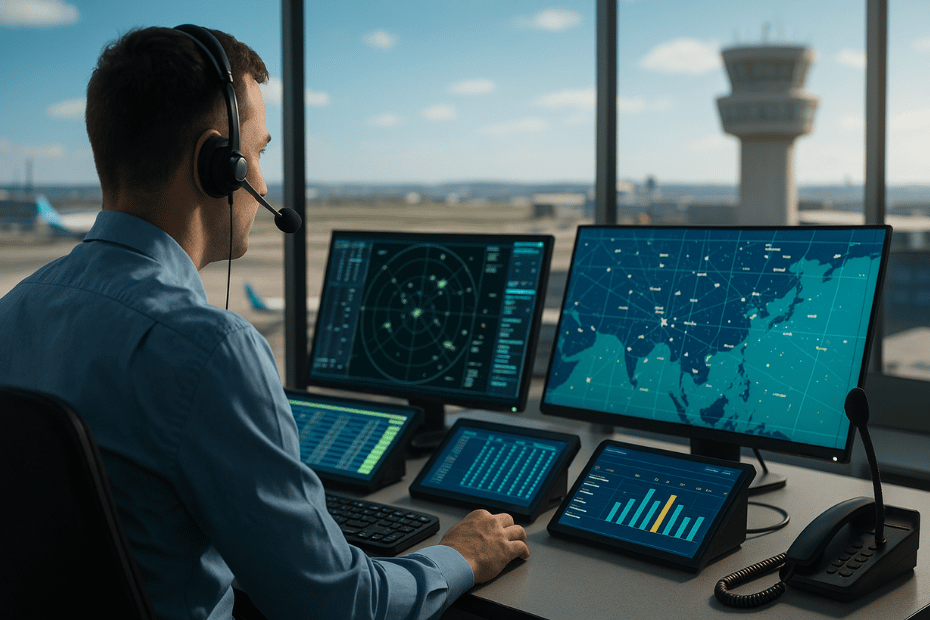
Every control center develops its own character based on the airspace it manages. Controllers learn the quirks of local weather, common traffic flows, and seasonal changes that affect operations. This knowledge is not always written down. It is learned through experience and shared quietly between colleagues. New controllers absorb it by listening and watching. Over time, they begin to anticipate patterns before they appear on screens. This familiarity helps prevent surprises and supports smoother decision making.
Local knowledge adds a human layer to technical work. Controllers recognize when conditions feel slightly off even if data looks normal. They know which routes tend to bottleneck and which pilots may need extra guidance. This insight strengthens safety. It allows controllers to plan ahead rather than react late. The longer someone works a specific airspace, the deeper this understanding becomes. It is one of the reasons consistency matters. Familiarity builds confidence without breeding complacency, creating a balance that technology alone cannot replace.
15. Why Air Traffic Control Works Best When Nothing Goes Wrong
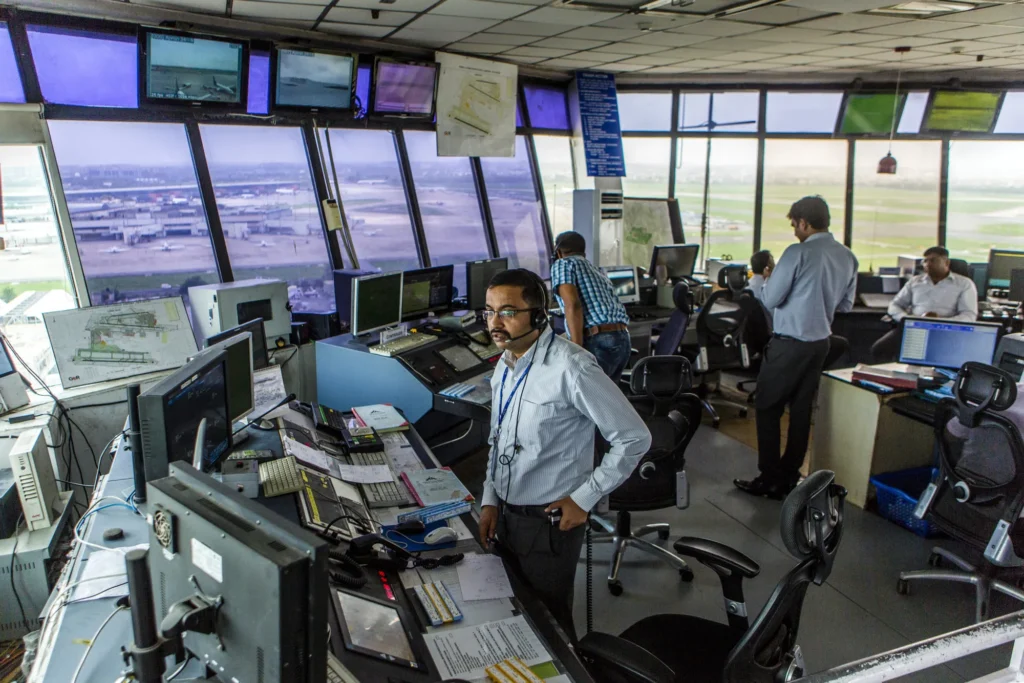
Air traffic control centers are filled with ordinary people performing careful work every day. Controllers arrive, take their seats, and focus without ceremony. They rely on training, teamwork, and structure rather than instinct alone. The environment encourages patience and consistency. Each decision builds on another, forming a chain of attention that keeps airspace organized. There is nothing flashy about the process. It works because people respect it. Calm replaces urgency, and discipline guides action. The job rewards those who value steadiness over excitement.
Over time, this approach creates reliability that feels invisible to passengers. Flights depart, travel, and land without incident. People relax, unaware of the concentration behind the scenes. That quiet success is intentional. Safety does not need spectacle. It needs consistency and care. The system holds because people show up prepared and attentive. Next time you fly, it is worth remembering that unseen rooms and focused minds support the journey.


