
The Unwritten Years of Three Music Giants
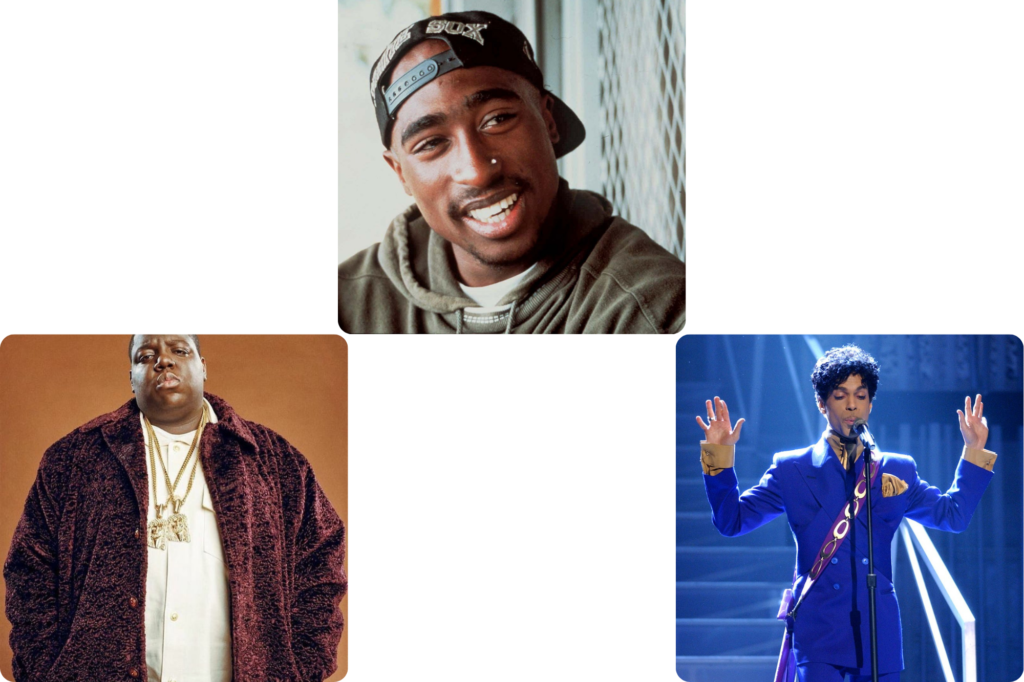
Music history isn’t just defined by the hits that topped the charts; it is also shaped by the tragic “what ifs” left behind when icons leave us too soon. When a legendary artist passes away in their prime, their legacy becomes frozen in a specific moment, leaving fans to wonder about the albums, movies, and movements that never came to be. The mid-1990s represented a massive shift in culture because, within just six months, the world lost both Tupac Shakur and The Notorious B.I.G. Two decades later, the sudden passing of Prince in 2016 added another layer of silence to the industry.
These three men were more than just musicians; they were cultural architects who were standing on the doorstep of massive career evolutions when their journeys ended. By the time of their deaths, these three artists were already looking far beyond the recording studio. Tupac was emerging as a powerful actor and a budding political voice, Biggie was developing the business mindset of a future CEO, and Prince was leading a lonely but brave crusade for artists to own their digital rights. Had they lived, the landscape of the 2000s and 2010s would have looked radically different. Their absence created a leadership vacuum that changed the trajectory of hip-hop and pop music forever.
Tupac’s Path to Political Activism
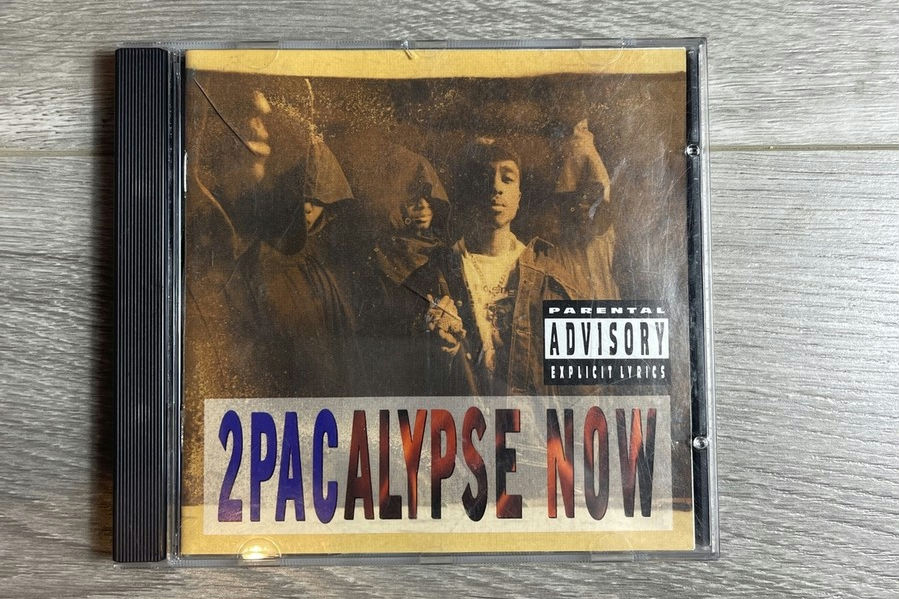
By late 1996, it was becoming clear that Tupac Shakur was outgrowing the “rapper” label and had began to reposition. Born on June 16, 1971, in East Harlem, his DNA was rooted in social struggle, as his mother, Afeni Shakur, was a prominent member of the Black Panther Party. This upbringing heavily influenced his 1991 debut album, 2Pacalypse Now, which tackled raw themes like police brutality and teenage pregnancy. Unlike many of his peers, Tupac possessed a unique ability to speak to both the “streets” and the ivory towers of academia. His interviews from the mid-90s revealed a man who was increasingly frustrated with the status quo and was beginning to use his platform to demand systematic change for the impoverished.
If he had survived the tragic drive-by shooting in Las Vegas on September 13, 1996, many experts believe the 25-year-old would have eventually traded the microphone for a megaphone. Given his background at the Baltimore School for the Arts, where he studied poetry and acting, he had the oratorical skills to become a formidable community leader. By the mid-2000s, it is easy to imagine Tupac standing on the front lines of social justice movements, perhaps even running for public office or launching a national youth foundation. He likely would have moved away from the “Thug Life” persona of his youth to become a seasoned statesman, providing a powerful, rhythmic voice for the voiceless during the political shifts of the 21st century.
A Rising Star in Hollywood
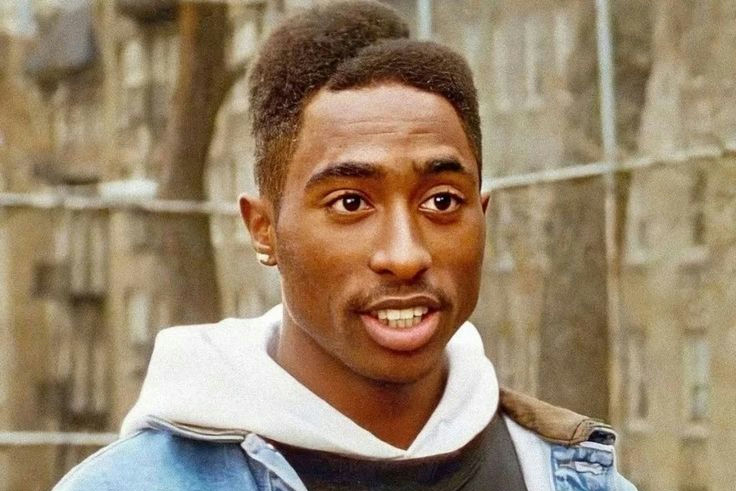
Tupac’s potential in the film industry was arguably just as high as his musical talent. Between 1992 and 1994, he delivered a string of impressive performances in films like Juice, where he played the hauntingly intense Bishop, and Poetic Justice, starring alongside Janet Jackson. His final films, Bullet, Gridlock’d, and Gang Related, were all released posthumously in 1996 and 1997, showing a range that went far beyond the typical “rapper-turned-actor” cameos. Critics at the time were already comparing his raw intensity to a young James Dean or Marlon Brando, noting that he had a natural “screen presence” that couldn’t be taught in acting classes.
Had he lived into the 2000s, Tupac likely would have become a mainstay on the A-list, potentially winning major awards for his performances. As Hollywood began to invest more heavily in diverse storytelling and urban dramas, he would have been the first choice for leading roles that required both vulnerability and strength. It is also highly probable that he would have stepped behind the camera to write and direct his own projects. With his deep love for Shakespeare and classical theater, he might have eventually tackled high-concept period pieces or produced gripping documentaries about the American experience, forever changing the way Black stories were told on the silver screen.
Pioneering the Independent Music Scene
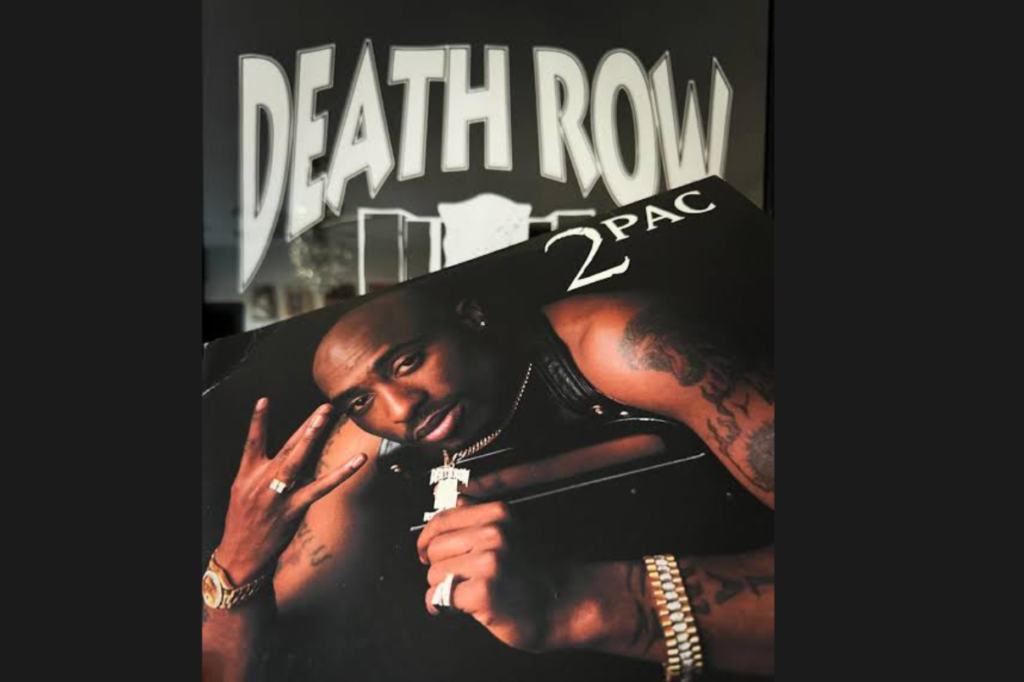
When Tupac signed with Death Row Records in late 1995, it was a move of necessity following his release from prison, but he was already dreaming of his own empire. His work ethic was legendary; he recorded the massive double album All Eyez on Me in a matter of weeks and left behind hundreds of unreleased tracks. This prolific output suggested that he was tired of the slow-moving wheels of major record labels. He often spoke about wanting to start his own company, “Makaveli Records,” which would have allowed him to keep the lion’s share of his earnings and sign artists who shared his vision for “socially conscious” music.
In a world where Tupac reached his 30s and 40s, he almost certainly would have been a pioneer of the digital music era. As the internet began to change how we consume songs in the early 2000s, his rebellious spirit and desire for creative control would have made him an early adopter of direct-to-fan distribution. He likely would have bypassed the traditional “gatekeepers” of the industry to release music on his own terms, perhaps launching one of the first artist-owned streaming platforms. By mentoring younger artists and teaching them about the importance of owning their “masters,” he would have reshaped the financial structure of the hip-hop business long before it became a standard industry practice.
Biggie Smalls The Corporate Visionary
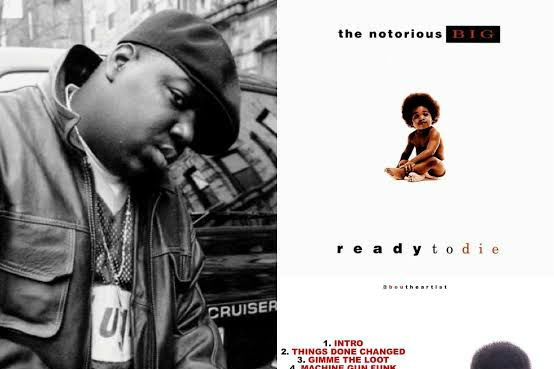
Christopher Wallace, better known as The Notorious B.I.G., was born on May 21, 1972, in Brooklyn, and he brought a completely different energy to the music world than his West Coast rival. While Tupac was a fiery revolutionary, Biggie was the ultimate storyteller and a savvy strategist. His 1994 masterpiece, Ready to Die, didn’t just showcase his incredible flow; it proved he understood how to package “street” stories for a global pop audience. He had a natural charm and a business-first mindset that suggested he was never going to be “just a rapper” for very long. He saw music as a ladder to something much bigger.
Had the tragic events of March 9, 1997, in Los Angeles never happened, the 24-year-old “Big Poppa” would likely have transitioned into a powerhouse entertainment executive. Working alongside his close friend and mentor Sean “Diddy” Combs, Biggie had the instincts to run a major label like Bad Boy Records or even start his own global conglomerate. By the 2010s, he could have been a “mogul” in the truest sense of the word, overseeing clothing lines, spirits, and multi-media ventures. His calm demeanor and sharp eye for talent would have made him the “Berry Gordy” of his generation, focusing on building a lasting brand rather than just chasing the next hit single.
Mentoring the Next Generation of Lyricists
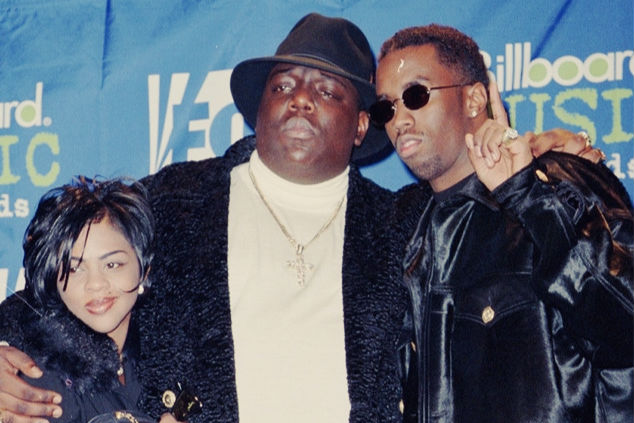
Biggie’s impact on the technical side of rapping is still felt today, but his role as a mentor was just beginning to blossom at the time of his death. He was the centerpiece of the Junior M.A.F.I.A. collective, helping to launch the career of Lil’ Kim and proving that he had a knack for developing other artists’ unique voices. His lyrical style, a mix of complex internal rhymes and effortless “cool”, became the blueprint for almost every New York rapper who followed him. If he had been around in the 2000s, he would have likely served as the bridge between the “Golden Age” of hip-hop and the new era of superstars.
In this alternative timeline, Biggie would have been the ultimate “elder statesman” of the East Coast. Instead of the industry feeling fragmented after his passing, he would have provided a steadying influence, helping young artists navigate the pitfalls of fame and the complexities of the music business. He might have established a formal academy for songwriters or a production house that focused on maintaining the “art” of lyricism in an increasingly digital world. His presence would have ensured that the craft of storytelling remained at the forefront of the genre, providing a guiding hand to the stars of today during their early, formative years.
Healing the Great Divide
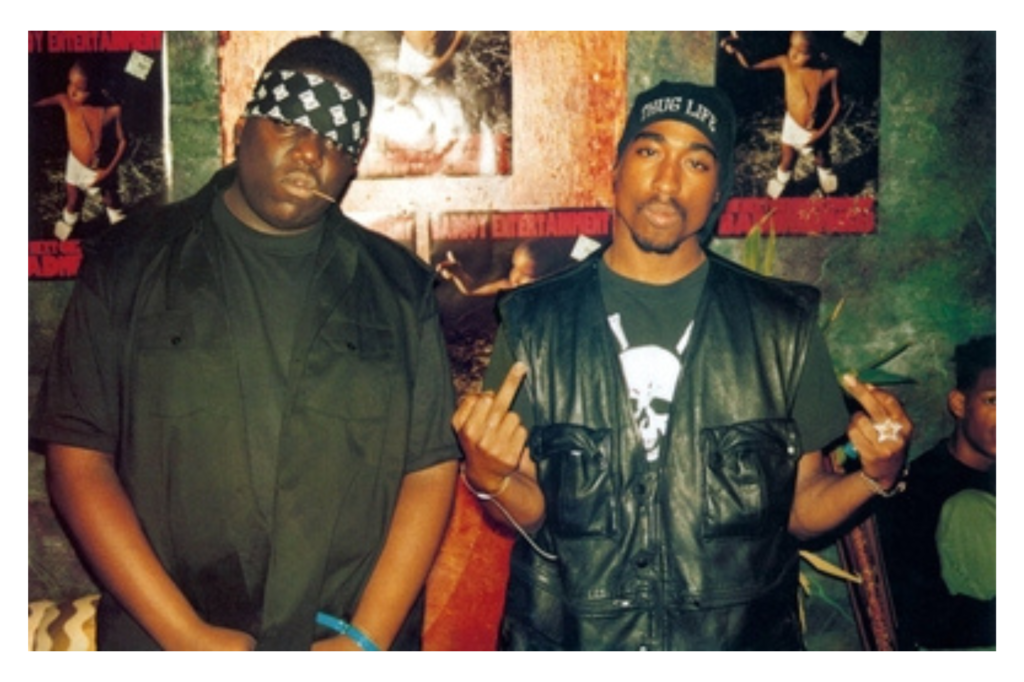
The mid-1990s were marred by the infamous “East Coast-West Coast” rivalry, a media-fueled feud that created a dangerous atmosphere for everyone involved. At the center were Tupac and Biggie, two men who had actually been close friends before misunderstandings and competitive pressures tore them apart. The tension reached a breaking point between 1995 and 1997, casting a dark shadow over the entire music industry. However, those close to both men often remarked that they were both growing tired of the conflict and that a reconciliation was not just a hope, but a real possibility.
If both legends had survived their respective shootings, the “Peace Summit” of the late 90s would have been the most significant event in music history. Imagine a joint album or a global tour featuring both Shakur and Wallace around 1999, it would have effectively ended regional gatekeeping in hip-hop overnight. This partnership would have encouraged collaboration over competition, potentially saving lives and preventing future conflicts within the genre. By showing the world that two of the most powerful voices in music could put aside their differences for the sake of the culture, they would have set a standard for unity that would still be resonating today.
Prince and the Digital Frontier
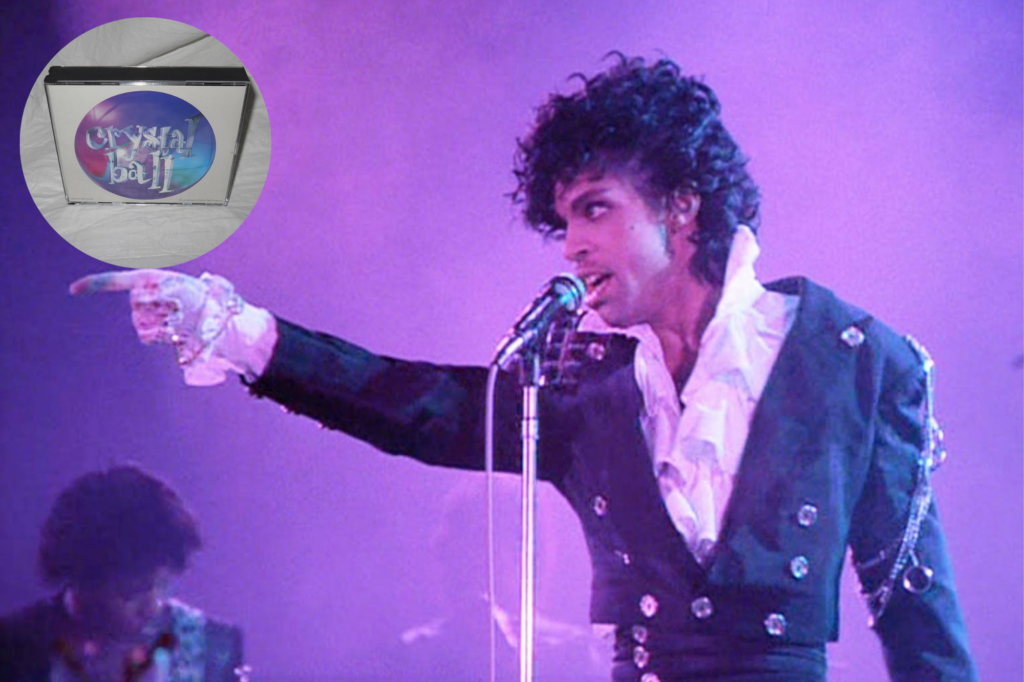
Prince Rogers Nelson, born on June 7, 1958, was a true musical polymath who was always lightyears ahead of his time. Long before the general public knew what a “download” was, Prince was fighting for the right of artists to control their own work in the digital space. He famously changed his name to an unpronounceable symbol in the 90s to protest his contract with Warner Bros., and he was one of the first major stars to sell an album exclusively through the internet with 1998’s Crystal Ball. He was a man who valued freedom above all else, often saying that “if you don’t own your masters, your master owns you.”
If the world hadn’t lost Prince on April 21, 2016, he would likely be the most influential figure in the current streaming era. He wouldn’t just be using Spotify or Apple Music; he would likely have built his own high-fidelity, artist-centric platform that paid creators fairly. We can imagine him as a tech-savvy visionary, designing virtual reality concert experiences or interactive music apps that allowed fans to “remix” his songs in real-time. His relentless pursuit of independence would have made him the primary advocate for musicians in the age of Artificial Intelligence, ensuring that the human element of soul and funk remained protected in an increasingly automated world.
A Legacy of Musical Education
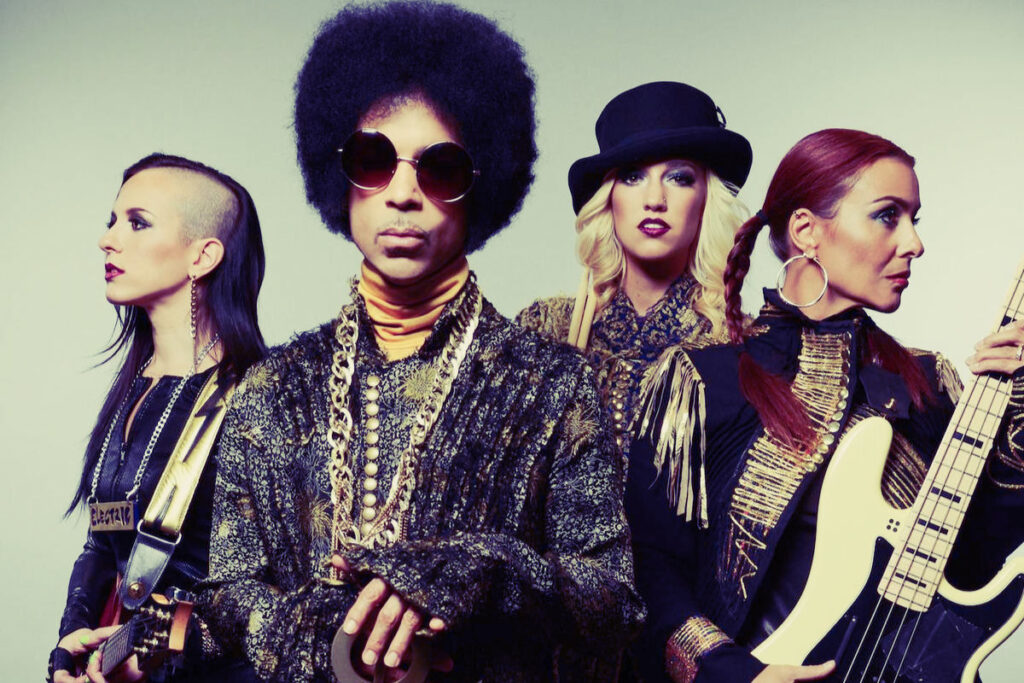
Beyond the hits like “Purple Rain” and “Kiss,” Prince had a deeply generous spirit that he often kept hidden from the public. He was a quiet philanthropist and a passionate believer in the power of music education. In his later years, he spent a significant amount of time mentoring young female musicians and backing bands like 3RDEYEGIRL, passing on his vast knowledge of music theory, stagecraft, and the business of entertainment. He didn’t just want to be a star; he wanted to ensure that the “funk” would live on through the generations that followed him.
With more time, Prince likely would have turned his Paisley Park estate in Chanhassen, Minnesota, into a world-class accredited university for the performing arts. This wouldn’t have been a typical school; it would have been a place where students learned everything from mastering the bass guitar to navigating complex copyright laws. He would have been the ultimate professor, teaching “The Art of the Groove” to a new generation of prodigies. By formalizing his role as a teacher, Prince would have ensured that his unique blend of rock, jazz, and R&B wasn’t just a part of history, but a living, breathing curriculum for the future of music.
The Veteran Era of Living Legends
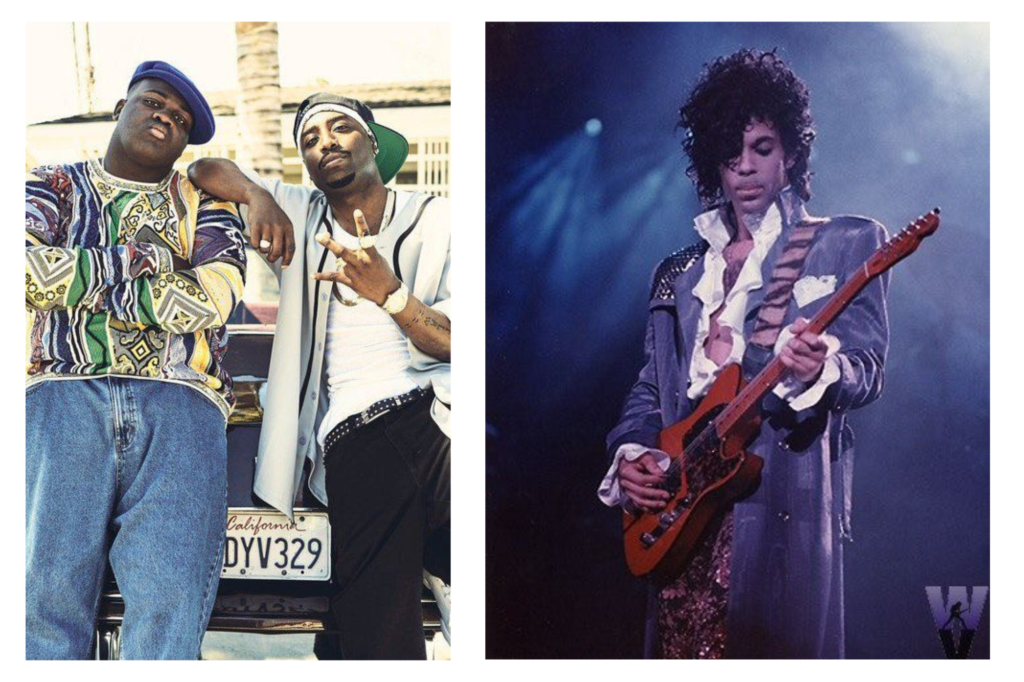
This year 2026, the landscape of music would have been anchored by three “elder statesmen” rather than the memory of fallen icons. Tupac Shakur would be 55, Christopher Wallace would be 54, and Prince would have been a vibrant 68. In this timeline, their presence would have provided a much-needed steady hand during the industry’s shift toward viral trends and social media fame. Rather than being subjects of holographic performances or AI-generated vocals, they would be sitting in the front rows of the Grammy Awards, perhaps accepting Lifetime Achievement honors while still actively releasing boundary-pushing music that challenged the younger generation to do better.
Their influence would extend far beyond the recording booth and into the heart of global culture. We can imagine Tupac as a frequent guest on news programs, offering sharp commentary on social justice, while Biggie might be ringing the bell at the New York Stock Exchange as a billionaire mogul. Prince would likely still be headlining sold-out residencies, perhaps in his own purpose-built theater at Paisley Park. Their collective authority would have turned the music industry into a more professional, artist-centered space. Instead of a culture rooted in the nostalgia of what was lost, we would be living in a world shaped by their ongoing, living wisdom.


