
1. Michael Jackson The Visionary Director
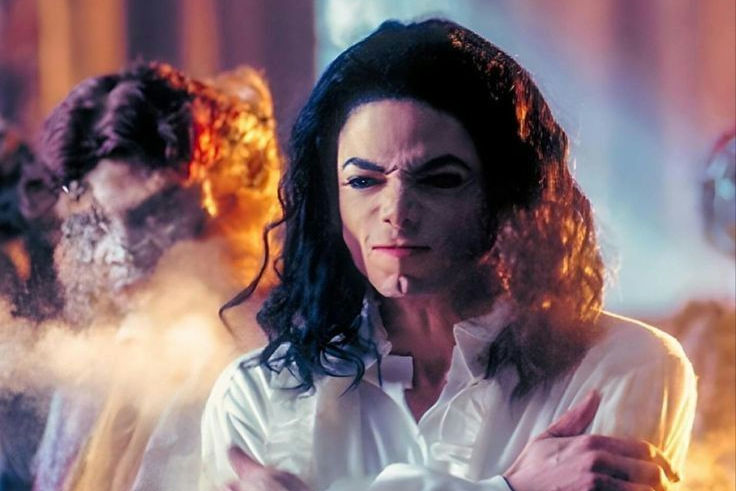
Michael Jackson was only 50 years old when he passed away on June 25, 2009. While the world knew him as the “King of Pop,” his final decade suggested a man weary of the stage and hungry for the director’s chair. Following the conclusion of his massive HIStory World Tour in 1997, Jackson began pouring his soul into visual storytelling. A prime example was his 1996 film Ghosts, a 40-minute masterpiece co-written with horror legend Stephen King. This project wasn’t just a music video; it was a clear signal that Michael wanted to be seen as a filmmaker. By the late 2000s, he was reportedly in high-level talks with Hollywood executives to develop full-length features, including animation and fantasy scripts rooted in the classic literature he adored.
If Michael had reached his seventies, we likely would have seen him transition into a powerhouse studio producer. He held a deep-seated admiration for Walt Disney’s ability to build worlds, and he frequently visited Disneyland to study its immersive design. As motion capture and CGI technology reached new heights after the release of Avatar in 2009, Jackson would have been in his element creating high-concept fantasy musicals. Instead of the This Is It residency being a final curtain call, the profits likely would have funded his own production company. He also expressed a strong desire to mentor new talent, which means he might have discovered and shaped the next generation of icons, much like he praised Lady Gaga in her early career.
2. Walt Disney The Urban Architect
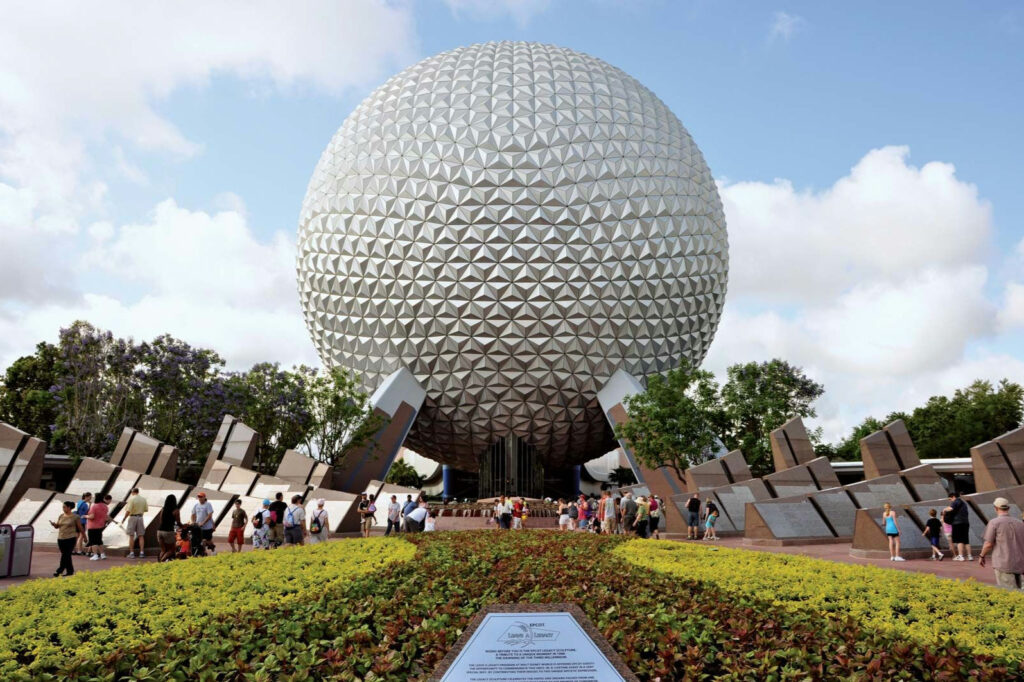
When Walt Disney passed away on December 15, 1966, at age 65, he was focused on a project far more ambitious than a theme park. His true passion was EPCOT, which stood for the “Experimental Prototype Community of Tomorrow.” Unlike the theme park we know today, Walt’s original 1966 vision was a living, breathing city for 20,000 residents. He imagined a futuristic urban center featuring underground tunnels for supply trucks, climate-controlled streets for pedestrians, and a “commuter-centric” design that pushed noisy automobiles to the outskirts. Walt wanted EPCOT to be a testing ground where American corporations could trial new technologies in real-world settings, from automated transit to advanced waste management.
Had Walt lived through the 1970s and 80s, he might have fundamentally changed how we build cities. During the mid-70s, as American cities struggled with rising pollution and traffic jams, a completed EPCOT could have served as a blueprint for sustainable living. Instead of the Walt Disney World Resort opening in 1971 as primarily a vacation spot, it could have been the headquarters of a massive civic engineering firm. Disney was a man who believed in “imagineering” every aspect of life. With two more decades of leadership, his company might have branched into architecture and smart-city infrastructure long before the digital age made those concepts popular. We might be living in “Disney-designed” suburbs today that prioritize walking and public transit over highway gridlock.
3. John F. Kennedy Second Term of Peace
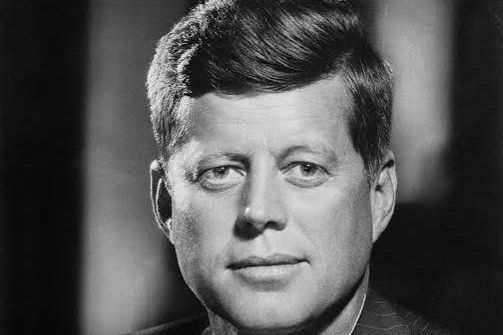
John F. Kennedy’s life was tragically cut short at age 46 on November 22, 1963. At the time, he was navigating some of the most treacherous waters of the Cold War. After narrowly avoiding a nuclear disaster during the Cuban Missile Crisis in October 1962, JFK’s perspective on global conflict began to shift toward caution. Internal memos from 1963 suggest he was deeply conflicted about the growing American military presence in Vietnam. While he hadn’t officially ordered a withdrawal, many historians argue that a re-elected Kennedy would have been far less likely to escalate the war to the levels seen under his successor. Given his high approval ratings at the time, his victory in the 1964 election was almost a certainty.
A second term would have seen Kennedy at the heart of the most important domestic struggle of the century: the Civil Rights movement. He had already set the stage with a historic televised address in June 1963, calling civil rights a “moral issue.” While Lyndon B. Johnson eventually signed the Civil Rights Act of 1964, Kennedy’s unique charisma might have helped bridge the divide and reduce some of the intense social friction of the era. Internationally, he had already established a “Hotline” with the Kremlin and signed the Limited Test Ban Treaty in 1963. If he had remained in office through 1968, his commitment to diplomacy might have brought an earlier end to the nuclear arms race, potentially saving thousands of lives that were lost in the decade of conflict that followed.
4. Andy Warhol as King of the Internet
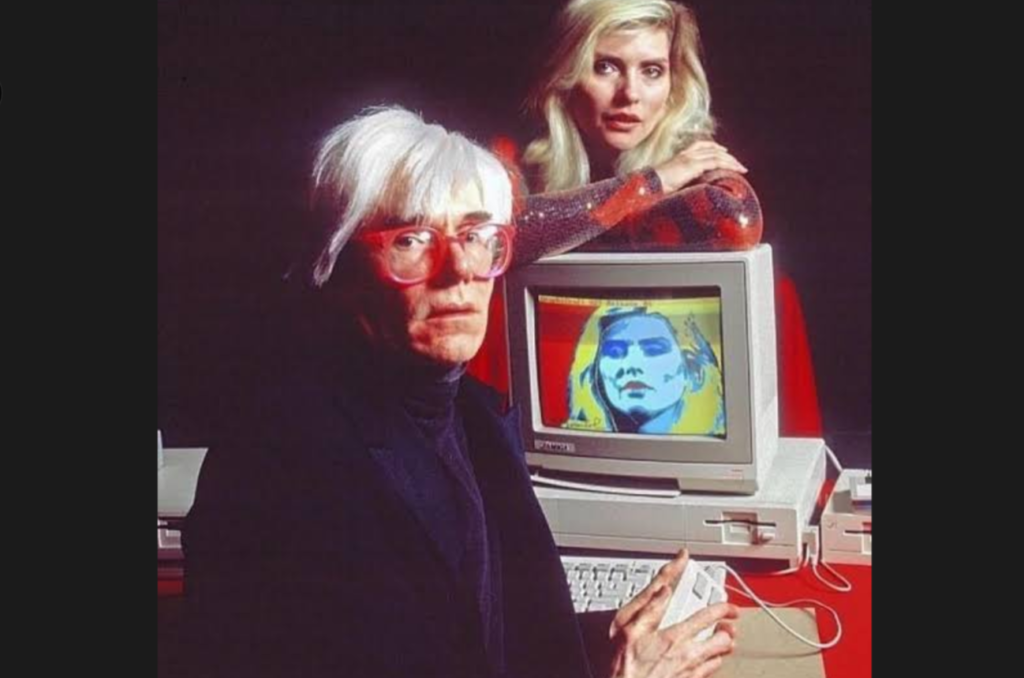
Andy Warhol died on February 22, 1987, just as the digital revolution was beginning to simmer. Warhol was a man who understood the power of the “image” and celebrity culture long before everyone had a camera in their pocket. By the mid-1980s, he was already moving away from traditional canvas and exploring video art and cable TV. In 1985, he famously used an Amiga 1000 computer to create a digital portrait of singer Debbie Harry, proving he was decades ahead of the curve. He also once famously predicted that in the future, “everyone will be world-famous for fifteen minutes,” a statement that has become the unofficial motto of the social media age.
If Warhol had lived to see the rise of YouTube, Instagram, and TikTok, he likely would have been the world’s most influential digital creator. His “Factory” studio in New York, which was a hub for art and parties in the 60s and 70s, would have easily evolved into a 24/7 streaming content house. Warhol was fascinated by the mundane and the “everyday celebrity,” making him the perfect fit for the reality TV boom of the early 2000s. Instead of just selling paintings in elite galleries, he probably would have embraced digital scarcity, releasing limited-edition digital art and interactive media years before the concept of NFTs ever hit the mainstream. For Warhol, the internet wouldn’t have just been a tool; it would have been his greatest piece of art.
5. Steve Jobs as an Architect of Health
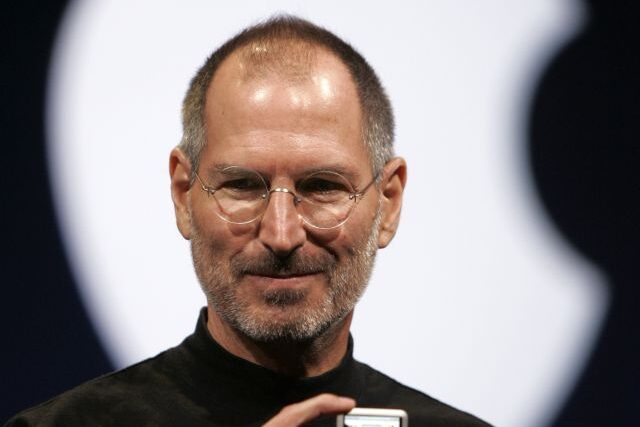
When Steve Jobs passed away on October 5, 2011, at age 56, he had already saved Apple from the brink of bankruptcy and launched the iPhone, which changed humanity forever. However, Jobs wasn’t just interested in gadgets; he was obsessed with the way humans interact with technology. He often spoke about making computers “invisible” and seamless parts of our daily lives. In the months before his death, he was particularly focused on the future of wearable technology and biometric sensors. His personal battle with pancreatic cancer deeply influenced his view on healthcare, leading him to believe that Apple devices could eventually help people monitor their own health in real-time to catch diseases early.
Had Jobs lived into the 2020s, the “Apple Watch” and “Vision Pro” would have likely arrived much sooner and with even more radical designs. We know he had “cracked” the secret to a simple, integrated television system shortly before he died, which suggests he would have revolutionized the living room long before streaming services became the norm. Furthermore, his passion for design would have likely pushed Apple into the automotive world much faster. Instead of the long-rumored “Apple Car” being a mystery, we might have seen a Jobs-led vehicle by 2018 that prioritized a “living room on wheels” experience. Most importantly, his influence on digital health could have accelerated medical diagnostics, turning the smartphone into a life-saving medical tool for millions of people worldwide.
6. Michael Jackson as Humanitarian Statesman
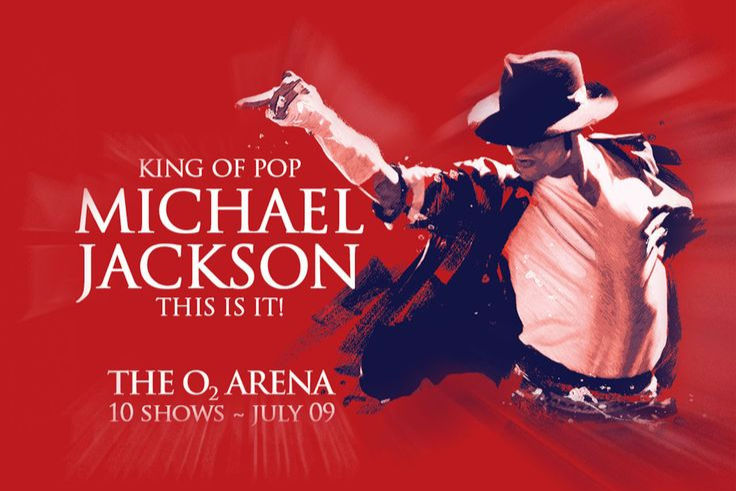
By the time 2009 arrived, Michael Jackson was preparing for his This Is It residency at London’s O2 Arena. These shows were never intended to be a grueling world tour; instead, they were designed as a permanent theatrical installation. This format, which has since become a standard for aging icons like Adele and U2, would have allowed Jackson to perform without the physical toll of traveling. In his later years, Michael’s focus was shifting toward his legacy as a humanitarian. He had already supported over 30 different charities during his life and held the Guinness World Record for the most charities supported by a pop star. His Heal the World Foundation had ambitious plans for building state-of-the-art children’s hospitals.
If he had lived into the 2020s, the public’s perception of Michael Jackson likely would have softened into that of an “elder statesman” of music. Rather than being a figure of tabloid scrutiny, he probably would have focused on global philanthropy and mentoring. Imagine Jackson collaborating with modern stars or using his vast wealth to fund massive environmental and medical initiatives. His presence at major global events like the Olympics or UN summits as a cultural ambassador would have been a natural fit for his “One World” philosophy. By establishing a permanent residency in a city like Las Vegas, he could have continued to innovate in stagecraft, using holograms and 4D effects, while spending his remaining time building the children’s medical centers he dreamed of.
7. Walt Disney and Saving the “Dark Age” of Animation
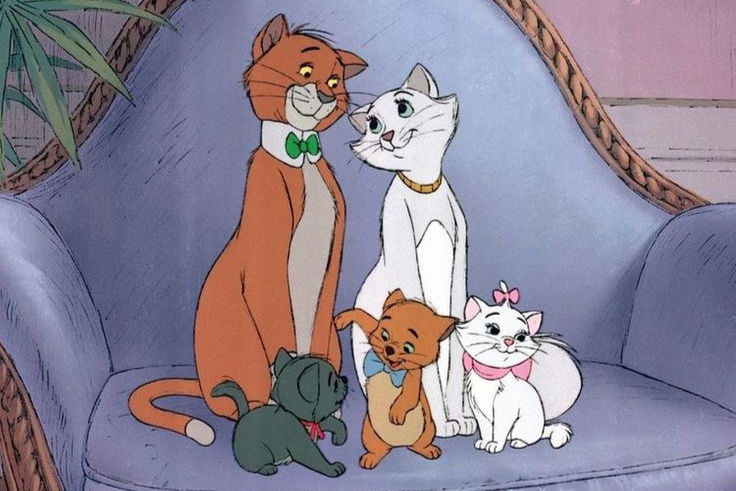
Following Walt Disney’s death in 1966, his animation studio entered a period often referred to as a “slump.” Throughout the 1970s and 1980s, films like The Aristocats and The Black Cauldron struggled to capture the magic of the earlier “Golden Age.” It wasn’t until the “Disney Renaissance” began with The Little Mermaid in 1989 that the studio regained its footing. Historians often note that the studio lost its “creative compass” without Walt’s personal touch. Walt was notorious for his hands-on approach, often sitting with animators for hours to perfect the emotional beat of a single scene. He had an uncanny instinct for what audiences wanted before they even knew it themselves.
If Walt had lived into his 80s, the “Dark Age” of Disney animation probably wouldn’t have happened. He likely would have pushed for technical innovations in the 70s that we didn’t actually see until the 90s. Beyond film, Walt was also pursuing the Mineral King ski resort project in California’s Sierra Nevada. This project was meant to be a revolution in eco-friendly tourism, blending recreation with environmental preservation. If he had completed it, the Disney company might have become a leader in sustainable resort management. His presence would have ensured that the company remained a pioneer in storytelling and technology, preventing the corporate stagnation that nearly led to the studio’s takeover in the mid-1980s.
8. JFK’s Shared Journey to the Moon
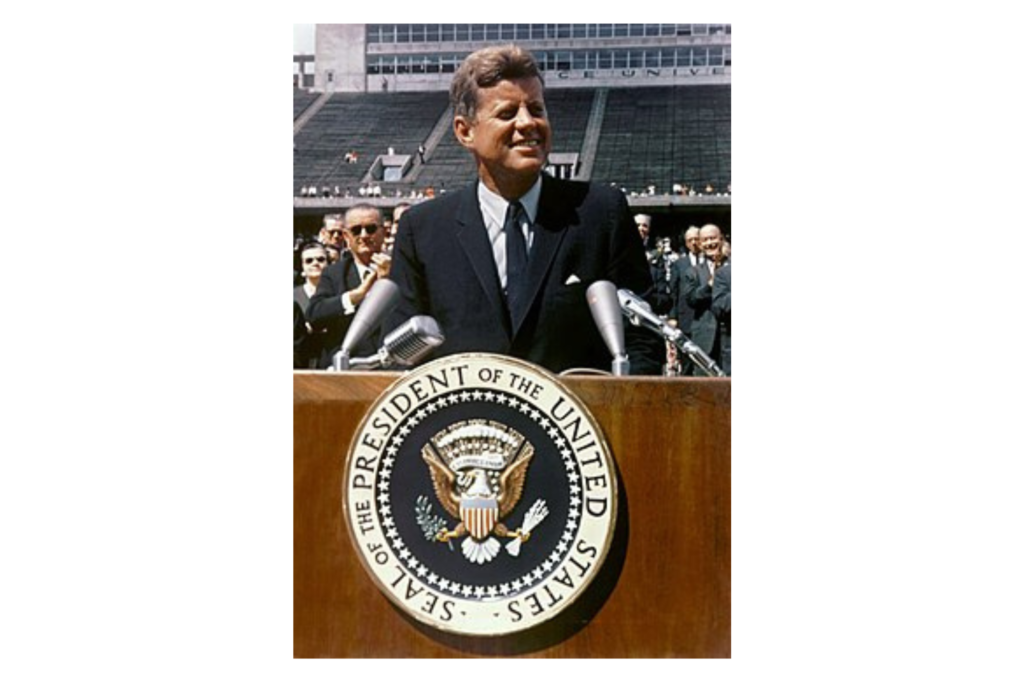
One of John F. Kennedy’s most enduring legacies is his 1961 challenge to put a man on the Moon by the end of the decade. While NASA succeeded in July 1969, six years after his death, the mission was fueled by an intense and expensive “Space Race” against the Soviet Union. However, in the months before he died, Kennedy began to change his tune. In a surprising speech at the United Nations in September 1963, he proposed that the United States and the Soviet Union should work together on a joint lunar mission. He realized that the immense cost and danger of space exploration were burdens that might be better shared by all of humanity.
If Kennedy had survived to see his second term through 1968, the Cold War might have taken a much more scientific and cooperative turn. A joint U.S.-Soviet mission to the Moon could have served as a powerful symbol of peace, potentially cooling the nuclear tensions that gripped the world. This cooperation could have led to a shared space station decades earlier than the actual International Space Station (ISS) of the 1990s. By redirecting billions of dollars from military competition into collaborative research, the world might have seen breakthroughs in satellite technology and physics much faster. Kennedy’s vision of space as a “neutral ground” for all mankind could have reshaped international relations for the rest of the 20th century.
9. Warhol and Jobs as Modern Architects of Experience
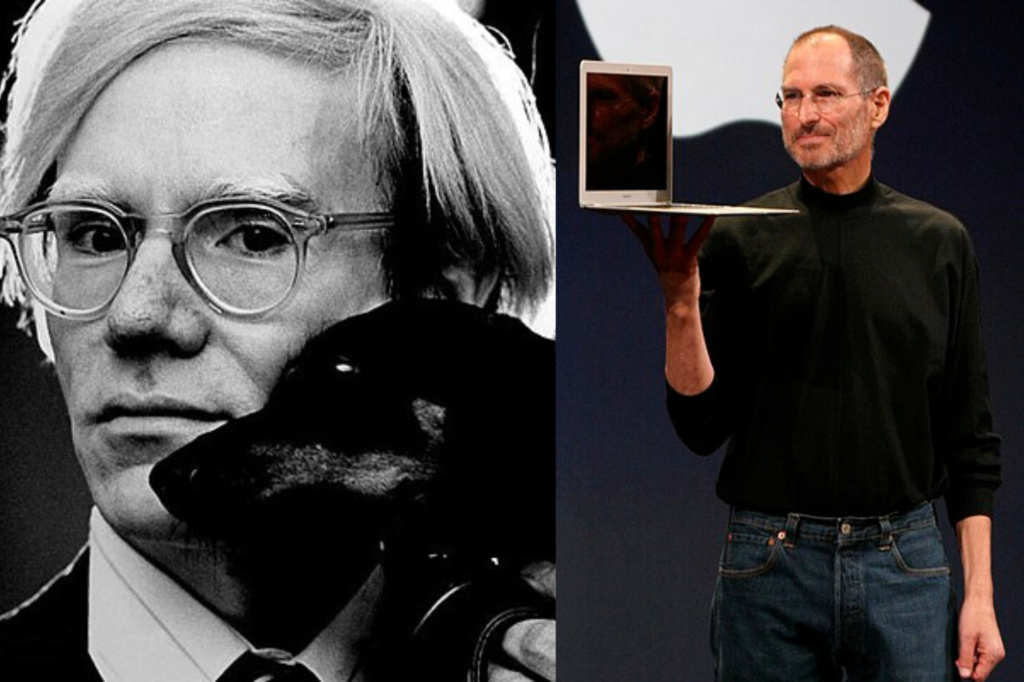
When it comes to similarities, Andy Warhol and Steve Jobs were both obsessed with how humans consume information, though they approached it from different angles. Warhol, who died in February 1987, saw the world as a series of products and “fifteen-minute” fame cycles. Had he reached the age of social media, his “Factory” would have likely been the first true content house, predating the influencer era by decades. He would have been fascinated by the way platforms like Instagram turn everyday life into a curated gallery. By the time of his death, he was already experimenting with the Amiga 1000 computer to create digital art, suggesting he would have been a pioneer in digital ownership and internet-based performance art long before the 2020s.
Steve Jobs, passing in October 2011, shared Warhol’s love for sleek, consumer-focused design. While Warhol captured the soul of the brand, Jobs built the tools to access it. In his final years, Jobs was intensely focused on “cracking” the code for a simplified television interface and reinventing the American textbook. If he had lived, the transition to digital learning in the early 2020s might have been seamless, with iPads functioning as personalized tutors. Furthermore, his interest in “Project Titan”, Apple’s car initiative, would have likely resulted in a vehicle that prioritized the “user experience” of travel, focusing on minimalist beauty and intuitive software rather than just autonomous driving.
10. Jackson, Disney, and JFK in Building a Better World
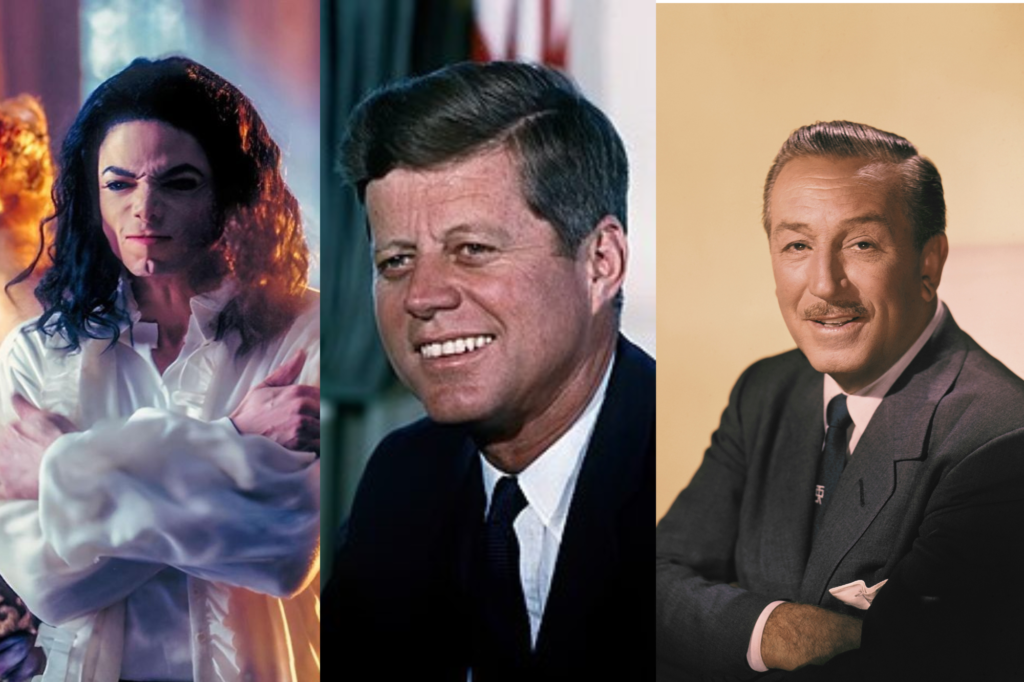
The combined legacies of Michael Jackson, Walt Disney, and John F. Kennedy represent a “what if” scenario for global culture and peace. Jackson, who died in June 2009, was moving toward a future as a cinematic storyteller and a global humanitarian, with plans for a network of children’s hospitals. Walt Disney, who passed in December 1966, was weeks away from breaking ground on the original EPCOT, not a theme park, but a functional “city of the future” designed to solve urban overcrowding and pollution. Finally, JFK’s interrupted presidency in November 1963 left the world wondering if a second term could have prevented the escalation of the Vietnam War and fostered a joint U.S.-Soviet mission to the Moon.
If these three had lived to see their projects through, the late 20th century might have looked remarkably different. We might be living in “smart cities” inspired by Disney’s original urban planning models, where public transit is the heart of the community. The “Space Race” might have turned into a “Space Collaboration” under Kennedy’s proposed joint lunar missions, potentially ending the Cold War decades earlier. Meanwhile, Jackson’s influence might have shifted the music industry toward permanent, high-tech residencies and massive philanthropic foundations. Together, these five figures didn’t just entertain or lead; they provided a roadmap for a future that was more connected, more imaginative, and significantly more advanced.
The early departures of Michael Jackson, Walt Disney, JFK, Andy Warhol, and Steve Jobs left a void in the fields of art, politics, and technology.


