
The Quiet Echo of Post-Olympic Life
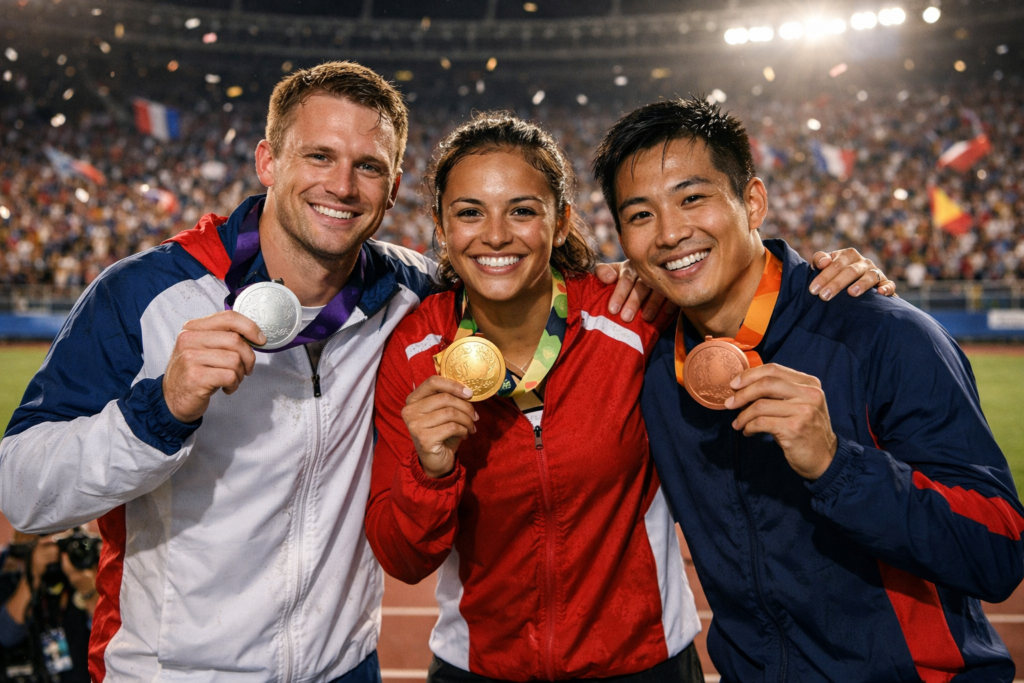
The closing ceremony of an Olympic Games is often a bittersweet spectacle because it marks the end of a four-year obsession for thousands of the world’s finest athletes. For years, every single calorie consumed and every hour of sleep has been meticulously tracked to ensure peak performance on the world stage, yet the moment the flame is extinguished, that rigid structure simply evaporates. This transition matters because it highlights the profound human challenge of identity shifts, where individuals who were once the centre of global attention must suddenly find a way to navigate the mundane realities of everyday life while carrying the physical and emotional weight of their sporting legacy.
Understanding what follows the podium is essential for fans and aspiring athletes alike as it sheds light on the resilience required beyond the field of play. While some find immediate success in new ventures, others face a period of profound uncertainty that can be quite daunting because the transition involves moving from a world of clear-cut goals to one with far more ambiguity. This exploration into the lives of retired Olympians serves as a reminder that the true test of a champion often begins when the cameras stop rolling and they are left to build a meaningful existence away from the cheering crowds and the pursuit of gold.
Managing The Post-Olympic Blues
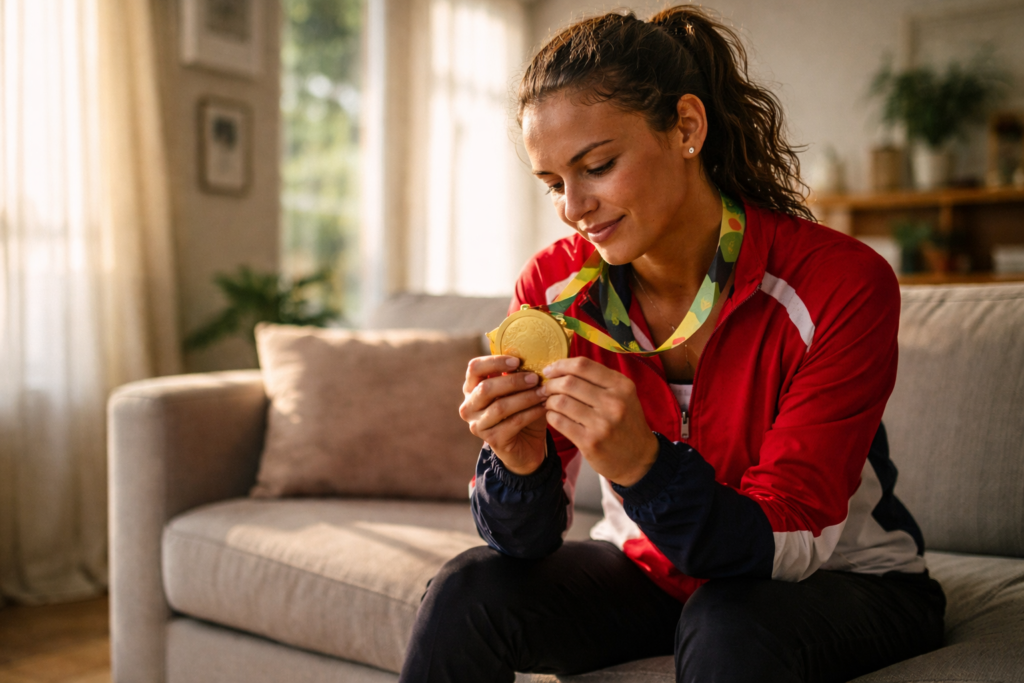
The phenomenon known as the “post-Olympic blues” is a very real emotional hurdle for many competitors because the sudden drop in adrenaline and purpose can feel like falling off a cliff. After years of focusing on a single day or event, the absence of that driving goal leaves a massive vacuum in their daily lives that is often difficult to fill. Research from 2024 indicated that roughly 34% of elite athletes reported high anxiety levels following the games, which is a significant increase from previous cycles, and this highlights just how taxing the comedown can be when the spotlight fades.
This emotional dip is often exacerbated by a loss of the communal support they enjoyed while training in high-performance environments since they are no longer surrounded by teammates and coaches daily. Many athletes describe a sense of abandonment or emptiness that sets in once they return to a quiet home without a schedule to follow, and it takes a considerable amount of internal strength to rebuild a sense of self-worth that is not tied to their athletic achievements. To combat this, many now seek psychological support to help them normalise these feelings and find a new rhythm in a world that moves at a much slower pace than the Olympic track.
Finding Strength In Coaching
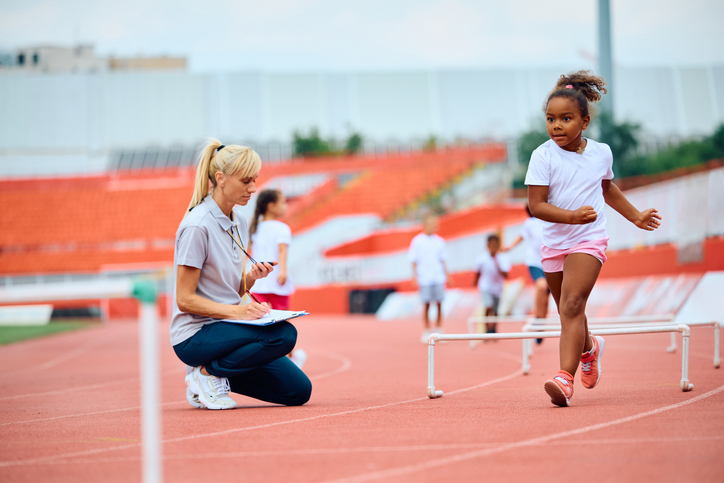
A natural progression for many retiring Olympians is to transition into coaching or teaching because it allows them to stay connected to the sport they love while passing on their hard-earned wisdom. By mentoring the next generation of hopefuls, these former champions find a renewed sense of purpose that mirrors the intensity of their competitive days but offers a different kind of fulfillment. For instance, the famous American gymnast Kim Zmeskal, who competed in the 1992 Games, successfully opened her own gymnastics practice in Texas to guide young athletes through the same rigours she once faced.
This career path is particularly rewarding because it utilises their deep technical knowledge and their understanding of the psychological pressures inherent in elite competition. Coaches who have been to the Olympics themselves possess a unique credibility that helps them build strong bonds with their pupils, and this relationship often helps the retired athlete bridge the gap between their past and their future. It is a way of keeping the Olympic spirit alive within themselves while contributing to the sustainability of the sport, and many find that seeing a student succeed provides a joy that is remarkably similar to winning a medal of their own.
Transitioning To Media Roles
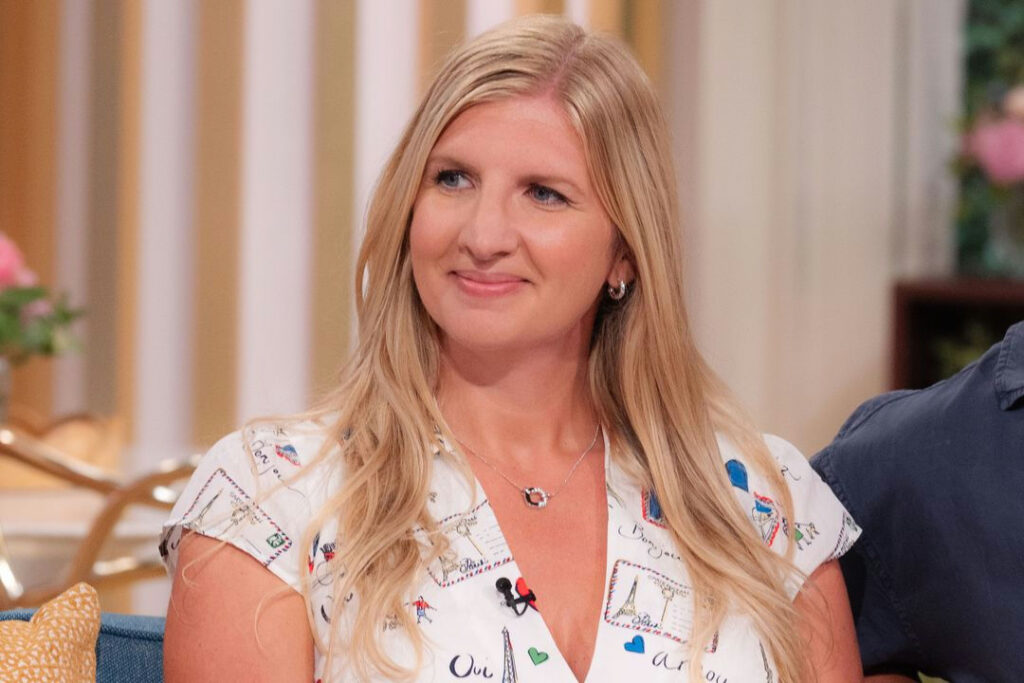
The world of broadcasting and sports analysis is a popular destination for charismatic Olympians because their firsthand experience provides viewers with insights that a regular journalist simply cannot offer. We often see familiar faces like Rebecca Adlington or Mark Foster on our screens during major swimming events because they can articulate the technical nuances and the emotional stakes of a race with genuine authority. This transition into the media allows them to maintain their public profile and leverage their fame into a sustainable career that keeps them in the thick of the action without the physical toll of training.
Working in television or radio requires a different set of skills, but the discipline and poise developed during years of post-match interviews usually stand them in good stead. They must learn to translate their athletic instincts into engaging commentary that resonates with a global audience, and many find that the live nature of broadcasting provides a similar rush of excitement to competing. By becoming the voice of their sport, they help shape the narrative for the next generation of fans, and this role provides a vital bridge that keeps their legacy relevant long after they have hung up their boots.
Returning To Formal Education

Since many athletes put their studies on hold to pursue Olympic glory, a common post-Games move is to return to university to complete a degree or start a completely new academic journey. This path is often chosen by those who want to broaden their horizons beyond the sporting world and prepare for a long-term professional career in fields like law, medicine, or business. Figure skater Michelle Kwan is a notable example, as she retired from her sport and went on to earn both undergraduate and postgraduate degrees in political science, eventually finding a prestigious role in the diplomatic sphere.
The transition to the classroom can be challenging because the pace of academic life is vastly different from the high-octane world of elite sports, yet the work ethic and focus required to reach the Olympics often make these individuals exceptional students. They bring a level of maturity and resilience to their studies that their younger peers might lack, and many find that the intellectual stimulation provides a welcome distraction from the loss of their athletic identity. By investing in their education, they are essentially future-proofing their lives and ensuring that they have the tools to succeed in a variety of industries once their physical prime has passed.
Launching New Business Ventures
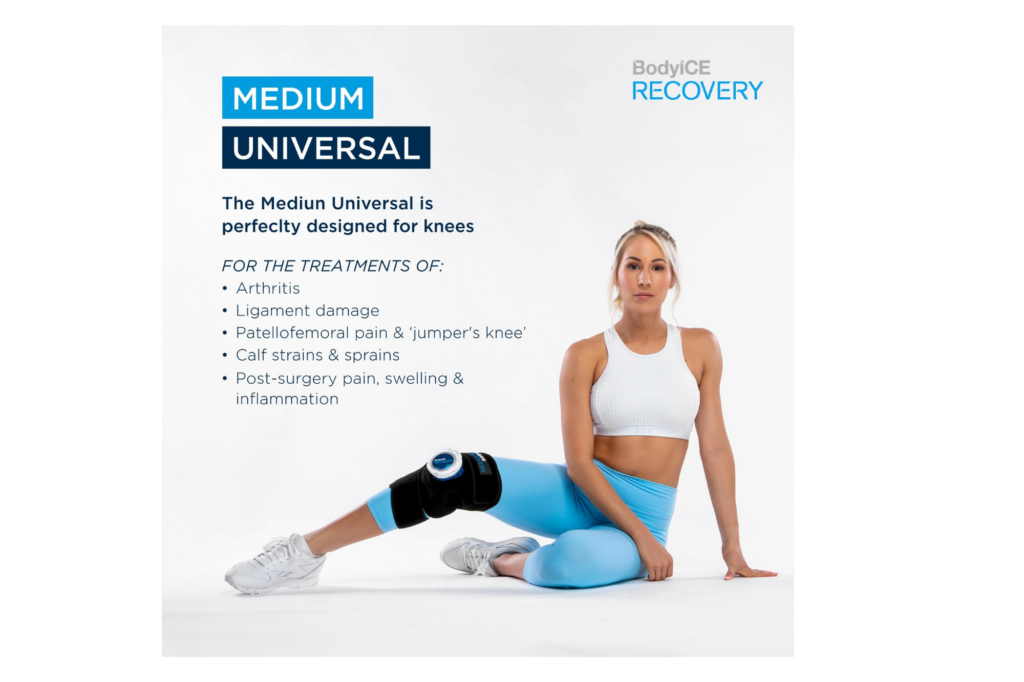
Entrepreneurship is a path that appeals to many Olympians because the drive and risk-taking spirit required for elite sport translate perfectly into the world of business. Many former athletes use their names and their savings to launch product lines, fitness brands, or consultancy firms that reflect their personal values and expertise. For example, Australian freestyle skier Lydia Lassila used her experience with recovery and injury to start a business called Body Ice, which creates specialized ice packs for athletes, showing how personal challenges can be turned into successful commercial opportunities.
This move into the corporate world allows them to maintain a sense of autonomy and control over their lives, which is often something they crave after years of following strict training regimes set by others. They must learn to navigate the complexities of marketing, finance, and management, but the resilience they built on the field helps them handle the inevitable setbacks of starting a new company. By building a brand from the ground up, they are able to create a new legacy that is entirely their own, and many find that the thrill of a successful business deal is just as satisfying as a podium finish.
Serving Through Charitable Work
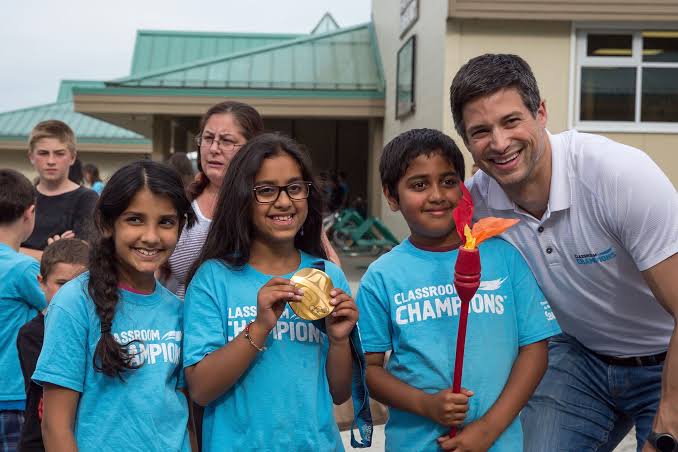
Many Olympians feel a strong desire to give back to the community and use their platform to champion social causes that are close to their hearts. Whether it is launching their own foundation or working with established non-profits, these athletes find that service provides a deep sense of meaning that goes beyond personal accolades. Steve Mesler, a gold-medalist bobsledder, founded an organisation called Classroom Champions that connects Olympic and Paralympic athletes with students to teach lessons on perseverance and goal-setting, demonstrating how sporting success can be used for the greater good.
This altruistic path often helps athletes navigate the transition by shifting their focus from their own performance to the well-being of others, which can be a very healing process. They are able to use their celebrity status to raise funds and awareness for issues like youth development, health, or environmental conservation, and this work keeps them engaged with the public in a positive way. By dedicating their time to helping those in need, they ensure that their influence extends far beyond the stadium walls and that their journey continues to inspire people in ways they never imagined during their competitive years.
Entering The Corporate World

The corporate sector is increasingly eager to hire former Olympians because the transferable skills they possess, such as leadership, teamwork, and performing under pressure, are highly valued in office environments. Many athletes find success in roles related to marketing, sales, or human resources where they can apply their competitive mindset to help companies achieve their strategic goals. Their ability to stay focused on long-term objectives and bounce back from failure makes them ideal candidates for high-stakes business roles, and many organisations even have specific programmes to help them integrate into the workforce.
While moving into an office-based role can be a significant culture shock, many former athletes appreciate the stability and the clear career ladder that a corporate job provides. They have to adapt to a different kind of teamwork and learn the nuances of professional communication, but they often rise through the ranks quickly due to their natural discipline. This transition proves that the qualities that make a great athlete are often the same ones that make a great professional, and it provides a steady and rewarding path for those who are ready to leave the world of sports behind.
Pursuing Motivational Speaking
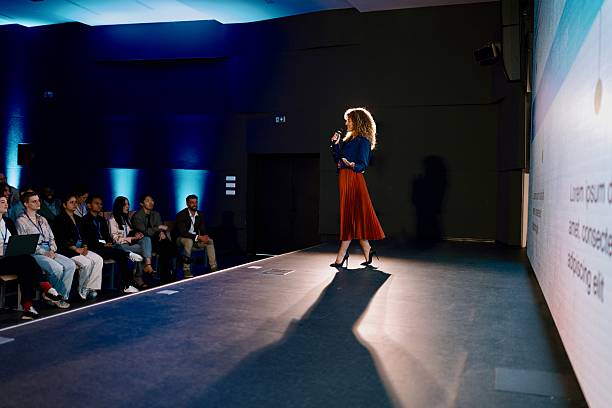
For those who enjoy storytelling and connecting with an audience, motivational speaking offers a lucrative and fulfilling career after the Games have ended. Olympians have a unique ability to inspire others by sharing their stories of triumph and heartbreak, and many companies hire them to speak at conferences and events to boost employee morale and focus. They are able to draw parallels between the training ground and the boardroom, offering practical advice on how to build resilience and maintain a winning mindset in the face of adversity.
This role allows them to travel and meet people from all walks of life while keeping their Olympic journey at the forefront of their professional identity. Preparing and delivering these speeches requires a great deal of reflection, which can actually help the athlete process their own experiences and find closure as they move into a new phase of life. By sharing the lessons they learned while competing on the world stage, they provide immense value to others and find a way to make their past achievements work for them in a completely different context.
Exploring A Different Sport
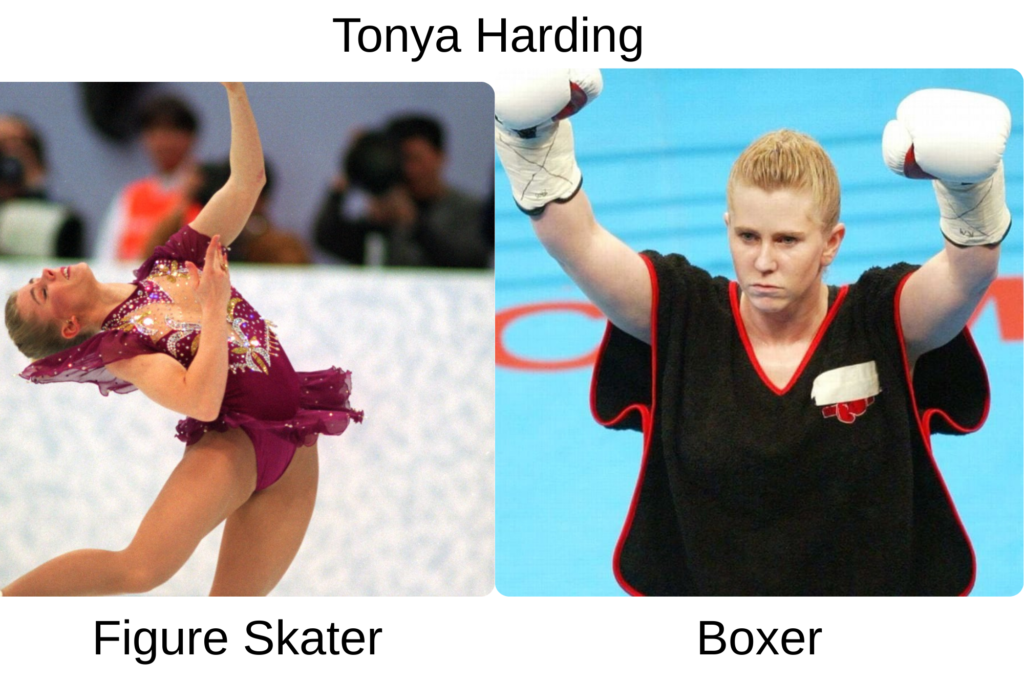
Interestingly, some athletes are not ready to give up the thrill of competition entirely and choose to transition into a different sport altogether after their primary Olympic career ends. This is often seen with athletes whose skills in one discipline are transferable to another, such as rowers moving into cycling or track stars trying their hand at bobsledding. A famous, albeit controversial, example is figure skater Tonya Harding, who took up boxing after her skating career ended, showing that the competitive fire can manifest in very unexpected ways.
This path allows them to maintain the structure and intensity of a professional athlete’s life while facing a fresh set of challenges that keep them motivated. It requires a humble approach, as they must often start from the bottom and learn new techniques, but their existing physical conditioning and mental toughness give them a significant head start. For many, this “second act” in sports is a way to delay the transition to a more traditional career and continue doing what they love, proving that an athlete’s journey is rarely a straight line.
Managing Lifelong Health Challenges

The physical legacy of being an Olympian often includes a range of chronic injuries and health considerations that require careful management long after retirement. Many former athletes find that the transition involves a shift from training for performance to exercising for general health and pain management, which can be a difficult psychological adjustment. Studies have shown that some former college and Olympic athletes actually report poorer functional performance in midlife compared to non-athletes because of the extreme wear and tear their bodies endured during their peak years.
Adjusting to a regular diet and exercise routine without the oversight of a team of nutritionists and trainers is a major hurdle that can lead to issues with body image and physical well-being. It is essential for retired Olympians to find a new balance that allows them to stay active without pushing themselves to the point of injury, and many now advocate for better long-term health support for those leaving the sport. Navigating this new relationship with their own bodies is a vital part of the post-Olympic journey, and it serves as a reminder of the incredible sacrifices they made in pursuit of their dreams.
In the end, the reliance on a single path or a single identity can make the end of an Olympic career feel like a loss of self, yet the diversity of these transitions shows that there is a wealth of opportunity for those willing to reinvent themselves.
Like this story? Add your thoughts in the comments, thank you.


