
What Happens When You Lose The Social Network War
There is a certain brand of digital nostalgia that only those of us who were around for the birth of the social web truly understand. Long before the blue-hued dominance of Facebook or the character-limited chaos of Twitter, there was a single name that defined our online friendships: Friendster. Launched by Jonathan Abrams in 2002, this platform was the true pioneer that taught the world how to connect, yet it famously stumbled just as the social media revolution was finding its feet.
Watching the rise and fall of Friendster is like observing a cautionary tale about the fragile nature of innovation and the brutal pace of the tech industry. It matters because it reminds us that being first isn’t always the same as being the best, and that even the most brilliant founders can find themselves on the wrong side of history. As we look back at what happened to Jonathan Abrams and his digital empire, we find a story of missed opportunities, technical hurdles, and the ultimate resilience of a man who refused to let one high-profile setback define his entire career.
The Original Visionary Returns

Jonathan Abrams launched Friendster in 2002 with a simple but revolutionary idea that people wanted to map their real-world connections online. In those early days, the platform was an absolute sensation, quickly amassing millions of users and becoming a cultural touchstone. However, the success was a double-edged sword because the site’s infrastructure simply could not handle the massive influx of traffic, leading to frustratingly slow load times. This technical debt created an opening for newer competitors like MySpace and eventually Facebook to swoop in and offer a smoother experience for the growing social audience.
By the time Facebook began its meteoric rise, Abrams had already been replaced as CEO by the company’s board of directors. It was a heartbreaking turn for the founder who had seen the potential of social networking before almost anyone else in Silicon Valley. Despite being sidelined, Abrams remained a significant figure in the tech world, often reflecting on the “what ifs” of the Friendster era while simultaneously preparing for his next big move. He didn’t just disappear into the shadows but instead used the lessons learned from his first venture to inform a new chapter in his professional life.
Rejecting The Google Offer

One of the most legendary stories in tech history involves the 2003 offer from Google to purchase Friendster for $30 million. At the time, this was a staggering amount of money for a young startup, but Abrams and his investors chose to turn it down in hopes of a much larger payday down the road. This decision is often cited as one of the biggest missed opportunities in business history, as the stock options offered by Google would eventually have been worth billions. Looking back, it was a moment of peak optimism that ultimately preceded the platform’s decline in the North American market.
Instead of joining the Google empire, Friendster stayed independent and struggled with its internal leadership and scaling issues. While the founder might have stayed wealthy from his early shares, the chance to integrate Friendster’s social graph into the world’s largest search engine was lost forever. This pivotal moment showed how the trajectory of a founder’s life can change with a single “no,” and it set the stage for Abrams to become a serial entrepreneur who would eventually find success in other niches. He learned the hard way that timing and partnerships are often just as important as the original idea itself.
Sidelined From His Creation

The relationship between a founder and their board can often turn sour when growth plateaus, and Jonathan Abrams was no exception to this rule. In 2004, he was removed from the CEO position as the board sought “professional management” to fix the site’s persistent technical glitches. It was a common Silicon Valley tale where the visionary is pushed aside for a more traditional executive, yet in Friendster’s case, the move failed to stop the migration of users to Facebook. Abrams remained on the board for a time, but his influence over the company’s daily direction was effectively neutralized during a critical period of competition.
Being sidelined allowed Abrams to observe the social media war from a different perspective as he watched Mark Zuckerberg’s platform implement many of the features he had once envisioned. It was undoubtedly a bittersweet experience to see the world adopt social networking on such a massive scale while his own creation struggled to keep its servers running. However, this period of forced distance gave him the mental space to evaluate his mistakes and plan a comeback that didn’t rely on recreating the past. He proved that losing control of your first big company doesn’t mean your career as an innovator is over.
Finding Success With Socialize
After the dust settled on the Friendster saga, Jonathan Abrams didn’t stop building and eventually founded a company called Socialize. This venture focused on providing tools for mobile app developers to add social features to their own applications, which was a clever pivot from running a standalone social network. By focusing on the “plumbing” of the social web rather than the front-facing platform, Abrams found a way to stay relevant in a landscape that was increasingly dominated by a few massive players. It was a more mature approach to the tech industry that prioritized utility over viral fame.
Socialize eventually found its place in the market and was acquired by ShareThis in 2013, marking a successful exit for Abrams. This victory served as a professional redemption, proving that he could lead a company through its entire lifecycle from inception to acquisition. While it didn’t have the cultural impact of Friendster, it established him as a resilient entrepreneur who could adapt to the mobile-first era of the 2010s. He used the capital and reputation gained from this success to transition into his next major role as a professional investor and mentor.
Becoming a Startup Mentor

Transitioning from a founder to an investor is a natural path for many successful Silicon Valley figures, and Abrams embraced this role with the founding of Founders Den. This exclusive workspace and community in San Francisco was designed to help early-stage startups navigate the very same pitfalls that had once tripped up Friendster. By creating a space for seasoned entrepreneurs and new visionaries to collaborate, he turned his past failures into a curriculum for others to follow. It was his way of giving back to the ecosystem that had both elevated and humbled him.
Through Founders Den, Abrams has had a hand in the development of dozens of modern tech companies, offering advice on everything from engineering hurdles to board room politics. His story serves as an invaluable lesson for young founders who often think that a single failure is the end of the road. He has become a respected elder statesman in the tech community, known for his frankness about the Friendster years and his genuine desire to see the next generation succeed. His legacy is no longer just about a defunct website but about the people he has helped build the future.
The Asian Pivot Era
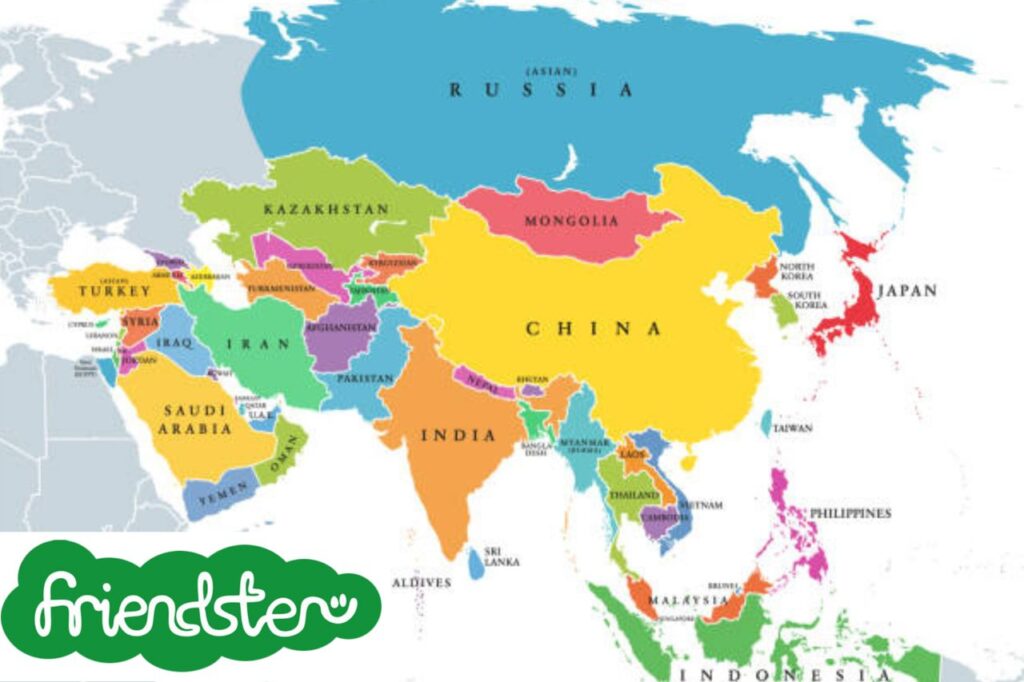
While Abrams was busy with new ventures in the West, his original creation, Friendster, actually found a surprising second life in Southeast Asia. The site became an absolute phenomenon in countries like the Philippines, Malaysia, and Indonesia, where users appreciated its focus on local communities. It was a strange twist of fate that the platform was a “failure” in its home country while remaining a dominant force across an entire continent. This era proved that the core idea Abrams had developed was globally resonant, even if the execution in North America had faltered.
Eventually, the company was sold to a Malaysian payment firm called MOL Global in 2009 for about $26 million. Under this new ownership, Friendster was rebranded as a social gaming site, moving away from its original mission to focus on the lucrative entertainment market. Although Abrams was no longer involved in these decisions, the fact that the brand survived for so long in Asia is a testament to the strength of the name he created. It highlighted the unpredictable nature of global markets and how a product can find its “home” in the most unexpected places.
Managing The Patent Portfolio

One of the most valuable assets Jonathan Abrams left behind at Friendster was a robust portfolio of social networking patents. Long after the users had left the site, the legal rights to concepts like “connecting users in a social network” remained incredibly valuable. In a surprising move in 2010, Facebook actually purchased this patent portfolio for a reported $40 million to bolster its own legal defenses. This meant that, in a way, the DNA of Friendster’s original inventions lived on inside the very company that had eventually overtaken it in popularity.
This sale provided a final financial windfall for the entity that Friendster had become, and it underscored how ahead of his time Abrams really was. It is rare for a founder to see their ideas validated so clearly by their biggest rival, even if that validation comes in the form of a legal transaction. For Abrams, the patent sale was a closing chapter on the intellectual property side of his first big dream. It served as a reminder that innovation has value that lasts far longer than the servers or the user interface of a specific website.
Embracing The Niche Market

In recent years, Jonathan Abrams has shifted his focus toward more curated and niche experiences with the launch of Nuzzel. Unlike the mass-market appeal of Friendster, Nuzzel was a news aggregation service that showed you what your friends and professional connections were reading. It was a sophisticated tool for the “information class” and became a favorite among journalists, investors, and tech enthusiasts who were overwhelmed by the noise of general social media. This venture showed Abrams’ ability to recognize a new problem, information overload, and solve it with the same social-first mindset.
Nuzzel was eventually acquired by Scroll in 2019, which itself was later bought by Twitter, completing a full circle of social media acquisitions. This success further cemented Abrams’ reputation as a founder who understands the evolving needs of the digital consumer. He moved away from the “bigger is better” mentality of the early 2000s and toward a more focused and high-value user experience. It was a clear sign of growth for a man who had once tried to build the one network to rule them all.
Legacy of a Pioneer

When people discuss the history of the internet, Jonathan Abrams is now firmly established as one of the “founding fathers” of the social era. He is often invited to speak at major conferences and appears in documentaries about the early days of Silicon Valley. While he doesn’t have the same household name status as Mark Zuckerberg, he is deeply respected by those who know how difficult it was to build these systems from scratch. He has navigated the transition from “the guy who lost to Facebook” to a successful, multi-exit entrepreneur with grace and perspective.
His legacy is a reminder that the first person through the wall always gets the most bruises. Abrams took the hits so that others could learn how to scale, how to manage boards, and how to turn down (or accept) massive offers from tech giants. Today, he lives a life that many in tech would envy, balanced between his own projects, his investments, and the occasional reflection on the blue-and-orange site that started it all. He has proven that there is a very vibrant and successful life to be had even after losing the “social network war.”
Lessons From The Graveyard
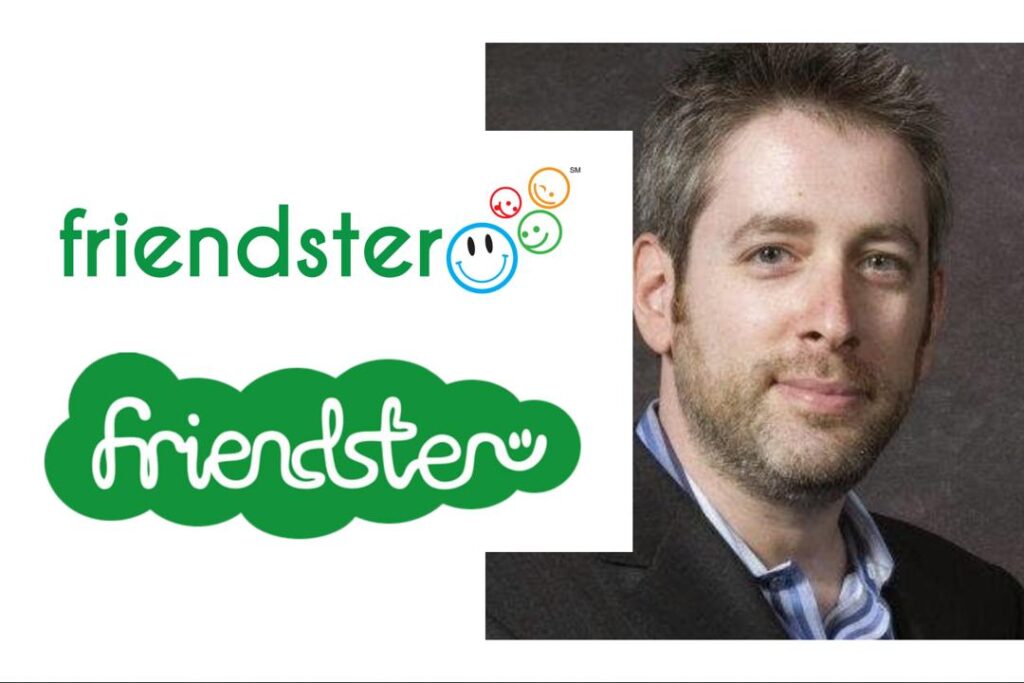
The story of Friendster ending up in the “startup cemetery” is now a standard case study in business schools around the globe. It teaches students about the dangers of technical debt and the importance of user experience over being first to market. For Jonathan Abrams, these lessons aren’t just academic; they are the lived experiences that have defined his professional identity for over two decades. He doesn’t shy away from the failure of Friendster but instead uses it as a badge of honor that signifies he was there at the very beginning.
Ultimately, the fall of Friendster was a catalyst for the entire modern web, as it forced every subsequent company to prioritize speed and reliability above all else. Without the “slow Friendster” era, we might not have the hyper-efficient platforms we use today. Abrams’ journey shows us that success isn’t a straight line and that the most important trait for a founder isn’t a perfect track record but the ability to keep building. He is a living example of the fact that in the world of technology, your next act can always be your best one.
Reliance on a single entity or platform for our entire social and professional lives is a risky gamble that often leaves innovators at the mercy of forces they cannot control.
Like this story? Add your thoughts in the comments, thank you.


