
1. Linda Gray’s Creative Shift
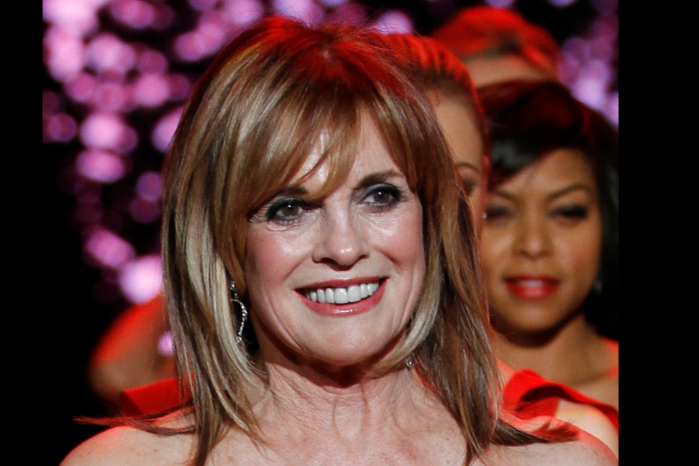
When Dallas, Dynasty, and Knots Landing wrapped their final episodes, they closed the curtain on an era of television defined by glamour, intrigue, and record-breaking ratings. For Linda Gray, the end of Dallas marked a turning point rather than a decline. While Sue Ellen Ewing brought her international fame, Gray chose to explore more varied creative paths. She found success on the theater stage, particularly in London, where her performances earned strong reviews and professional respect. Gray also worked as a producer and became an advocate for women’s voices in entertainment. Although she returned for Dallas reunions and the TNT revival, her focus shifted toward personal expression and meaningful roles. Her post-series years reflect a thoughtful transition from television fame to broader artistic fulfillment.
2. Larry Hagman After Dallas
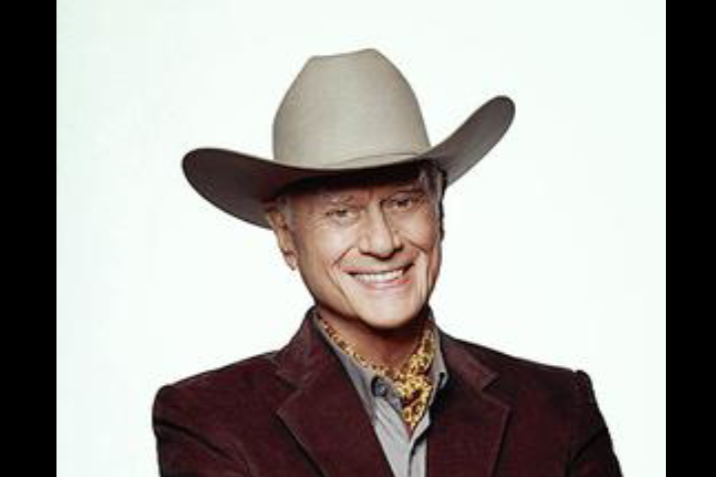
When Dallas concluded in 1991, Larry Hagman was already inseparable from J.R. Ewing, a character that redefined television villains. Rather than resisting the association, Hagman leaned into it. He appeared in TV films, commercials, and international appearances that celebrated J.R.’s legacy. A major health crisis in the mid-1990s, including a liver transplant, temporarily slowed his workload but did not end his career. His most notable late achievement came with TNT’s Dallas revival, where he reprised J.R. for a new generation until his death in 2012. Hagman’s post-series life showed how fully embracing an iconic role can extend cultural relevance long after a show ends.
3. Patrick Duffy’s Steady Career
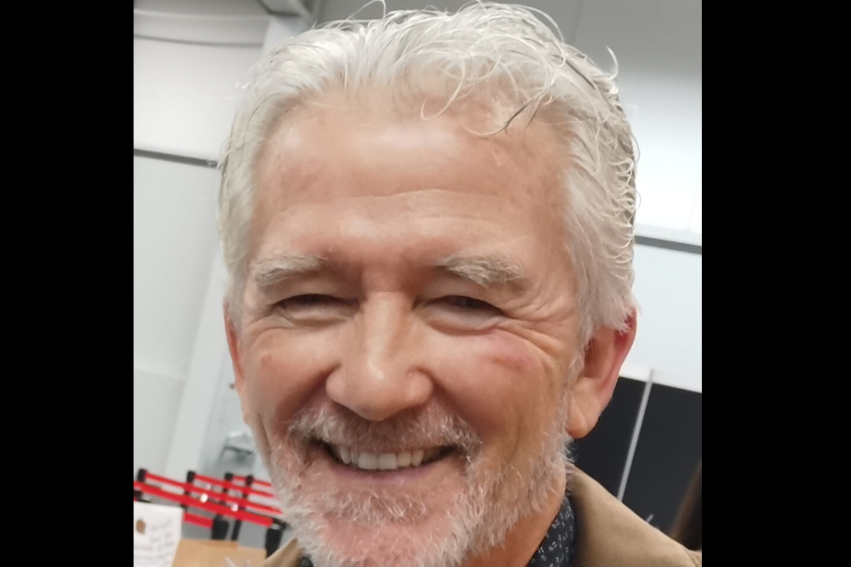
Unlike many prime-time stars, Patrick Duffy transitioned smoothly from soap-style drama into long-term television success. After Dallas, he found renewed popularity on the family sitcom Step by Step, proving his appeal extended beyond dramatic storytelling. Throughout the 1990s and 2000s, Duffy remained a consistent presence through TV movies, guest roles, and stage performances. He also explored directing and producing, broadening his professional footprint. In later years, Duffy became a familiar face at reunions and retrospectives, while still taking on selective acting work. His career is often cited as one of the most balanced examples of longevity after prime-time superstardom.
4. Joan Collins Post Dynasty
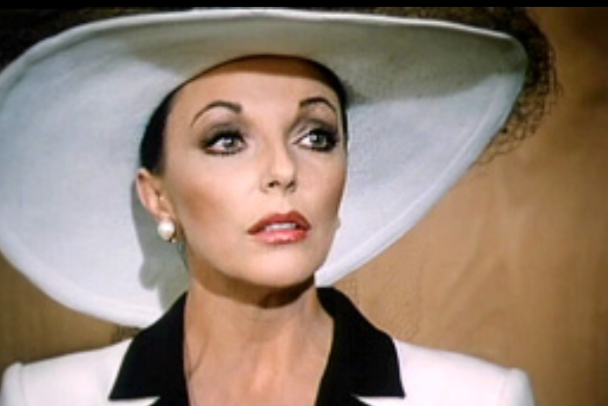
Joan Collins emerged from Dynasty not just famous, but globally iconic. After the show ended, she skillfully expanded her brand beyond acting. Collins became a bestselling author, published memoirs and novels, and remained a frequent guest on talk shows and red carpets. She continued acting in films, television comedies, and stage productions, often playing self-aware roles that referenced her glamorous image. Her ability to stay culturally relevant across decades made her one of the most successful post-soap personalities of her era. Rather than fading with the 1980s, Collins reinvented herself as a lasting media figure.
5. John Forsythe’s Quiet Exit
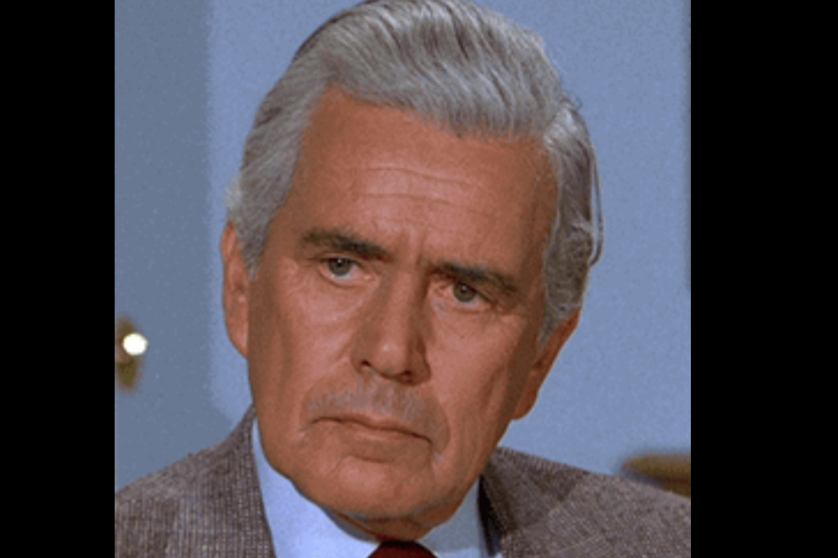
After Dynasty ended, John Forsythe largely stepped away from the spotlight. Having already enjoyed a long and financially secure career, he chose not to pursue additional high-profile roles. Forsythe limited his appearances to select voice work and occasional projects, preferring a private life centered on family and personal interests. His quiet withdrawal contrasted sharply with the extravagance of Blake Carrington, reinforcing how differently actors can view fame. Forsythe remained respected within the industry and fondly remembered by audiences, even as he avoided the public attention many of his peers embraced.
6. Linda Evans Stepped Back
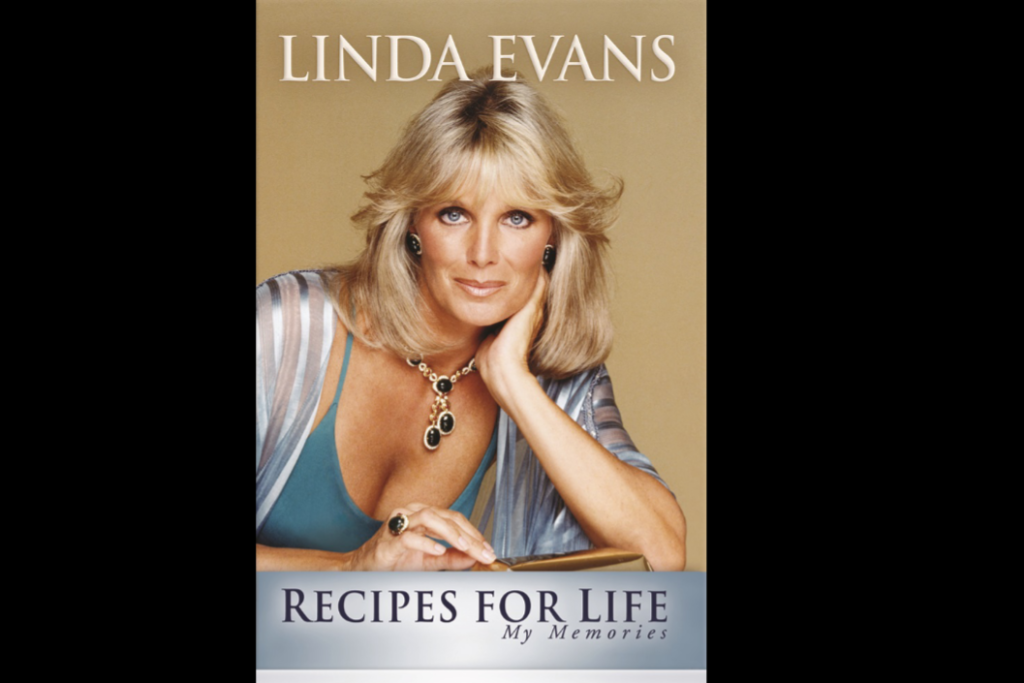
Linda Evans made one of the most deliberate exits from Hollywood following Dynasty. At the peak of her popularity, she stepped away to focus on health, spirituality, and personal growth. Evans later shared her experiences through wellness books and interviews, becoming a vocal advocate for holistic living. Although she occasionally returned for reunions or special appearances, she resisted full-time acting. Her post-series journey is often viewed as a powerful example of choosing long-term well-being over sustained fame in an industry known for relentless visibility.
7. Michele Lee After Knots
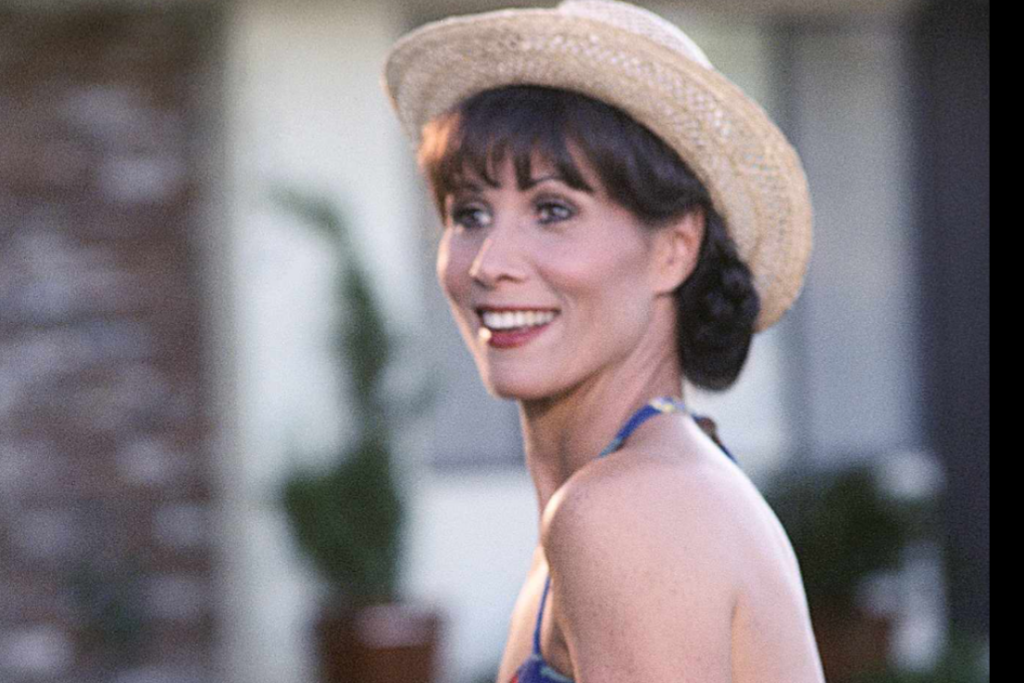
Michele Lee remained closely tied to Knots Landing while continuing to work steadily in television. After the series ended, she appeared in TV movies, soap operas, and guest roles, while also directing and producing. Lee became a frequent representative of the show at reunions, interviews, and retrospectives, helping preserve its legacy. Her continued involvement behind and in front of the camera demonstrated a commitment to storytelling rather than celebrity alone. Lee’s career reflects consistency, professionalism, and a lasting connection to classic television.
8. William Devane’s Reinvention
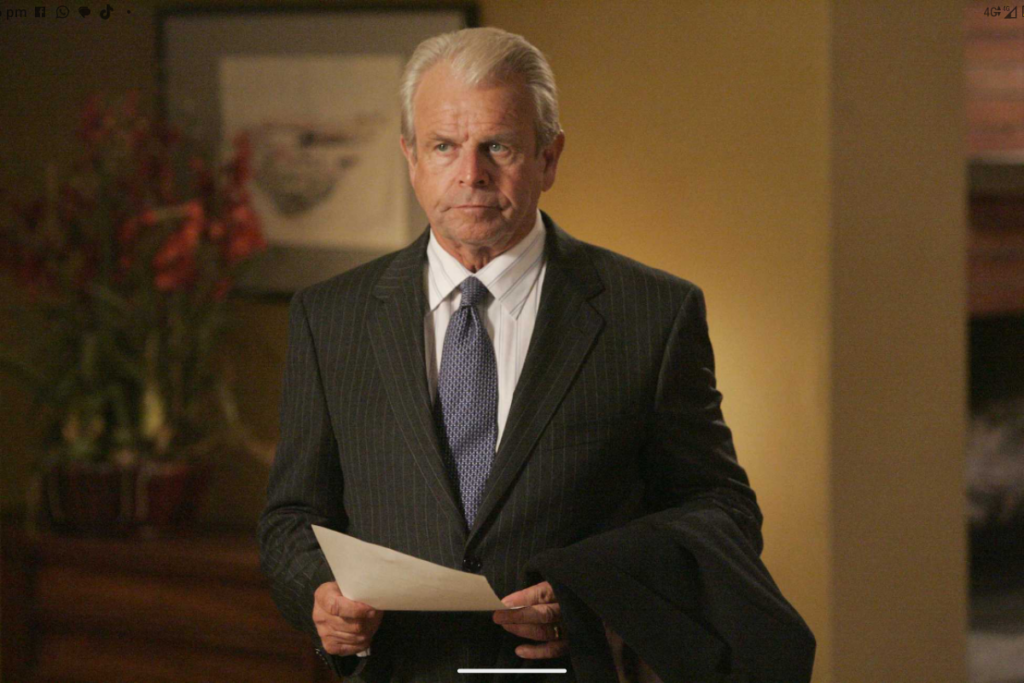
After Knots Landing, William Devane successfully transitioned into more mature, authoritative roles. He appeared in major films and later gained renewed visibility as a powerful political figure on the series 24. This shift allowed Devane to avoid being defined solely by his soap opera past. His commanding screen presence and adaptability kept him relevant across changing television trends. Devane’s post-series success is often cited as a strong example of reinvention through character acting.
9. Donna Mills’ Lasting Visibility
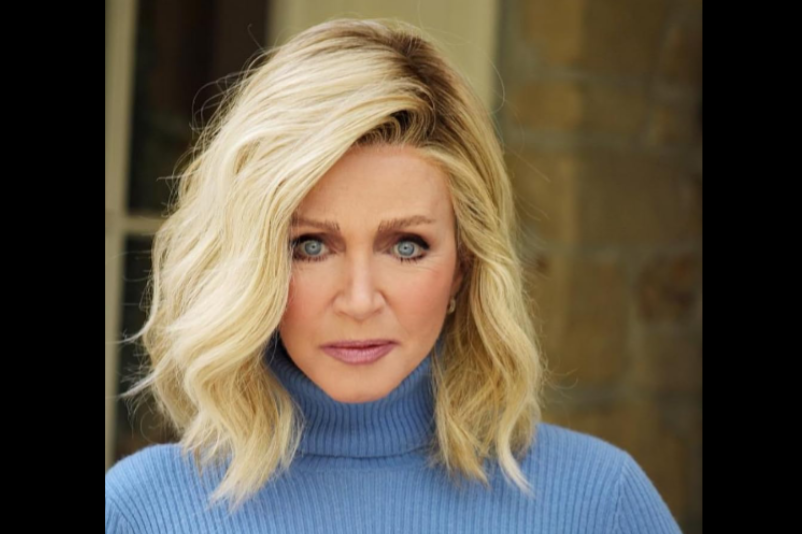
Donna Mills remained visible long after Knots Landing ended. She continued acting in films, television movies, and guest roles, while also becoming an advocate for adoption and women’s health issues. Decades later, Mills surprised audiences by appearing in modern television projects, gaining renewed attention from younger viewers. Her career demonstrates how strong screen charisma can transcend era-specific fame and remain relevant well into later life.
10. Ted Shackelford’s Consistency
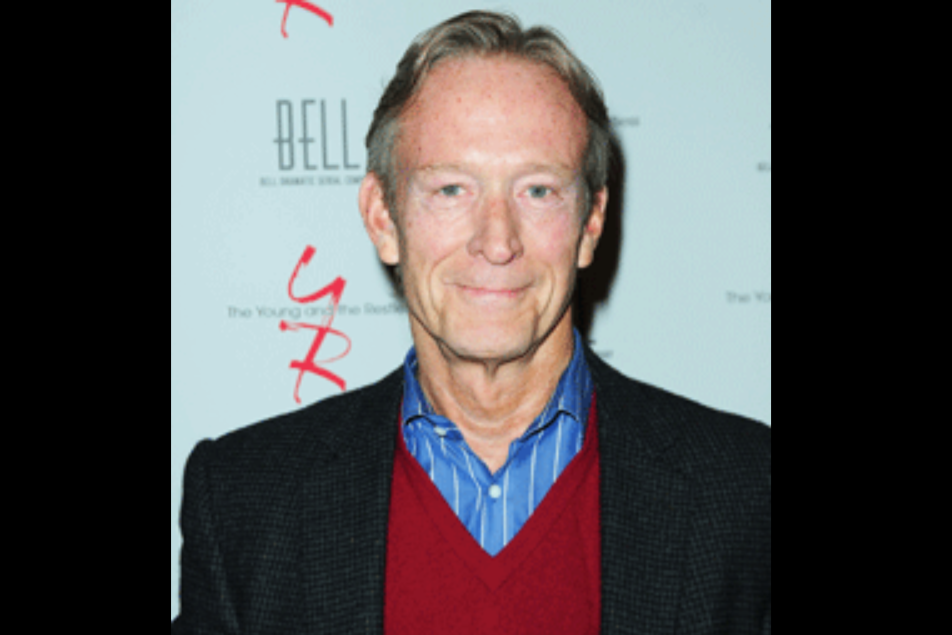
Ted Shackelford built a career defined by reliability rather than reinvention. After Knots Landing, he moved comfortably among soap operas, TV movies, and guest appearances. While he rarely pursued leading roles, his steady presence made him a familiar face to longtime television audiences. Shackelford’s post-series career highlights the value of consistency in an industry often focused on reinvention or reinvention-driven fame.
11. Charlene Tilton’s New Direction
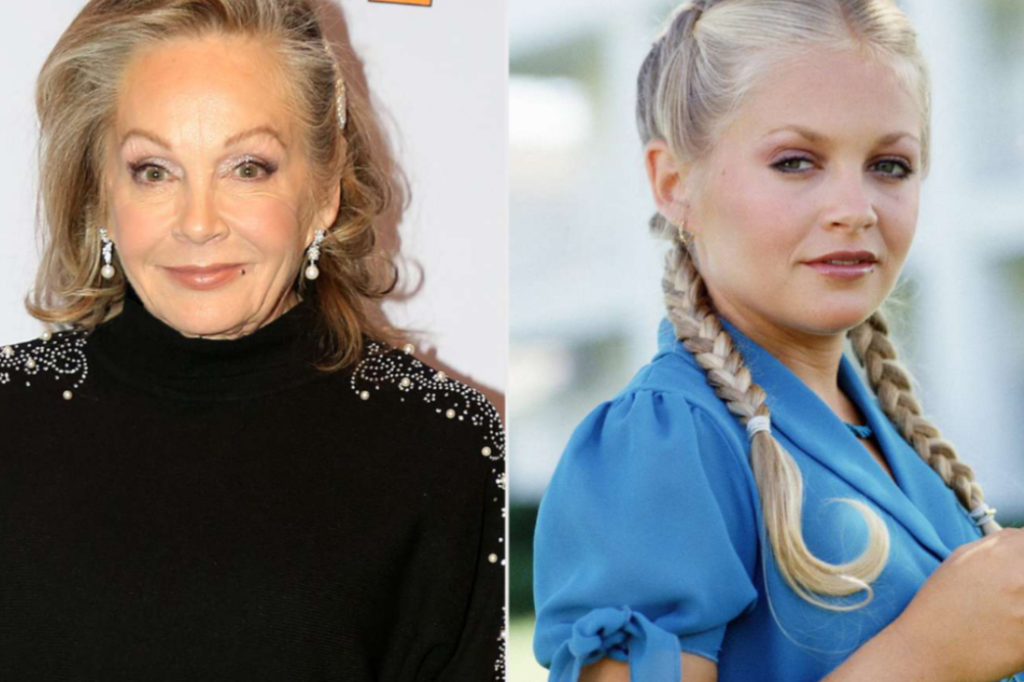
After Dallas ended, Charlene Tilton faced the complicated reality of growing up in the public eye. Best known as Lucy Ewing, Tilton struggled for years to separate herself from the role that defined her early fame. While she continued acting in TV movies, guest appearances, and reality shows, her career gradually shifted away from Hollywood ambitions. Tilton became increasingly focused on motivational speaking, openly discussing personal hardships, resilience, and life after sudden fame. She also participated in fan conventions and reunions, maintaining a connection with longtime viewers. Her post-Dallas life illustrates how early success can lead to a more reflective second chapter centered on personal growth rather than constant visibility.
12. Ken Kercheval’s Later Years
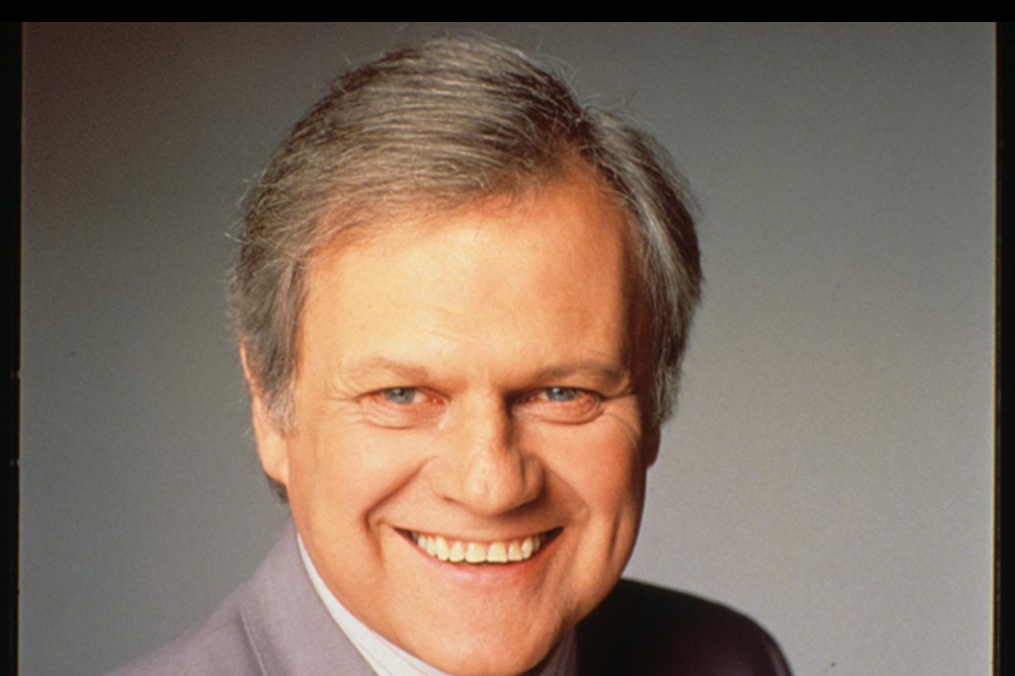
Ken Kercheval remained deeply committed to acting long after Dallas concluded, though he avoided the spotlight that once surrounded Cliff Barnes. Rather than pursuing high-profile television roles, Kercheval returned to theater, performing in stage productions across the country. He also made select appearances in TV series, independent films, and Dallas reunion events. Kercheval’s career after the show reflected a preference for craft over celebrity, prioritizing performance itself rather than fame. His steady work and continued engagement with live theater demonstrated how many television actors sustain fulfilling careers outside mainstream attention.
13. Victoria Principal’s Business Turn
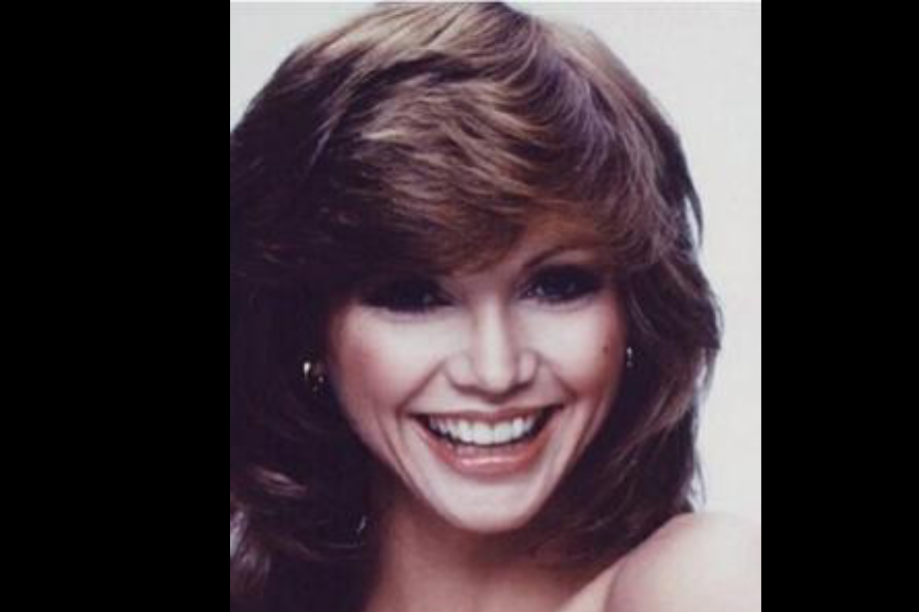
When Dallas ended, Victoria Principal made one of the boldest transitions among the cast. Choosing to leave acting behind, she focused on building a skincare and wellness company that became highly successful. Principal applied discipline and branding savvy developed during her TV years, transforming her public recognition into a profitable enterprise. Beyond business, she devoted time to philanthropy, environmental advocacy, and charitable causes. Though she remained a familiar figure through interviews and retrospectives, she resisted returning to regular acting. Her post-Dallas path stands as a rare example of translating television stardom into long-term entrepreneurial success.
14. Nicollette Sheridan’s Continued Fame
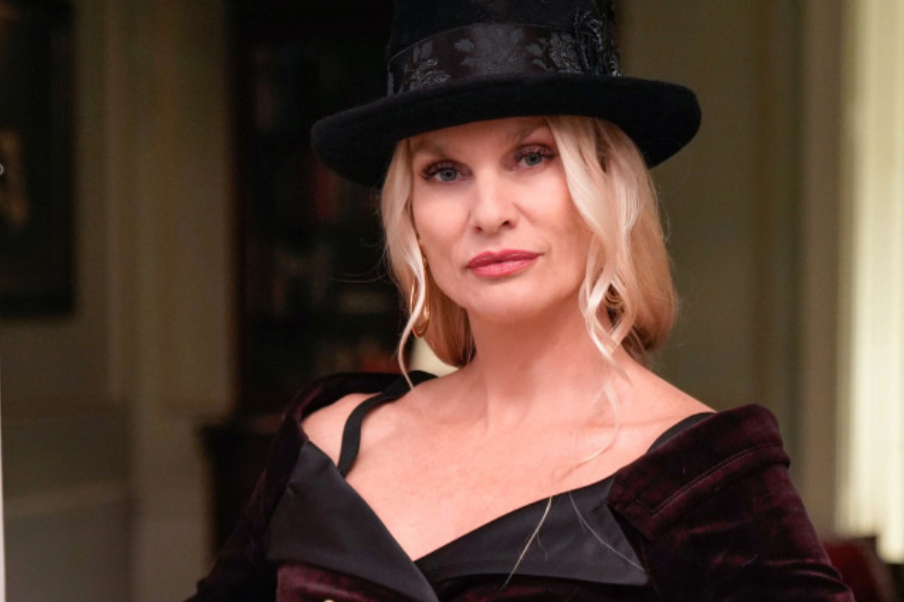
Nicollette Sheridan avoided being permanently tied to Dynasty by strategically reinventing her television image. Although Fallon Carrington introduced her to prime-time audiences, Sheridan later achieved renewed fame on Desperate Housewives, where her performance resonated with a new generation. She continued acting in TV movies and series, maintaining relevance decades after her original soap success. Sheridan’s career demonstrates how timing, adaptability, and carefully chosen roles can extend longevity well beyond an initial breakthrough.
15. Pamela Sue Martin’s Retreat
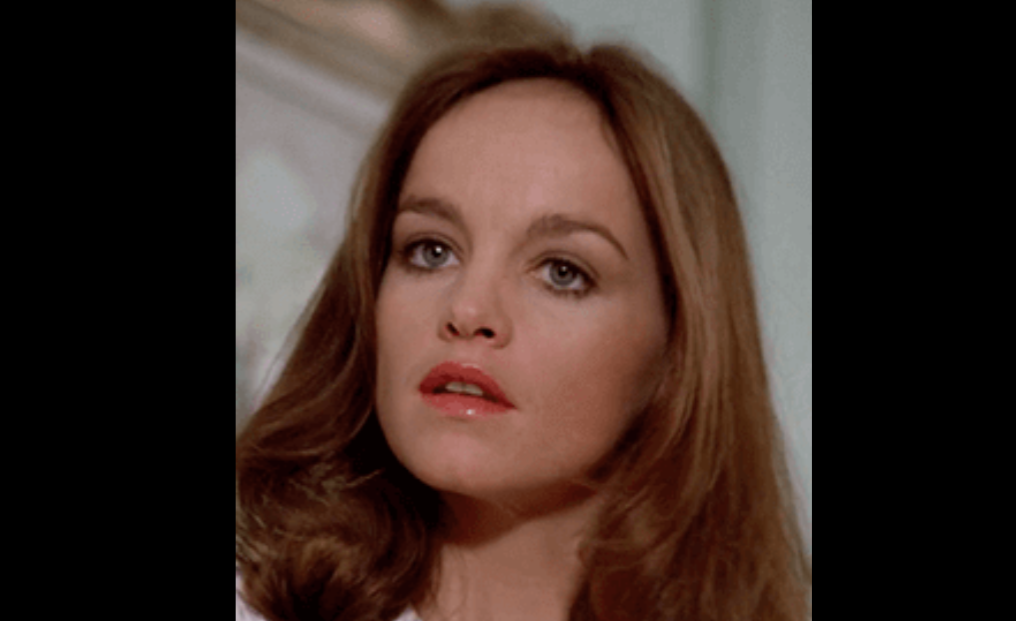
After Dynasty, Pamela Sue Martin gradually stepped away from mainstream acting. While she continued to work briefly in television and film, Martin eventually chose a quieter lifestyle centered on artistic expression, particularly painting. Her decision was voluntary, reflecting a desire for privacy and creative freedom after years of public exposure. Unlike many former soap stars, Martin showed little interest in reunion circuits or extended media appearances. Her retreat underscores how personal fulfillment can take priority over continued celebrity once professional goals are met.
16. Kevin Dobson’s Ongoing Roles
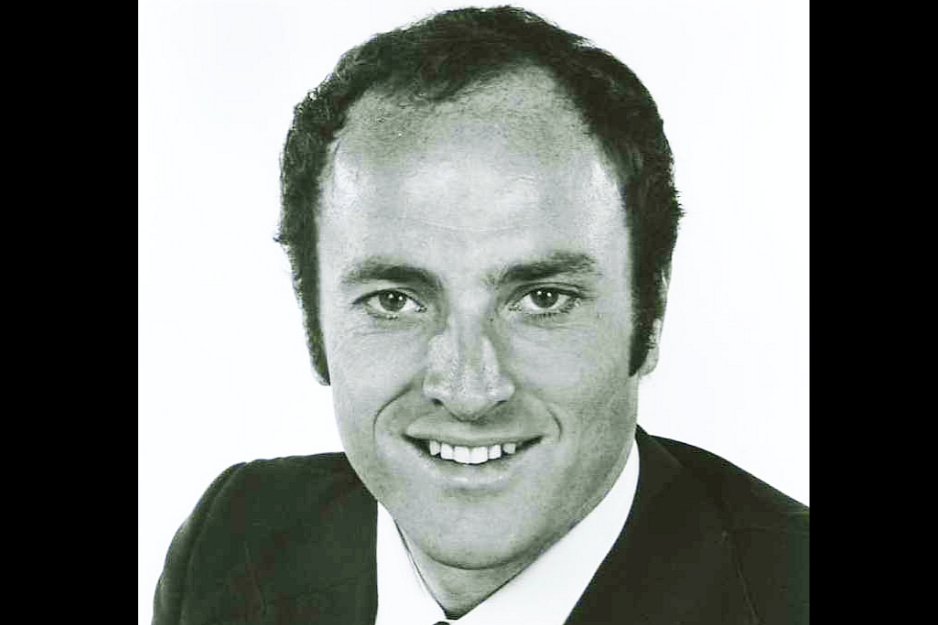
Kevin Dobson maintained a dependable presence on television after Knots Landing. He transitioned into soap operas and recurring drama roles, remaining active for decades. Dobson became known for portraying authoritative, grounded characters, making him a reliable casting choice even as television trends shifted. While he never regained the prominence of his Knots Landing years, his steady employment reflected professional longevity built on consistency rather than reinvention.
17. Michelle Phillips’ Dual Career
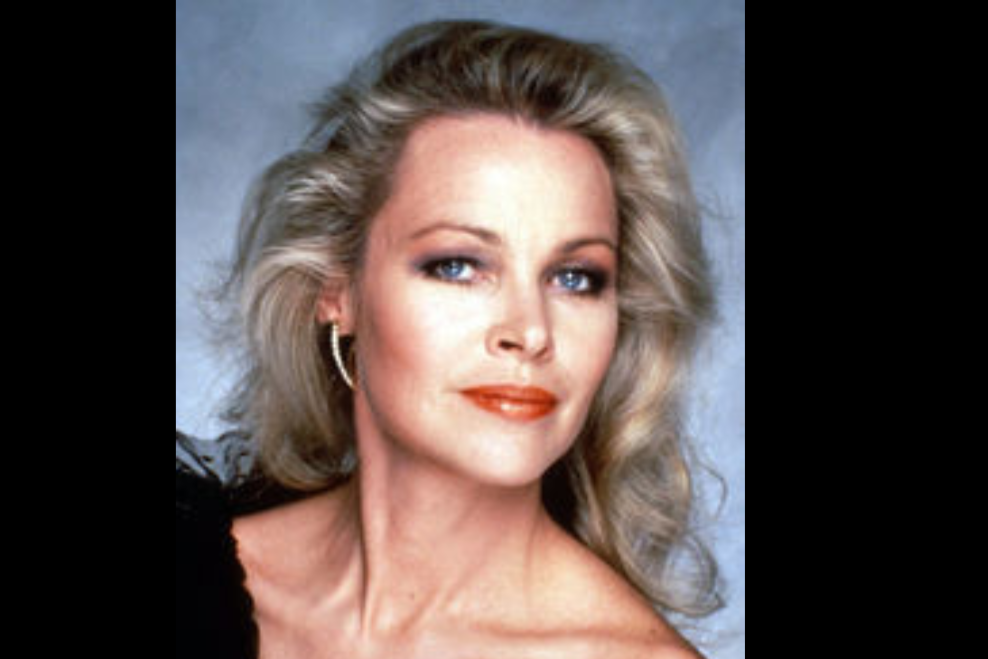
Michelle Phillips brought a unique dual-career identity to her post-Knots Landing life. Already famous as a member of The Mamas & the Papas, Phillips balanced acting roles with music retrospectives and interviews. She appeared in television series, films, and documentaries, benefiting from recognition across multiple entertainment fields. This crossover appeal allowed her to maintain relevance even when acting opportunities slowed. Phillips’ career highlights how success in more than one industry can provide lasting cultural visibility.
18. Donna Reed’s Lasting Legacy
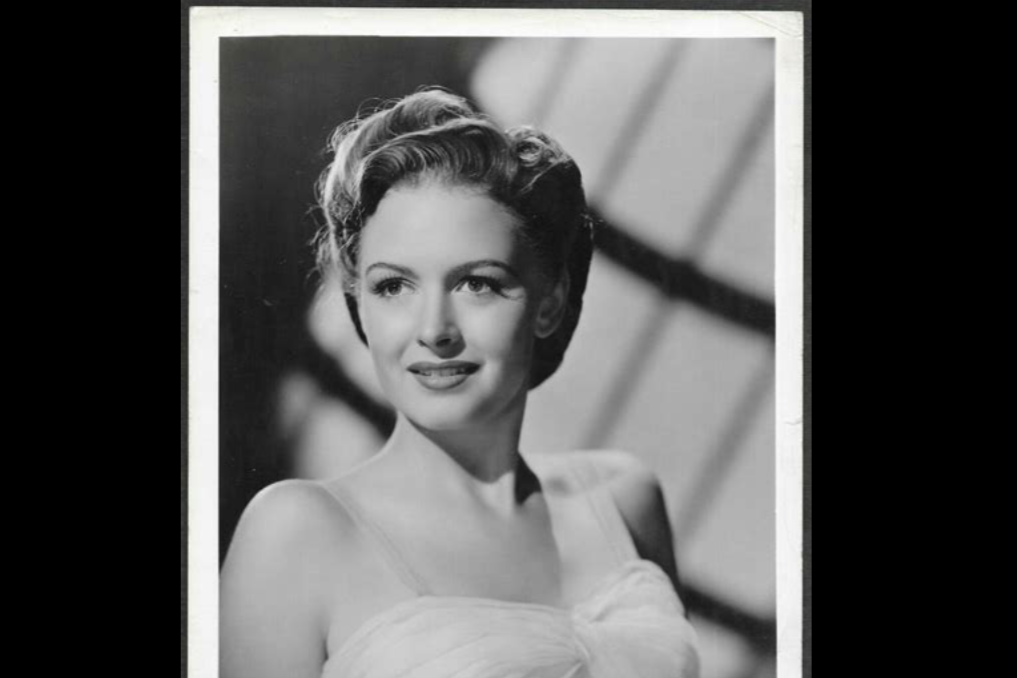
Donna Reed joined Dallas late in her legendary career, bringing instant credibility to the series. Although her time on the show was brief, it reintroduced her to younger audiences. Reed’s legacy, however, remained rooted in decades of film and television excellence. Her Dallas appearance served as a dignified closing chapter rather than a reinvention, reinforcing her status as one of classic television’s most respected figures.
19. Barbara Bel Geddes’ Final Chapter
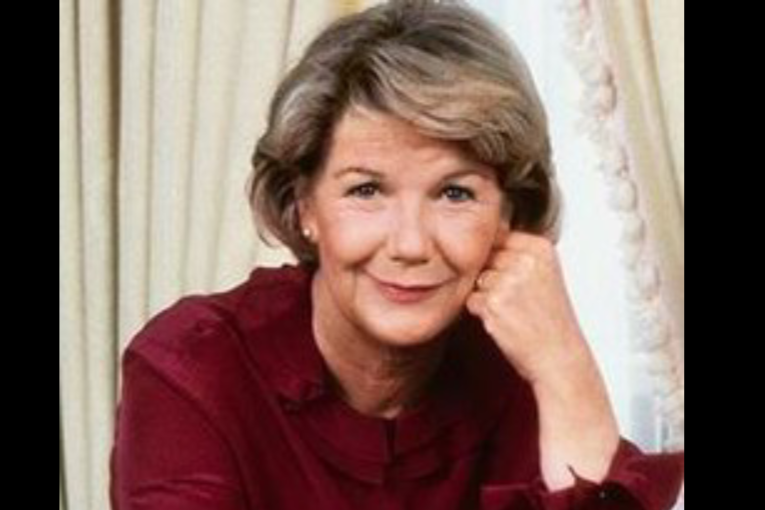
After leaving Dallas, Barbara Bel Geddes retired fully from acting. Already acclaimed for her work in film, theater, and television, she chose to spend her remaining years away from public life. Her portrayal of Miss Ellie remains one of the show’s emotional anchors, and her retirement reflected a career completed on her own terms. Bel Geddes’ graceful exit stands in contrast to the relentless pace often associated with Hollywood longevity.
20. Legacy Beyond Fame
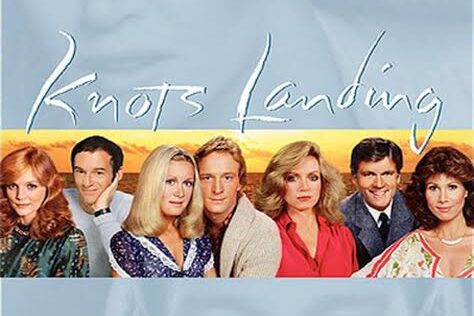
The casts of Dallas, Dynasty, and Knots Landing followed strikingly different paths after their shows ended. Some transformed fame into new careers, others quietly stepped away, and a few remained closely tied to television. Together, their journeys reveal that success after iconic roles is never one-size-fits-all. These actors helped define an era of prime-time drama, and their post-show lives illustrate how personal choice, timing, and opportunity shape life beyond the spotlight.
Like this story? Add your thoughts in the comments, thank you.


