
1. Shirley Jones Kept The Music And Motherly Roles Alive
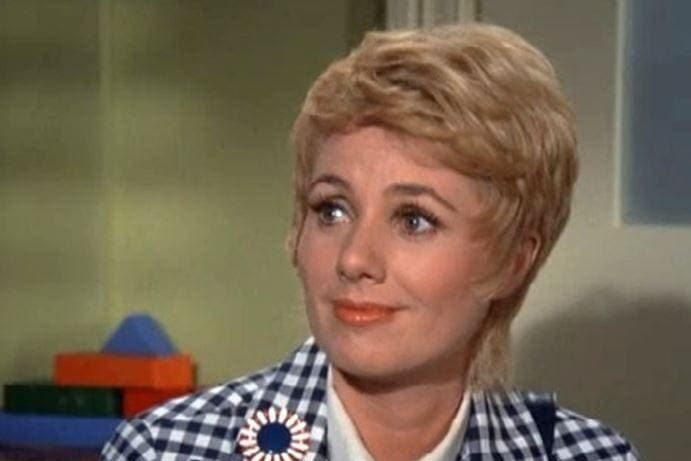
When The Partridge Family finally wrapped, many viewers quietly wondered where the cheerful TV mom would go next, because for a lot of families she already felt like part of the household. Shirley Jones, however, never had to search for direction since she had been an established film and stage performer long before television called. After the series, she returned comfortably to theater tours, television movies, and guest appearances, choosing steady work over flashy reinvention while continuing to sing in musical productions that reminded audiences where her career truly began and why her voice always carried warmth.
As the years moved forward, Jones leaned into mentoring younger actors, attending fan gatherings, and writing about her experiences with calm honesty rather than nostalgia chasing. She often spoke about how grateful she was that the show spread joy into ordinary homes, something she valued more than ratings. Her later life felt balanced between professional appearances, family relationships, and selective projects that suited her energy. Instead of trying to outrun the Partridge image, she simply folded it into her long career, which made her journey feel grounded, graceful, and reassuringly steady to longtime fans.
2. David Cassidy Tried To Prove He Was More Than Keith
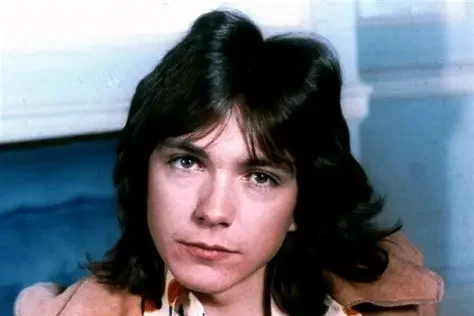
Right after the show ended, David Cassidy stepped into a world that already saw him as one of the biggest teen idols on the planet, yet privately he wanted distance from that polished television image. He pushed himself into serious touring schedules, recording sessions, and stage productions, determined to be respected as a working musician rather than just a poster on a bedroom wall. Concert crowds still screamed for the familiar hits, but Cassidy kept experimenting with songwriting and live performance styles, hoping audiences would grow with him and hear the artist behind the character they first met on television.
Life outside the show turned complicated at times, with financial strain, public scrutiny, and the emotional weight that often follows early fame, yet he never fully stepped away from performing. Instead, he kept returning to stages in different forms, including residency shows and intimate concerts where older fans listened with softer nostalgia. Over time his story became less about teen hysteria and more about persistence, second chances, and the complicated effort of building a lifelong music career while carrying a role that never truly stopped introducing him.
3. Susan Dey Quietly Rebuilt Herself As A Serious Actress
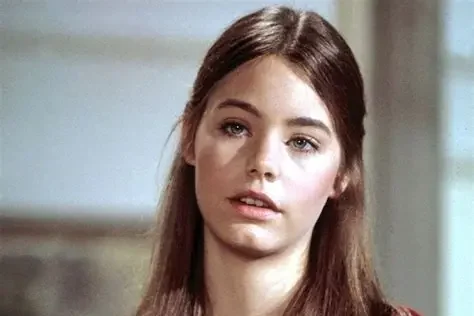
For Susan Dey, the end of the series felt less like a celebration and more like the beginning of a slow personal reset, since she had spent her teenage years learning acting while the whole country watched. Rather than rushing into another bright television part, she took smaller roles and acting lessons, carefully working to separate herself from the gentle Laurie image. Those quieter years eventually led to a powerful opportunity on the drama LA Law, where her confident performance surprised critics who suddenly saw a mature, disciplined actress instead of a former sitcom daughter still growing into herself.
That success brought awards, recognition, and a completely new professional identity, yet Dey never chased nonstop publicity afterward. She gradually chose a more private life, focusing on family, selective advocacy work, and only occasional appearances connected to causes she cared about. Looking back, her journey reads like someone patiently rebuilding confidence piece by piece rather than grabbing quick fame. Many fans find her path relatable because it mirrors real adulthood, where the biggest breakthroughs often arrive later than expected and only after long periods of quiet preparation.
4. Danny Bonaduce Turned A Wild Start Into Broadcasting Success
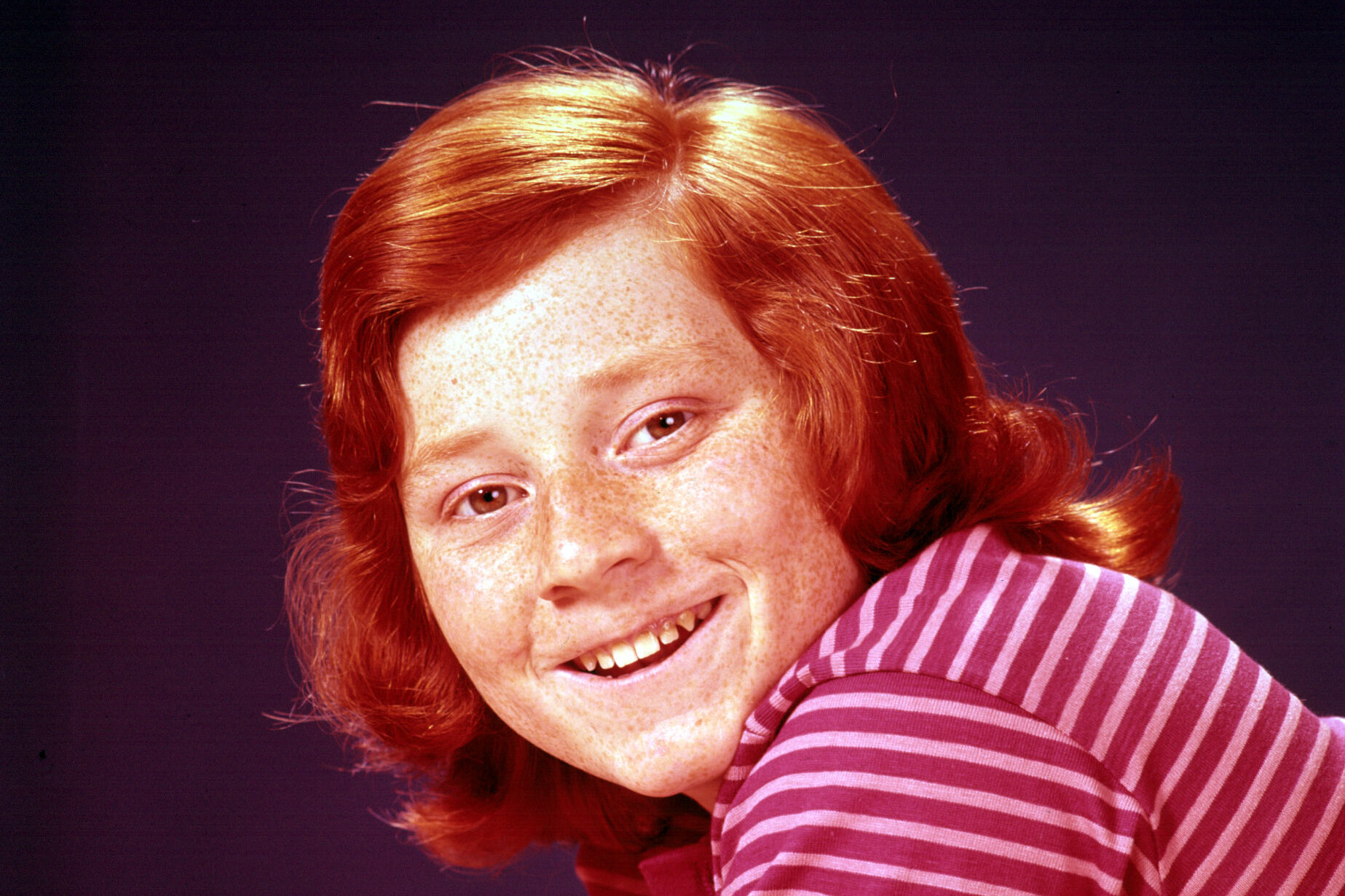
Danny Bonaduce left the show still carrying the fast talking humor that made Danny Partridge memorable, but adulthood arrived with far more chaos than sitcom scripts ever showed. His early post show years included addiction struggles, financial crashes, legal trouble, and the difficult adjustment many child performers face when the structured world of television suddenly disappears. For a while his life unfolded publicly in ways that felt messy and unpredictable, yet even during those unstable periods, his natural storytelling energy and sharp wit kept opening small media opportunities that slowly pointed him toward a more stable long term direction.
Eventually Bonaduce found his footing in radio, where his candid personality, self aware humor, and willingness to discuss his past openly connected strongly with listeners. Hosting morning shows in several cities gave him a consistent professional identity that did not rely on childhood nostalgia alone. Over time he became known less as a former sitcom kid and more as a seasoned broadcaster who had lived enough life to speak honestly on air. His story feels rough in places, but also deeply human and quietly hopeful.
5. Dave Madden Stayed Busy As Television’s Reliable Funny Man
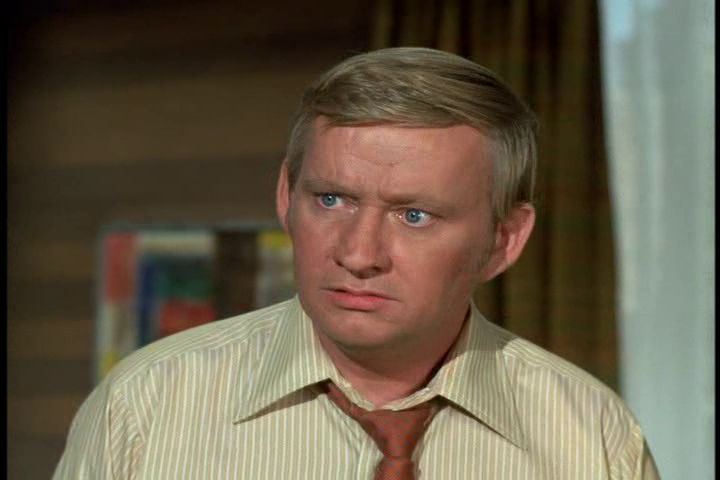
After playing the permanently stressed manager Reuben Kincaid, Dave Madden did something many dependable character actors aim for but rarely get credit for, he simply kept working. Television producers knew he could deliver reliable comic timing, so he appeared steadily in guest roles, commercials, stage shows, and voice performances across many years. Viewers often recognized him instantly even when they could not place the exact show, because his expressive reactions and slightly flustered delivery carried the same charm that made the Partridge manager feel so believable and oddly lovable in the first place.
Outside the camera lights, Madden also became active supporting actors through union involvement and mentoring conversations, helping younger performers understand contracts and professional expectations. He seemed to treat the industry less like a spotlight chase and more like a long professional craft that required patience and cooperation. That steady approach meant his post Partridge life never relied on one big comeback moment. Instead, it unfolded as a long string of working actor credits, which quietly represents one of the most stable success stories in the entire cast.
6. Suzanne Crough Stepped Away And Built A Normal Life
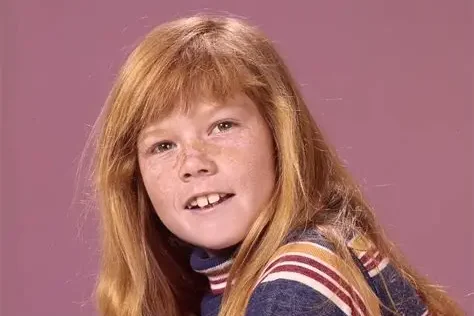
As the youngest drummer Tracy, Suzanne Crough had grown up surrounded by cameras, studio teachers, and scripted family dinners, so when the show ended, stepping into an ordinary routine felt like a completely different world. After a few smaller acting attempts, she chose to leave entertainment fully, finishing school, building friendships outside Hollywood, marrying, and raising her daughters in a quieter environment where her childhood fame rarely defined daily life. That decision surprised some fans, yet it reflected a very practical desire to experience adulthood without constant public expectations following her everywhere.
In later years, when she occasionally spoke about the series, she remembered the production warmly and described the cast as supportive during those formative years. Her adult career included regular business work and community involvement rather than television appearances, which made her story feel refreshingly grounded. Instead of chasing the spotlight she once had, she focused on stability, family, and everyday responsibilities. For many longtime viewers, her path stands as a comforting reminder that leaving show business can sometimes lead to the calmest and most fulfilling version of success.
7. Jeremy Gelbwaks Built A Career Far From Television
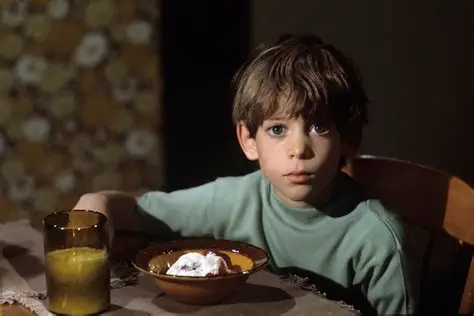
Jeremy Gelbwaks was the original Chris Partridge during the first season, and when he left the show early, many viewers barely realized how completely he would step away from acting afterward. Instead of trying to stay in Hollywood, he focused on school, long term career planning, and eventually moved into business operations, technology related work, and management consulting. His professional life developed in offices and planning rooms rather than studio lots, which meant his connection to the show slowly became more of an interesting childhood memory than an ongoing public identity.
Years later, when he occasionally appeared at reunions or fan gatherings, Gelbwaks spoke calmly about the experience and never sounded bitter or overly nostalgic. He seemed comfortable treating the series as one unusual early job that helped shape his discipline but did not control his future. That grounded outlook made his story feel especially relatable to fans who also changed paths as adults. His life after television shows that sometimes the healthiest outcome from early fame is simply building a stable career that allows privacy, consistency, and the freedom to be known for who you became later.
8. Brian Forster Stayed Connected Through Fan Memories
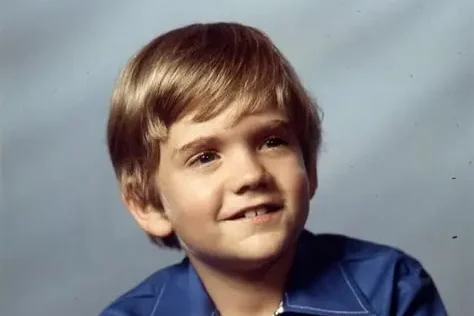
Brian Forster stepped into the role of Chris after the first season, joining the cast while still very young and learning television life on the move. After the show ended, he continued acting for a period in theater productions and occasional screen roles, but the pace eventually slowed as he explored other interests and work opportunities beyond mainstream Hollywood casting. Like many performers from that era, he discovered that the industry could shift quickly, and steady roles were never guaranteed, so his career gradually widened into different directions outside constant television visibility.
What makes Forster’s later story interesting is how warmly he reconnected with audiences decades later through conventions, interviews, and nostalgia programming. Fans often appreciated how openly he shared behind the scenes memories and how sincerely he seemed to value the experience. Rather than presenting the show as lost fame, he treated it as a shared cultural moment that still belonged to the viewers who loved it. That relaxed acceptance allowed his Partridge years to feel less like something finished and more like a friendly chapter that continues whenever people revisit the series.
9. Ricky Segall Found His Path Away From The Spotlight
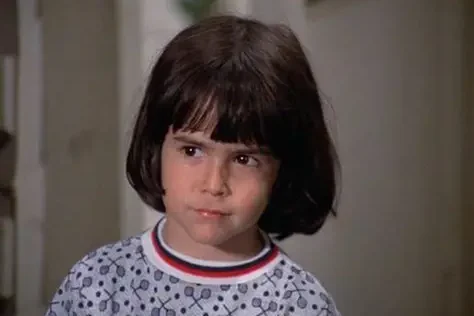
Ricky Segall joined the series later as neighbor Ricky Stevens, bringing a gentle musical presence that many viewers still remember from the show’s final stretch. After the series ended, he did not chase a long acting career the way fans might have expected. Instead, Segall focused on education, personal development, and eventually professional work in technology and business related environments. His life shifted steadily toward private achievement rather than public performance, which meant he rarely appeared in entertainment headlines during the decades that followed the show’s run.
In occasional later interviews and reunion moments, Segall spoke warmly about the experience and seemed genuinely grateful rather than nostalgic or regretful. He described the production as a meaningful early opportunity but never framed it as the defining feature of his adult identity. That calm acceptance helped his story feel grounded and relatable. Rather than struggling to stay visible, he quietly built a stable life outside television, which for many former child performers can represent one of the most balanced and emotionally healthy outcomes possible.
10. Johnny Whitaker Continued Acting Then Chose A New Direction
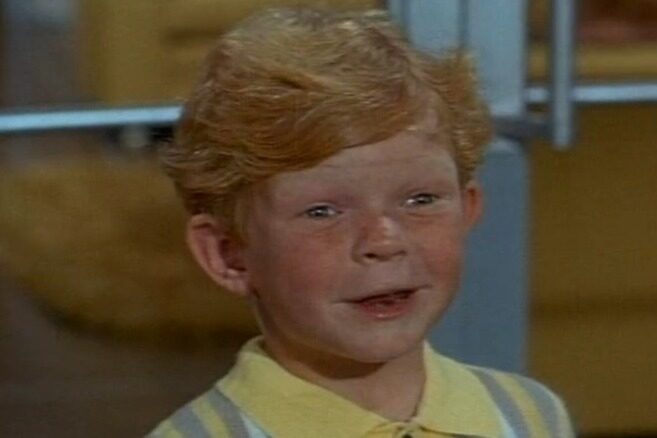
Johnny Whitaker, who appeared in crossover television projects connected to the same seventies family entertainment circle and occasionally shared public events with Partridge cast members, remained active in television and film for several years after his early success. As he moved into adulthood, though, the industry shifted and his focus slowly moved toward personal growth, recovery work, and helping others through mentorship programs aimed at supporting young people facing difficult life transitions. His experience growing up in television gave him a perspective that later shaped how he approached service and advocacy roles.
Over time, Whitaker became known less for specific screen roles and more for his outreach work, speaking engagements, and involvement in programs designed to guide young adults through recovery and life planning. When he appeared at nostalgia events connected to the seventies television era, audiences often responded warmly to his openness about the lessons learned from early fame. His later journey showed how childhood television careers sometimes evolve into lives centered on guidance, stability, and helping others navigate challenges he once faced himself.
11. Richard Pryor’s Guest Appearance Became A Surprising Footnote
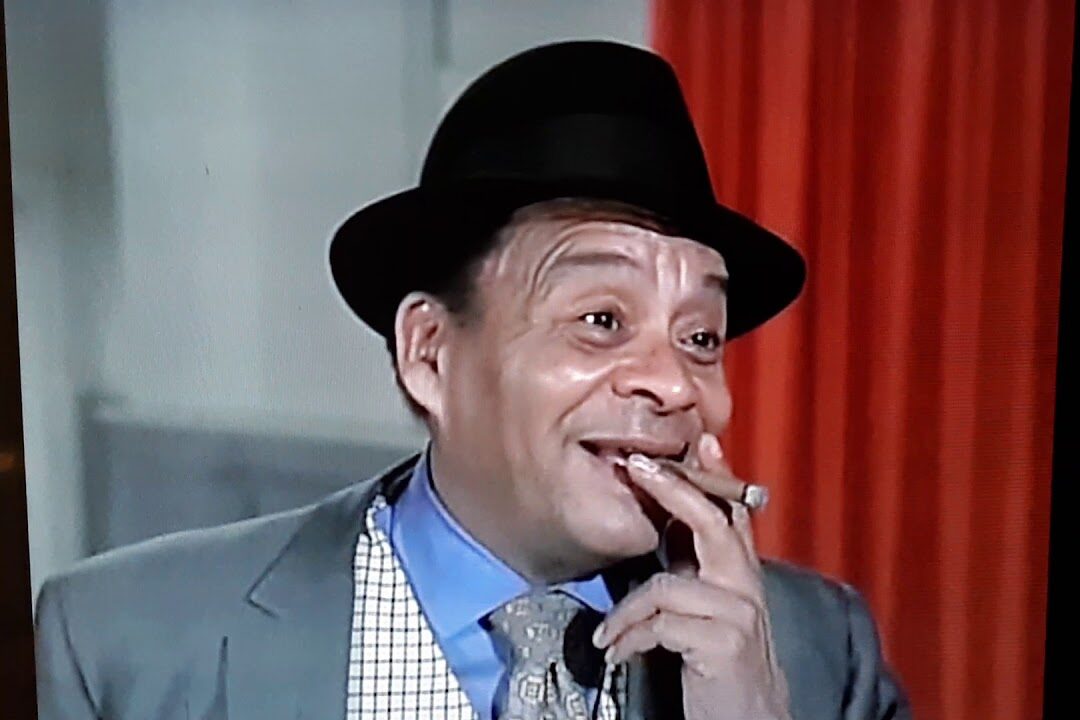
Longtime fans sometimes forget that the series featured a number of guest performers who later became major entertainment figures, including a memorable appearance by Richard Pryor early in his television rise. At the time, Pryor was still building his national presence, and his appearance on a mainstream family show reflected how variety television in that era often mixed established names with rising talent. After his guest role, Pryor’s career expanded dramatically into stand up, film writing, and starring movie performances that eventually made him one of the most influential comedians of his generation.
Looking back, his connection to the show feels like a small but interesting historical moment rather than a defining career step. For viewers revisiting the series today, spotting future legends in early appearances adds an unexpected layer of fun to the experience. Pryor’s later success highlights how television productions of that period often served as crossroads where very different career paths briefly intersected before moving outward into entirely separate entertainment histories.
12. The Cast Stayed Linked
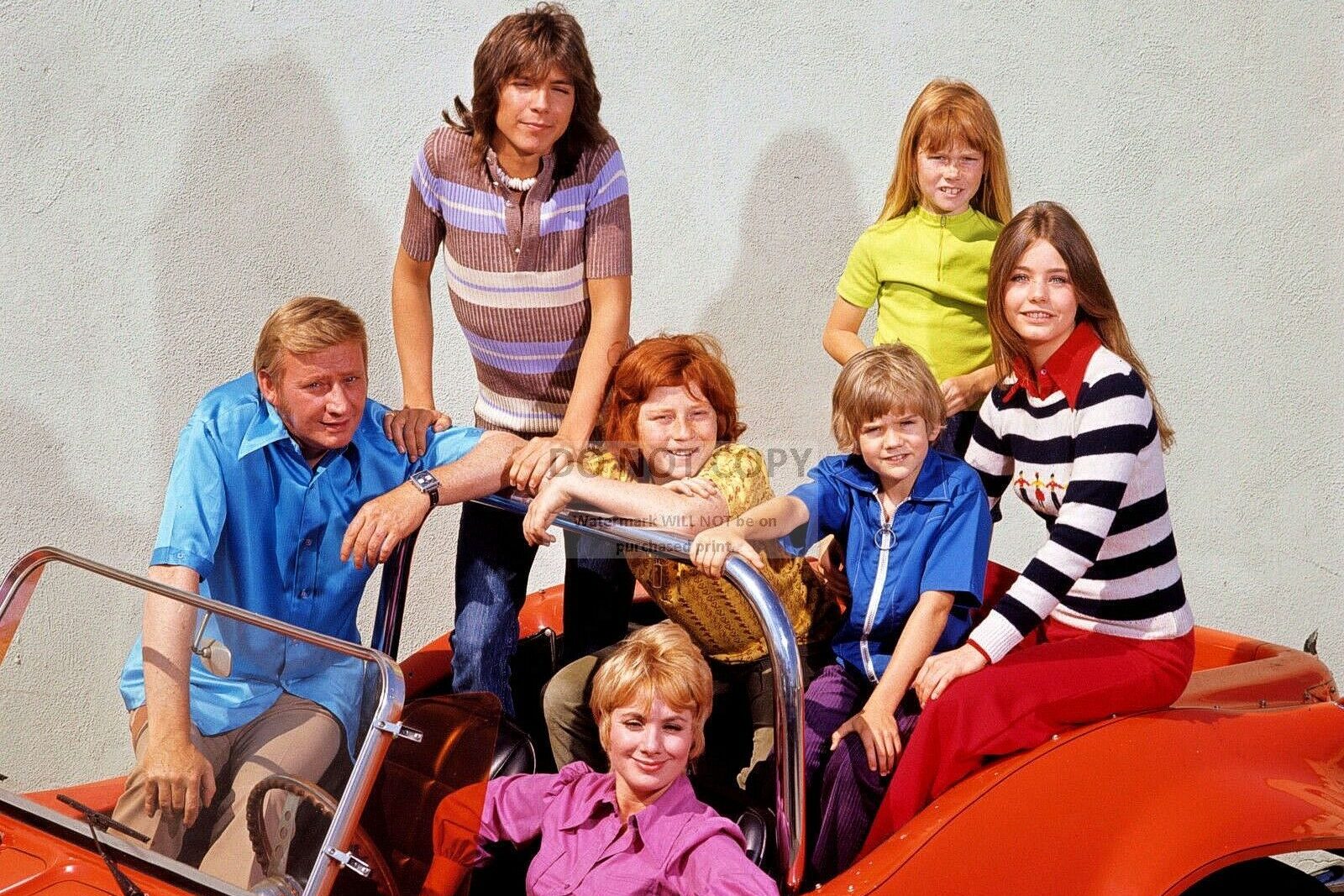
Even decades after filming ended, the core actors of The Partridge Family continued to be linked through reunion interviews, anniversary specials, and fan events that regularly brought several members back into the same room. These gatherings often revealed how strongly the shared experience of long studio hours, touring promotions, and sudden national popularity bonded them during formative years. While their adult lives followed very different paths, those early seasons created a connection that never fully disappeared, especially when audiences kept rediscovering the series through reruns and streaming platforms.
In later conversations, many cast members spoke about the production less as a career stepping stone and more as a unique life chapter they experienced together at exactly the right moment. That perspective helps explain why the show’s legacy feels warm rather than dramatic. The Partridge story did not end with one final curtain call. Instead, it settled into memory, where each performer carried forward a piece of that musical television family while continuing to build an ordinary life beyond the bus.


