
1. Parallel Footprints Reveal Herd Travel
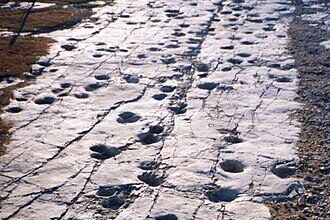
It is always amazing how something as simple as a track in the ground can tell such a big story about life from millions of years ago. When we look at dinosaur footprints moving in the same direction at roughly the same pace, it hints that they once walked together. These parallel paths suggest that dinosaurs may have formed groups, traveling side by side like animals today that move in packs or herds. Instead of imagining a lonely creature wandering through the world, we begin to picture a group sharing movement, purpose and space in a connected journey.
2. Mixed Footprints Suggest Group Interaction
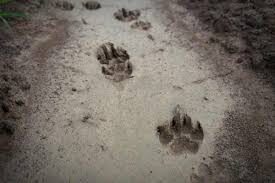
Sometimes different types of footprints show up in the same area moving the same way. When tracks belonging to more than one dinosaur species appear together without a scattered pattern, it gives the impression that they might have walked as a group rather than separately. This suggests they interacted or traveled through the same environment at the same time. It offers a picture of cooperation or coexistence instead of isolation. The idea that dinosaurs from different backgrounds could share a path shows that survival may have encouraged collaboration among species when necessary.
3. Predator and Prey Tracks Occurring Together
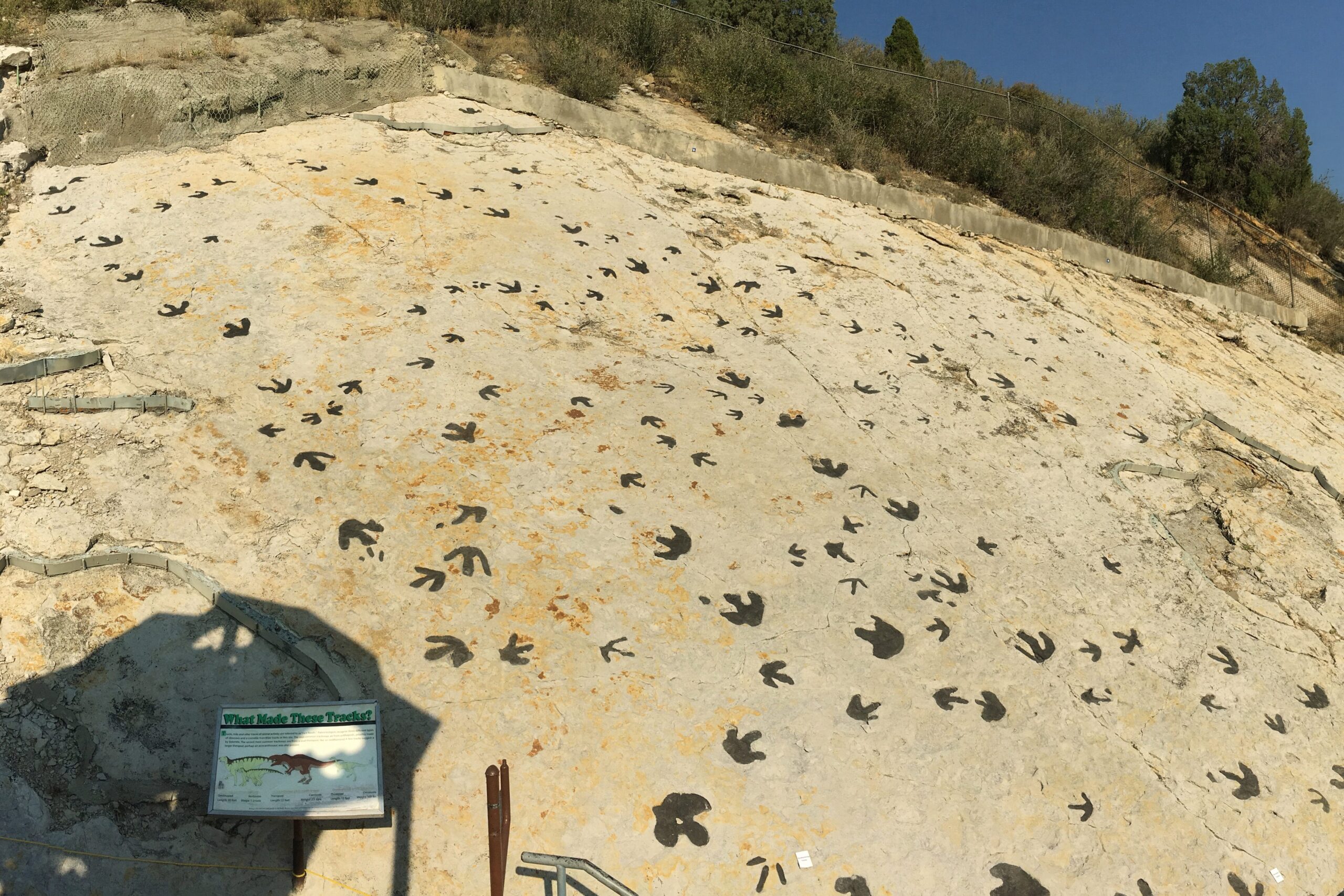
There are times footprints from meat eaters show up close to tracks from plant eaters. Although it does not mean a chase occurred right there, it hints that predators and prey moved across shared territory. This suggests herbivores may have chosen to stick together for safety, forming groups as a defense strategy. The prints help us imagine predators watching the herd or passing through areas where plant eaters traveled together. These steps frozen in time show how tension and survival could have shaped behavior, reminding us that group movement may have offered protection against powerful hunters.
4. Tracks Leading Toward Water Sources
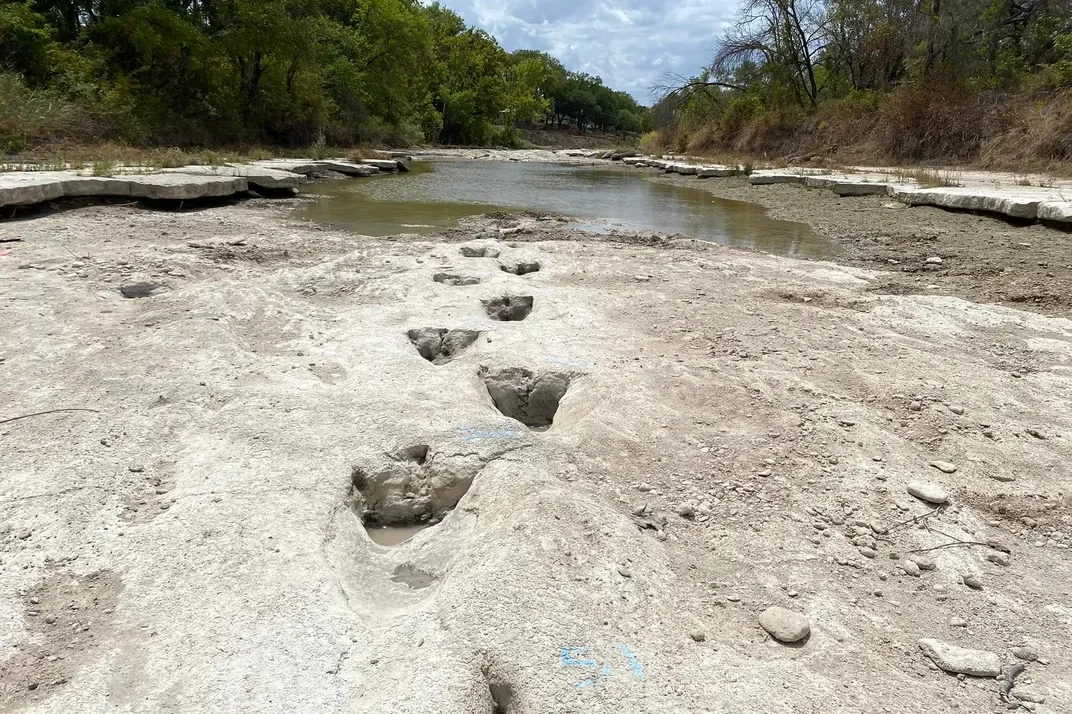
Footprints are often found near ancient water areas where dinosaurs gathered to drink or cool off. When many different tracks lead toward the same place, it hints at a group heading for shared resources like water or vegetation. This grouping creates a picture of herds traveling together to meet their needs. The footprints quietly show how important certain locations were for survival. Instead of moving randomly, dinosaurs may have journeyed together for food, water and safety. These tracks reveal how the environment influenced movement patterns and how herds may have been drawn to the same destinations again and again.
5. Footprint Sizes Indicate Age Variety in Herds
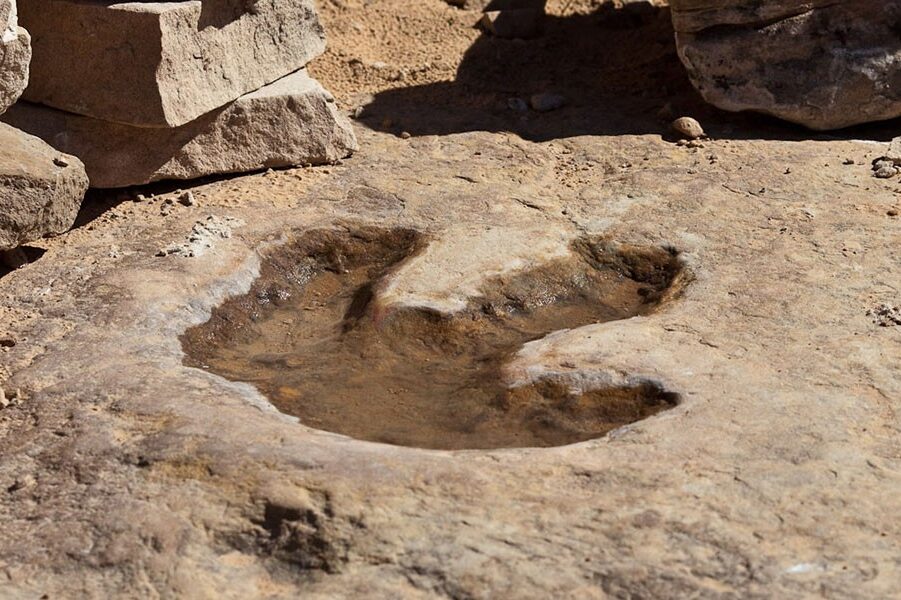
Sometimes tracks of different sizes appear beside each other, with smaller prints matching the direction and movement of larger ones. This pattern suggests that young dinosaurs may have walked with adults, forming family groups or age-mixed herds. These moments frozen in stone make it easier to imagine parents guiding younger members or protecting them along the path. Footprints tell us more than bones ever could, because they show who moved together rather than who simply existed. The presence of various sizes in the same trackway helps reveal a deeper social structure among dinosaurs and hints at care and shared movement.
6. Similar Strides Show Synchronized Movement

When multiple footprints share similar spacing and stride, it creates a rhythm that feels planned or coordinated. This kind of movement indicates that dinosaurs may have walked together at a similar speed, keeping up with one another instead of roaming separately. The tracks reveal a sense of order, as if each creature matched the pace of those around it. This silent coordination hints at communication or instinctive group behavior, similar to herds we see today. These small details help us picture dinosaurs traveling with purpose, step after step, their movements shaped by unity rather than individual wandering.
7. Group Paths Suggest Safety in Numbers
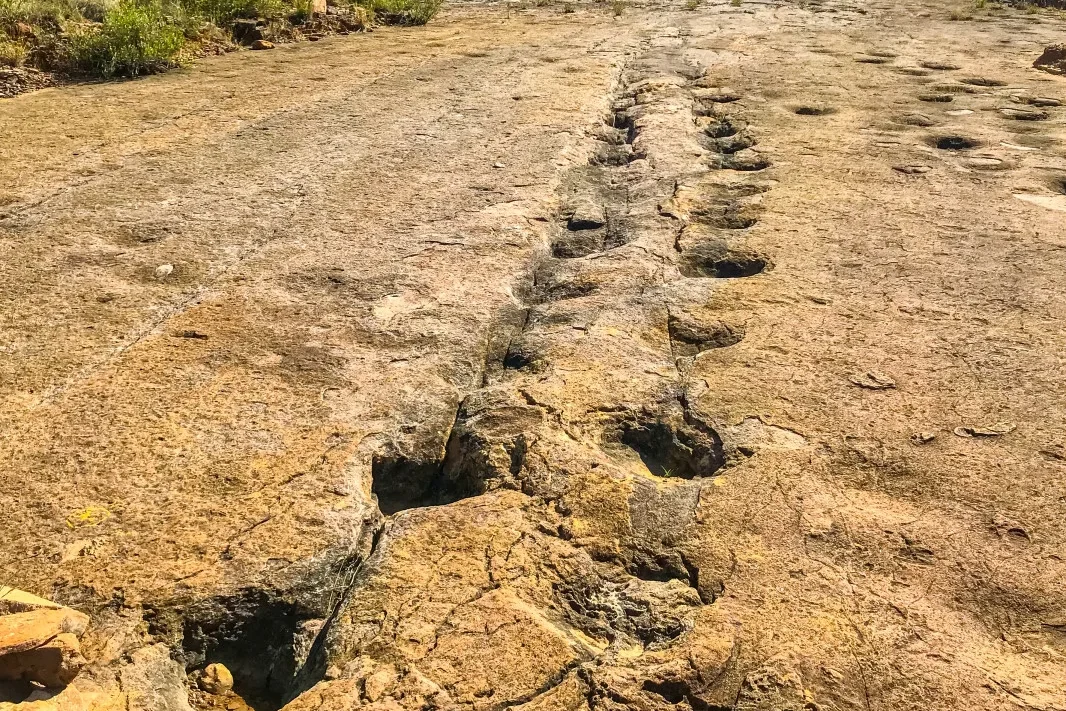
Footprints found close together in a repeated pattern can show that dinosaurs may have stayed grouped for protection. The consistent trackways hint at a defensive strategy where the presence of many individuals reduced the chances of attack. Walking side by side could have helped protect weaker members, especially juveniles. These tracks let us imagine how safer it might have been to move as one instead of being alone. The imprints remind us that survival often depends on unity and that prehistoric creatures may have understood the strength found in moving together, even without spoken planning or tools.
8. Track Depth Points to Movement Decisions
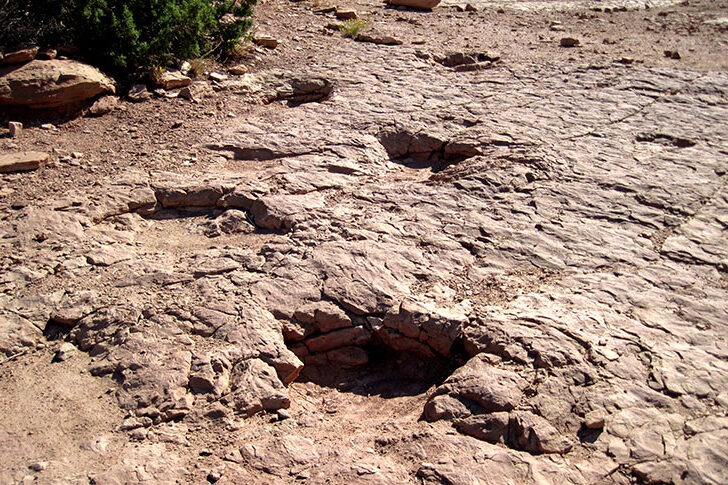
Some footprints press deeper into the ground than others, suggesting moments of hesitation or shifts in movement while traveling. Deeper impressions may show pauses or sudden stops, almost like the herd responded to something in their path. These subtle differences offer a glimpse into decision making, whether to change direction or slow down. The way pressure appears in the ground helps us imagine dinosaurs responding to danger, obstacles or environmental changes as a group. Instead of a simple line of footsteps, the varying depths show moments of caution, awareness and reactions shared during their journey.
9. Environmental Clues Connected to Herd Routes
Footprints often appear in areas that once held rivers, mudflats or floodplains, suggesting paths shaped by landscape and weather. Dinosaur herds may have followed predictable routes based on seasonal changes or food availability. These footprints help us imagine groups passing through familiar areas just as modern animals do when migrating or searching for better grazing. The connection between these landscapes and the dinosaur tracks shows that herd behavior was influenced by nature rather than random movement. These marks preserved in the earth show how terrain and climate quietly guided their choices and travel patterns.
10. Repeated Track Sites Indicate Routine Travel

Some locations contain layers of prints that appear at different depths, as if herds returned repeatedly over long periods. These repeated patterns suggest that dinosaurs may have used regular paths just like today’s animals use trails. Traveling familiar routes could have offered safer movement, easier access to food, or fewer obstacles. The presence of multiple track layers creates a sense of routine, almost like ancient highways of the animal world. It shows that herd movements were not accidental but likely planned by instinct or memory, forming paths that entire generations may have followed together.
11. Footprints Hint at Group Decision Making
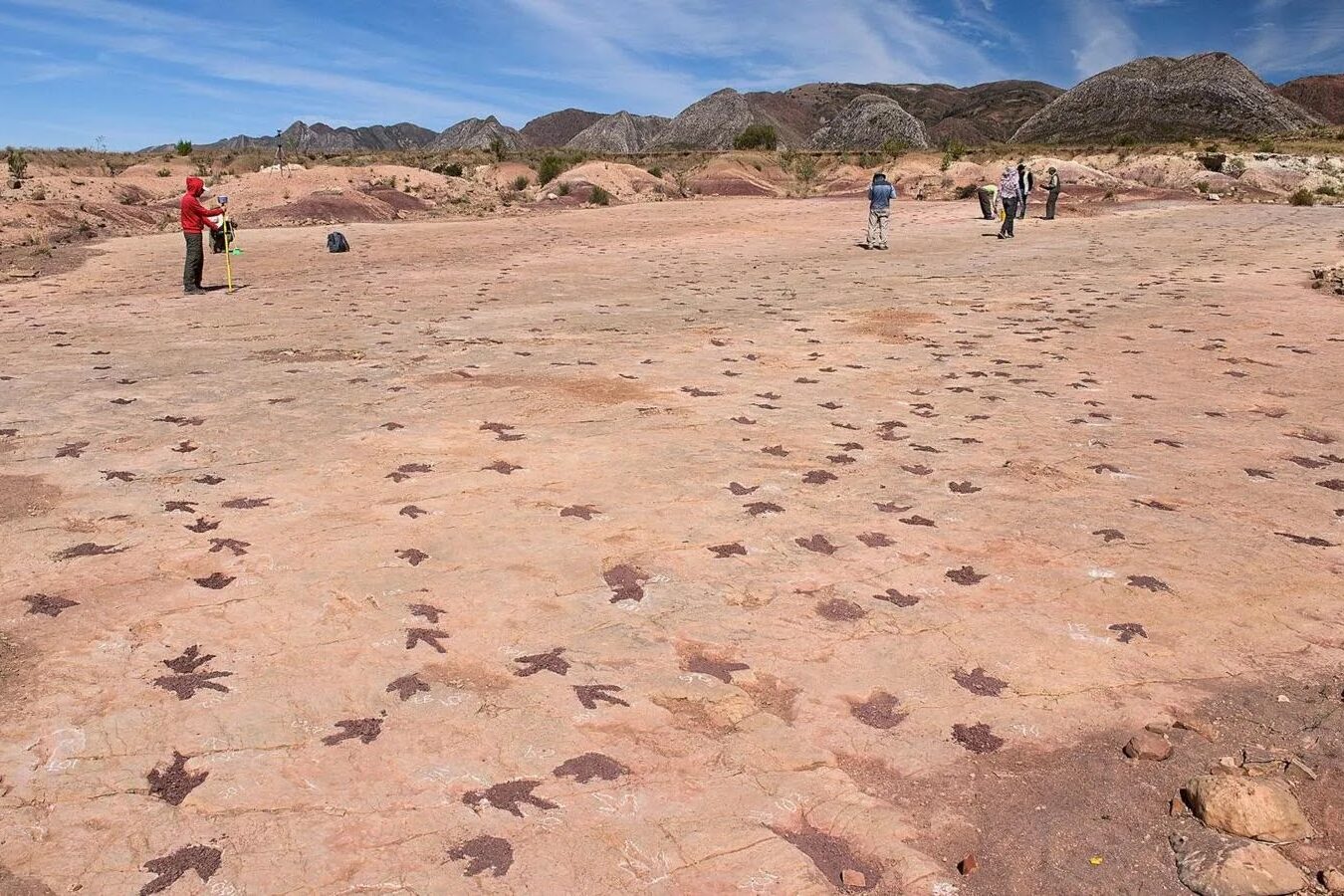
When multiple tracks suddenly change direction together, it suggests dinosaurs may have made joint decisions while traveling. This could mean they turned to avoid danger, chase food, or move toward safer ground. The shared shift in movement reveals a moment frozen in time where something influenced not just one, but the entire group. It helps us imagine the herd reacting to a situation as one, instead of individuals wandering aimlessly. These silent marks let us picture dinosaurs communicating through instinct, movement or signals, proving that tracks can capture moments of choice and awareness in a collective journey.
12. Close Tracking Shows Strong Cohesion

Sometimes footprints appear extremely close together in a tight, consistent pattern. This closeness gives hints that the herd stayed united, possibly protecting weaker members by keeping them within the center of the group. Such compact walking may have helped avoid separation or attack from predators. The tight alignment of prints shows a sense of togetherness, almost like a barrier of movement formed by bodies and steps. These findings help us picture dinosaurs facing the world side by side, building safety in closeness and understanding that being near one another could mean the difference between danger and survival.
13. Staggered Footprints Reveal Herd Order
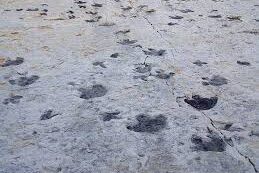
In some trackways, footprints do not follow a perfectly straight line, but instead appear staggered, like an alternating pattern. This suggests that dinosaurs may have walked in a loose formation with individuals slightly off to one side. It resembles how animals today leave space to avoid collision while still moving as one. The staggered arrangement hints that the herd kept order naturally, without crowding, while still remaining connected. This layered movement paints a picture of planned spacing, showing how dinosaurs organized themselves in meaningful ways, forming patterns that helped the group move efficiently and safely together.
14. Distinct Layers Show Generational Travel
Some track sites contain older prints beneath newer ones, almost like pages stacked within a storybook. These layers imply that herds returned to the same spots again and again, suggesting routes passed down through generations. It hints that younger dinosaurs may have learned movement paths from older ones, building traditions rooted in survival. This repetition gives life to the idea of inherited knowledge even without spoken language. The earth becomes a memory keeper, recording where families once traveled. These layered footprints show that movement was not random but a legacy, a shared rhythm followed across time.
15. Mixed Track Shapes Suggest Diverse Roles
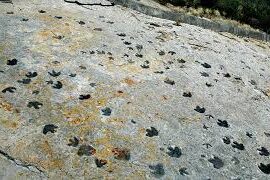
Different dinosaurs left footprints with shapes that reflected their unique bodies and strengths. When these different shapes are found moving together, it suggests each member contributed something to the group. Larger plant eaters may have offered protection, while smaller ones may have been quicker at sensing danger or finding food. These track combinations show that a herd might have benefited from having different abilities within it. Instead of picturing dinosaurs simply traveling in a cluster, the tracks encourage us to imagine how each dinosaur played a part, creating a balanced group with multiple strengths working together.
16. Track Spacing Points to Group Awareness
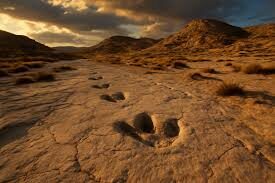
The spacing between footprints sometimes shows that dinosaurs kept enough distance to avoid bumping into one another while still staying close. This spacing suggests a level of awareness within the group, as if each dinosaur understood its place while moving. It reminds us of watching a flock of birds or a group of animals shifting together with quiet coordination. These tracks reveal that dinosaurs may have sensed their surroundings and the movements of others without spoken communication. The thoughtful distance preserved in the earth offers a hint that survival could depend on how smoothly a herd moved as one.
17. Travel Speed Shows Collective Rhythm
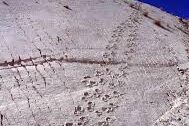
Footprints with similar stride lengths and pace show that dinosaurs moved at a shared speed. This matching rhythm suggests that faster individuals slowed down while slower ones kept up, balancing motion for the entire herd. It is similar to how groups today adjust pace for unity. The footprints show that no one moved purely for themselves, but instead followed a rhythm shaped by the needs of the group. These steady steps capture moments where dinosaurs traveled like a single moving body, adapting to the pace that kept everyone together and allowed the entire herd to progress safely.
18. Wide Trail Patterns Indicate Large Groups
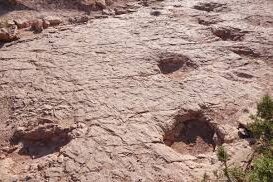
Some locations show broad areas filled with many overlapping and parallel footprints, suggesting that large groups of dinosaurs passed through the same region. These wide trail patterns create a sense of crowded movement, as if the area once buzzed with life and heavy footsteps. The broad spread implies that group travel may not have been rare but a regular part of dinosaur behavior. Instead of a world full of solitary giants, these expansive trackways paint a picture of busy pathways where groups journeyed together, filling landscapes with continuous life and shifting through the environment as a family of travelers.
19. Shared Pathways Suggest Common Needs
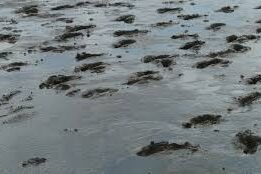
Repeated footprints crossing through the same spots show that dinosaurs may have traveled toward resources important to all species present. Whether it was food, shade or shelter, these shared paths imply that different animals had similar needs that brought them together. The tracks remind us that survival shapes behavior and that even prehistoric creatures could be united by the basics of living. These pathways create a map of necessity, showing how nature guided movement more than choice. The footprints gently reveal that dinosaurs followed the pull of what kept them alive, forming common routes tied to shared needs.
20. Track Networks Reflect Possible Community Life
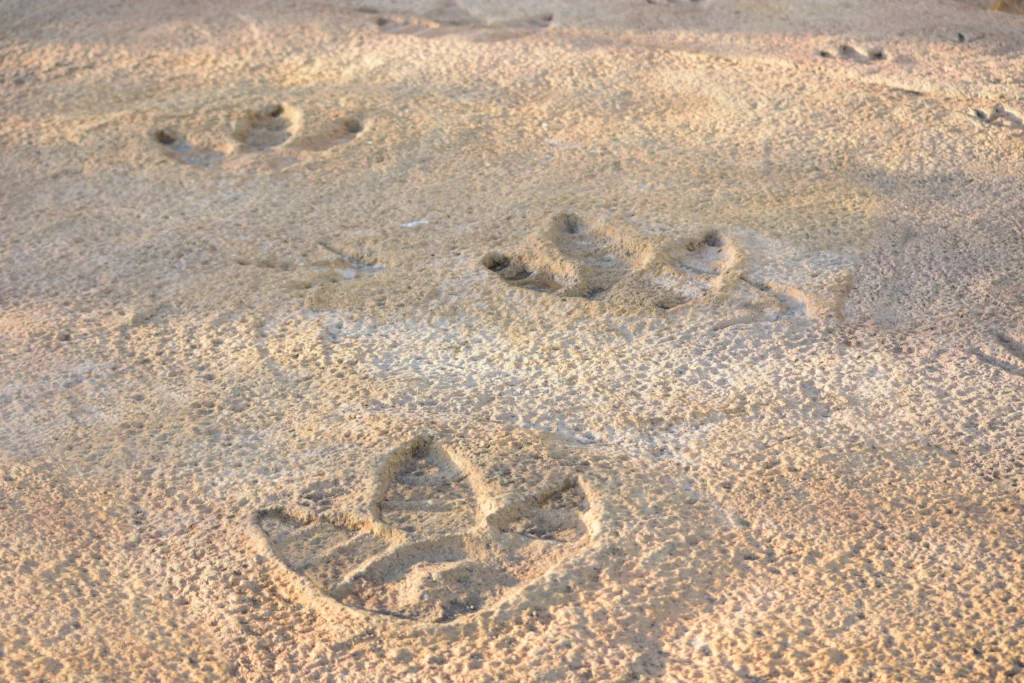
When footprints form clusters instead of single lines, it suggests a network of movement where dinosaurs came and went frequently. These clusters make it easy to imagine places where groups gathered temporarily, creating what feels like a community center of prehistoric life. Instead of just passing through, dinosaurs may have paused, interacted and coexisted within one area. The clusters hint at collective belonging, where movement was part of something social and familiar. These track networks invite us to picture dinosaurs not as distant figures, but as creatures sharing moments and spaces in ways that feel surprisingly relatable.
21. Footprint Diversity Suggests Multi Species Travel

Footprints from different types of dinosaurs sometimes appear side by side with similar direction and pace, suggesting they may have traveled together. This possibility points to interactions between species built around protection or resource access. The idea that different dinosaurs cooperated reminds us that nature often encourages alliances. These footprints offer a silent suggestion that survival may have connected animals that did not look alike but shared similar needs. The tracks paint a scene where multiple species moved as companions of circumstance, using the strength of numbers to create safety in a world where danger waited silently nearby.
22. Consistent Returning Tracks Hint at Routine Routes
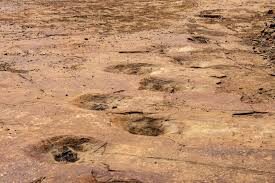
Footprints in ancient ground sometimes appear in repeating patterns that show that dinosaurs returned to certain routes again and again. These consistent paths imply a predictable lifestyle shaped by migration, feeding cycles, or breeding needs. The returning tracks give substance to the idea that dinosaurs understood their environment well enough to revisit useful places. These paths give movement a feeling of memory, almost like routines passed down without thought. It turns travel into something meaningful instead of random wandering, showing how familiar routes may have anchored life, guiding both individuals and entire herds through changing seasons.
23. Group Travel Shows Shared Risk and Reward
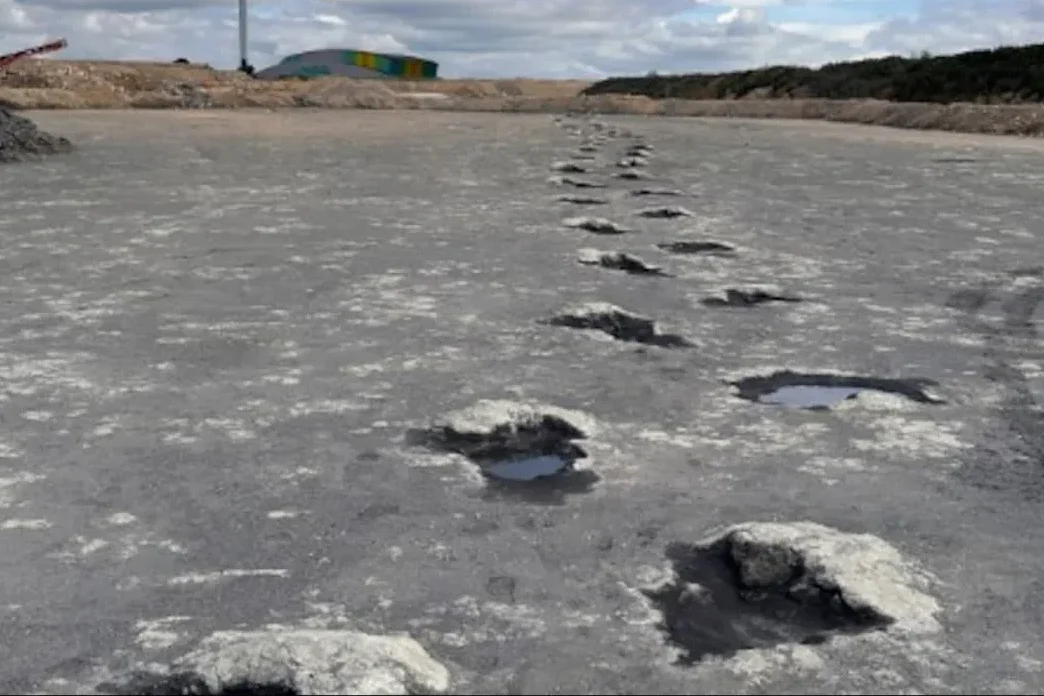
When dinosaurs moved together, they likely did so for benefits that outweighed risks. Traveling as a herd may have reduced the chances of being hunted, helped them find food faster or offered guidance to younger members. Footprints that show group travel bring these ancient advantages into focus. Moving together meant sharing responsibility for safety and resources. The tracks remind us that life in the past relied on cooperation just as much as it does today. We begin to see dinosaurs as creatures shaped by community, facing challenges collectively while stepping forward in unity through uncertain landscapes.
24. Changing Directions Reflect Social Responses
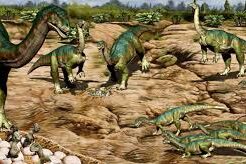
Certain trackways show sudden group changes in direction, suggesting a reaction to something nearby. Whether responding to threat, weather or internal signals, these prints show that dinosaurs may have relied on each other to respond to unexpected events. The unified shift in movement hints at communication built through instinct or experience. It captures moments of alertness shared among multiple animals at once. These directional changes allow us to imagine not just movement, but interaction. The tracks preserve quick decisions shaped by awareness and connection, showing that life during dinosaur times was filled with choices made in group solidarity.
25. United Steps Create Stories of Community
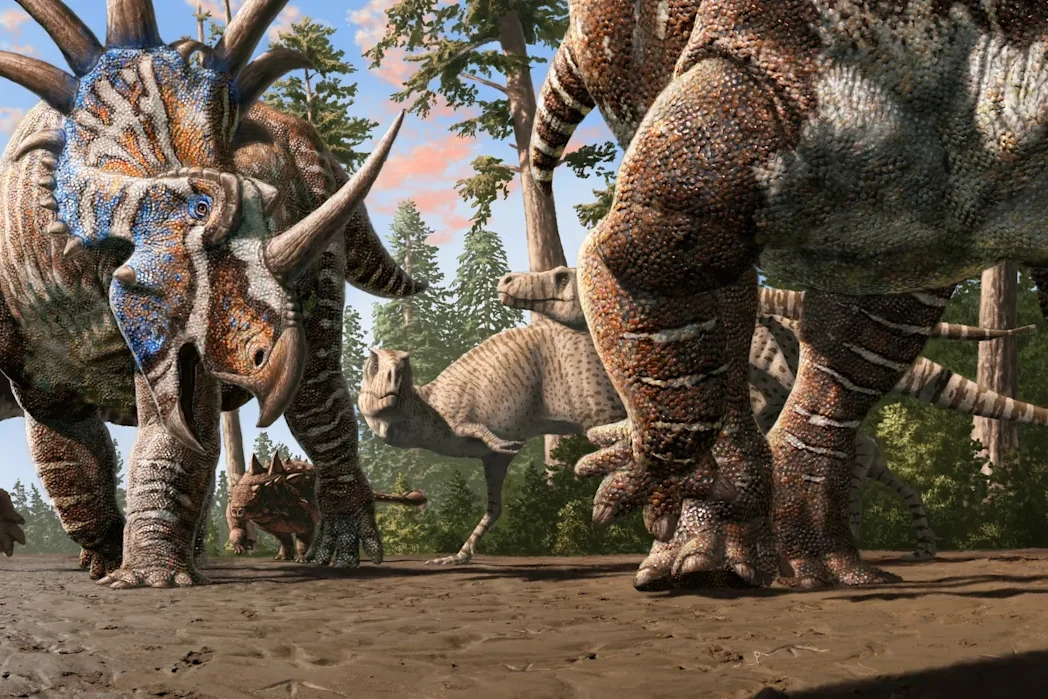
When we look across all these footprints, they reveal a world where dinosaurs did not always walk alone. Instead, they traveled in groups, shared paths and created patterns shaped by routine, safety and survival. These steps pressed into ancient ground give life to stories of companionship among creatures long gone. The footprints invite us to see dinosaurs as animals connected to one another, forming bonds through shared destinations and common needs. If you want to explore even more prehistoric mysteries, keep learning, visit museums or explore fossil sites. There is always another path waiting to be discovered.
This story What Fossil Footprints Can Reveal About Dinosaur Herd Behavior was first published on Daily FETCH


