
1. Robert Reed Tried To Be More Than Just Tv Dad
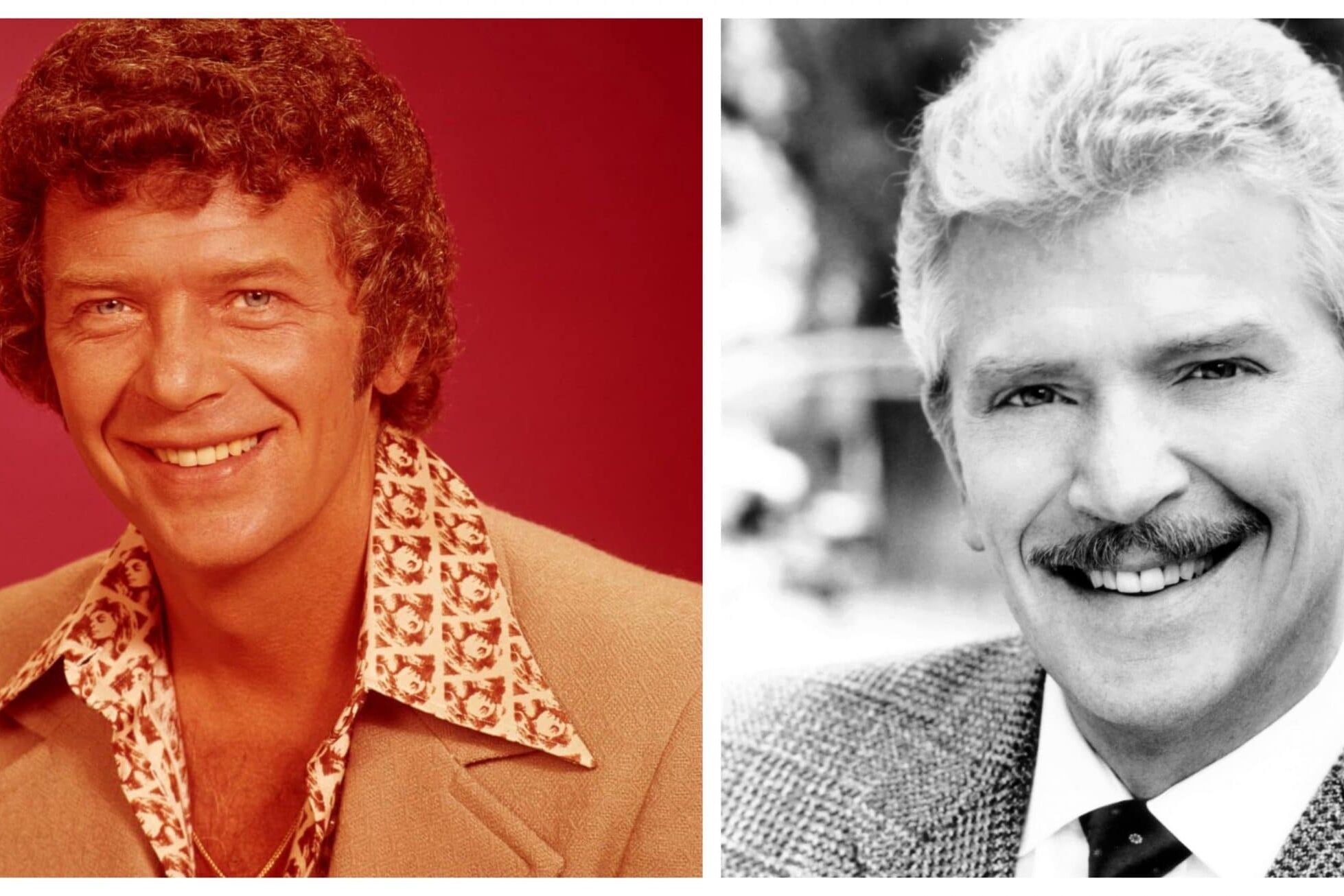
If you grew up watching The Brady Bunch, the house always felt warm and easy, and Robert Reed stood right at the center of it as Mike Brady. What many viewers never saw was how seriously Reed approached acting long before sitcom fame arrived. He came from a strong theater background and cared deeply about performance, sometimes wishing the scripts pushed further. Even so, he treated the young cast with patience and often helped them rehearse lines, explain scenes, and understand the craft in a way that felt more like a teacher than just a television father.
After the show ended, Reed returned to the kind of dramatic work he always loved, appearing in serious television projects and stage productions that allowed him to stretch creatively. He lived a private personal life and focused on meaningful roles instead of chasing constant publicity. When he passed away in 1992, many of his Brady co stars spoke about his guidance and intelligence more than his fame. Looking back now, it feels fair to say he was never just the calm dad in a sitcom living room but an actor determined to bring real depth wherever he worked.
2. Florence Henderson Never Really Left America’s Living Room
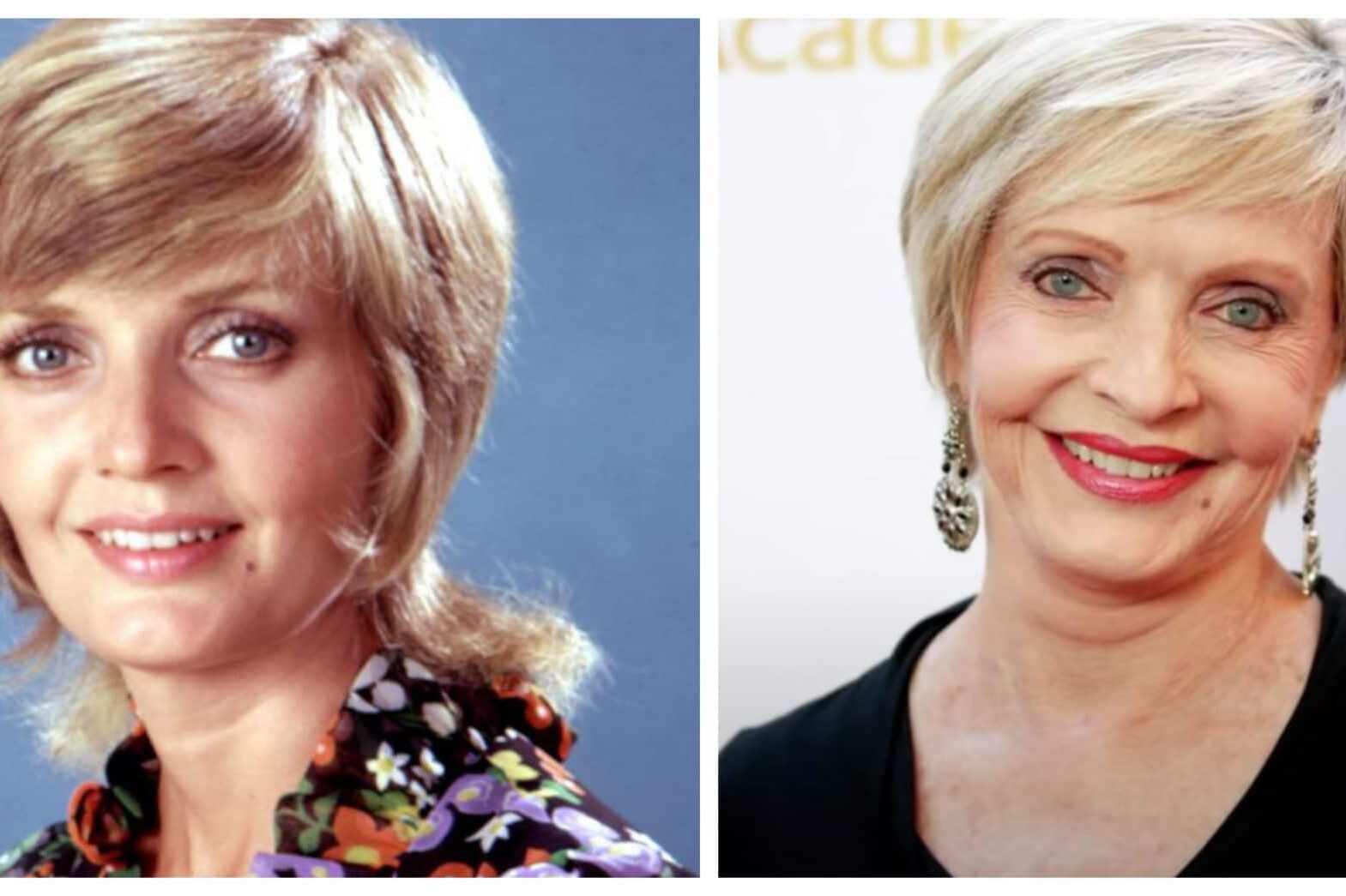
Florence Henderson had one of those faces that always felt instantly reassuring, the kind that made viewers feel everything would turn out fine by the end of the episode. Playing Carol Brady made her a national comfort figure, and instead of trying to escape that image later, she welcomed it warmly. Audiences kept inviting her into their homes through talk shows, stage tours, guest appearances, and family friendly television specials, and she carried the same bright steadiness that once anchored the Brady household kitchen conversations.
As years passed, Henderson stayed remarkably active, even stepping onto competitive shows and live appearances long after many performers her age had retired. She genuinely seemed to enjoy meeting fans who spoke to her as if they had known her for decades. That connection never faded, and she remained deeply involved in reunion projects that celebrated the show’s legacy. When she died in 2016, it felt to many viewers less like losing an actress and more like saying goodbye to a familiar television mother who had quietly stayed present through generations of reruns.
3. Ann B Davis Quietly Chose A Different Kind Of Life
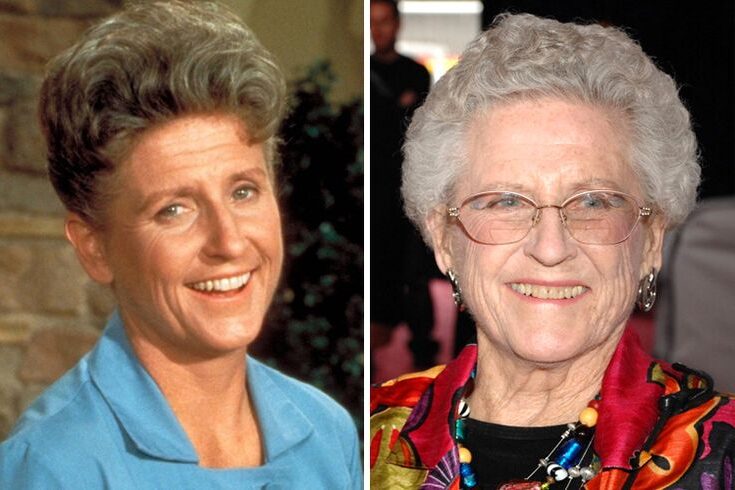
Ann B Davis made Alice feel so natural that many fans assumed she must have loved the spotlight just as much as her character loved running the Brady kitchen. In truth, Davis was a thoughtful and deeply private person who never seemed especially interested in celebrity attention. While she appreciated the show and the friendships it created, she gradually stepped back from Hollywood work and leaned more toward a life centered on faith, church involvement, and community service that gave her a stronger sense of personal fulfillment.
She eventually settled into a modest daily routine in Texas, living among close friends in a religious community where television fame rarely entered conversation. Davis still appeared at selected reunions and fan gatherings, always gracious and warm, but her happiness clearly came from a quieter rhythm of life. When she died in 2014, many stories shared by friends focused not on awards or ratings but on her generosity, humor, and steady kindness. In a gentle way, her real life path felt very similar to Alice herself, practical, caring, and rooted in helping others feel supported.
4. Barry Williams Learned To Grow Up With Greg Brady
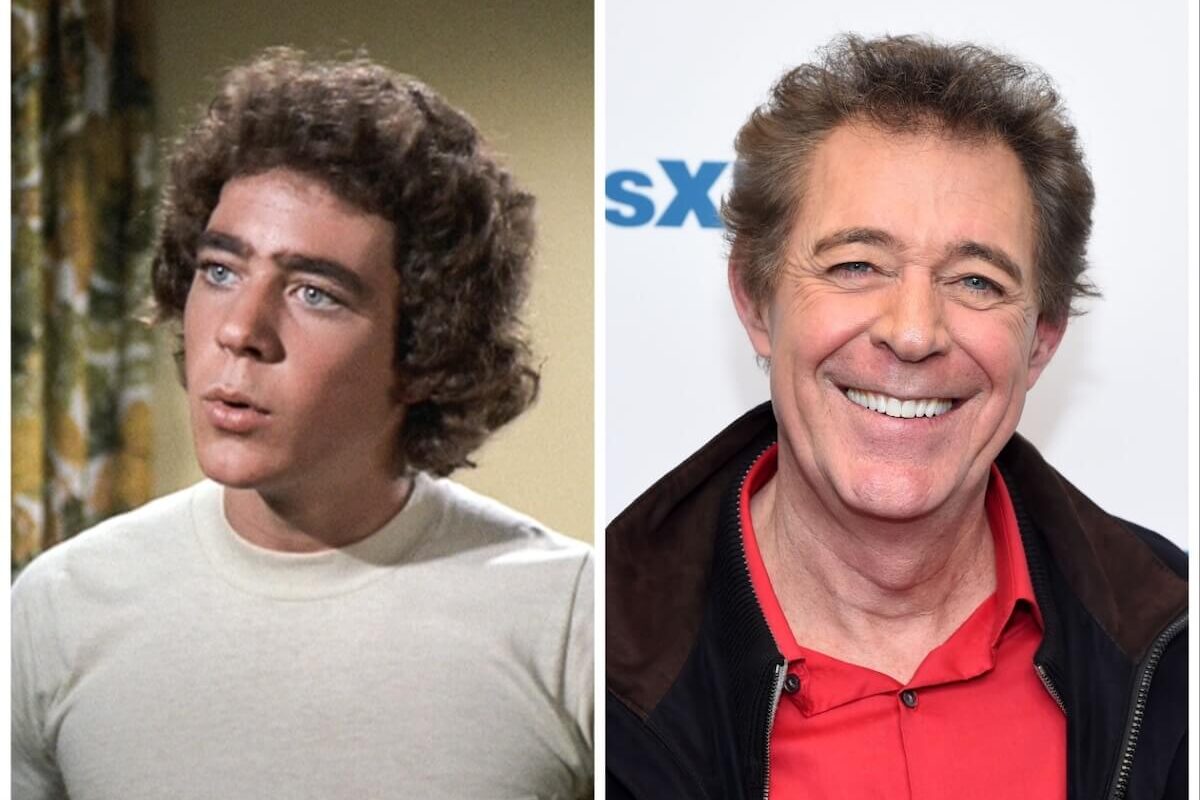
Barry Williams faced something many child actors understand all too well, the world never quite forgetting the character you played as a teenager. As Greg Brady, he became the confident older brother millions remembered, and early on he realized fighting that recognition would only make his career harder. Instead, Williams leaned into the connection, building a performing life that included musical theater tours, television guest roles, live appearances, and later autobiographical writing that allowed him to tell his own version of the Brady story.
Over time, he became one of the most visible ambassadors for the show’s history, appearing happily in reunion specials and nostalgic documentaries that revisited the series for new audiences. Williams seemed comfortable treating Greg not as a limitation but as a doorway that kept opening new opportunities. Watching his career unfold feels less like someone trapped by early fame and more like someone who understood how to carry it forward without resentment. That acceptance helped him stay steadily employed while keeping a friendly, approachable presence fans still recognize today.
5. Maureen Mccormick Had To Find Herself After Marcia
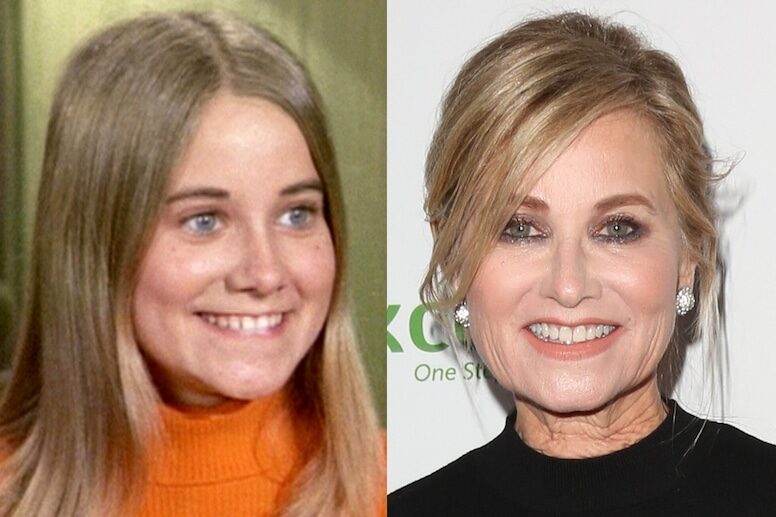
To viewers, Marcia Brady always looked like the girl whose life stayed perfectly in place, but Maureen McCormick’s real story after the cameras stopped was far more complicated. Like many young performers suddenly navigating adulthood in public view, she struggled with anxiety, addiction, and the emotional pressure that came from being permanently linked to a polished teenage image. Those years were difficult and confusing, and for a while her acting opportunities slowed while she focused on stabilizing her personal life and rebuilding her confidence step by step.
Eventually, McCormick began speaking openly about those struggles, and that honesty reshaped how audiences saw her. She returned to television projects, wrote candidly about her experiences, and later appeared in reality competitions where viewers saw her humor and resilience shining through again. What makes her journey resonate now is not just that she recovered but that she shared the messy parts along the way. Her story feels human, imperfect, and hopeful, reminding fans that even the most picture perfect television daughter sometimes needed time, support, and patience to rebuild a peaceful life.
6. Christopher Knight Quietly Built A Life Beyond Hollywood
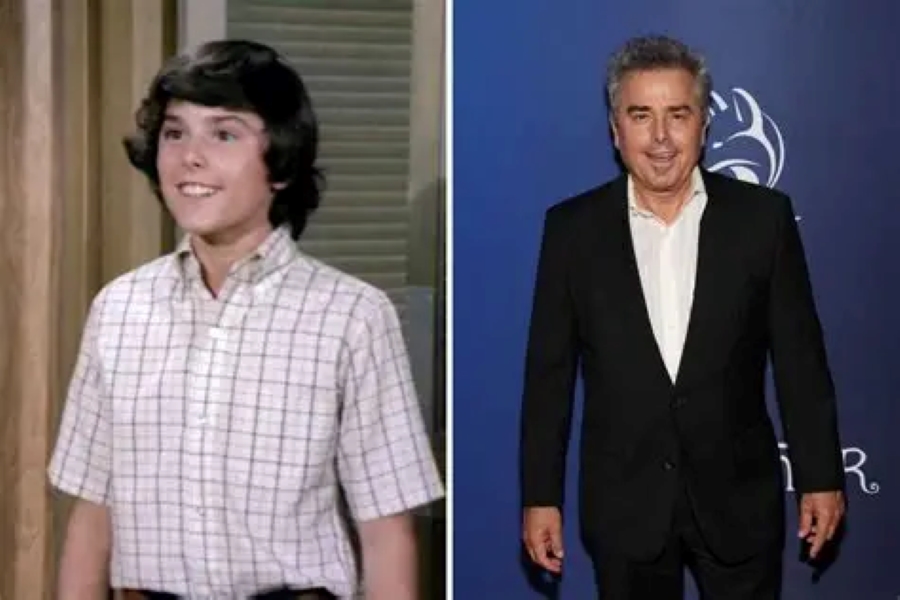
Christopher Knight’s path after playing Peter Brady turned out to be one of the most unexpected among the cast. Rather than spending years chasing auditions, he gradually shifted his focus toward the growing technology business world, helping develop computer related companies during a time when the industry itself was still taking shape. Knight appeared to enjoy the logical, problem solving side of business, and for long stretches he lived almost completely outside the entertainment spotlight that had defined his childhood identity.
Years later, audiences were surprised to see him reappear through reality television appearances and reunion projects that reminded viewers of his thoughtful personality and dry sense of humor. He seemed comfortable acknowledging his Brady history while also showing that his adult life had grown far beyond it. Knight’s journey stands out because it reflects a very recognizable adult decision, choosing stability, professional curiosity, and personal growth over constant public attention. In many ways, his story feels like the quiet example of someone who tried one life early, then calmly built another once he understood himself better.
7. Mike Lookinland Found Comfort Working Behind The Camera
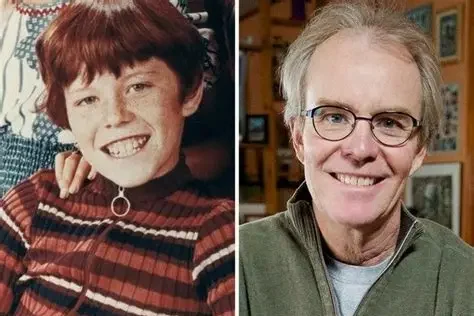
Mike Lookinland grew up in front of millions of viewers as Bobby Brady, the cheerful youngest brother who often felt like the playful spark in the household. Once the series ended and childhood slowly gave way to adulthood, Lookinland realized he did not feel the same pull toward staying on screen. Acting opportunities existed, but what interested him more was how productions actually worked. He became curious about cameras, lighting setups, and the technical teamwork that quietly makes every television scene possible behind the visible performances.
That curiosity gradually turned into a steady professional path. Lookinland built a career working on film crews and camera departments, choosing dependable technical work over celebrity visibility. He still joined reunion specials from time to time and always seemed relaxed speaking about the Brady years, but his everyday life stayed grounded in normal routines and family priorities. Fans often find his story comforting because it sounds so familiar. Not every childhood success has to become a lifelong spotlight career, and Lookinland’s calm transition into behind the scenes work shows how growing up sometimes simply means choosing the life that feels stable.
8. Eve Plumb Turned Jan’s Awkward Years Into A Long Creative Career
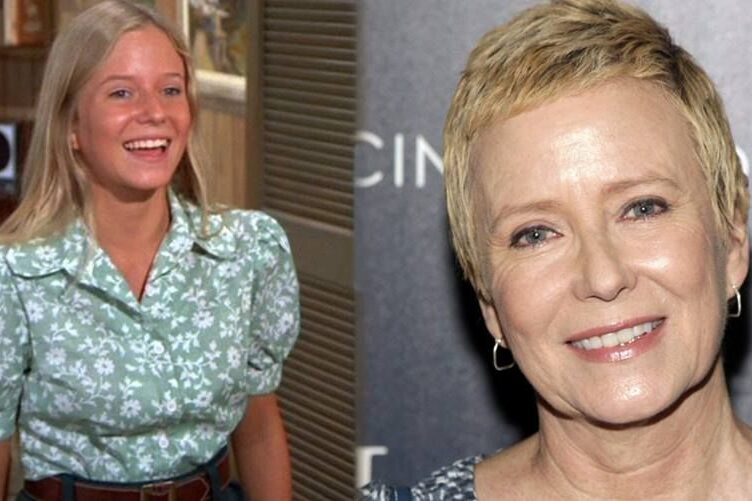
Eve Plumb played Jan Brady during those famously awkward middle child years that so many viewers related to, and perhaps that early emotional range helped prepare her for the long professional road ahead. Instead of disappearing after the sitcom ended, Plumb continued steadily auditioning for stage roles, television dramas, and independent films. She treated acting like a lifelong craft rather than a childhood moment, showing up consistently and building credits the slow, reliable way that working performers often do across decades.
Alongside her acting work, Plumb also developed a serious interest in painting, eventually exhibiting her artwork in galleries and earning respect in the visual arts community. That second creative outlet gave her professional balance and allowed her to express herself beyond scripted roles. She still participated in Brady reunions when appropriate, but her identity expanded far beyond the familiar middle sister label. Looking at her journey now, it feels like the story of someone who never chased sudden headlines yet quietly built a durable creative life through persistence, discipline, and a genuine love for artistic expression.
9. Susan Olsen Grew Cindy’s Innocence Into A Busy Media Life

Susan Olsen will always be remembered by many viewers as the youngest Brady daughter with bright curiosity and childhood innocence, yet her adult life turned out far more varied than most people expect. After the show ended, Olsen explored creative directions that included graphic design, radio hosting, voice work, and advocacy projects connected to animal welfare. Rather than focusing on staying visibly famous, she seemed more interested in trying different forms of communication and storytelling that allowed her personality to keep evolving.
Over the years, she occasionally returned for reunion programs and nostalgia specials, speaking warmly about the shared experience while also showing how much life had happened since those early studio days. Olsen’s path reflects something quietly realistic about growing up in public. Childhood recognition may open doors, but adult fulfillment often comes from experimenting, adjusting, and discovering where your interests naturally lead. Her story fits neatly into the broader Brady cast pattern, where early television fame became less of a destination and more of a starting point for long, varied, and surprisingly grounded adult journeys.
10. The Brady Kids Stayed Connected Long After Filming Ended
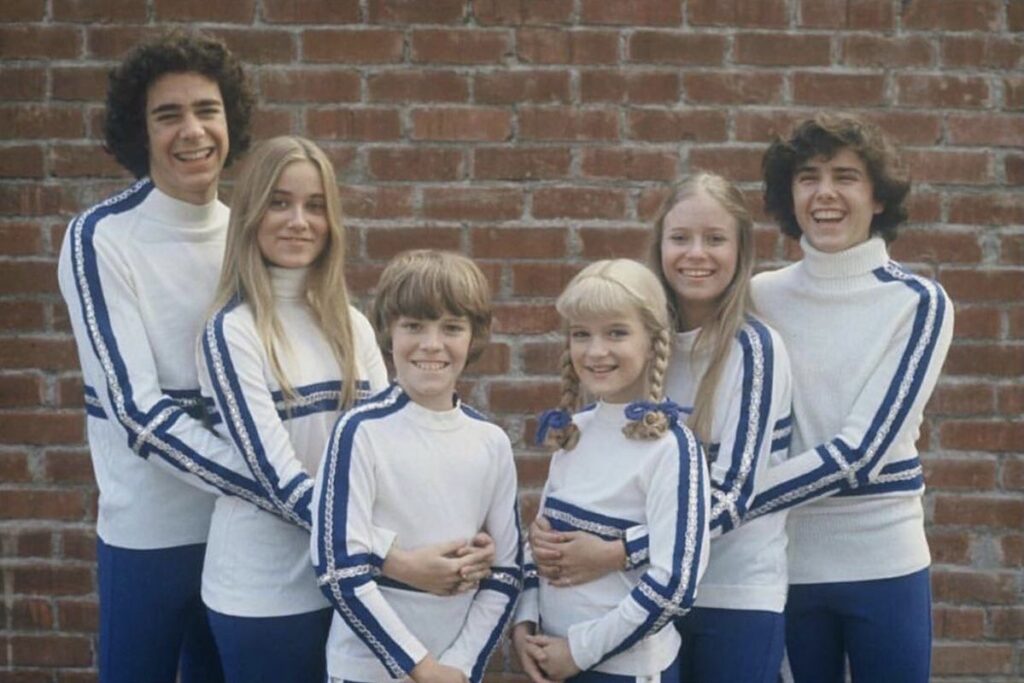
One of the most surprising parts of the Brady story is how strongly the younger cast members remained connected long after the final episode wrapped. Many television ensembles drift apart once production stops, but this group often reunited for anniversary specials, interviews, and documentary projects that revisited their shared childhood experience. Growing up together on a working set created bonds that felt closer to extended family than temporary coworkers, especially since many of them spent their formative teenage years navigating fame side by side.
Through the decades, they continued appearing together at fan conventions, reunion movies, and retrospective television features that introduced the series to new generations. Those gatherings rarely felt forced or purely promotional, and interviews often showed genuine familiarity, inside jokes, and protective affection among them. That long lasting connection may be one of the quiet reasons the show still feels authentic when people watch reruns today. Knowing the cast truly stayed supportive of each other off screen makes the Brady household seem less like scripted fiction and more like a shared chapter they genuinely carried forward.
11. Brady Reunion Projects Kept The Story Alive For New Generations
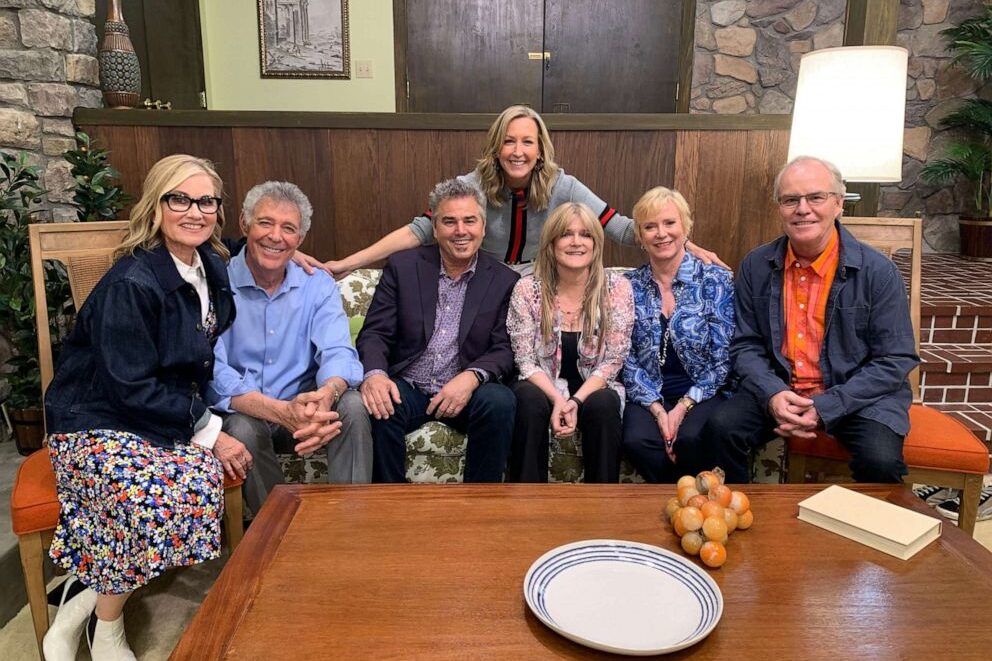
Years after the original run, The Brady Bunch kept resurfacing through reunion movies, holiday specials, parody films, and anniversary documentaries that allowed the cast to revisit their famous suburban home again and again. These projects were not always about chasing ratings as much as celebrating a cultural memory that audiences never seemed ready to let go. Each reunion gave longtime fans a chance to see familiar faces older, wiser, and often laughing at how seriously they once took teenage storylines.
For the actors, these returns often felt like class reunions mixed with public celebrations. They could reconnect, share stories, and acknowledge how one early job had shaped the rest of their professional lives. For viewers, the effect was equally powerful because the Brady world always symbolized a gentle version of family life that felt safe to revisit. The continuing stream of reunion appearances quietly proved something important. Even when individual careers moved in different directions, the shared Brady identity remained strong enough to keep bringing everyone back together.


