
1. Foundations That Refuse To Budge
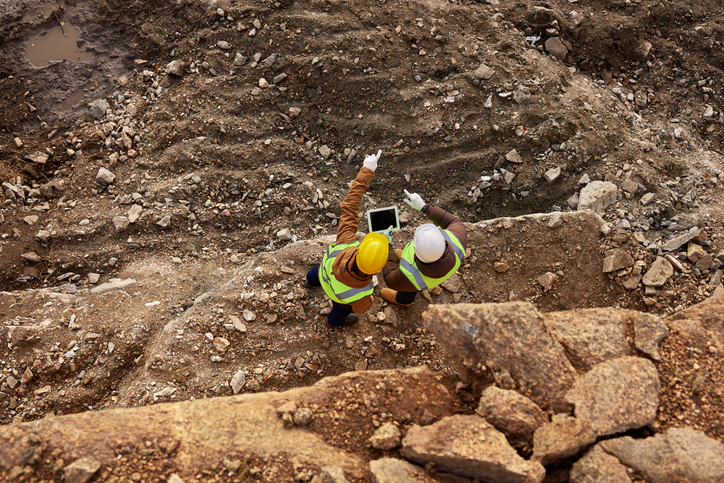
It usually starts with the ground beneath our feet. Before engineers pour a single drop of concrete, they study rock, soil, and fault lines to understand what the land can truly carry. A good dam does not simply sit on the earth. It locks into it, like a puzzle piece meant to stay put. Engineers often describe this step as the difference between building on trust and building on hope. They carve, seal, and test until the foundation becomes part of the natural landscape. When water pressure increases during storms or heavy rainfall, that invisible work is what keeps everything steady, safe, and calm for communities downstream.
2. Shapes That Work With Nature
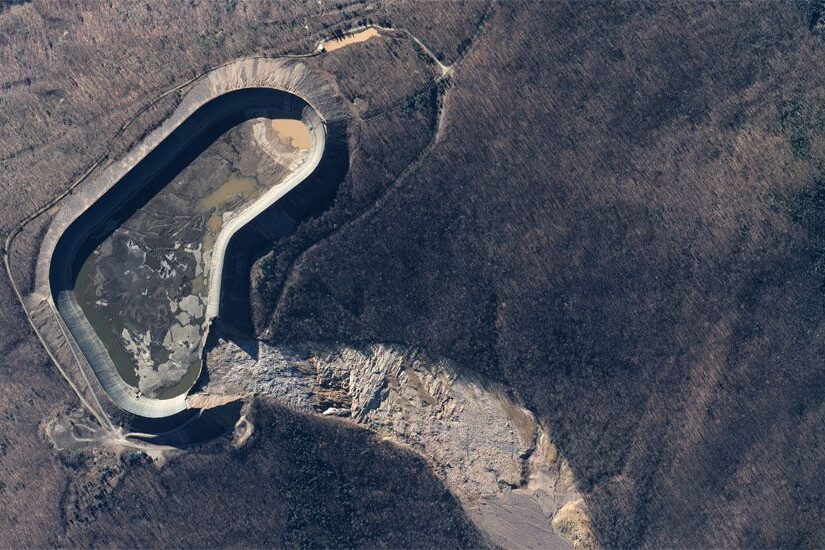
Once the base is secure, the next question is shape. Some dams curve gently, letting water pressure push them tighter into the canyon walls. Others stand straight and massive, relying on sheer weight to resist the force behind them. The goal is not to fight the river blindly, but to understand how water moves, presses, and flexes. Engineers often say that the shape of a dam is a quiet conversation with nature. When the structure follows physics instead of pride, it can handle rising floods, seasonal shifts, and long years of constant pressure without losing strength.
3. Concrete Stronger Than Ordinary
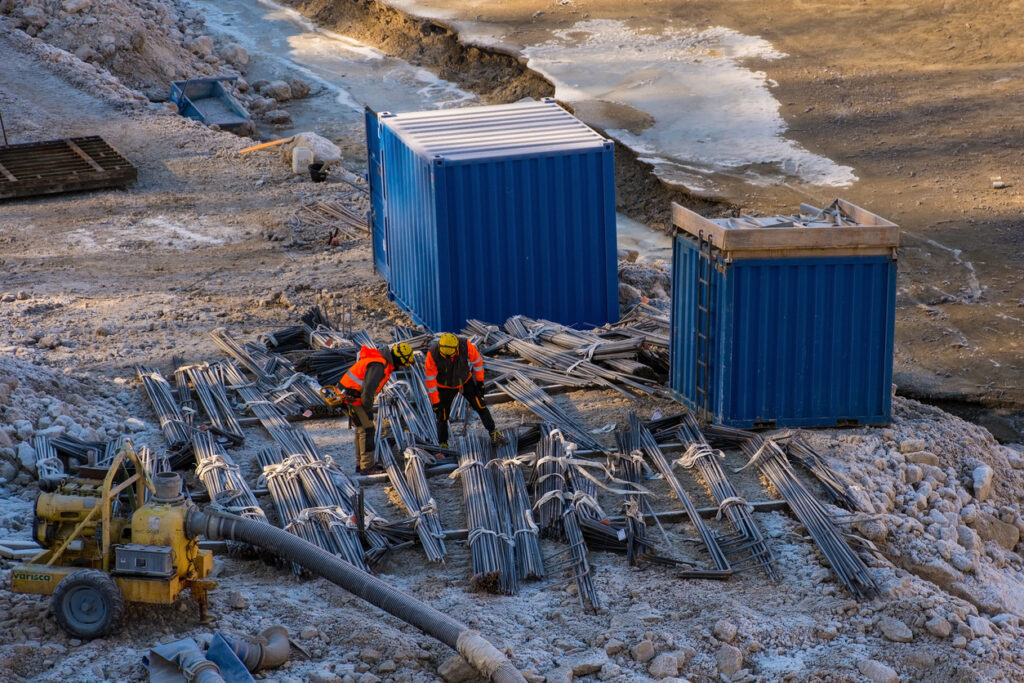
Concrete in dams is not like concrete poured for sidewalks. It is carefully mixed, layered, cooled, and monitored for months. Engineers control temperature changes so the structure does not crack while curing. They even embed tiny monitoring devices inside to track behavior over time. Some modern dam concrete is designed to last more than a century when cared for properly. People often imagine raw force holding back water, but much of the real strength comes from chemistry, patience, timing, and relentless testing. It is slow work, but slow work here is what protects entire towns from disaster.
4. Spillways That Save The Day
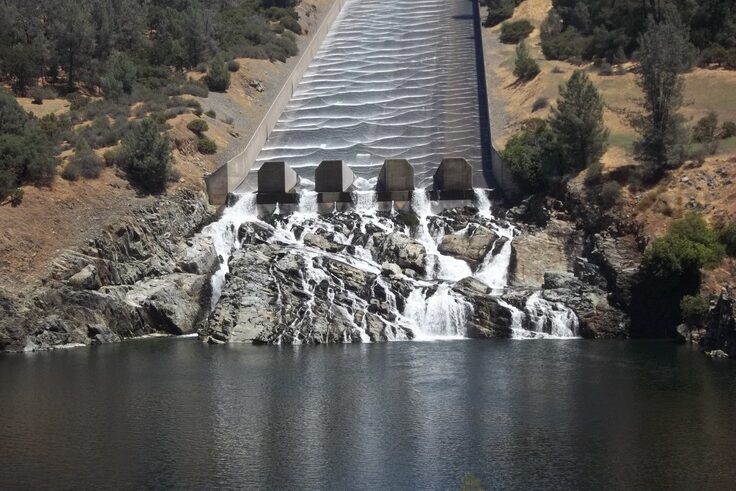
A strong wall alone is never enough. Dams need safe pathways for extra water to escape. That is where spillways come in. They release rising water before it climbs too high and becomes dangerous. During huge storms, spillways can roar like artificial rivers, guiding powerful flows without tearing away the structure. One engineer once described spillways as safety valves that prevent panic. They are designed for moments we hope never happen, yet we build them as if they surely will. That mindset keeps lakes from overtopping and buys precious time when weather turns unpredictable.
5. Gates That Think Ahead
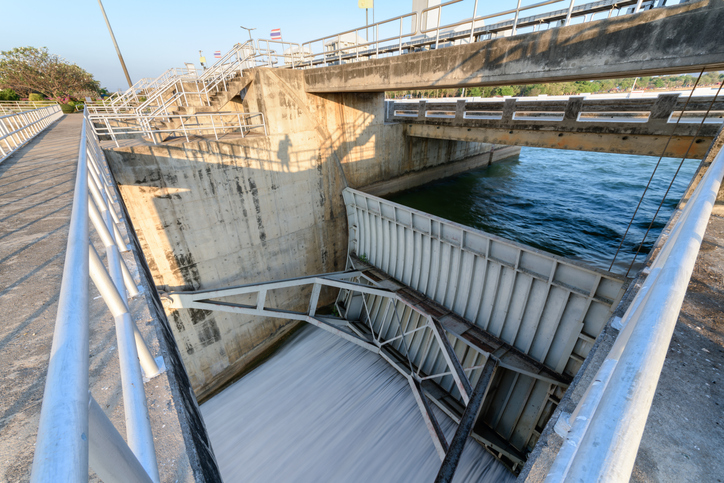
Modern dams often rely on massive gates that open and close with careful timing. These gates help engineers balance energy production, irrigation needs, flood control, and ecosystem health. Instead of reacting at the last minute, teams monitor weather patterns, snowmelt, rainfall forecasts, and river behavior. When water rises, they adjust little by little so the pressure never becomes reckless. It feels almost like steering a quiet, patient conversation between humans and water. With the right planning, the system stays calm, power keeps flowing, and nearby communities never notice the drama being quietly managed upstream.
6. Drains Hidden Deep Inside
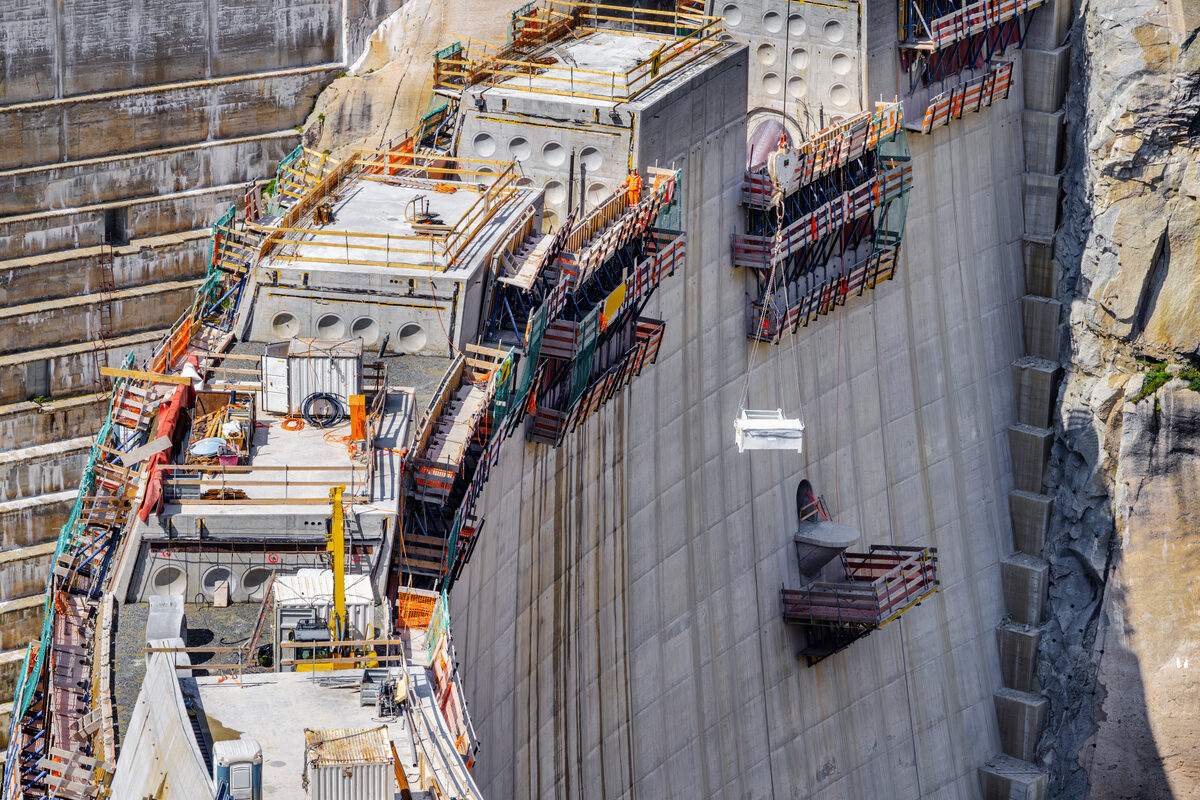
Another secret many people never see lies beneath the dam itself. Engineers install drainage galleries and relief wells that allow tiny amounts of water to move safely through controlled channels. Water will always try to find a path. Instead of pretending it will never seep, designers give it places to go. These passages reduce hidden pressure and prevent erosion that could slowly weaken the structure. Routine crews walk these interior tunnels, listening, measuring, and watching for changes. The small details may seem invisible to the public, yet they protect everything built above.
7. Earthquakes In The Blueprint
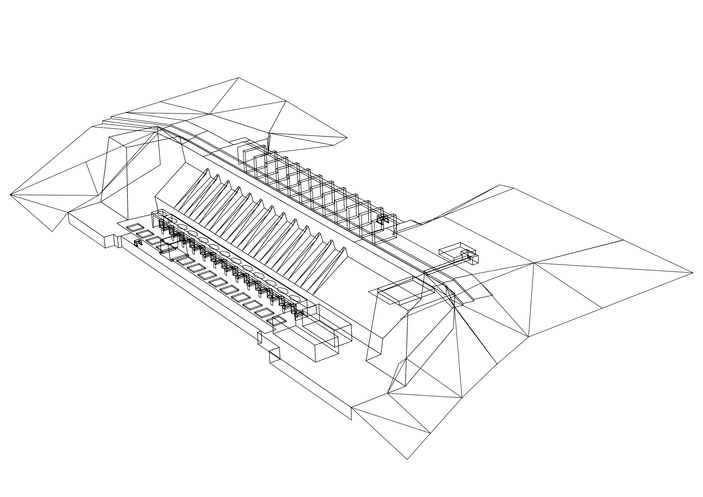
Some dams sit in regions where the ground can shake without warning. Engineers model earthquakes before they ever build. They use computers to simulate movement and stress, asking difficult questions in advance. What if the shaking lasts longer than expected? What if the vibration comes from a different direction? Instead of ignoring risk, they build flexibility into massive structures so they can sway slightly while still holding firm. When you realize that something so large has been designed to move in controlled ways, it gives a quiet confidence. Planning becomes the real guardian, not luck.
8. Nature As A Partner, Not An Enemy
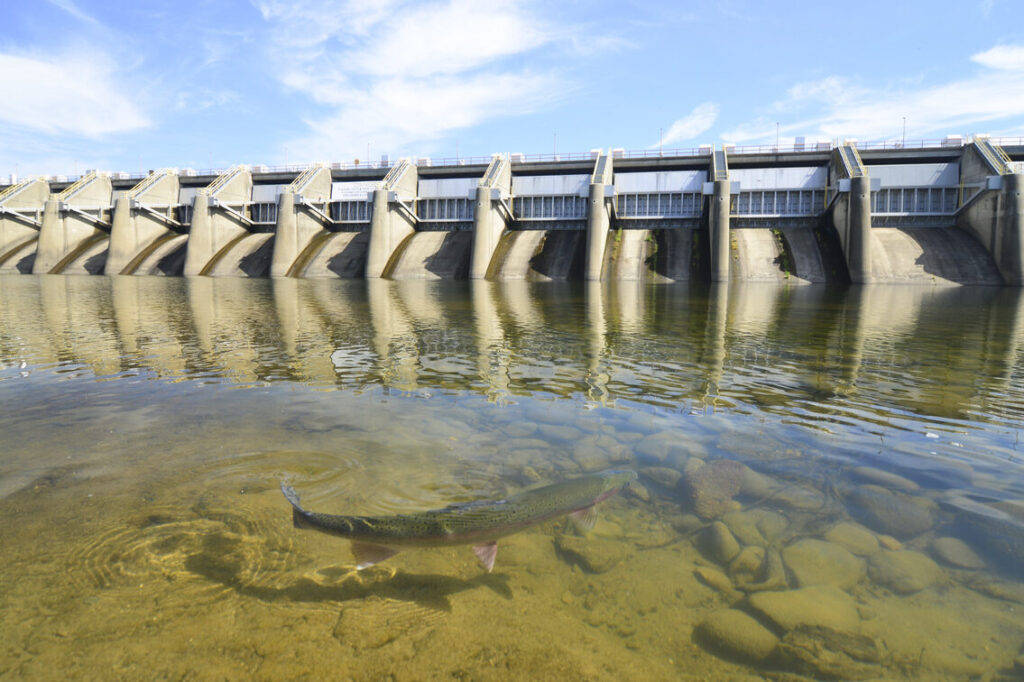
Older structures often tried to overpower rivers. Modern engineering takes a different approach. Designers now consider fish passage, sediment flow, wetlands, and habitats downstream. When rivers are treated with respect, dams last longer and create fewer problems. Thoughtful water releases can mimic natural patterns, keeping ecosystems alive while still providing power and storage. It becomes less about conquering nature and more about sharing space responsibly. Communities benefit, wildlife survives, and the structure remains safer because everything around it works together instead of fighting against it.
9. Constant Watching, Quiet Fixes
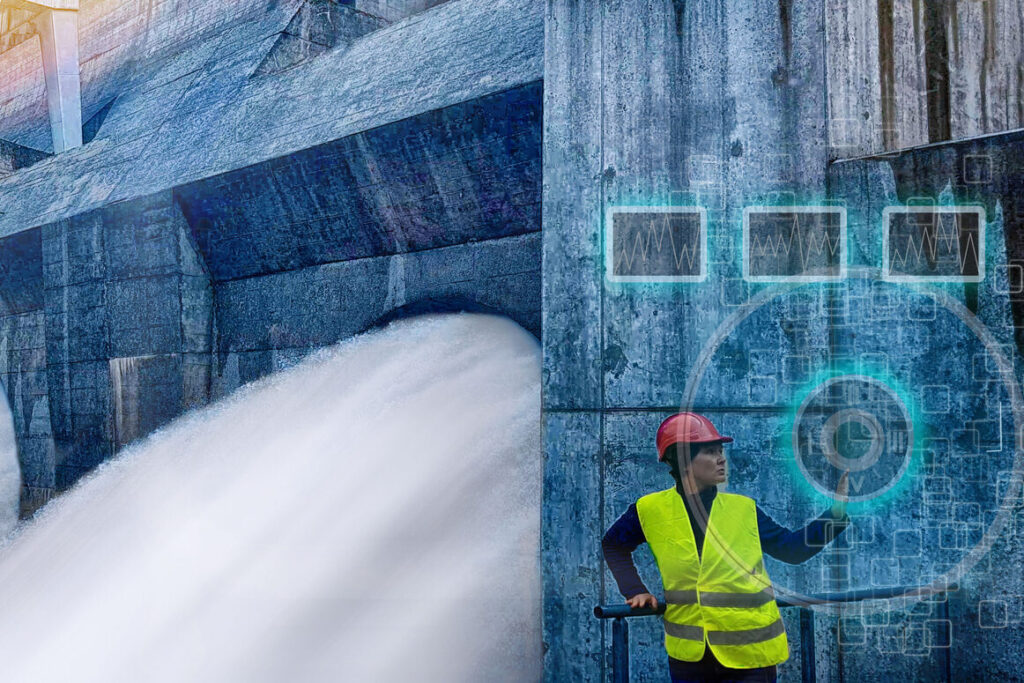
A finished dam is never truly finished. Sensors track vibration, water pressure, temperature, and movement every single day. Inspections happen on schedules that might feel almost obsessive, but for good reason. Small repairs now prevent enormous repairs later. Teams walk tunnels, climb ladders, study data, and review weather models. When something changes, they respond early instead of waiting for a crisis. This patient attention keeps dams alive, much like regular checkups keep people healthy. It is steady, humble work, and it protects homes, farms, and cities that sit miles away.
10. Learning From Every Past Mistake
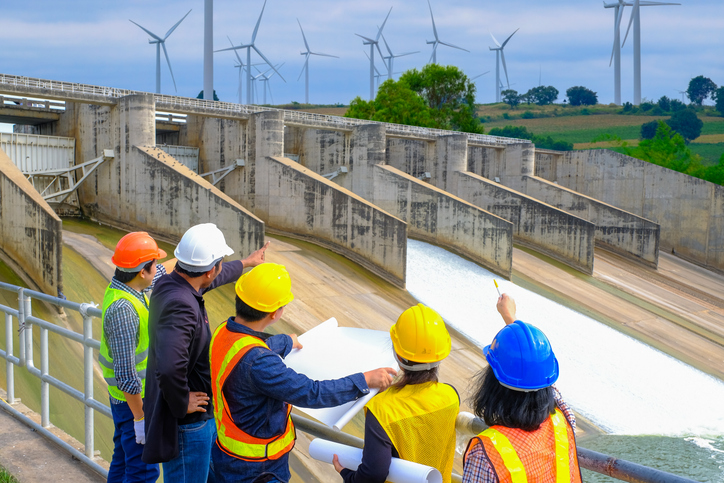
Every failure in history teaches something new. Engineers study what went wrong elsewhere so they never repeat it. They read old records, analyze photos, and revisit lessons from storms, erosion, miscalculations, and neglect. Through that honesty, future structures grow safer. The quiet message behind all this is simple. Strength is not only about building taller or thicker walls. Real strength comes from humility, planning, and care over time. As we keep improving, dams become symbols of patience and responsibility. Maybe that is why they continue to stand, holding back more than just water, guiding us gently toward wiser choices.
If pieces like this help you learn, stay curious, share it forward, and explore more stories like this so we can keep understanding the world together.


