
The Evolution Of Modern Media

The landscape of how we consume music and media has undergone several seismic shifts over the last few decades, and it often feels like we are living through a permanent revolution of technology. From the moment the very first music video flickered onto television screens in the early eighties, the way artists communicated with their fans changed from a purely auditory experience to a high-stakes visual performance. This transition was not merely about a new format but rather a fundamental change in the industry’s DNA, where a catchy tune was no longer enough to guarantee success if it wasn’t paired with a striking image.
As we reflect on these changes, it becomes clear that the “killing” of old formats is a cycle that keeps repeating with increasing speed and intensity. While video may have sidelined the radio stars of yesteryear, the rise of the internet and high-speed streaming has since dismantled the very cable networks that once reigned supreme. This topic matters because it highlights our collective transition from a shared, curated cultural experience to a fragmented digital world where everything is available at once, yet nothing seems to stay in the spotlight for very long.
The Dawn Of MTV Era
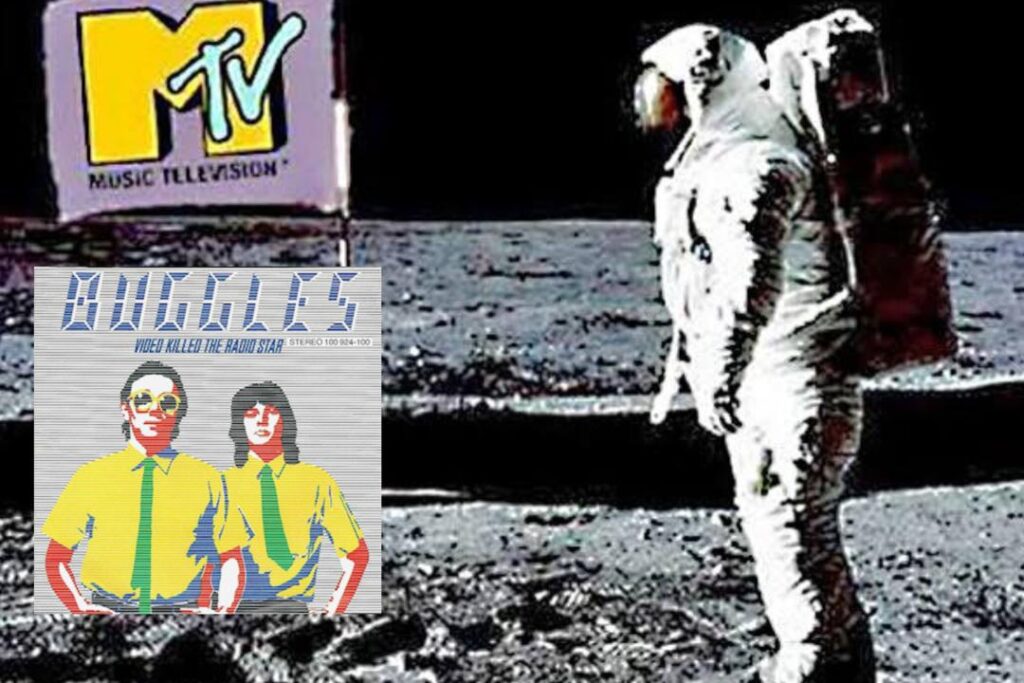
The launch of MTV on 1 August 1981 marked a definitive turning point in pop culture history as it broadcasted its first music video, “Video Killed the Radio Star” by the Buggles. This song was a prophetic choice because it explicitly addressed the transition from the golden age of radio to a new world dominated by visual aesthetics and television screens. Before this moment, a singer’s career was built almost entirely on the quality of their voice and the airplay they received on traditional radio stations, yet the arrival of 24-hour music television changed the rules of engagement forever.
Suddenly, artists were required to be more than just musicians; they had to become actors, dancers, and visual icons to capture the attention of a burgeoning teenage audience. This shift essentially ended the careers of many talented performers who did not possess the “camera-ready” look required for the new medium while simultaneously launching the careers of visual giants like Madonna and Michael Jackson. The era proved that while the song remained important, the music video had become the primary vehicle for global superstardom and commercial dominance in the record industry.
Radio Losing Global Influence
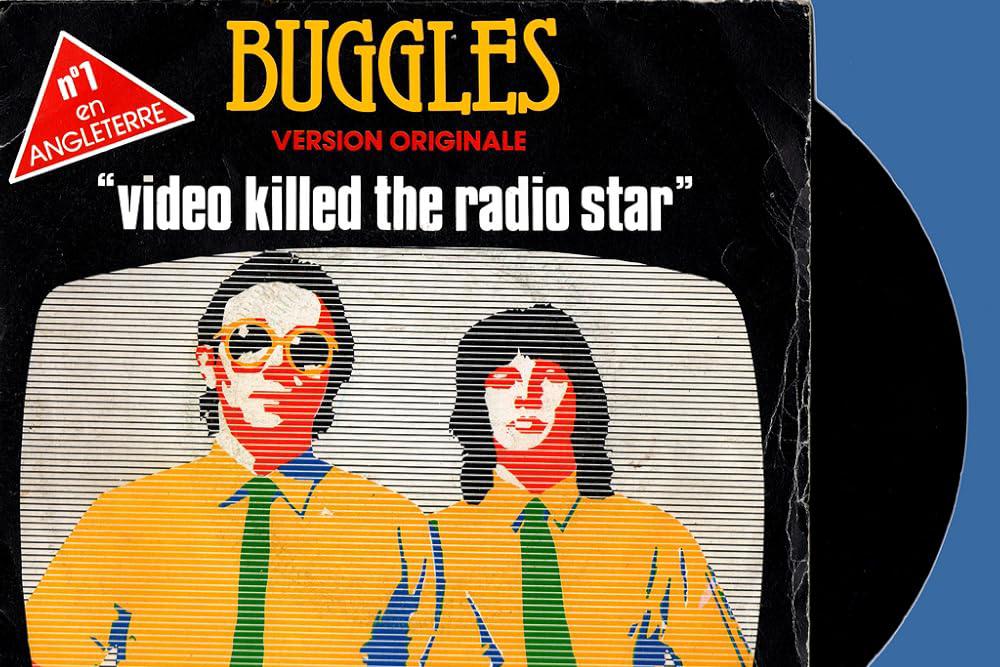
For decades, the radio was the undisputed king of music discovery and the primary source of entertainment in households across the globe, but its influence began to wane as visual media took hold. The Buggles’ 1979 hit captured the bittersweet nostalgia of this era, reflecting on how technological progress often leaves behind the very things we once cherished. As listeners moved away from the transistor radio and towards the television set, the intimate connection between the DJ and the audience started to fade in favour of high-budget music spectacles.
This decline was not just about the loss of a format but about the loss of a specific type of cultural gatekeeper who curated the soundtrack of our lives. Radio stars who had built their reputations on their voices found themselves struggling to compete with the sheer sensory overload of the music video age. Although radio survived by pivoting to talk shows and niche programming, it never regained the absolute authority it held before the visual revolution of the early eighties changed how the world consumed pop music.
Digital Downloads Change Everything
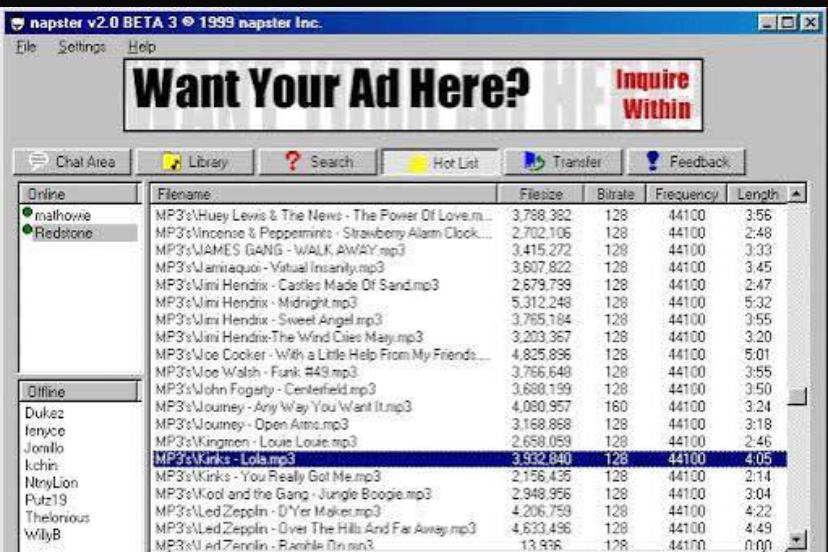
If the music video changed how we saw music, the arrival of the internet and digital downloads in the late nineties fundamentally changed how we owned and valued it. The launch of services like Napster in 1999 triggered a massive crisis for the traditional music industry as fans began to share files for free instead of buying physical CDs. This era marked the beginning of the end for the “album” as a primary commercial unit, as consumers could now cherry-pick individual tracks without ever stepping foot inside a record shop.
The industry initially fought back with lawsuits and aggressive copyright enforcement, yet the genie was already out of the bottle and the power had shifted into the hands of the consumer. This period of disruption forced record labels to rethink their entire business model, leading to the eventual rise of legal digital storefronts like the iTunes Store in 2003. However, the financial damage was significant, and the old-school industry “star makers” found that their influence was being diluted by a vast and uncontrollable global network of digital file-sharing.
Streaming Ends Physical Sales
The transition from digital downloads to the era of unlimited streaming has perhaps been the most devastating blow to the traditional music industry’s profit margins. Platforms like Spotify and YouTube have made almost every song ever recorded available for a small monthly fee or even for free with advertisements. While this is incredibly convenient for the listener, it has fundamentally devalued music as a commodity and made it difficult for all but the biggest stars to earn a living from recorded works.
In this new landscape, the “video star” has been replaced by the “viral sensation,” where success is measured in billions of views and algorithmically generated playlists. The internet did not just kill the radio star or the cable network; it killed the very idea of music as something you buy and keep on a shelf. This shift has forced modern artists to rely more heavily on touring and brand partnerships to stay afloat, as the pennies earned from millions of streams rarely cover the costs of high-quality production.
Social Media Stars Rise

In the modern day, the gatekeepers of the music industry are no longer the radio DJs or the MTV executives, but rather the social media algorithms and TikTok influencers. An artist can now record a song in their bedroom and become a global sensation overnight without ever signing a record deal or appearing on a traditional television show. This democratization of fame has allowed for a much more diverse range of voices to be heard, yet it has also created a saturated market where it is harder than ever to maintain long-term relevance.
The internet has created a world where everyone is a potential star, but the competition for our attention is so fierce that the “life cycle” of a celebrity has shortened dramatically. We are now in an era where a song’s success is often tied to its ability to be used in a fifteen-second dance clip rather than its artistic merit or vocal performance. This is the ultimate evolution of the trend started by “Video Killed the Radio Star,” where the visual and social context of the music has become just as important as the melody itself.
Cable Television Waning Popularity
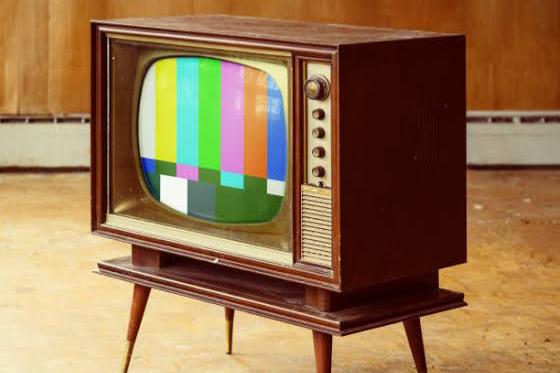
While MTV was once the absolute king of the music world, the internet has effectively killed the cable model that supported it for decades. Audiences have migrated away from scheduled television programming in favour of on-demand content on YouTube and social media platforms. The high-budget music video remains a staple of the industry, but it is now consumed through a mobile phone screen rather than a television set, leading to a decline in the cultural power of music networks.
This shift has had a ripple effect across the entire entertainment industry, as cable subscriptions plummet and traditional advertising revenue dries up. The “internet killed cable” narrative is a direct parallel to the “video killed the radio star” theme, showing how each new wave of technology eventually consumes the one that came before it. For many younger viewers, the idea of waiting for a specific time to watch a music video on a specific channel is as alien as listening to a radio play was to the children of the eighties.
The Loss Of Shared Experience
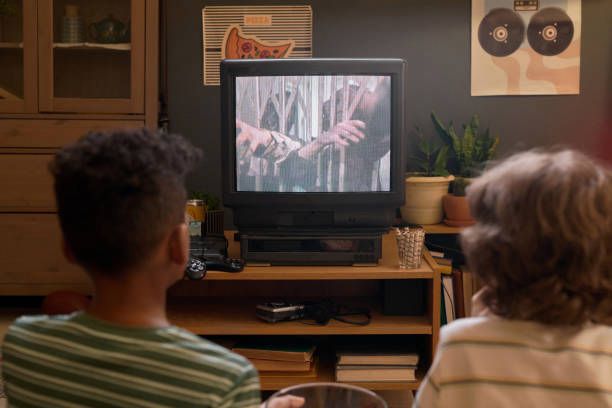
One of the most profound side effects of the internet’s dominance over the music industry is the loss of a truly shared cultural experience. In the days of radio and MTV, everyone was listening to the same songs and watching the same videos at roughly the same time, creating a common language of pop culture. Today, the internet has fragmented the audience into millions of tiny niches, where two people can be huge music fans but never have heard of each other’s favourite artists.
While this fragmentation allows for more specialized tastes and the support of indie musicians, it also means that the “superstar” era is largely a thing of the past. There are fewer artists who can capture the attention of the entire world simultaneously, as our attention is constantly being pulled in a thousand different directions by personalized feeds. We have traded the communal warmth of the radio and the television for the cold, efficient isolation of the digital algorithm, which gives us exactly what we want but rarely surprises us.
Nostalgia For Analog Days
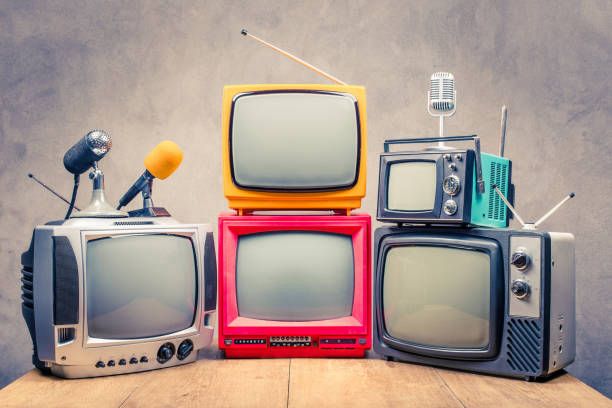
As we move further into the digital age, there has been a significant resurgence in nostalgia for the physical and analog formats of the past. Sales of vinyl records have reached heights not seen since the eighties, as fans look for a tangible connection to the music they love in an increasingly ephemeral world. This movement is a reaction against the “killing” of old media, proving that while technology can change our habits, it cannot entirely erase our desire for physical objects and authentic experiences.
Even the aesthetic of the “Video Killed the Radio Star” era has become fashionable again, with modern artists often using VHS-style filters and retro synths to evoke a sense of late-twentieth-century wonder. This nostalgia suggests that while we appreciate the convenience of the internet, we often miss the simplicity and focus of the radio and video eras. There is a growing sense that in our rush to embrace the new, we may have lost something vital about the way we connect with art and with each other.
The Future Of Consumption

Looking ahead, it seems likely that the music industry will continue to be shaped by the tension between technological innovation and the human need for connection. Artificial intelligence is already beginning to influence how music is created and marketed, raising new questions about the value of human “stars” in a world of computer-generated content. Just as the radio star had to adapt to video, and the video star had to adapt to the internet, today’s artists must find ways to remain authentic in an increasingly artificial landscape.
The lessons from 1981 are still relevant today: technology will always march forward, and formats will always die, but the power of a great song remains constant. Whether it is played over a crackling radio, a glossy television screen, or a high-speed fiber-optic connection, music will always find a way to reach its audience. The “killers” of the industry may change their names and their methods, but the core of the experience, which is the human voice and the melody, is far more resilient than the hardware we use to listen to it.
The Impact On Artists

Finally, we must consider how these transitions have impacted the lives and livelihoods of the artists themselves. In the radio era, a few big hits could sustain a career for decades, but in the internet age, musicians are often forced to be “content creators” who must constantly feed the social media machine to stay relevant. This relentless pressure to produce visual and social content can detract from the music itself, leading to burnout and a lack of creative depth in some modern pop.
However, the internet also provides artists with a direct line to their fans that was never possible in the days of radio or MTV. This independence allows musicians to bypass the traditional corporate structures of the industry and build sustainable careers on their own terms. While the “internet killed the music industry” in its old form, it has also given birth to a new, more chaotic, and more accessible world where the only real limit is the artist’s own creativity and their ability to connect with a global community.
While we celebrate the ease of the modern world, we must ensure that the “killing” of old formats does not result in the permanent loss of the human elements that make music worth listening to in the first place.
Like this story? Add your thoughts in the comments, thank you.


