
1. The Subscription Life

Sometimes trends creep in quietly and feel normal until we finally realize we should have seen them coming. Subscriptions started small, then spread into movies, music, groceries, cleaning supplies, workouts and more. Every month became scattered with tiny charges that quietly multiplied. We told ourselves it was convenient and flexible. Later, people began saying they felt like they were renting their lives instead of owning anything. Looking back, it may feel obvious that predictable payments always benefit companies first. We walked into it willingly because it felt easy, and we barely paused to ask what we might lose.
2. The Phone as Everything
It began with simple calls and texts, then slowly absorbed photos, banking, tickets, notes and personal information. Losing a phone stopped feeling annoying and started feeling like losing our entire world. We kept saying it was easier to keep everything in one place, but we quietly tied our identity to one fragile device. One accident, one glitch, and life seemed frozen. One day, we may laugh at how willingly we trusted something that slips from our hands so easily while believing it was still the safest place to store everything important.
3. Short Clips for Every Moment
Quick videos first felt fun, light and harmless. Just something to watch when we were bored. Then feeds sped up and our patience slowed down. Reading became harder. Waiting felt uncomfortable. Silence felt strange. We trained our minds to expect constant stimulation and called it entertainment. Many people started noticing they could not finish things that once felt easy. Looking back, it may seem obvious that shrinking our attention over time would eventually change how we think, how we learn and how we feel when the world is finally quiet for a moment.
4. Work That Never Ends

Remote tools promised freedom, comfort and flexibility. It sounded like a dream. Then messages began arriving late at night, meetings stretched longer, and somehow every day needed just a little extra. The line between work time and personal time faded until they looked the same. People admitted they felt guilty when they stopped working. Looking back, it may feel obvious that constant access would eventually mean constant expectations. We did not lose our jobs to stress. We simply brought our jobs into every corner of our lives without realizing what that choice would cost.
5. Food Made Faster Than Ever

Convenience slowly replaced cooking. Boxes and packets promised quick meals with bright labels and friendly claims. Ingredients became longer and harder to pronounce, but we trusted the packaging. Families spent less time preparing real food and more time heating whatever was ready the fastest. It seemed practical when life was busy. Later, people began noticing they felt tired or simply not their best. Looking back, it may feel obvious that food built for speed and shelf life was never meant to nourish us the same way simple, honest ingredients always have.
6. Privacy Given Away Quietly
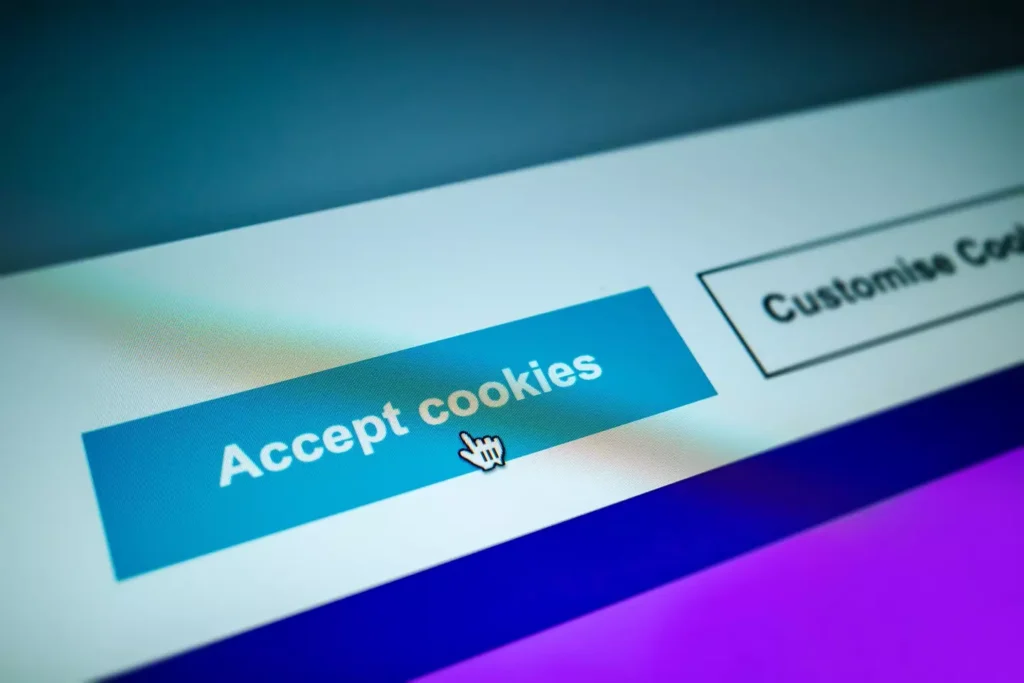
Those little pop ups asking us to accept cookies felt harmless. We clicked without thinking because we just wanted to continue. Apps learned where we go, what we like and what we talk about. Personalized ads felt impressive. Then it started to feel unsettling when something we mentioned suddenly showed up on our screens. We kept scrolling anyway because it was easier than changing settings. Looking back, it may seem very clear that nothing online was truly free. We simply paid with our data, and we rarely stopped long enough to understand what that really meant.
7. Influence Over Expertise
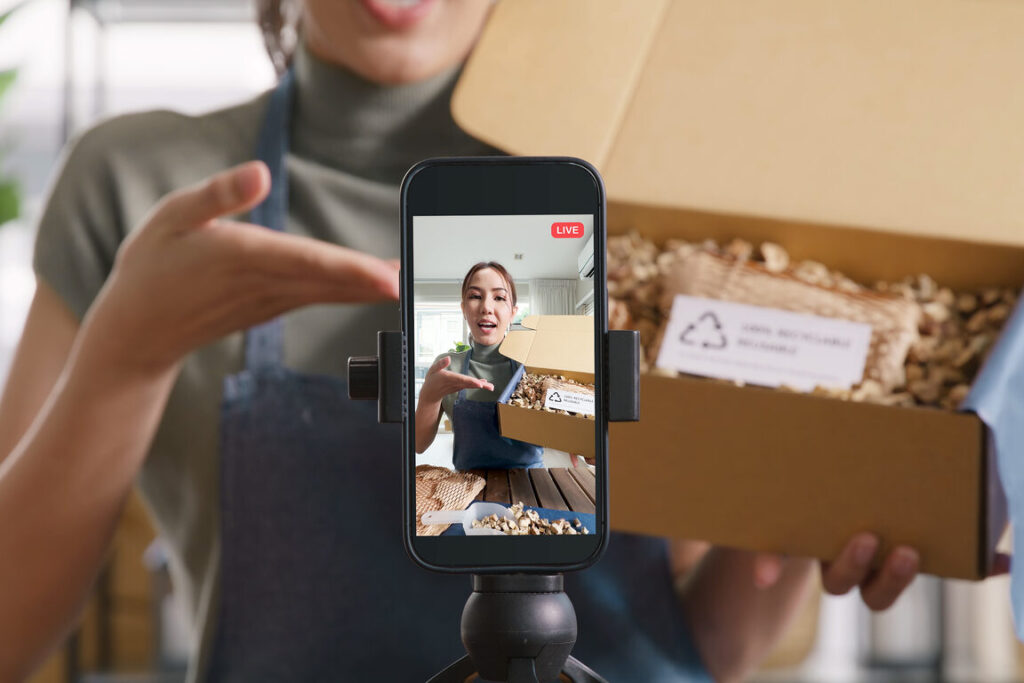
At first, regular people sharing tips online felt refreshing and real. They spoke like friends and seemed easy to trust. Brands noticed and attached themselves. Soon influencers shaped choices about beauty, health, money and lifestyle. Popularity slowly replaced knowledge. Some warned that attention does not equal accuracy, but louder voices kept winning. Many later admitted they followed advice that did not actually help them. Looking back, it may feel obvious that charm can easily overshadow truth when we want someone who simply feels relatable, even when they are not always right.
8. Clothes Treated Like Disposable Things
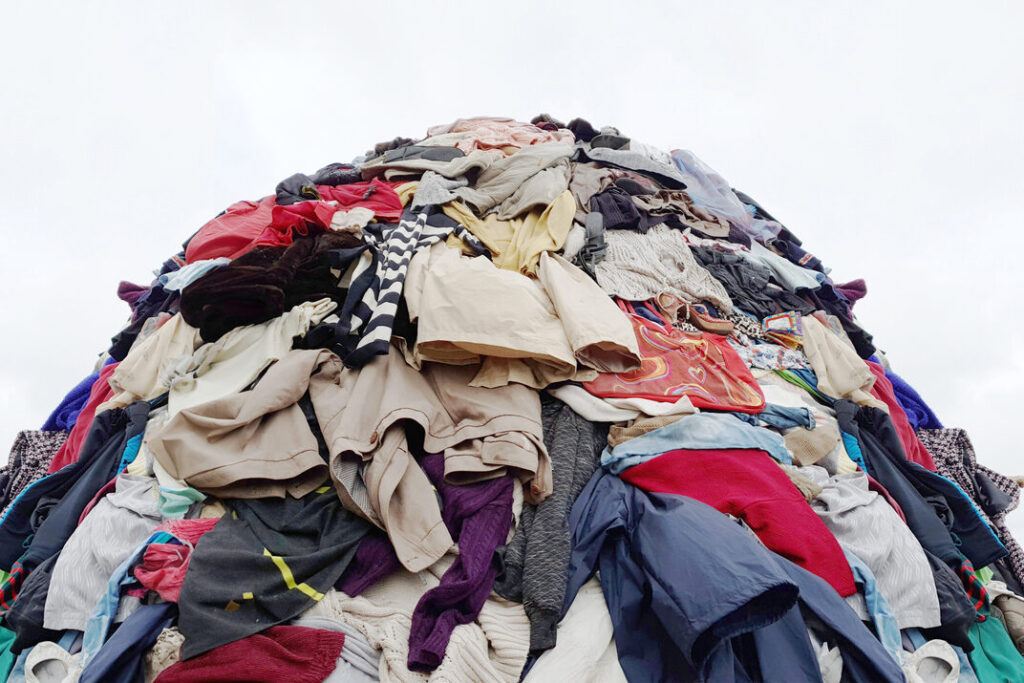
Cheap prices and endless styles made shopping exciting. New outfits arrived so often that trends barely lasted. Closets filled, fabrics wore out quickly, and people joked about having nothing to wear. We saw only the deals, not the cost beneath them. Factories worked faster, landfills grew, and quality faded. Looking back, it may seem obvious that fashion was never meant to move that fast. We simply learned to value newness over durability and forgot that clothes once stayed with us long enough to actually mean something.
9. Homes That Think for Us
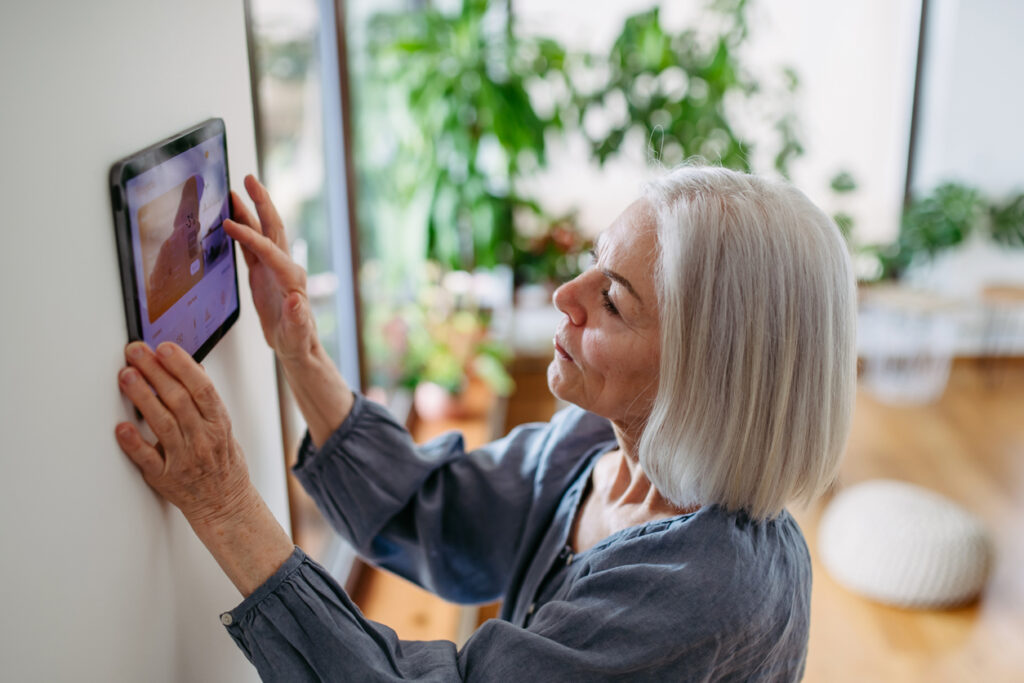
Smart devices promised ease and comfort. Lights responded to our voices. Locks remembered schedules. Speakers answered questions instantly. Over time, we depended on them more than we noticed. When Wi Fi failed, simple routines suddenly felt complicated. We joked about not knowing how to do basic things anymore. Looking back, it may seem obvious that we slowly traded small bits of independence simply because technology felt clever and impressive. We did not lose control all at once. We handed it away piece by piece because convenience felt like progress.
10. Hustle As Identity

Working hard mattered, but somehow it became everything. People celebrated exhaustion, posted about staying busy, and treated rest like weakness. Motivational quotes told us to keep pushing. Many quietly burned out while pretending they were thriving. Later, some admitted they did not even know how to slow down anymore. Looking back, it may seem obvious that success without balance eventually empties us. We were trying to prove something instead of simply living well, and we forgot that real achievement also includes space to breathe, feel, enjoy and simply be present.
11. Streaming Instead of Sharing
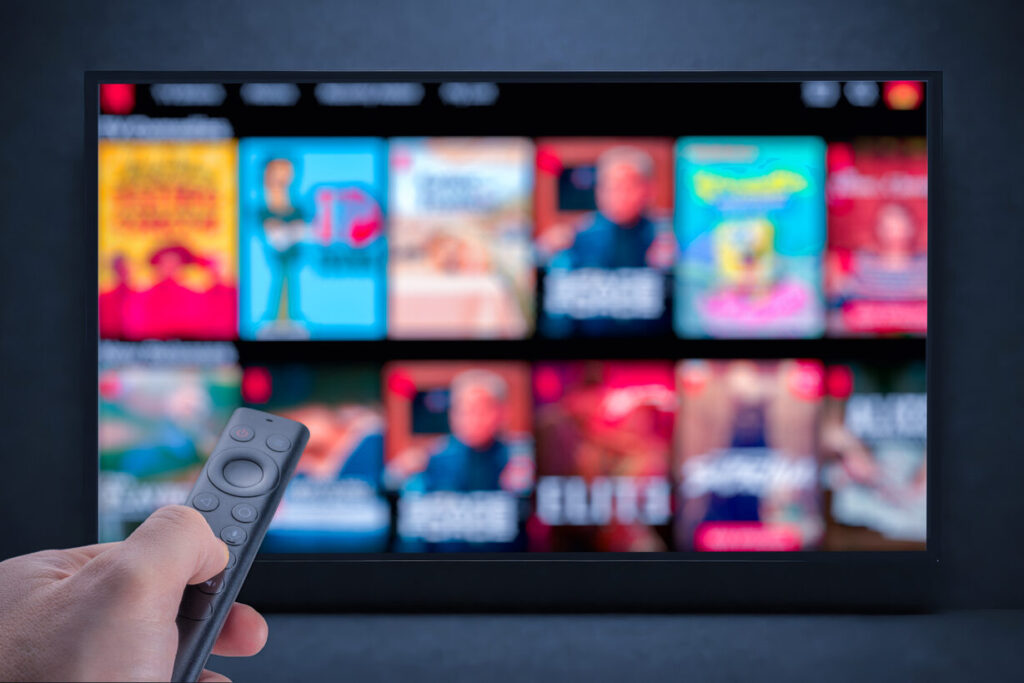
Streaming made everything available instantly. Each person could choose something different, in a different room, at any time. It felt like freedom at first. Slowly, shared moments faded. Families stopped gathering around the same show, laughing at the same part, or discussing a single story together. People began saying they missed watching one thing as a group. Looking back, it may feel obvious that endless choice can quietly separate us. Convenience often gives something while quietly taking something else away, especially the simple habit of being together.
12. Notifications All Day Long
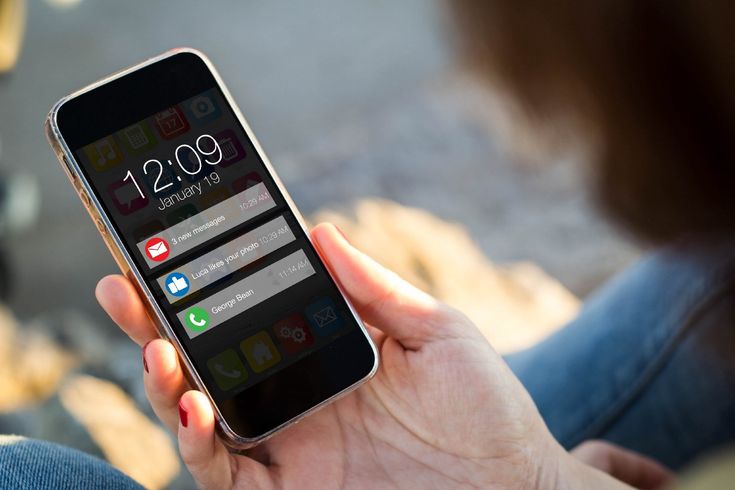
Buzzing became normal. Messages, reminders, updates and alerts arrived constantly. We answered quickly because it felt urgent, even when it was not. Many people noticed they checked their phones without thinking, almost automatically. When nothing buzzed, it felt strangely quiet. Looking back, it may feel obvious that our attention was being divided into tiny pieces. We accepted distraction as part of life, forgetting that peace, focus and creativity usually grow in silence that is not constantly interrupted by noise.
13. Bigger Portions Everywhere

Restaurants increased serving sizes and grocery packages grew too. We believed we were getting better value. Plates and cups expanded until our idea of normal changed. Finishing everything became a habit. Later, many wondered when it all shifted. Looking back, it may feel obvious that larger portions encouraged spending more, not living healthier. We accepted size as generosity instead of asking what our bodies actually needed. What looked like abundance slowly shaped habits that were never really meant for our wellbeing.
14. Convenience Over Community

Online shopping felt efficient and delivery felt easy. We no longer needed to leave home, browse shelves, or greet familiar faces. Slowly neighborhoods quieted and small stores struggled. People began saying they missed being recognized by name. Looking back, it may seem obvious that speed sometimes replaces connection. We gained comfort, but we lost the cheerful chats, quick smiles, and tiny conversations that once stitched daily life together. Community fades quietly when everything arrives at the door. Convenience is useful, but it cannot replace the feeling of belonging that grows when people actually show up in person every single day.
15. Trends That Never Stop Moving

Social media made trends travel faster than we could breathe. One week a style or idea ruled everything, the next week it disappeared completely. Clothes changed, slang shifted, challenges popped up and vanished. Many people felt tired trying to keep up. Looking back, it may seem obvious that constant novelty keeps us scrolling instead of grounding ourselves. We chased whatever was popular and sometimes forgot what actually mattered. The more we tried to stay current, the more restless we felt. Stability rarely goes viral, yet it quietly shapes lives in ways that last much longer than noise in the end.
16. Convenience Banking Everywhere

Banking moved from long queues to simple phone screens. It felt like freedom to transfer money, pay bills, and save without stepping outside. Over time, we trusted apps more than physical branches. We rarely carried cash anymore. People said it felt easier, faster, smarter. But glitches, scams, and sudden lockouts reminded us everything existed in invisible form. Looking back, it may seem obvious that when money lives inside systems we do not control, power quietly shifts away from us. We accepted it because it worked, and we rarely questioned what happens when it suddenly does not.
17. Filtered Reality
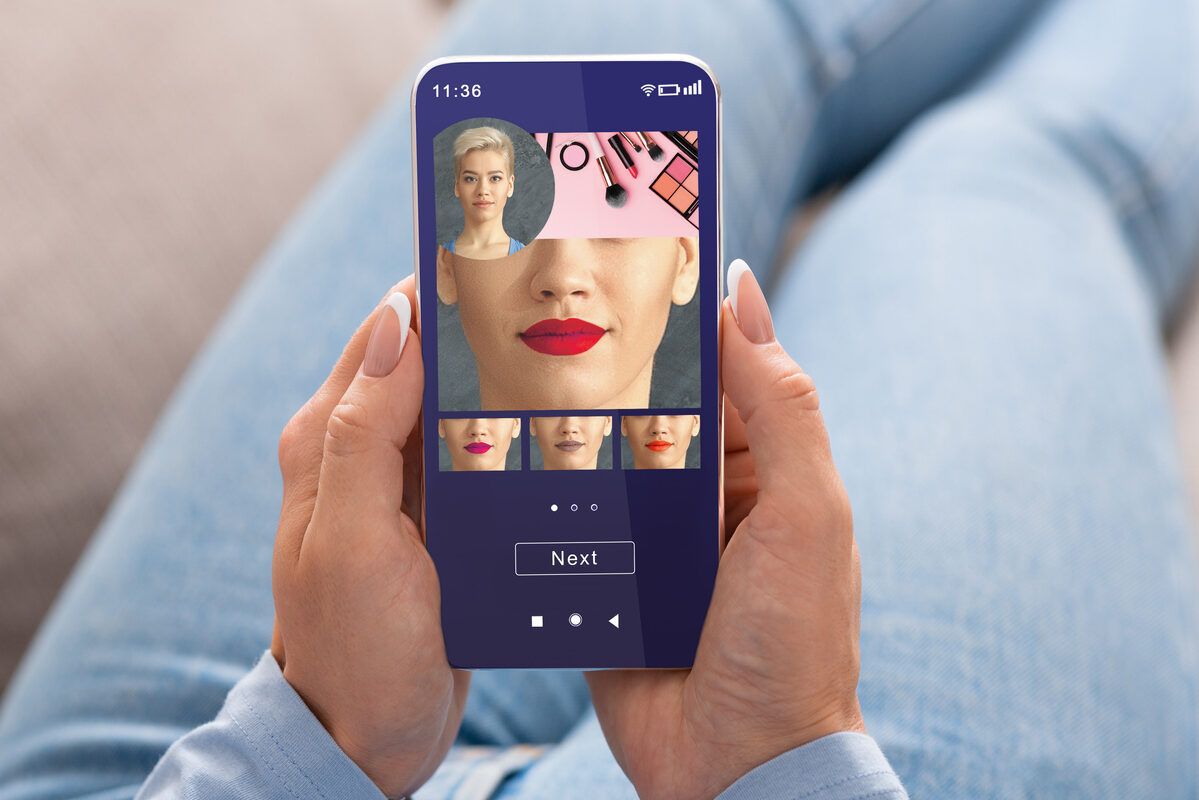
Filters started as fun tools to smooth skin or brighten photos. Soon they shaped our expectations of beauty. Faces looked flawless, pores disappeared, and smiles seemed perfect. Many began comparing themselves to versions that did not actually exist. Real-life mirrors felt harsher than edited screens. Looking back, it may feel obvious that pretending perfection comes easily creates quiet pressure. We forgot that real faces move, wrinkle, shine, and change with time. We chased images that were never meant to be real, and sometimes forgot how normal, interesting, and human our natural selves already are.
18. Turning Hobbies into Hustles

People once painted, baked, or crafted just for joy. Over time, everything creative slowly turned into potential income. Friends suggested selling, posting, promoting. Fun started to feel like performance. If it did not grow, it felt like failure. Looking back, it may seem obvious that not every passion is meant to become business. We tried to monetize happiness and sometimes lost the simple pleasure that made it meaningful in the first place. Some things are valuable simply because they fill us, not because they earn, impress, or produce measurable results.
19. Travel For the Picture

Travel once invited curiosity, wandering streets, tasting food, and listening to locals. Slowly it turned into finding the perfect angle. People lined up at famous spots to take identical photos. Trips became checklists instead of discoveries. Looking back, it may seem obvious that we chased proof more than presence. We shared highlights online while sometimes missing the moment happening right in front of us. Memories stay longest when we notice the smells, sounds, and feelings of a place, not only the picture. Travel becomes richer when we let ourselves truly be there for every quiet memory we carry home later.


