
14 countries, and roughly 22,000 miles of open road
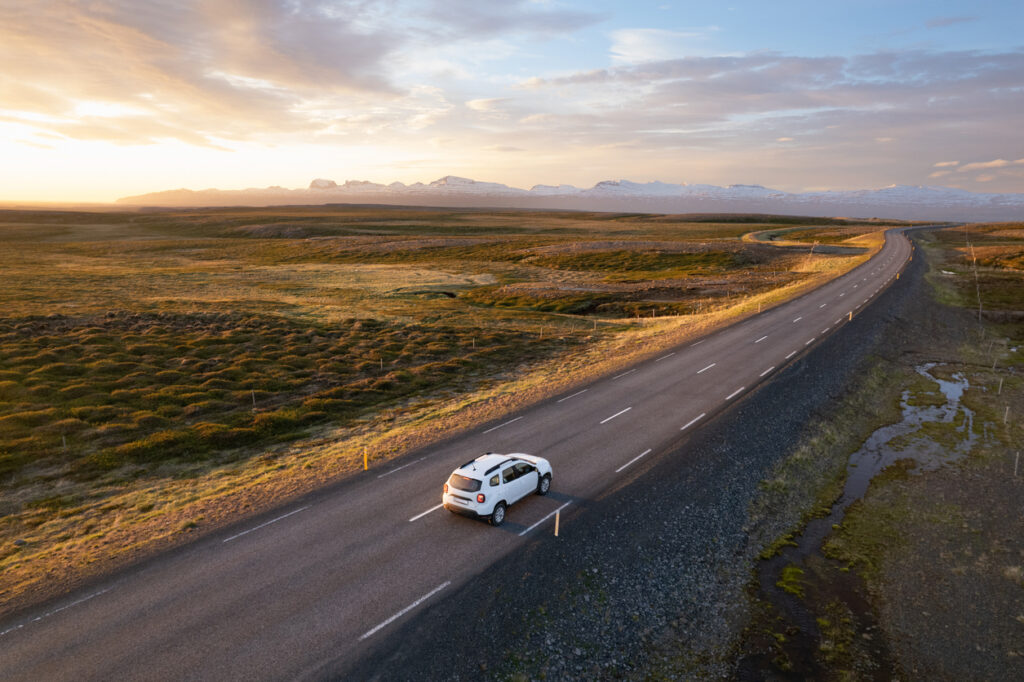
There is something inherently soul-stirring about the concept of the open road because it represents the ultimate expression of human freedom and our restless desire to see what lies beyond the next horizon. For many of us, a weekend drive to the coast is enough to clear the cobwebs, yet there exists a different breed of traveller who craves a journey that spans entire hemispheres and tests the very limits of mechanical and personal endurance. This topic matters because it highlights our incredible global connectivity while reminding us that, despite our modern digital age, the physical world remains vast, challenging, and filled with breathtaking natural beauty that can only be truly appreciated at a petrol-station pace.
Setting off on a journey of this magnitude is not merely about ticking off miles on a speedometer but rather about witnessing the slow-motion transition of cultures, climates, and landscapes. When we discuss the longest drivable routes on Earth, we are talking about a tapestry of human experience that stitches together the icy tundras of the north with the sun-drenched tips of the south. These routes and the persistent human spirit, refuses to let a little thing like an ocean or a mountain range stand in the way of a truly epic adventure across our shared planet.
The Pan American Highway Marathon
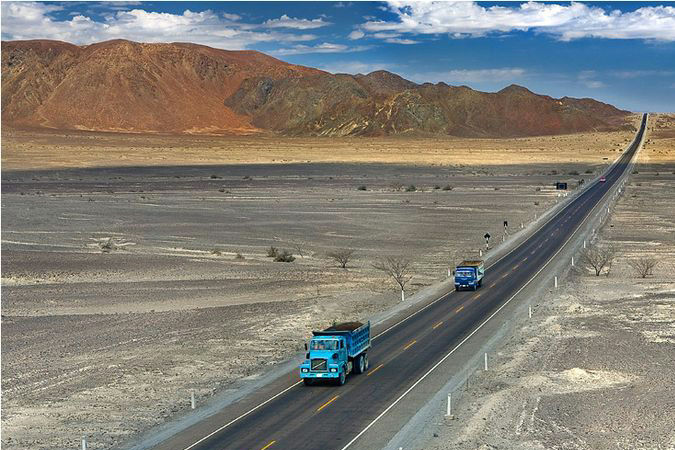
This legendary network of roads stands as the undisputed titan of global travel because it stretches from the frozen wilds of Prudhoe Bay in Alaska all the way down to the windswept tip of Ushuaia in Argentina. While the Guinness World Records officially recognises it as the longest motorable road, the journey is actually a collection of interconnected highways that traverse through fourteen different countries and multiple time zones. Most travellers find that the sheer variety of terrain is the most daunting aspect of the trip since you might be navigating Arctic permafrost on Tuesday and then find yourself humidly winding through Central American rainforests by the following month. It is a route that demands respect and meticulous planning because the environment is constantly shifting beneath your tyres.
Despite the grandeur of the journey, it is famously interrupted by the Darién Gap which is a sixty-mile stretch of dense jungle and swampland between Panama and Colombia where the pavement simply vanishes into the wilderness. Most adventurers have to ship their vehicles around this break in the road before continuing their southward trek through the towering Andes and the stark beauty of the Atacama Desert. The Pan-American Highway was first proposed at the Fifth International Conference of American States in 1923 and although it has evolved significantly since those early dreams, it remains the ultimate test for any driver. Reaching the “End of the World” sign in Tierra del Fuego provides a sense of accomplishment that few other feats on this planet can ever hope to match.
The Trans Siberian Highway Trek
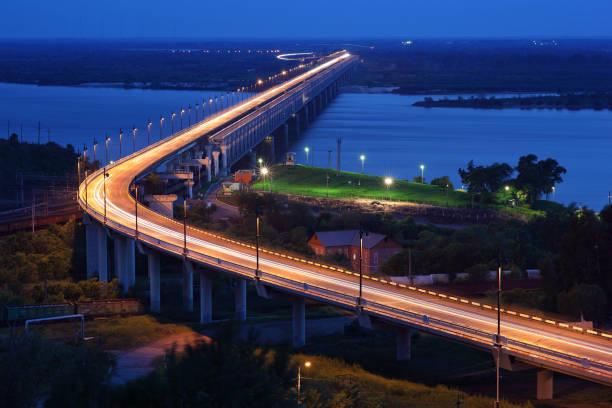
Spanning the vast and often mysterious expanse of the Russian Federation, the Trans-Siberian Highway offers a driving experience that feels like a voyage across a private continent because it covers over 6,000 miles from St. Petersburg to Vladivostok. For decades, much of this route consisted of little more than gravel tracks and mud, but a massive government push in the early 2010s finally saw the entire length paved to create a continuous ribbon of asphalt. Drivers must be prepared for incredible isolation because the gaps between major cities like Novosibirsk and Irkutsk are filled with endless birch forests and the hauntingly beautiful Siberian taiga. It is a journey that feels profoundly cinematic as you track the path of the famous railway while observing the changing faces and traditions of the Russian heartland.
One of the most striking aspects of this drive is how it forces a person to reckon with the sheer scale of the eastern wilderness and the resilience of the people who live there. Winter travel is strictly for the brave or the foolish because temperatures can plummet to levels that turn engine oil into jelly and make the road surface as slick as a skating rink. Most experts recommend making the transit during the brief but brilliant summer months when the sun stays high in the sky and the wild flowers are in full bloom across the steppes. Passing Lake Baikal, the deepest freshwater lake in the world, serves as a natural midpoint highlight that reminds every traveller why they chose to endure the bumps and the breakdowns for a glimpse of such pristine, ancient majesty.
Highway One Australian Loop
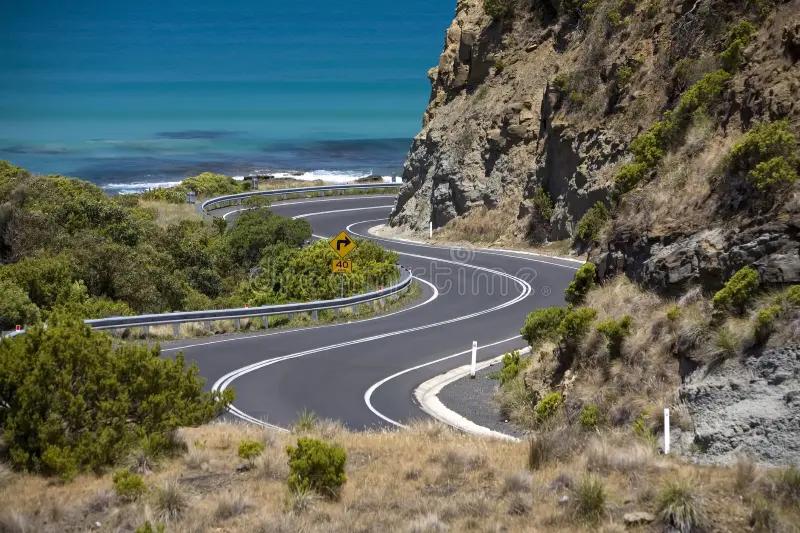
Australia is a land of immense coastal beauty and there is no better way to see it than by embarking on Highway 1 which is essentially a giant ring road that hugs the entire continent. Covering roughly 9,000 miles, this is the longest national highway in any single country and it offers a remarkably diverse itinerary that includes everything from tropical rainforests in Queensland to the limestone cliffs of the Great Ocean Road. Unlike the rugged paths of Eurasia, the Australian loop is largely well-maintained and provides a slightly more comfortable adventure, although the distances between petrol stations in the Nullarbor Plain can still be quite nerve-wracking. It is a quintessential sun-drenched odyssey that captures the laid-back spirit of the island nation while showcasing its most famous landmarks.
The beauty of this particular road trip lies in its circular nature because it means you never have to see the same scenery twice and you can start or end in any major city like Sydney, Perth, or Melbourne. Travellers often spend months completing the circuit so they can detour into the Red Centre or spend weeks surfing at remote beaches that are inaccessible by any other means. It was officially unified as a single route in 1955 and since then it has become a rite of passage for “grey nomads” and international backpackers alike who seek to understand the true scale of the Outback. While it may not cross international borders, the sheer ecological variety found along this loop makes it feel as though you have visited several different worlds in one go.
The Trans Canada Highway Trail
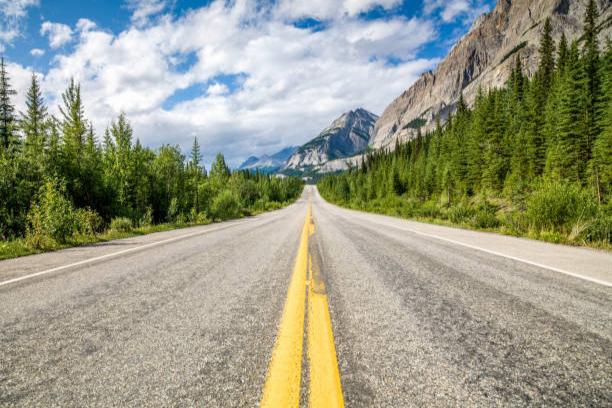
Cutting a majestic path from the Atlantic to the Pacific, the Trans-Canada Highway is a celebration of North American wilderness that spans over 4,800 miles and ten distinct provinces. The route officially opened in 1962 and serves as the vital artery of the nation because it connects the historic maritime charm of Newfoundland with the rugged, mountainous beauty of British Columbia. Driving this road is a lesson in geography as you move from the rocky shores of the east through the flat, golden prairies of Saskatchewan before hitting the jaw-dropping wall of the Canadian Rockies. It is a journey defined by its hospitality and its wildlife because it is not uncommon to see moose or bears lingering near the roadside as you cruise through the national parks.
Because Canada is so vast, the highway often feels like a lonely ribbon of civilisation cutting through a sea of green and blue and this sense of solitude is exactly what draws many people to the drive. The sections through Ontario are particularly famous for their length as you skirt the edges of the Great Lakes and marvel at the sheer volume of freshwater that dominates the landscape. Every province brings a new flavour of culture and cuisine from the poutine of Quebec to the fresh salmon of the west coast which ensures that the trip is as much a culinary adventure as it is a scenic one. It remains one of the most accessible long-distance drives in the world and provides a safe yet thrilling way to experience the raw power of the northern wilderness.
The Golden Quadrilateral Journey
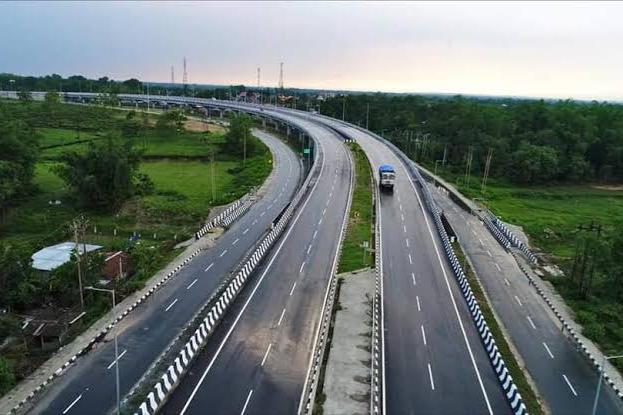
India is a country that assaults the senses in the best possible way and the Golden Quadrilateral is the modern engineering feat that allows drivers to experience its four major corners in one spectacular loop. Connecting Delhi, Mumbai, Chennai, and Kolkata, this 3,600-mile network of expressways was completed in 2012 to revolutionise the way people and goods move across the subcontinent. For the intrepid road tripper, it offers a front-row seat to the incredible contrast between hyper-modern metropolitan hubs and the ancient, spiritual landscapes that have remained unchanged for centuries. Navigating the traffic in India requires a stout heart and a quick reflex, but the reward is a kaleidoscope of colours, smells, and sounds that you simply cannot find anywhere else on the planet.
Driving the Quadrilateral is not just about speed but about the fascinating stops along the way such as the marble wonders of Agra or the coastal serenity of the Bay of Bengal. The road itself is a symbol of India’s rapid economic growth and yet it is still shared by modern lorries, traditional bullock carts, and the occasional wandering cow which makes for a truly unique driving environment. Most people find that the stretch through Rajasthan is a particular highlight because the desert forts and golden sands provide a stunning backdrop to the smooth tarmac of the new highway system. It is a journey that proves that even in one of the most densely populated places on Earth, there is still plenty of room for a grand and sweeping adventure on the open road.
The Route 66 Classic
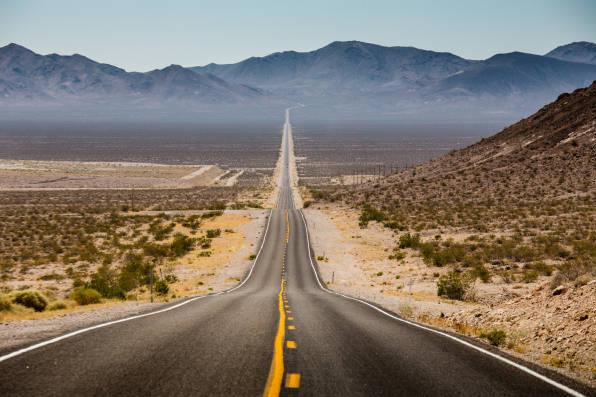
While it may not be the longest road on this list, Route 66 is undoubtedly the most iconic and it remains the spiritual home of the American road trip for millions of enthusiasts. Originally established in 1926, the “Mother Road” ran from Chicago to Santa Monica and covered nearly 2,500 miles across the heart of the United States. Although it was officially removed from the United States Highway System in 1985, the majority of the original path remains drivable today and is lined with kitschy neon signs, vintage diners, and quirky roadside attractions. This journey is a nostalgic dive into a bygone era of Americana where the car was king and the journey was considered just as important as the destination itself.
Following the trail of Route 66 allows a driver to see the transition from the industrial Midwest to the arid beauty of the Mojave Desert and the sparkling shores of the Pacific Ocean. It is a route that has been immortalised in literature and song because it perfectly captures the theme of westward expansion and the pursuit of a better life. Today, the road is a living museum where small towns have preserved their 1950s charm to cater to the thousands of international tourists who come to experience the classic American dream. Whether you are stopping for a thick milkshake in an Oklahoma diner or gazing out over the Painted Desert in Arizona, Route 66 provides a sense of connection to history that newer, faster interstate highways simply cannot replicate.
The North Coast 500
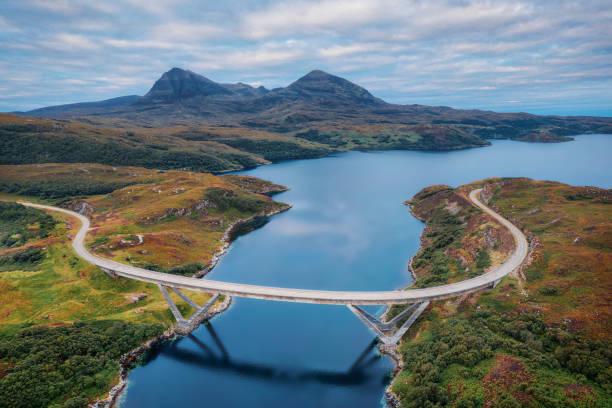
For those who prefer their road trips with a side of mist and mystery, the North Coast 500 in Scotland offers a 516-mile loop that is often described as the British answer to Route 66. Starting and ending at Inverness Castle, the route winds through the rugged Highlands and skirts the dramatic coastline of the far north where the mountains meet the sea in spectacular fashion. This is not a journey for those in a hurry because the narrow, single-track roads require careful navigation and a patient temperament especially when a flock of sheep decides to claim the right of way. However, the reward for your patience is some of the most breathtaking scenery in Europe including white sandy beaches that look like they belong in the Caribbean.
The NC500 has exploded in popularity over the last decade because it packs an incredible amount of history and natural beauty into a relatively short distance. You can spend your mornings exploring ruined castles and your afternoons sampling world-class malts at remote whisky distilleries while the sun sets over the Minch. The weather in the Scottish Highlands is famously fickle so you might experience four seasons in a single hour, but this only adds to the atmospheric charm of the drive. It is a journey that feels deeply personal and reflective because the vast, empty glens and the crashing Atlantic waves provide the perfect backdrop for quiet contemplation and a genuine escape from the pressures of modern life.
The Great Trunk Road
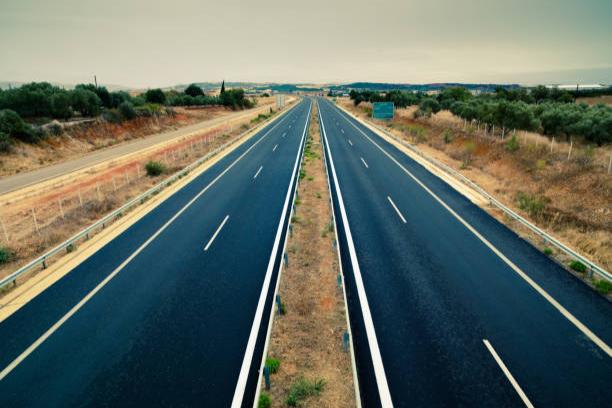
As one of Asia’s oldest and longest major roads, the Grand Trunk Road is a historical marvel that has linked Central Asia to the Indian subcontinent for more than two millennia. The modern version of the route runs for over 1,500 miles from Chittagong in Bangladesh through India and Pakistan and finally ending in Kabul, Afghanistan. Walking or driving this route is like moving through a living history book because it follows the same path taken by ancient emperors, traders, and invaders who shaped the destiny of the region. It is a road of immense cultural significance that passes through some of the most famous cities in the East including Dhaka, Varanasi, Delhi, and Lahore while offering a glimpse into the soul of southern Asia.
The experience of travelling the Grand Trunk Road is one of constant movement and vibrant energy where the air is thick with the scent of spices and the sound of constant horn-honking. While some sections are now modern multi-lane highways, other parts still retain their traditional character with massive banyan trees lining the way and ancient caravanserais offering shade to weary travellers. It is a route that requires a great deal of flexibility and an open mind because border crossings and local conditions can vary wildly from one day to the next. For those who persevere, the journey offers a profound understanding of how trade and travel have fostered a shared heritage across diverse nations and religions for thousands of years.
The Garden Route Escape
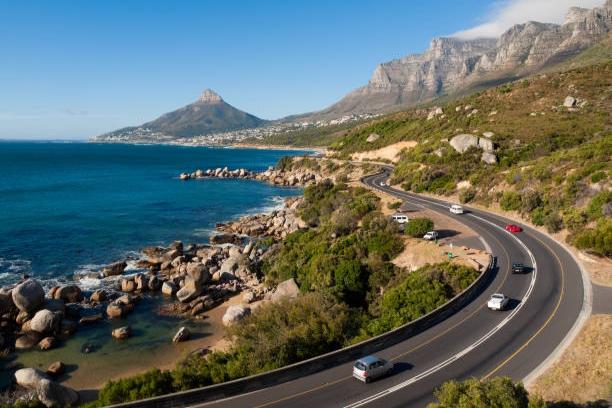
Tucked away on the southern coast of South Africa, the Garden Route is a 124-mile stretch of road that offers an concentrated dose of ecological wonders and coastal charm. While it is short compared to the transcontinental giants, it is frequently cited as one of the most beautiful drives in the world because it meanders through a lush landscape of ancient forests, hidden lagoons, and jagged mountain ranges. The route officially runs from Mossel Bay to the Storms River and provides easy access to ten different nature reserves where you can see everything from whales breaching in the ocean to elephants roaming the bush. It is a gentle and refined road trip that encourages frequent stops for hiking, bird watching, or simply enjoying the world-class seafood in the town of Knysna.
The magic of the Garden Route lies in its accessibility and the sheer variety of activities available within such a small geographic area. One moment you might be crossing the dramatic heights of the Bloukrans Bridge and the next you are walking through the canopy of a thousand-year-old Yellowwood forest. Because it is located in the Western Cape, the climate is Mediterranean and mild throughout the year which makes it an ideal destination for those who want to experience the African landscape without the extreme heat of the interior. It is a journey that celebrates the delicate balance of nature and tourism and it serves as a reminder of why we must protect these pristine pockets of wilderness for future generations to explore and enjoy.
The Wild Atlantic Way
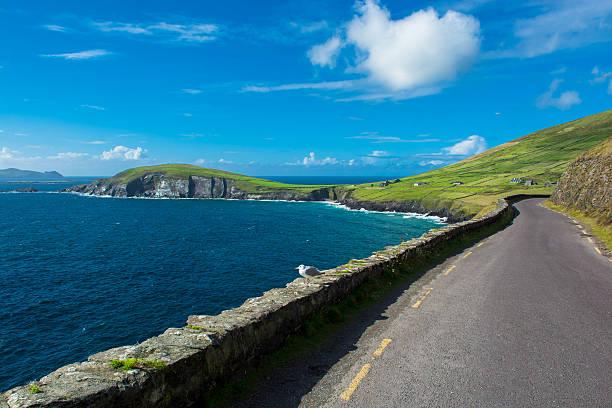
Stretching along the entire west coast of Ireland, the Wild Atlantic Way is the world’s longest defined coastal touring route and it offers 1,550 miles of pure, unadulterated Atlantic beauty. From the northern headlands of Donegal to the colourful harbour towns of West Cork, the road clings to the edge of Europe and provides stunning views of the ocean at every turn. This is a journey defined by the power of the sea because the landscape has been carved over millions of years by the relentless battering of the waves against the limestone cliffs. Travellers will find themselves enchanted by the Irish language, the traditional music heard in roadside pubs, and the genuine warmth of the local people who are always ready with a story or a bit of directions.
Driving the Wild Atlantic Way is an exercise in slowing down because the winding roads and the sheep-filled lanes make high speeds impossible and entirely undesirable. Highlights like the Cliffs of Moher and the Ring of Kerry are world-famous, but the real joy of the trip is finding the deserted beaches and the quiet coves that don’t appear in the guidebooks. It is a route that changes character with the light as the grey Atlantic mists give way to brilliant sunsets that turn the entire coast into a palette of gold and purple. For anyone seeking a road trip that combines raw natural power with a rich and living culture, this Irish odyssey is a peerless choice that stays in the memory long after the car has been parked for the final time.
The Karakoram Highway Adventure
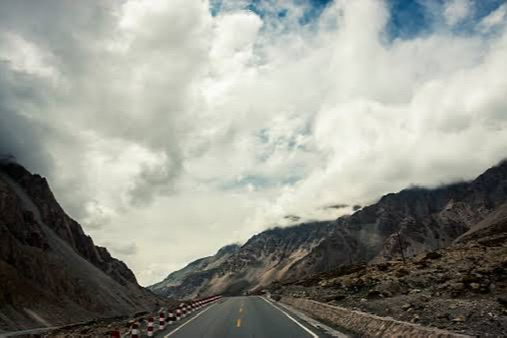
Connecting Pakistan with China through the heart of the Himalayas, the Karakoram Highway is often described as the eighth wonder of the world because of its staggering altitude and the sheer audacity of its construction. This 800-mile stretch of asphalt reaches a dizzying peak of over 15,000 feet at the Khunjerab Pass which makes it one of the highest paved international roads on the planet. For the driver, this journey is a masterclass in mountain navigation as you weave through granite peaks that pierce the clouds while the Indus River churns violently in the deep valleys far below. It is a route that was carved out of solid rock over twenty years and remains a vital link for trade and tourism between the two nations despite the frequent landslides and the extreme weather conditions.
The experience of driving the Karakoram is less about the speed and much more about the profound sense of scale because you are surrounded by several of the world’s tallest mountains including the formidable Nanga Parbat. Travellers often stop in the Hunza Valley where the hospitality of the local people is as legendary as the ancient apricot orchards that dot the landscape under the watchful eye of the Rakaposhi peak. Because the road follows the path of the ancient Silk Road, there is a heavy sense of history in every hairpin turn and every bridge crossing. It is a journey that requires a reliable vehicle and a sturdy set of nerves but offers a perspective on the majesty of the natural world that is truly unparalleled and deeply humbling for any visitor.
The Great Ocean Road Drive
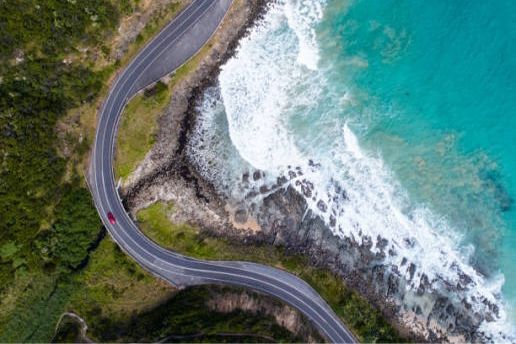
While it serves as a spectacular segment of the larger Australian loop mentioned previously, the Great Ocean Road deserves its own recognition as a standalone pilgrimage for those who appreciate the raw power of the Southern Ocean. Stretching for 151 miles along the south-eastern coast of Australia, the road was built by returned soldiers between 1919 and 1932 as a memorial to those who lost their lives in the First World War. This makes it the world’s largest war memorial and its winding path provides a poignant and beautiful tribute to the fallen while offering some of the most dramatic coastal scenery imaginable. Drivers will find themselves constantly pulling over to admire the limestone stacks known as the Twelve Apostles which rise majestically from the churning surf.
The beauty of this route is how it transitions from the surf capital of Torquay through lush, temperate rainforests before emerging onto the high, windswept cliffs of the Shipwreck Coast. It is a drive that is best taken slowly so that you can spot koalas in the wild at Kennett River or explore the hidden waterfalls tucked away in the Otway Ranges. Because the road is narrow and hugs the cliff edge, the views are immediate and immersive which creates a feeling of being suspended between the green of the land and the deep blue of the sea. It remains a bucket-list experience for anyone visiting Australia because it captures the rugged and untamed spirit of the continent in a way that is both accessible and utterly unforgettable for every traveller.
The Ring Road Of Iceland
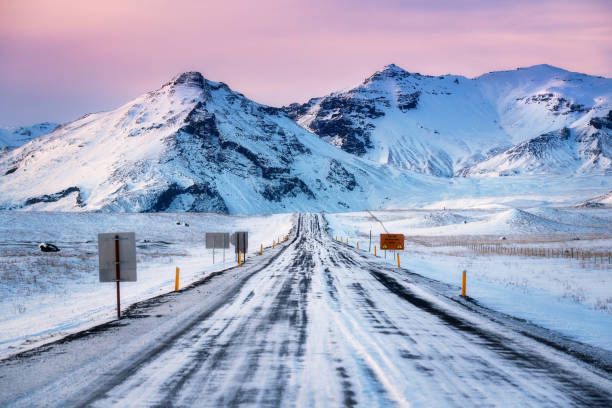
Known locally as Route 1, the Icelandic Ring Road is an 821-mile circuit that encompasses the entire island and offers a front-row seat to some of the most intense geological activity on Earth. Driving this road is like traversing a different planet because you move past active volcanoes, massive glaciers, and steaming geothermal fields within the span of a single afternoon. Because the population of Iceland is concentrated in just a few areas, much of the drive is spent in a state of beautiful isolation where the only other living souls you might see are the hardy Icelandic sheep. It is a route that demands flexibility because the weather can turn from sunshine to a horizontal blizzard in a matter of minutes which requires a driver to be constantly alert.
One of the most popular highlights along the route is the Jökulsárlón glacier lagoon where massive icebergs break off the glacier and float out to sea past black sand beaches that look like something from a dream. The road also provides easy access to countless waterfalls such as Seljalandsfoss where you can actually walk behind the curtain of falling water for a unique perspective on the landscape. Most people find that a week is the bare minimum required to complete the circle although many choose to stay longer to explore the remote fjords of the north. It is a journey that celebrates the elemental forces of fire and ice and it leaves every driver with a profound appreciation for the raw and restless beauty of our natural world.
The Romantic Road Odyssey
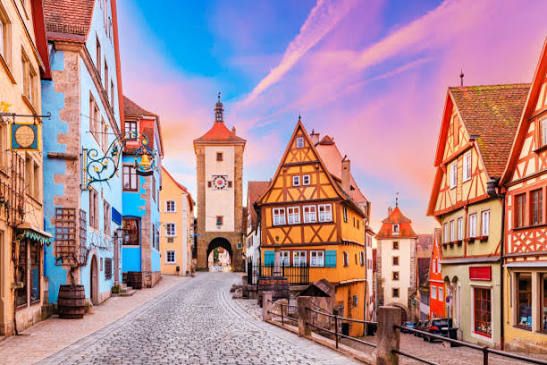
Winding through the heart of Bavaria and Baden-Württemberg in Germany, the Romantic Road is a 220-mile route that feels as though it has been lifted straight from the pages of a fairy tale. Established in the 1950s to promote tourism in post-war Germany, it connects a series of exquisitely preserved medieval towns, half-timbered villages, and spectacular castles. Starting in Würzburg and ending at the foot of the Alps in Füssen, the drive takes you through rolling vineyards and lush green meadows that have inspired poets and artists for centuries. It is a quintessentially European road trip that prioritises culture, history, and charm over the high-speed thrills of the famous Autobahn system which is located just a few miles away.
The undisputed jewel of the journey is Neuschwanstein Castle which served as the inspiration for the Sleeping Beauty castle and sits perched on a rugged hill overlooking the surrounding plains. Beyond the famous landmarks, the joy of the Romantic Road lies in the quiet moments such as enjoying a local bratwurst in a cobbled market square or exploring the perfectly preserved city walls of Rothenburg ob der Tauber. It is a route that encourages a leisurely pace and a curious mind because every turn reveals another piece of Germany’s rich cultural tapestry. For those who want to experience the traditional heart of Europe while enjoying smooth roads and exceptional hospitality, this historic trek remains one of the most rewarding and picturesque drives available on the continent today.
The sheer scale of these global road trips reminds us that while we are more connected than ever through technology, our physical infrastructure and the health of our planet still rely on a fragile network of pathways and resources.
Like this story? Add your thoughts in the comments, thank you.


