
The Teeth That Time Left Behind
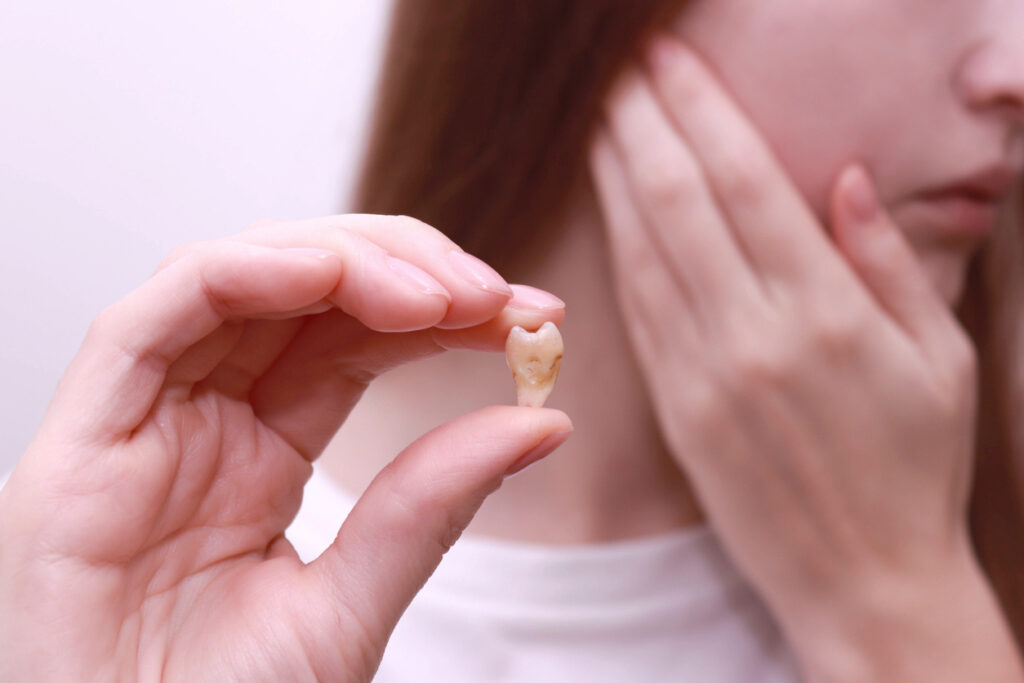
For many of us, wisdom teeth are just a painful rite of passage that ends in a bowl of ice cream and a puffy face. These third molars usually show up between the ages of 17 and 25, a life stage that ancient Greeks referred to as the “age of wisdom.” While they feel like a modern nuisance, they are actually a fascinating biological inheritance. Thousands of years ago, our ancestors relied on these extra grinders to process a diet that was much tougher than anything we find in a grocery store today. They represent a window into a time when human survival depended on a very different set of physical tools.
Today, these teeth serve as a perfect example of evolution in action. They remind us that while our cultures and technologies change rapidly, our bodies take much longer to catch up. For millennia, these molars were essential, but as our lifestyles shifted, they became “vestigial” structures, parts of the body that have lost their original function. Looking at wisdom teeth helps us appreciate how far we have come, from the days of foraging and raw survival to our modern, comfortable lives.
Ancestral Diet Demands

Before the invention of farming around 10,000 years ago, the human diet was incredibly demanding. Our hunter-gatherer ancestors spent their days chewing on fibrous plants, raw nuts, and tough meats that hadn’t been softened by modern cooking techniques. This “Paleo” lifestyle required immense chewing power, and the third molars provided the extra surface area needed to grind down these dense calories. In an era where food was a constant struggle, having a robust set of 32 teeth was a major survival advantage that ensured our predecessors could extract every bit of nutrition from their harsh environment.
However, everything changed when humans mastered fire and began cooking their meals. Softening food through heat and using stone tools to grind grain meant that our jaws didn’t have to work nearly as hard. Over the last several thousand years, the biological “need” for that third set of molars began to vanish. While our dinners became easier to eat, our genetic blueprints didn’t get the memo immediately.
Jaw Size Shrinking Over Time
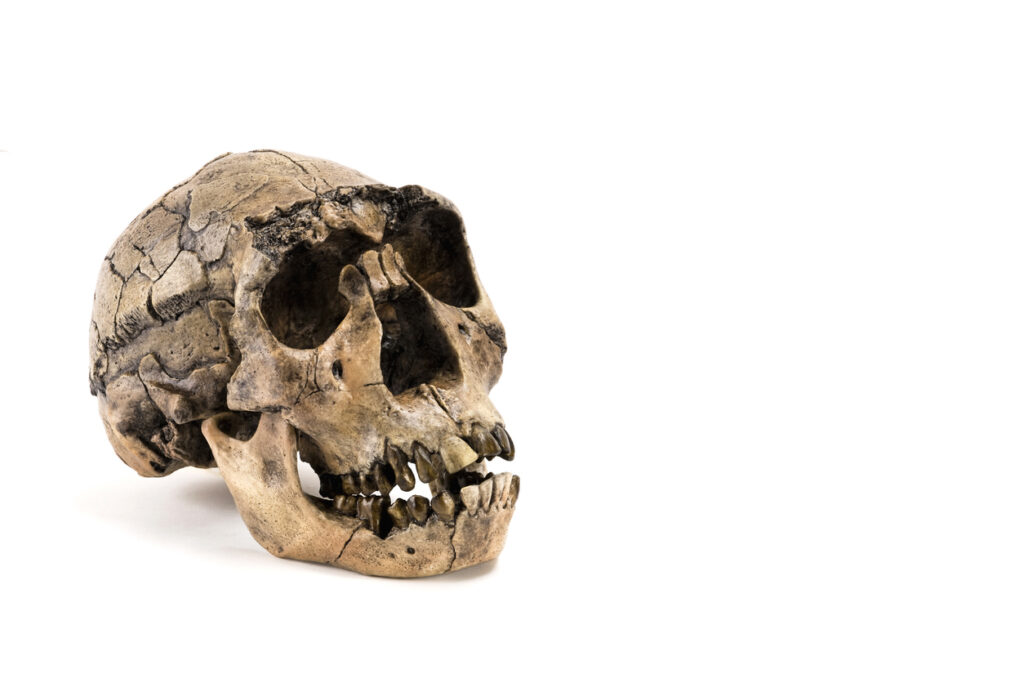
If you look at a skull from a human ancestor like Homo erectus from nearly two million years ago, the most striking feature is the massive jaw. These early humans had broad, powerful facial structures designed to house a full set of large teeth with plenty of room to spare. Evolution favored these large jaws because they were necessary for survival in the wild. In those days, wisdom teeth didn’t get “impacted” or stuck; they simply grew into the available space and went to work. There was a perfect harmony between the size of the mouth and the number of teeth inside it.
As we move forward in history to the last 100,000 years, we see a dramatic shift. As human brains grew larger and our diets became softer, our faces began to flatten and our jaws started to shrink. This creates a bit of a “housing crisis” in our mouths today. While our jaws have become smaller and more refined, the number of teeth we are programmed to grow has largely stayed the same. This evolutionary lag is the reason why most modern humans simply don’t have enough real estate for those final four molars, leading to the crowding issues that keep modern orthodontists very busy.
A Replacement Safety Net
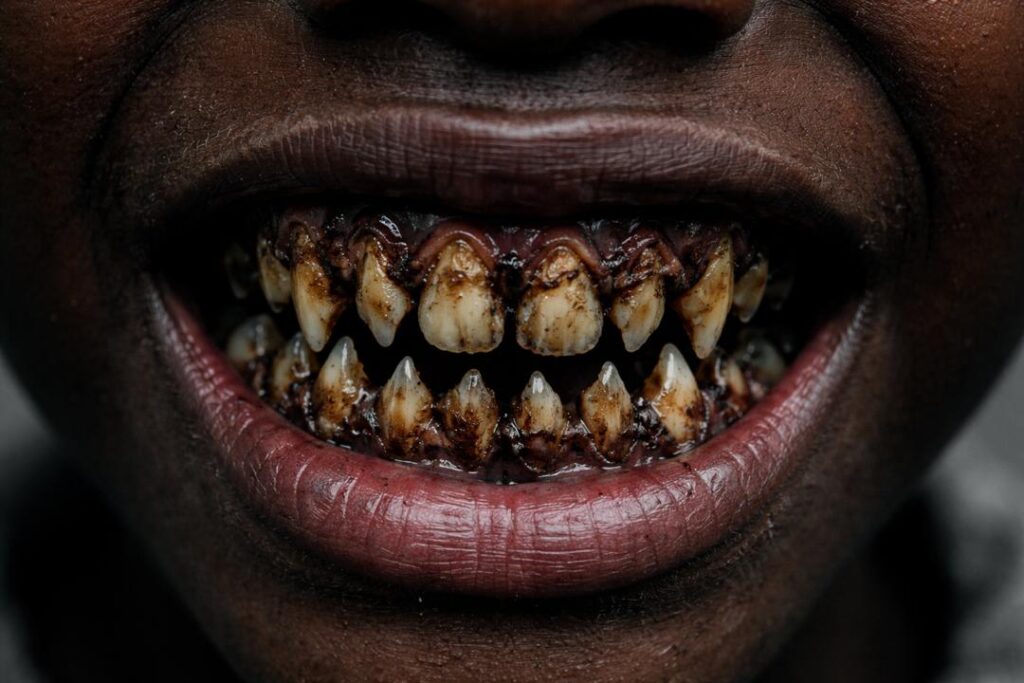
In the prehistoric world, dental hygiene didn’t exist, and “brushing twice a day” wasn’t an option. Because of the gritty, sandy nature of an ancient diet, teeth often wore down or were lost to injury by the time a person reached their late teens. This is where wisdom teeth played their most brilliant role: they acted as a natural backup system. Arriving later in life, these fresh molars would emerge just as the first and second molars were starting to fail. They essentially provided a “second wind” for chewing, allowing individuals to continue eating tough foods well into their adult years.
In our modern world, we’ve largely outgrown the need for this biological safety net. Thanks to fluoride, toothbrushes, and professional dental care, most of us keep our original molars for a lifetime. Since the first and second molars stay healthy and in place, the wisdom teeth find themselves with no “job” to do and no vacancy to fill. It’s a classic case of our biological history lingering in a world that has moved on to much softer, safer horizons.
Delayed Arrival and Wisdom
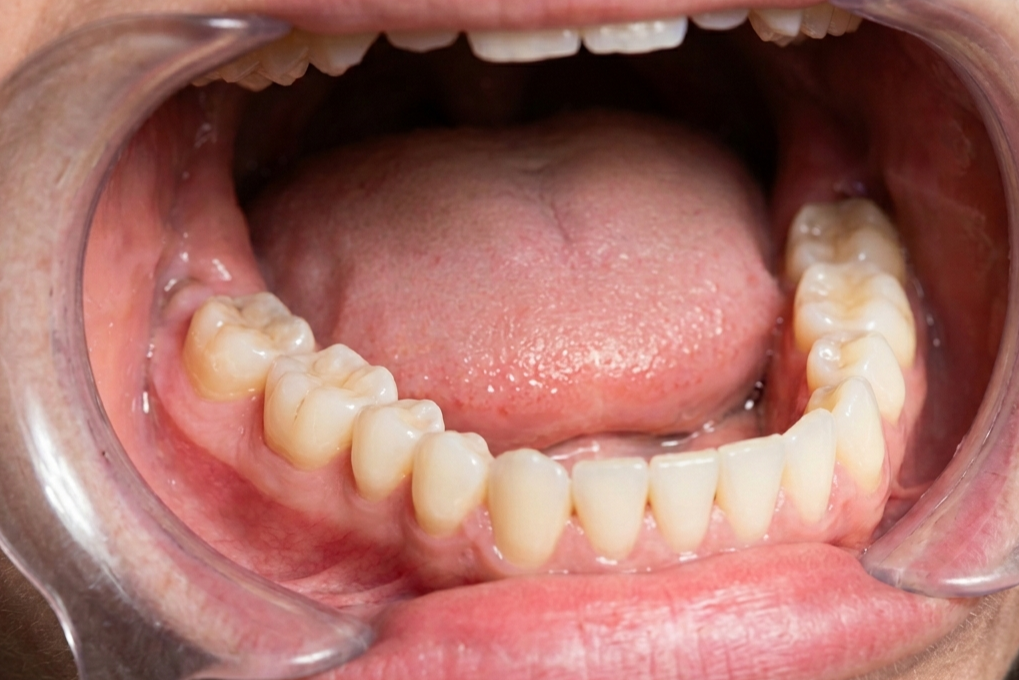
The term “wisdom teeth” actually dates back to the 17th century, coined because these molars appear during the “age of discretion.” Unlike our “baby teeth” or early adult teeth, which arrive during childhood, wisdom teeth wait until the transition into adulthood. Historically, if you made it to age 18 or 20 in a world without modern medicine, you were considered quite experienced and wise. This late schedule was biologically intentional, ensuring that the backup grinders arrived only after the jaw had reached its maximum size and the earlier teeth had faced years of heavy wear and tear.
However, this late-blooming nature is exactly what causes problems in the 21st century. Because they are the last to arrive at the “party,” the rest of the teeth have already claimed their spots. By the time these molars try to emerge, the jawbone has often finished growing and hardening. This leads to the teeth coming in at odd angles or staying trapped beneath the gum line, a condition known as impaction.
Dietary Changes and Jaw Development

Scientists have noted a fascinating link between what we eat as children and how our jaws actually grow. In the past, children chewed on much tougher foods, which stimulated the jawbone to grow wider and stronger. This mechanical stress acted like a workout for the face, creating plenty of space for wisdom teeth to emerge naturally. Studies of ancient skeletons often show perfectly aligned teeth because the “chewing exercise” of a prehistoric diet naturally expanded the palate. This physical development was a key factor in why our ancestors didn’t suffer from the same dental crowding we see today.
Because we don’t challenge our jawbones during those critical growing years, our jaws often fail to reach their full potential size. This lack of stimulation, combined with a genetic trend toward smaller faces, means that wisdom teeth are essentially being squeezed out of the picture. In other words, our dinner plates became easier to manage, our anatomy changed in response, leaving those final molars with nowhere to go but out.
Vestigial Tooth Truth
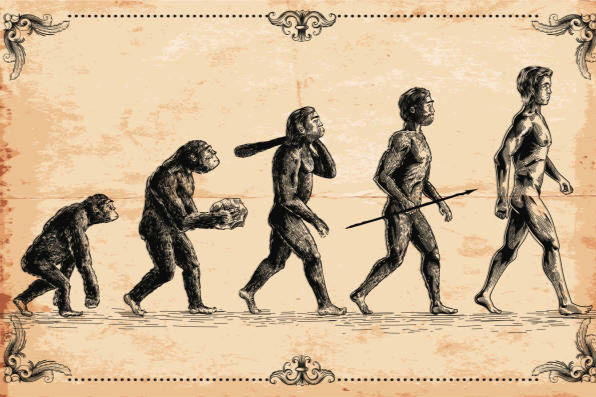
In the world of biology, a vestigial structure is like an old app on your phone that you no longer use but can’t quite delete. Wisdom teeth sit right alongside the tailbone and the appendix as classic examples of this phenomenon. They are remnants of a specialized past when our ancestors lived much like other great apes, requiring massive grinding power for a foliage-heavy diet. As we evolved into Homo sapiens and changed our environment, the function of these teeth disappeared.
While they may seem like a “mistake” when they cause a toothache, vestigial structures like wisdom teeth are actually goldmines for researchers. They provide undeniable proof of our evolutionary journey, linking us directly to the primates of millions of years ago. We are essentially walking history books, and our dental X-rays are the pages. Even though many people now choose to have them removed to avoid health complications, their continued existence in our DNA biologically shows how far we’ve evolved.
Genetic Legacy in Our Teeth

Not everyone has to worry about wisdom teeth; in fact, some people are born “genetically lucky.” Scientific research indicates that roughly 35% of the global population is now born without at least one wisdom tooth. This isn’t a random fluke; it’s a result of a specific genetic mutation that appeared thousands of years ago. In some cultures, such as indigenous populations in Mexico, the rate of missing wisdom teeth is even higher. This suggests that evolution might finally be “deleting” these unnecessary molars from the human blueprint as they continue to lose their functional purpose in our lives.
The variation in how these teeth develop is a great example of “survival of the fittest” shifting toward “survival of the most comfortable.” In the past, having extra teeth was a benefit; today, being born without them might actually be an advantage since it saves a person from surgery and potential infections. Geneticists are still studying the exact markers that control tooth development, hoping to understand why some people get all four while others get none.
Impaction and Modern Challenges
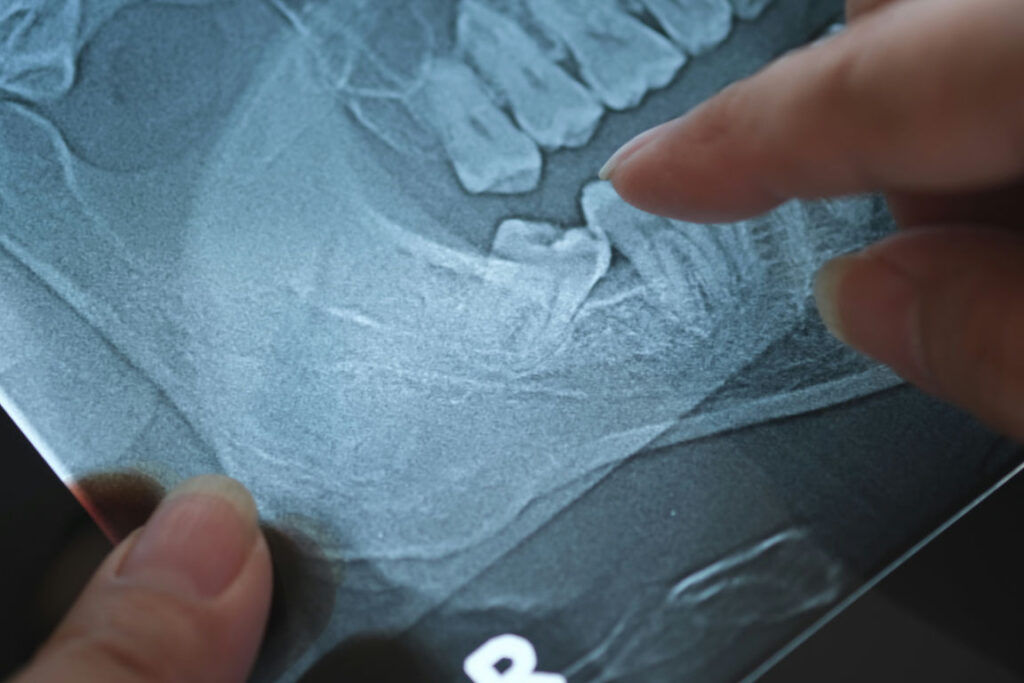
When a wisdom tooth doesn’t have enough room to emerge, it becomes “impacted.” This means it remains stuck in the jawbone or grows in sideways, pressing against the roots of neighboring teeth. This isn’t just a minor discomfort; it can lead to cysts, gum disease, and even damage to the jawbone itself. In the modern world, this is one of the most common reasons for outpatient surgery. Because our mouths have evolved to be smaller, these “trapped” teeth have become a significant health hurdle that our ancestors rarely had to deal with during their shorter lifespans.
Dentists generally monitor these teeth with X-rays starting in the early teens to catch potential problems before they start. If a tooth looks like it’s going to cause a “pile-up” in the dental row, extraction is usually the safest bet. This medical necessity highlights the gap between our ancient biology and our current needs. We are essentially living in a high-tech world with “hardware” that was designed for a much rougher environment. Dealing with impacted wisdom teeth is simply part of the price we pay for having the refined, smaller faces that characterize the modern human look today.
A Window Into Our Past

Ultimately, wisdom teeth are far more than just a dental bill; they are a bridge to our prehistoric past. They invite us to imagine a world where humans sat around a fire, using their powerful jaws to survive in a wilderness full of challenges. Every time a young adult has their wisdom teeth removed, they are participating in a story that began millions of years ago.
As we look toward the future, it is possible that wisdom teeth will eventually disappear entirely from the human species. For now, they serve as a humbling reminder of our humble beginnings and the incredible journey our species has taken. They prove that evolution isn’t just something that happened in the past, it is happening right now, right inside our own smiles.


